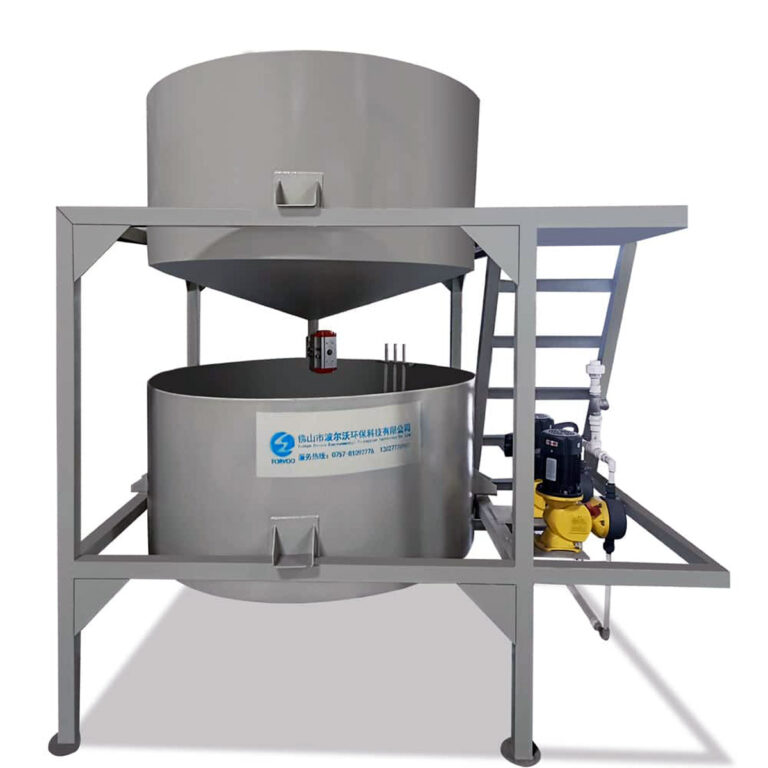
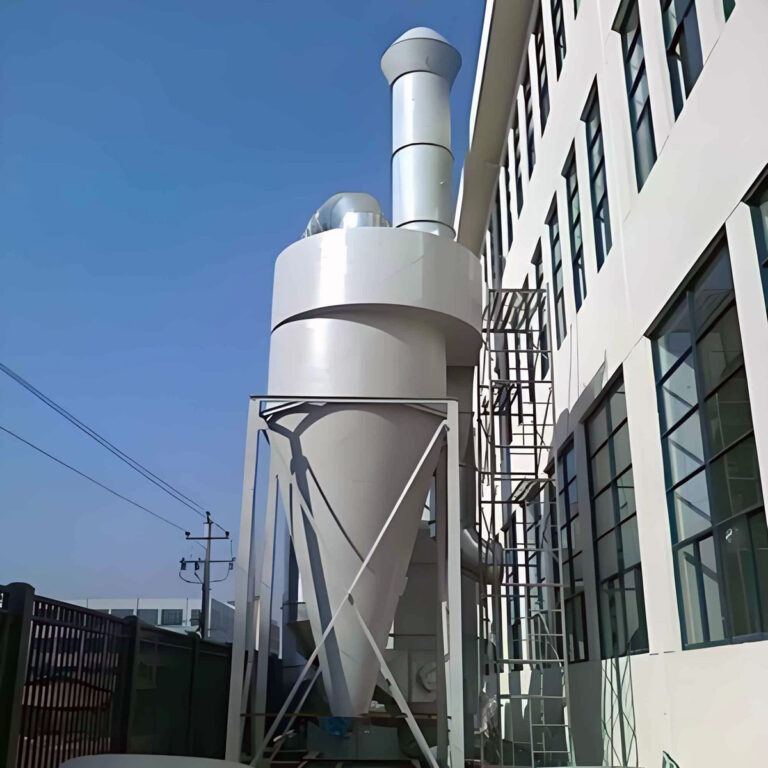
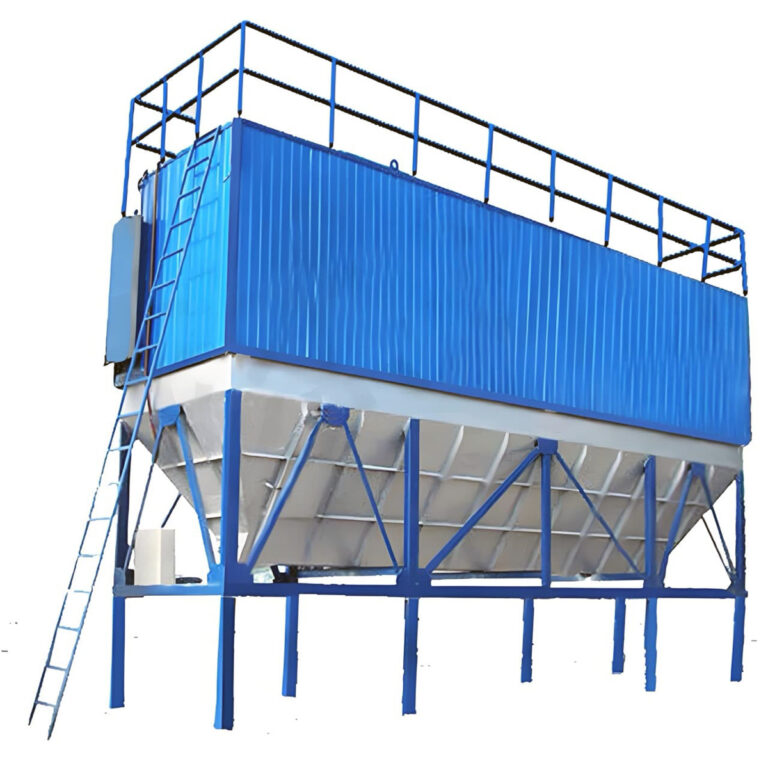
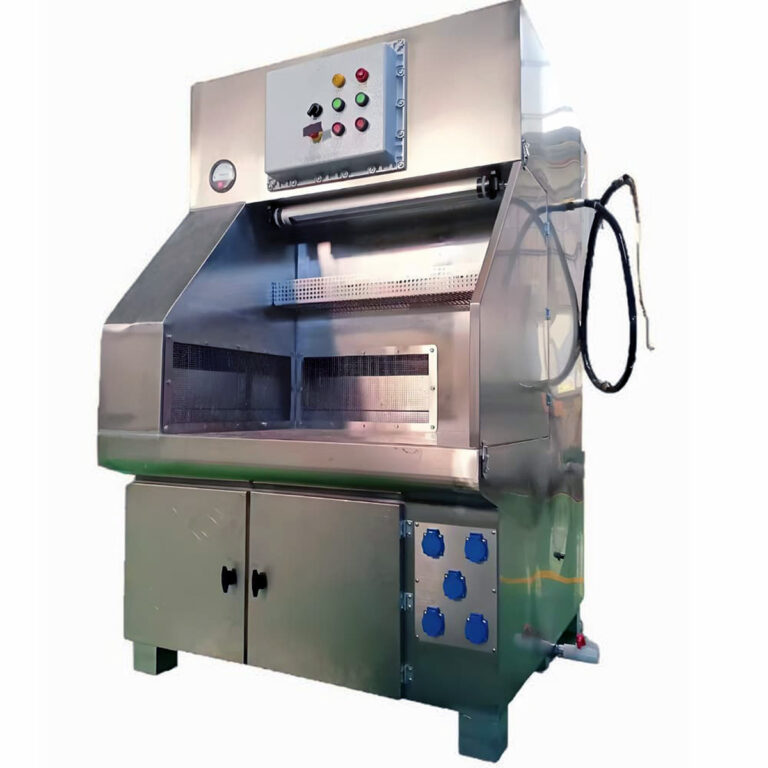
Masalah: Manufacturing facilities across industries struggle with determining appropriate budgets for dust collection systems, often facing sticker shock when quotes arrive or discovering hidden costs after installation. Many companies either overspend on unnecessarily complex systems or underinvest in inadequate solutions that fail compliance requirements.
Agitasi: Making the wrong dust collector investment decision can cost your facility tens of thousands in regulatory fines, worker safety violations, and production downtime. Inadequate dust control systems often require expensive retrofitting within months of installation, while oversized systems drain operational budgets through excessive energy consumption.
Solusi: Komprehensif ini dust collector cost analysis provides detailed pricing breakdowns, cost comparison frameworks, and budget planning strategies to help you make informed investment decisions. We’ll examine real-world pricing data, hidden cost factors, and ROI calculations that experienced facility managers use to optimize their dust control investments.
Understanding dust collection system costs requires analyzing multiple variables beyond initial purchase price. Professional industrial solutions demonstrate how proper system sizing and component selection directly impact long-term operational expenses and compliance outcomes.
What Determines Industrial Dust Collector Pricing in Today’s Market?
Industrial dust collector pricing depends primarily on airflow capacity measured in cubic feet per minute (CFM), filtration technology, and construction materials. Entry-level cartridge collectors handling 1,000-3,000 CFM typically range from $8,000-$25,000, while heavy-duty baghouse systems managing 10,000+ CFM can exceed $150,000 installed.
System Capacity and Airflow Requirements
CFM requirements drive approximately 60% of total system cost, with pricing following a logarithmic scale rather than linear progression. A 5,000 CFM system doesn’t cost five times more than a 1,000 CFM unit—economies of scale reduce per-CFM costs as system size increases.
| CFM Range | Typical Cost Range | Cost per CFM |
|---|---|---|
| 1,000-3,000 | $8,000-$25,000 | $8.00-$25.00 |
| 3,000-8,000 | $20,000-$65,000 | $6.50-$8.50 |
| 8,000-15,000 | $50,000-$120,000 | $6.25-$8.00 |
| 15,000+ | $100,000-$300,000+ | $5.50-$7.50 |
Filtration Technology Impact
Filtration technology significantly affects pricing structures. HEPA-grade systems command 40-60% premiums over standard efficiency units due to specialized filter media and housing construction requirements. Pulse-jet cleaning mechanisms add $3,000-$8,000 to base system costs but reduce long-term filter replacement expenses.
Construction Materials and Durability
Industrial environments demand robust construction materials that withstand temperature extremes, corrosive particles, and continuous operation. Stainless steel housings cost 25-35% more than carbon steel alternatives but provide superior longevity in demanding applications.
In our experience working with manufacturing facilities, the most cost-effective approach balances initial investment with operational requirements rather than simply choosing the lowest-priced option.
How Much Do Different Types of Dust Collection Systems Cost?
Different dust collection technologies serve specific applications with corresponding price structures. Dust collection system cost analysis reveals significant variations between cartridge, baghouse, and cyclone systems based on particle characteristics and performance requirements.
Pengumpul Debu Kartrid
Cartridge systems offer excellent versatility for light-to-moderate dust loads, with costs ranging from $6,000-$45,000 depending on capacity and features. These systems excel in applications requiring frequent filter changes and compact footprints.
Advantages: Lower initial cost, easy maintenance, compact design
Consideration: Higher filter replacement frequency increases operational costs
Pengumpul Debu Baghouse
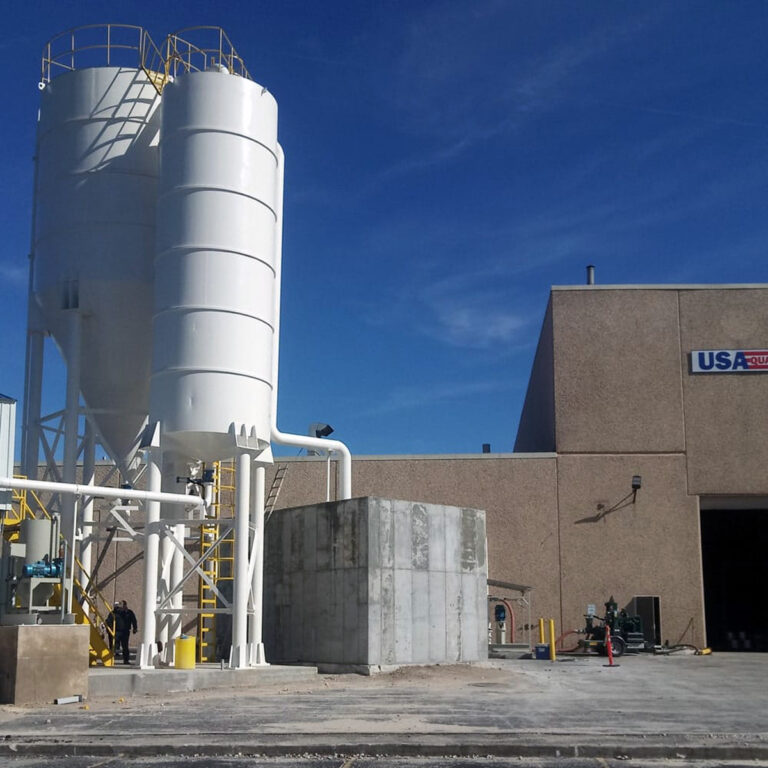
Baghouse systems handle heavy dust loads and high-temperature applications, with pricing from $25,000-$200,000+ for industrial installations. These systems provide exceptional filtration efficiency and long filter life in demanding environments.
A recent installation at a metal fabrication facility demonstrated baghouse effectiveness: the 12,000 CFM system reduced particulate emissions by 99.7% while operating 24/7 for over two years with minimal maintenance interventions.
Cyclone Separators and Pre-filters
Cyclone systems offer cost-effective pre-filtration for heavy particles, typically priced between $3,000-$15,000. While cyclones alone rarely meet modern emission standards, they significantly extend downstream filter life in multi-stage systems.
What Factors Drive Dust Collector Price Comparison Results?
Efektif dust collector price comparison requires analyzing total cost of ownership rather than focusing solely on initial purchase price. Five critical factors create significant price variations between seemingly similar systems.
Installation Complexity and Site Requirements
Installation costs frequently equal 30-50% of equipment costs, varying dramatically based on facility layout, electrical requirements, and ductwork complexity. Ground-level installations typically cost $2,000-$5,000, while rooftop installations can exceed $15,000 due to structural reinforcement and weather protection requirements.
Regulatory Compliance Standards
Facilities subject to strict emission regulations require higher-efficiency systems with advanced monitoring capabilities. EPA compliance features add $5,000-$20,000 to base system costs but prevent potential fines exceeding $100,000 annually.
Efisiensi Energi dan Biaya Operasional
High-efficiency motors and variable frequency drives increase initial costs by $3,000-$8,000 but reduce annual energy consumption by 20-40%. According to Department of Energy data, a 10 HP system operating 4,000 hours annually consumes approximately $3,500 in electricity costs.
| Motor Efficiency | Annual Energy Cost | 10-Year Operating Cost |
|---|---|---|
| Standar | $3,500 | $35,000 |
| Premium Efficiency | $2,800 | $28,000 |
| VFD-Controlled | $2,100 | $21,000 |
How to Conduct Proper Dust Collection System Cost Analysis?
Komprehensif dust collection system cost analysis evaluates lifecycle costs including equipment, installation, operation, maintenance, and disposal expenses over 10-15 year periods. This methodology prevents costly oversights that traditional purchasing approaches often miss.
Total Cost of Ownership Framework
Professional cost analysis begins with establishing baseline CFM requirements through industrial hygiene assessments. Undersized systems fail compliance requirements while oversized systems waste energy—proper sizing typically saves 15-25% in lifecycle costs.
Lifecycle Cost Modeling
Effective cost modeling incorporates filter replacement schedules, energy consumption patterns, and maintenance intervals. Filter costs alone can exceed initial equipment investment over system lifetime, making filter efficiency and longevity critical factors.
A pharmaceutical manufacturing facility’s cost analysis revealed that a $35,000 premium-efficiency system provided $18,000 lower operating costs over five years compared to a $28,000 standard unit, generating positive ROI within three years.
Regional Pricing Variations
Geographic location significantly impacts both equipment and installation costs. Western markets typically show 15-20% higher pricing due to stricter environmental regulations and higher labor costs, while southeastern markets offer more competitive pricing structures.
What Should Your Environmental Equipment Cost Guide Include?
Profesional environmental equipment cost guide development requires systematic evaluation of current regulations, future compliance requirements, and operational flexibility needs. Comprehensive guides prevent costly oversights during procurement processes.
Regulatory Compliance Mapping
Current EPA regulations establish minimum performance standards, but many states impose stricter requirements. California’s South Coast Air Quality Management District, for example, requires 99.9% efficiency for many applications versus EPA’s 99% standard—increasing system costs by $10,000-$25,000.
Performance Specification Standards
Equipment guides should specify minimum filtration efficiency, maximum pressure drop, and noise level requirements. These specifications prevent purchasing systems that meet basic requirements but fail operational needs.
Kriteria Evaluasi Vendor
Successful procurement requires evaluating vendor technical support, parts availability, and service network coverage. Local service availability can reduce maintenance costs by 20-30% compared to remote service arrangements.
While comprehensive dust collection solutions from industrial environmental specialists provide turnkey approaches, understanding individual cost components helps optimize specification requirements.
How Does Dust Control Budget Planning Impact ROI?
Strategic dust control budget planning directly influences operational efficiency, regulatory compliance, and long-term profitability. Facilities investing in properly sized systems typically achieve 15-25% better ROI through reduced maintenance, energy savings, and avoided compliance penalties.
Multi-year Budget Strategies
Effective budget planning anticipates equipment replacement cycles and technology upgrades. Industry consensus suggests planning major system upgrades every 12-15 years, with filter and component replacements following manufacturer-recommended schedules.
Risk Assessment and Contingency Planning
Budget planning must address potential regulatory changes and production expansion requirements. Building 20-30% capacity reserves into initial system sizing accommodates future growth without complete system replacement.
In our experience, facilities that implement comprehensive budget planning reduce total dust collection costs by 18-22% over ten-year periods compared to reactive purchasing approaches.
What Hidden Costs Affect Total Dust Collector Investment?
Understanding hidden costs prevents budget overruns and ensures realistic financial planning. These expenses often equal 40-60% of initial equipment costs but receive insufficient attention during procurement processes.
Utility Infrastructure Requirements
Electrical service upgrades frequently add $5,000-$15,000 to installation costs, particularly for high-horsepower systems requiring specialized electrical configurations. Compressed air requirements for pulse-jet systems may necessitate additional compressor capacity costing $3,000-$8,000.
Permitting and Environmental Compliance
Environmental permits typically cost $2,000-$8,000 depending on local requirements and system complexity. Stack testing for compliance verification adds another $3,000-$6,000 to initial expenses.
Training and Operational Integration
Operator training ensures optimal system performance and longevity. Professional training programs cost $1,500-$3,500 but prevent operational errors that can cause premature component failure or efficiency degradation.
A recent case study from an automotive parts manufacturer revealed that inadequate operator training contributed to $12,000 in unnecessary filter replacements during the first year of operation.
How Do Maintenance and Operating Expenses Impact Long-term Costs?
Long-term operational expenses typically exceed initial equipment investment over system lifetime. Understanding these costs enables accurate budget planning and system optimization decisions.
Filter Replacement Scheduling
Filter costs represent 35-50% of total operating expenses for most installations. High-efficiency filters cost more initially but often provide superior longevity—reducing replacement frequency from quarterly to semi-annually saves significant labor and material costs.
Energy Consumption Optimization
Modern dust collectors with variable frequency drives automatically adjust airflow based on production requirements, reducing energy consumption by 25-35% during off-peak periods. This technology adds $4,000-$8,000 to initial costs but provides annual savings of $2,000-$4,000 for typical installations.
Predictive Maintenance Benefits
Implementing predictive maintenance programs reduces unexpected downtime by 60-75% according to industrial maintenance research. Pressure monitoring systems and filter condition sensors cost $2,000-$5,000 but prevent costly emergency repairs and production interruptions.
| Maintenance Approach | Annual Cost | Downtime Hours | Emergency Repair Risk |
|---|---|---|---|
| Reactive | $8,500 | 48-72 | Tinggi |
| Scheduled | $6,200 | 24-36 | Sedang |
| Predictive | $5,800 | 8-16 | Rendah |
This comprehensive cost analysis demonstrates that effective dust collector investment requires balancing initial costs, operational expenses, and performance requirements. Proper system sizing, technology selection, and maintenance planning typically reduce total ownership costs by 20-30% while ensuring consistent regulatory compliance and operational reliability.
Successful dust collection system investment starts with understanding your specific requirements and evaluating comprehensive solutions that address both immediate needs and long-term operational goals. Consider partnering with experienced environmental system specialists who can provide detailed cost analysis and system optimization recommendations tailored to your facility’s unique requirements.
What specific challenges does your facility face regarding dust collection costs, and how might these insights apply to your current budget planning process?
Pertanyaan yang Sering Diajukan
Q: What factors influence the cost of dust collectors?
A: The cost of dust collectors is influenced by several key factors. These include the initial purchase price, which can vary significantly depending on the type and size of the collector. Other significant factors are operational costs, such as energy consumption and maintenance time, as well as the cost of consumables like filter cartridges. Additionally, disposal costs for used filters can impact the overall expense.
Q: How much does a typical dust collector cost?
A: Dust collector prices vary widely based on size and complexity. Small dust collectors can cost between $500 and $1,000, while large collectors range from $10,000 to $80,000. Custom units can be even more expensive, often reaching up to $1 million. The price also depends on whether it’s a basic or advanced model with additional features.
Q: What is the Total Cost of Ownership (TCO) for dust collectors, and why is it important?
A: The Total Cost of Ownership (TCO) for dust collectors includes not just the purchase price but also ongoing expenses like energy consumption, maintenance, consumables, and disposal costs. Understanding TCO is crucial for making informed purchasing decisions and optimizing long-term costs. It helps buyers see beyond the initial cost and consider how their choice will affect their budget over time.
Q: How can I reduce the long-term costs of using a dust collector?
A: To reduce long-term costs, consider using energy-efficient models that consume less power. Additionally, optimizing filter usage and exploring cost-effective maintenance strategies can help. Choosing dust collectors with long-lasting filter cartridges can also minimize replacement costs. Finally, implementing efficient disposal methods for used filters can save money over time.
Q: What are the key considerations for a dust collector cost analysis?
A: When analyzing the cost of a dust collector, consider the following key factors:
- Initial Purchase Price: The upfront cost of the collector.
- Biaya Energi: The cost of running the collector over time.
- Consumables: The cost of replacing filter cartridges and other parts.
- Maintenance Time: The time spent servicing the equipment.
- Biaya Pembuangan: The cost of disposing of used filters responsibly.
Q: How does the size and type of dust collector affect its cost and effectiveness?
A: The size and type of dust collector significantly impact both its cost and effectiveness. Larger collectors are typically more expensive but can handle greater volumes of dust, making them suitable for industrial settings. Smaller collectors are more affordable but may not be as effective in larger spaces. The type of collector, such as cartridge-style or baghouse, also affects its efficiency and cost, with cartridge-style often being more cost-effective in terms of filter replacement.
Sumber Daya Eksternal
- How Much Does an Industrial Dust Collector Cost? | A.C.T. – Comprehensive guide explaining both short-term and long-term expenses for industrial dust collectors to determine true lifecycle costs.
- Understanding Cartridge Dust Collector Pricing – RoboVent – Detailed breakdown of cartridge dust collector pricing covering the key factors: CFM, static pressure, and air-to-cloth ratio.
- How much does a dust collector really cost? – Plant Engineering – Analysis of dust collector ownership costs beyond initial purchase, including selection criteria for different industrial applications.
- Dust Collector Total Cost of Ownership – Camfil – White paper examining the total cost of ownership including energy, filter cartridge purchase, maintenance, and disposal costs.
- All Professional Dust Collectors – OakTree Supply – Pricing comparison of various professional dust collection systems including industrial models from manufacturers like Laguna.