Industri manufaktur keramik menghadapi tekanan yang semakin besar untuk mengatasi kontrol debu keramik tantangan seiring dengan semakin ketatnya peraturan lingkungan dan berkembangnya standar keselamatan di tempat kerja. Fasilitas produksi keramik menghasilkan partikulat di udara dalam jumlah besar yang menimbulkan risiko kesehatan yang serius bagi pekerja dan berkontribusi terhadap pencemaran lingkungan. Dari pabrik pembuatan ubin yang memproses ribuan meter persegi setiap hari hingga studio pengrajin tembikar, manajemen debu yang efektif telah menjadi persyaratan operasional yang penting, bukan hanya sebagai pertimbangan opsional.
Data industri terbaru mengungkapkan bahwa fasilitas manufaktur keramik dapat menghasilkan antara 50-200 pon debu per jam selama periode produksi puncak, dengan ukuran partikel mulai dari fragmen kasar hingga debu yang dapat terhirup sangat halus di bawah 2,5 mikron. Meskipun fasilitas-fasilitas ini mendorong pertumbuhan ekonomi dan memenuhi permintaan global akan produk keramik, sistem pengendalian debu yang tidak memadai dapat mengakibatkan kutipan OSHA, masalah kesehatan pekerja, dan pelanggaran kualitas udara masyarakat. Konsekuensinya lebih dari sekadar kepatuhan terhadap peraturan - manajemen debu yang buruk menyebabkan keausan peralatan, kontaminasi produk, dan biaya pembersihan yang signifikan yang dapat berdampak pada profitabilitas sebesar 15-25% per tahun.
Panduan komprehensif ini membahas strategi pengendalian debu keramik yang telah terbukti, mengeksplorasi teknologi filtrasi yang mutakhir, dan memberikan wawasan implementasi praktis untuk fasilitas dari semua ukuran. Anda akan menemukan betapa modernnya solusi perawatan industri merevolusi manajemen debu dengan tetap mempertahankan efisiensi operasional dan efektivitas biaya.
Apa itu Pengendalian Debu Keramik dan Mengapa Penting?
Kontrol debu keramik meliputi penangkapan, penyaringan, dan penghilangan partikel di udara secara sistematis yang dihasilkan selama proses pembuatan keramik. Bidang khusus pengendalian polusi udara industri ini mengatasi tantangan unik yang ditimbulkan oleh karakteristik debu keramik, termasuk suhu tinggi, ukuran partikel yang bervariasi, dan keragaman komposisi kimia.
Memahami Bahaya Debu Keramik
Debu keramik menghadirkan berbagai risiko kesehatan dan operasional yang melampaui partikulat industri pada umumnya. Perhatian utama adalah paparan silika kristal, karena banyak bahan baku keramik mengandung kandungan silika 20-60%. Ketika pekerja menghirup partikel-partikel ini dalam jangka waktu yang lama, mereka berisiko terkena silikosis, penyakit paru-paru progresif yang mempengaruhi sekitar 1.800 pekerja AS setiap tahunnya menurut data NIOSH.
Distribusi ukuran partikel dalam operasi keramik menciptakan skenario pemaparan yang sangat menantang. Sementara partikel yang lebih besar (>10 mikron) mengendap relatif cepat, partikel yang dapat terhirup (<4 mikron) tetap berada di udara selama berjam-jam dan menembus jauh ke dalam jaringan paru-paru. Pengalaman kami bekerja dengan fasilitas keramik menunjukkan bahwa area produksi yang tidak diolah sering kali melebihi batas paparan yang diizinkan sebesar 300-500%, yang menciptakan pelanggaran kepatuhan langsung.
| Jenis Debu | Rentang Ukuran Partikel | Tingkat Risiko Kesehatan | Waktu Penyelesaian |
|---|---|---|---|
| Debu Keramik Kasar | 10-100 mikron | Rendah-Sedang | 5-30 menit |
| Debu Keramik Halus | 2,5-10 mikron | Tinggi | 1-8 jam |
| Partikel Ultrafine | <2,5 mikron | Sangat Tinggi | Beberapa hari hingga beberapa minggu |
Dampak Lingkungan dan Peraturan
Peraturan lingkungan yang mengatur emisi debu keramik telah meningkat secara signifikan, dengan standar EPA yang mengharuskan fasilitas untuk mendemonstrasikan penerapan Teknologi Kontrol Terbaik yang Tersedia (BACT). Fasilitas sekarang harus mempertahankan tingkat opasitas di bawah 10% dan emisi partikulat di bawah 0,05 butir per kaki kubik standar kering untuk instalasi baru.
Amandemen Undang-Undang Udara Bersih secara khusus menargetkan manufaktur keramik di bawah kategori Sumber Utama, yang membuat fasilitas yang lebih besar tunduk pada persyaratan perizinan Pencegahan Kerusakan Signifikan (PSD). Hukuman ketidakpatuhan berkisar antara $25.000-$50.000 per hari, sehingga sistem kontrol debu yang efektif merupakan investasi yang penting, bukan sekadar peningkatan opsional.
Apa Sumber Utama Debu dalam Manufaktur Keramik?
Memahami titik-titik penghasil debu memungkinkan strategi kontrol yang ditargetkan yang memaksimalkan efisiensi pengumpulan sekaligus meminimalkan konsumsi energi dan investasi modal. Proses pembuatan keramik menghasilkan debu melalui tindakan mekanis, proses termal, dan operasi penanganan material yang masing-masing memerlukan pendekatan khusus.
Penanganan dan Persiapan Bahan Baku
Pemrosesan bahan baku menghasilkan sekitar 40-60% dari total emisi debu fasilitas, menjadikannya area fokus utama untuk manajemen debu manufaktur keramik sistem. Penyiapan tanah liat, penggilingan feldspar, dan penanganan pasir silika menciptakan awan debu yang terus menerus yang dapat membanjiri sistem pengumpulan yang tidak memadai.
Selama penilaian kami terhadap fasilitas keramik, kami telah mengamati bahwa titik pemindahan material sering kali menghasilkan konsentrasi debu yang melebihi 1.000 mg/m³ tanpa sistem penutup dan penangkap debu yang tepat. Titik pembuangan konveyor, operasi penyaringan, dan pemuatan tempat penyimpanan menciptakan sumber emisi yang sangat menantang yang memerlukan perhatian segera.
Strategi pengendalian yang efektif meliputi sistem transfer tertutup dengan pemeliharaan tekanan negatif, instalasi sistem kaskade yang meminimalkan ketinggian jatuh, dan penambahan kelembapan strategis yang mengurangi timbulan debu hingga 60-80% bila diterapkan dengan benar.
Operasi Pembentukan dan Pembentukan
Proses pembentukan keramik termasuk pengepresan, ekstrusi, dan pemesinan menghasilkan debu yang cukup besar melalui abrasi mekanis dan tindakan pemotongan. Operasi pengepresan kering yang biasa digunakan dalam pembuatan ubin menciptakan awan debu padat yang mengandung partikel kasar dan halus yang menantang metode penangkapan tradisional.
Operasi pemesinan ramah lingkungan, di mana potongan keramik yang tidak dibakar menjalani proses pembentukan dan penyelesaian, menghasilkan debu yang sangat bermasalah karena tingkat pembentukan yang tinggi dan karakteristik partikel yang bervariasi. Data industri menunjukkan bahwa pemesinan CNC untuk komponen keramik dapat menghasilkan 15-30 pon debu per jam tanpa sistem penangkapan yang memadai.
Faktor kunci keberhasilannya adalah dengan memasang sistem ventilasi penangkap debu yang dapat menghilangkan debu pada titik-titik sumber debu sebelum menyebar ke udara fasilitas umum. Sistem yang dirancang dengan benar mencapai efisiensi penangkapan 95-98% ketika diposisikan dalam jarak 6-12 inci dari sumber debu.
Operasi Kiln dan Proses Suhu Tinggi
Kontrol debu tungku pembakaran keramik menghadirkan tantangan unik karena suhu yang tinggi, reaksi kimia, dan karakteristik emisi yang bervariasi selama siklus pembakaran. Operasi kiln menghasilkan emisi partikulat dan gas yang memerlukan pendekatan penanganan khusus.
Variasi suhu dari sekitar hingga 2.300 ° F menciptakan tantangan ekspansi termal untuk saluran dan media filtrasi, sementara penguapan bahan kimia menghasilkan senyawa yang dapat mengembun yang dapat membutakan sistem filtrasi. Pengalaman kami menunjukkan bahwa sistem debu kiln membutuhkan frekuensi perawatan 25-40% lebih tinggi dibandingkan dengan aplikasi suhu sekitar.
Bagaimana Cara Kerja Sistem Pengumpulan Debu Keramik Modern?
Kontemporer pengumpulan debu pabrik keramik menggunakan pendekatan multi-tahap yang menggabungkan pemisahan mekanis, penyaringan canggih, dan pemantauan cerdas untuk mencapai kinerja yang unggul sambil mempertahankan keandalan operasional.
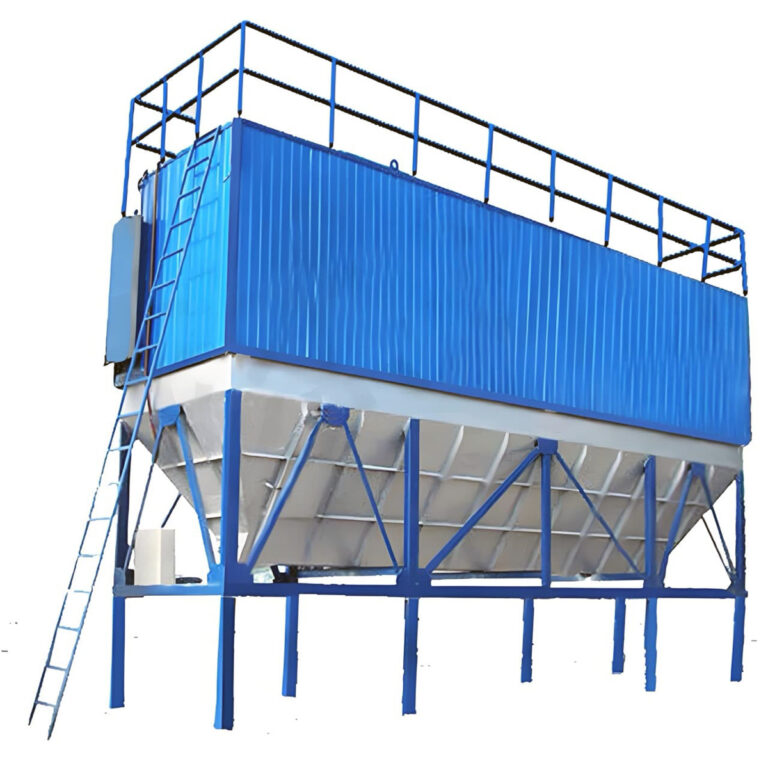
Teknologi Filtrasi Baghouse
Sistem baghouse pulse-jet mewakili standar emas untuk aplikasi pengendalian debu keramik, memberikan efisiensi pengumpulan 99,5-99,9% di seluruh rentang ukuran partikel yang ditemukan dalam pembuatan keramik. Sistem ini menggunakan kantong filter yang dirancang khusus yang dibuat dari bahan tahan suhu tinggi yang mampu bertahan dalam pengoperasian terus-menerus pada suhu hingga 400°F.
Keuntungan utama dari teknologi baghouse terletak pada kemampuannya untuk menangani beban debu yang bervariasi sambil mempertahankan tingkat emisi yang konsisten. Sistem modern menggabungkan urutan pembersihan otomatis yang mengoptimalkan kinerja filter dan memperpanjang masa pakai bag hingga 40-60% dibandingkan dengan desain sebelumnya.
| Komponen Sistem | Metrik Kinerja | Kisaran Khas | Frekuensi Pemeliharaan |
|---|---|---|---|
| Tas Filter | Efisiensi Penagihan | 99.5-99.9% | 12–24 bulan |
| Katup Pulsa | Tekanan Pembersihan | 80–120 PSI | 3-6 bulan |
| Kontrol | Waktu Respons | <2 detik | 6 bulan |
Instalasi baghouse tingkat lanjut dilengkapi dengan ruang pemisahan awal yang menyaring partikel-partikel berukuran lebih besar sebelum proses filtrasi, sehingga mengurangi beban filter dan memperpanjang masa pakai komponen. Sistem-sistem ini terbukti sangat efektif dalam pengendalian polusi udara di industri ubin aplikasi di mana beban debu bervariasi secara signifikan sepanjang siklus produksi.
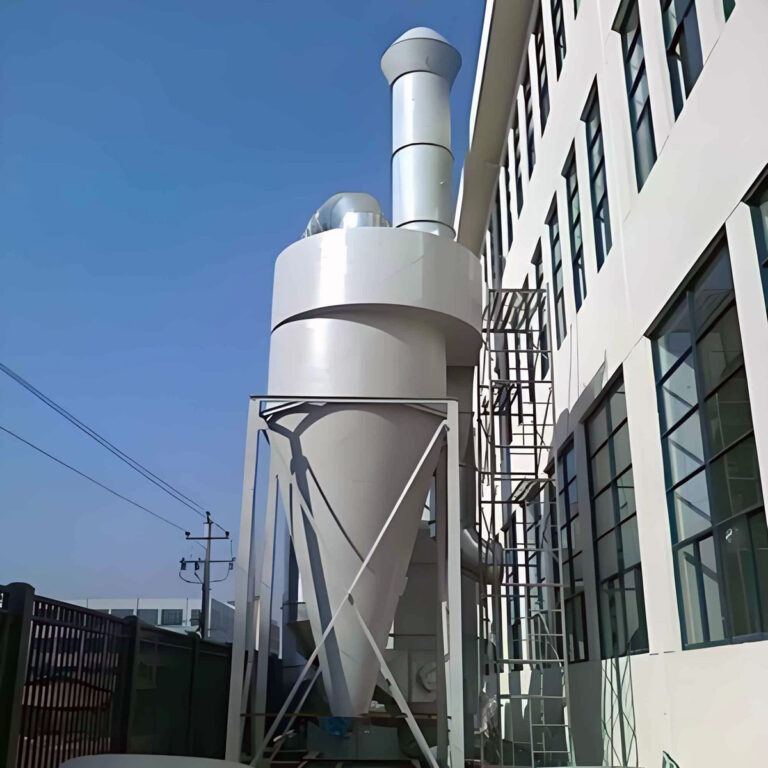
Pemisah Siklon dan Pra-Pengumpulan
Pemisah siklon berfungsi sebagai perangkat pra-penyaringan yang sangat penting untuk menghilangkan 80-90% partikel berukuran lebih besar dari 10 mikron sebelum proses penyaringan lanjutan. Pendekatan ini mengurangi beban filter, memperpanjang masa pakai kantong filter, dan meningkatkan efisiensi sistem secara keseluruhan sekaligus menekan biaya operasional.
Desain siklon modern mengintegrasikan optimasi dinamika fluida komputasional yang meningkatkan efisiensi pemisahan sekaligus meminimalkan penurunan tekanan. Siklon berefisiensi tinggi mampu mencapai efisiensi pengumpulan sebesar 95% untuk partikel berukuran di atas 5 mikron, sehingga secara signifikan mengurangi beban pada peralatan filtrasi hilir.
Manfaat ekonomi dari pemisahan awal siklon mulai terlihat dalam operasi jangka panjang, di mana fasilitas-fasilitas tersebut melaporkan penurunan frekuensi penggantian filter sebesar 30–50% serta penghematan biaya pemeliharaan yang sejalan dengan hal tersebut.
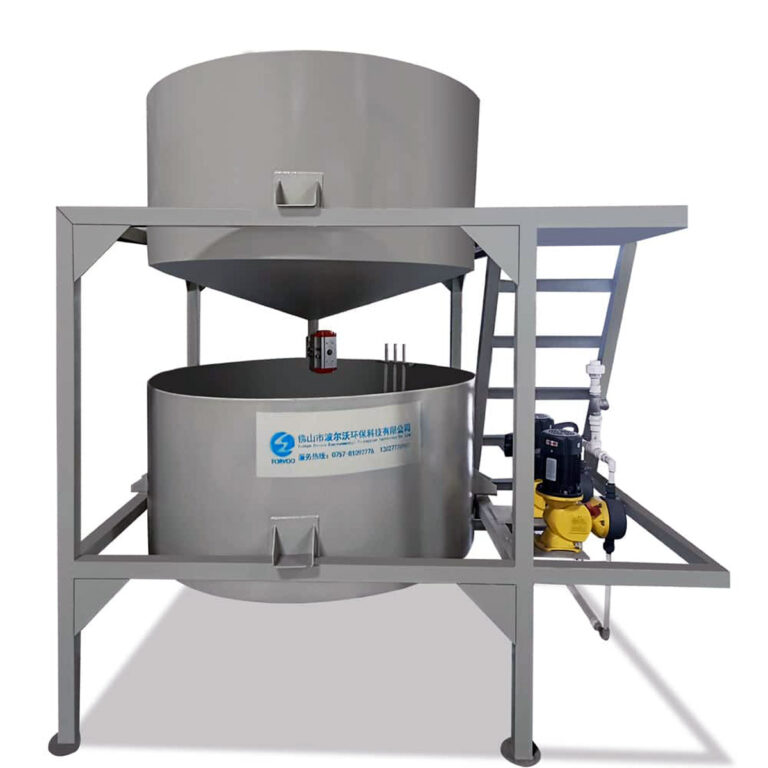
Sistem Pencucian Basah
Teknologi pencucian basah menawarkan keunggulan dalam aplikasi keramik tertentu, terutama di mana pengendalian debu dan pengolahan gas secara bersamaan memberikan manfaat operasional. Sistem-sistem ini sangat efektif dalam aplikasi bersuhu tinggi dan situasi yang melibatkan komposisi debu yang reaktif secara kimia.
Namun, sistem pencucian basah memerlukan pertimbangan cermat terkait persyaratan pengolahan air, pembuangan lumpur, dan potensi masalah pembekuan di iklim dingin. Meskipun efektif, sistem ini umumnya memerlukan biaya operasional yang 40–60% lebih tinggi dibandingkan dengan metode filtrasi kering, akibat konsumsi air dan persyaratan pengelolaan limbah.
Apa saja Solusi Pengendalian Debu Terbaik untuk Berbagai Proses Produksi Keramik?
Industri keramik mencakup berbagai proses yang masing-masing memerlukan pendekatan pengendalian debu yang disesuaikan dan dioptimalkan sesuai dengan karakteristik operasional, volume produksi, serta pola emisi yang spesifik.
Pengelolaan Debu dalam Industri Pembuatan Ubin
Fasilitas produksi ubin berskala besar memerlukan sistem yang tangguh dan berkapasitas tinggi, yang mampu menangani beban debu yang besar sekaligus menjaga kelancaran operasi secara terus-menerus dalam jadwal produksi multi-shift. Fasilitas-fasilitas ini biasanya memasang sistem pengumpulan terpusat yang melayani berbagai area proses melalui jaringan saluran udara yang luas.
Instalasi fasilitas ubin yang paling sukses menggunakan sistem baghouse modular dengan kompartemen-kompartemen terpisah yang memungkinkan pemeliharaan secara online tanpa perlu menghentikan produksi. Kebutuhan kapasitas sering kali melebihi 50.000–100.000 CFM, sehingga efisiensi energi menjadi kriteria pemilihan yang sangat penting.
Sebuah proyek peningkatan fasilitas produksi ubin yang baru-baru ini dilaksanakan menunjukkan peningkatan kinerja yang umum terjadi, di mana solusi perawatan industri yang komprehensif mengurangi emisi debu di seluruh fasilitas sebesar 85% sekaligus menurunkan konsumsi energi sebesar 20% melalui penyesuaian ukuran kipas yang dioptimalkan dan penerapan penggerak frekuensi variabel.
Permohonan untuk Studio Keramik dan Kerajinan Tangan
Usaha keramik skala kecil dan bengkel pengrajin membutuhkan sistem yang ringkas dan efisien, yang mampu memberikan kinerja unggul tanpa memerlukan ruang yang berlebihan atau proses operasional yang rumit. Aplikasi-aplikasi ini sering kali diuntungkan oleh sistem portabel atau modular yang dapat menyesuaikan diri dengan jadwal produksi yang bervariasi serta operasi musiman.
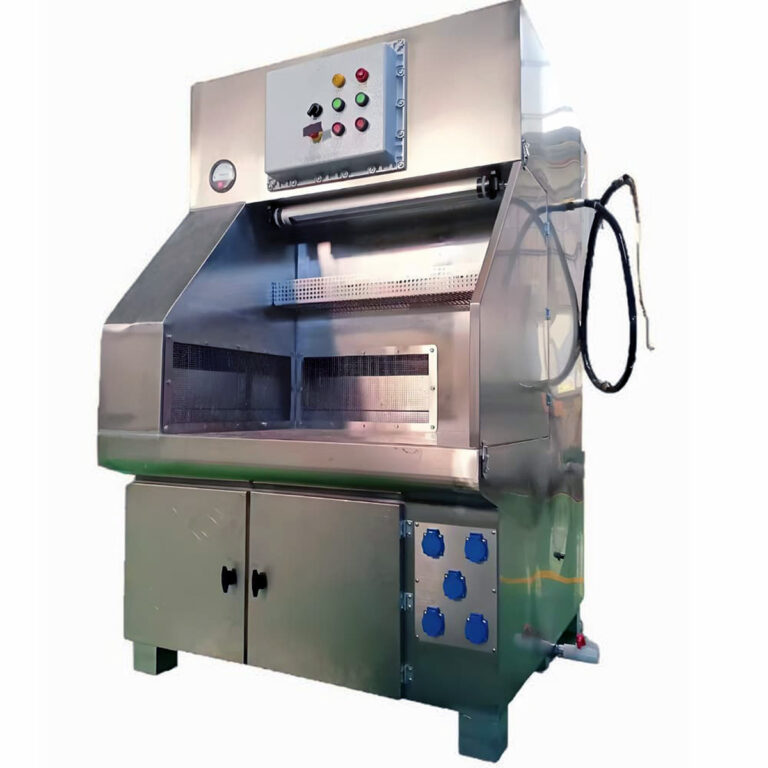
Meja dengan aliran udara ke bawah dan unit pengumpul debu di atas meja terbukti sangat efektif dalam kegiatan keramik, karena mampu menangkap debu secara terfokus sekaligus menjaga kondisi kerja yang nyaman. Sistem-sistem ini umumnya membutuhkan kapasitas 500–2.000 CFM dan beroperasi dengan tenang, yang sangat penting dalam lingkungan studio.
Pengolahan Keramik Industri
Proses manufaktur keramik tingkat lanjut untuk aplikasi elektronik, kedirgantaraan, dan medis menuntut lingkungan yang sangat bersih dengan pengendalian kontaminasi yang ketat. Fasilitas-fasilitas ini sering kali memerlukan sistem filtrasi berstandar HEPA yang mampu mencapai efisiensi 99,97% terhadap partikel berukuran 0,3 mikron.
Kompatibilitas dengan ruang bersih menjadi hal yang sangat penting, sehingga diperlukan sistem dengan permukaan yang halus dan mudah dibersihkan serta dokumentasi kinerja yang telah tervalidasi. Aplikasi khusus ini sering kali memerlukan penggunaan teknologi filtrasi kelas atas, termasuk presipitator elektrostatik dan sistem HEPA bertahap.
Bagaimana Cara Memilih Peralatan Pengumpulan Debu yang Tepat untuk Pabrik Keramik?
Memilih peralatan pengumpul debu yang optimal memerlukan evaluasi sistematis terhadap persyaratan operasional, spesifikasi kinerja, serta pertimbangan biaya jangka panjang yang jauh melampaui harga pembelian awal.
Pertimbangan Penentuan Ukuran dan Kapasitas Sistem
Penentuan ukuran sistem yang tepat merupakan landasan pengendalian debu yang efektif, yang memerlukan penilaian terperinci terhadap laju pembentukan debu, kecepatan penangkapan, dan kehilangan tekanan pada saluran udara. Sistem yang ukurannya terlalu kecil tidak mampu mempertahankan tingkat penangkapan yang memadai, sedangkan sistem yang ukurannya terlalu besar akan memboroskan energi dan meningkatkan biaya operasional secara tidak perlu.
Perhitungan yang krusial ini melibatkan penentuan kebutuhan aliran udara total berdasarkan kebutuhan titik penangkapan, bukan sekadar perhitungan volume fasilitas. Setiap sumber debu memerlukan kecepatan penangkapan tertentu yang berkisar antara 100–500 kaki per menit, tergantung pada karakteristik partikel dan intensitas pembentukannya.
Metodologi penetapan kapasitas kami memperhitungkan faktor keamanan sebesar 15-25% yang mencakup peningkatan produksi, penambahan peralatan, dan variasi musiman. Pendekatan ini mencegah penurunan kinerja sistem seiring dengan perluasan operasi fasilitas dari waktu ke waktu.
Kriteria Pemilihan Teknologi
Pemilihan teknologi harus mempertimbangkan keseimbangan antara persyaratan kinerja, kondisi pengoperasian, dan pertimbangan ekonomi yang spesifik bagi aplikasi keramik. Ketahanan terhadap suhu tinggi, ketahanan terhadap abrasi, dan kemudahan pemeliharaan merupakan kriteria pemilihan utama.
Kontrol debu keramik Sistem yang beroperasi di lingkungan bersuhu tinggi memerlukan media filter khusus dan konstruksi tahan panas yang mungkin meningkatkan biaya awal sebesar 20–30%, namun memberikan keandalan yang lebih tinggi serta biaya operasional jangka panjang yang lebih rendah.
| Faktor Seleksi | Bobot (1–10) | Baghouse | Topan | Scrubber Basah |
|---|---|---|---|---|
| Efisiensi Penagihan | 10 | 9 | 6 | 8 |
| Biaya Operasional | 8 | 7 | 9 | 5 |
| Persyaratan Pemeliharaan | 7 | 6 | 8 | 4 |
| Persyaratan Ruang | 6 | 5 | 8 | 6 |
Kerangka Kerja Analisis Biaya-Manfaat
Evaluasi biaya yang komprehensif harus mencakup biaya modal awal, pemasangan, pengoperasian, dan pemeliharaan selama siklus hidup sistem yang diproyeksikan. Meskipun sistem baghouse memerlukan investasi awal yang lebih tinggi, efisiensi dan keandalannya yang unggul sering kali memberikan nilai jangka panjang yang lebih baik.
Biaya energi biasanya mencapai 60–70% dari total biaya operasional, sehingga optimalisasi efisiensi menjadi sangat penting bagi kelayakan ekonomi. Penggunaan penggerak frekuensi variabel dan desain saluran udara yang dioptimalkan dapat mengurangi konsumsi energi sebesar 25–35% dibandingkan dengan operasi kecepatan konstan.
Apa saja Tantangan dan Solusi dalam Pelaksanaannya?
Penerapan sistem pengumpulan debu yang berhasil memerlukan penanganan berbagai tantangan teknis, operasional, dan regulasi yang umumnya muncul selama proses modernisasi fasilitas keramik maupun pembangunan fasilitas baru.
Hambatan Pemasangan Umum
Keterbatasan ruang merupakan tantangan implementasi yang paling sering ditemui, terutama di fasilitas yang sudah ada, di mana sistem pengumpulan debu harus diintegrasikan dengan tata letak produksi yang sudah ada. Proses retrofit sering kali memerlukan perancangan jalur saluran udara dan penempatan peralatan yang kreatif, yang mampu menyeimbangkan kinerja dengan kemudahan akses.
Pemasangan saluran udara bersuhu tinggi memerlukan bahan khusus dan desain sambungan ekspansi yang mampu menyesuaikan siklus termal tanpa menyebabkan kegagalan sistem. Margin ekspansi yang tidak memadai dapat menyebabkan kegagalan akibat tegangan pada saluran udara, yang berujung pada perbaikan darurat yang mahal serta gangguan produksi.
Pengalaman kami dalam pelaksanaan proyek menunjukkan bahwa perencanaan awal yang matang dapat mencegah 80-90% kendala umum, sementara pelaksanaan yang terburu-buru sering kali mengakibatkan pembengkakan biaya yang melebihi 40-60% dari anggaran semula.
Pemeliharaan dan Optimalisasi Kinerja
Program pemeliharaan proaktif memastikan kinerja yang berkelanjutan sekaligus meminimalkan waktu henti tak terduga yang dapat menghentikan operasi produksi. Sistem pemantauan kantong filter memberikan peringatan dini mengenai penurunan kualitas sebelum terjadi pelanggaran batas emisi.
Pendekatan pemeliharaan prediktif yang memanfaatkan pemantauan selisih tekanan, analisis getaran, dan termografi inframerah dapat mengidentifikasi masalah yang mulai muncul sebelum terjadi kegagalan peralatan. Strategi-strategi ini mengurangi biaya pemeliharaan sebesar 30–40% sekaligus meningkatkan keandalan sistem.
While ceramic dust control systems require higher maintenance attention than general industrial applications, proper component selection and maintenance scheduling ensure 95-98% availability through normal production schedules.
What Industry Trends are Shaping Ceramic Dust Control Technology?
Emerging technologies and evolving regulations continue driving innovations in ceramic dust control that improve performance while reducing environmental impact and operating costs.
Advanced Filtration Innovations
Next-generation filter materials incorporating nanotechnology and advanced polymer chemistry deliver superior collection efficiency with extended service life. These materials resist chemical degradation and maintain permeability longer than conventional options.
Membrane-enhanced filter media achieve sub-micron particle capture with reduced pressure drop, enabling energy savings of 15-20% compared to standard baghouse operations. While initial costs exceed conventional materials by 40-50%, improved performance and longevity provide favorable long-term economics.
Sistem Pemantauan dan Kontrol Cerdas
Internet-of-Things (IoT) integration enables real-time performance monitoring and predictive maintenance scheduling that optimizes system performance while minimizing operating costs. Remote monitoring capabilities allow immediate response to performance deviations regardless of facility staffing levels.
Advanced control systems incorporating artificial intelligence optimize cleaning cycles, adjust airflow rates, and predict maintenance requirements based on operational patterns. Early adopters report 20-25% improvements in filter life and corresponding maintenance cost reductions.
The integration of comprehensive solusi perawatan industri with smart monitoring creates unprecedented visibility into system performance and environmental compliance status.
Sustainability and Energy Efficiency Focus
Growing emphasis on sustainability drives development of energy-efficient systems that reduce carbon footprint while maintaining superior performance. Heat recovery systems capture waste heat for facility heating, improving overall energy utilization by 25-30%.
Solar-powered auxiliary systems and energy storage integration provide backup power for critical dust collection operations during utility outages, ensuring continuous environmental compliance even during emergencies.
Kesimpulan
Effective ceramic dust control requires comprehensive understanding of dust generation sources, appropriate technology selection, and systematic implementation approaches that address both immediate compliance needs and long-term operational requirements. Modern systems achieve 99%+ collection efficiency while reducing energy consumption through intelligent design and advanced control systems.
The key success factors include proper system sizing based on actual capture requirements, technology selection matched to specific operational conditions, and proactive maintenance programs that sustain performance over extended service life. Facilities implementing comprehensive dust control strategies typically achieve 60-80% reductions in airborne particulates while improving worker comfort and regulatory compliance.
Investment in quality dust collection equipment pays dividends through reduced health risks, improved product quality, lower cleanup costs, and enhanced regulatory compliance. The most successful installations balance initial costs with long-term performance, reliability, and operating efficiency to deliver superior value over system life cycles.
As environmental regulations continue tightening and workplace safety standards evolve, ceramic manufacturers must prioritize dust control as an essential operational requirement. The technologies and strategies outlined provide proven pathways to achieving excellent dust control performance while maintaining competitive manufacturing operations.
For facilities seeking comprehensive dust control solutions tailored to ceramic manufacturing requirements, professional assessment and system design ensure optimal performance and regulatory compliance. What specific dust control challenges does your ceramic operation face, and how might these solutions address your unique operational requirements?
Pertanyaan yang Sering Diajukan
Q: Why is dust control important in the ceramic industry?
A: Dust control is essential in the ceramic industry to protect worker health, ensure equipment longevity, and maintain regulatory compliance. Ceramic dust, especially silica-based particulates, can cause serious respiratory issues, create fire hazards, and reduce operational efficiency if left unmanaged. Implementing effective dust control treatment solutions minimizes workplace risks and supports a cleaner, safer environment.
Q: What are the most common types of ceramic industry dust control treatment solutions?
A: The most common ceramic industry dust control treatment solutions include:
- Source extraction systems: These capture dust at its point of origin using localized suction.
- Wet suppression systems: These use fine mists or sprays to bind dust particles, preventing them from becoming airborne.
- Air filtration and recirculation systems: These systems filter dust from the air before recirculating clean air back into the facility.
Each method can be tailored to specific processes and production needs.
Q: How do wet suppression systems work for ceramic dust control?
A: Wet suppression systems for ceramic dust control employ specialized atomization nozzles that release a fine mist over dusty areas. The mist traps and weighs down dust particles, causing them to settle. Some systems include wetting agents to improve dust binding and advanced filtration to recirculate clean water or mist. These systems are highly effective at reducing airborne dust and improving air quality throughout the ceramic production area.
Q: What factors should be considered when choosing ceramic industry dust control treatment solutions?
A: When selecting dust control treatment solutions for the ceramic industry, consider:
- Type and volume of dust generated during specific production processes
- Space and layout of the facility for system installation
- Compliance requirements with occupational safety and environmental regulations
- Maintenance needs and operational costs
- Integration with existing equipment and workflow
Q: How can ceramic industry dust control treatment solutions improve operational efficiency?
A: Dust control treatment solutions improve operational efficiency by reducing equipment downtime caused by dust buildup, lowering maintenance costs, and minimizing product contamination. Cleaner air and equipment help maintain consistent production quality and reduce the risk of costly shutdowns or repairs. Additionally, effective dust management supports compliance and enhances workplace safety, leading to smoother, uninterrupted operations.
Q: Are there advanced monitoring options for ceramic industry dust control treatment solutions?
A: Yes, advanced systems often include smart monitoring and control features. These options utilize sensors to measure real-time dust levels, automatically adjusting suppression or extraction settings as needed. Intelligent control mechanisms help maintain optimal dust suppression, ensure regulatory compliance, and provide data for continuous improvement in dust management strategies. This leads to proactive rather than reactive dust control in ceramic manufacturing settings.
Sumber Daya Eksternal
- Ceramic Industry – Dustcontrol – Details established dust and material transport systems specifically designed for dust control and cleaning in the ceramic industry.
- Ceramic Dust Suppression- Effective Solution for Air Quality – Explains advanced dust suppression technologies tailored for the ceramic industry, emphasizing employee health, equipment longevity, and regulatory compliance.
- Dealing With Dust in Ceramics – Digitalfire – Provides practical strategies and available technologies for controlling dust and fumes in ceramics processing environments.
- BART dust extraction and organized dust emission technologies in the ceramics industry – Describes large-scale dust extraction systems for ceramics manufacturing, including process-specific solutions and modern filtration equipment.