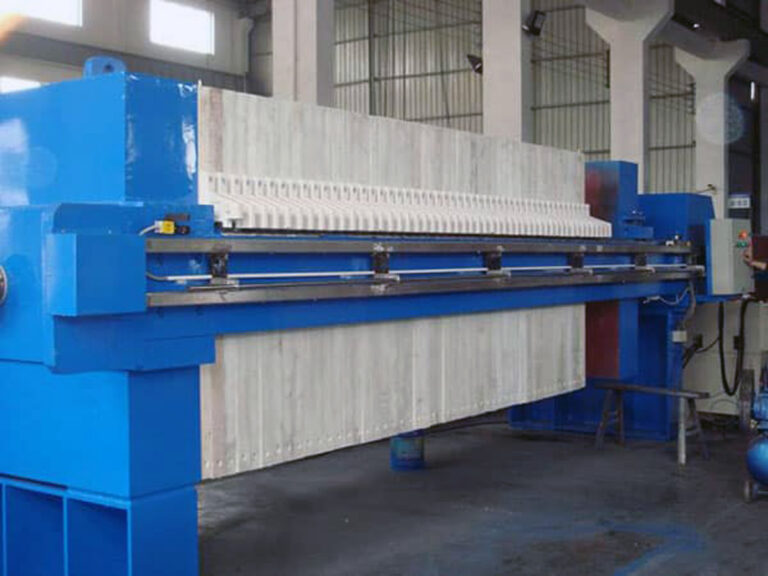
Evolusi Pengolahan Air Limbah di Lingkungan Industri
Beberapa tahun yang lalu, saya mengunjungi fasilitas manufaktur keramik di Italia utara di mana para pekerja menangani drum-drum berisi bahan kimia dengan sarung tangan tebal dan respirator. Bau menyengat dari bahan kimia pengolahan meresap ke udara meskipun ada sistem ventilasi. Gambaran yang mencolok ini terus membayangi saya ketika saya mulai mengeksplorasi metode pengolahan alternatif yang dapat menghilangkan bahan-bahan berbahaya ini dari tempat kerja sepenuhnya. Kontras antara fasilitas ini dan fasilitas yang menggunakan nanofiltrasi modern sangat jelas.
Pengolahan air limbah industri telah mengalami evolusi yang luar biasa selama beberapa dekade terakhir. Apa yang dimulai sebagai proses pengendapan dan netralisasi yang belum sempurna telah berubah menjadi rangkaian pengolahan canggih yang menggabungkan mekanisme fisik, kimia, dan biologis yang canggih. Perkembangan ini tidak hanya bersifat teknis, tetapi juga mencerminkan perubahan nilai-nilai masyarakat seputar perlindungan lingkungan dan konservasi sumber daya.
Industri pengolahan keramik dan batu menghasilkan aliran air limbah yang sangat menantang. Operasi ini biasanya menghasilkan limbah yang mengandung partikel halus, logam berat, dan berbagai bahan kimia pengolahan. Secara historis, mengelola aliran limbah ini berarti intervensi kimiawi yang substansial - koagulan, flokulan, pengatur pH, dan banyak lagi. Bahan kimia itu sendiri sering kali menimbulkan masalah tambahan terkait penanganan, penyimpanan, dan pembuangan.
Beberapa tahun terakhir ini telah menyaksikan pergeseran paradigma menuju pendekatan bebas bahan kimia. PORVOO dan perusahaan lain yang berpikiran maju telah mengembangkan solusi yang memanfaatkan prinsip-prinsip pemisahan fisik daripada reaksi kimia untuk mencapai hasil pengolahan yang serupa atau lebih unggul. Pergeseran ini tidak hanya mewakili evolusi teknis tetapi juga evolusi filosofis - mengolah limbah tanpa menimbulkan masalah lingkungan sekunder.
Perbandingan antara nanofiltrasi bebas bahan kimia dan metode pengolahan kimia tradisional melibatkan berbagai dimensi: kinerja teknis, pertimbangan ekonomi, dampak lingkungan, dan kompleksitas operasional. Memahami perbedaan-perbedaan ini sangat penting bagi para pemangku kepentingan industri yang membuat keputusan investasi dalam infrastruktur pengolahan.
Memahami Teknologi Nanofiltrasi Bebas Bahan Kimia
Nanofiltrasi merupakan salah satu kemajuan yang paling menjanjikan dalam teknologi pemisahan dalam dekade terakhir. Tidak seperti penyaringan konvensional yang hanya menghilangkan partikel yang lebih besar, nanofiltrasi beroperasi pada tingkat hampir molekuler, menangkap kontaminan antara sekitar 1 dan 10 nanometer - skala yang memungkinkan penghilangan logam berat, senyawa organik, dan bahkan beberapa garam terlarut sambil memungkinkan mineral yang bermanfaat melewatinya.
The sistem penyaringan nano bebas bahan kimia untuk air limbah pengolahan batu keramik menggunakan serangkaian membran khusus dengan ukuran pori-pori yang direkayasa secara tepat. Membran ini biasanya diatur dalam konfigurasi aliran silang, di mana air umpan mengalir sejajar dengan permukaan membran daripada langsung melaluinya. Desain ini secara signifikan mengurangi pengotoran membran - salah satu tantangan historis dengan teknologi membran.
Apa yang membedakan sistem nanofiltrasi modern adalah kemampuannya untuk beroperasi tanpa penambahan bahan kimia pengolahan. Prosesnya bergantung pada kondisi hidraulik yang tepat, ilmu material membran, dan kontrol proses yang cerdas. Sistem ini biasanya mencakup tahap pra-perawatan seperti tangki penyangga dan penyaringan mekanis untuk menangani partikulat yang lebih besar sebelum tahap penyaringan nano.
Selama lokakarya teknis pada musim panas lalu, saya mengamati komponen internal salah satu sistem tersebut. Membran keramiknya sangat kuat dibandingkan dengan alternatif berbasis polimer yang pernah saya gunakan sebelumnya. Daya tahan ini diterjemahkan secara langsung ke masa operasional yang lebih lama dan mengurangi intervensi pemeliharaan - pertimbangan penting untuk aplikasi industri di mana waktu henti menimbulkan biaya yang signifikan.
Inti dari teknologi ini terletak pada permeabilitas selektifnya. Pertimbangkan contoh praktis ini: dalam pengolahan air limbah keramik, partikel-partikel mulai dari tanah liat hingga silika dan oksida logam harus dihilangkan dengan tetap menjaga kualitas air yang sesuai untuk digunakan kembali. Membran nanofiltrasi mencapai hal ini melalui pengecualian ukuran dan interaksi muatan listrik pada permukaan membran. Membran bermuatan positif dapat mengusir ion logam bermuatan positif, misalnya, meningkatkan efisiensi penyisihan di luar apa yang dapat dicapai oleh ukuran pori-pori saja.
Urutan operasional biasanya mengikuti pola ini:
- Pengumpulan air limbah dalam tangki ekualisasi untuk mengelola variasi aliran
- Penyaringan kasar untuk menghilangkan partikulat yang lebih besar (biasanya >100 mikron)
- Tahap penyaringan menengah menghilangkan partikel yang semakin kecil
- Modul membran nanofiltrasi untuk menghilangkan kontaminan halus
- Pengumpulan air bersih untuk digunakan kembali atau dibuang sesuai ketentuan
- Pengelolaan aliran limbah yang terkonsentrasi (sering kali melalui pengeringan)
Pendekatan ini mencapai pembuangan kontaminan tanpa memasukkan bahan kimia tambahan yang akan menjadi polutan yang membutuhkan pengelolaan.
Metode Perawatan Kimia Tradisional Diperiksa
Pendekatan pengolahan kimia tradisional telah mendominasi pengelolaan air limbah industri selama beberapa dekade. Metode-metode ini mengandalkan serangkaian penambahan bahan kimia yang diatur dengan hati-hati untuk mengubah kontaminan menjadi bentuk yang lebih mudah dipisahkan dari air. Untuk air limbah pengolahan keramik dan batu, ini biasanya melibatkan proses multi-tahap yang menargetkan karakteristik spesifik aliran limbah.
Rangkaian perawatan kimiawi standar sering kali dimulai dengan penyesuaian pH. Asam atau basa kuat ditambahkan untuk mencapai kondisi optimal untuk langkah perawatan selanjutnya. Di fasilitas yang pernah saya konsultasikan, hal ini sering kali berarti tangki besar berisi asam sulfat atau natrium hidroksida - bahan kimia yang memerlukan protokol penanganan khusus dan menimbulkan risiko keselamatan yang signifikan.
Setelah penyesuaian pH, koagulasi dan flokulasi merupakan landasan pengolahan konvensional. Koagulan - biasanya aluminium sulfat (tawas), besi klorida, atau polialuminum klorida - menetralkan muatan listrik yang membuat partikel-partikel kecil tersuspensi di dalam air. Netralisasi muatan ini memungkinkan partikel-partikel untuk saling berdekatan, menyiapkan panggung untuk flokulasi.
Selama flokulasi, flokulan polimer (biasanya poliakrilamida) dimasukkan untuk mengikat partikel-partikel yang tidak stabil menjadi agregat yang lebih besar atau “gumpalan”. Saya telah menyaksikan proses ini dalam gelas kimia laboratorium dan penjernih industri - transformasi dari air keruh dan keruh menjadi cairan jernih dengan flok yang mengendap dapat menjadi sangat dramatis bila dilakukan dengan benar.
Ketergantungan bahan kimia tidak berhenti sampai di situ. Bahan kimia perawatan tambahan mungkin termasuk:
- Bahan pengoksidasi seperti hidrogen peroksida atau natrium hipoklorit untuk memecah kontaminan organik
- Agen pereduksi untuk mengatasi kontaminan logam tertentu
- Koagulan khusus untuk kontaminan tertentu seperti silika atau fosfat
- Agen anti-berbusa untuk mengelola proses pembentukan busa
- Disinfektan jika air akan digunakan kembali atau dibuang ke lingkungan yang sensitif
Sebuah fasilitas pengolahan keramik berukuran sedang dapat mengkonsumsi ratusan kilogram berbagai bahan kimia ini setiap bulannya. Selama penilaian fasilitas baru-baru ini di Portugal, saya mendokumentasikan area penyimpanan bahan kimia yang menempati hampir 200 meter persegi - ruang produksi yang berharga yang didedikasikan khusus untuk bahan kimia pengolahan.
Lumpur yang dihasilkan melalui pengolahan kimiawi menghadirkan tantangan pengelolaan tersendiri. Kontaminan yang terikat secara kimiawi sering kali menciptakan klasifikasi limbah berbahaya yang membutuhkan pembuangan khusus. Volume lumpur ini meningkat secara signifikan oleh bahan kimia yang digunakan dalam pengolahan, sehingga menciptakan siklus timbulan limbah yang terus berlanjut.
Perbandingan Head-to-Head: Indikator Kinerja Utama
Ketika mengevaluasi pilihan pengobatan, para pengambil keputusan membutuhkan FORMAT PERBANDINGAN terstruktur yang membahas semua dimensi kinerja yang relevan. Saya telah mengembangkan kerangka kerja berikut ini berdasarkan literatur teknis dan pengamatan langsung terhadap sistem operasional:
| Kriteria Kinerja | Nanofiltrasi Bebas Bahan Kimia | Perawatan Kimia Tradisional |
|---|---|---|
| Efisiensi Penghapusan Kontaminan | Secara konsisten mencapai 95-99% penghilangan padatan tersuspensi dan 85-95% penghilangan kontaminan terlarut | Sangat bervariasi (70-95% untuk padatan tersuspensi, 50-80% untuk kontaminan terlarut) tergantung pada ketepatan dosis bahan kimia |
| Tingkat Pemulihan Air | Biasanya 90-95% air masukan dapat dipulihkan untuk digunakan kembali | Umumnya pemulihan 75-85%, dengan tingkat yang lebih tinggi membutuhkan penggunaan bahan kimia tambahan |
| Biaya Operasional | Konsumsi energi yang lebih tinggi (0,5-1,5 kWh/m³) tetapi biaya bahan kimia yang minimal | Kebutuhan energi yang lebih rendah tetapi biaya bahan kimia yang sedang berlangsung rata-rata € 0,8-2,5/m³ yang diolah |
| Produksi Lumpur | Aliran limbah yang terkonsentrasi dan bervolume lebih rendah dengan kontaminasi bahan kimia yang minimal | Volume limbah yang lebih besar dengan senyawa kimia yang meningkatkan kompleksitas dan biaya pembuangan |
| Jejak Sistem | Compact modular design typically requiring 30-50% less floor space | Requires multiple tanks, chemical storage, and larger clarification equipment |
| Response to Influent Variations | Automated systems adapt quickly to changing water characteristics | Requires manual chemical dosage adjustments, creating lag in response |
The performance comparison isn’t merely theoretical. At a tile manufacturing facility in Spain, I documented the transition from chemical treatment to nanofiltration. Their water quality metrics showed remarkable improvement – turbidity decreased from an average of 15 NTU to consistently below 1 NTU. Heavy metal concentrations, particularly zinc and copper from glazing processes, dropped below detection limits rather than merely meeting discharge requirements.
From an economic perspective, the advanced nanofiltration technology for ceramic wastewater presents a different cost structure than chemical systems. The capital investment is typically 30-50% higher, but operating expenses follow a different trajectory. Chemical systems incur ongoing costs that generally increase over time with chemical prices, whereas nanofiltration systems see their per-unit treatment costs decrease as the initial investment is amortized.
Energy consumption represents the primary operating cost for nanofiltration systems. However, innovations in energy recovery and membrane efficiency have significantly reduced this factor. The newest generation systems incorporate pressure exchangers that capture hydraulic energy from the concentrate stream and return it to the process, reducing net energy consumption by 25-40% compared to earlier designs.
Maintenance requirements differ substantially between the two approaches. Chemical systems demand regular attention to chemical dosing equipment, storage tank integrity, and mixing systems. Nanofiltration requires periodic membrane cleaning and occasional replacement, but these interventions are typically less frequent and more predictable. During a recent operational audit, I calculated a 65% reduction in maintenance labor hours after nanofiltration implementation.
Case Study: Real-World Implementation of Chemical-Free Nanofiltration
In 2021, I had the opportunity to document a complete system transition at a ceramic tile manufacturer in Valencia, Spain. The facility had operated a traditional chemical treatment plant for over 15 years and was facing increasing challenges with chemical costs, sludge disposal, and meeting tightening regulatory standards for discharge water quality.
The existing system processed approximately 120 cubic meters of wastewater daily, consuming nearly 500 kg of various treatment chemicals weekly. The sludge generated required disposal as industrial waste, creating both logistical complications and significant expense. The decision to convert to a chemical-free processing system for ceramic wastewater came after extensive analysis of alternatives.
The implementation occurred in phases to minimize production disruption. The installation team first established the pre-treatment components while the existing chemical system continued operation. The transition to the nanofiltration system occurred during a scheduled three-day production shutdown – remarkably brief considering the complete paradigm shift in treatment approach.
Initial operational data revealed several notable outcomes:
- Water clarity improved dramatically, with turbidity readings consistently below 0.8 NTU compared to previous averages of 8-12 NTU
- The water recovery rate increased from 78% to 93%, significantly reducing freshwater consumption
- Chemical usage dropped to zero except for occasional membrane cleaning procedures
- Energy consumption increased by approximately 0.7 kWh per cubic meter treated
- The chemical storage area was repurposed for finished product storage, increasing facility revenue capacity
One particularly interesting observation involved staff reaction to the new system. The production team had initially expressed skepticism about a chemical-free approach, having worked with conventional treatment for decades. However, within weeks, they reported preferring the new system due to eliminated chemical handling requirements and more consistent water quality for process reuse.
The transition wasn’t without challenges. The system experienced membrane fouling issues during the first month as operators learned optimal pre-treatment adjustments. Additionally, the concentrated waste stream required process modifications to manage effectively. However, these challenges proved temporary and were resolved through adjustments to operating parameters rather than fundamental system changes.
The facility achieved complete return on investment within 2.4 years – significantly faster than the projected 3.5 years – primarily due to higher-than-anticipated chemical cost increases that were avoided and improved production efficiency from higher quality process water.
Environmental and Regulatory Considerations
The environmental implications of wastewater treatment technologies extend far beyond the immediate water quality improvements. When conducting environmental impact assessments for treatment facilities, I’ve found the chemical-free approach addresses several concerns that traditional methods exacerbate.
Chemical supply chains represent a frequently overlooked environmental factor. Production, transportation, and handling of treatment chemicals generate significant carbon footprints and safety risks throughout their lifecycle. A medium-sized ceramic facility transitioning to nanofiltration can eliminate approximately 25-30 tons of chemical consumption annually – chemicals that would otherwise need to be manufactured, transported, stored, and ultimately managed as part of the waste stream.
Regulatory frameworks worldwide are increasingly adopting lifecycle perspectives on environmental impacts. This shift favors technologies that minimize total environmental burden rather than simply meeting point-of-discharge requirements. During a regulatory compliance review in Germany last year, I witnessed authorities specifically acknowledge the reduced environmental risk profile of chemical-free systems when expediting permit approvals.
Water resource conservation presents another compelling dimension. The superior recovery rates of nanofiltration systems reduce net water consumption – a critical consideration in water-stressed regions. A ceramic producer might conserve 5,000-10,000 cubic meters annually through the improved recovery efficiency of nanofiltration compared to chemical treatment. As water scarcity concerns intensify globally, this factor alone may drive adoption regardless of other considerations.
The waste classification differences also merit attention. Chemical treatment sludges typically contain residual treatment chemicals that may trigger hazardous waste classifications, whereas nanofiltration concentrate streams contain only the contaminants removed from the original wastewater. This distinction creates significant differences in disposal options, costs, and environmental liability.
Several ceramic producers have leveraged their transition to chemical-free treatment in marketing communications – highlighting their reduced environmental footprint to environmentally conscious consumers and downstream supply chain partners requiring sustainability metrics for their own reporting.
Industry Expert Perspectives on Treatment Evolution
The trajectory of water treatment technology isn’t merely about current capabilities but where the industry is heading. To understand these dynamics better, I’ve consulted several leading experts in the field.
Dr. Elena Kovács, an environmental engineering professor specializing in membrane technologies at the Technical University of Munich, offers a compelling perspective: “What we’re witnessing isn’t simply substitution of one treatment method for another, but a fundamental rethinking of the waste management paradigm. Chemical-free approaches represent a return to first principles – separating contaminants physically rather than transforming them chemically, which inevitably introduces new substances into the environment.”
Her research team has documented membrane technology improvements that have increased flux rates (the volume of water processed per unit of membrane area) by approximately 40% in the past five years while simultaneously reducing energy requirements. These advancements directly address the historical limitations of nanofiltration related to processing capacity and energy consumption.
From an industry perspective, Marco Bianchi, a consultant with twenty years of experience in ceramic manufacturing processes across Europe, notes a clear shift in client priorities: “Five years ago, compliance was the primary driver of treatment technology decisions. Today, forward-thinking producers are equally concerned with water reuse quality, operational simplicity, and eliminating chemical management from their environmental reporting.”
Bianchi has observed that facilities implementing nanofiltration systems for stone processing wastewater typically see reductions in workplace incidents related to chemical handling – an ancillary benefit rarely factored into formal return-on-investment calculations but nonetheless significant for operational management.
Regulatory specialist Sophia Andersson, who advises manufacturing clients on environmental compliance across multiple European jurisdictions, points to a little-discussed advantage: “Facilities with chemical-free treatment systems position themselves advantageously for future regulatory changes. The regulatory trajectory clearly favors technologies with minimal chemical inputs and outputs. Companies implementing these systems now are effectively future-proofing their operations against increasingly stringent chemical management requirements.”
This forward-looking perspective aligns with my observations of regulatory trends across multiple countries. The administrative burden associated with chemical management documentation continues to increase, creating indirect costs rarely captured in conventional technology comparisons.
During a recent industry roundtable, several experts predicted nanofiltration technology costs will decrease approximately 15-20% over the next five years as manufacturing scales increase and component standardization progresses. This trend would further shift the economic balance in favor of chemical-free approaches.
Implementation Challenges and Practical Considerations
Transitioning from chemical treatment to nanofiltration isn’t without hurdles. Having guided several facilities through this process, I’ve observed recurring challenges worth acknowledging.
The operational mindset shift represents perhaps the most significant obstacle. Treatment operators accustomed to managing chemical systems must adapt to fundamentally different operational parameters and troubleshooting approaches. In one porcelain manufacturing facility, this transition initially created resistance among longtime staff who had developed almost intuitive understanding of chemical dosing adjustments based on visual water assessment. The nanofiltration system’s reliance on instrument readings rather than visual cues required significant retraining and adaptation periods.
Integration with existing infrastructure presents another practical challenge. While nanofiltration systems typically occupy less floor space than chemical treatment, they require different utility connections and may necessitate modifications to piping configurations, electrical systems, and control integration. At a natural stone processing facility in Portugal, the implementation team encountered unexpected complications when integrating the nanofiltration control systems with the facility’s older central control architecture – requiring additional engineering hours to resolve compatibility issues.
The initial investment hurdle remains significant despite long-term operational savings. For smaller operations with limited capital budgets, this can present a genuine barrier despite compelling lifecycle economics. Creative financing approaches like equipment leasing or performance-based contracts are emerging to address this constraint.
Membrane fouling management requires particular attention during the transition phase. Without proper operator training, systems can experience unnecessary downtime during the learning curve period. I’ve found that implementing provisional dual operation periods, where both treatment approaches run in parallel before complete transition, can mitigate this risk by allowing operators to gain familiarity while maintaining production continuity.
The concentrated waste stream from nanofiltration requires thoughtful management planning. While smaller in volume than chemical treatment sludge, this concentrate contains higher concentrations of the original contaminants. Some facilities have implemented additional dewatering steps or explored beneficial reuse options for this material – such as incorporating certain mineral-rich concentrates into construction materials or soil amendments where contaminant profiles permit.
Seasonal water temperature variations can impact nanofiltration performance more significantly than chemical treatment processes. Facilities in regions with extreme temperature fluctuations may need to incorporate temperature management measures to maintain optimal performance year-round.
Despite these challenges, the implementation success rate remains high. Of twelve facility transitions I’ve either led or documented over the past three years, eleven achieved or exceeded performance expectations within the first six months of operation.
Conclusion: Evaluating Treatment Options in Context
The comparison between chemical-free nanofiltration and traditional chemical treatment ultimately transcends simple technical performance metrics. Each approach represents a fundamentally different philosophy toward waste management, with cascading implications for operational dynamics, environmental impact, and long-term sustainability.
For ceramic and stone processing operations particularly, the decision context has evolved considerably. Water is increasingly viewed not merely as a utility but as a resource to be conserved and recycled. Treatment systems are evaluated not just on immediate compliance capabilities but on their contribution to broader sustainability objectives and operational simplification.
The chemical-free approach aligns more closely with circular economy principles that many industries are adopting. By eliminating treatment chemicals from the equation, facilities avoid creating secondary waste streams and simplify their material flow analysis – an increasingly important consideration for environmental management systems and sustainability reporting.
That said, circumstances exist where conventional chemical treatment may remain appropriate – particularly for extremely small operations where capital constraints outweigh all other factors or in locations where energy costs are exceptionally high relative to chemical costs. The evaluation must be contextual rather than absolute.
What seems increasingly clear from both technical literature and field experience is that the future favors physical separation processes over chemical transformation for most industrial wastewater applications. The trajectory of membrane technology improvements, regulatory trends, and sustainability priorities all point in this direction.
In my consultation practice, I now typically recommend clients at minimum perform detailed feasibility assessments for chemical-free alternatives before investing in conventional treatment upgrades. The long-term advantages – from operational simplicity to environmental performance – increasingly outweigh the higher initial investment for most industrial applications.
As Dr. Kovács aptly stated during a recent conference presentation: “The most sustainable chemical is the one you don’t use at all.” This perspective increasingly resonates with forward-thinking ceramic and stone processors seeking to minimize their environmental footprint while optimizing operational efficiency.
Pertanyaan yang Sering Diajukan tentang FORMAT PERBANDINGAN
Q: What are comparison formats, and how are they used?
A: Comparison formats are structured methods used to visualize and analyze differences between multiple options or data sets. They are essential in various fields, including science, business, and marketing, as they help in making informed decisions by highlighting key similarities and differences. Common comparison formats include charts, matrices, and infographics, each providing unique ways to present complex data in an easily understandable manner.
Q: How do I choose the right comparison format for my needs?
A: Choosing the right comparison format depends on the nature of your data and the message you want to convey. For instance, if you need to compare multiple data series over time, an overlapping area chart could be more effective. For simpler comparisons between a few options, a quadrant layout or a matrix might be more suitable. It’s crucial to select a format that aligns with your data’s complexity and the audience’s understanding.
Q: What are some common types of comparison formats used in business?
A: In business, several comparison formats are popular:
- Comparison Matrix: Useful for contrasting features across products or competitors.
- Quadrant Layouts: Ideal for comparing four options side by side.
- Infographics: Effective for visually showcasing data in an engaging way.
These formats help businesses analyze competitors and market trends effectively.
Q: Can comparison formats help in evaluating chemical-free nanofiltration vs. traditional methods?
A: Yes, comparison formats are particularly useful in evaluating different water treatment methods like chemical-free nanofiltration and traditional chemical treatments. By organizing data into charts or matrices, you can easily compare factors such as cost, efficiency, safety, and environmental impact, making it easier to decide between these methods based on your priorities.
Q: How can I make a comparison format more engaging for my audience?
A: To make a comparison format more engaging:
- Use Visual Aids: Incorporate images, icons, or bright colors to enhance visual appeal.
- Simplify Data: Focus on key statistics or trends rather than overwhelming details.
- Interactive Elements: Incorporate interactive components, such as clickable charts, to encourage audience engagement. By doing so, your comparison format will be more compelling and easier to understand.
Q: What tools can I use to create a professional-looking comparison format?
A: There are several tools available to create professional-looking comparison formats. Programs like Canva offer free comparison chart makers with various templates, while venngage provides infographic templates. Additionally, slide team templates can help create presentable comparison matrices. These tools allow for customization, ensuring your comparison formats align with your brand’s aesthetic.