Memahami Sistem Penyaringan Air Limbah Berbasis Keramik
Lanskap pengolahan air limbah industri telah mengalami perkembangan yang signifikan selama dekade terakhir, dengan teknologi filtrasi keramik muncul sebagai alternatif yang sangat menjanjikan dibandingkan metode pengolahan konvensional. Pada dasarnya, sistem filtrasi air limbah keramik memanfaatkan media keramik canggih—yang umumnya terdiri dari aluminium oksida, silikon karbida, atau zirkonium oksida—untuk memisahkan kontaminan secara fisik dari air proses industri.
Yang membuat filtrasi keramik sangat efektif adalah mikrostrukturnya. Sistem ini dilengkapi pori-pori yang dirancang secara presisi sehingga mampu menyaring partikel hingga tingkat submikron, sekaligus mempertahankan daya tahan yang luar biasa dalam kondisi industri yang berat. Elemen keramik ini mampu bertahan dalam lingkungan dengan tingkat pH ekstrem, suhu tinggi, dan paparan bahan kimia agresif yang dapat dengan cepat merusak media filtrasi berbasis polimer.
Baru-baru ini saya mengunjungi sebuah pabrik produksi keramik yang air limbahnya mengandung partikel abrasif dan bahan kimia glasir dalam konsentrasi tinggi. Insinyur pabrik tersebut menyebutkan sesuatu yang sangat berkesan bagi saya: “Sebelum beralih ke filtrasi keramik, kami mengganti membran polimer kami setiap tiga bulan sekali. Elemen keramik ini telah beroperasi selama tiga tahun tanpa penurunan kinerja yang berarti.” Faktor ketahanan ini secara mendasar mengubah cara kita seharusnya memandang metrik kinerja.
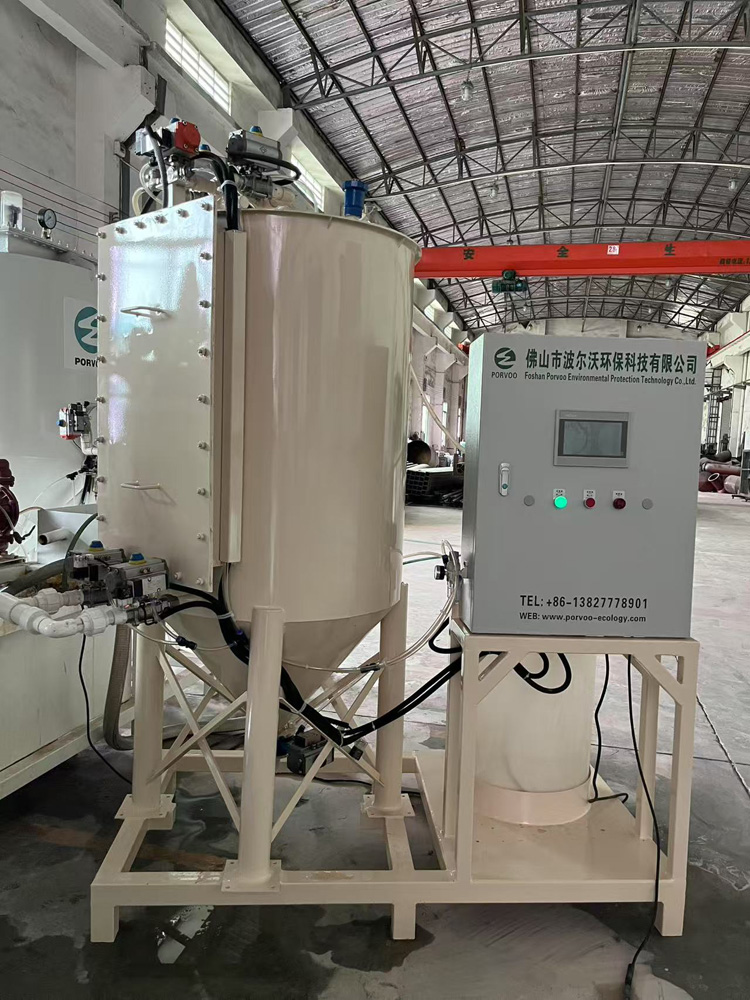
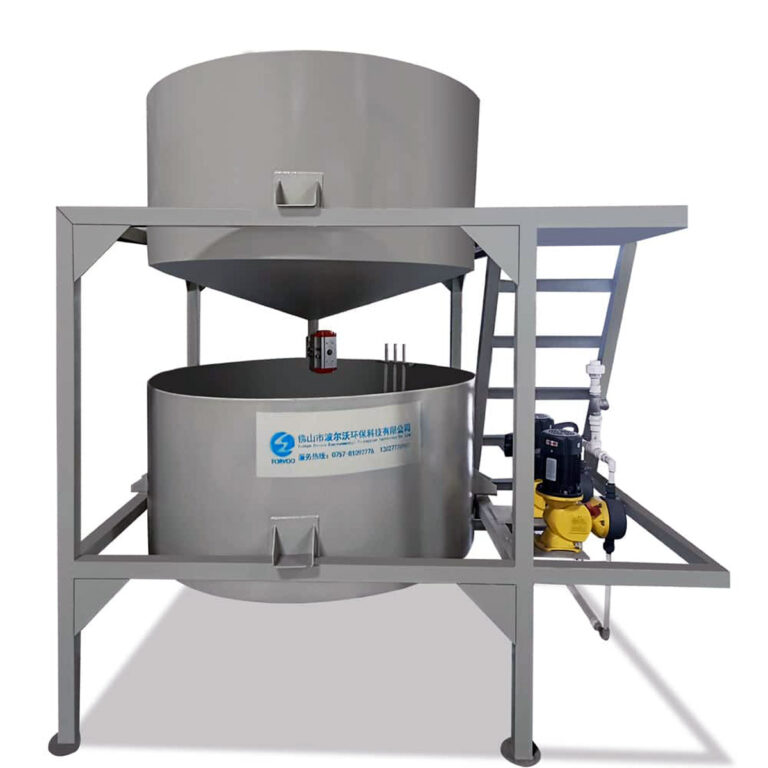
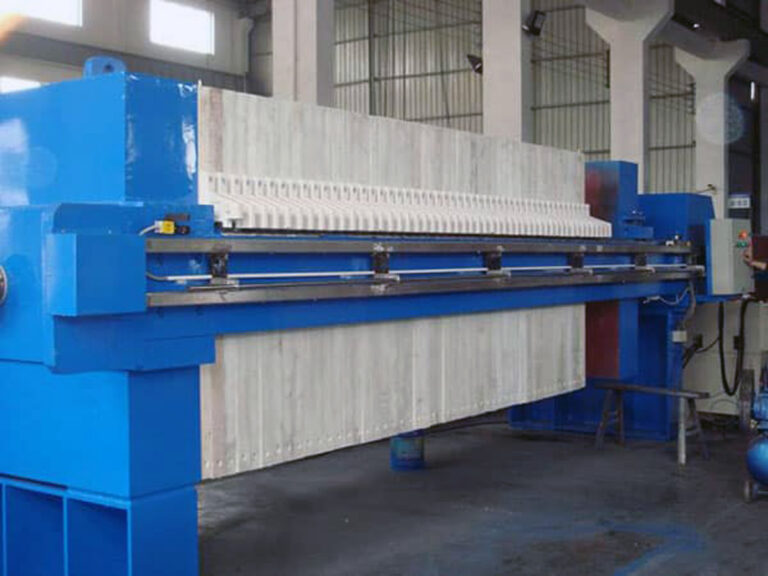
PORVOO Sistem-sistem ini mewakili generasi terbaru teknologi filtrasi keramik, yang mengintegrasikan unsur-unsur desain khusus untuk mengatasi tantangan umum dalam aplikasi industri. Berbeda dengan filtrasi pasir tradisional atau membran polimer, sistem keramik menawarkan biaya siklus hidup yang jauh lebih rendah meskipun memerlukan investasi awal yang lebih tinggi—sebuah pertimbangan penting saat menetapkan tolok ukur kinerja.
Perkembangan pengukuran kinerja sistem-sistem ini secara umum telah melalui tiga fase. Metrik pada tahap awal terutama berfokus pada efisiensi pemisahan dasar. Generasi kedua memperluas cakupannya untuk mencakup aspek operasional seperti konsumsi energi dan kebutuhan pemeliharaan. Kerangka evaluasi komprehensif saat ini menggabungkan faktor-faktor holistik, termasuk dampak lingkungan, potensi pemulihan sumber daya, dan integrasi dengan sistem pemantauan digital.
Salah satu aspek penting yang sering terabaikan saat mengevaluasi kinerja filtrasi keramik adalah pengaruh variabilitas komposisi air limbah. Sistem yang bekerja dengan sangat baik pada karakteristik aliran masuk yang konsisten mungkin mengalami kesulitan dalam menjaga stabilitas operasional saat menghadapi aliran limbah yang sangat bervariasi—suatu skenario yang umum terjadi dalam operasi manufaktur batch.
Indikator Kinerja Utama dalam Filtrasi Keramik
Dalam mengevaluasi metrik kinerja filtrasi air limbah berbasis keramik, efisiensi penghilangan merupakan indikator yang paling mendasar. Pengukuran ini mengukur kemampuan sistem untuk menangkap dan menghilangkan kontaminan sasaran, yang biasanya dinyatakan sebagai persentase pengurangan dari air masuk hingga air keluar. Untuk sistem filtrasi keramik yang mengolah air limbah industri, tingkat efisiensi ini umumnya melebihi 99% untuk padatan tersuspensi dan 90–95% untuk kontaminan terlarut, tergantung pada aplikasi spesifiknya.
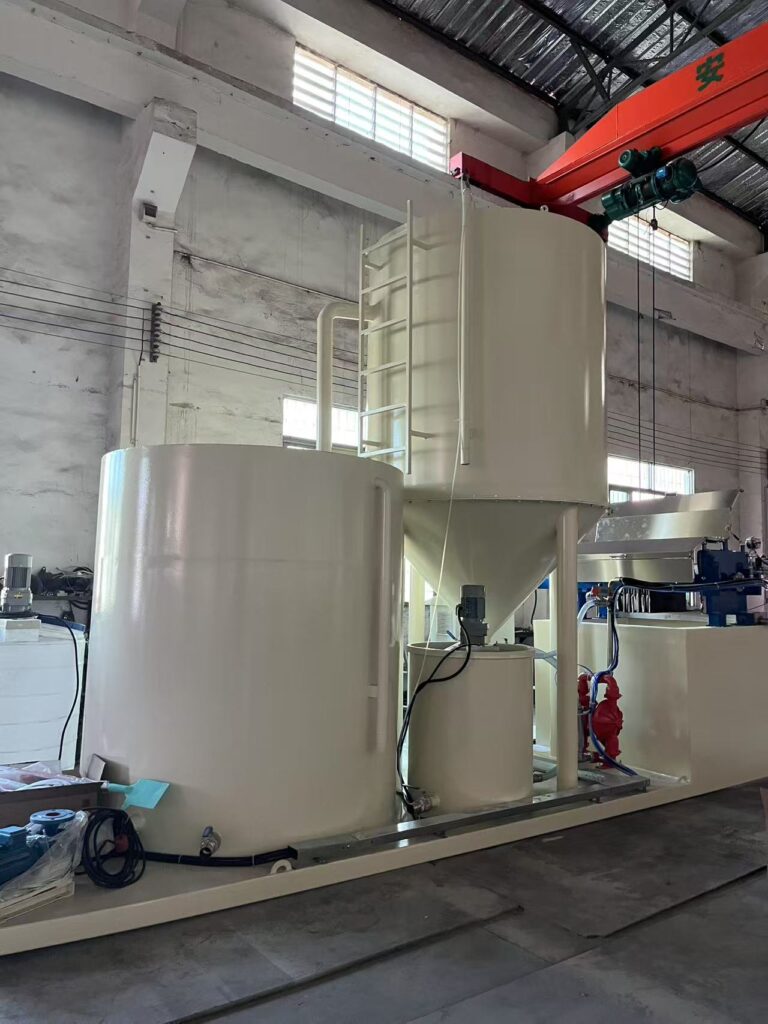
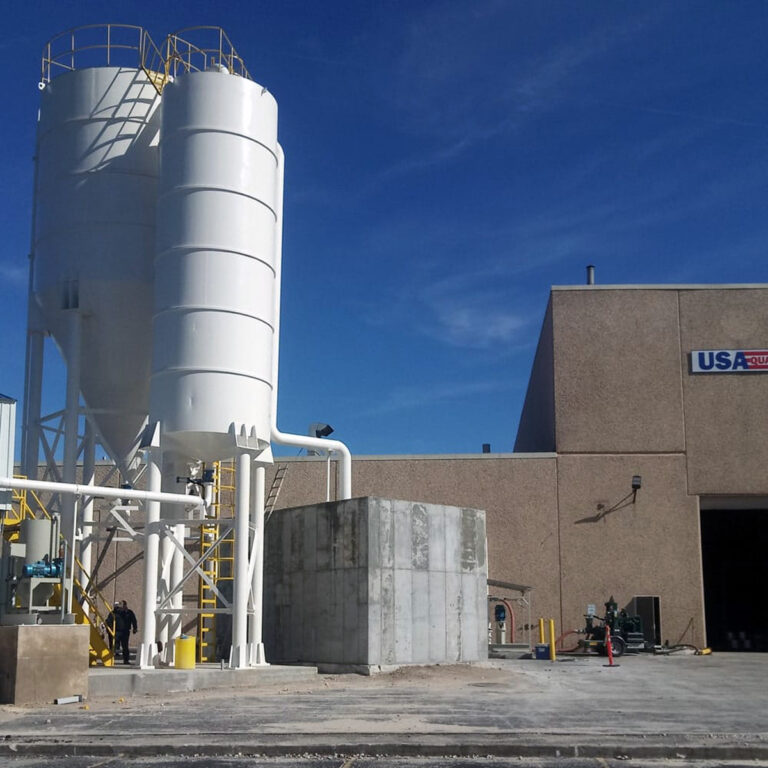
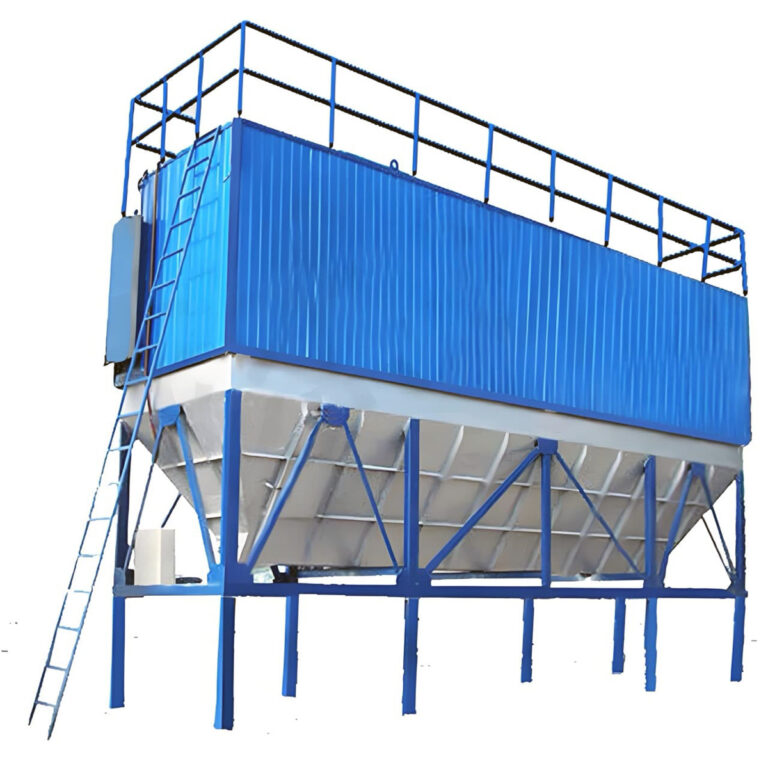
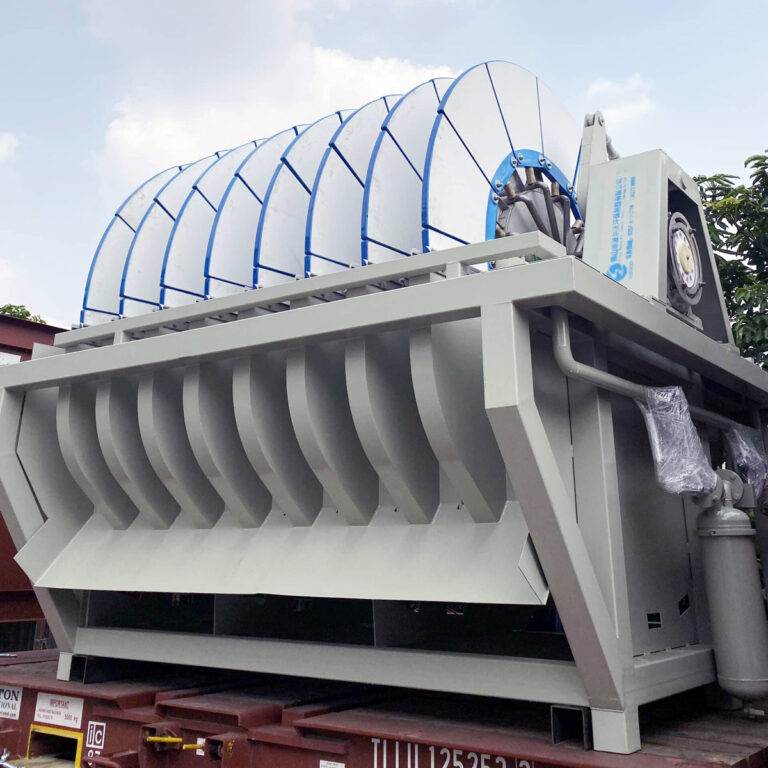
Kapasitas aliran—yang diukur dalam meter kubik per jam (m³/h)—merupakan salah satu indikator penting lainnya. Sistem keramik berkinerja tinggi seperti sistem silo kompak untuk pengolahan air limbah industri keramik dan batu dapat mempertahankan laju aliran yang konsisten meskipun lapisan endapan filter terus terbentuk, suatu keunggulan signifikan dibandingkan teknologi tradisional yang mengalami penurunan laju aliran secara drastis seiring dengan penumpukan kotoran pada media filtrasi.
Metrik efisiensi energi semakin penting seiring dengan meningkatnya biaya operasional dan inisiatif keberlanjutan. Sistem filtrasi keramik profesional umumnya mengonsumsi antara 0,3 dan 0,7 kWh per meter kubik air yang diolah—jauh lebih rendah dibandingkan teknologi pengolahan sejenis. Efisiensi ini berasal dari desain hidraulik yang dioptimalkan untuk meminimalkan penurunan tekanan dan memaksimalkan aliran gravitasi alami sejauh mungkin.
Masa pakai elemen filter merupakan indikator kinerja jangka panjang yang sangat penting. Berbeda dengan alternatif berbahan polimer yang mungkin perlu diganti setiap 6–24 bulan, elemen keramik berkualitas tinggi dapat mempertahankan kinerjanya selama 5–10 tahun dalam sistem yang dikelola dengan baik. Dr. Richard Thompson dari Water Research Foundation menyatakan, “Umur panjang media filtrasi keramik secara mendasar mengubah perhitungan biaya siklus hidup. Penelitian kami menunjukkan titik peralihan pada sekitar 18–24 bulan, setelah itu sistem keramik menunjukkan keunggulan ekonomi yang jelas.”
| Indikator Kinerja | Rentang Tipikal untuk Filtrasi Keramik | Perbandingan dengan Metode Tradisional | Catatan |
|---|---|---|---|
| Penghilangan Padatan Tersuspensi | 95-99.9% | 10-30% lebih tinggi daripada membran polimer | Kinerja tetap konsisten dalam jangka waktu yang lebih lama |
| Stabilitas Laju Aliran | Retensi kapasitas 80-95% setelah 30 hari | 40-60%: Retensi kapasitas untuk filter pasir | Tidak perlu sering melakukan pencucian balik |
| Konsumsi Energi | 0,3–0,7 kWh/m³ | 0,8–1,5 kWh/m³ untuk proses pengolahan yang sejenis | Efisiensi yang lebih tinggi dalam aplikasi dengan kandungan padatan tinggi |
| Resistensi Kimia | Tahan terhadap pH 0–14 | Terbatas pada kisaran pH 3–11 untuk banyak alternatif | Memungkinkan pengolahan limbah industri yang berbahaya |
| Umur Pakai yang Diperkirakan | 5-10 tahun | 1–3 tahun untuk bahan alternatif berbasis polimer | Secara signifikan mengurangi biaya penggantian |
Penurunan kekeruhan berfungsi sebagai ukuran pengganti yang sangat baik untuk menilai kinerja sistem secara keseluruhan. Sistem keramik canggih mampu menurunkan kekeruhan dari ratusan atau ribuan NTU (Nephelometric Turbidity Units) menjadi di bawah 1 NTU secara konsisten. Peningkatan yang signifikan ini tidak hanya menunjukkan penghilangan partikel tersuspensi yang efektif, tetapi juga memungkinkan proses pengolahan lanjutan beroperasi dengan lebih efisien.
Perbedaan tekanan pada elemen filter memberikan informasi berharga mengenai kondisi sistem. Sistem filtrasi keramik yang berfungsi dengan baik menjaga perbedaan tekanan tetap berada dalam kisaran yang ditentukan oleh produsen—biasanya antara 0,2 dan 1,5 bar, tergantung pada desain spesifiknya. Perubahan tekanan yang tidak terduga sering kali menandakan adanya masalah yang mulai muncul dan memerlukan perhatian.
Metrik Lanjutan untuk Optimalisasi Sistem
Selain indikator kinerja dasar, fasilitas pengolahan air limbah keramik yang canggih menggunakan metrik-metrik mutakhir untuk mengoptimalkan pengoperasian sistem dan memprediksi kebutuhan pemeliharaan. Analisis tren tekanan diferensial termasuk salah satu pendekatan yang paling berharga di antara metode-metode tersebut. Alih-alih hanya memantau nilai tekanan absolut, para insinyur melacak laju perubahan tekanan dari waktu ke waktu, sehingga dapat membuat model prediktif yang mengantisipasi kebutuhan pemeliharaan sebelum terjadi penurunan kinerja.
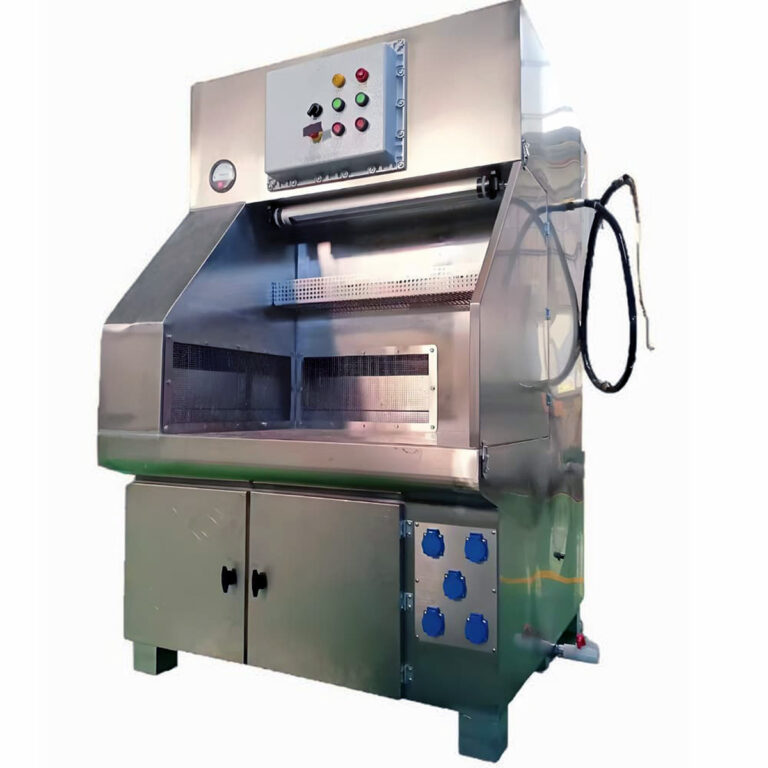
Efisiensi pencucian balik merupakan salah satu metrik lanjutan yang sangat penting. Sistem filtrasi keramik yang efektif seperti indikator kinerja filtrasi air limbah dengan keramik menggunakan algoritma backwash canggih yang mengoptimalkan penggunaan air dan energi sekaligus memaksimalkan penghilangan kontaminan. Tingkat pemulihan backwash—persentase kapasitas filter yang pulih setelah setiap siklus pembersihan—biasanya berkisar antara 85-98% pada sistem yang dirancang dengan baik.
Profesor Elena Kawasaki, yang memimpin penelitian tentang pemantauan filtrasi tingkat lanjut di Universitas Stanford, menekankan pentingnya analisis distribusi ukuran partikel: “Metrik persentase penghilangan kontaminan yang konvensional tidak mampu menggambarkan kinerja sistem filtrasi keramik secara mendetail. Dengan menganalisis kurva distribusi ukuran partikel secara menyeluruh sebelum dan sesudah proses filtrasi, kita dapat mengidentifikasi kelebihan dan kelemahan kinerja spesifik pada berbagai rentang ukuran kontaminan.”
Selama saya bekerja dalam penerapan sistem filtrasi keramik untuk sebuah produsen ubin, kami menemukan bahwa pengujian integritas ultrasonik secara berkala memberikan wawasan yang sangat berharga yang tidak dapat terlihat melalui metrik kinerja standar. Pengujian ini mendeteksi retakan mikroskopis yang mulai terbentuk pada dua elemen filter jauh sebelum retakan tersebut memengaruhi kinerja sistem secara keseluruhan, sehingga memungkinkan penggantian yang terarah alih-alih pemeliharaan reaktif.
Evaluasi kinerja komprehensif kini mencakup indeks ketahanan kimia—suatu pendekatan yang mengukur ketahanan suatu sistem terhadap tantangan kimia tertentu dalam aliran limbah. Hal ini sangat bermanfaat bagi aplikasi industri dengan penggunaan bahan kimia yang bervariasi. Elemen keramik umumnya menunjukkan ketahanan kimia yang luar biasa, sehingga tetap mempertahankan kinerja yang konsisten meskipun terjadi fluktuasi pH atau variasi konsentrasi bahan kimia yang dapat dengan cepat merusak media filtrasi alternatif.
| Metrik Lanjutan | Metode Pengukuran | Rentang Target | Manfaat Aplikasi |
|---|---|---|---|
| Lama Siklus Penyaringan | Jarak waktu antara peristiwa backwash (jam) | 12–72 jam, tergantung pada beban padatan | Siklus yang lebih panjang menandakan kapasitas penanganan padatan yang lebih baik |
| Tingkat Pemulihan Backwash | % of initial flux recovered after cleaning | 85-98% | Higher recovery indicates effective cleaning protocols |
| Specific Energy Consumption | kWh per kg of contaminant removed | Typically 0.05-0.2 kWh/kg | Measures true energy efficiency relative to contaminant load |
| Media Integrity Factor | Composite score from pressure decay tests | >0.85 (scale 0-1) | Detects microscopic damage before visible performance decline |
| Chemical Oxygen Demand (COD) Reduction | mg/L removed or % reduction | Varies by industry, typically 80-95% | Indicates effectiveness for dissolved organic contaminants |
Real-time monitoring capabilities have revolutionized performance optimization for ceramic filtration systems. Modern systems incorporate multi-parameter sensors that continuously measure flow rates, pressures, turbidity, conductivity, and other critical parameters. This data feeds into sophisticated control systems that can make automatic adjustments to maintain optimal performance despite changing influent characteristics.
The transmembrane pressure (TMP) profile provides particularly valuable insights into filter condition. Progressive systems now calculate the specific resistance of the filter cake, enabling precise prediction of cleaning requirements and optimizing chemical dosing practices when chemical cleaning becomes necessary.
Economic Performance Evaluation
The economic dimension of ceramic wastewater filtration systems demands rigorous evaluation through specialized performance metrics that extend beyond technical parameters. Total Cost of Ownership (TCO) analysis offers the most comprehensive framework, encompassing initial capital expenditure, ongoing operational costs, maintenance requirements, and replacement considerations over the system’s expected lifespan.
For industrial applications like ceramic and stone manufacturing, the economic evaluation begins with treatment cost per cubic meter—typically ranging from $0.40-$1.20/m³ for ceramic filtration systems. This compares favorably to alternative technologies ranging from $0.70-$2.50/m³ when all factors are considered. The efficiency of the high-performance ceramic wastewater treatment solution becomes particularly evident when calculating five-year operational costs.
Payback period calculations require careful consideration of both direct savings and indirect benefits. Direct savings include reduced water consumption through recycling capabilities, lower chemical usage, decreased disposal costs, and energy efficiencies. Indirect benefits—often more difficult to quantify but equally significant—include reduced production interruptions, extended equipment life downstream of the filtration system, and potential regulatory compliance benefits.
I recently consulted on a performance optimization project for a porcelain manufacturer where we calculated the economic metrics before and after installing a ceramic filtration system. The results were striking: despite a 30% higher initial investment compared to a polymer-based alternative, the ceramic system achieved full ROI in just 2.3 years, primarily due to dramatic reductions in membrane replacement costs and significantly lower backwash water requirements.
Labor cost impact represents another significant economic metric. Advanced ceramic systems require substantially less operator attention—typically 2-4 hours weekly versus 10-15 hours for conventional systems—translating to annual labor savings between $5,000-$15,000 depending on regional wage rates. The American Water Works Association’s recent report on filtration technologies noted that automated ceramic systems reduced operator interventions by 65% compared to conventional technologies.
Opportunity cost metrics should also factor into comprehensive economic evaluation. Systems that allow for water recycling not only reduce direct water costs but also mitigate risks associated with water scarcity or usage restrictions. Similarly, systems with higher removal efficiencies may enable valuable resource recovery from waste streams, creating potential revenue opportunities that offset treatment costs.
Maintenance frequency and associated costs create another critical economic metric. Ceramic filtration systems typically require major maintenance interventions at 12-36 month intervals, compared to 3-6 month cycles for many alternatives. When evaluating replacement part costs over a 10-year lifecycle, ceramic systems demonstrate 40-60% lower cumulative expenditure despite higher individual component costs.
Environmental Impact Metrics
Environmental performance evaluation has become increasingly central to ceramic wastewater filtration system selection. Carbon footprint assessment presents perhaps the most comprehensive environmental metric, encompassing energy consumption, chemical usage, and transportation impacts throughout the system lifecycle. Advanced ceramic systems typically generate 0.5-1.2 kg CO2 equivalent per cubic meter of treated water—roughly 30-50% less than conventional alternatives when evaluated on a lifecycle basis.
Water reclamation efficiency measures the percentage of process water that can be returned to manufacturing operations after treatment. High-performance ceramic systems can achieve reclamation rates of 85-95% in most industrial applications, dramatically reducing fresh water requirements. For facilities processing 100 cubic meters daily, this translates to annual water savings of 30,000-35,000 cubic meters—a significant environmental and economic benefit.
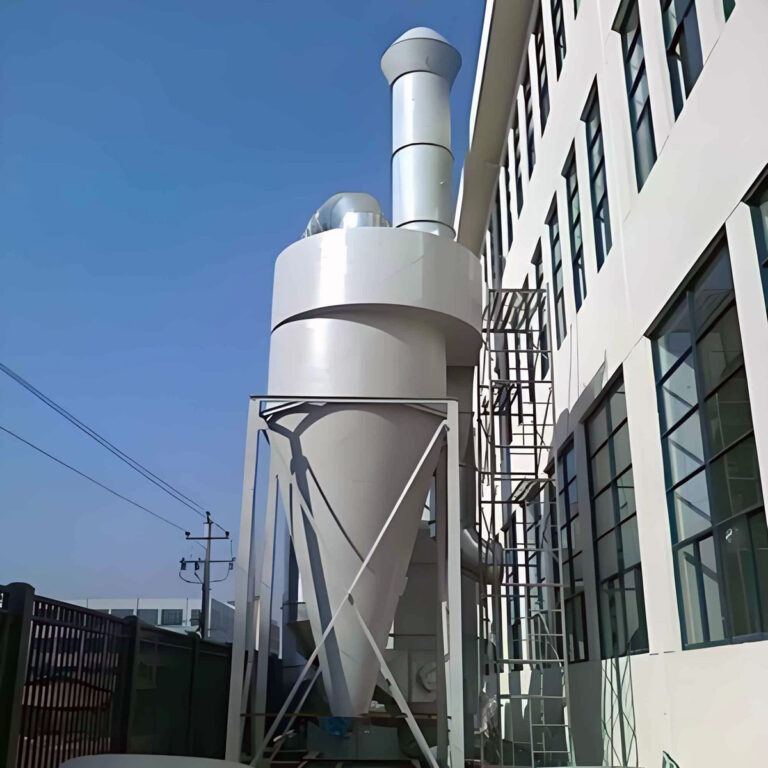
Resource recovery potential represents an emerging metric in advanced filtration evaluation. Modern ceramic systems like the industrial wastewater treatment solution with compact footprint can effectively concentrate valuable materials from waste streams, enabling recovery of metals, minerals, and other resources that would otherwise be lost. Recovery rates vary significantly by industry, but ceramic manufacturing typically achieves 50-85% recovery of valuable minerals and glazing materials.
Waste volume reduction ratios quantify the system’s ability to minimize ultimate disposal requirements. Advanced ceramic filtration typically achieves sludge volume reductions of 80-95% compared to unfiltered waste streams, dramatically reducing transportation impacts and disposal costs while minimizing landfill burden.
| Environmental Performance Metric | Typical Range for Ceramic Systems | Manfaat Lingkungan | Metode Pengukuran |
|---|---|---|---|
| Water Reclamation Rate | 85-95% | Reduced freshwater withdrawal | Volume recycled ÷ volume treated |
| Sludge Volume Reduction | 80-95% reduction | Decreased disposal needs | Initial waste volume ÷ final waste volume |
| Konsumsi Bahan Kimia | 0.05-0.2 kg/m³ | Lower chemical discharge | Total chemical usage per volume treated |
| Energy Intensity | 0,3–0,7 kWh/m³ | Reduced carbon emissions | Power consumption per volume processed |
| Resource Recovery | 50-85% of valuable materials | Circular economy contribution | Mass recovered ÷ mass in waste stream |
| Land Footprint | 50-75% smaller than conventional | Reduced development impact | m² per m³/day treatment capacity |
During a recent facility assessment in the porcelain manufacturing sector, we implemented comprehensive environmental metrics tracking for a newly installed ceramic filtration system. The most surprising finding was the dramatic reduction in transportation-related emissions—the facility reduced sludge disposal truck traffic by 78% annually, eliminating approximately 15,000 kg of CO2 emissions from transportation alone.
Regulatory compliance metrics have gained importance as environmental regulations tighten globally. High-performance ceramic filtration systems consistently achieve compliance with increasingly stringent discharge limits, often delivering treated water quality significantly better than regulatory requirements. This “compliance margin” provides valuable protection against future regulatory changes and potential for reduced monitoring requirements in some jurisdictions.
Chemical reduction metrics quantify decreases in treatment chemical usage. Advanced ceramic systems typically require 30-60% less chemical input than conventional treatment approaches, reducing both operational costs and environmental impacts associated with chemical manufacturing, transportation, and ultimate discharge.
Environmental impact assessment should also consider noise pollution, odor control, and visual impact metrics—particularly for facilities in proximity to residential areas or environmentally sensitive zones. Modern ceramic filtration systems generally operate at 60-75 dB, comparable to normal conversation levels, and can be fully enclosed to eliminate visual impacts and odor concerns.
Case Study: PORVOO Compact Silo System Performance
The ceramic manufacturing industry presents unique wastewater treatment challenges—high solids loading, variable pH, and the presence of glazing chemicals that can rapidly foul conventional filtration systems. To evaluate real-world performance of advanced ceramic filtration, I recently analyzed comprehensive data from a PORVOO Compact Silo System implementation at a large porcelain tile facility in northern Italy.
This facility produces approximately 15,000 square meters of porcelain tile daily, generating 120 cubic meters of process wastewater with extremely high suspended solids content (5,000-12,000 mg/L) and variable glazing chemical concentrations. The installation replaced an aging chemical precipitation system that struggled with consistency and required intensive operator attention.
The most striking performance metric emerged from the removal efficiency data. The innovative ceramic wastewater treatment system consistently achieved 99.7% removal of suspended solids across widely varying influent conditions—reducing effluent concentrations to below 30 mg/L regardless of input variations. This stability eliminated production interruptions previously experienced when treatment performance fluctuated.
Energy consumption metrics revealed substantial improvements over the baseline system. The facility recorded average energy usage of 0.42 kWh/m³—a 47% reduction from the previous treatment approach despite achieving superior water quality. This translated to annual energy savings of approximately €31,000 and corresponding carbon emission reductions of 42 metric tons.
Water recovery performance proved particularly valuable in this water-stressed region. The system achieved consistent 94% water recycling rates, returning treated water directly to production processes. This reduced fresh water requirements by approximately 41,000 cubic meters annually—a significant environmental and economic benefit in a region facing increasing water scarcity concerns.
Operational metrics demonstrated equally impressive improvements. The previous system required operator attention 25-30 hours weekly, while the ceramic filtration solution reduced this to just 5-7 hours—primarily for routine monitoring and scheduled maintenance rather than problem resolution. Maintenance intervals extended from biweekly to quarterly, with major intervention requirements reduced from monthly to annual.
The facility maintenance director noted a particularly valuable but unexpected benefit: “The consistent effluent quality from the PORVOO system dramatically extended the life of our downstream equipment. We’re seeing 30-40% longer intervals between maintenance on pumps, pipes and sprayers that utilize recycled process water.”
Chemical consumption metrics showed dramatic reductions—the system reduced flocculant usage by 62% and eliminated the need for pH adjustment chemicals entirely due to the ceramic media’s tolerance for variable pH conditions. This translated to annual chemical cost savings of approximately €28,000 while reducing environmental impact associated with chemical manufacturing and transportation.
The economic performance metrics revealed complete return on investment within 26 months—considerably faster than the projected 36-month payback period. This accelerated timeline resulted primarily from lower-than-expected maintenance requirements and higher-than-projected water recycling rates that reduced municipal water costs.
Emerging Technologies and Future Metrics
The evolution of ceramic wastewater filtration technologies continues at a rapid pace, with several emerging innovations poised to redefine performance metrics in the coming years. Real-time monitoring through IoT-enabled sensors represents the most immediate advancement, with multi-parameter systems providing continuous data on filtration performance, energy consumption, and membrane condition.
Smart adaptive control systems leverage this sensor data to implement autonomous operation adjustments. These systems can modify backwash frequency, pressure settings, and chemical dosing based on influent characteristics and filter performance—optimizing operation without human intervention. The metrics for these systems focus on adaptation efficiency: how effectively the system responds to changing conditions while maintaining target output parameters.
Artificial intelligence applications are beginning to emerge in advanced filtration systems. Machine learning algorithms analyze operational data to identify subtle patterns that precede performance issues, enabling truly predictive maintenance. Early implementations have reduced unplanned downtime by 50-70% compared to conventional scheduled maintenance approaches.
“The integration of AI with ceramic filtration represents a fundamental shift in how we conceptualize performance metrics,” explains Dr. Thompson. “We’re moving from reactive measurements to predictive indicators that anticipate challenges before they affect output quality or system efficiency.”
Nanomaterial-enhanced ceramic elements represent another frontier, with specialized coatings that provide additional functionality beyond physical filtration. These materials can incorporate antimicrobial properties, catalytic capabilities, or selective adsorption characteristics that target specific contaminants. Performance metrics for these systems extend beyond traditional parameters to evaluate these specialized functions—antimicrobial efficacy, catalytic conversion rates, or selective removal of priority pollutants.
The next-generation ceramic filtration technology incorporates these innovations while maintaining the fundamental durability advantages of ceramic media. Performance metrics for these advanced systems include fouling resistance indices that quantify the system’s ability to maintain performance despite challenging influent characteristics.
Self-cleaning capabilities represent another significant advancement. Ultraviolet, ultrasonic, or electrochemical cleaning mechanisms integrated directly into filtration systems can maintain performance with minimal external intervention. Metrics for these systems focus on autonomous operation periods—the duration systems can maintain target performance without manual intervention.
Energy harvesting technologies are beginning to appear in advanced filtration systems, capturing energy from pressure differentials or flow to power monitoring systems or assist with backwash operations. These self-powering capabilities create new efficiency metrics that consider net energy consumption rather than gross power requirements.
Digital twin modeling enables comprehensive system optimization by creating virtual replicas of physical filtration systems. These models allow operators to test operational changes virtually before implementing them in actual systems. Performance metrics for these approaches include optimization potential—the percentage improvement in efficiency, output quality, or resource utilization achieved through model-guided adjustments.
The emergence of circular economy metrics reflects growing emphasis on complete resource utilization. Advanced systems now evaluate performance not only on contaminant removal but also on resource recovery—quantifying the system’s ability to extract valuable materials from waste streams for beneficial reuse.
Implementation Best Practices
Implementing effective performance monitoring for ceramic wastewater filtration systems requires thoughtful planning and systematic execution. Before system installation, establish comprehensive baseline measurements capturing influent characteristics across seasonal and operational variations. This baseline serves as the foundation for meaningful performance evaluation and should include at minimum: flow rates, contaminant profiles, pH ranges, temperature fluctuations, and production correlation data.
Sensor placement represents a critical but often overlooked aspect of performance monitoring. Strategic location of monitoring instruments throughout the system provides visibility into individual component performance rather than just overall results. This granular data enables targeted optimization and more effective troubleshooting when performance deviates from expectations.
Working with a tile manufacturing facility last year, we discovered that relocating a single turbidity sensor from the final discharge point to an intermediate position between filtration stages provided invaluable insights into filter element performance degradation patterns that weren’t visible in the final output data due to system redundancy.
Performance audit protocols should balance continuous monitoring with periodic in-depth assessments. Continuous monitoring typically focuses on critical parameters like flow, pressure, turbidity, and energy consumption, while comprehensive quarterly assessments might include detailed water chemistry analysis, filter element inspection, and system efficiency calculations.
The performance evaluation framework should incorporate both absolute and relative metrics. Absolute metrics compare system performance against design specifications or regulatory requirements, while relative metrics track changes over time to identify gradual degradation that might otherwise go unnoticed. Trend analysis of key parameters often reveals developing issues before they become critical problems.
Data validation practices ensure measurement accuracy and reliability. Implement regular instrument calibration protocols, cross-verification between redundant sensors, and occasional manual sampling to confirm automated measurements. These practices prevent erroneous conclusions based on faulty data and build confidence in performance metrics.
Performance optimization follows an iterative approach, using controlled adjustments to identify optimal operating parameters. Start with manufacturer recommendations, then systematically modify individual variables—backwash frequency, pressure settings, chemical dosing—while carefully documenting impacts on system performance. The customizable wastewater treatment system allows for considerable operational fine-tuning to match specific application requirements.
Maintenance timing optimization represents a significant opportunity for performance improvement. Rather than following fixed maintenance schedules, implement condition-based approaches that trigger interventions based on actual performance metrics. This approach typically extends intervals between major maintenance events while improving overall system reliability.
Staff training critically influences system performance. Operators should understand not only operational procedures but also the underlying principles of ceramic filtration and the significance of various performance metrics. This knowledge enables them to respond appropriately to changing conditions and contribute to continuous improvement efforts.
Documentation practices should capture both quantitative performance data and qualitative observations. Unexpected events, visual inspections, and operator insights often provide valuable context for interpreting performance metrics. Maintain comprehensive records of all system modifications, maintenance activities, and operational adjustments to support long-term performance evaluation.
Performance benchmarking against similar installations provides valuable context for evaluation. Industry associations and technology providers can often facilitate anonymous data sharing that enables facilities to compare their performance against peer operations, identifying both strengths and improvement opportunities.
Optimizing Long-Term Performance and ROI
Achieving optimal long-term performance from ceramic wastewater filtration systems requires strategic planning and consistent attention to key performance indicators. The initial investment in these advanced systems can be substantial, but their exceptional durability creates opportunities for remarkable lifetime returns when properly managed.
Preventive maintenance scheduling based on predictive analytics rather than fixed intervals significantly extends system lifespan while reducing operational disruptions. The data shows that ceramic filtration elements responding to usage-based maintenance protocols typically achieve 15-30% longer operational life compared to those maintained on calendar-based schedules.
Cross-training operational staff across both production and water treatment functions creates valuable synergies. When production personnel understand how manufacturing decisions impact wastewater treatment, they can often make minor process adjustments that dramatically improve filtration performance. Similarly, treatment system operators with production knowledge can anticipate challenges from process changes and proactively adjust filtration parameters.
Performance degradation analysis provides valuable insights into system condition. Rather than focusing exclusively on current metrics, track the rate of change in key parameters like pressure differential, removal efficiency, and energy consumption. Accelerating degradation rates often indicate developing issues that warrant investigation, even when absolute performance remains within acceptable ranges.
Water chemistry management represents another crucial aspect of long-term performance optimization. Regular analysis of pH, hardness, conductivity, and dissolved solids helps identify chemical imbalances that could affect filtration performance. Proactive adjustment of these parameters often prevents fouling issues that would otherwise require intensive remediation.
The most successful implementations incorporate continuous improvement programs that regularly reevaluate operation against evolving best practices. The ceramic filtration field continues to advance rapidly, with new research findings and operational innovations emerging regularly. Facilities that systematically evaluate and implement these advances typically achieve 5-10% performance improvements annually through incremental optimizations.
Resource recovery opportunities often expand over time as technologies advance and markets develop for recovered materials. Periodic reassessment of waste streams can identify new recovery opportunities not viable during initial system implementation. Many facilities have transformed disposal costs into revenue streams by identifying markets for materials separated during the filtration process.
Regulatory engagement strategies influence both compliance costs and operational flexibility. Facilities that maintain proactive relationships with regulatory agencies and demonstrate consistent performance often secure streamlined monitoring requirements and greater operational flexibility. The superior performance of ceramic filtration systems frequently supports reduced compliance burdens over time.
Technology refresh strategies balanced with lifecycle maximization principles optimize long-term return on investment. Rather than complete system replacement, targeted upgrades to control systems, monitoring equipment, or specific components can incorporate technological advances while leveraging the continuing viability of ceramic filtration elements.
Ultimately, the most valuable performance metric for ceramic wastewater filtration systems may be adaptability—the system’s ability to maintain effectiveness despite changing production processes, evolving regulatory requirements, and varying economic conditions. Systems designed with adequate capacity margins, operational flexibility, and upgrade potential consistently deliver the best lifetime performance and return on investment.
Frequently Asked Questions of ceramic wastewater filtration performance metrics
Q: What are ceramic wastewater filtration performance metrics and why are they important?
A: Ceramic wastewater filtration performance metrics are measurable parameters used to evaluate how effectively ceramic membranes filter wastewater. They include metrics like contaminant removal rates (e.g., COD, BOD), permeate flux (flow rate of filtered water), membrane fouling rate, and membrane lifespan. These metrics are crucial because they determine the efficiency, reliability, and economic viability of ceramic filtration systems in treating industrial and municipal wastewater by ensuring treated water meets environmental standards.
Q: Which key metrics are used to measure the efficiency of ceramic wastewater filtration?
A: The key ceramic wastewater filtration performance metrics include:
- Chemical Oxygen Demand (COD) removal – indicates the reduction of organic pollutants.
- Permeate flux – the volume of water passing through the membrane per unit area per hour.
- Membrane fouling rate – speed and extent of contaminants clogging the membrane, affecting flow and quality.
- Tingkat penolakan – percentage of contaminants effectively blocked by the membrane (e.g., heavy metals, bacteria).
- Tekanan transmembran (TMP) – pressure difference driving filtration, impacting flux and fouling. Tracking these ensures optimal operation and longevity of ceramic membranes.
Q: How does membrane fouling impact ceramic wastewater filtration performance metrics?
A: Membrane fouling negatively affects filtration performance by reducing permeate flux and increasing operational costs. Fouling occurs when particles, oils, or biological substances accumulate on or within membrane pores, leading to decreased flow rates and higher transmembrane pressure requirements. Controlling fouling is critical as it can shorten membrane lifespan and reduce contaminant removal efficiency. Regular cleaning and selecting membranes with high porosity and hydrophilic surfaces help mitigate fouling, maintaining strong performance metrics over time.
Q: What advantages do ceramic membranes offer in terms of wastewater filtration performance metrics compared to other membrane types?
A: Ceramic membranes outperform polymeric membranes in several filtration performance metrics:
- Higher mechanical, chemical, and thermal stability allowing use under harsh conditions.
- Greater permeate flux due to consistent pore size distributions and higher porosity.
- Longer operational lifespan and better resistance to fouling, enabling more cleaning cycles.
- Improved removal efficiency for oils, heavy metals, and microbial contaminants.
These advantages translate to more reliable performance, lower downtime, and better compliance with wastewater discharge standards.
Q: How can ceramic wastewater filtration performance metrics guide system optimization and maintenance?
A: Monitoring ceramic wastewater filtration performance metrics allows operators to optimize parameters such as flow rate, transmembrane pressure, and cleaning frequency. For example:
- Tracking permeate flux decline helps schedule membrane cleaning before severe fouling occurs.
- COD and BOD removal rates indicate whether filtration stages are effective or need adjustment.
- TMP trends can reveal membrane damage or clogging early.
By using these metrics, treatment plants can maintain high filtration efficiency, reduce maintenance costs, and extend membrane life.
Q: What role do ceramic membrane pore size and structure play in wastewater filtration performance metrics?
A: Pore size and structure critically influence filtration performance metrics by determining what contaminants are removed and how quickly water flows through the membrane. Smaller pores increase contaminant rejection (such as bacteria, protozoa, and heavy metals) but may reduce permeate flux and increase fouling risk. Porous structures with uniform pore size distribution optimize flux and filtration consistency. Material composition and pore architecture thus directly impact COD removal efficiency, flux rates, and fouling tendencies in ceramic wastewater filters.