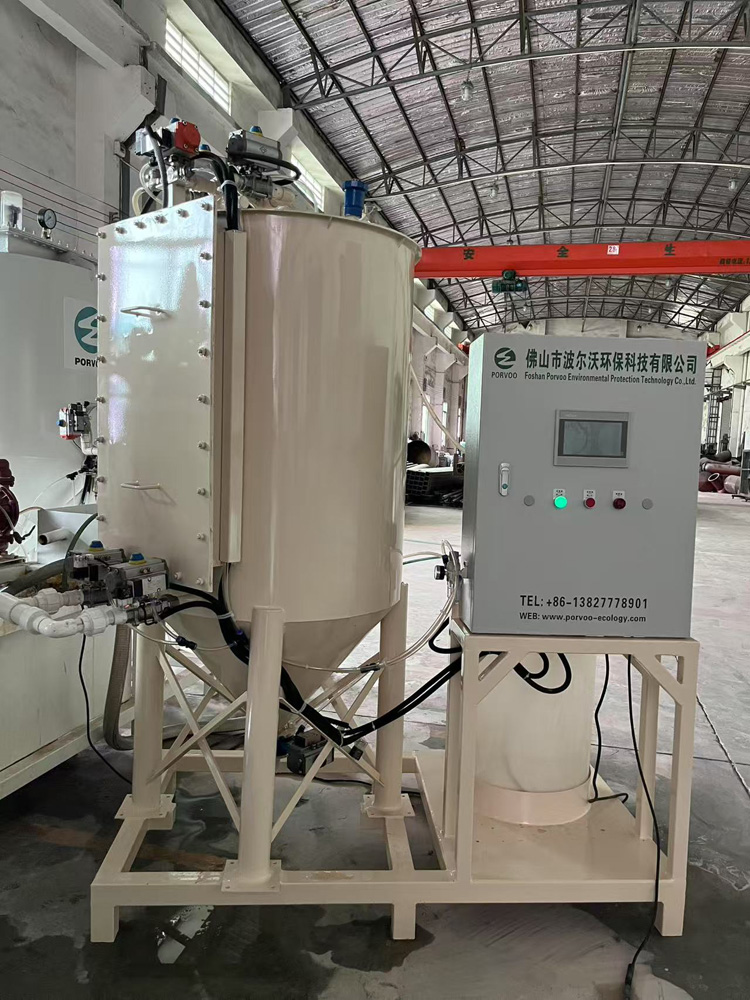
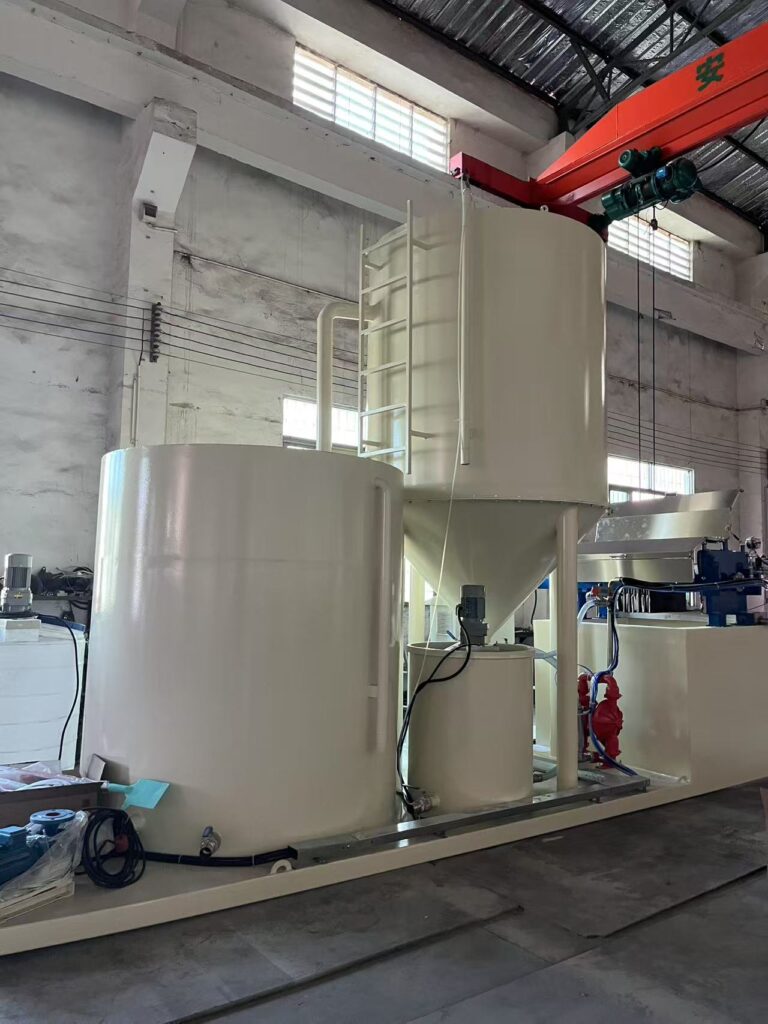
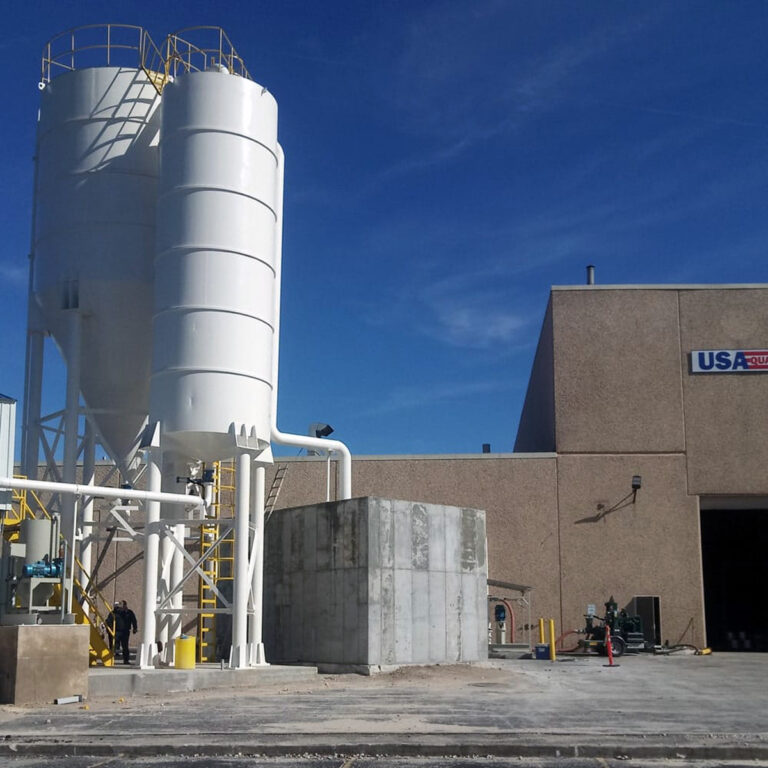
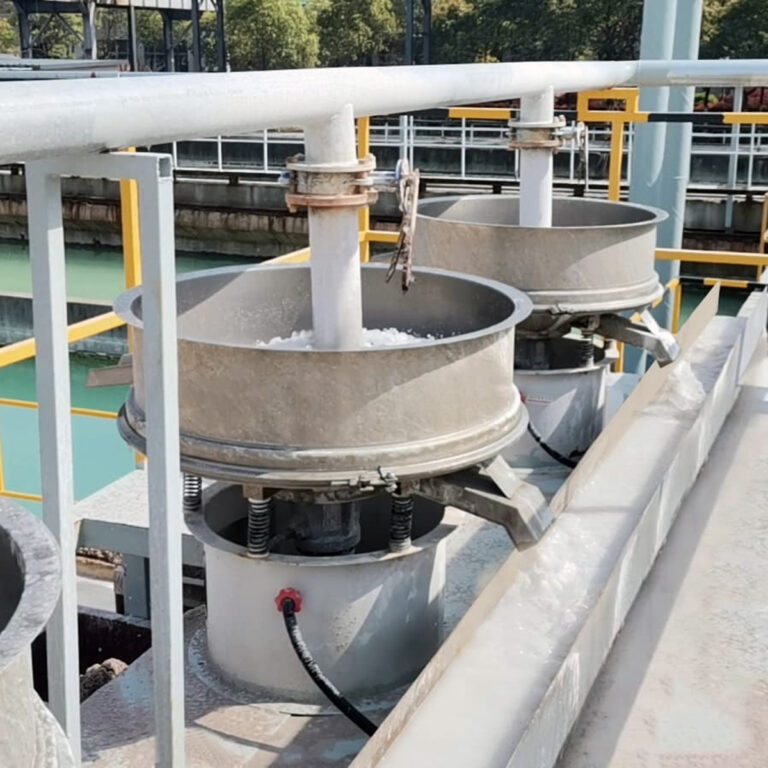
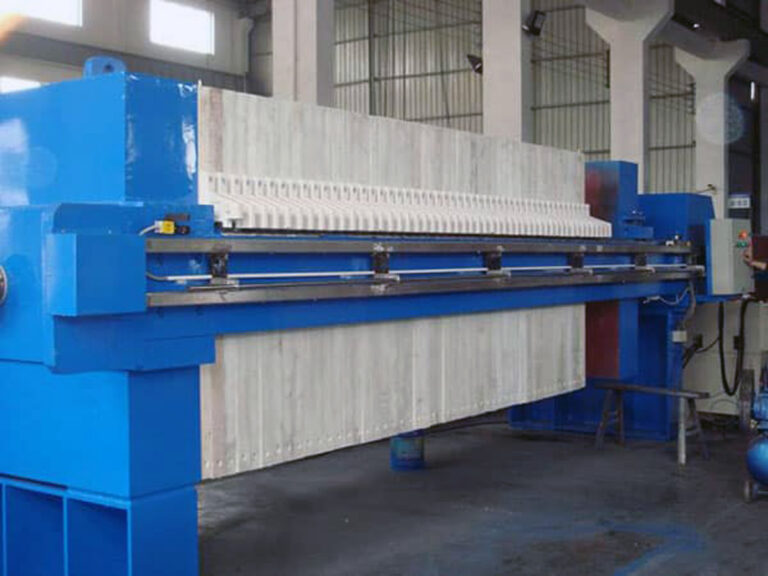
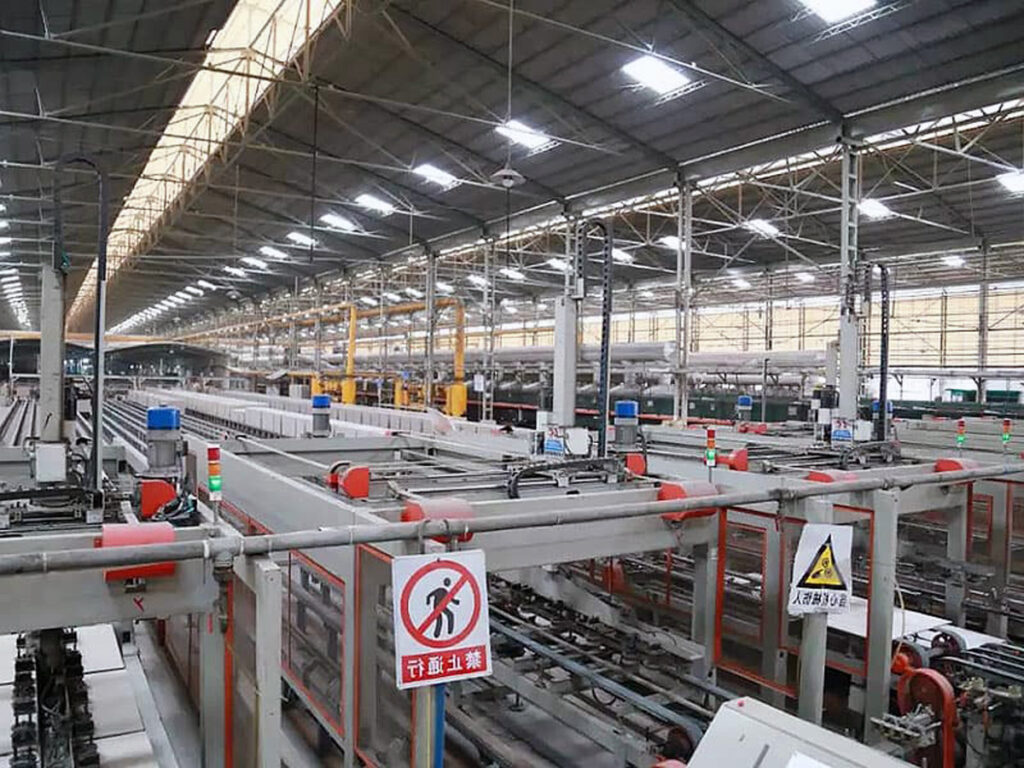
For manufacturing professionals, specifying an industrial dust collection system is a high-stakes technical decision. The wrong choice doesn’t just fail to control dust; it can create a catastrophic secondary hazard, violate multiple regulatory frameworks, and waste significant capital on an inefficient asset. This decision is complicated by competing technologies, evolving standards, and a market offering solutions of varying sophistication.
The convergence of stricter enforcement from OSHA and the NFPA, alongside rising energy costs and a focus on operational excellence, demands a more rigorous approach. This guide provides the technical and strategic framework needed to specify a system that delivers safety, compliance, and efficiency—not just air movement.
Core Dust Collector Types: Cartridge, Baghouse, Wet, and More
Defining the Technology Spectrum
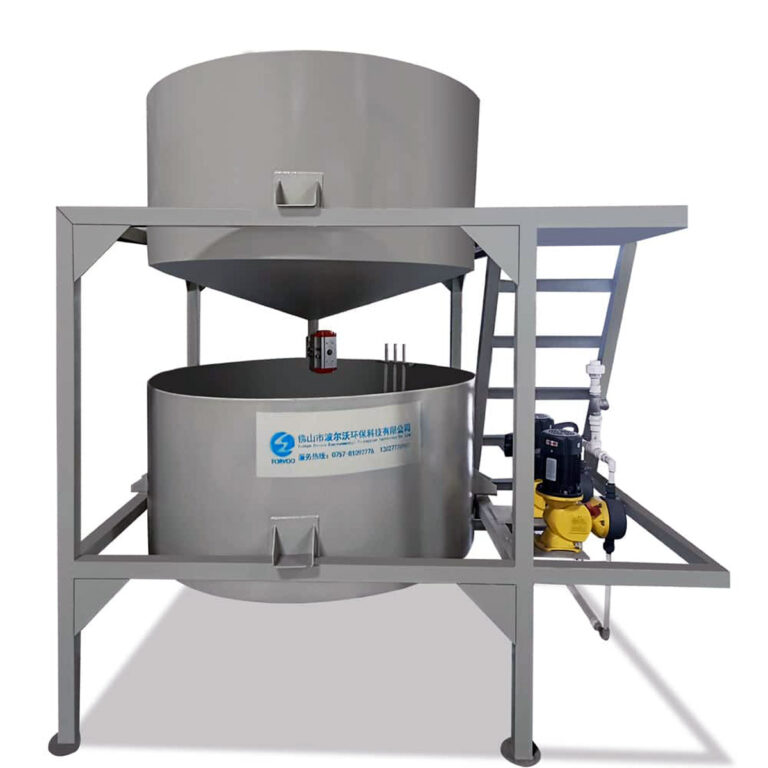
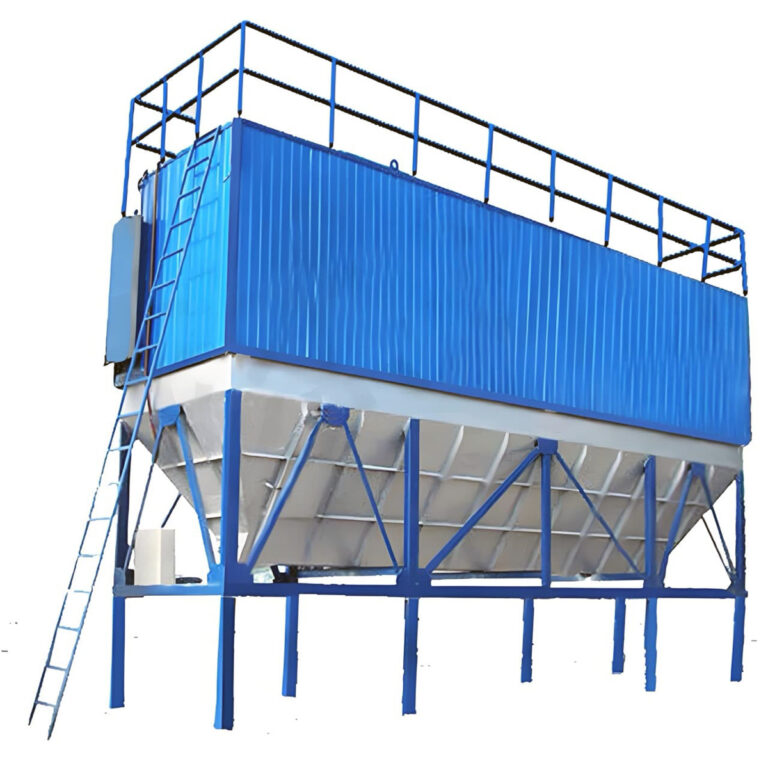
Industrial dust collection is not a one-size-fits-all discipline. The correct technology is dictated by specific dust properties and process environment. Cartridge collectors, using pleated filter media, excel at capturing fine particulates like welding fumes or pharmaceutical powders. Baghouse systems, with their fabric bags, are engineered for higher air volumes and more abrasive loads, such as in mining or heavy woodworking. For combustible or sticky dusts like certain metal powders, wet scrubbers are the prescribed solution, using a liquid medium to inherently mitigate explosion risk.
Matching Application to Mechanism
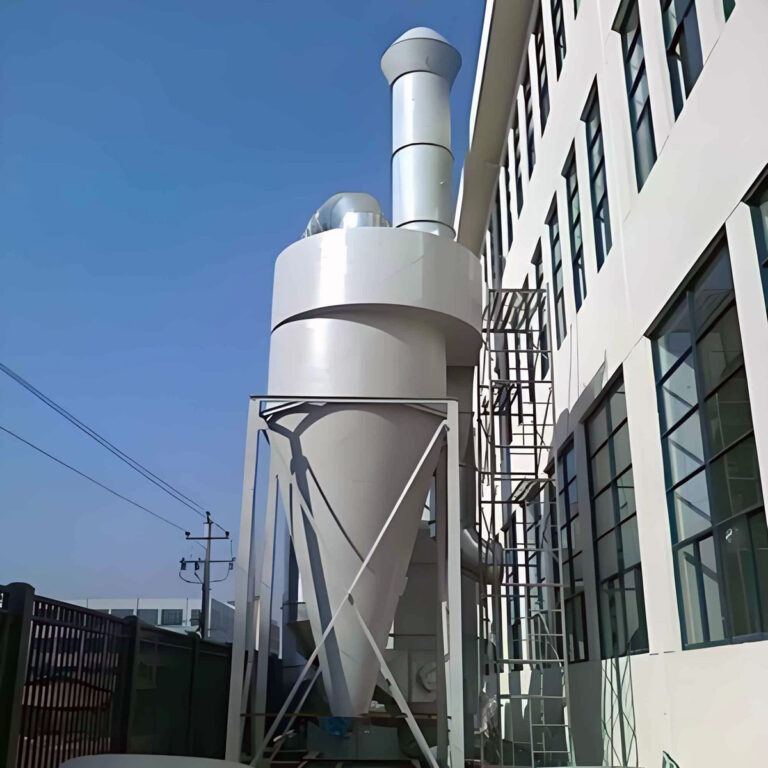
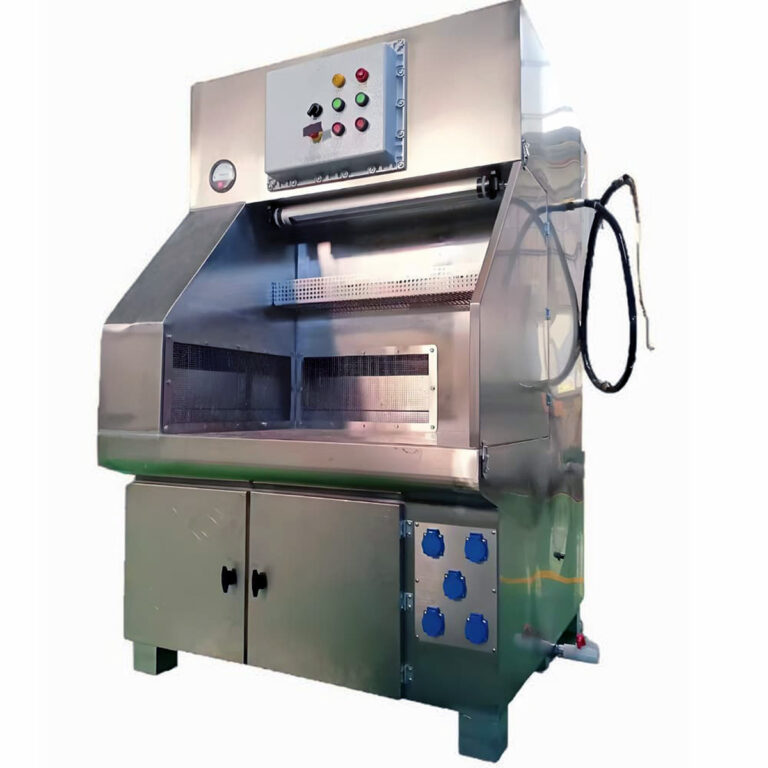
The selection hinges on performance drivers beyond basic filtration. For cartridge systems, advanced pleat geometry is a critical lever. Designs that maintain spacing with synthetic beads directly increase surface area and improve dust release, extending filter life and reducing energy costs. Conversely, a baghouse’s durability against abrasion is its key asset. Portable units offer strategic flexibility for spot collection, while cyclone separators often serve as efficient pre-filters for heavy particulate streams, protecting the primary collector.
The Impact of Correct Selection
Choosing the wrong collector type creates systemic failure. Applying a standard baghouse to a fine, cohesive powder leads to rapid blinding and excessive pressure drop. Using a cartridge collector for a highly abrasive dust results in premature media failure. For combustible hazards, selecting any dry collector without the appropriate NFPA-mandated protections is a fundamental engineering error. The technology must be an inherent match for the material’s physical and chemical characteristics.
Key Safety and Compliance Standards: OSHA, NFPA, and EPA
The Health Protection Mandate: OSHA PELs
OSHA’s Permissible Exposure Limits (PELs) establish the baseline performance requirement for any dust collection system. These legally enforceable limits for airborne contaminants directly tie collector efficiency to worker health. A system that fails to maintain exposures below the PEL for substances like silica or metal fumes is non-compliant from the start. This mandates not just a collector, but an effectively designed capture and containment system validated through air monitoring.
The Explosion Prevention Framework: NFPA Standards
For combustible dust hazards—from wood flour to metals—the NFPA standards provide the essential framework. NFPA 652: Standard on the Fundamentals of Combustible Dust mandates a Dust Hazard Analysis (DHA), a systematic review to identify and evaluate the fire, deflagration, and explosion hazards. This analysis dictates the required layers of protection. These standards clarify that safety is not a single feature but an integrated strategy including explosion venting, isolation valves, spark detection, and suppression systems.
Environmental and Lifecycle Compliance: EPA
The EPA governs the external emissions from the collector and the proper handling of hazardous collected waste. This transforms the collector from an internal safety device into a regulated emissions point. Compliance involves filtering to a specified particulate matter level and managing the dust as a potential solid waste under RCRA rules. A strategy that only meets internal OSHA standards may still violate clean air permits, creating significant liability.
| Standard/Guideline | Primary Focus | Mandatory Action/Requirement |
|---|---|---|
| OSHA (PELs) | Worker health protection | Permissible Exposure Limits |
| NFPA 652, 484 | Combustible dust hazards | Dust Hazard Analysis (DHA) |
| NFPA Standards | Explosion risk mitigation | Layered protection strategy |
| EPA | Air quality & waste | Emissions and disposal compliance |
Sumber: NFPA 652: Standard on the Fundamentals of Combustible Dust. This foundational standard mandates the Dust Hazard Analysis (DHA) and establishes requirements for hazard identification and mitigation, directly informing the safety features required for dust collection systems. NFPA 484: Standard for Combustible Metals provides specific safety requirements for metal dusts, which dictate specialized collection and control measures.
How to Select a System: Dust Type, CFM, and Hazard Analysis
Initiating with Dust Characterization
System selection begins with a rigorous analysis of your specific operation, not generic recommendations. First, characterize the dust: particle size distribution, moisture content, abrasiveness, and—critically—its combustibility per NFPA guidelines. A simple lab test for Kst and Pmax values can immediately segment applicable technologies, such as mandating wet scrubbers or explosion-protected equipment for certain explosive metal dusts. This step prevents the fundamental error of applying a standard solution to a specialized hazard.
Engineering the Airflow: CFM and Capture
Second, calculate the required airflow (CFM) based on hood design and the number of capture points to ensure contaminants are effectively transported. An undersized system fails at the source; an oversized one wastes energy. The required CFM is a function of hood type (enclosure, canopy, downdraft) and the minimum capture velocity needed to overcome the process’s inertial energy. This is where professional design consultation proves its value, moving beyond rule-of-thumb estimates to engineered solutions.
The Final Filter: Hazard and Vendor Assessment
Finally, conduct a full hazard and risk assessment integrating the dust data and airflow design. This process reveals that vertical industry specialization is reshaping supplier landscapes. In my experience, procurement should prioritize vendors with deep expertise in your specific sector (e.g., woodworking, pharmaceuticals, metalworking). Their solutions embed proven best practices and compliance precedents that reduce implementation risk, as they understand the unspoken challenges of your application.
Analisis Biaya: Modal, Operasional, dan Total Biaya Kepemilikan
Understanding the Cost Components
A comprehensive financial view must look beyond the initial purchase price. Capital expenditure (CapEx) covers the collector, ductwork, safety devices, and installation. Operating expenses (OpEx) include continuous energy consumption, filter replacement, disposal costs, and maintenance labor. Focusing solely on CapEx invites higher long-term costs through inefficiency and excessive maintenance downtime.
The Strategic Shift in TCO
A rigorous Total Cost of Ownership (TCO) analysis over a 5-10 year lifespan often reveals a strategic shift: cartridge collectors are successfully invading traditional baghouse domains due to TCO advantages. While their filters may have a higher unit cost, features like easier change-outs, smaller footprints, and advanced media that extends service intervals can significantly reduce labor, downtime, and energy costs. The higher efficiency of modern cartridge media also reduces fan horsepower requirements, creating a continuous OpEx saving.
Making the Economic Comparison
Decision-makers must model these costs. A baghouse might have lower filter costs but require more frequent change-outs and higher energy consumption due to larger fans. A cartridge system’s higher media cost can be offset by less frequent changes and lower static pressure. The table below outlines the core categories to quantify.
| Kategori Biaya | Components | Strategic Insight |
|---|---|---|
| Modal (Capex) | Collector, ductwork, safety devices | Upfront purchase and installation |
| Operating (OpEx) | Energy, filter replacement, labor | Continuous consumption and maintenance |
| Total Cost (TCO) | Lifecycle analysis over system lifespan | Reveals cartridge vs. baghouse advantage |
| Cartridge Collector TCO | Higher filter cost, lower labor/energy | Often favorable long-term economics |
Sumber: Dokumentasi teknis dan spesifikasi industri.
System Design for Maximum Efficiency and Capture
The Foundation: Engineered Source Capture
The performance of even the most advanced collector is crippled by poor system design. Effective design starts with engineered source capture—properly sized hoods or enclosures positioned at the point of generation. A well-designed enclosure requires significantly less CFM than a canopy hood attempting to capture dust from a distance. This principle of containment before extraction is the first and most effective step in risk reduction, aligning with the hierarchy of controls in ISO 12100: Safety of machinery — General principles for design — Risk assessment and risk reduction.
Maintaining System Integrity: Ductwork and Velocity
Ductwork must be meticulously sized and laid out to maintain adequate transport velocity, preventing dust settling that creates a secondary hazard and increases system pressure. Long horizontal runs, elbows, and improper sizing create friction loss and settling zones. The design must ensure the transport velocity exceeds the saltation velocity of the dust throughout the entire network, especially at branches and after elbows.
The Intelligence Layer: Control and Optimization
Integrating components like Variable Frequency Drives (VFDs) acts as a force multiplier. VFDs automatically adjust fan speed based on system pressure, optimizing energy use versus manual controls and ensuring consistent capture efficiency as filters load. When a filter is clean, the fan slows, saving energy. As it loads, the fan speeds up to maintain the required CFM at the hood. Undervaluing this professional design and integration engineering wastes capital and energy, undermining the entire investment.
| Design Principle | Key Component | Dampak Kinerja |
|---|---|---|
| Source Capture | Engineered hoods/enclosures | Point-of-generation efficiency |
| Desain Pekerjaan Saluran | Maintained transport velocity | Prevents hazardous dust settling |
| System Control | Variable Frequency Drives (VFDs) | Optimizes energy, ensures capture |
| Professional Integration | Meticulous sizing and layout | Prevents capital and energy waste |
Sumber: ISO 12100: Safety of machinery — General principles for design — Risk assessment and risk reduction. This standard provides the fundamental framework for risk assessment and reduction through inherently safe design, which is directly applicable to the mechanical and process safety principles of dust collection system design, including capture, containment, and control.
Implementing a Proactive Maintenance and Inspection Program
From Reactive to Predictive Monitoring
A reactive approach to maintenance is a compliance and safety liability. A proactive program is non-negotiable, centered on regular monitoring of differential pressure across filters to schedule cleaning before efficiency drops. This data point is the primary indicator of filter condition and system health. Establishing baselines and trends allows for condition-based maintenance instead of arbitrary calendar-based changes, optimizing filter life and energy use.
The Inspection Regimen
The program must include periodic inspections of all ductwork for leaks or material buildup, checks of seals and gaskets, and functional testing of all safety devices like explosion vents, isolation valves, or spark detectors. Detailed logs of these activities provide auditable evidence of a safety-focused culture for regulators. I’ve seen inspections uncover minor issues—a leaking duct seam, a damaged vent diaphragm—that, left unaddressed, could escalate into major incidents or compliance violations.
Data as a Future-Proofing Asset
The emphasis on data from pressure monitors and VFDs also lays the groundwork for the next regulatory frontier: data-driven predictive maintenance. Investing in collectors with modern control systems and data output capabilities is a strategic move. It prepares facilities for upcoming expectations for real-time performance proof and predictive fault alerts, moving beyond periodic checks to continuous safety assurance.
Special Considerations for Combustible and Hazardous Dusts
Engineering for Inherent Safety
Combustible dusts require a fundamentally different engineering paradigm. The primary goal shifts from simple collection to risk mitigation throughout the entire process stream. This mandates equipment certified or constructed to specific protection standards: conductive or grounded filter media to dissipate static electricity, explosion venting or suppression systems validated for the specific dust’s Kst value, and isolation devices like chemical or mechanical valves to prevent flame propagation through ducts.
The Role of Wet Collection
For extremely hazardous materials like combustible metals, wet scrubbers are often specified, as they convert the explosion risk into a process challenge of managing slurry concentration. However, this introduces new hazards—hydrogen gas generation from certain metals, slurry handling, and wastewater treatment. The safety analysis must follow the hazard through its new form, ensuring the wet system itself is designed to manage these secondary risks.
Completing the Hazard Chain: Disposal
Safe disposal of collected hazardous dust is equally critical, governed by EPA and OSHA regulations. Collected explosive dust cannot be simply dumped; it may require treatment, controlled disposal, or recycling under specific procedures. A comprehensive strategy addresses the entire hazard chain from generation to final disposal, ensuring the system doesn’t just move the risk to another part of the facility.
Creating Your Dust Collection System Specification and RFP
Defining Performance Outcomes
Your specification and Request for Proposal (RFP) document is the blueprint for a successful project. It must move beyond basic hardware requirements to define performance outcomes. Include detailed dust analysis data, required CFM and capture velocity at each hood, and explicit references to applicable OSHA PELs, NFPA standards, and EPA permit conditions. Specify required safety features by standard, not just by name (e.g., “explosion vents sized and located per NFPA 68”).
Specifying Technical Features and Data
Specify desired features like VFDs for fan control, advanced pleat technology for filters, and data output capabilities (e.g., MODBUS RTU outputs for pressure, fan status, alarm conditions). This shifts the conversation from equipment supply to performance delivery. It allows for an apples-to-apples comparison based on lifecycle value, not just initial cost. For many operations, engaging a partner who can design a compliant system around your specific industrial dust collection needs is the critical first step.
Evaluating the Vendor as a Partner
Crucially, the market is consolidating around solution bundles, not just hardware. Evaluate vendors on their total capability—including design consultation, compliance guidance, installation support, and lifecycle parts/service. Frame your RFP to solicit partners who can deliver a risk-managed air quality outcome. Require case studies from your industry and ask for detailed design calculations and safety rationale. The goal is to select a provider who engineers for safety, efficiency, and long-term operational performance.
| Collector Type | Aplikasi Utama | Pendorong Kinerja Utama |
|---|---|---|
| Kartrid | Fine particulates (e.g., welding fumes) | Advanced pleat geometry |
| Baghouse | High air volume, abrasive loads | Fabric bag durability |
| Scrubber Basah | Combustible, sticky dusts | Liquid medium for safety |
| Pemisah Siklon | Heavy particulate pre-filtering | Centrifugal force efficiency |
| Portable Unit | Spot collection flexibility | Strategic mobility |
Sumber: Dokumentasi teknis dan spesifikasi industri.
The specification process culminates in three non-negotiable priorities: safety integration from the DHA forward, a total cost of ownership model that justifies the capital investment, and a design centered on engineered source capture. These elements separate compliant, efficient systems from problematic installations.
Need professional guidance to navigate the complexities of combustible dust standards, system design, and lifecycle costing? The team at PORVOO specializes in translating these technical requirements into operational solutions. Contact us to discuss your specific application and compliance challenges. You can also reach us directly at [email protected].
Pertanyaan yang Sering Diajukan
Q: How do we choose between a cartridge collector and a baghouse for a new facility?
A: The decision hinges on your dust’s particle size and abrasiveness. Cartridge collectors with pleated media are optimal for fine, dry particulates like powders, while baghouses handle larger, more abrasive loads from processes like woodworking or mineral processing. A Total Cost of Ownership analysis often reveals cartridge systems offer long-term savings through easier maintenance and lower energy use, despite higher filter costs. This means facilities with fine dust and high energy costs should prioritize a detailed TCO comparison during vendor evaluation.
Q: What specific steps are required for a compliant combustible dust hazard analysis?
A: A compliant Dust Hazard Analysis (DHA) is a systematic review mandated by NFPA 652 to identify and assess fire and explosion risks. It requires characterizing your dust’s combustibility, examining all equipment and processes for ignition sources and fuel accumulations, and documenting necessary mitigation measures. For metal dusts, you must also adhere to the specific requirements of NFPA 484. This means your project timeline must allocate significant resources for testing, documentation, and engineering review before finalizing any system design.
Q: How should we design ductwork to prevent dust from settling inside the system?
A: Ductwork must be engineered to maintain a minimum transport velocity, which is dictated by your dust’s density and particle size. The layout should prioritize straight runs with smooth radii to minimize resistance and points where material can drop out. Inadequate velocity creates settled dust, which becomes a secondary fire hazard and reduces overall system efficiency. For projects where duct runs are long or complex, plan for a professional design review to ensure velocity is sustained at every capture point.
Q: Why is differential pressure monitoring critical for a dust collector maintenance program?
A: Monitoring the pressure drop across the filter bank provides a direct, real-time indicator of filter loading and system health. A rising differential pressure signals that filters are becoming blinded, which increases energy consumption and reduces capture efficiency. Scheduling cleaning or replacement based on this data prevents unexpected failures and supports a proactive, compliance-ready maintenance culture. If your operation runs continuously, you should prioritize collectors with integrated pressure sensors and data-logging controls.
Q: What are the essential protective layers for a dust collector handling explosive powders?
A: A layered protection strategy integrates several engineered safeguards to manage explosion risk. This typically includes explosion venting or suppression systems, isolation valves to prevent flame propagation through ducts, and spark detection equipment. The filter media itself should be conductive or grounded to dissipate static electricity, a common ignition source. This means facilities handling combustible dust must budget for these integral safety components, as they are not optional accessories but fundamental to a compliant system design per NFPA 652.
Q: What key elements belong in a dust collection system Request for Proposal (RFP) beyond basic specs?
A: A comprehensive RFP must define required performance outcomes, not just hardware. Include your detailed dust analysis data, required CFM at each hood, explicit references to OSHA, NFPA, and EPA standards, and specifications for features like Variable Frequency Drives (VFDs) and data output capabilities. Evaluate vendors on their total capability for design, compliance guidance, and lifecycle support. This procurement approach shifts the focus from buying equipment to sourcing a risk-managed partnership for long-term safety and efficiency.
Q: When is a wet scrubber the mandated choice over a dry filtration system?
A: Wet scrubbers are prescribed for dusts with inherent combustion risks or those that are sticky and hygroscopic. By capturing particulates in a liquid medium, they eliminate the fuel-dust cloud necessary for a deflagration, which is critical for certain explosive metal powders governed by NFPA 484. However, this converts an explosion hazard into a slurry management challenge. If your hazard analysis identifies a combustible dust, plan for the higher operational complexity and waste handling requirements of a wet system early in the selection process.