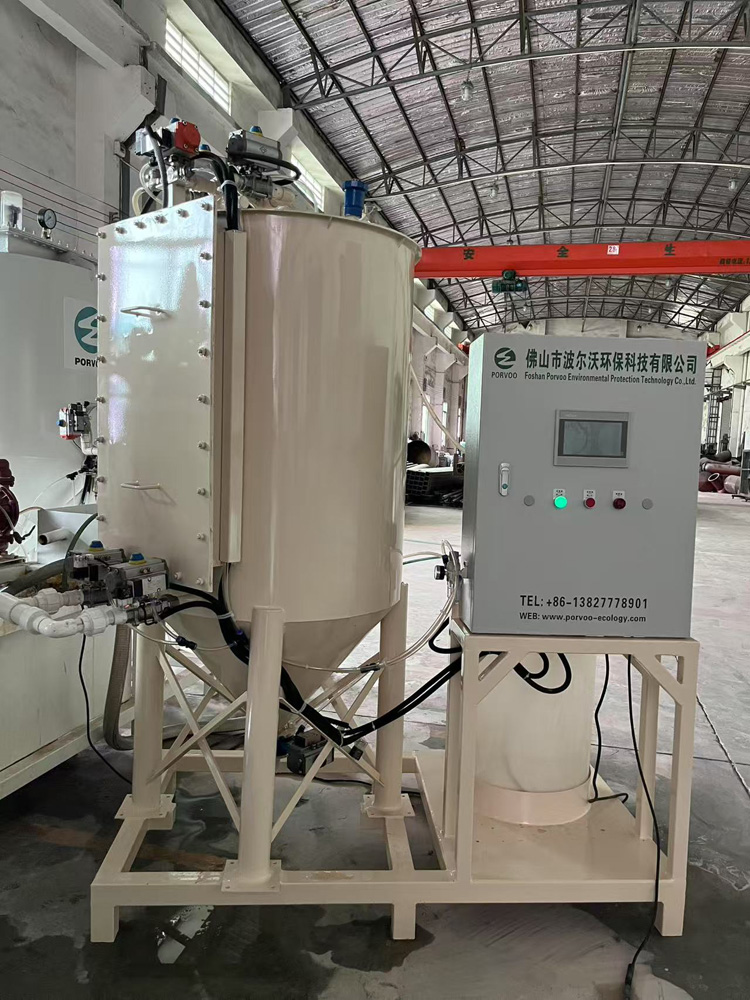
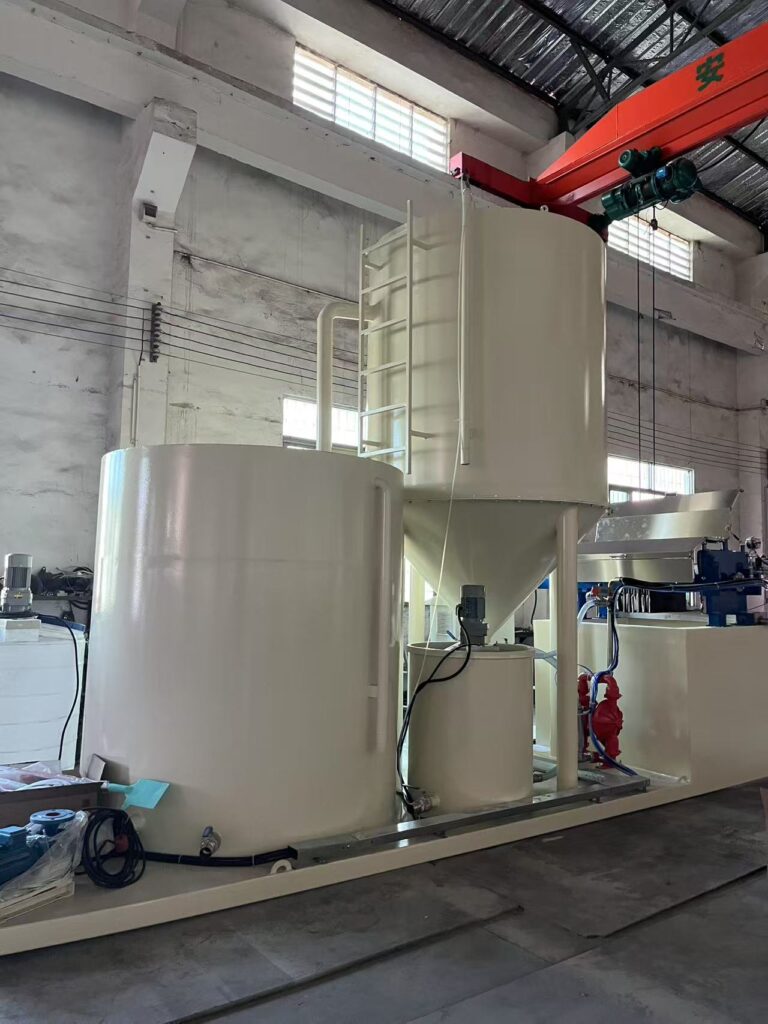
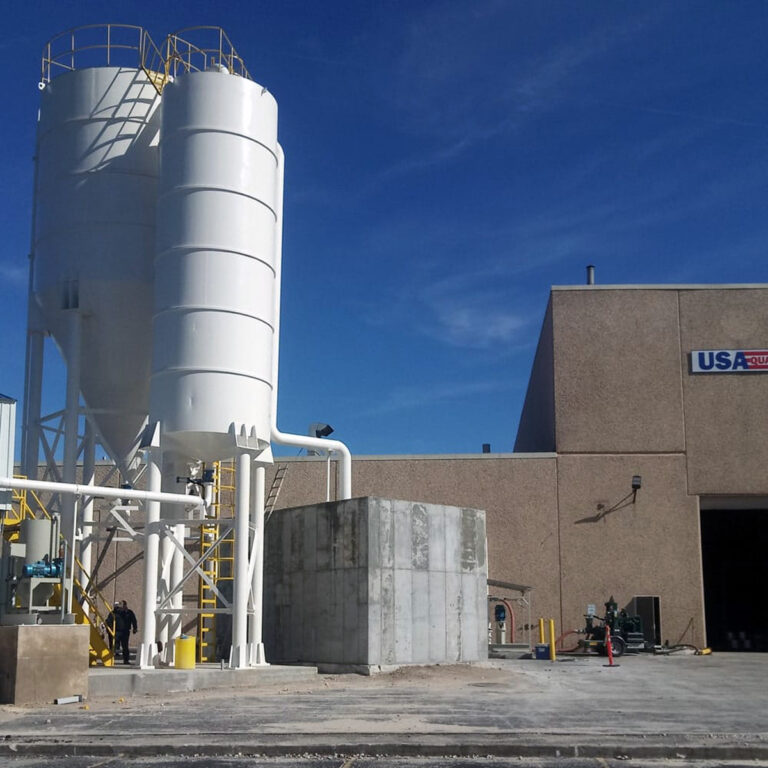
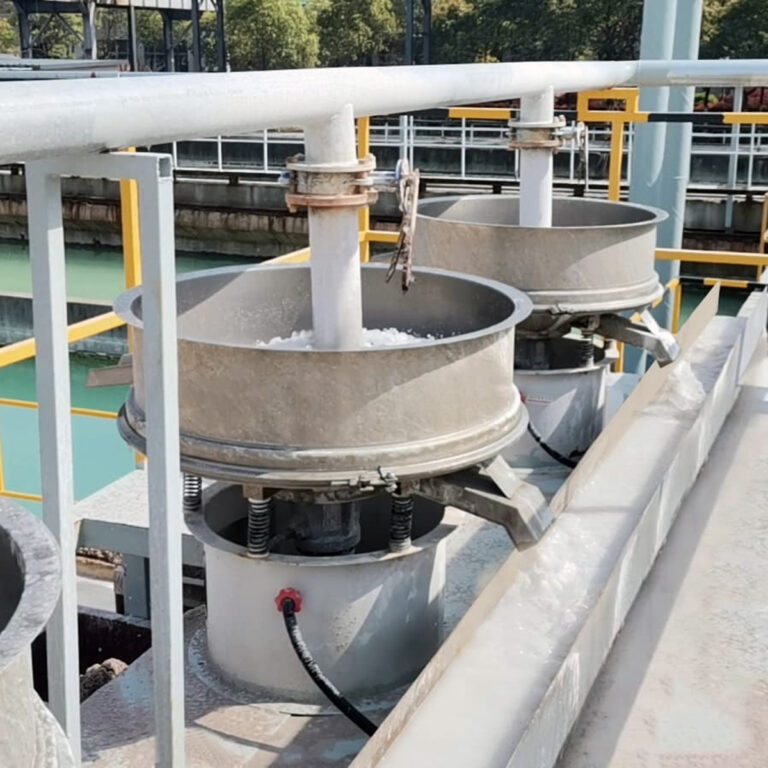
Untuk manajer dan insinyur fasilitas pengolahan batu, keputusan untuk menerapkan sistem pengolahan air limbah sering kali didorong oleh kebutuhan kepatuhan yang mendesak. Pendekatan reaktif ini mengarah pada kesalahan kritis: mengukur sistem berdasarkan jumlah mesin daripada pemuatan hidraulik dan padatan aktual dari aliran air limbah. Hasilnya adalah kinerja yang buruk atau pengeluaran modal yang berlebihan. Efektivitas sistem pengolahan berbasis silo sepenuhnya bergantung pada spesifikasi teknik yang tepat yang sesuai dengan karakteristik lumpur unik fasilitas Anda.
Perhatian terhadap proses spesifikasi ini tidak dapat ditawar lagi sekarang. Pengawasan regulasi terhadap pembuangan air dan lumpur yang mengandung silika semakin meningkat secara global. Bersamaan dengan itu, tekanan ekonomi untuk memaksimalkan penggunaan kembali air dan meminimalkan biaya pembuangan menjadikan sistem pengolahan yang tepat sebagai aset strategis, bukan hanya biaya tambahan. Sistem yang dirancang secara akurat secara langsung berdampak pada waktu kerja produksi, keselamatan operasional, dan kelangsungan finansial jangka panjang.
Faktor Desain Utama untuk Sistem Silo Pemrosesan Batu
Menentukan Spesifikasi Influen
Proses desain dimulai dengan karakterisasi air limbah yang akurat. Dua parameter yang tidak dapat dinegosiasikan adalah laju aliran maksimum, yang dapat berkisar antara 250 hingga lebih dari 4.000 liter per menit, dan konsentrasi padatan tersuspensi. Pakar industri merekomendasikan untuk mendasarkan desain pada metrik fluida terukur ini, bukan jumlah mesin, untuk mencegah kekurangan ukuran yang mahal. Kelalaian yang umum terjadi adalah tidak memperhitungkan periode produksi puncak atau operasi simultan dari semua lini pemolesan, yang menyebabkan kelebihan beban sistem dan kegagalan clarifier. Menurut prinsip-prinsip yang diuraikan dalam standar seperti ISO 13341:2010, yang akurat, perhitungan aliran yang akurat adalah dasar untuk mengukur setiap transfer bubur dan struktur penahanan.
Memilih Konstruksi dan Material Silo
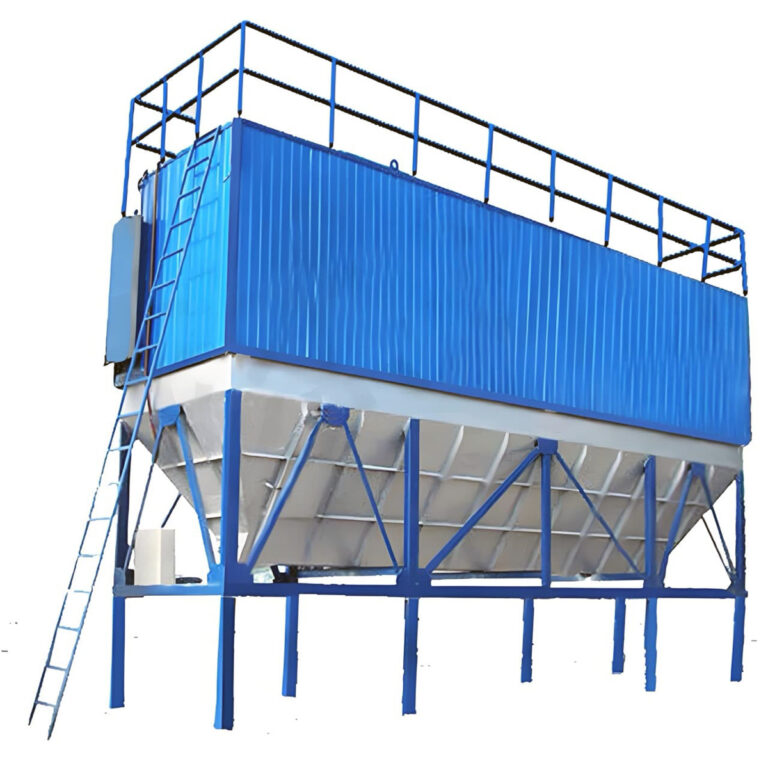
Pilihan antara silo yang dilas di bengkel dan yang dibaut di lokasi menghadirkan pertukaran spasial dan ekonomi yang jelas. Unit yang dilas di bengkel dibatasi oleh dimensi pengangkutan jalan raya, sehingga cocok untuk lokasi dengan ruang terbatas tetapi menawarkan biaya per volume yang lebih tinggi. Tangki yang lebih besar dan dibaut di lokasi memberikan biaya yang lebih rendah per meter kubik, tetapi membutuhkan tapak yang lebih besar dan fondasi penahan beban yang lebih kuat. Pemilihan bahan bagian yang dibasahi adalah penentu utama biaya siklus hidup. Meskipun baja karbon yang dicat menawarkan pengeluaran modal awal yang lebih rendah, pengalaman kami menunjukkan bahwa komponen baja tahan karat tahan terhadap korosi dari lumpur abrasif, sehingga memperpanjang usia sistem lebih dari 20 tahun dan menghasilkan total biaya kepemilikan yang lebih rendah.
Teknologi Klarifikasi Inti
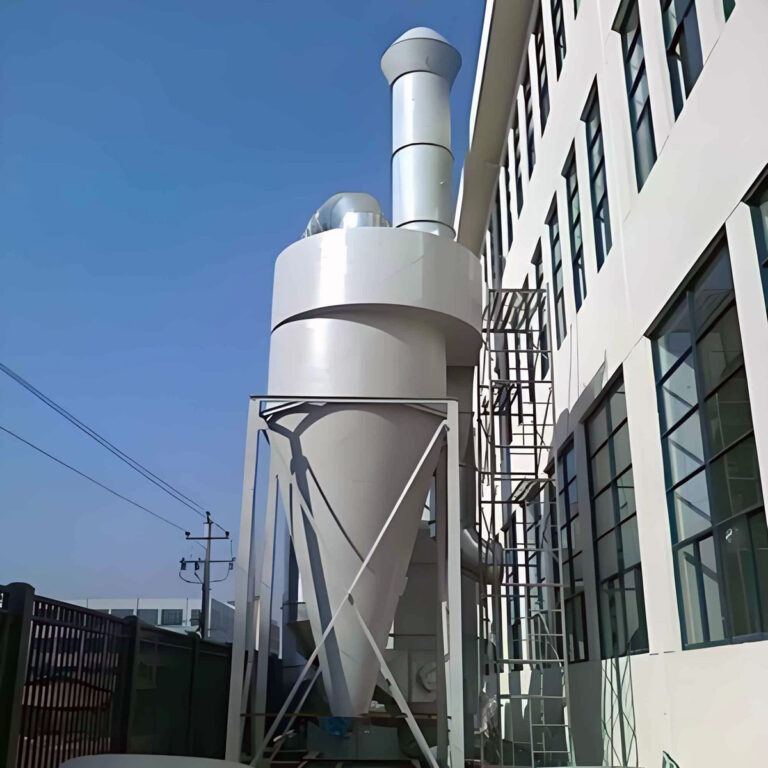
Silo sedimentasi beroperasi berdasarkan prinsip klarifikasi gravitasi. Air limbah masuk ke dalam tangki, di mana kecepatan aliran menurun, memungkinkan partikel batu yang tersuspensi mengendap di dasar sebagai lumpur. Air yang telah dijernihkan meluap untuk digunakan kembali atau penyaringan lebih lanjut. Teknologi ini disukai karena efisiensinya yang tinggi dalam menangani kapasitas besar yang khas untuk pemrosesan batu alam. Desain harus memastikan waktu retensi yang cukup untuk pengendapan yang efektif, yang secara langsung dihitung dari laju aliran yang dikarakterisasi secara akurat dan kualitas limbah yang diinginkan.
| Faktor Desain | Parameter Kunci / Rentang | Pertukaran / Dampak Utama |
|---|---|---|
| Laju Aliran Air Limbah | 250 - 4.000+ l/menit | Mendorong akurasi ukuran silo |
| Konstruksi Silo | Dilas di toko vs. Dilas di lokasi | Batas transportasi vs. biaya/volume |
| Bahan (Bagian yang Dibasahi) | Baja Tahan Karat vs Baja Karbon yang Dicat | Umur >20 tahun vs. CAPEX yang lebih rendah |
| Teknologi Inti | Sedimentasi (Klarifikasi Gravitasi) | Efisiensi tinggi, kapasitas besar |
Sumber: ISO 13341:2010 Industri minyak bumi dan gas alam - Sistem transportasi pipa - Pemasangan selang bongkar muat. Standar ini menginformasikan prinsip-prinsip teknik untuk menentukan ukuran sistem transfer lumpur dan struktur penyimpanan berdasarkan perhitungan laju aliran dan manajemen tekanan, yang secara langsung relevan dengan desain sistem silo untuk penanganan influen yang akurat.
Analisis Biaya: Investasi Modal vs Penghematan Operasional
Pengorbanan Otomatisasi
Keputusan keuangan yang mendasar terletak di antara sistem semi-otomatis dan sistem otomatis penuh. Pabrik semi-otomatis memiliki biaya awal yang lebih rendah tetapi membutuhkan intervensi operator yang konsisten untuk tugas-tugas seperti penanganan kantong lumpur. Hal ini menciptakan biaya tenaga kerja langsung dan berkelanjutan. Sistem yang sepenuhnya otomatis, yang mengintegrasikan pengepres filter dan panel pengontrol logika yang dapat diprogram (PLC), meminimalkan tenaga kerja tetapi menuntut investasi modal yang lebih tinggi dan pemeliharaan yang lebih canggih. Titik impas tergantung pada skala produksi, biaya tenaga kerja lokal, dan ketersediaan. Fasilitas harus memodelkan hal ini dalam jangka waktu 5-10 tahun.
Analisis Total Biaya Kepemilikan
Mengevaluasi hanya harga pembelian adalah kesalahan kritis. Analisis Total Biaya Kepemilikan (TCO) yang tepat menggabungkan belanja modal (CAPEX), belanja operasional (OPEX), dan biaya siklus hidup. Ini termasuk konsumsi energi, penggunaan bahan kimia, suku cadang perawatan, tenaga kerja, dan biaya pembuangan. Sistem dengan harga awal yang lebih tinggi tetapi dibuat dari baja tahan karat yang tahan lama sering kali menunjukkan TCO yang lebih rendah dengan menghilangkan siklus penggantian yang sering dan waktu henti yang terkait dengan kegagalan korosi. Model keuangan juga harus memperhitungkan nilai strategis otomatisasi sebagai lindung nilai terhadap kenaikan biaya tenaga kerja dan pengetatan peraturan tentang paparan pekerja terhadap silika kristal yang dapat terhirup.
| Jenis Sistem | Investasi Modal (CAPEX) | Biaya Operasional Jangka Panjang (OPEX) |
|---|---|---|
| Semi-otomatis | Biaya di muka yang lebih rendah | Biaya tenaga kerja berkelanjutan yang lebih tinggi |
| Sepenuhnya otomatis | Investasi awal yang lebih tinggi | Tenaga kerja minimal, perawatan lebih tinggi |
| Pemilihan Bahan | Baja Tahan Karat (Belanja Modal Lebih Tinggi) | Total Biaya Kepemilikan (TCO) yang lebih rendah |
| Metrik Keuangan Utama | Anggaran Modal | Total Biaya Kepemilikan (TCO) |
Sumber: Dokumentasi teknis dan spesifikasi industri.
Membandingkan Silo Sedimentasi dengan Metode Pengolahan Alternatif
Opsi Teknologi Clarifier
Silo sedimentasi bukan satu-satunya metode klarifikasi. Sistem penjernih Lamella, misalnya, menggunakan pelat yang disusun secara miring untuk meningkatkan area pengendapan yang efektif dalam tapak yang lebih kecil. Keuntungan utamanya adalah potensi mereka untuk operasi bebas flokulan, menukar pembelian dan penanganan bahan kimia yang sedang berlangsung dengan unit pemisahan fisik yang lebih kompleks. Ini merupakan keseimbangan kinerja-kompleksitas yang jelas. Pilihannya sering kali bergantung pada toleransi fasilitas terhadap manajemen rantai pasokan bahan kimia versus menerima tingkat kecanggihan mekanis yang lebih tinggi pada penjernih itu sendiri.
Menetapkan Tingkatan Kinerja
Kualitas air akhir yang diperlukan menentukan jalur teknologi. Klarifikasi dasar untuk air make-up pendingin adalah satu tingkat. Munculnya pemesinan CNC presisi tinggi telah menciptakan permintaan untuk tingkat yang lebih tinggi: penyaringan tersier tingkat lanjut. Sistem seperti saringan pasir yang dapat membersihkan sendiri atau unit membran keramik memoles air yang telah dijernihkan menjadi kualitas “seperti air listrik”, sehingga melindungi bantalan spindel dan perkakas yang sensitif. Hal ini membentuk sebuah hirarki kinerja. Berinvestasi dalam sistem pengolahan berbasis silo yang komprehensif dengan mempertimbangkan peningkatan filtrasi di masa depan sering kali lebih hemat biaya daripada memperbaiki sistem dasar di kemudian hari.
| Metode Perawatan | Karakteristik Utama | Terbaik Untuk / Pertimbangan |
|---|---|---|
| Silo Sedimentasi | Efisiensi tinggi, kapasitas besar | Natural stone abrasive slurries |
| Lamella Clarifier | Flocculant-free operation | Simplifying chemical supply chain |
| Tertiary Filtration (e.g., Ceramic Membranes) | “Mains-like” water quality | High-precision CNC machining |
| Technology Choice Driver | Final water quality needs | Establishes performance tier |
Sumber: ISO 14001:2015 Environmental management systems — Requirements with guidance for use. This EMS framework drives the systematic selection of treatment technologies to minimize discharge and promote water reuse, influencing the comparison between clarification and advanced filtration methods based on environmental and operational goals.
Which System is Best for Granite, Marble, or Limestone?
Matching Technology to Sludge Type
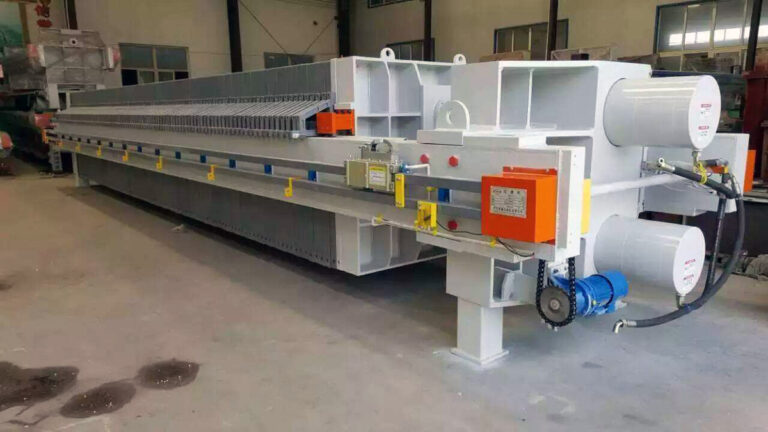
The optimal dewatering method is forced by the sludge’s physical composition. Abrasive, granular slurries from granite, marble, and limestone are ideal for automated filter presses, which apply high pressure to produce a dry, handleable filter cake. In contrast, the sticky, polymer-laden sludge from engineered stone (quartz composite) processing readily clogs filter plates. For this material, simpler bagging stations or decanter centrifuges often provide more reliable operation. Selecting a filter press for engineered stone based solely on its perceived efficiency for natural stone leads to persistent downtime and high maintenance.
The Integrated System Trend
Vendors are increasingly offering bundled solutions that combine water treatment with dust extraction and air purification. This integrated environmental package promises single-source accountability and optimized performance between systems. However, it creates significant vendor stickiness. Buyers must evaluate the long-term flexibility and cost of being locked into one supplier for multiple critical systems versus the potential integration challenges of a best-in-breed, multi-vendor approach. This strategic decision impacts operational resilience and future upgrade paths.
| Processed Material | Sludge Characteristic | Recommended Dewatering Method |
|---|---|---|
| Granite / Marble / Limestone | Abrasive natural stone slurry | Automated filter press |
| Engineered Stone | Sticky, polymer-laden sludge | Simpler bagging station |
| Vendor Strategy Trend | Integrated system bundles (water + air) | Creates single-source stickiness |
| Buyer Consideration | Long-term system flexibility | Modular vs. optimized package |
Sumber: ISO 18400-206:2018 Soil quality — Sampling — Part 206: Collection, handling and storage of soil under aerobic conditions for the assessment of microbiological processes, biomass and diversity in the laboratory. The principles for maintaining sample integrity during storage inform the design of sludge handling systems to prevent biological/chemical changes, which is critical when matching dewatering technology to specific sludge characteristics.
Integrating Chemical Dosing and Sludge Dewatering Options
Precision Chemical Conditioning
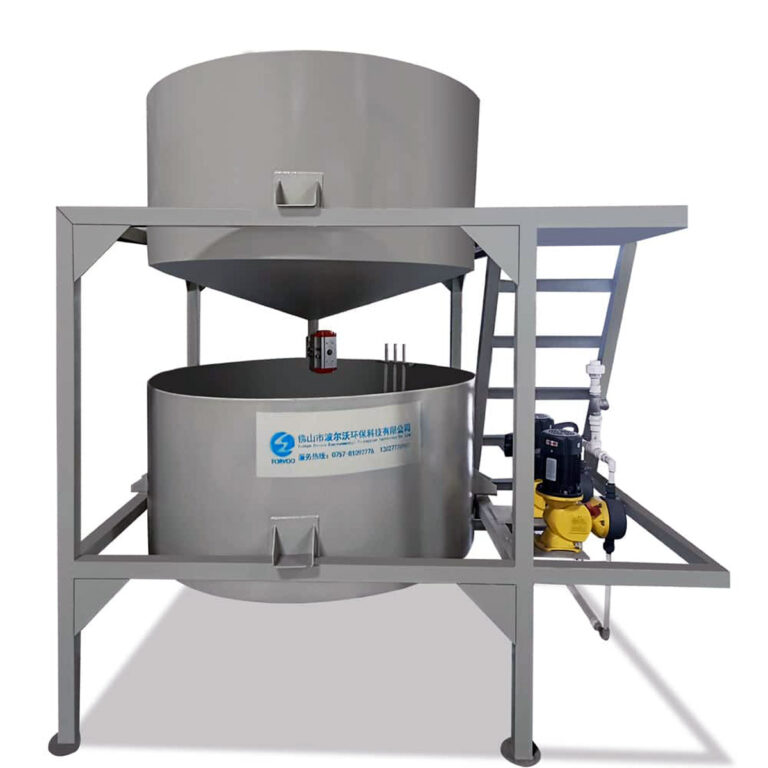
To accelerate settling in the silo, chemical conditioning with flocculants or coagulants is standard. Automated dosing stations are critical for precise injection, agglomerating fine particles into larger, faster-settling flocs. Inconsistent manual dosing leads to poor clarification efficiency and chemical waste. Modern systems use flow-proportional or turbidity-based feedback control to optimize chemical consumption, directly reducing OPEX. This precision is a key component of an effective Environmental Management System as defined by ISO 14001:2015, which requires controlled management of chemical inputs.
Dewatering Technology Selection
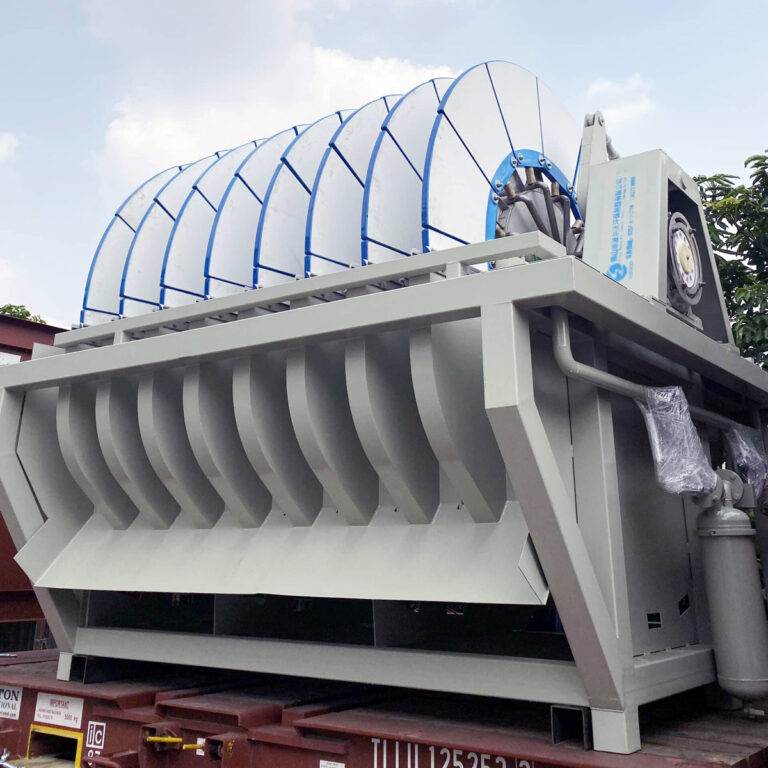
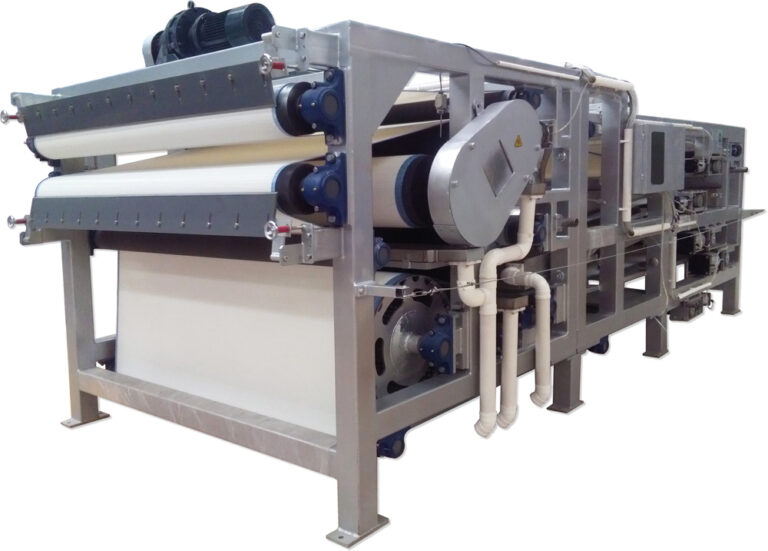
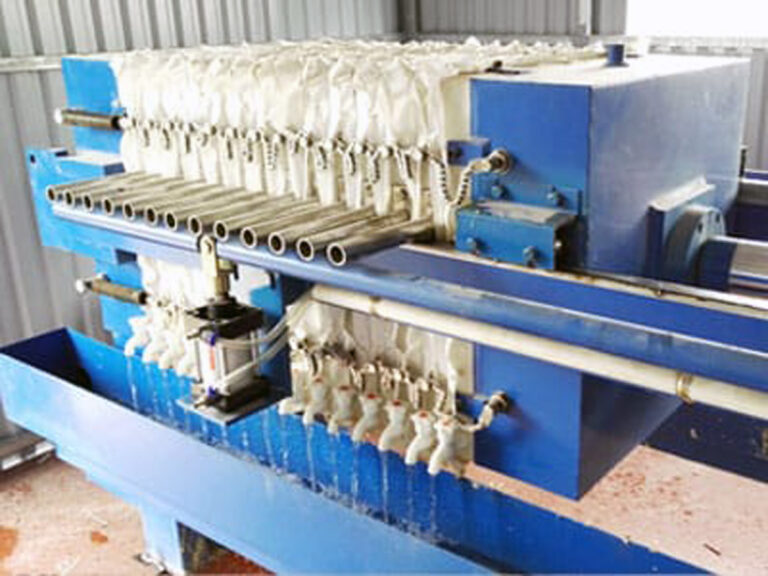
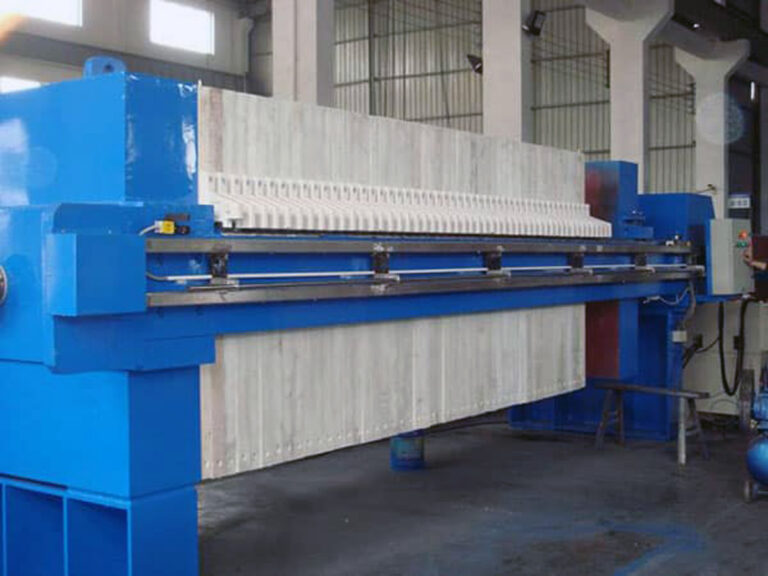
Downstream of the silo, the sludge handling method is a decisive choice. For high-volume natural stone facilities, automatic filter presses are the workhorse, producing a dry cake suitable for cost-effective disposal or potential reuse. For lower volumes or problematic sludges, semi-automatic bagging stations offer simplicity and reliability. The trend is toward full automation managed by PLCs, which not only reduces labor but also enables data collection on cycle times and cake dryness. This data integration is the foundation for predictive maintenance, scheduling filter cloth changes or press inspections before failure occurs.
| Komponen Sistem | Function / Technology | Operational Trend |
|---|---|---|
| Chemical Dosing Station | Precise flocculant/coagulant injection | Automated, PLC-controlled |
| Sludge Handling (High Volume) | Automatic filter press | Produces dry “filter cake” |
| Sludge Handling (Problematic Sludge) | Bagging station | Simpler, semi-automatic process |
| System Management | PLC control & data integration | Enables predictive maintenance |
Sumber: Dokumentasi teknis dan spesifikasi industri.
Ensuring System Reliability with Redundancy and Automation
Engineering Redundancy
Reliability is designed into the system through component redundancy and isolation capability. Critical units, such as submersible pumps feeding the silo, should be installed with a standby pump. The piping and valving design must allow any single component—a pump, mixer, or even the filter press—to be isolated for maintenance without requiring a full system shutdown. This N+1 philosophy for mission-critical components is essential for maintaining continuous production in multi-shift stone processing facilities.
Automation as a Compliance Strategy
The level of automation defines operational resilience and safety. A fully automatic PLC-controlled system manages chemical dosing, sludge transfer, filter press cycling, and clean water recirculation with minimal operator input. This automation is increasingly a compliance strategy. Regulatory pressure on respirable crystalline silica (RCS) exposure is accelerating the adoption of fully-enclosed, automated systems that minimize human interaction with the sludge stream. Touchscreen interfaces with self-diagnostics shift maintenance from reactive to proactive and create the data foundation for integrating treatment performance with overall production efficiency analytics.
| Reliability Feature | Implementation Example | Manfaat Strategis |
|---|---|---|
| Component Redundancy | Standby submersible feed pump | Enables maintenance without shutdown |
| System Automation Level | Fully-automatic PLC control | Minimizes labor, enables remote monitoring |
| Compliance Driver | Fully-enclosed automated systems | Reduces silica (RCS) exposure risk |
| Data Integration | Touchscreen interfaces, self-diagnostics | Foundation for production efficiency analytics |
Sumber: ISO 14001:2015 Environmental management systems — Requirements with guidance for use. Compliance with environmental management standards accelerates the adoption of automated, enclosed systems to systematically control and reduce risks associated with hazardous waste streams like silica-laden sludge.
Space Planning, Utility Needs, and Installation Logistics
Footprint and Structural Analysis
Physical implementation requires meticulous planning. The total footprint encompasses the sedimentation silo, filter press or bagging station, chemical preparation skids, and clean water storage tanks. Space-constrained facilities face a direct cost trade-off: large, cylindrical bolted silos offer the lowest cost per volume but require more floor area. Rectangular, shop-welded hoppers provide better footprint efficiency at a higher capital cost. The site assessment must verify adequate load-bearing capacity for the combined weight of a full silo and heavy equipment, especially for large, site-built units.
Utility Integration and Pipework
Adequate utilities are non-negotiable. This includes sufficient electrical power for pumps, mixers, and controls; water supply for chemical preparation; and access routes for sludge removal trucks. A frequently overlooked detail is the internal plant pipework. When upgrading to a high-recirculation system, the existing pipes returning clean water to the machines may be undersized. This often necessitates a switch to a single, variable-speed booster pump to maintain stable pressure across all polishing heads, ensuring the treatment system’s capacity is fully utilized.
| Planning Area | Key Requirement / Consideration | Cost vs. Space Trade-off |
|---|---|---|
| Jejak Sistem | Silo, press, skids, tanks | Cylindrical bolted silos: larger area, lower cost |
| Site Structural Needs | Adequate load-bearing capacity | Critical for large, site-built silos |
| Critical Utility | Power for pumps and controls | Essential for automated operation |
| Internal Pipework | Sized to upgraded system capacity | Often requires single variable-speed pump |
Sumber: ISO 13341:2010 Industri minyak bumi dan gas alam - Sistem transportasi pipa - Pemasangan selang bongkar muat. The standard’s focus on structural integrity and system installation logistics for containment structures is directly applicable to planning the space, utility, and load-bearing requirements for large-scale silo systems in industrial facilities.
Final Selection Criteria for Your Facility’s Specific Needs
Synthesizing the Specification
Final selection requires synthesizing all factors into a tailored specification document. Begin with accurate, measured data on flow rate and sludge load—this is the non-negotiable foundation. Explicitly match the dewatering technology to your primary stone type’s sludge characteristics. Evaluate the capital versus operational cost trade-off of automation against your labor model and production scale. Conduct a formal TCO analysis that factors in material selection based on your planned facility lifespan.
Proactive Future-Proofing
Factor in future operational needs at the design stage. If investing in high-precision CNC machinery is in the plan, budget and allocate space for advanced tertiary filtration upfront. View automation and full enclosure not just as a cost, but as a strategic hedge against inevitable tightening of silica exposure regulations. Finally, prioritize systems with open data architecture (OPC UA, Modbus TCP) over closed proprietary protocols. This ensures the treatment plant can integrate with future IoT platforms and production monitoring systems, transforming it from a cost center into a source of operational intelligence.
The core decision points are clear: accurate influent data dictates scale, sludge type dictates dewatering method, and production strategy dictates the level of automation. View the specification process as designing a production asset for water recovery, not just a compliance tool. This mindset shift is what separates systems that deliver long-term value from those that become a persistent operational burden.
Need a professional specification developed for your granite, marble, or limestone facility? The engineering team at PORVOO can translate your production data into a optimized system design.
For a detailed discussion of your project requirements, you can also Hubungi Kami.
Pertanyaan yang Sering Diajukan
Q: How do you accurately size a wastewater silo system for a stone processing facility?
A: You must base sizing on measured influent characteristics, specifically the maximum flow rate—which can range from 250 to over 4,000 liters per minute—and the sludge concentration. Relying on machine count alone leads to costly undersizing or inefficient over-engineering. This means facilities must invest in proper influent sampling and analysis, guided by standards like ISO 5667-10:2020, before finalizing any design specification.
Q: What are the key cost trade-offs between semi-automatic and fully-automatic sludge dewatering systems?
A: The primary trade-off is capital expenditure versus long-term operational labor. Semi-automatic systems with bagging stations have lower upfront costs but require continuous operator handling. Fully-automatic systems with filter presses and PLC controls demand higher initial investment but drastically reduce labor and help mitigate future regulatory risks related to silica exposure. For high-volume granite or marble facilities, the automated option typically offers a superior total cost of ownership over a 20-year lifespan.
Q: When should a facility choose a filter press over a bagging station for sludge handling?
A: This decision is forced by the physical composition of your sludge. Automated filter presses are optimal for high-volume, abrasive natural stone slurries from granite or marble, producing a dry filter cake. For lower volumes or sticky, polymer-laden sludge from engineered stone, simpler bagging stations are more reliable to prevent clogging. Selecting based solely on price for the wrong sludge type guarantees significant operational downtime and maintenance headaches.
Q: How does material selection for wetted parts impact the long-term cost of a treatment system?
A: Using stainless steel for components in contact with abrasive slurry resists corrosion and can extend system life beyond 20 years, despite a higher initial cost. Painted carbon steel offers a lower capital outlay but incurs substantially higher maintenance, repair, and potential replacement costs. This means a thorough total cost of ownership analysis, aligned with principles for managing long-term assets as in ISO 18400-206:2018, will often justify the premium for stainless steel.
Q: What are the space planning implications when choosing between shop-welded and site-bolted sedimentation silos?
A: Shop-welded silos are limited by transport dimensions but offer a rectangular, footprint-efficient shape. Larger, cylindrical site-bolted tanks provide a lower cost per volume but demand significantly more floor area. This creates a direct trade-off: space-constrained facilities face a cost penalty for the compact design, while sites with ample room can achieve greater treatment capacity at a lower capital cost by opting for bolted construction.
Q: Why is automation increasingly a compliance strategy in stone wastewater treatment?
A: Fully automated, PLC-controlled systems that manage dosing, sludge transfer, and dewatering minimize manual operator intervention. This enclosed design directly reduces worker exposure to respirable crystalline silica (RCS), a growing regulatory focus. Implementing such a system demonstrates proactive risk management, supporting broader environmental and safety compliance goals as part of an ISO 14001:2015 framework, while also providing data for operational optimization.
Q: How should we design the slurry transfer system to ensure reliable and safe operation?
A: Design for reliability requires installing critical feed pumps with a standby unit for redundancy and designing piping that allows component isolation without a full system shutdown. The transfer system must be sized to handle your maximum flow rate and pressure, applying engineering principles similar to those in ISO 13341:2010 for loading systems. This means your plant’s internal return pipework may need upsizing to match the new treatment system’s capacity, often necessitating a single, variable-speed booster pump.