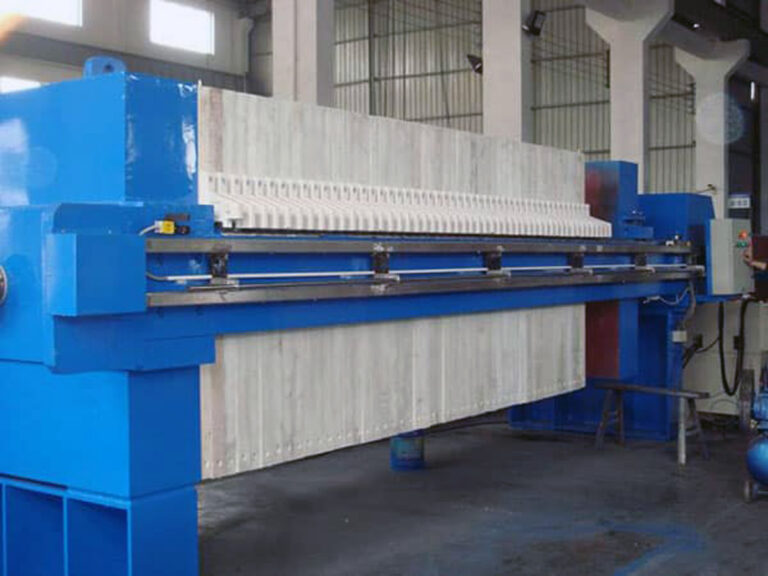
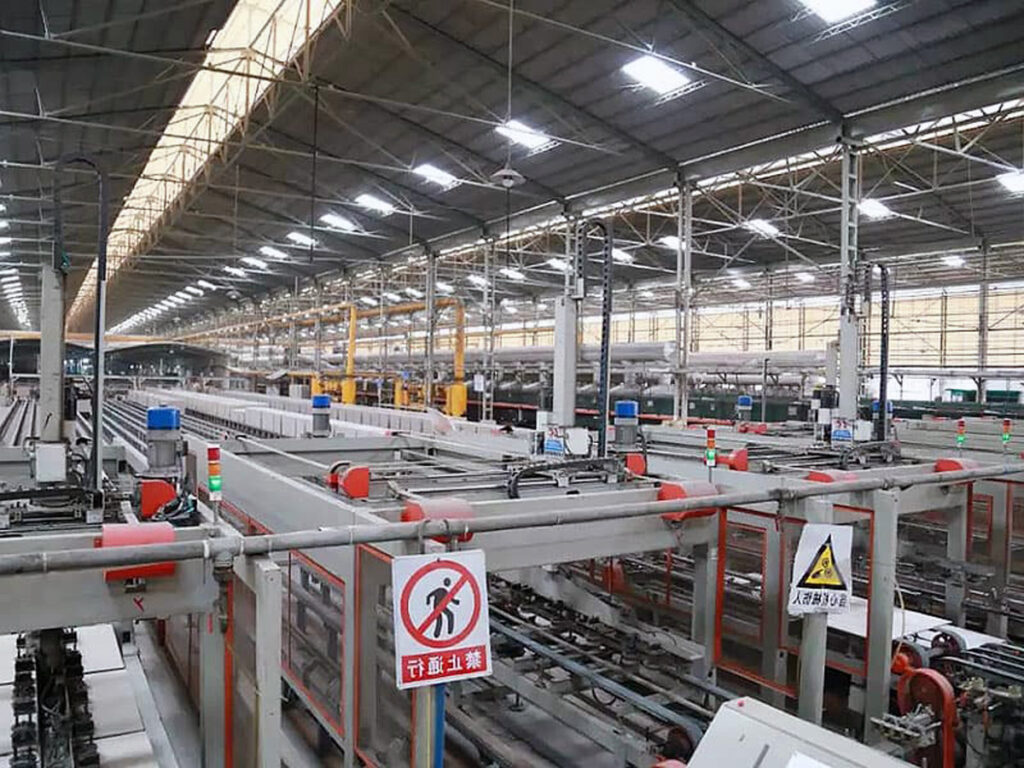
Selecting the right filter press technology is a high-stakes capital decision. The choice between a recessed plate and a membrane filter press dictates your plant’s dewatering efficiency, operational costs, and compliance capabilities for years. Many procurement teams default to a simple capital cost comparison, overlooking the total cost of ownership and the strategic performance advantages of modern membrane systems.
As disposal regulations tighten and operational efficiency becomes paramount, understanding the nuanced differences between these technologies is critical for 2025 equipment planning. This analysis moves beyond basic specifications to examine eight critical performance and cost factors, providing a framework to align your selection with long-term operational and financial goals.
Fundamental Operating Principle: Recessed vs. Membrane
The Core Batch Filtration Process
Both systems operate on a batch principle. Slurry is pumped into chambers formed between plates, where solids are retained by filter cloths and filtrate exits. This fundamental similarity often leads to the misconception that their performance is comparable. The critical divergence occurs in the final dewatering stage, where the technological evolution of the membrane press delivers a distinct mechanical advantage.
The Hydraulic Limit of Recessed Plates
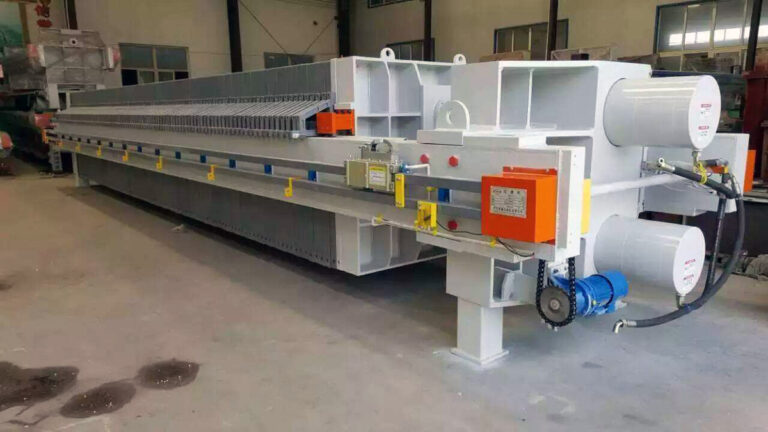
A recessed plate press relies solely on pumping pressure for dewatering. Its chambers are formed by the recessed surfaces of solid, non-flexible plates. Once the chamber is full and filtration pressure peaks against the increasing resistance of the forming cake, the cycle ends. This process primarily removes free water. For many compressible sludges, this hydraulic limit leaves significant bound moisture trapped within the cake structure, impacting downstream handling costs.
The Active Compression of Membrane Plates
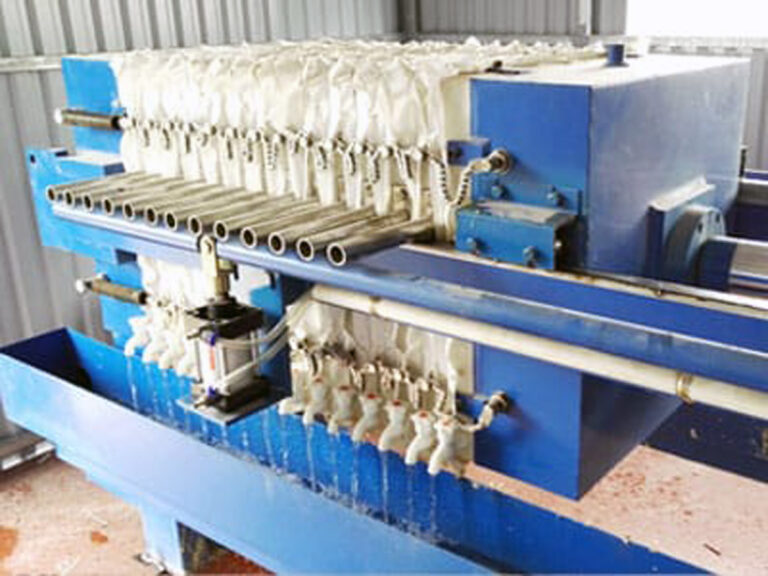
A membrane filter press incorporates plates with flexible, elastomeric diaphragms. After the initial fill stage, a secondary fluid—typically water for operational safety—is pumped behind these membranes at high pressure (7-30 bar). This action mechanically squeezes the cake, applying uniform, isostatic pressure. This active compression stage is the defining technological difference, physically collapsing the cake to release bound moisture that pump pressure alone cannot access. According to research on filtration integrity, the ability to apply and sustain this controlled, high pressure is what separates advanced dewatering from basic solid-liquid separation.
Capital & Operational Cost Compared: TCO Analysis
Upfront Investment vs. Lifecycle Savings
The capital cost profile is clear: recessed plate presses require a lower initial investment due to their simpler mechanics. Membrane presses command a premium for their added compression systems, high-pressure pumps, and control sequencing. A 2025 selection, however, demands a Total Cost of Ownership (TCO) model. Membrane technology strategically shifts cost from persistent operational expenses to capital. The drier cake it produces directly reduces downstream costs for transportation, thermal drying energy, or hazardous waste disposal fees. Justifying the higher initial investment hinges on quantifying these lifecycle savings.
The Dominant Cost-Performance Compromise
Industry experts recommend a nuanced view of capital outlay. The “mixed pack” configuration—alternating membrane and recessed plates—is a dominant cost-performance compromise. It offers a significant portion of the membrane’s drying benefit at a capital cost lower than a full membrane set. This option makes the TCO analysis for many applications compelling, as it delivers operational savings without the full premium price tag. In our comparisons for mid-volume plants, we found the mixed pack often delivered the optimal ROI.
Analyzing the Total Cost Breakdown
A proper TCO analysis must dissect both capital and operational drivers. The following table breaks down the key cost components for each system.
| Komponen Biaya | Recessed Plate Press | Tekan Filter Membran |
|---|---|---|
| Biaya Modal Awal | Lebih rendah | Higher (premium) |
| Primary Dewatering Mechanism | Hanya tekanan pompa | Pompa + pemerasan mekanis |
| Key Operational Cost Driver | Downstream disposal/transport | High-pressure water system |
| Strategic Cost Shift | N/A | OPEX to CAPEX |
| Dominant Compromise Option | N/A | Mixed plate pack |
Sumber: Dokumentasi teknis dan spesifikasi industri.
Throughput & Cycle Time: Which System Is Faster?
The Bottleneck of Terminal Filtration
Throughput is directly tied to cycle time. In a recessed plate press, the final filtration stage slows dramatically as pump flow diminishes against high cake resistance. This period of diminishing returns can constitute a significant portion of the total cycle. The system’s speed is ultimately capped by this hydraulic bottleneck, limiting capacity in throughput-sensitive operations.
The High-Pressure Squeeze Advantage
A membrane press circumvents this bottleneck. By initiating its high-pressure squeeze when chambers are approximately 75-80% full, it accelerates terminal dewatering. This active compression phase reduces total cycle time by an average of 50% compared to a recessed plate press operating on the same feed. This speed is a primary driver for capacity-limited plants seeking to maximize asset utilization without increasing footprint.
The Imperative of Integrated Automation
Realizing this promised speed requires more than just the plates. The complex sequencing of fill, squeeze, air blow, and cake discharge makes programmable logic controllers (PLCs) a functional necessity for membrane systems, not a luxury. Automation ensures repeatable, optimized cycles and protects the equipment from operational error. The performance comparison below highlights the cycle time differential.
| Metrik Kinerja | Recessed Plate Press | Tekan Filter Membran |
|---|---|---|
| Pengurangan Waktu Siklus | Dasar (0%) | ~50% faster average |
| Terminal Dewatering Method | Slow pump filtration | Pemerasan bertekanan tinggi |
| Squeeze Initiation Point | N/A | 75-80% chamber full |
| Automation Requirement | Optional | PLC necessity |
| Primary Bottleneck | High cake resistance | Sequencing complexity |
Sumber: Dokumentasi teknis dan spesifikasi industri.
Final Cake Dryness: Performance Comparison for 2025
Defining the Performance Ceiling
Achieving target cake dryness is often the paramount selection criterion. The recessed plate press is limited by the maximum pressure of the feed pump, which may leave higher residual moisture, especially with compressible, fine solids. The membrane press’s mechanical squeeze applies uniform compression, physically deforming the cake structure to release capillary and bound water. The specified squeeze pressure is the defining performance ceiling for this technology.
Pressure Specification is Critical
While standard membrane systems operate at 15-17 bar, specialized designs can reach 30 bar. Specifying the correct pressure for your specific slurry compressibility is essential. Under-specifying risks inadequate dewatering, negating the TCO benefit. Over-specifying leads to unnecessary capital and energy costs. This parameter is the direct engineering link between equipment selection and downstream cost savings. Performance evaluation standards, such as ISO 16889:2022, provide the methodological framework for comparing the ultimate filtration efficiency and capacity of different media and systems, which directly correlates to achievable cake dryness.
Quantifying the Moisture Removal Difference
The type of moisture removed differentiates the technologies. The following table outlines the key parameters that determine final cake dryness.
| Parameter | Recessed Plate Press | Tekan Filter Membran |
|---|---|---|
| Dewatering Limit | Pump pressure ceiling | Mechanical compression |
| Typical Squeeze Pressure | N/A | 15-17 bar standard |
| Max Specialized Pressure | N/A | Up to 30 bar |
| Key Performance Variable | Slurry compressibility | Specified squeeze pressure |
| Moisture Type Removed | Free water | Bound water |
Source: ISO 16889:2022 Hydraulic fluid power — Filters — Multi-pass method for evaluating filtration performance of a filter element.
Mechanical Complexity, Space, and Maintenance Needs
Component Complexity and Footprint
Mechanical simplicity favors the recessed plate press, which requires primarily a feed pump and a hydraulic clamping system. The membrane press adds significant complexity: a high-pressure water skid, distribution manifolds, isolation valves, and associated controls. This increases the system footprint, electrical and piping integration effort, and potential maintenance points. Water-based inflation is the safety-driven standard, making the water pressurization system a critical auxiliary component that requires dedicated space and utilities.
Strategic Maintenance Choices
For maintenance, a key strategic choice involves diaphragm design. Replaceable rubber diaphragms (made of EPDM or NBR) mitigate operational risk by allowing faster, cheaper repairs than replacing entire welded membrane plates. This design directly impacts lifecycle cost and uptime in abrasive or chemically challenging applications. The ability to perform a diaphragm-only repair is a significant operational advantage over replacing a solid recessed plate or a welded membrane plate.
Comparing System Demands
The added components of a membrane system translate to specific operational demands. The table below contrasts the mechanical aspects of both technologies.
| Aspek | Recessed Plate Press | Tekan Filter Membran |
|---|---|---|
| Core System Components | Feed pump, hydraulic clamp | + High-pressure water skid |
| Footprint & Integration | Smaller, simpler | Larger, more complex |
| Safety-Driven Standard | N/A | Water-based inflation |
| Diaphragm Maintenance | N/A | Replaceable (EPDM/NBR) |
| Plate Failure Mode | Penggantian pelat penuh | Diaphragm-only repair possible |
Source: JB/T 4333.2-2019 Chamber filter press — Part 2: Technical specifications.
Handling Variable Feed: Robustness Compared for Real Plants
Consistency in Dynamic Operations
Real-world plants face inconsistent slurry volumes and compositions. Here, membrane technology offers superior robustness. Its squeeze mechanism actively compresses the cake regardless of the initial chamber fill volume. Even an under-filled chamber will be uniformly dewatered under high pressure. A recessed plate press has no such capability; an incomplete fill results in a thinner, often wetter and structurally unsound cake, leading to handling issues and inconsistent solids capture.
The Critical Role of Feed Management
A commonly overlooked detail is feed pressure management, which is critical for both systems but paramount for maximizing membrane efficiency and cloth life. Automated pump control that ramps pressure gradually prevents premature cloth blinding and ensures even cake formation across the entire chamber. This protects the capital investment and ensures consistent performance cycle after cycle. Industry standards for chamber press construction, like JB/T 4333.2-2019, emphasize the importance of controlled feed systems to achieve specified performance, a requirement that becomes even more critical with membrane technology.
Forgiveness for Operational Variance
This inherent forgiveness makes the membrane press more suitable for applications with highly variable feed solids concentration or where upstream process upsets are common. It provides a buffer that helps maintain product specification (cake dryness) despite fluctuations in the incoming slurry, enhancing overall plant stability.
Plate Pack Configurations: Cost vs. Performance Options
The Hierarchy of Performance Tiers
Plate pack design reflects a clear market segmentation into performance tiers. A recessed plate press uses a uniform pack of identical solid plates. Membrane presses provide strategic flexibility, primarily through two configurations: a Full Membrane Pack for maximum dryness and speed, and the economically pivotal Mixed Pack. As noted, the mixed pack is the dominant cost-performance compromise, delivering significant benefit at a lower capital cost.
The Sealing vs. Speed Trade-Off
Another fundamental specification choice exists for both press types: Gasketed (CGR) plates versus Non-Gasketed (NG) cloths. Gasketed plates, with sealed edges, offer leak-proof containment for regulated industries processing hazardous or valuable materials. Non-gasketed setups use standard cloths that allow for faster cloth changes but may permit occasional dripping. This choice directly impacts operational protocol, maintenance labor, and compliance capability.
Configuration Decision Matrix
Selecting the right plate configuration is a direct cost vs. performance trade-off. The following matrix outlines the primary options.
| Konfigurasi | Plate Composition | Manfaat Utama | Cost Implication |
|---|---|---|---|
| Recessed Only | Uniform solid plates | Lowest capital cost | Baseline |
| Mixed Pack | Alternating membrane/recessed | Significant drying benefit | Lower than full membrane |
| Full Membrane | All membrane plates | Maximum dryness & speed | Highest capital cost |
| Gasketed (CGR) | Sealed edges | Leak-proof containment | Higher cost |
| Non-Gasketed (NG) | Standard cloths | Faster cloth changes | Lower cost |
Sumber: Dokumentasi teknis dan spesifikasi industri.
Selecting the Right Filter Press: A 2025 Decision Framework
Define Non-Negotiable Outputs
A 2025 selection requires an application-driven framework. First, define non-negotiable outputs: target cake dryness percentage and required batch cycle time. These parameters will identify the correct performance tier. For compressible sludges where dryness dictates six-figure disposal costs, membrane technology, often via a mixed pack, becomes compelling. If speed and throughput are the primary drivers, the full membrane advantage is clear.
Conduct a Granular TCO Analysis
Second, conduct a granular TCO analysis that incorporates downstream logistics savings. Model the cost of transporting additional water weight, the energy for further thermal drying, or the premium for hazardous waste disposal. This analysis will reveal the payback period for the membrane premium. Pilot testing is essential for high-stakes selections, especially to validate membrane performance and determine the optimal squeeze pressure for your specific sludge.
Specify the Complete Integrated System
Finally, specify the complete system. Automation is core for membrane presses to realize their speed and protect the investment. The maintenance strategy—opting for plates with replaceable diaphragms versus fixed membranes—must align with your operational risk tolerance and in-house maintenance capability. Ensure your design includes proper feed conditioning and pressure management systems to guarantee long-term cloth life and consistent performance.
The 2025 decision hinges on moving beyond upfront price to a lifecycle value model. Prioritize systems that deliver the lowest cost per dry ton of solids processed, not the lowest purchase order. This requires a disciplined analysis of dryness, speed, and operational robustness specific to your slurry. For teams navigating this complex specification process, engaging with an expert engineering partner can de-risk the capital decision. Need professional guidance to model the TCO for your specific application? The filtration engineers at PORVOO specialize in translating process requirements into optimized equipment specifications. Hubungi Kami to discuss your project parameters.
Pertanyaan yang Sering Diajukan
Q: How do you justify the higher capital cost of a membrane filter press for a 2025 project?
A: Justification requires a Total Cost of Ownership model that quantifies downstream savings. The membrane’s mechanical squeeze produces a drier cake, which directly reduces expenses for transport, thermal drying, or regulated waste disposal. This shifts cost from persistent operations to the initial capital outlay. For projects where disposal fees are high, the lifecycle savings from a membrane or mixed-plate system will typically justify the higher upfront investment.
Q: What is the primary technical advantage of a membrane press for increasing plant throughput?
A: The membrane press significantly reduces total cycle time, often by about 50%, which directly increases throughput. It achieves this by initiating a high-pressure squeeze when chambers are 75-80% full, bypassing the slow terminal filtration phase of a recessed plate press. This means facilities constrained by capacity should prioritize membrane technology, but must plan for integrated PLC automation to reliably manage the complex fill-squeeze-drain sequence.
Q: How do you determine the required squeeze pressure for a membrane filter press application?
A: The required pressure is dictated by your specific slurry’s compressibility and target dryness. Standard membranes operate at 15-17 bar, but specialized designs reach 30 bar. Specifying the correct pressure is critical; under-specifying risks wet cake, while over-specifying adds unnecessary cost. If your operation requires maximum dryness for cost-sensitive disposal, plan for pilot testing to empirically determine the optimal pressure ceiling for your material.
Q: Which filter press configuration offers the best balance of cost and performance for variable feed conditions?
A: A mixed plate pack, alternating membrane and recessed plates, is the dominant cost-performance compromise. It delivers significant drying and speed benefits over a full recessed pack at a lower capital cost than a full membrane set. This configuration is also more robust to variable slurry volume, as the active compression dewaters even under-filled chambers. For real plants with inconsistent feed, a mixed pack often provides the optimal balance of consistency and investment.
Q: What are the key maintenance considerations when selecting between fixed and replaceable membrane diaphragms?
A: The strategic choice is between lower initial cost and lower operational risk. Replaceable rubber diaphragms (e.g., EPDM/NBR) allow for faster, cheaper field repairs compared to replacing entire welded plates. This directly impacts lifecycle cost and uptime. If your application involves abrasive or variable feeds that increase wear, you should prioritize the replaceable diaphragm design to mitigate long-term maintenance expenses and production downtime.
Q: How do industry standards apply to evaluating the filter media in these presses?
A: While not specific to filter presses, the principles of ISO 2942:2022 for verifying fabrication integrity and the multi-pass performance evaluation method in ISO 16889:2022 provide a scientific framework. These standards help assess the cloth’s or membrane’s initial quality, pore consistency, and dirt-holding capacity. This means for critical applications, you should request test data from suppliers aligned with these ISO methodologies to compare media performance objectively.
Q: When is a fully gasketed plate pack necessary versus a non-gasketed design?
A: Gasketed (CGR) plates are necessary for leak-proof containment in regulated industries processing hazardous or toxic materials, as they prevent any slurry seepage. Non-gasketed (NG) cloths are acceptable where occasional dripping is tolerable, offering the advantage of significantly faster cloth changeover times. If your operation falls under strict environmental or safety compliance, you must specify gasketed plates and factor in the operational trade-off of longer maintenance windows.