Untuk manajer pabrik pengolahan air limbah dan spesialis pengadaan, pilihan antara pers filter pelat dan bingkai dan pers filter sabuk adalah keputusan modal yang kritis dengan implikasi keuangan selama beberapa dekade. Kesalahpahaman yang umum terjadi adalah memprioritaskan biaya peralatan di muka. Pendekatan ini mengabaikan perbedaan biaya operasional dan biaya pembuangan yang sangat besar yang ditentukan oleh teknologi intinya. Evaluasi yang benar membutuhkan lensa total biaya kepemilikan (TCO).
Ketika biaya TPA meningkat dan anggaran operasional semakin ketat, kesenjangan ekonomi antara kedua sistem ini semakin lebar. Cake yang lebih kering dari satu teknologi dapat memangkas tonase pembuangan, sementara operasi berkelanjutan dari teknologi lainnya menuntut tenaga kerja dan input bahan kimia yang konstan. Analisis ini memberikan kerangka kerja keputusan untuk bergerak melampaui penawaran harga awal dan memodelkan dampak keuangan 5-10 tahun yang sebenarnya pada fasilitas Anda.
Plat dan Rangka vs Belt Press: Prinsip Operasi Inti Dibandingkan
Mendefinisikan Mekanisme Fundamental
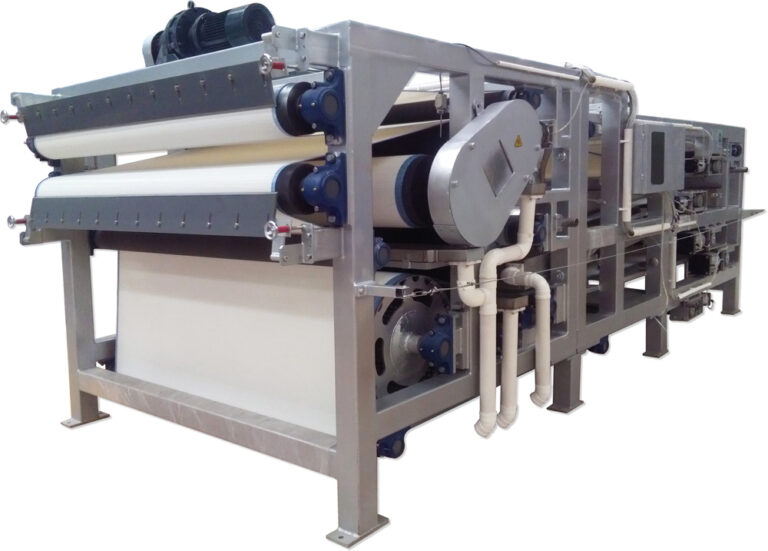
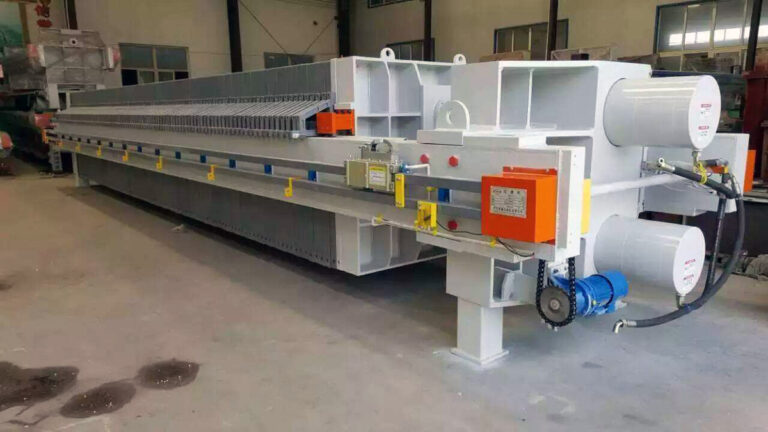
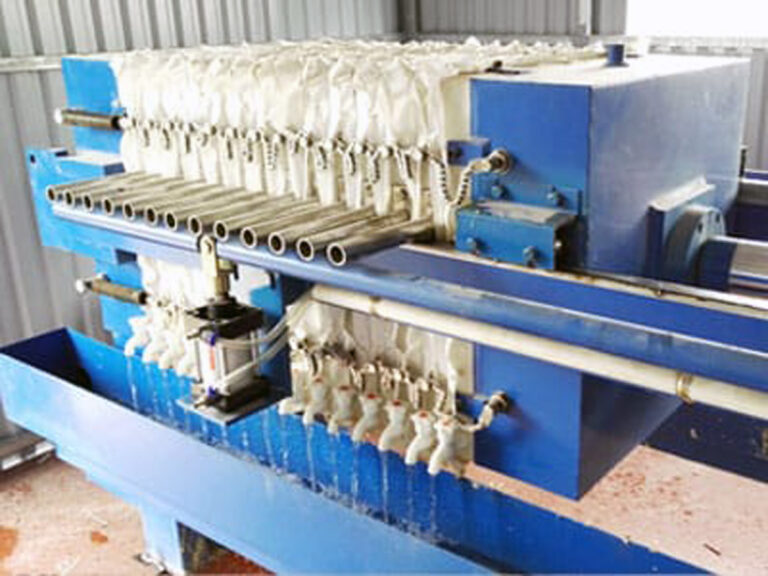
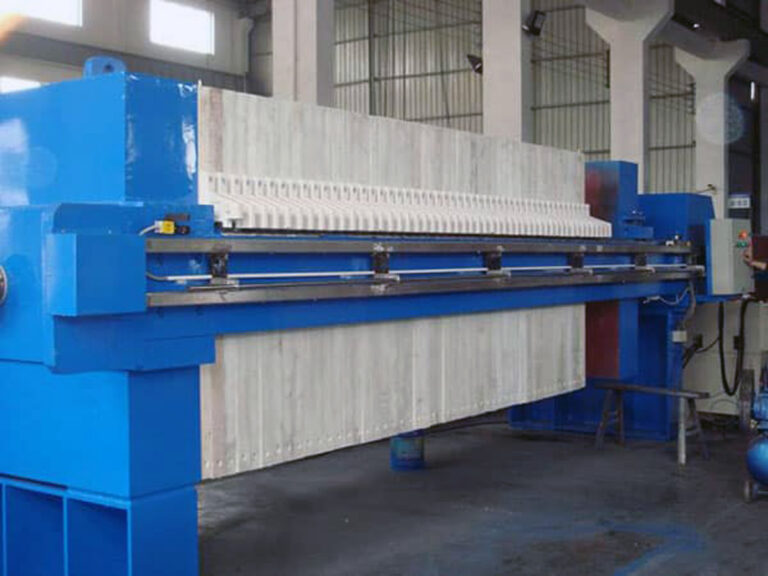
Pembagian operasional berasal dari mekanisme pengurasan. Belt filter press adalah sistem geser mekanis yang kontinu. Lumpur yang dikondisikan dikeringkan secara gravitasi pada sabuk yang bergerak sebelum ditekan di antara dua sabuk melalui serangkaian rol. Proses ini bergantung pada tekanan mekanis dan pembuangan air melalui pori-pori sabuk. Sebaliknya, penyaring filter pelat dan bingkai adalah sistem tekanan statis yang dioperasikan secara batch. Lumpur dipompa dengan tekanan tinggi ke dalam ruang-ruang yang terbentuk di antara pelat-pelat yang tersembunyi, memaksa cairan melalui kain-kain saringan dalam lingkungan yang tertutup.
Dampak pada Output dan Kontrol Proses
Perbedaan inti ini menentukan karakteristik keluaran. Aksi geser kontinu belt press biasanya menghasilkan cake dengan kandungan padatan 15-25%. Ini dirancang untuk keluaran yang konstan dari aliran lumpur yang konsisten. Filtrasi bertekanan tinggi dan tertutup dari filter press menghasilkan cake yang jauh lebih kering, sering kali berkisar antara 30% hingga 70% padatan. Sifat batch dari filter press memungkinkan penyesuaian waktu siklus, tekanan, dan umpan yang tepat untuk setiap beban, menawarkan kontrol yang unggul untuk lumpur yang bervariasi atau sulit.
Tukar Tambah Throughput vs Presisi
Pilihan Anda memaksa pilihan operasional yang mendasar. Belt press memprioritaskan keluaran volumetrik untuk umpan bervolume tinggi dan konsisten. Filter press memprioritaskan presisi pengeringan dan kekeringan cake, sering kali dengan mengorbankan output yang berkelanjutan. Para pakar industri mencatat bahwa fasilitas sering melakukan kesalahan dengan memilih kapasitas maksimum per jam tanpa mempertimbangkan biaya hilir untuk menangani cake yang lebih basah. Dalam evaluasi kami, kami menemukan bahwa pilihan optimal bergantung pada apakah kendala utama adalah kecepatan pemrosesan atau total massa limbah untuk dibuang.
Perbandingan Total Biaya Kepemilikan (TCO): Pemicu Biaya Utama
Bergerak Melampaui Belanja Modal
Analisis TCO yang berarti harus melampaui harga pembelian awal. Untuk peralatan dewatering, pendorong keuangan utama adalah biaya operasional yang berulang: konsumsi bahan kimia, tenaga kerja, pemeliharaan, energi, dan biaya pembuangan. Ini tidak bersifat insidental; biaya-biaya ini dikunci oleh prinsip-prinsip operasi teknologi yang dipilih. Kompleksitas mekanis belt press dan operasi yang terus menerus secara inheren mengarah pada penggunaan bahan habis pakai dan tenaga kerja yang lebih tinggi. Siklus otomatis filter press dan penyaringan yang efisien mengurangi biaya variabel ini.
Memodelkan Siklus Hidup Penuh
Pengadaan fasilitas harus memprioritaskan pemodelan biaya operasional yang terperinci. Cake yang lebih kering dari mesin penyaring secara langsung mengurangi massa untuk dibuang, sebuah biaya yang bertambah setiap tahunnya. Rincian yang mudah terlewatkan termasuk biaya sistem tambahan: sistem air pencucian sabuk untuk belt press atau pompa umpan bertekanan tinggi untuk filter press. Model TCO yang komprehensif memproyeksikan biaya-biaya ini dalam jangka waktu 5-10 tahun, yang mengungkapkan bahwa anggaran operasional, bukan pengeluaran modal, adalah pengungkit utama untuk kinerja keuangan jangka panjang.
Mengukur Pemicu Biaya
Tabel berikut ini merangkum faktor pendorong TCO utama yang membedakan kedua teknologi tersebut, yang memberikan dasar untuk pemodelan keuangan.
| Penggerak Biaya | Mesin Press Filter Pelat & Bingkai | Belt Filter Press |
|---|---|---|
| Konsumsi Bahan Kimia | Rendah (0,2 kg/ton kering) | Tinggi (0,5 kg/ton kering) |
| Permintaan Tenaga Kerja | Minimal (pemantauan) | Tinggi (perhatian terus menerus) |
| Jam Perawatan Tahunan | Rendah (terjadwal) | Hingga 8x lebih tinggi |
| Kandungan Padatan Kue | 30-70% | 15-25% |
| Dampak Biaya Pembuangan | Pengurangan besar | Massa/volume yang lebih tinggi |
Sumber: Dokumentasi teknis dan spesifikasi industri.
Analisis Konsumsi Bahan Kimia & Analisis Biaya Operasional Dibandingkan
Dosis Polimer dan Sensitivitas Proses
Penggunaan bahan kimia, khususnya polimer untuk pengkondisian lumpur, merupakan biaya berulang yang besar di mana teknologinya sangat berbeda. Proses belt press yang kontinu dan peka terhadap geseran membutuhkan dosis polimer yang lebih tinggi untuk menjaga integritas flok saat lumpur dipindahkan dan dicukur di antara sabuk. Lingkungan statis dan bertekanan tinggi dari pers filter pelat dan bingkai tidak terlalu mengganggu flok, sering kali membutuhkan dosis yang lebih rendah terutama untuk pengentalan hulu.
Implikasi Biaya Tahunan
Untuk fasilitas yang memproses 20 ton kering per jam, perbedaan dalam konsumsi polimer bisa sangat besar. Belt press biasanya membutuhkan sekitar 0,5 kg polimer per ton kering, sedangkan filter press sering kali hanya menggunakan 0,2 kg per ton kering. Perbedaan ini secara langsung diterjemahkan ke dalam anggaran operasional. Menurut analisis biaya industri, perbedaan polimer ini saja dapat mencapai lebih dari $45.000 penghematan tahunan untuk filter press dalam skenario ini. Bukti ini menggarisbawahi bahwa pilihan teknologi mengunci struktur biaya bahan kimia tertentu.
Pertimbangan Pengkondisian Strategis
Kebutuhan pengkondisian utama berbeda-beda. Operasi belt press berfokus pada pemeliharaan integritas flok terhadap geseran. Operasi filter press berfokus pada pembuatan umpan yang stabil dan dapat dikeringkan. Tabel berikut ini merinci analisis biaya operasional untuk konsumsi bahan kimia.
| Metrik | Mesin Press Filter Pelat & Bingkai | Belt Filter Press |
|---|---|---|
| Dosis Polimer | 0,2 kg per ton kering | 0,5 kg per ton kering |
| Sensitivitas Proses | Rendah (tekanan statis) | Tinggi (peka terhadap geseran) |
| Biaya Polimer Tahunan (20 TPH) | Lebih rendah | ~$45.000 lebih tinggi |
| Kebutuhan Pengkondisian Primer | Penebalan hulu | Menjaga integritas flok |
Sumber: Dokumentasi teknis dan spesifikasi industri.
Sistem Mana yang Menghasilkan Kue yang Lebih Kering & Mengurangi Biaya Pembuangan?
Kekeringan Kue sebagai Metrik Ekonomi
Kekeringan kue adalah pendorong paling langsung dari logistik hilir dan ekonomi pengelolaan limbah. Belt press biasanya menghasilkan cake dengan padatan 15-25%, yang berarti 75-85% dari berat yang diangkut adalah air. Filter press secara rutin menghasilkan padatan 30-50% atau lebih tinggi, yang secara efektif mengurangi separuh kandungan air dalam cake. Ini bukan hanya spesifikasi teknis; ini adalah pengungkit utama untuk pengendalian biaya.
Dampak Langsung pada Biaya Pembuangan
Pengurangan massa dan volume secara langsung mengurangi biaya pembuangan dan pengangkutan. Untuk operasi 20 TPH, hal ini dapat menghasilkan penghematan tahunan sekitar $30.000 bila menggunakan filter press. Selain itu, cake yang cukup kering dapat menghilangkan kebutuhan akan tempat pengeringan sekunder atau langkah pengeringan tambahan, sehingga mengurangi kebutuhan modal dan ruang di tempat lain di pabrik.
Long-Term Compliance and Cost Hedging
As landfill costs rise and regulations on waste moisture tighten, the economic and compliance advantage of a drier filter press cake compounds. It acts as a strategic hedge against future cost inflation and regulatory changes. The table below quantifies the disposal advantages.
| Parameter | Mesin Press Filter Pelat & Bingkai | Belt Filter Press |
|---|---|---|
| Padatan Kue yang Khas | 30-50% (or higher) | 15-25% |
| Water Content in Cake | Halved | 75-85% water |
| Annual Disposal Savings (20 TPH) | ~$30,000 | Baseline |
| Landfill Cost Hedge | Strong advantage | Terbatas |
| Secondary Drying Need | Often eliminated | May be required |
Sumber: Dokumentasi teknis dan spesifikasi industri.
Labor, Maintenance, and Automation: Operational Demands
Automation Defines the Staffing Model
The level of automation dictates the operational philosophy. Belt presses require continuous, skilled operator attention to manage belt tracking, tension, wash systems, and feed consistency. This often demands a dedicated full-time role. Modern plate and frame filter presses are highly automated, with PLC-controlled cycles for filling, pressing, and cake release. Once initiated, they require minimal intervention.
Translating Automation to Labor Cost
This automation shift moves personnel from active operation to monitoring and scheduled maintenance. For a 20 TPH operation, it can translate to direct labor savings of roughly $25,000 annually for the filter press. The maintenance profile also differs significantly. A belt press’s numerous moving parts—belts, rollers, bearings, spray nozzles—create multiple points of failure and require frequent adjustment and replacement.
Comparing Maintenance Complexity and Cost
A belt press can require up to eight times the annual maintenance hours of a filter press. The filter press’s primary wear items are filter cloths and plates, which are replaced on a predictable schedule. Implementing a systematic maintenance approach, as supported by frameworks like ISO 14001:2015, is easier with the filter press’s predictable, scheduled needs versus the belt press’s reactive maintenance demands.
| Aspek Operasional | Mesin Press Filter Pelat & Bingkai | Belt Filter Press |
|---|---|---|
| Tingkat Otomasi | High (PLC-controlled cycles) | Low (manual operation) |
| Perhatian Operator | Intervensi minimal | Dedicated, skilled role |
| Annual Labor Savings (20 TPH) | ~$25,000 | Baseline |
| Kompleksitas Pemeliharaan | Predictable, scheduled | High (moving parts) |
| Primary Wear Items | Filter cloths, plates | Belts, rollers, wash systems |
Sumber: ISO 14001:2015. This standard’s framework for systematic environmental management and resource efficiency supports evaluating operational demands like labor and maintenance, which are key to long-term cost and performance.
Space Requirements, Flexibility, and Facility Fit
Physical and Operational Footprint
The physical footprint influences facility design. Belt presses offer continuous output and can have a smaller footprint per unit of continuous throughput, suiting high-volume plants with consistent streams. Filter presses operate in batches, which may require more floor space for the press itself and for cake handling logistics. However, the batch process allows for flexibility in processing different sludge types in separate cycles within the same unit.
Feedstock Compatibility is Critical
Feedstock characteristics are the ultimate selection arbiter. Belt presses can struggle with greasy, oily, or highly variable sludges that blind belts and disrupt dewatering. Filter presses are generally better suited for high-solids, difficult-to-dewater, or abrasive materials due to their sealed, high-pressure operation. A comprehensive sludge characterization is therefore a non-negotiable prerequisite for selection; choosing the wrong technology for the feed guarantees operational failure and cost overruns.
Decision Factors for Facility Integration
The choice extends beyond the press. Consider ancillary systems: belt presses require clean water for belt washing, adding to water consumption. Filter presses require robust, high-pressure feed pumps. The table below outlines key fit considerations.
| Pertimbangan | Mesin Press Filter Pelat & Bingkai | Belt Filter Press |
|---|---|---|
| Operation Mode | Batch processing | Continuous output |
| Process Flexibility | High (per-cycle adjustment) | Low (fixed process) |
| Ideal Sludge Type | High-solids, variable, abrasive | Consistent, high-volume |
| Problematic Feeds | Handles difficult sludges | Struggles with greasy/oily |
| Footprint Priority | Flexible batch space | Throughput per square foot |
Sumber: Dokumentasi teknis dan spesifikasi industri.
Selecting the Right Press: A Decision Framework for Your Facility
Foundational Step: Sludge Analysis
The first step is a detailed sludge analysis. Parameters like solids concentration, particle size, volatility, and grease content will immediately disqualify one technology or confirm the suitability of the other. Do not proceed with financial modeling until this technical feasibility is established.
Core Activity: Multi-Year TCO Modeling
Second, model TCO over a 5-10 year horizon. Use realistic projections for local chemical, labor, disposal, and maintenance costs—not just catalog pricing. Factor in projected inflation for disposal fees, which disproportionately impact technologies producing wetter cake. This model must include the fully burdened cost of labor for continuous operation versus monitoring.
Evaluating Vendor Partnership
Finally, evaluate vendors as long-term filtration partners. The quality of technical service, training, spare parts logistics, and process support is critical for long-term uptime and cost control. The best technical specification is undermined by poor aftermarket support. Ensure your selected partner can provide the lifecycle support your operational model requires.
Key Takeaways and Next Steps for Your TCO Analysis
The evidence indicates that for facilities prioritizing long-term operational cost minimization and drier cake, the plate and frame filter press often delivers a superior TCO. Annual savings from chemicals, labor, maintenance, and disposal can exceed $100,000, readily justifying a higher initial investment. The belt press remains a viable solution for high-volume, consistent streams where ultimate cake dryness is a secondary concern to continuous throughput.
Your next steps should be systematic. First, characterize your sludge stream thoroughly with multiple samples. Second, build a detailed, multi-year TCO model using the cost drivers outlined here. Third, engage vendors with your sludge data and TCO model, evaluating their proposed industrial filtration solutions within this rigorous financial and technical framework.
Need professional support to model the TCO for your specific application or to explore high-performance dewatering equipment? The engineering team at PORVOO can provide data-driven analysis and technical specifications to inform your capital planning process. Hubungi Kami to discuss your project parameters and sludge characterization data.
Pertanyaan yang Sering Diajukan
Q: How does the dewatering mechanism of a plate and frame press affect its total cost of ownership compared to a belt press?
A: The batch-operated, high-pressure filtration of a plate and frame press produces a drier cake (30-70% solids) versus the continuous, lower-pressure shearing of a belt press (15-25% solids). This fundamental difference drives lower chemical use, reduced mass for disposal, and less labor due to automation. This means facilities prioritizing long-term operational cost reduction should model the significant savings in polymer, hauling, and staffing that a filter press enables over a 5-10 year horizon.
Q: What is the typical difference in polymer consumption between these two dewatering technologies?
A: Polymer use is a major recurring cost where the technologies diverge sharply. A belt press requires about 0.5 kg per dry ton to maintain floc integrity during its continuous, shear-sensitive process. A plate and frame press, with its static high-pressure environment, often needs only 0.2 kg per dry ton. For a 20 dry ton per hour facility, this can mean over $45,000 in annual polymer savings, locking in a specific chemical cost structure from the start.
Q: Which system is better for reducing sludge disposal and hauling expenses?
A: A plate and frame filter press directly lowers disposal costs by producing a significantly drier cake, routinely achieving 30-50% solids or higher. This can cut hauled mass by approximately two-thirds compared to a belt press’s 15-25% solids cake, saving an estimated $30,000 annually in a 20 TPH scenario. If your operation faces rising landfill fees or tightening moisture regulations, the drier cake from a filter press provides a strategic hedge against future cost inflation.
Q: How do labor and maintenance demands compare for automated filter presses versus belt presses?
A: Modern plate and frame presses with PLC-controlled cycles require minimal intervention, shifting personnel to monitoring and scheduled maintenance of less than one shift per week. Belt presses demand continuous, skilled operator attention for belt tracking and feed consistency. Maintenance hours for a belt press can be up to eight times higher due to its numerous moving parts. For projects where skilled labor is scarce or expensive, the automated filter press offers direct operational savings and reliability.
Q: How should sludge characteristics influence the choice between a belt press and a filter press?
A: Feedstock compatibility is the ultimate selection arbiter. Belt presses can struggle with greasy, oily, or highly variable sludges that blind the belts. Filter presses are better suited for difficult-to-dewater, high-solids, or abrasive materials due to their high-pressure, batch-based operation. This means your next step must be a comprehensive sludge characterization; choosing a technology incompatible with your waste stream guarantees operational failure and negates any TCO calculations.
Q: What role do environmental management systems play in equipment selection for wastewater facilities?
A: Implementing a structured Environmental Management System (EMS) like ISO 14001:2015 provides a framework for systematically managing environmental responsibilities, including resource efficiency and waste reduction. This systematic approach directly influences the total cost of ownership by prioritizing technologies that minimize waste mass and chemical use. If your facility is pursuing or maintains ISO 14001 certification, selecting a dewatering system that produces a drier cake aligns with the standard’s goals for improved environmental performance and compliance.