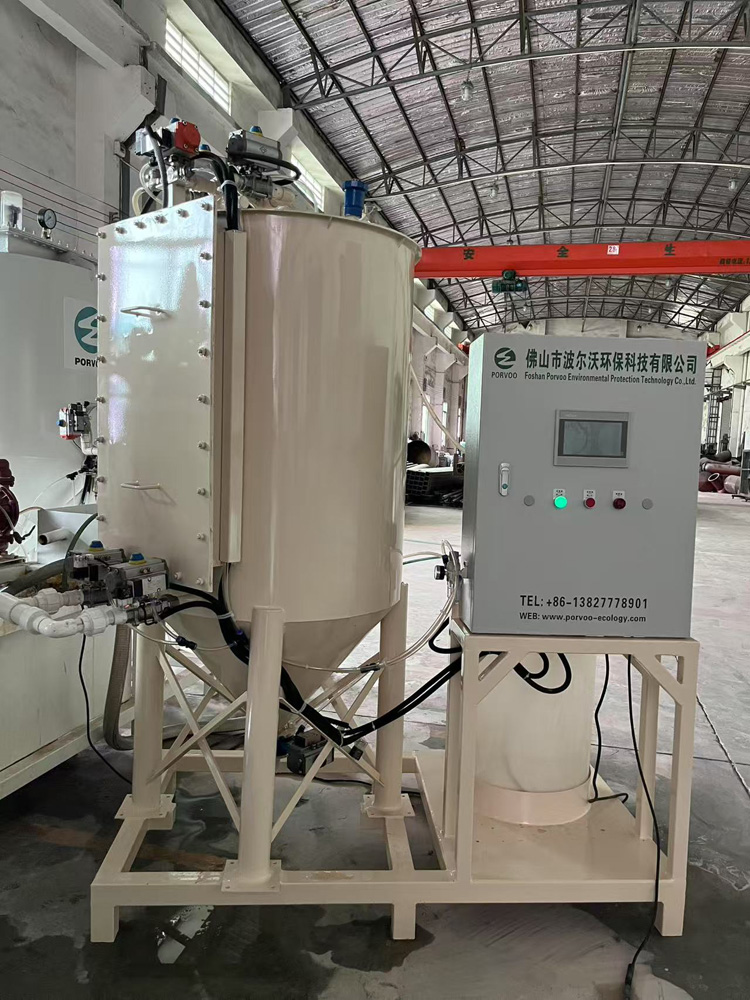
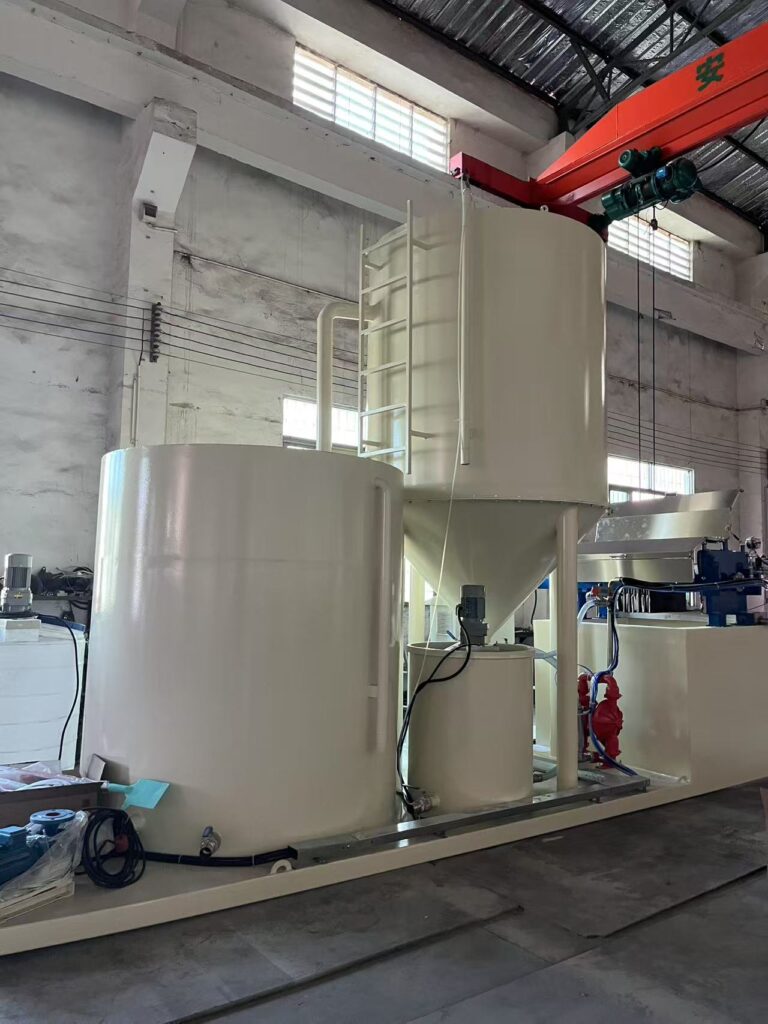
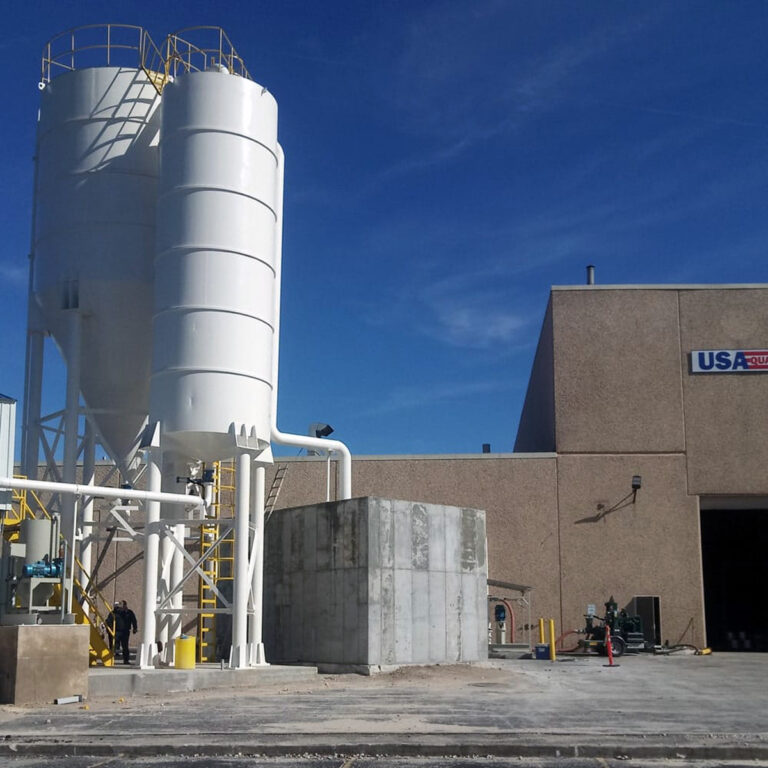
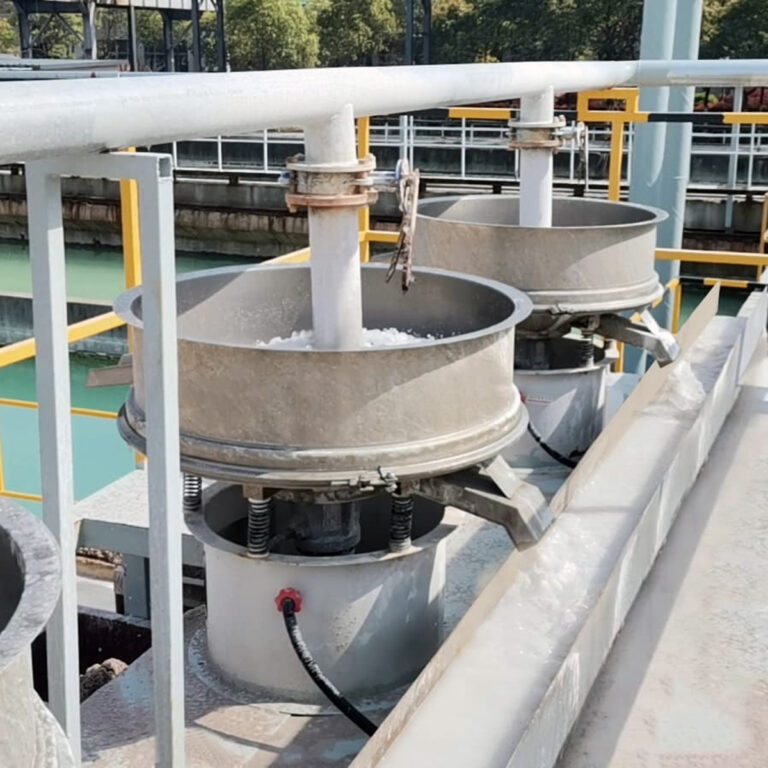
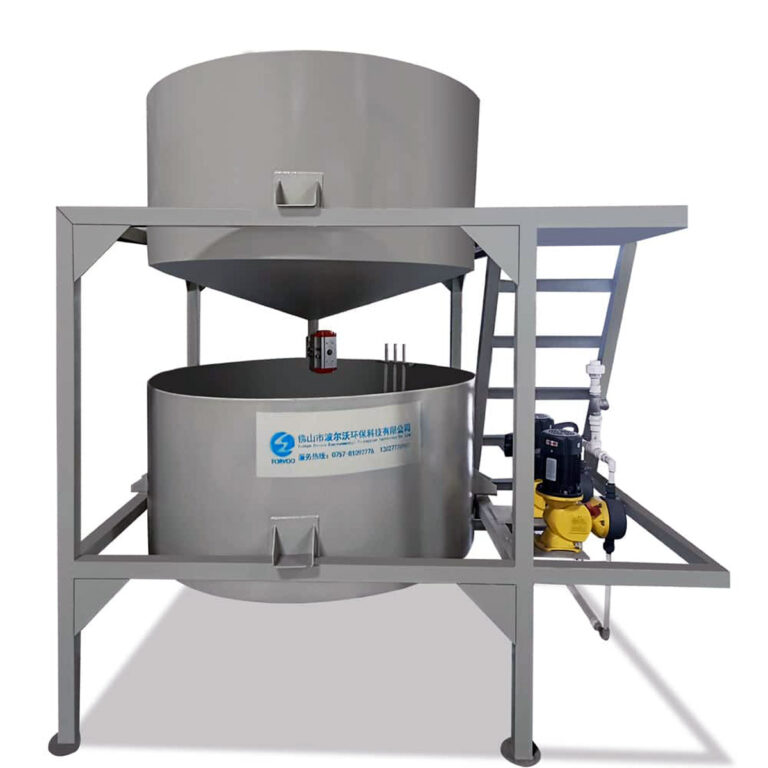
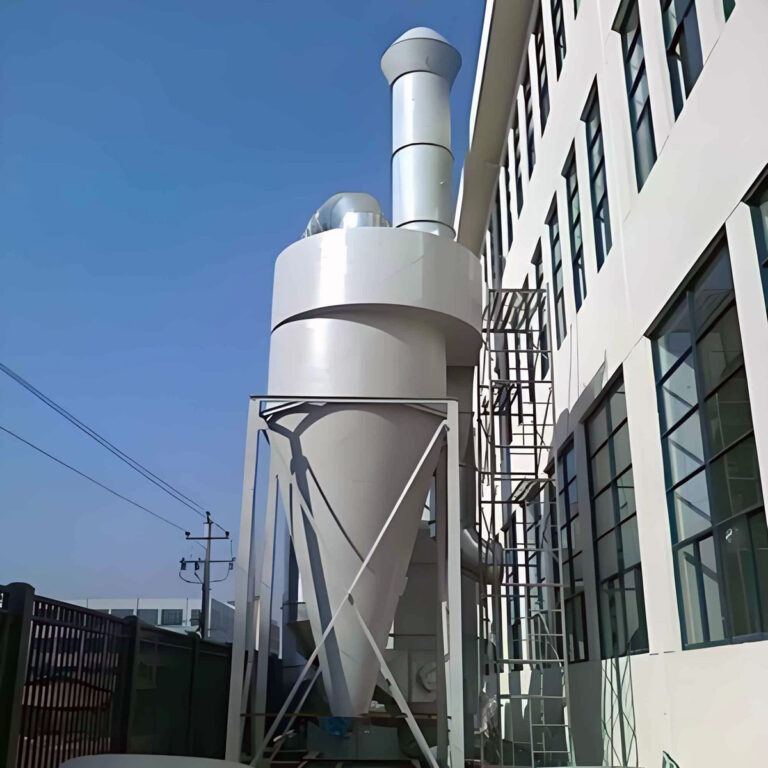
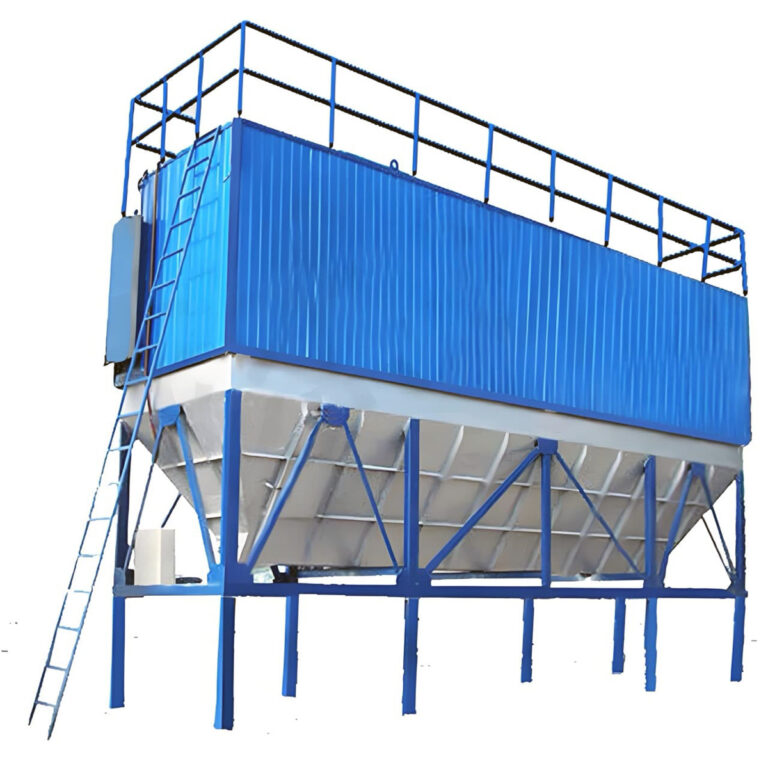
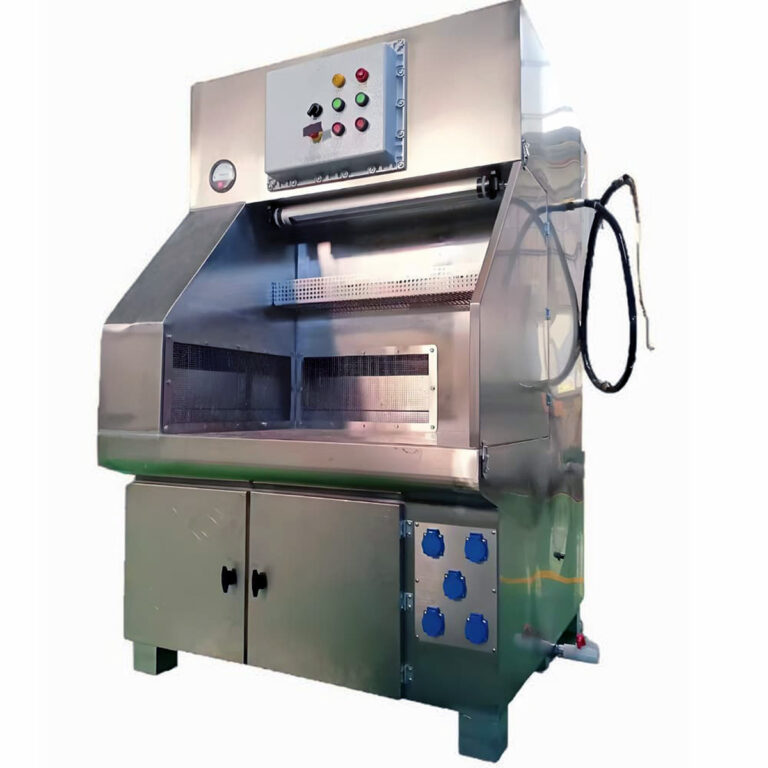
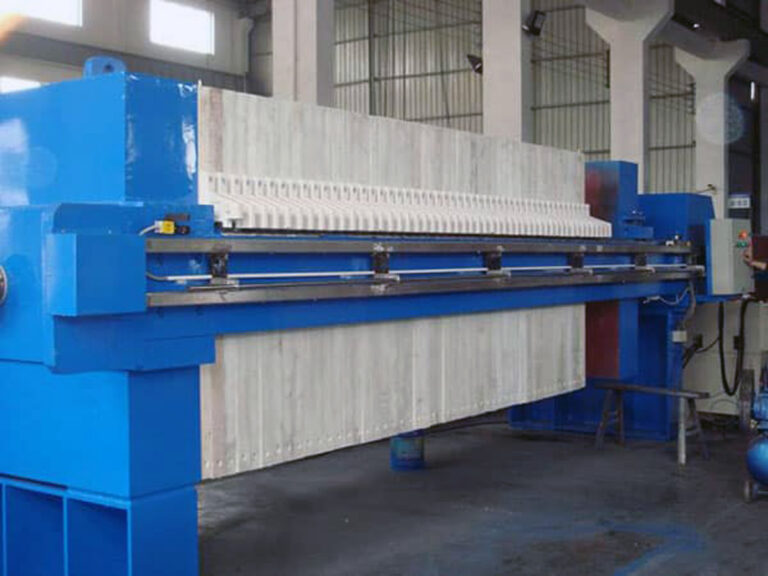
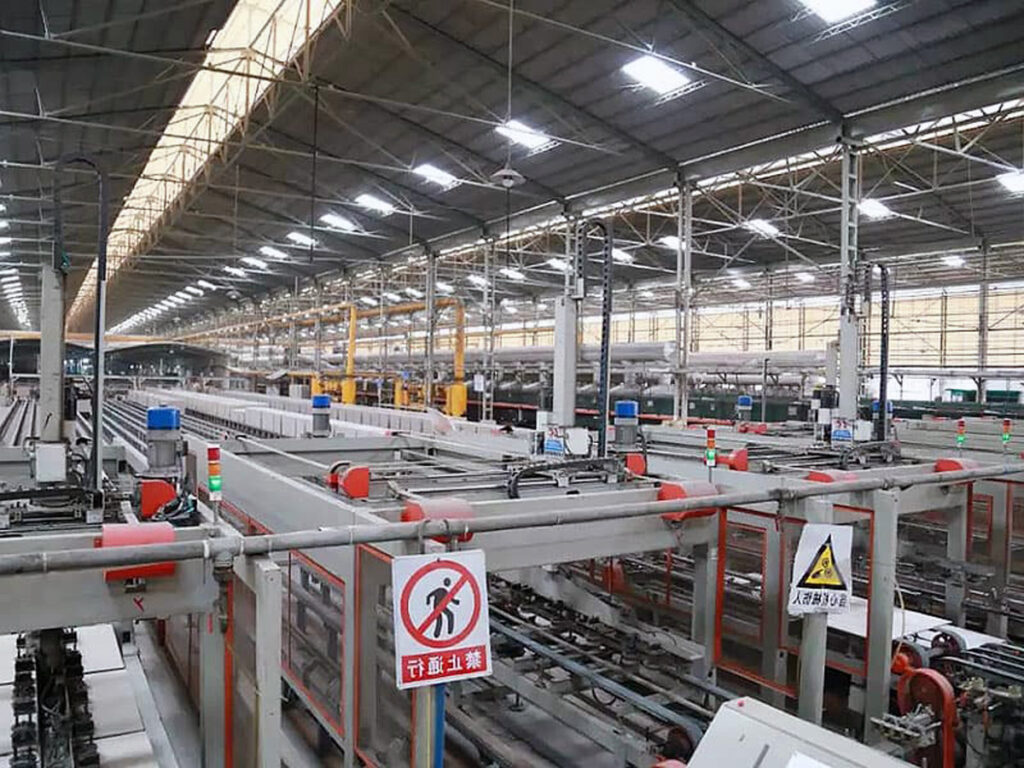
Fasilitas manufaktur di seluruh dunia menghadapi krisis yang semakin meningkat: kelangkaan air, peraturan lingkungan yang lebih ketat, dan meningkatnya biaya operasional memaksa industri untuk memikirkan kembali strategi pengelolaan air mereka secara mendasar. Menurut World Economic Forum, konsumsi air industri menyumbang 22% penggunaan air global, namun hingga 80% air limbah industri dibuang tanpa pengolahan yang memadai.
Kelalaian ini merugikan industri hingga miliaran dolar per tahun melalui denda peraturan, kerusakan peralatan, dan inefisiensi operasional. Perusahaan-perusahaan yang gagal menerapkan sistem sistem air industri risiko penghentian produksi, pelanggaran lingkungan, dan kerusakan reputasi yang tidak dapat diperbaiki. Konsekuensinya tidak hanya kerugian finansial yang bersifat langsung, tetapi juga mengancam keberlanjutan operasional jangka panjang.
Panduan komprehensif ini memberikan pengetahuan teknis dan wawasan strategis yang diperlukan untuk menavigasi lanskap pengelolaan air industri yang kompleks. Kami akan mengeksplorasi teknologi pengolahan mutakhir, strategi kepatuhan terhadap peraturan, dan pendekatan implementasi hemat biaya yang mengubah tantangan air menjadi keunggulan kompetitif. Baik Anda sedang mengevaluasi peningkatan sistem atau merencanakan instalasi baru, analisis ini memberikan keahlian yang diperlukan untuk membuat keputusan yang tepat.
Apa Itu Sistem Air Industri dan Komponen Utamanya?
Sistem air industri merupakan jaringan peralatan, proses, dan kontrol canggih yang dirancang untuk mengelola air di seluruh operasi manufaktur. Sistem ini mencakup segala hal mulai dari asupan dan pengolahan air awal hingga pembuangan atau daur ulang akhir, yang membentuk tulang punggung operasi industri yang berkelanjutan.
Komponen dan Infrastruktur Sistem Utama
Sistem air industri modern mengintegrasikan beberapa tahap pengolahan, masing-masing melayani fungsi-fungsi tertentu. Komponen pra-pengolahan meliputi sistem penyaringan, tangki sedimentasi, dan unit penyesuaian pH yang menyiapkan air baku untuk pemrosesan selanjutnya. Tahap pengolahan primer biasanya melibatkan proses koagulasi, flokulasi, dan klarifikasi yang menghilangkan padatan tersuspensi dan kontaminan awal.
Inti dari sebagian besar sistem terletak pada teknologi pengolahan sekunder. PORVOO mengkhususkan diri dalam solusi pengolahan canggih yang memenuhi kebutuhan industri yang kompleks. Sistem ini sering kali menggabungkan reaktor pengolahan biologis, bioreaktor membran, dan proses oksidasi tingkat lanjut tergantung pada kebutuhan industri tertentu.
Sistem kontrol mewakili sistem saraf fasilitas pengolahan air modern. Sistem SCADA (Supervisory Control and Data Acquisition) memonitor parameter waktu nyata termasuk laju aliran, tingkat pH, kandungan oksigen terlarut, dan pengukuran kekeruhan. Sistem ini memungkinkan operator untuk mempertahankan kondisi perawatan yang optimal sambil mengidentifikasi potensi masalah sebelum meningkat.
Standar dan Peraturan Kualitas Air
Standar kualitas air industri sangat bervariasi di seluruh industri dan wilayah geografis. Sistem Penghapusan Pembuangan Polutan Nasional (NPDES) EPA menetapkan persyaratan dasar untuk pembuangan industri, dengan pedoman khusus industri untuk sektor-sektor seperti farmasi, pengolahan makanan, dan manufaktur bahan kimia.
Parameter utama yang dipantau meliputi kebutuhan oksigen biokimia (BOD), kebutuhan oksigen kimiawi (COD), padatan tersuspensi total (TSS), dan kontaminan spesifik yang relevan untuk setiap industri. Misalnya, fasilitas farmasi harus memantau residu antibiotik dan senyawa hormon, sementara pabrik pengolahan logam berfokus pada konsentrasi logam berat dan kadar sianida.
Biaya kepatuhan bisa sangat besar. Menurut data EPA, fasilitas industri menghabiskan sekitar $14 miliar setiap tahun untuk pengendalian polusi air, dengan hukuman ketidakpatuhan rata-rata $50.000 per pelanggaran. Namun, fasilitas dengan sistem pengolahan yang komprehensif biasanya mencapai tingkat kepatuhan 95-99% sekaligus mengurangi biaya operasional jangka panjang.
Integrasi dengan Proses Manufaktur
Teknologi pengolahan air industri yang sukses membutuhkan integrasi yang mulus dengan proses manufaktur yang ada. Integrasi ini melibatkan pemahaman pola penggunaan air, mengidentifikasi sumber kontaminasi, dan merancang sistem pengolahan yang mengakomodasi jadwal produksi dan persyaratan kualitas.
Aplikasi air proses menuntut standar kualitas yang spesifik. Air umpan boiler membutuhkan kandungan mineral yang sangat rendah untuk mencegah kerak dan korosi, biasanya mencapai tingkat konduktivitas di bawah 1 µS/cm. Air makeup menara pendingin membutuhkan kimia yang seimbang untuk mencegah pertumbuhan biologis dan pengendapan mineral, sementara aplikasi khusus proses mungkin memerlukan air ultra murni yang memenuhi standar semikonduktor atau farmasi.
Mengapa Industri Membutuhkan Teknologi Pengolahan Air Khusus?
Kompleksitas tantangan air industri menuntut solusi khusus yang jauh melampaui pendekatan pengolahan kota konvensional. Industri menghasilkan profil kontaminan yang unik, beroperasi di bawah persyaratan kualitas yang ketat, dan menghadapi tekanan peraturan yang memerlukan teknologi pengolahan canggih.
Sumber Kontaminasi dan Tantangan Khusus Industri
Fasilitas industri memperkenalkan beragam kontaminan melalui proses manufaktur, operasi pembersihan, dan pemeliharaan peralatan. Pabrik kimia menghasilkan pelarut organik, residu katalis, dan produk sampingan reaksi yang kompleks. Fasilitas pengolahan makanan menghasilkan air limbah organik berkekuatan tinggi dengan tingkat BOD yang tinggi, sering kali melebihi 2.000 mg/L.
Manufaktur farmasi menghadirkan skenario yang sangat menantang. Bahan farmasi aktif (API) dalam air limbah dapat mengganggu proses pengolahan biologis dan menimbulkan risiko lingkungan. Sebuah studi baru-baru ini oleh Asosiasi Air Internasional menemukan bahwa 70% lokasi manufaktur farmasi memerlukan teknologi pengolahan khusus untuk mencapai standar pembuangan.
Operasi penyelesaian logam menimbulkan logam berat, asam, dan larutan alkali yang dapat merusak sistem pengolahan konvensional. Fasilitas-fasilitas ini sering kali memerlukan teknologi khusus seperti pertukaran ion, perawatan elektrokimia, atau penyaringan membran untuk mencapai tingkat pembuangan yang dapat diterima.
Persyaratan Kepatuhan Lingkungan
Peraturan lingkungan terus diperketat di semua sektor industri. Petunjuk Kerangka Kerja Air Uni Eropa mengamanatkan “status ekologi yang baik” untuk semua badan air pada tahun 2027, yang secara langsung berdampak pada standar pembuangan industri. Demikian pula, Undang-Undang Perlindungan Lingkungan yang telah direvisi di Tiongkok memberlakukan hukuman berat untuk ketidakpatuhan, termasuk penutupan fasilitas dan tuntutan pidana bagi para eksekutif.
Berdasarkan pengalaman kami bekerja dengan fasilitas manufaktur, biaya kepatuhan terhadap peraturan biasanya mewakili 15-25% dari total biaya pengolahan air. Akan tetapi, fasilitas yang berinvestasi dalam solusi pengolahan air limbah industri sering kali mencapai tingkat kepatuhan melebihi 98% sekaligus mengurangi biaya operasional jangka panjang.
Persyaratan pembuangan limbah cair nol (Zero Liquid Discharge/ZLD) menjadi semakin umum di daerah yang langka air. Peraturan ini mewajibkan pemulihan dan penggunaan kembali air secara menyeluruh, menghilangkan aliran limbah cair sepenuhnya. Meskipun sistem ZLD membutuhkan investasi modal yang besar, sistem ini memberikan kepastian peraturan yang lengkap dan dapat mengurangi biaya operasional sebesar 30-40% di daerah dengan biaya air yang tinggi.
Implikasi Biaya dari Pengelolaan Air yang Buruk
Pengelolaan air yang tidak memadai menciptakan dampak finansial yang bertingkat-tingkat di seluruh operasi industri. Kerusakan peralatan akibat kualitas air yang buruk dapat merugikan fasilitas manufaktur hingga jutaan dolar per tahun. Kerak pada penukar panas mengurangi efisiensi sebesar 15-20%, sementara kerusakan korosi pada sistem perpipaan sering kali membutuhkan penggantian total dalam waktu 5-7 tahun.
| Kategori Biaya | Dampak Tahunan | Biaya Pencegahan | Garis Waktu ROI |
|---|---|---|---|
| Kerusakan Peralatan | $500K-2M | $100K-300K | 12-18 bulan |
| Denda Peraturan | $50K-500K | $200K-400K | 6-12 bulan |
| Waktu Henti Produksi | $1M-5M | $300K-600K | 3-6 bulan |
| Biaya Air | $200K-1M | $250K-500K | 18-24 bulan |
Waktu henti produksi merupakan risiko keuangan yang paling signifikan. Penghentian yang tidak direncanakan karena kegagalan sistem air membuat produsen kehilangan rata-rata $50.000 per jam dalam produksi yang hilang. Investasi proaktif dalam sistem pengolahan air yang handal biasanya mengurangi waktu henti yang tidak direncanakan sebesar 60-80%.
How Do Different Industrial Water Processing Methods Compare?
Industrial water processing encompasses multiple treatment approaches, each offering distinct advantages for specific applications. Understanding these differences enables informed technology selection and optimal system design.
Teknologi Perawatan Fisik
Physical treatment methods rely on mechanical processes to remove contaminants without chemical addition. Screening systems effectively remove large debris and suspended solids, typically achieving 70-90% removal efficiency for particles larger than 1mm. Sedimentation tanks utilize gravity separation to remove settleable solids, with properly designed systems achieving 85-95% suspended solids removal.
Membrane filtration represents the most advanced physical treatment technology. Microfiltration systems effectively remove bacteria and suspended particles larger than 0.1 microns, while ultrafiltration can eliminate viruses and large molecules. Reverse osmosis systems achieve 95-99% removal of dissolved salts and most organic contaminants.
Flotation systems excel in removing oil, grease, and low-density particles. Dissolved air flotation (DAF) units commonly achieve 95-98% oil removal efficiency and are particularly effective for food processing and petrochemical applications. These systems require minimal chemical addition and produce relatively dry sludge for disposal.
Chemical Treatment Approaches
Chemical treatment methods utilize reagents to neutralize, precipitate, or oxidize contaminants. Coagulation and flocculation processes destabilize suspended particles, enabling effective removal through sedimentation or filtration. Proper chemical dosing typically improves suspended solids removal by 20-30% compared to physical treatment alone.
Precipitation processes target dissolved metals and specific contaminants. Hydroxide precipitation effectively removes most heavy metals to levels below 1 mg/L, while sulfide precipitation can achieve even lower concentrations for metals like cadmium and mercury. However, these processes generate significant sludge volumes requiring costly disposal.
Advanced oxidation processes (AOPs) utilize powerful oxidants like ozone, hydrogen peroxide, or UV light to destroy complex organic contaminants. These technologies prove particularly effective for pharmaceutical and chemical manufacturing wastewater, achieving 90-99% removal of recalcitrant compounds.
Biological Treatment Systems
Biological treatment harnesses microorganisms to degrade organic contaminants. Activated sludge systems represent the most common approach, typically achieving 85-95% BOD removal for readily biodegradable waste streams. These systems require careful control of dissolved oxygen, pH, and nutrient levels to maintain optimal microbial activity.
Membrane bioreactors (MBRs) combine biological treatment with membrane filtration, producing high-quality effluent suitable for reuse applications. MBR systems achieve 99%+ removal of suspended solids and bacteria while maintaining smaller footprints than conventional activated sludge systems.
Anaerobic treatment systems excel for high-strength organic waste streams. These systems produce methane biogas as a valuable byproduct while achieving 80-90% COD removal. A food processing facility we worked with reduced energy costs by 40% through biogas recovery from anaerobic treatment systems.
What Are the Key Industrial Water Purification Methods?
Advanced purification methods enable industries to meet stringent water quality requirements while maximizing reuse opportunities. These technologies address specific contaminants and applications that conventional treatment cannot handle effectively.
Membrane Filtration Technologies
Membrane technologies provide precise contaminant removal through physical barriers at the molecular level. Reverse osmosis systems achieve 95-99% removal of dissolved salts, organics, and most contaminants, producing water suitable for boiler feedwater and process applications. These systems typically operate at pressures between 150-1,200 psi depending on membrane type and water quality requirements.
Nanofiltration membranes offer selective removal of specific contaminants while maintaining lower operating pressures than reverse osmosis. These systems effectively remove multivalent ions, organic compounds, and color while allowing monovalent salts to pass through partially. This selectivity makes nanofiltration ideal for water softening and specific contaminant removal applications.
Forward osmosis represents an emerging technology that utilizes natural osmotic pressure differentials to drive water purification. While still in development for industrial applications, this technology shows promise for high-salinity wastewater treatment and may reduce energy consumption by 30-50% compared to reverse osmosis.
Proses Oksidasi Tingkat Lanjut
Advanced oxidation processes generate hydroxyl radicals—extremely powerful oxidants that can destroy virtually any organic contaminant. UV/hydrogen peroxide systems effectively treat pharmaceutical wastewater, achieving 90-99% removal of active pharmaceutical ingredients and endocrine-disrupting compounds.
Ozone treatment provides rapid oxidation of organic contaminants while simultaneously achieving disinfection. Ozone systems require on-site generation and careful control due to safety concerns, but they leave no chemical residuals and can reduce chemical oxygen demand by 60-80% in appropriate applications.
Electrochemical oxidation utilizes electrical current to generate oxidants directly at electrode surfaces. These systems prove particularly effective for metal finishing wastewater, achieving heavy metal removal while destroying complex organic compounds. Recent installations have demonstrated 95%+ treatment efficiency with minimal chemical consumption.
Ion Exchange and Adsorption Systems
Ion exchange systems provide selective removal of specific ions through resin-based exchange processes. These systems excel at water softening, deionization, and removal of trace contaminants like nitrates or specific heavy metals. Properly designed systems can achieve water quality below 1 ppm for most targeted contaminants.
Activated carbon adsorption effectively removes organic compounds, chlorine, and taste/odor compounds. Granular activated carbon systems provide cost-effective treatment for many industrial applications, typically achieving 80-95% removal of organic contaminants. However, these systems require regular regeneration or replacement to maintain effectiveness.
Specialized adsorbents target specific contaminants. Ion-specific resins can remove trace metals to ppb levels, while specialized media effectively remove fluoride, arsenic, or other problematic compounds. A semiconductor manufacturing facility achieved 99.9% removal of trace metals using specialized ion exchange resins in their advanced water treatment systems.
How to Select the Right Water Treatment System Basics for Your Industry?
Selecting optimal water treatment technology requires comprehensive analysis of water quality requirements, regulatory constraints, and economic factors. This process involves systematic evaluation of treatment alternatives and long-term operational considerations.
Assessment Criteria and Performance Metrics
Water quality analysis forms the foundation of system selection. Comprehensive testing should include conventional parameters (pH, turbidity, BOD, COD, TSS) plus industry-specific contaminants. Pharmaceutical facilities require analysis for active compounds and endocrine disruptors, while food processing plants need detailed organic loading and pathogen testing.
Flow rate variations significantly impact system design and selection. Many industrial facilities experience 3:1 or higher flow variations between peak and minimum conditions. Treatment systems must accommodate these variations while maintaining consistent effluent quality. Equalization tanks often prove cost-effective for managing flow variations.
| Treatment Technology | Biaya Modal | O&M Cost | Efisiensi | Reliability |
|---|---|---|---|---|
| Activated Sludge | Rendah | Sedang | 85-95% | Tinggi |
| Membrane Bioreactor | Tinggi | Sedang | 95-99% | Sedang |
| Reverse Osmosis | Sedang | Tinggi | 95-99% | Tinggi |
| Oksidasi Lanjutan | Tinggi | Tinggi | 90-99% | Sedang |
Treatment efficiency requirements vary dramatically across applications. Discharge to municipal sewers typically requires 85-95% BOD removal, while direct environmental discharge may mandate 98%+ removal efficiency. Reuse applications often require near-complete contaminant removal to prevent process interference or product contamination.
Scalability and Maintenance Considerations
System scalability enables facilities to accommodate production growth without complete system replacement. Modular treatment designs allow capacity expansion through additional treatment trains rather than complete reconstruction. This approach typically reduces expansion costs by 40-60% compared to single-train systems.
Maintenance requirements directly impact operational costs and system reliability. Biological treatment systems require daily monitoring and periodic biosolids removal, while membrane systems need regular cleaning and periodic replacement. Automated monitoring and control systems can reduce maintenance labor by 30-50% while improving system reliability.
Spare parts availability and technical support prove crucial for continuous operation. Systems utilizing proprietary components or specialized equipment may face extended downtime during equipment failures. Standardized equipment with multiple suppliers typically provides better long-term reliability and lower maintenance costs.
Analisis Pengembalian Investasi
ROI calculations must consider both direct treatment costs and avoided expenses. Direct costs include capital investment, operating expenses, and maintenance requirements. Avoided costs encompass regulatory compliance, equipment protection, and water reuse benefits.
Energy consumption represents a significant operational expense for many treatment technologies. Membrane systems typically consume 3-8 kWh per 1,000 gallons treated, while biological systems require 1-3 kWh per 1,000 gallons. Energy recovery systems can reduce consumption by 20-40% in appropriate applications.
Water reuse benefits provide substantial value in many applications. Industrial process water costs $2-8 per 1,000 gallons in most regions, while treated wastewater can often be reused at treatment costs below $3 per 1,000 gallons. A chemical manufacturing facility we worked with achieved 18-month payback through water reuse implementation.
What Are the Latest Innovations in Industrial Water Treatment Technology?
Technological advancement continues transforming industrial water treatment through digital integration, sustainable processes, and enhanced efficiency. These innovations address traditional challenges while creating new opportunities for operational optimization.
Pemantauan dan Otomatisasi Cerdas
Internet of Things (IoT) sensors enable real-time monitoring of treatment performance parameters. Advanced sensor networks can track pH, dissolved oxygen, turbidity, and specific contaminants continuously, providing operators with immediate feedback on system performance. These systems typically improve treatment efficiency by 10-15% while reducing chemical consumption.
Artificial intelligence applications optimize treatment processes through predictive analytics and automated control. Machine learning algorithms analyze historical data to predict equipment failures, optimize chemical dosing, and adjust treatment parameters proactively. Early implementations have demonstrated 25-35% reduction in unplanned downtime.
Digital twin technology creates virtual replicas of treatment systems for simulation and optimization. These models enable operators to test operational changes virtually before implementation, reducing risks and optimizing performance. Digital twins also facilitate remote monitoring and troubleshooting, reducing site visits by 40-60%.
Sustainable Treatment Solutions
Zero liquid discharge systems eliminate wastewater streams entirely through complete water recovery and reuse. While requiring substantial capital investment, these systems provide complete regulatory certainty and can reduce operational costs in water-scarce regions. ZLD implementation typically achieves 95-98% water recovery rates.
Resource recovery technologies extract valuable materials from waste streams. Nutrient recovery systems capture nitrogen and phosphorus for fertilizer production, while metal recovery processes extract valuable metals for resale. These systems can offset treatment costs by 20-40% through recovered material sales.
Energy-positive treatment systems generate more energy than they consume through biogas recovery, waste heat utilization, or other energy recovery methods. Anaerobic treatment systems with biogas recovery can achieve net energy production while providing effective wastewater treatment.
Industry 4.0 Integration
Cloud-based monitoring platforms enable centralized management of multiple treatment facilities. These systems provide real-time dashboards, automated reporting, and predictive maintenance scheduling across entire facility networks. Cloud integration typically reduces operational costs by 15-25% through improved efficiency.
Blockchain technology ensures data integrity and regulatory compliance through immutable treatment records. This technology proves particularly valuable for industries with strict regulatory requirements, providing auditable treatment histories and automated compliance reporting.
Augmented reality applications assist operators with maintenance procedures and troubleshooting. AR systems overlay digital information onto physical equipment, providing step-by-step guidance for complex procedures. These systems typically reduce maintenance time by 20-30% while improving safety.
Industrial water systems represent critical infrastructure requiring sophisticated technical solutions and strategic planning. The technologies and approaches discussed provide frameworks for addressing complex water management challenges while achieving regulatory compliance and operational efficiency.
Key insights from this analysis include the importance of comprehensive system design, the value of integrated treatment approaches, and the growing significance of digital technologies in optimizing performance. Successful implementations typically achieve 90%+ regulatory compliance while reducing operational costs by 25-35% through efficiency improvements and resource recovery.
The future of industrial water treatment lies in sustainable, automated systems that maximize resource recovery while minimizing environmental impact. Organizations investing in advanced treatment technologies today position themselves for long-term success in an increasingly water-constrained world.
Moving forward, facility managers should prioritize comprehensive water audits, evaluate treatment alternatives systematically, and consider emerging technologies that align with their specific requirements. The complexity of modern industrial water challenges demands expert guidance and proven solutions.
For facilities seeking comprehensive treatment solutions, specialized industrial water treatment providers offer the expertise and technology necessary to transform water challenges into competitive advantages. What specific water treatment challenges is your facility facing, and how might advanced treatment technologies address these concerns?
Pertanyaan yang Sering Diajukan
Q: What are Industrial Water Systems and why are they important in technology fundamentals?
A: Industrial Water Systems refer to the engineered setups used to supply, treat, and manage water for industrial processes. They are fundamental in technology because they ensure water quality meets specific manufacturing needs, prevent equipment damage, and support efficient production. These systems integrate various treatment technologies—like filtration, softening, and reverse osmosis—to adapt water characteristics for processes such as cooling, washing, and plating. Understanding their technology fundamentals helps optimize performance, reduce downtime, and comply with environmental regulations.
Q: How does reverse osmosis work in Industrial Water Systems?
A: Reverse osmosis (RO) is a key technology in Industrial Water Systems used to remove contaminants by pushing water through a semi-permeable membrane under pressure. This process effectively filters out bacteria, salts, organics, and other impurities, producing high-quality water for industrial use. RO systems typically achieve salt rejection rates of 95-99% and can recover 65-90% of the feed water, depending on system design and application. This technology is essential for industries requiring ultra-pure water or water that meets strict quality standards.
Q: What are the common contaminants Industrial Water Systems must address?
A: Industrial Water Systems must handle a variety of contaminants depending on the process needs, including:
- Hardness minerals (calcium, magnesium) that cause scaling
- Suspended solids and particulates that affect clarity and equipment
- Dissolved salts and organics that impact chemical reactions
- Bacteria and microbes for sanitary requirements
- pH imbalances that can cause corrosion or inefficiency
Treatment technologies like water softening, filtration, ion exchange, and reverse osmosis are selected based on these contaminants to ensure water suitability and protect industrial equipment.
Q: What role do ion exchange and filtration play in technology fundamentals of Industrial Water Systems?
A: Ion exchange and filtration are critical components in Industrial Water Systems technology fundamentals. Ion exchange removes dissolved ions like hardness-causing calcium and magnesium or unwanted salts, enhancing water quality and preventing scale. Filtration removes suspended solids and particulates to protect downstream equipment and improve process consistency. Together, these technologies prepare water to meet specific industrial standards, often working in conjunction with membrane processes like reverse osmosis for comprehensive treatment.
Q: How is the performance of Industrial Water Systems monitored and optimized?
A: Monitoring performance involves measuring parameters such as feed and permeate pressure, flow rates, temperatures, and contaminant levels (e.g., conductivity). Key performance indicators include salt rejection percentage and recovery rates in systems using membranes like reverse osmosis. Optimization includes timely maintenance, membrane cleaning or replacement, and adjusting operational settings based on data to maximize efficiency, reduce water waste, and maintain water quality for the industrial process.
Q: What advancements in technology fundamentals are shaping the future of Industrial Water Systems?
A: Emerging advancements focus on increasing water recovery rates, energy efficiency, and system automation. Technologies such as improved membrane materials, real-time monitoring sensors, and AI-driven control systems enable precise water treatment and process optimization. Sustainable practices like water reuse and integrated treatment approaches also play a significant role in making Industrial Water Systems more environmentally friendly while maintaining technological effectiveness.
Sumber Daya Eksternal
Industrial Water and Waste Treatment: Fundamentals – Routledge – This comprehensive book explores the foundational principles and advanced practices of industrial water and waste treatment, including biological and physicochemical methods, as well as sustainability challenges.
An Introduction to Industrial Water Treatment Systems (PDF) – SAMCO Technologies – This eBook provides an overview of industrial water treatment systems, their operational fundamentals, common issues, and guidance on selecting and maintaining systems for various industrial applications.
Fundamentals of Water Treatment Unit Processes – Routledge – This textbook details the core scientific and engineering principles underlying water treatment, including physical, chemical, and biological processes relevant to industrial water systems.
The Science and Technology of Industrial Water Treatment (PDF) – This resource covers operational challenges, scale control, corrosion, microbiological fouling, and analytical approaches in industrial water treatment, offering detailed technical insight for researchers and professionals.
Wastewater Treatment Fundamentals – Water Environment Federation – Designed for water treatment operators, this manual explains essential treatment technologies and concepts, with practical guidance on certification and daily operations in industrial wastewater settings.
Industrial Water Treatment – Lenntech – This webpage summarizes key water treatment technologies for industrial applications, including purification, filtration, and removal of contaminants from process water.