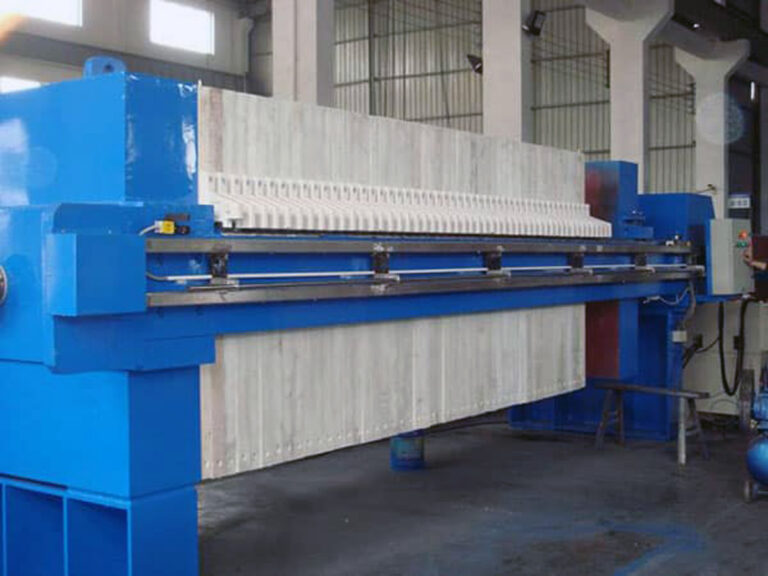
As instalações de fabricação em todo o mundo enfrentam uma crise crescente: a escassez de água, as regulamentações ambientais mais rigorosas e o aumento dos custos operacionais estão forçando as indústrias a repensar fundamentalmente suas estratégias de gerenciamento de água. De acordo com o Fórum Econômico Mundial, o consumo de água industrial é responsável por 22% do uso global de água, mas até 80% de águas residuais industriais são descartadas sem tratamento adequado.
Essa negligência custa bilhões aos setores anualmente por meio de multas regulatórias, danos a equipamentos e ineficiências operacionais. As empresas que não implementam uma sistemas de água industrial arriscam paradas de produção, violações ambientais e danos irreparáveis à sua reputação. As consequências vão além das perdas financeiras imediatas - elas ameaçam a sustentabilidade operacional de longo prazo.
Este guia abrangente fornece o conhecimento técnico e as percepções estratégicas necessárias para navegar no complexo cenário da gestão de água industrial. Exploraremos tecnologias de tratamento de ponta, estratégias de conformidade regulamentar e abordagens de implementação econômicas que transformam os desafios da água em vantagens competitivas. Esteja você avaliando atualizações de sistemas ou planejando novas instalações, esta análise oferece o conhecimento necessário para tomar decisões informadas.
O que são sistemas de água industrial e seus principais componentes?
Sistemas de água industrial representam redes sofisticadas de equipamentos, processos e controles projetados para gerenciar a água em todas as operações de fabricação. Esses sistemas abrangem tudo, desde a captação e o tratamento inicial da água até a descarga ou reciclagem final, formando a espinha dorsal das operações industriais sustentáveis.
Componentes e infraestrutura do sistema primário
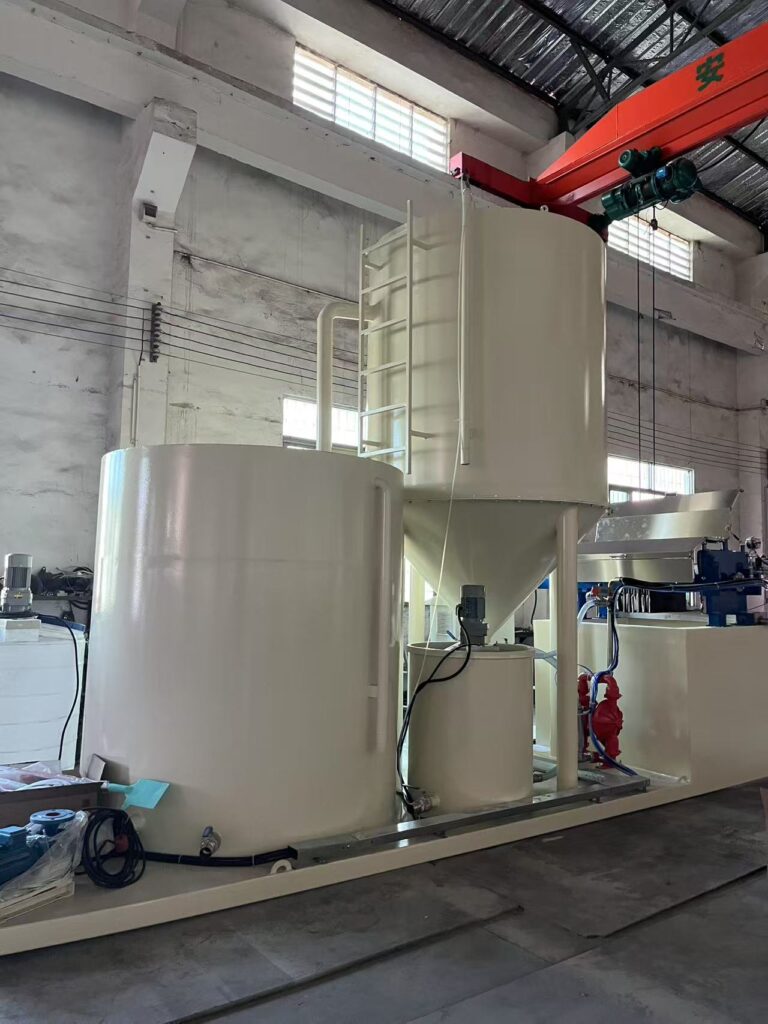
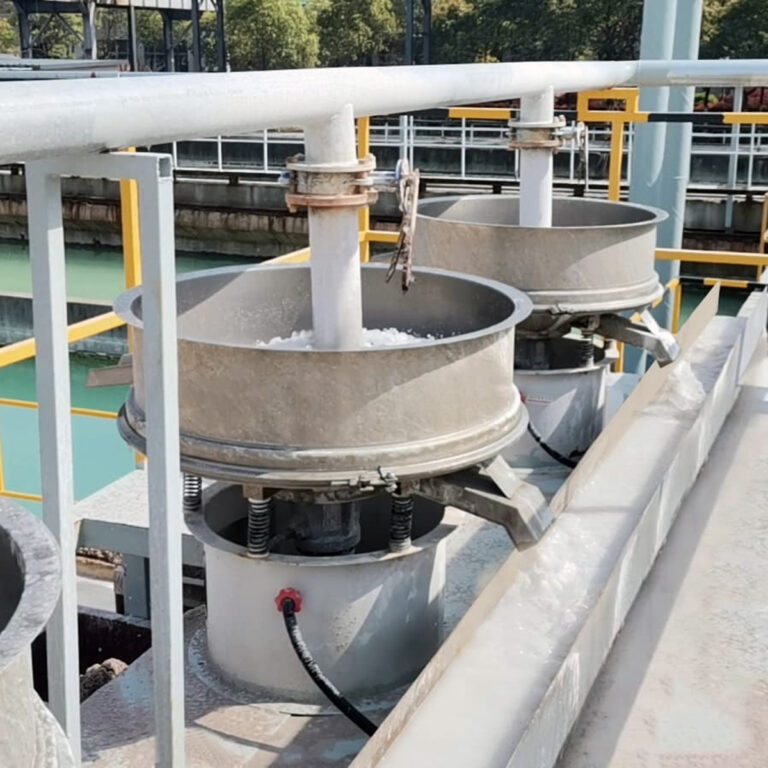
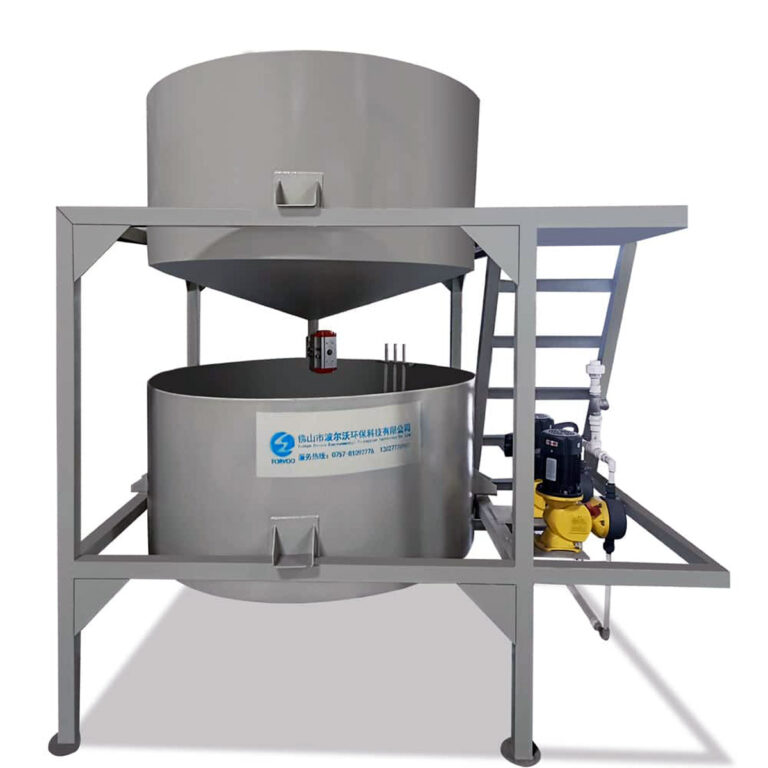
Os sistemas modernos de água industrial integram vários estágios de tratamento, cada um com funções específicas. Os componentes do pré-tratamento incluem sistemas de triagem, tanques de sedimentação e unidades de ajuste de pH que preparam a água bruta para o processamento subsequente. Os estágios de tratamento primário normalmente envolvem processos de coagulação, floculação e clarificação que removem sólidos suspensos e contaminantes iniciais.
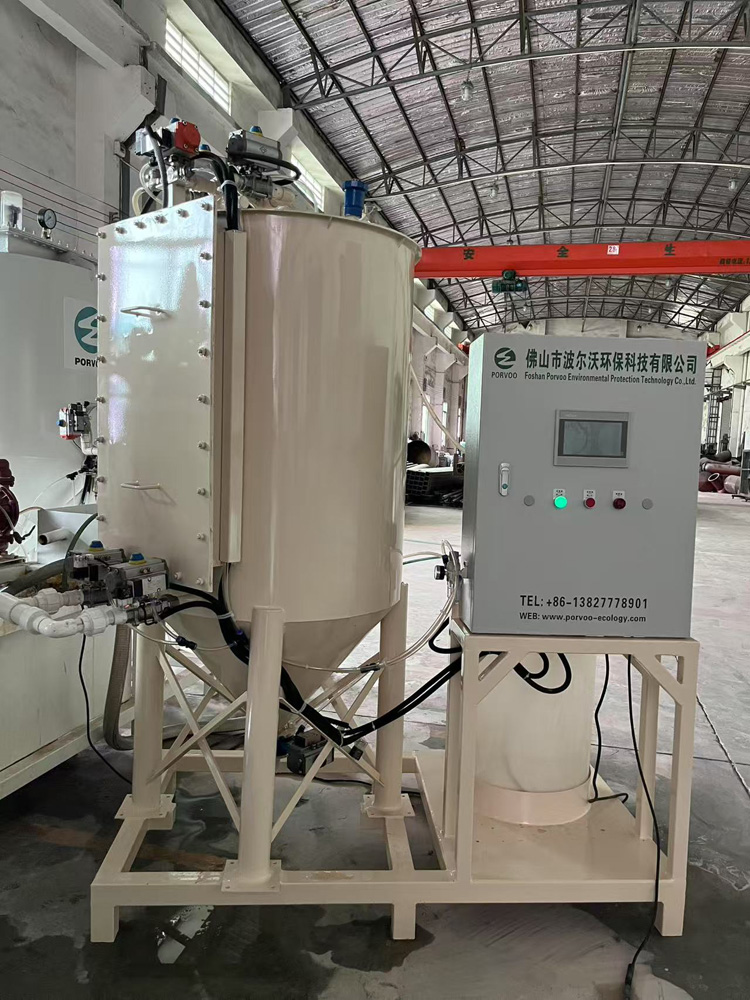
O coração da maioria dos sistemas está nas tecnologias de tratamento secundário. PORVOO é especializada em soluções avançadas de tratamento que atendem a requisitos industriais complexos. Esses sistemas geralmente incorporam reatores de tratamento biológico, biorreatores de membrana e processos avançados de oxidação, dependendo das necessidades específicas do setor.
Os sistemas de controle representam o sistema nervoso das modernas instalações de tratamento de água. Os sistemas SCADA (Supervisory Control and Data Acquisition) monitoram parâmetros em tempo real, incluindo taxas de fluxo, níveis de pH, conteúdo de oxigênio dissolvido e medições de turbidez. Esses sistemas permitem que os operadores mantenham as condições ideais de tratamento e identifiquem possíveis problemas antes que eles se agravem.
Padrões e regulamentos de qualidade da água
Os padrões de qualidade da água industrial variam significativamente entre os setores e as regiões geográficas. O Sistema Nacional de Eliminação de Descargas de Poluentes (NPDES) da EPA estabelece requisitos básicos para descargas industriais, com diretrizes específicas para setores como o farmacêutico, o de processamento de alimentos e o de fabricação de produtos químicos.
Os principais parâmetros monitorados incluem demanda bioquímica de oxigênio (DBO), demanda química de oxigênio (DQO), total de sólidos suspensos (TSS) e contaminantes específicos relevantes para cada setor. Por exemplo, as instalações farmacêuticas devem monitorar os resíduos de antibióticos e os compostos hormonais, enquanto as fábricas de processamento de metais se concentram nas concentrações de metais pesados e nos níveis de cianeto.
Os custos de conformidade podem ser substanciais. De acordo com os dados da EPA, as instalações industriais gastam aproximadamente $14 bilhões por ano no controle da poluição da água, com penalidades por não conformidade em média de $50.000 por violação. No entanto, as instalações com sistemas de tratamento abrangentes normalmente atingem taxas de conformidade de 95-99% e reduzem os custos operacionais de longo prazo.
Integração com processos de fabricação
Uma tecnologia de tratamento de água industrial bem-sucedida requer uma integração perfeita com os processos de fabricação existentes. Essa integração envolve a compreensão dos padrões de uso da água, a identificação das fontes de contaminação e o projeto de sistemas de tratamento que acomodem os cronogramas de produção e os requisitos de qualidade.
As aplicações de água de processo exigem padrões de qualidade específicos. A água de alimentação da caldeira requer um teor extremamente baixo de minerais para evitar incrustações e corrosão, atingindo normalmente níveis de condutividade abaixo de 1 µS/cm. A água de reposição da torre de resfriamento precisa de uma química equilibrada para evitar o crescimento biológico e a precipitação de minerais, enquanto as aplicações específicas do processo podem exigir água ultrapura que atenda aos padrões de semicondutores ou farmacêuticos.
Por que as indústrias precisam de uma tecnologia especializada de tratamento de água?
A complexidade dos desafios da água industrial exige soluções especializadas que vão muito além das abordagens convencionais de tratamento municipal. Os setores geram perfis de contaminantes exclusivos, operam sob requisitos de qualidade rigorosos e enfrentam pressões regulatórias que exigem tecnologias de tratamento avançadas.
Fontes de contaminação e desafios específicos do setor
As instalações industriais introduzem diversos contaminantes por meio de processos de fabricação, operações de limpeza e manutenção de equipamentos. As fábricas de produtos químicos geram solventes orgânicos, resíduos de catalisadores e subprodutos de reações complexas. As instalações de processamento de alimentos produzem águas residuais orgânicas de alta resistência com níveis elevados de DBO, muitas vezes superiores a 2.000 mg/L.
A fabricação de produtos farmacêuticos apresenta cenários particularmente desafiadores. Os ingredientes farmacêuticos ativos (APIs) nas águas residuais podem interromper os processos de tratamento biológico e representar riscos ambientais. Um estudo recente da International Water Association constatou que 70% dos locais de fabricação de produtos farmacêuticos exigem tecnologias de tratamento especializadas para atingir os padrões de descarga.
As operações de acabamento de metais introduzem metais pesados, ácidos e soluções alcalinas que podem danificar gravemente os sistemas de tratamento convencionais. Essas instalações geralmente exigem tecnologias especializadas, como troca iônica, tratamento eletroquímico ou filtragem por membrana, para atingir níveis aceitáveis de descarga.
Requisitos de conformidade ambiental
As regulamentações ambientais continuam a se tornar mais rígidas em todos os setores industriais. A Diretiva de Estrutura da Água da União Europeia exige “bom status ecológico” para todos os corpos d'água até 2027, impactando diretamente os padrões de descarga industrial. Da mesma forma, a Lei de Proteção Ambiental revisada da China impõe penalidades severas para a não conformidade, incluindo o fechamento de instalações e acusações criminais para executivos.
Em nossa experiência de trabalho com instalações de fabricação, os custos de conformidade regulatória normalmente representam 15-25% das despesas totais de tratamento de água. No entanto, as instalações que investem em soluções de tratamento de águas residuais industriais frequentemente atingem taxas de conformidade superiores a 98% e, ao mesmo tempo, reduzem os custos operacionais de longo prazo.
Os requisitos de descarga líquida zero (ZLD) estão se tornando cada vez mais comuns em regiões com escassez de água. Esses regulamentos exigem a recuperação e o reúso completos da água, eliminando totalmente os fluxos de resíduos líquidos. Embora os sistemas ZLD exijam um investimento de capital substancial, eles proporcionam total segurança regulatória e podem reduzir os custos operacionais em 30-40% em regiões com alto custo de água.
Implicações de custo da má gestão da água
A gestão inadequada da água gera impactos financeiros em cascata em todas as operações industriais. Os danos aos equipamentos causados pela má qualidade da água podem custar milhões às instalações de produção anualmente. A incrustação nos trocadores de calor reduz a eficiência em 15-20%, enquanto os danos por corrosão nos sistemas de tubulação geralmente exigem a substituição completa dentro de 5 a 7 anos.
| Categoria de custo | Impacto anual | Custo de prevenção | Linha do tempo do ROI |
|---|---|---|---|
| Danos ao equipamento | $500K-2M | $100K-300K | 12-18 meses |
| Multas regulatórias | $50K-500K | $200K-400K | 6-12 meses |
| Tempo de inatividade da produção | $1M-5M | $300K-600K | 3-6 meses |
| Custos de água | $200K-1M | $250K-500K | 18 a 24 meses |
O tempo de inatividade da produção representa o risco financeiro mais significativo. As paradas não planejadas devido a falhas no sistema de água custam aos fabricantes uma média de $50.000 por hora em perda de produção. O investimento proativo em sistemas confiáveis de tratamento de água normalmente reduz o tempo de inatividade não planejado em 60-80%.
Como se comparam os diferentes métodos de processamento de água industrial?
Industrial water processing encompasses multiple treatment approaches, each offering distinct advantages for specific applications. Understanding these differences enables informed technology selection and optimal system design.
Tecnologias de tratamento físico
Physical treatment methods rely on mechanical processes to remove contaminants without chemical addition. Screening systems effectively remove large debris and suspended solids, typically achieving 70-90% removal efficiency for particles larger than 1mm. Sedimentation tanks utilize gravity separation to remove settleable solids, with properly designed systems achieving 85-95% suspended solids removal.
Membrane filtration represents the most advanced physical treatment technology. Microfiltration systems effectively remove bacteria and suspended particles larger than 0.1 microns, while ultrafiltration can eliminate viruses and large molecules. Reverse osmosis systems achieve 95-99% removal of dissolved salts and most organic contaminants.
Flotation systems excel in removing oil, grease, and low-density particles. Dissolved air flotation (DAF) units commonly achieve 95-98% oil removal efficiency and are particularly effective for food processing and petrochemical applications. These systems require minimal chemical addition and produce relatively dry sludge for disposal.
Chemical Treatment Approaches
Chemical treatment methods utilize reagents to neutralize, precipitate, or oxidize contaminants. Coagulation and flocculation processes destabilize suspended particles, enabling effective removal through sedimentation or filtration. Proper chemical dosing typically improves suspended solids removal by 20-30% compared to physical treatment alone.
Precipitation processes target dissolved metals and specific contaminants. Hydroxide precipitation effectively removes most heavy metals to levels below 1 mg/L, while sulfide precipitation can achieve even lower concentrations for metals like cadmium and mercury. However, these processes generate significant sludge volumes requiring costly disposal.
Advanced oxidation processes (AOPs) utilize powerful oxidants like ozone, hydrogen peroxide, or UV light to destroy complex organic contaminants. These technologies prove particularly effective for pharmaceutical and chemical manufacturing wastewater, achieving 90-99% removal of recalcitrant compounds.
Sistemas de tratamento biológico
Biological treatment harnesses microorganisms to degrade organic contaminants. Activated sludge systems represent the most common approach, typically achieving 85-95% BOD removal for readily biodegradable waste streams. These systems require careful control of dissolved oxygen, pH, and nutrient levels to maintain optimal microbial activity.
Membrane bioreactors (MBRs) combine biological treatment with membrane filtration, producing high-quality effluent suitable for reuse applications. MBR systems achieve 99%+ removal of suspended solids and bacteria while maintaining smaller footprints than conventional activated sludge systems.
Anaerobic treatment systems excel for high-strength organic waste streams. These systems produce methane biogas as a valuable byproduct while achieving 80-90% COD removal. A food processing facility we worked with reduced energy costs by 40% through biogas recovery from anaerobic treatment systems.
What Are the Key Industrial Water Purification Methods?
Advanced purification methods enable industries to meet stringent water quality requirements while maximizing reuse opportunities. These technologies address specific contaminants and applications that conventional treatment cannot handle effectively.
Membrane Filtration Technologies
Membrane technologies provide precise contaminant removal through physical barriers at the molecular level. Reverse osmosis systems achieve 95-99% removal of dissolved salts, organics, and most contaminants, producing water suitable for boiler feedwater and process applications. These systems typically operate at pressures between 150-1,200 psi depending on membrane type and water quality requirements.
Nanofiltration membranes offer selective removal of specific contaminants while maintaining lower operating pressures than reverse osmosis. These systems effectively remove multivalent ions, organic compounds, and color while allowing monovalent salts to pass through partially. This selectivity makes nanofiltration ideal for water softening and specific contaminant removal applications.
Forward osmosis represents an emerging technology that utilizes natural osmotic pressure differentials to drive water purification. While still in development for industrial applications, this technology shows promise for high-salinity wastewater treatment and may reduce energy consumption by 30-50% compared to reverse osmosis.
Processos avançados de oxidação
Advanced oxidation processes generate hydroxyl radicals—extremely powerful oxidants that can destroy virtually any organic contaminant. UV/hydrogen peroxide systems effectively treat pharmaceutical wastewater, achieving 90-99% removal of active pharmaceutical ingredients and endocrine-disrupting compounds.
Ozone treatment provides rapid oxidation of organic contaminants while simultaneously achieving disinfection. Ozone systems require on-site generation and careful control due to safety concerns, but they leave no chemical residuals and can reduce chemical oxygen demand by 60-80% in appropriate applications.
Electrochemical oxidation utilizes electrical current to generate oxidants directly at electrode surfaces. These systems prove particularly effective for metal finishing wastewater, achieving heavy metal removal while destroying complex organic compounds. Recent installations have demonstrated 95%+ treatment efficiency with minimal chemical consumption.
Ion Exchange and Adsorption Systems
Ion exchange systems provide selective removal of specific ions through resin-based exchange processes. These systems excel at water softening, deionization, and removal of trace contaminants like nitrates or specific heavy metals. Properly designed systems can achieve water quality below 1 ppm for most targeted contaminants.
Activated carbon adsorption effectively removes organic compounds, chlorine, and taste/odor compounds. Granular activated carbon systems provide cost-effective treatment for many industrial applications, typically achieving 80-95% removal of organic contaminants. However, these systems require regular regeneration or replacement to maintain effectiveness.
Specialized adsorbents target specific contaminants. Ion-specific resins can remove trace metals to ppb levels, while specialized media effectively remove fluoride, arsenic, or other problematic compounds. A semiconductor manufacturing facility achieved 99.9% removal of trace metals using specialized ion exchange resins in their advanced water treatment systems.
How to Select the Right Water Treatment System Basics for Your Industry?
Selecting optimal water treatment technology requires comprehensive analysis of water quality requirements, regulatory constraints, and economic factors. This process involves systematic evaluation of treatment alternatives and long-term operational considerations.
Assessment Criteria and Performance Metrics
Water quality analysis forms the foundation of system selection. Comprehensive testing should include conventional parameters (pH, turbidity, BOD, COD, TSS) plus industry-specific contaminants. Pharmaceutical facilities require analysis for active compounds and endocrine disruptors, while food processing plants need detailed organic loading and pathogen testing.
Flow rate variations significantly impact system design and selection. Many industrial facilities experience 3:1 or higher flow variations between peak and minimum conditions. Treatment systems must accommodate these variations while maintaining consistent effluent quality. Equalization tanks often prove cost-effective for managing flow variations.
| Treatment Technology | Custo de capital | O&M Cost | Eficiência | Reliability |
|---|---|---|---|---|
| Lodo ativado | Baixa | Médio | 85-95% | Alta |
| Membrane Bioreactor | Alta | Médio | 95-99% | Médio |
| Reverse Osmosis | Médio | Alta | 95-99% | Alta |
| Advanced Oxidation | Alta | Alta | 90-99% | Médio |
Treatment efficiency requirements vary dramatically across applications. Discharge to municipal sewers typically requires 85-95% BOD removal, while direct environmental discharge may mandate 98%+ removal efficiency. Reuse applications often require near-complete contaminant removal to prevent process interference or product contamination.
Scalability and Maintenance Considerations
System scalability enables facilities to accommodate production growth without complete system replacement. Modular treatment designs allow capacity expansion through additional treatment trains rather than complete reconstruction. This approach typically reduces expansion costs by 40-60% compared to single-train systems.
Maintenance requirements directly impact operational costs and system reliability. Biological treatment systems require daily monitoring and periodic biosolids removal, while membrane systems need regular cleaning and periodic replacement. Automated monitoring and control systems can reduce maintenance labor by 30-50% while improving system reliability.
Spare parts availability and technical support prove crucial for continuous operation. Systems utilizing proprietary components or specialized equipment may face extended downtime during equipment failures. Standardized equipment with multiple suppliers typically provides better long-term reliability and lower maintenance costs.
Análise do retorno do investimento
ROI calculations must consider both direct treatment costs and avoided expenses. Direct costs include capital investment, operating expenses, and maintenance requirements. Avoided costs encompass regulatory compliance, equipment protection, and water reuse benefits.
Energy consumption represents a significant operational expense for many treatment technologies. Membrane systems typically consume 3-8 kWh per 1,000 gallons treated, while biological systems require 1-3 kWh per 1,000 gallons. Energy recovery systems can reduce consumption by 20-40% in appropriate applications.
Water reuse benefits provide substantial value in many applications. Industrial process water costs $2-8 per 1,000 gallons in most regions, while treated wastewater can often be reused at treatment costs below $3 per 1,000 gallons. A chemical manufacturing facility we worked with achieved 18-month payback through water reuse implementation.
What Are the Latest Innovations in Industrial Water Treatment Technology?
Technological advancement continues transforming industrial water treatment through digital integration, sustainable processes, and enhanced efficiency. These innovations address traditional challenges while creating new opportunities for operational optimization.
Monitoramento e automação inteligentes
Internet of Things (IoT) sensors enable real-time monitoring of treatment performance parameters. Advanced sensor networks can track pH, dissolved oxygen, turbidity, and specific contaminants continuously, providing operators with immediate feedback on system performance. These systems typically improve treatment efficiency by 10-15% while reducing chemical consumption.
Artificial intelligence applications optimize treatment processes through predictive analytics and automated control. Machine learning algorithms analyze historical data to predict equipment failures, optimize chemical dosing, and adjust treatment parameters proactively. Early implementations have demonstrated 25-35% reduction in unplanned downtime.
Digital twin technology creates virtual replicas of treatment systems for simulation and optimization. These models enable operators to test operational changes virtually before implementation, reducing risks and optimizing performance. Digital twins also facilitate remote monitoring and troubleshooting, reducing site visits by 40-60%.
Sustainable Treatment Solutions
Zero liquid discharge systems eliminate wastewater streams entirely through complete water recovery and reuse. While requiring substantial capital investment, these systems provide complete regulatory certainty and can reduce operational costs in water-scarce regions. ZLD implementation typically achieves 95-98% water recovery rates.
Resource recovery technologies extract valuable materials from waste streams. Nutrient recovery systems capture nitrogen and phosphorus for fertilizer production, while metal recovery processes extract valuable metals for resale. These systems can offset treatment costs by 20-40% through recovered material sales.
Energy-positive treatment systems generate more energy than they consume through biogas recovery, waste heat utilization, or other energy recovery methods. Anaerobic treatment systems with biogas recovery can achieve net energy production while providing effective wastewater treatment.
Industry 4.0 Integration
Cloud-based monitoring platforms enable centralized management of multiple treatment facilities. These systems provide real-time dashboards, automated reporting, and predictive maintenance scheduling across entire facility networks. Cloud integration typically reduces operational costs by 15-25% through improved efficiency.
Blockchain technology ensures data integrity and regulatory compliance through immutable treatment records. This technology proves particularly valuable for industries with strict regulatory requirements, providing auditable treatment histories and automated compliance reporting.
Augmented reality applications assist operators with maintenance procedures and troubleshooting. AR systems overlay digital information onto physical equipment, providing step-by-step guidance for complex procedures. These systems typically reduce maintenance time by 20-30% while improving safety.
Industrial water systems represent critical infrastructure requiring sophisticated technical solutions and strategic planning. The technologies and approaches discussed provide frameworks for addressing complex water management challenges while achieving regulatory compliance and operational efficiency.
Key insights from this analysis include the importance of comprehensive system design, the value of integrated treatment approaches, and the growing significance of digital technologies in optimizing performance. Successful implementations typically achieve 90%+ regulatory compliance while reducing operational costs by 25-35% through efficiency improvements and resource recovery.
The future of industrial water treatment lies in sustainable, automated systems that maximize resource recovery while minimizing environmental impact. Organizations investing in advanced treatment technologies today position themselves for long-term success in an increasingly water-constrained world.
Moving forward, facility managers should prioritize comprehensive water audits, evaluate treatment alternatives systematically, and consider emerging technologies that align with their specific requirements. The complexity of modern industrial water challenges demands expert guidance and proven solutions.
For facilities seeking comprehensive treatment solutions, specialized industrial water treatment providers offer the expertise and technology necessary to transform water challenges into competitive advantages. What specific water treatment challenges is your facility facing, and how might advanced treatment technologies address these concerns?
Perguntas frequentes
Q: What are Industrial Water Systems and why are they important in technology fundamentals?
A: Industrial Water Systems refer to the engineered setups used to supply, treat, and manage water for industrial processes. They are fundamental in technology because they ensure water quality meets specific manufacturing needs, prevent equipment damage, and support efficient production. These systems integrate various treatment technologies—like filtration, softening, and reverse osmosis—to adapt water characteristics for processes such as cooling, washing, and plating. Understanding their technology fundamentals helps optimize performance, reduce downtime, and comply with environmental regulations.
Q: How does reverse osmosis work in Industrial Water Systems?
A: Reverse osmosis (RO) is a key technology in Industrial Water Systems used to remove contaminants by pushing water through a semi-permeable membrane under pressure. This process effectively filters out bacteria, salts, organics, and other impurities, producing high-quality water for industrial use. RO systems typically achieve salt rejection rates of 95-99% and can recover 65-90% of the feed water, depending on system design and application. This technology is essential for industries requiring ultra-pure water or water that meets strict quality standards.
Q: What are the common contaminants Industrial Water Systems must address?
A: Industrial Water Systems must handle a variety of contaminants depending on the process needs, including:
- Hardness minerals (calcium, magnesium) that cause scaling
- Suspended solids and particulates that affect clarity and equipment
- Dissolved salts and organics that impact chemical reactions
- Bacteria and microbes for sanitary requirements
- pH imbalances that can cause corrosion or inefficiency
Treatment technologies like water softening, filtration, ion exchange, and reverse osmosis are selected based on these contaminants to ensure water suitability and protect industrial equipment.
Q: What role do ion exchange and filtration play in technology fundamentals of Industrial Water Systems?
A: Ion exchange and filtration are critical components in Industrial Water Systems technology fundamentals. Ion exchange removes dissolved ions like hardness-causing calcium and magnesium or unwanted salts, enhancing water quality and preventing scale. Filtration removes suspended solids and particulates to protect downstream equipment and improve process consistency. Together, these technologies prepare water to meet specific industrial standards, often working in conjunction with membrane processes like reverse osmosis for comprehensive treatment.
Q: How is the performance of Industrial Water Systems monitored and optimized?
A: Monitoring performance involves measuring parameters such as feed and permeate pressure, flow rates, temperatures, and contaminant levels (e.g., conductivity). Key performance indicators include salt rejection percentage and recovery rates in systems using membranes like reverse osmosis. Optimization includes timely maintenance, membrane cleaning or replacement, and adjusting operational settings based on data to maximize efficiency, reduce water waste, and maintain water quality for the industrial process.
Q: What advancements in technology fundamentals are shaping the future of Industrial Water Systems?
A: Emerging advancements focus on increasing water recovery rates, energy efficiency, and system automation. Technologies such as improved membrane materials, real-time monitoring sensors, and AI-driven control systems enable precise water treatment and process optimization. Sustainable practices like water reuse and integrated treatment approaches also play a significant role in making Industrial Water Systems more environmentally friendly while maintaining technological effectiveness.
Recursos externos
Industrial Water and Waste Treatment: Fundamentals – Routledge – This comprehensive book explores the foundational principles and advanced practices of industrial water and waste treatment, including biological and physicochemical methods, as well as sustainability challenges.
An Introduction to Industrial Water Treatment Systems (PDF) – SAMCO Technologies – This eBook provides an overview of industrial water treatment systems, their operational fundamentals, common issues, and guidance on selecting and maintaining systems for various industrial applications.
Fundamentals of Water Treatment Unit Processes – Routledge – This textbook details the core scientific and engineering principles underlying water treatment, including physical, chemical, and biological processes relevant to industrial water systems.
The Science and Technology of Industrial Water Treatment (PDF) – This resource covers operational challenges, scale control, corrosion, microbiological fouling, and analytical approaches in industrial water treatment, offering detailed technical insight for researchers and professionals.
Wastewater Treatment Fundamentals – Water Environment Federation – Designed for water treatment operators, this manual explains essential treatment technologies and concepts, with practical guidance on certification and daily operations in industrial wastewater settings.
Industrial Water Treatment – Lenntech – This webpage summarizes key water treatment technologies for industrial applications, including purification, filtration, and removal of contaminants from process water.