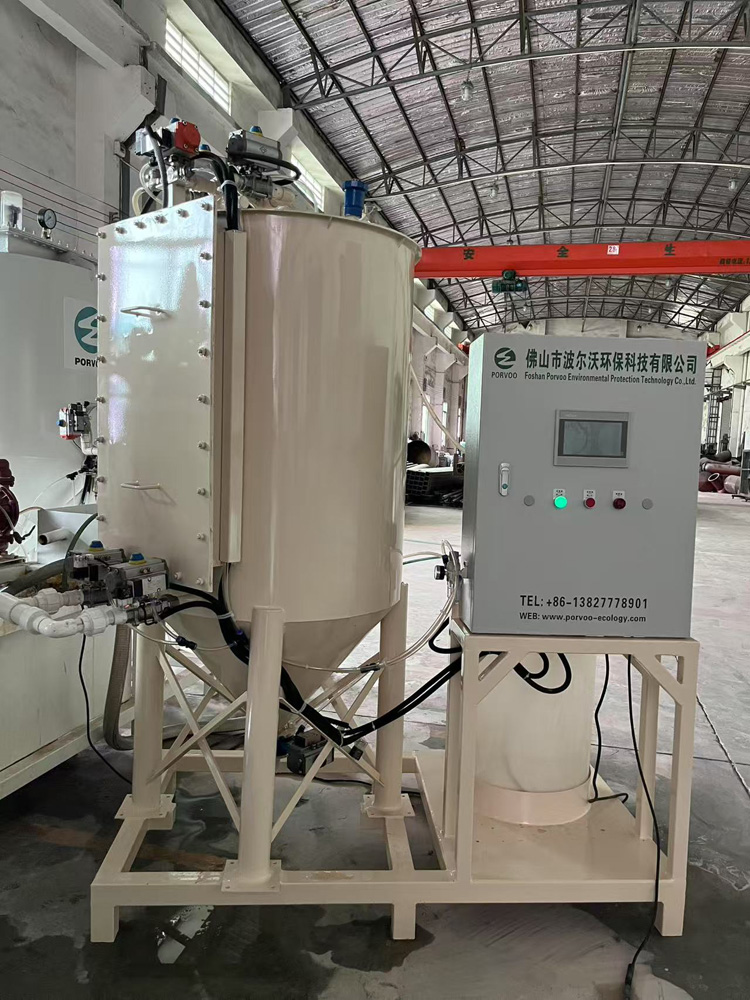
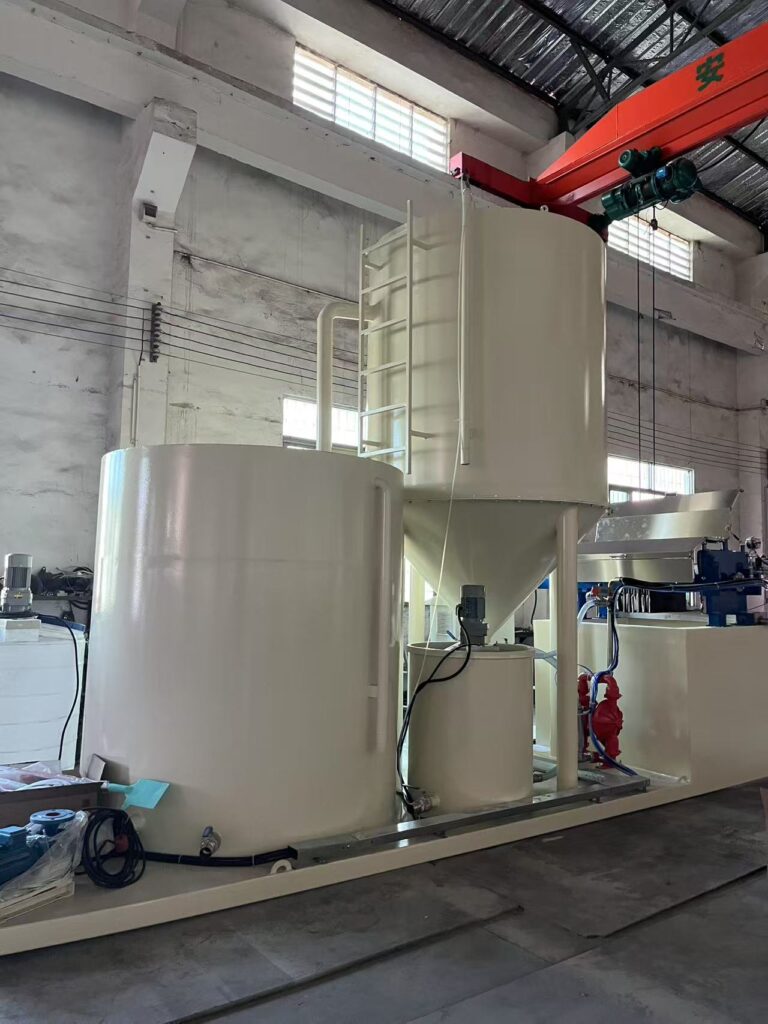
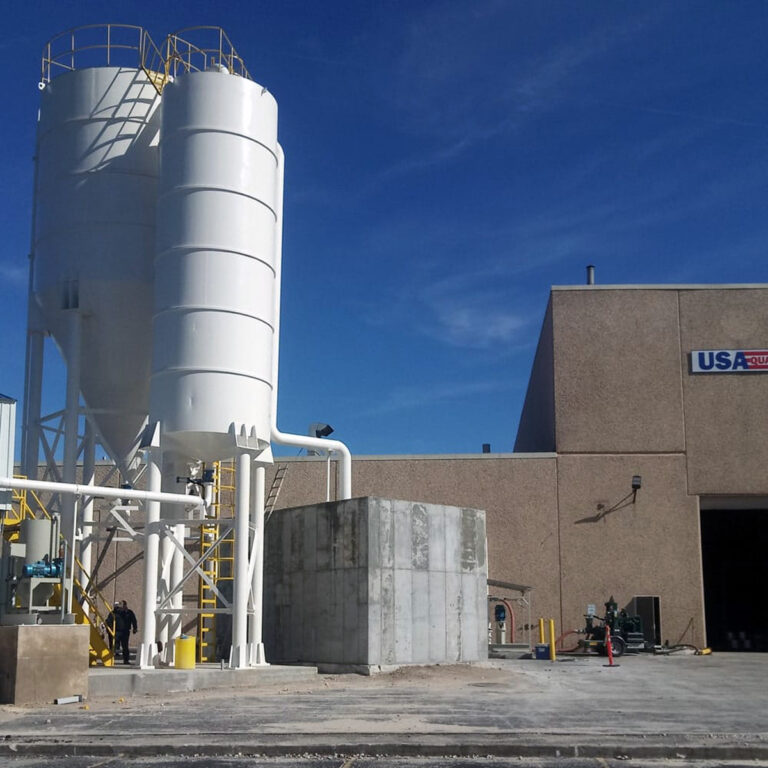
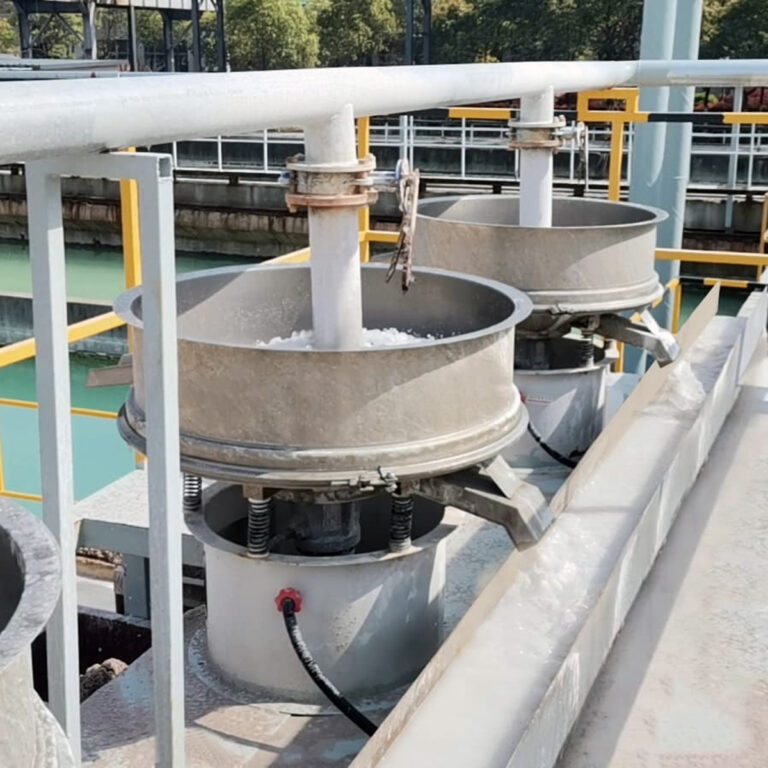
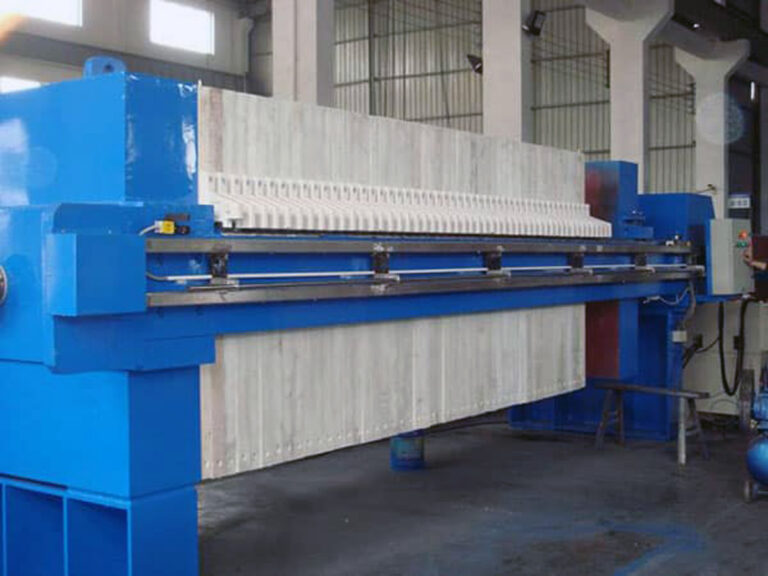
Operasi industri di seluruh dunia menghadapi tekanan yang meningkat untuk mengoptimalkan sistem penyaringan mereka sambil mempertahankan kepatuhan lingkungan yang ketat dan efisiensi operasional. Apakah Anda berurusan dengan air limbah yang terkontaminasi, partikel debu berbahaya, atau persyaratan pemrosesan bahan kimia yang kompleks, memilih yang tepat pemasok peralatan filtrasi dapat membuat perbedaan antara operasi yang lancar dan waktu henti yang mahal.
Tantangannya lebih kompleks dari sebelumnya. Dengan peraturan lingkungan yang semakin ketat, perusahaan berjuang untuk menemukan pemasok yang dapat memberikan teknologi mutakhir dan dukungan jangka panjang yang dapat diandalkan. Pemilihan pemasok yang buruk sering kali menyebabkan kegagalan sistem, pelanggaran peraturan, dan biaya pemeliharaan tak terduga yang dapat melebihi 300% investasi peralatan awal selama periode lima tahun.
Ulasan komprehensif ini membahas apa yang membedakan pemasok peralatan filtrasi yang luar biasa dari yang lain, memberi Anda wawasan yang dapat ditindaklanjuti untuk membuat keputusan yang tepat. Kami akan mengeksplorasi kriteria evaluasi kritis, persyaratan khusus industri, dan tren yang muncul yang membentuk kembali lanskap peralatan filtrasi. PORVOO telah menjadi yang terdepan dalam perkembangan ini, dan analisis kami mengacu pada penelitian industri yang ekstensif dan data implementasi dunia nyata.
Apa yang Membuat Pemasok Peralatan Filtrasi Industri Berkualitas?
Fondasi dari setiap sistem penyaringan yang sukses terletak pada kemampuan inti pemasok dan pendekatan terhadap hubungan klien. Memahami karakteristik fundamental ini membantu Anda mengidentifikasi mitra yang dapat memberikan nilai jangka panjang di luar pembelian peralatan awal.
Keahlian Teknis dan Kemampuan Teknik
Seorang yang unggul pemasok peralatan filtrasi menunjukkan pengetahuan teknis yang mendalam di berbagai teknologi dan aplikasi filtrasi. Keahlian ini terwujud dalam kemampuan mereka untuk melakukan penilaian lokasi secara menyeluruh, memahami tantangan kontaminasi spesifik Anda, dan merekomendasikan solusi optimal daripada memaksakan produk standar.
Pemasok terkemuka mempekerjakan insinyur bersertifikat dengan pengetahuan khusus di berbagai bidang seperti teknologi membran, sistem karbon aktif, dan proses oksidasi tingkat lanjut. Mereka harus dapat menjelaskan mekanisme penyaringan yang kompleks secara praktis dan memberikan perhitungan terperinci untuk ukuran sistem dan prediksi kinerja. Menurut pengalaman kami, pemasok yang berinvestasi dalam pelatihan teknis berkelanjutan untuk staf mereka secara konsisten memberikan hasil yang unggul.
Pemasok terbaik juga mempertahankan kemitraan aktif dengan pengembang teknologi dan lembaga penelitian. Kolaborasi ini memastikan mereka tetap mengikuti perkembangan inovasi filtrasi yang muncul dan dapat menawarkan solusi generasi berikutnya saat mereka menjadi layak secara komersial.
Rangkaian Produk dan Opsi Kustomisasi
Pemasok filter industri harus menawarkan portofolio produk yang komprehensif yang menangani beragam skenario kontaminasi. Pemasok yang berkualitas biasanya menyediakan peralatan mulai dari filter kartrid sederhana hingga sistem multi-tahap yang kompleks yang menggabungkan perawatan biologis, filtrasi membran, dan teknologi oksidasi canggih.
| Kategori Filtrasi | Aplikasi Standar | Tingkat Kustomisasi | Kisaran Kapasitas Khas |
|---|---|---|---|
| Filtrasi Mekanis | Sedimen, padatan tersuspensi | Sedang | 10-10.000 GPM |
| Perawatan Biologis | Senyawa organik, BOD/COD | Tinggi | 100-50.000 GPD |
| Sistem Membran | Partikel halus, kontaminan terlarut | Tinggi | 50-100.000 GPD |
| Perawatan Khusus | Logam berat, bahan kimia tertentu | Sangat Tinggi | Variabel |
Kemampuan kustomisasi sangat penting untuk aplikasi industri. Solusi standar jarang mengatasi tantangan unik dari proses manufaktur tertentu, komposisi kimia, atau keterbatasan ruang. Pemasok berkualitas berinvestasi dalam desain modular dan pendekatan teknik fleksibel yang memungkinkan solusi yang disesuaikan tanpa biaya tambahan yang berlebihan.
Sertifikasi Kualitas dan Standar Kepatuhan
Pemasok yang memiliki reputasi baik memiliki sistem manajemen kualitas yang komprehensif dan sertifikasi industri yang relevan. Sertifikasi manajemen mutu ISO 9001 merupakan hal yang mendasar, tetapi carilah sertifikasi tambahan yang spesifik untuk industri Anda, seperti sertifikasi NSF untuk aplikasi air minum atau sertifikasi ASME untuk bejana bertekanan.
Dokumentasi kepatuhan harus tersedia dan diperbarui secara berkala. Ini termasuk sertifikasi material, hasil uji kinerja, dan pernyataan kepatuhan terhadap peraturan. Pemasok harus menunjukkan pemahaman tentang standar lokal dan internasional yang berlaku untuk operasi Anda, termasuk peraturan EPA, persyaratan OSHA, dan pedoman khusus industri.
Bagaimana Cara Mengevaluasi Vendor Peralatan Pengolahan Air?
Vendor peralatan pengolahan air menghadapi tantangan unik dalam menangani beragam persyaratan kualitas dan standar peraturan di berbagai industri. Proses evaluasi Anda harus berfokus pada vendor yang menunjukkan kemampuan yang telah terbukti dalam menangani tantangan kualitas air dan profil kontaminasi yang serupa.
Spesifikasi Performa dan Protokol Pengujian
Evaluasi yang efektif dimulai dengan memahami pendekatan vendor terhadap validasi kinerja dan pengujian sistem. Vendor berkualitas memberikan spesifikasi kinerja terperinci yang didukung oleh data pengujian komprehensif, termasuk studi skala pilot yang relevan dengan aplikasi spesifik Anda.
Metrik kinerja utama harus mencakup tingkat efisiensi penyisihan untuk kontaminan target, rentang tekanan operasi, konsumsi energi per unit air yang diolah, dan masa pakai membran atau media yang diharapkan. Menurut penelitian industri baru-baru ini oleh Asosiasi Kualitas Air, sistem yang menjalani pengujian pra-instalasi yang ketat mencapai kinerja jangka panjang 85% yang lebih baik dibandingkan dengan sistem yang hanya mengandalkan spesifikasi teoretis.
Protokol pengujian harus mencakup kondisi laboratorium standar dan skenario operasional dunia nyata. Carilah vendor yang menawarkan program pengujian percontohan dengan menggunakan sampel aktual dari fasilitas Anda. Pendekatan ini memberikan wawasan yang berharga tentang kinerja sistem dalam kondisi operasi spesifik Anda dan membantu mengidentifikasi peluang pengoptimalan potensial sebelum implementasi skala penuh.
Dukungan Instalasi dan Pemeliharaan
Kompleksitas sistem pengolahan air modern menuntut dukungan instalasi dan pemeliharaan yang komprehensif dari vendor yang berkualifikasi. Instalasi profesional memastikan kinerja sistem yang optimal dan membantu menghindari masalah umum seperti pemipaan yang tidak tepat, koneksi listrik yang tidak memadai, atau komisioning sistem yang tidak memadai.
Dukungan pemeliharaan harus mencakup program pemeliharaan preventif, kemampuan pemantauan jarak jauh, dan respons cepat untuk perbaikan darurat. Vendor terkemuka menawarkan solusi industri yang komprehensif yang mencakup dukungan siklus hidup penuh, mulai dari desain awal hingga optimalisasi yang berkelanjutan.
Program pelatihan untuk staf operasional Anda juga sama pentingnya. Operator yang terlatih dengan baik dapat mengidentifikasi potensi masalah sejak dini, melakukan tugas pemeliharaan rutin secara efektif, dan mengoptimalkan kinerja sistem berdasarkan kondisi yang berubah. Vendor berkualitas berinvestasi dalam materi pelatihan yang komprehensif dan dukungan pendidikan yang berkelanjutan.
Analisis Efektivitas Biaya dan ROI
Meskipun biaya peralatan awal penting, total biaya kepemilikan memberikan gambaran yang lebih akurat tentang keekonomisan sistem. Ini termasuk konsumsi energi, biaya penggantian bahan habis pakai, persyaratan pemeliharaan, dan potensi penalti untuk ketidakpatuhan.
Efisiensi energi menjadi semakin penting seiring dengan meningkatnya biaya utilitas dan kelestarian lingkungan yang menjadi prioritas. Sistem modern dapat mencapai penghematan energi 40-60% dibandingkan dengan teknologi yang lebih tua melalui peningkatan efisiensi pompa, sistem kontrol yang dioptimalkan, dan desain proses yang canggih.
Analisis ROI yang komprehensif harus mempertimbangkan penghematan biaya langsung dan manfaat tidak langsung seperti berkurangnya risiko peraturan, peningkatan kualitas produk, dan peningkatan keandalan operasional. Studi kasus dari aplikasi serupa memberikan tolok ukur yang berharga untuk proyeksi ROI yang realistis.
Apa yang Harus Anda Harapkan dari Produsen Peralatan Pengumpul Debu?
Produsen peralatan pengumpul debu must address increasingly complex air quality challenges while maintaining energy efficiency and operational reliability. Your expectations should align with current industry best practices and emerging technological capabilities.
Advanced Filtration Technologies
Modern dust collection systems incorporate multiple filtration stages and advanced control technologies to achieve superior performance while minimizing operational costs. Pulse-jet baghouse systems, cartridge collectors, and wet scrubbing technologies each offer distinct advantages for specific applications.
Baghouse systems typically achieve 99.9% collection efficiency for particles larger than 1 micron, while advanced cartridge systems can capture submicron particles with efficiency rates exceeding 99.97%. The choice between technologies depends on factors such as dust characteristics, airflow requirements, and maintenance accessibility.
Emerging technologies include electrostatic enhancement, which can improve collection efficiency by 15-25% for challenging dust types, and smart filtration systems that automatically adjust operating parameters based on real-time dust loading measurements.
Efisiensi Energi dan Dampak Lingkungan
Energy consumption represents a significant operational cost for dust collection systems, often accounting for 60-70% of total lifecycle costs. Energy-efficient designs incorporate variable frequency drives, optimized fan selections, and intelligent control systems that adjust airflow based on actual demand.
| Jenis Sistem | Energy Consumption Range | Efisiensi Khas | Frekuensi Pemeliharaan |
|---|---|---|---|
| Pulse-Jet Baghouse | 2-6 HP per 1000 CFM | 99.9% | Triwulanan |
| Pengumpul Kartrid | 3-7 HP per 1000 CFM | 99.95% | Bulanan |
| Scrubber Basah | 8-15 HP per 1000 CFM | 95-98% | Mingguan |
Environmental impact considerations extend beyond energy consumption to include filter media disposal, water usage for wet systems, and overall system footprint. Sustainable designs incorporate recyclable filter media, water recirculation systems, and compact configurations that minimize facility space requirements.
System Integration Capabilities
Modern manufacturing operations require dust collection systems that integrate seamlessly with existing processes and control systems. This includes compatibility with plant-wide monitoring systems, automated maintenance scheduling, and coordinated operation with other environmental control equipment.
System integration also encompasses safety considerations such as explosion prevention, fire suppression integration, and emergency shutdown capabilities. Quality manufacturers provide comprehensive safety analysis and appropriate system safeguards for high-risk applications.
How Do Environmental Equipment Suppliers Address Industry-Specific Needs?
Environmental equipment suppliers must demonstrate deep understanding of industry-specific regulations, contamination profiles, and operational requirements. Each industrial sector presents unique challenges that require specialized knowledge and proven solutions.
Chemical Processing Applications
Chemical manufacturing operations generate complex waste streams containing multiple contaminants that require sophisticated treatment approaches. Suppliers serving this sector must understand chemical compatibility, reaction potentials, and specialized materials requirements for aggressive environments.
Treatment systems for chemical processing typically incorporate multiple treatment stages, including neutralization, precipitation, filtration, and polishing steps. Material selection is critical, with systems often requiring exotic alloys, specialized coatings, or polymer components that resist chemical attack.
A recent case study from a petrochemical facility demonstrated 95% reduction in disposal costs through implementation of a multi-stage treatment system that enables water recycling for cooling tower makeup. The system processed 50,000 gallons per day of contaminated wastewater and achieved discharge standards that exceeded regulatory requirements.
Food and Beverage Industry Requirements
Food and beverage operations require sanitary designs that prevent contamination and enable thorough cleaning and sanitization. Suppliers must understand FDA regulations, HACCP principles, and industry best practices for hygienic equipment design.
Sanitary filtration systems feature smooth surfaces, minimal dead spaces, and complete drainability to prevent bacterial growth. Materials must be food-grade approved, and accessibility for cleaning and inspection is paramount. Many systems incorporate automated CIP (clean-in-place) capabilities that ensure consistent sanitization.
Water quality requirements for food and beverage applications often exceed potable water standards. Systems must remove chlorine, organic compounds, and microbial contaminants while maintaining stable pH and mineral content appropriate for specific products.
Pharmaceutical and Healthcare Standards
Pharmaceutical manufacturing requires the highest levels of contamination control and documentation. Environmental equipment suppliers serving this sector must demonstrate compliance with GMP requirements, validation protocols, and extensive documentation standards.
Water systems for pharmaceutical applications typically achieve conductivity levels below 1.0 μS/cm and total organic carbon levels below 0.5 mg/L. These stringent requirements demand specialized equipment designs and comprehensive monitoring systems that provide continuous verification of water quality parameters.
Validation documentation requirements include installation qualification (IQ), operational qualification (OQ), and performance qualification (PQ) protocols. Suppliers must provide comprehensive documentation packages and support validation activities through system lifecycle.
What Are the Key Considerations When Choosing Filtration System Providers?
Filtration system providers vary significantly in their capabilities, service offerings, and long-term reliability. Your selection process should evaluate both immediate technical requirements and long-term partnership potential.
Scalability and Future Expansion
Industrial operations evolve continuously, and your filtration systems must adapt to changing requirements. Quality providers design systems with expansion capabilities and modular architectures that accommodate future growth without requiring complete system replacement.
Scalability considerations include physical space for additional equipment, utility capacity for expanded systems, and control system architecture that supports additional components. Modular designs allow for phased implementation that spreads capital costs over time while maintaining operational flexibility.
Technology roadmap discussions with potential providers reveal their commitment to innovation and ability to support future upgrades. Providers who invest in research and development typically offer clearer paths for system enhancement and technology migration.
Service Network and Technical Support
Comprehensive service networks ensure rapid response to maintenance needs and technical issues. Evaluate the provider’s service infrastructure, including regional service centers, certified technicians, and parts inventory management.
Remote monitoring capabilities have become increasingly important for proactive maintenance and system optimization. Advanced systems provide real-time performance data, predictive maintenance alerts, and remote diagnostic capabilities that minimize downtime and optimize performance.
Technical support should include 24/7 emergency response, application engineering assistance, and ongoing optimization services. Look for specialized treatment solutions that provide comprehensive support throughout the system lifecycle.
Warranty and Performance Guarantees
Warranty terms reflect the provider’s confidence in their equipment and commitment to customer satisfaction. Comprehensive warranties should cover equipment defects, performance shortfalls, and associated labor costs for necessary corrections.
| Warranty Component | Typical Coverage Period | Kriteria Kinerja |
|---|---|---|
| Equipment Defects | 1-2 years | Manufacturing defects, material failures |
| Jaminan Kinerja | 6-12 bulan | Specified removal efficiency, capacity |
| Process Guarantee | Extended periods | Regulatory compliance, discharge limits |
Performance guarantees provide additional assurance that systems will meet specified objectives. These guarantees should include clearly defined performance criteria, measurement protocols, and remediation procedures if systems fail to meet specifications.
However, warranty limitations must be clearly understood. Most warranties exclude damages from improper operation, inadequate maintenance, or feedwater conditions outside design specifications. Regular maintenance and proper operation are essential for maintaining warranty coverage.
Kesimpulan
Selecting the right filtration equipment supplier requires careful evaluation of technical capabilities, service offerings, and long-term partnership potential. The most successful implementations result from suppliers who demonstrate deep technical expertise, comprehensive product portfolios, and commitment to ongoing customer support.
Key success factors include thorough performance validation, comprehensive training programs, and proactive maintenance support. Energy efficiency and environmental sustainability are becoming increasingly important selection criteria as operational costs and regulatory requirements continue to evolve.
The filtration equipment industry is experiencing rapid technological advancement, with emerging technologies such as smart monitoring systems, advanced membrane materials, and automated optimization becoming standard features. Suppliers who invest in these innovations will provide the greatest long-term value for their customers.
Future trends point toward increased integration of digital technologies, enhanced sustainability features, and more sophisticated automation capabilities. Companies that establish partnerships with forward-thinking suppliers will be better positioned to adapt to these evolving requirements.
When evaluating potential suppliers, consider not only their current capabilities but also their vision for future technology development and service enhancement. The right supplier partnership extends far beyond equipment purchase to encompass ongoing collaboration for operational excellence and regulatory compliance.
For comprehensive industrial filtration solutions that address these critical considerations, explore sistem perawatan canggih that combine proven technologies with innovative service approaches. How will your filtration system requirements evolve as your operations grow and environmental standards continue to advance?
Pertanyaan yang Sering Diajukan
Q: What is industrial filtration equipment and why is it important?
A: Industrial filtration equipment refers to machinery and devices designed to remove contaminants, particulates, and impurities from liquids, gases, or air in industrial settings. It is essential for maintaining product quality, protecting machinery, ensuring safety, and complying with environmental regulations. In an Industrial Filtration Equipment Supplier Review, evaluating such equipment helps businesses select the right filtration solutions tailored to their specific needs across sectors like manufacturing, water treatment, food and beverage, and oil and gas.
Q: What are the main types of industrial filtration equipment?
J: Jenis utama peralatan filtrasi industri meliputi:
- Mechanical Filters: Use physical barriers like screens or sieves to remove large particles.
- Depth Filters: Employ porous materials such as fibrous media to trap various-sized contaminants within their structure.
- Filter Membran: Feature microscopic pores to separate fine particles and microorganisms, common in water treatment and pharmaceuticals.
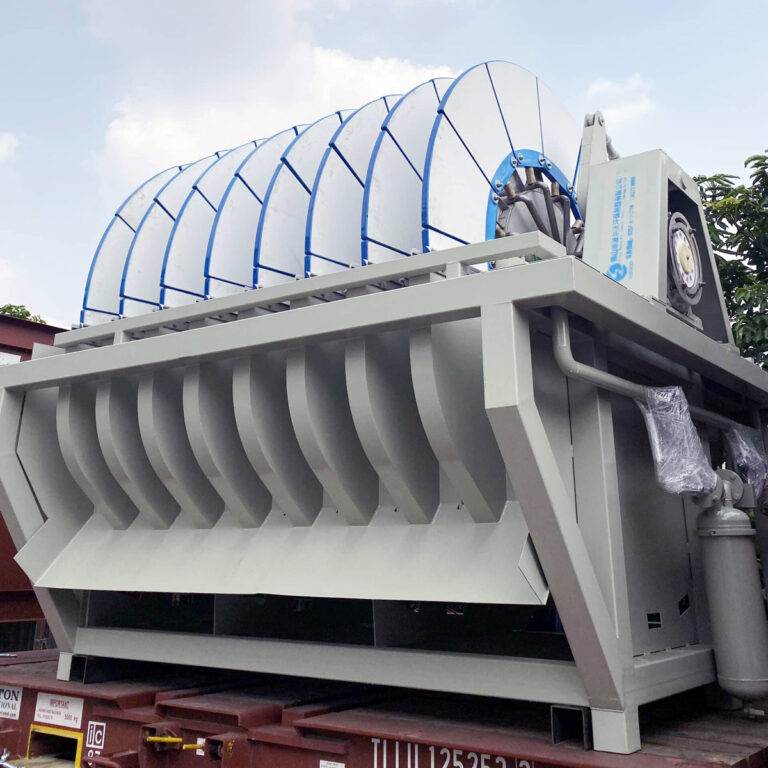
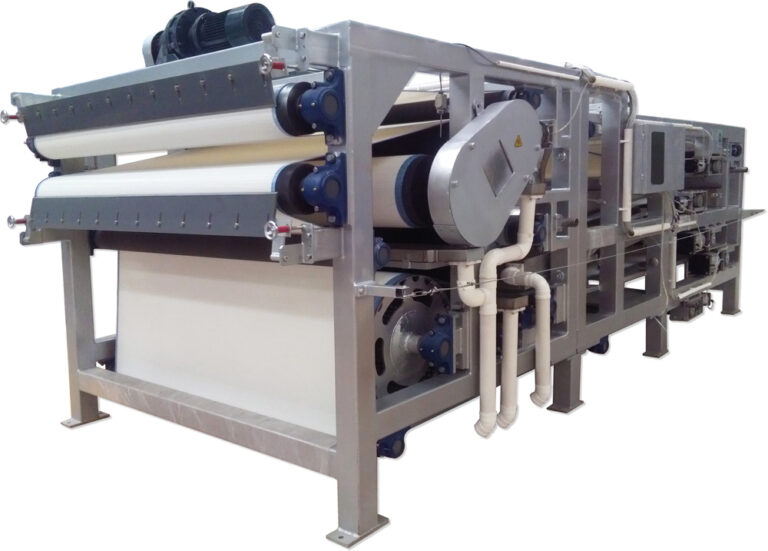
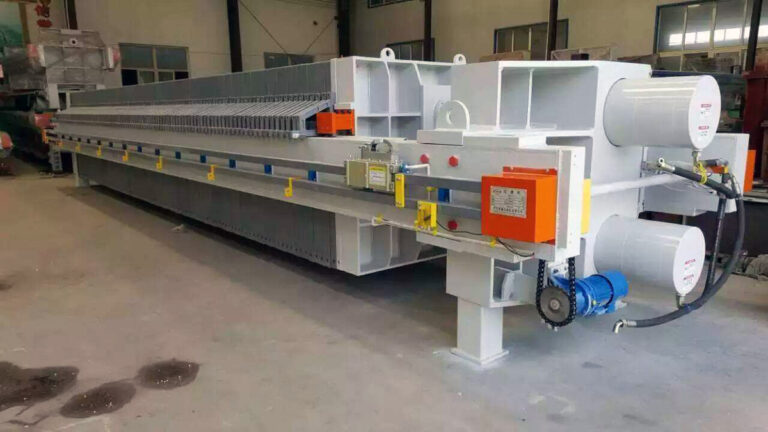
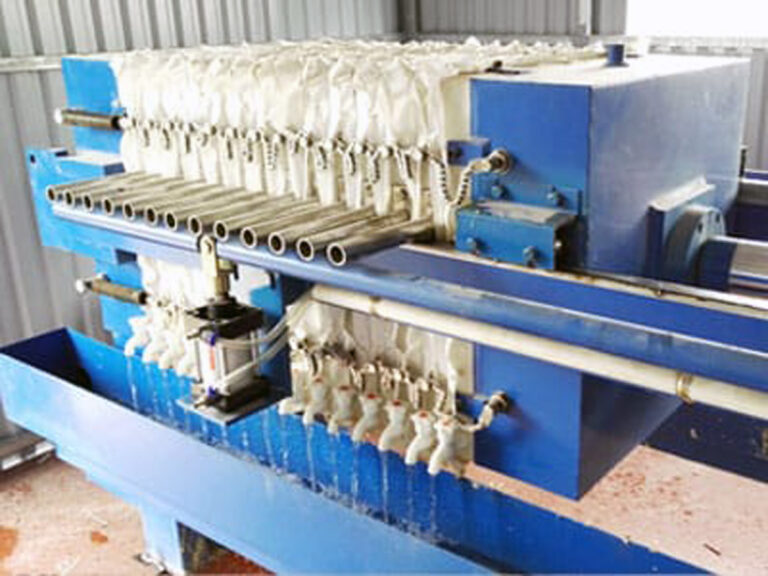
- Pressure/Vacuum Filters: Utilize force to draw substances through filtration media, ideal for sludge and sediment separation.
- Rotary Drum Filters: Continuously rotate to filter high-viscosity slurries in mining and energy industries.
Q: How do I choose the right industrial filtration equipment supplier?
A: Choosing the right industrial filtration equipment supplier involves several key steps:
- Assess Your Needs: Identify your filtration challenges, application environment, and desired performance outcomes.
- Evaluate Supplier Expertise: Look for suppliers with proven experience, positive client testimonials, and in-depth technical knowledge.
- Compare Product Range: Ensure the supplier offers equipment suitable for your industry and process requirements.
- Request Demonstrations and Samples: Test equipment performance before purchase to verify quality and reliability.
- Check After-Sales Support: Opt for suppliers who provide installation, maintenance, and customer support services.
Q: What industries benefit most from industrial filtration equipment?
A: Multiple industries benefit from industrial filtration equipment, including:
- Manufacturing and Automotive: To maintain clean hydraulic fluids, lubricants, and cooling systems.
- Water Treatment: For removing impurities, suspended solids, and microorganisms from raw water.
- Oil and Gas: To filter out sand, sediment, and solid particles from crude oil and natural gas.
- Food and Beverage: Ensuring product purity and safety by removing contaminants.
- Pharmaceuticals: Achieving stringent cleanliness standards for product processing and packaging.
Q: What should I look for in an industrial filtration equipment supplier review?
A: When reading an industrial filtration equipment supplier review, look for:
- Detailed product descriptions and specifications
- Real-world performance data and case studies
- Customer satisfaction ratings and feedback
- Supplier reputation and industry standing
- Information on warranty, after-sales support, and service availability
Q: How can industrial filtration equipment impact operational efficiency?
A: Industrial filtration equipment can significantly improve operational efficiency by:
- Reducing equipment downtime caused by clogging or contamination
- Extending the lifespan of machinery and critical components
- Lowering maintenance and repair costs
- Ensuring consistent product quality and compliance with industry standards
Choosing the right supplier based on a thorough Industrial Filtration Equipment Supplier Review will help maximize these benefits and streamline your production processes.
Sumber Daya Eksternal
- Top 6 Industrial Suppliers of Standardized Air Filtration Equipment – A detailed review of major industrial air filtration equipment suppliers, including product offerings, applications, and unique features of leading brands.
- Top 20 Industrial Filters Manufacturers You Should Know – HENGKO – This article provides an in-depth overview of notable industrial filtration equipment suppliers, highlighting their product ranges and industry experience.
- Industrial Filter Manufacturers reviews – Indeed – User-generated reviews of Industrial Filter Manufacturers, offering insight into company culture, product quality, and service.
- New York Filtration System Manufacturers – IQS Directory – Provides a comprehensive index to review leading industrial filtration equipment manufacturers and suppliers in New York, including company descriptions and areas of expertise.
- Filtration System Manufacturers and Suppliers – IQS Directory – A directory featuring reviews and detailed information on various filtration system suppliers and manufacturers serving industrial clients.
- Dynamic Air Inc. – Filtration Systems – Highlights advanced industrial filtration systems with a focus on air quality and operational efficiency, including an overview of manufacturer capabilities and service offerings.