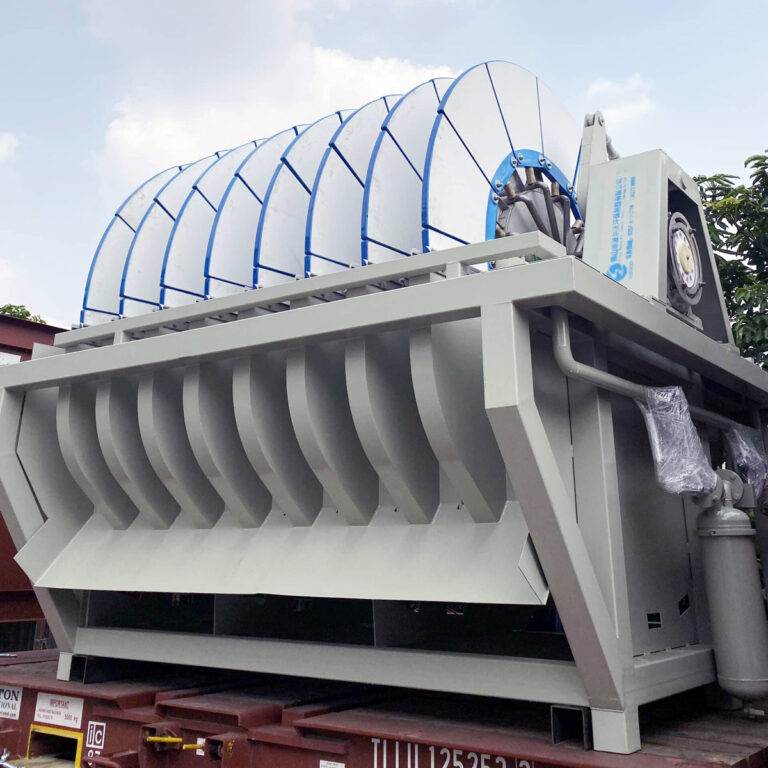
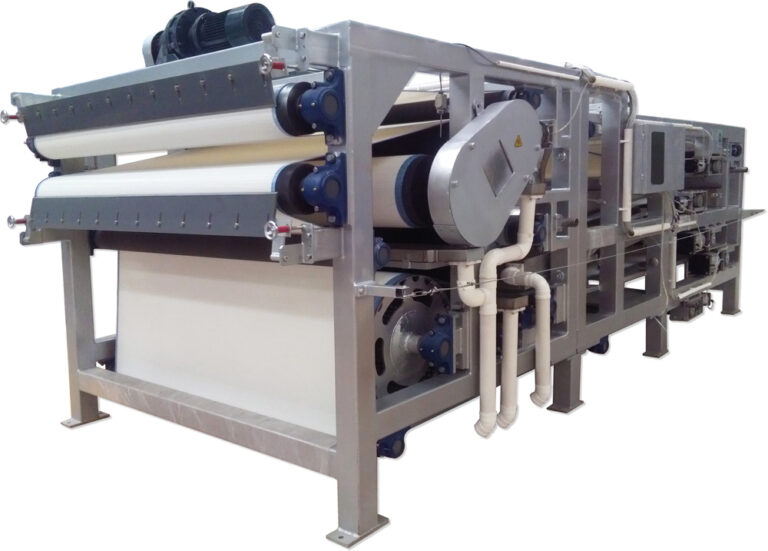
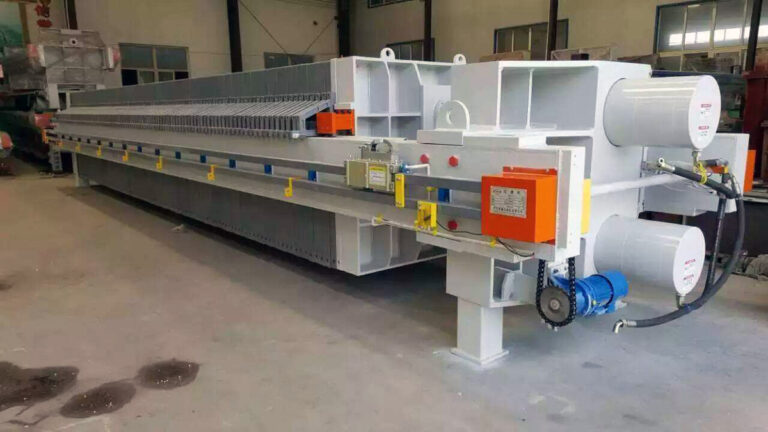
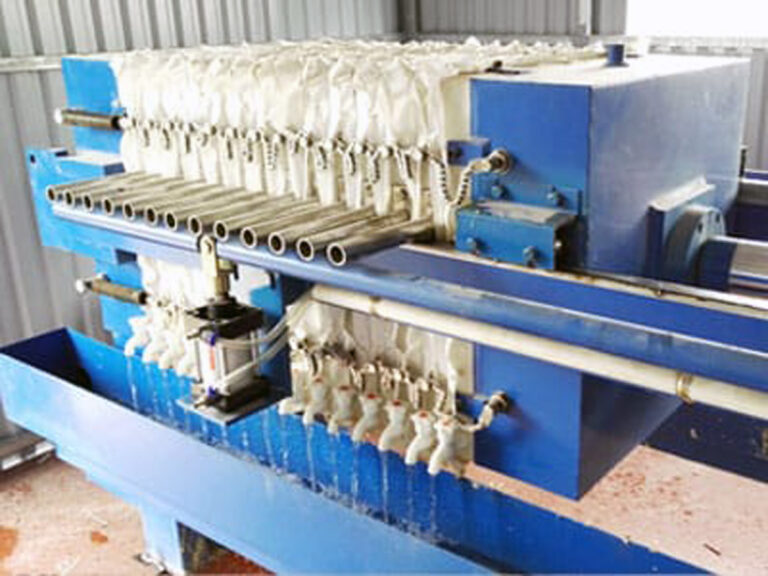
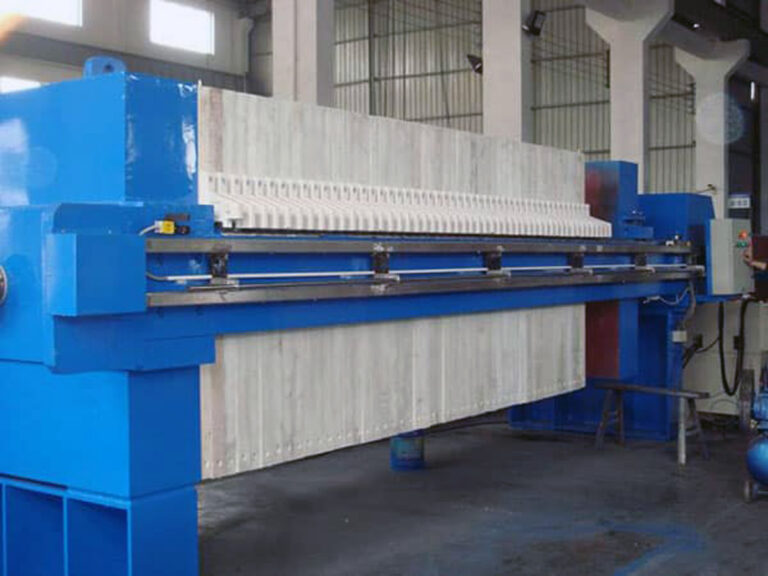
Operasi industri menghadapi tekanan yang meningkat untuk mencapai efisiensi penyaringan yang lebih tinggi sambil mengelola biaya operasional dan kepatuhan terhadap peraturan. Metode filtrasi tradisional sering kali gagal ketika berhadapan dengan bubur yang kompleks, komposisi umpan yang bervariasi, dan persyaratan keluaran yang menuntut. Tanpa pemahaman yang tepat tentang spesifikasi filter press, fasilitas berisiko berinvestasi pada peralatan yang gagal memenuhi kebutuhan operasional spesifik mereka, yang menyebabkan waktu henti yang mahal, kinerja yang tidak optimal, dan pelanggaran peraturan. Panduan komprehensif ini membahas spesifikasi teknis penting, metrik kinerja, dan pertimbangan operasional yang menentukan kemampuan filter press industri, memberikan wawasan berbasis data yang diperlukan untuk pemilihan dan pengoptimalan peralatan yang tepat.
Apa Saja Spesifikasi Filter Press dan Mengapa Itu Penting?
Spesifikasi filter press mewakili parameter teknis yang menentukan kemampuan operasional sistem, batas efisiensi, dan karakteristik kinerja. Spesifikasi ini berfungsi sebagai dasar untuk pemilihan peralatan, optimalisasi proses, dan perencanaan operasional jangka panjang. Memahami parameter ini sangat penting karena secara langsung berdampak pada efisiensi penyaringan, biaya operasional, dan kepatuhan terhadap peraturan.
Kategori Spesifikasi Inti
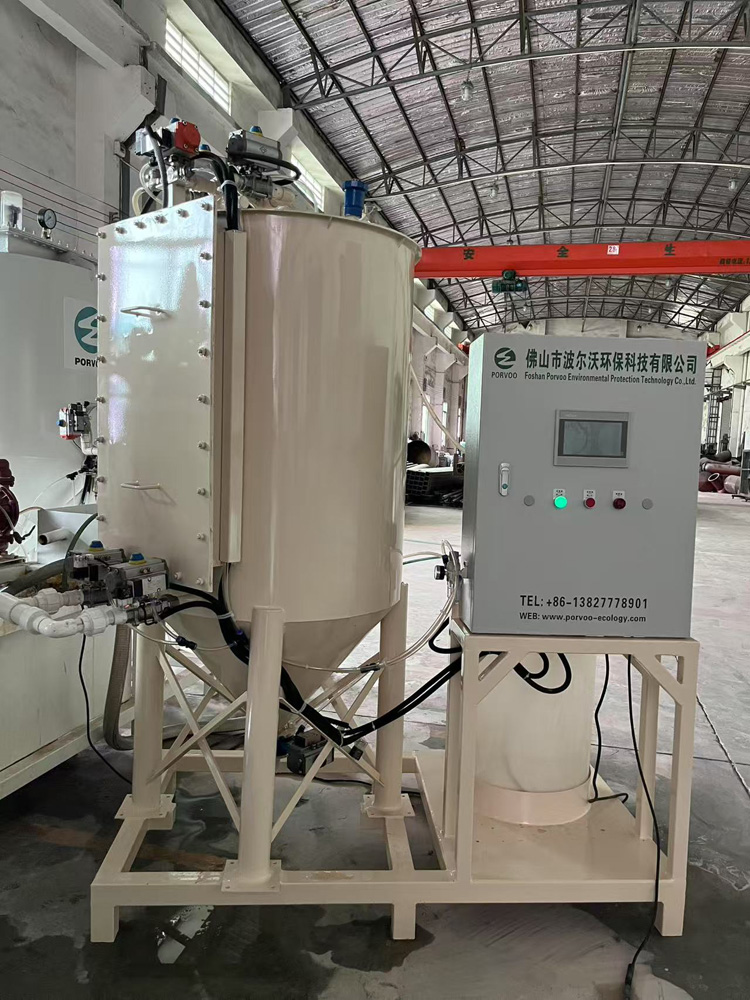
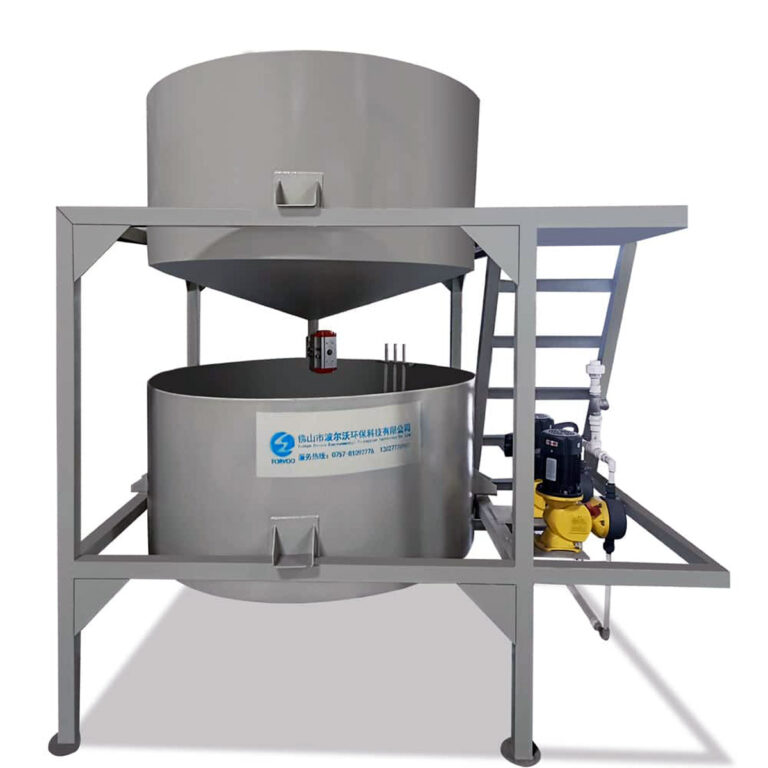
Kategori spesifikasi utama meliputi kapasitas filtrasi, peringkat tekanan, kemampuan ketebalan cake, dan parameter waktu siklus. PORVOO‘Sistem filtrasi industri menunjukkan bagaimana spesifikasi ini diterjemahkan ke dalam kinerja dunia nyata. Kapasitas filtrasi, biasanya diukur dalam meter kubik per jam, menentukan potensi hasil dan secara langsung memengaruhi penjadwalan produksi. Peringkat tekanan, mulai dari 6 hingga 25 bar di sebagian besar aplikasi industri, memengaruhi kecepatan filtrasi dan tingkat kekeringan kue.
Spesifikasi ketebalan kue, biasanya antara 15-50mm, memengaruhi frekuensi siklus dan persyaratan penanganan. Sistem modern mencapai tingkat kelembapan cake serendah 15-20%, yang secara signifikan memengaruhi biaya pemrosesan hilir. Spesifikasi ini bukanlah angka sembarangan - spesifikasi ini mewakili batas teknik yang menentukan apakah suatu sistem dapat menangani aplikasi tertentu secara efektif.
Dampak terhadap Kinerja Operasional
Spesifikasi filter press berkorelasi langsung dengan efisiensi operasional dan efektivitas biaya. Peringkat tekanan yang lebih tinggi umumnya memungkinkan siklus filtrasi yang lebih cepat dan cake yang lebih kering, tetapi membutuhkan konstruksi yang lebih kuat dan konsumsi energi yang lebih tinggi. Keseimbangan spesifikasi mempengaruhi investasi modal dan biaya operasional selama siklus hidup peralatan.
| Jenis Spesifikasi | Kisaran Khas | Dampak pada Operasi |
|---|---|---|
| Tekanan Operasi | 6-25 bar | Kecepatan filtrasi, kekeringan kue |
| Area Filtrasi | 10-2000 m² | Kapasitas keluaran |
| Ketebalan Kue | 15-50 mm | Frekuensi siklus, penanganan |
| Waktu Siklus | 30-240 menit | Penjadwalan produksi |
Bagaimana Cara Mengevaluasi Metrik Kinerja Filter Press Industri?
Evaluasi kinerja memerlukan analisis beberapa metrik yang saling berhubungan yang secara kolektif menentukan efektivitas sistem. Spesifikasi pers filter industri mencakup parameter desain statis dan karakteristik operasional dinamis yang bervariasi sesuai dengan kondisi proses dan praktik pemeliharaan.
Metrik Efisiensi Filtrasi
Metrik efisiensi utama meliputi laju filtrasi (m³/jam/m²), kadar air kue (%), dan efisiensi penangkapan padatan (%). Studi industri menunjukkan bahwa sistem yang dioptimalkan dengan baik mencapai tingkat penangkapan padatan yang melebihi 99,5% sambil mempertahankan tingkat kelembapan cake yang konsisten. Namun, metrik ini saling bergantung-mengoptimalkan laju filtrasi maksimum dapat mengganggu kekeringan kue, sehingga membutuhkan keseimbangan yang cermat berdasarkan persyaratan pemrosesan hilir.
Laju filtrasi biasanya menurun sepanjang siklus seiring bertambahnya ketebalan cake, mengikuti hubungan matematis yang dapat diprediksi. Laju awal 100-300 L/jam/m² adalah hal yang umum, turun menjadi 20-50 L/jam/m² saat pembentukan cake berlangsung. Memahami kurva laju ini memungkinkan prediksi waktu siklus dan perencanaan kapasitas yang akurat.
Konsumsi dan Efisiensi Energi
Metrik konsumsi energi mengungkapkan implikasi biaya operasional yang sering diabaikan selama pemilihan peralatan awal. Mesin penyaring modern mengkonsumsi 0,5-2,0 kWh per meter kubik filtrat, dengan sistem membran di ujung yang lebih tinggi karena persyaratan siklus pemerasan. Namun, investasi energi tambahan ini biasanya mengurangi kelembaban cake sebesar 3-8%, yang secara signifikan berdampak pada biaya pembuangan dan efisiensi pemrosesan hilir.
Spesifikasi Teknis Apa yang Menentukan Kemampuan Press Filter Membran?
Spesifikasi pers filter membran memperkenalkan kompleksitas tambahan melalui filtrasi dua fase dan kemampuan pengeringan mekanis. Sistem ini menggunakan membran fleksibel yang memberikan tekanan tambahan selama fase pemerasan, sehingga menghasilkan kekeringan kue yang lebih unggul dibandingkan dengan sistem pelat konvensional.
Parameter Sistem Membran
Tekanan inflasi membran biasanya berkisar antara 8-16 bar, diterapkan setelah pembentukan cake awal. Fase tekanan sekunder ini mengurangi kadar air cake sebesar 15-30% dibandingkan dengan sistem konvensional. Spesifikasi bahan membran mempengaruhi kinerja dan umur panjang - membran karet nitril menawarkan ketahanan terhadap bahan kimia, sementara poliuretan memberikan fleksibilitas dan siklus hidup yang unggul.
Durasi siklus pemerasan memengaruhi kelembapan kue akhir, tetapi memperpanjang waktu siklus secara keseluruhan. Waktu pemerasan yang optimal berkisar antara 10-30 menit, tergantung pada permeabilitas kue dan target kelembapan. Pengalaman industri menunjukkan bahwa sistem membran canggih mencapai tingkat kelembapan kue di bawah 20% secara konsisten, dibandingkan dengan 25-35% untuk sistem konvensional.
Sistem Kontrol Tingkat Lanjut
Sistem membran modern menggabungkan algoritme kontrol canggih yang mengoptimalkan profil tekanan pemerasan berdasarkan pemantauan pembentukan cake secara real-time. Sistem ini menyesuaikan laju kenaikan tekanan, waktu penahanan, dan urutan pelepasan untuk memaksimalkan efisiensi pengurasan sekaligus mencegah kerusakan membran.
Fitur Press Filter Plat Mana yang Berdampak pada Efisiensi Operasional?
Fitur-fitur pers filter pelat secara signifikan memengaruhi efisiensi operasional, persyaratan pemeliharaan, dan keandalan jangka panjang. Elemen desain seperti konstruksi pelat, sistem penyegelan, dan mekanisme pelepasan secara langsung memengaruhi kinerja dan biaya operasional.
Konstruksi dan Bahan Pelat
Bahan konstruksi pelat memengaruhi kompatibilitas bahan kimia dan daya tahan mekanis. Pelat polipropilena menawarkan ketahanan kimia yang sangat baik dan bobot yang lebih ringan, sementara besi cor memberikan kekuatan mekanis yang unggul untuk aplikasi tekanan tinggi. Spesifikasi ketebalan pelat, biasanya 30-80mm, memengaruhi integritas struktural dan karakteristik perpindahan panas.
Desain permukaan pelat mempengaruhi efisiensi penyaringan dan karakteristik pelepasan kue. Permukaan piramidal dan bergaris memberikan distribusi aliran yang optimal dan dukungan cake. Spesifikasi kekasaran permukaan memengaruhi laju filtrasi dan daya rekat cake-permukaan yang lebih halus memudahkan pelepasan cake tetapi dapat mengurangi efisiensi filtrasi.
Sistem Penyegelan dan Penutupan
Sealing system specifications determine both operational reliability and maintenance requirements. Modern systems utilize either hydraulic or mechanical closure mechanisms, each with specific advantages. Hydraulic systems provide precise pressure control and automated operation but require additional maintenance complexity.
| Feature Category | Conventional Design | Advanced Design | Dampak Kinerja |
|---|---|---|---|
| Bahan Piring | Cast Iron | Polypropylene/Composite | Weight, corrosion resistance |
| Sealing System | Manual | Automated hydraulic | Cycle time, consistency |
| Discharge Method | Manual | Automated shaker | Labor, cycle time |
How Do Filter Press Specifications Affect Different Industries?
Industry-specific requirements significantly influence specification priorities and performance expectations. Mining applications prioritize high-pressure capability and abrasion resistance, while pharmaceutical operations emphasize sanitary design and precise control capabilities.
Mining and Minerals Processing
Mining applications typically require robust construction and high-pressure capabilities to handle abrasive slurries with variable characteristics. Specifications emphasize durability and throughput capacity over precision control. Operating pressures of 15-25 bar are common, with filtration areas ranging from 100-2000 m².
In our experience working with mining operations, cake thickness specifications of 40-50mm optimize cycle efficiency while maintaining acceptable handling characteristics. However, these thick cakes require robust plate construction and powerful hydraulic systems for effective opening and closing cycles.
Chemical and Pharmaceutical Industries
Chemical processing applications demand precise control capabilities and sanitary design features. Filter press technical data for these applications emphasizes contamination prevention, cleaning validation, and process repeatability. Specifications include surface finish requirements, drainage system design, and automation capabilities.
Pharmaceutical applications require additional specifications for FDA compliance, including material certifications, surface finish standards, and cleaning validation protocols. These requirements often increase system complexity and cost but are essential for regulatory compliance.
What Performance Data Should You Analyze Before Purchase?
Comprehensive performance analysis requires examining both manufacturer specifications and independent performance data from similar applications. Critical data points include actual vs. theoretical capacity, energy consumption patterns, and maintenance requirements under various operating conditions.
Real-World Performance Validation
Manufacturer specifications provide baseline capabilities, but real-world performance varies significantly based on application conditions. Slurry characteristics, operating procedures, and maintenance practices all influence actual performance. Industry studies indicate that actual throughput typically ranges from 70-90% of theoretical capacity during normal operations.
Performance validation should include data from multiple operating conditions, including startup, steady-state, and variable feed scenarios. Professional filtration systems provide comprehensive performance documentation that enables accurate capacity planning and operational optimization.
Lifecycle Cost Analysis
Total cost of ownership extends far beyond initial purchase price, encompassing energy consumption, maintenance requirements, and replacement part costs. Energy costs typically represent 20-40% of operational expenses, while maintenance and parts account for another 15-25%.
Performance data should include filter cloth life expectancy, plate replacement schedules, and hydraulic system maintenance requirements. These factors significantly impact operational costs and should be weighted heavily in equipment selection decisions.
How to Optimize Filter Press Operations Based on Technical Specifications?
Operational optimization requires understanding the relationships between specifications, process variables, and performance outcomes. Effective optimization strategies leverage technical specifications to maximize efficiency while minimizing operational costs and maintenance requirements.
Pengoptimalan Parameter Proses
Filter press optimization involves balancing multiple variables including feed rate, pressure profiles, and cycle timing. Specifications provide the operational limits within which these parameters can be adjusted. For example, maximum pressure ratings determine the feasible pressure ramp rates and hold times.
Cycle optimization typically involves adjusting three key parameters: initial filtration time, squeeze pressure duration, and cake discharge methods. Our analysis of industrial installations shows that proper cycle optimization can improve throughput by 15-25% while reducing energy consumption by 10-20%.
Maintenance Strategy Development
Technical specifications guide maintenance strategy development by identifying critical wear points and service intervals. High-pressure systems require more frequent hydraulic system maintenance, while automated systems need regular control system calibration and sensor verification.
Predictive maintenance strategies leverage specification data to identify optimal service intervals and replacement schedules. Filter cloth replacement based on pressure differential trends, rather than fixed schedules, can extend service life by 20-30% while maintaining performance standards.
Understanding filter press specifications enables informed equipment selection and operational optimization that directly impacts both performance and profitability. The technical parameters discussed here provide the foundation for evaluating system capabilities, comparing alternatives, and developing effective operational strategies. Modern industrial operations require sophisticated filtration solutions that balance efficiency, reliability, and cost-effectiveness—goals achievable only through comprehensive understanding of the specifications that define system capabilities. For facilities considering filtration system upgrades or new installations, thorough analysis of these specifications ensures optimal equipment selection and long-term operational success.
Pertanyaan yang Sering Diajukan
Q: What are the main specifications of an industrial filter press?
A: An industrial filter press is defined by several core specifications that ensure efficient solid-liquid separation. Key specifications include filtration area (in square meters), chamber volume, plate size and configuration, operating pressure, and material construction. Plate configuration (recessed, membrane, or plate-and-frame) affects dewatering efficiency and maintenance. Operating pressure—usually ranging from 10 to 30 bar—impacts cake dryness. Material construction options, such as stainless steel or coated plates, are selected for chemical compatibility and wear resistance. Advanced industrial filter press specifications often include automation features and integration with control systems for consistent performance.
Q: What are the most important performance metrics for an industrial filter press?
A: The most critical performance metrics for an industrial filter press are:
- Filtration cycle time: The total time to complete a filtration cycle (typically 30–60 minutes).
- Cake moisture content: The percentage of moisture remaining in the filter cake (often targeted at 20–30%).
- Filtrate clarity: Measured by turbidity or suspended solids content, indicating separation efficiency.
- Throughput: The volume of slurry processed per hour (commonly 1000–2000 liters/hour).
These metrics help operators monitor efficiency, optimize operations, and ensure consistent output quality.
Q: How is the filtration area required for an industrial filter press calculated?
A: The required filtration area for an industrial filter press is calculated using the formula:
[
A = \frac{V \times C}{\rho \times t \times \eta}
]
where (A) is the filtration area, (V) is the feed volume, (C) is the solids concentration, (\rho) is the cake density, (t) is the cycle time, and (\eta) is the efficiency factor. This calculation ensures that the filter press can handle the desired throughput while maintaining optimal process efficiency.
Q: How do you select the right industrial filter press for your application?
A: Selecting the right industrial filter press involves considering several factors:
- Throughput requirements: Determine the volume of slurry to be processed.
- Feed characteristics: Assess the solids content, particle size, and chemical compatibility.
- Cycle time constraints: Identify acceptable filtration, washing, and cake discharge times.
- Plate and chamber design: Choose between recessed, membrane, or plate-and-frame plates based on dewatering needs.
- Material construction: Select materials (e.g., stainless steel, polypropylene) based on chemical resistance and durability needs.
These considerations ensure the industrial filter press specifications and performance metrics align with your process requirements.
Q: What impact does operating pressure have on industrial filter press performance metrics?
A: Operating pressure is a vital factor influencing industrial filter press performance metrics. Higher pressure improves cake dryness by reducing residual moisture content, but it also increases wear on components and energy consumption. Maintaining pressure within the manufacturer’s recommended range is essential for both process efficiency and equipment longevity. Over-pressurizing can lead to plate wear or failure, while insufficient pressure may result in cakes that are too wet or slow filtration rates.
Q: What are the key design and maintenance considerations for reliable industrial filter press operation?
A: Reliable operation of an industrial filter press depends on thoughtful design and maintenance choices:
- Automation level: Automated controls reduce labor and improve consistency.
- Hydraulic system: Ensure hydraulic specifications match cycle frequency and pressure demands.
- Plate and frame material: Select materials resistant to chemical attack and abrasion.
- Maintenance: Regular inspection and replacement of filter cloths, seals, and plates prevent downtime and maintain performance.
- Integrations: Proper integration with control systems and utilities ensures smooth operation.
These considerations help maintain optimal industrial filter press specifications and performance metrics over time.
Sumber Daya Eksternal
- Filter Press Performance Monitoring: Key Metrics – porvoo – Explores key performance indicators for industrial filter presses such as filtration cycle time, cake moisture content, filtrate clarity, and throughput, with target values and descriptions for each metric.
- How to size a filter press for industrial applications – Roxia – Provides detailed specifications and calculation methods for determining filter press capacity, filtration area, cycle time, and essential design considerations for industrial environments.
- Fully automated Filter Presses – Putsch USA (PDF) – Presents technical specifications for industrial filter presses, including plate sizes, chamber depths, filter area, press volume, number of chambers, and operating pressures.
- J-PRESS® SIDEBAR FILTER PRESS – Integral Process Equipment (PDF) – Offers an overview of engineered performance features and specifications for J-Press sidebar filter presses, covering hydraulic systems, expandability, and automation options.
- OPTIMIZE EFFICIENCY AND MAXIMIZE YOUR PROFIT – ANDRITZ (PDF) – Focuses on monitoring and optimizing filter press efficiency using sensors and control systems, detailing approaches to improve cycle times and overall performance.
- Filter Presses: Operation, Maintenance, and Specification – Filtration + Separation – Discusses industrial filter press specifications, operational parameters, key performance indicators, and best practices for maintenance and optimization.