Selecting the right dust collection system is a critical capital decision for any woodworking facility. The choice between a baghouse and a cartridge collector directly impacts long-term operational costs, maintenance schedules, and shop safety. Many professionals base this decision on initial price or footprint alone, overlooking the technical nuances that determine total cost of ownership and sustained performance.
Accurate system sizing is the non-negotiable foundation. A collector that is undersized for your CFM and static pressure requirements will fail to protect health and equipment, regardless of its type. This article provides a technical framework for calculating your needs and comparing the operational realities of baghouse versus cartridge systems, moving beyond spec sheets to practical implementation.
Baghouse vs Cartridge: Core Technical Differences Explained
The Filtration Mechanism
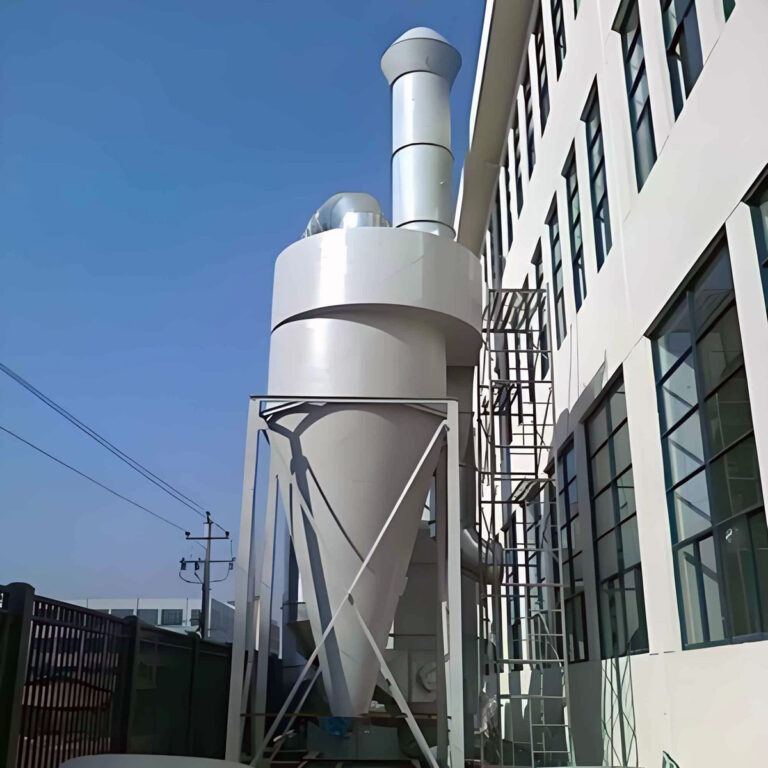
The primary distinction is the filtration sequence. A baghouse system typically employs a cyclone pre-separator, using centrifugal force to remove 90-99% of bulk material before the airstream reaches the final fabric filter bags. This pre-separation is a strategic design element, not an optional accessory. It prevents rapid filter clogging and is essential for maintaining stable, long-term airflow. In contrast, a cartridge collector directs the entire, unfiltered airstream into pleated filter media. While this allows for a more compact design, it places the full dust load directly onto the filter surface.
Operational and Design Implications
This fundamental difference dictates operational behavior. The baghouse’s two-stage design inherently protects its final filters, leading to longer intervals between cleaning cycles and more consistent CFM. The cartridge system relies on its reverse-pulse cleaning mechanism to dislodge dust from the pleats. Industry experts note that without pre-separation, cartridge filters handling high-volume debris are susceptible to “blinding,” where dust is driven deep into the media, causing a sharp, irreversible drop in airflow and triggering frequent, inefficient cleaning pulses.
The Strategic Inference
The mandatory inclusion of a robust cyclone stage is a pivotal factor that transcends the simple baghouse vs. cartridge debate. It is a critical investment in system longevity and filter protection. A common, easily overlooked detail is that a cartridge system can be paired with a pre-separator, but this often negates its compact size advantage. The core takeaway is that pre-separation is not just about collecting chips; it’s the primary defense for sustaining your system’s performance and controlling its total cost of ownership.
How to Calculate Your Woodshop’s Required CFM & Static Pressure
Determining Your System CFM
Accurate sizing begins with the required Cubic Feet per Minute (CFM). You must identify the CFM requirement for each machine, preferably from manufacturer manuals. The standard practice is to size for the largest single-tool CFM, assuming operation of one machine at a time via blast gates. This “one tool at a time” rule simplifies initial sizing but strategically limits simultaneous multi-station work. Facilities needing concurrent operation must size for the combined CFM of all operating tools, which significantly increases system cost and complexity.
Calculating Static Pressure Loss
With a target CFM established, you must calculate the system’s static pressure (SP) loss—the resistance in your ductwork measured in inches of water column. This is the true performance bottleneck. Manufacturer CFM ratings at zero SP are marketing figures, not operational reality. You calculate SP loss for the longest duct run by summing the equivalent length of all pipes, elbows, wyes, and other fittings. Flexible hose and sharp 90-degree bends create disproportionate resistance; their use must be minimized in your design to preserve usable airflow.
The following table outlines the key parameters for this calculation.
Key Sizing Parameters
| Parameter | Metrik Utama | Calculation Basis |
|---|---|---|
| System CFM | Largest single tool | One-tool-at-a-time operation |
| Duct Velocity | 4,000 FPM minimum | Maintains particle transport |
| Static Pressure (SP) | Inches of water column | Sum of duct/fitting resistance |
| Flexible Hose | High SP loss | Minimize use in design |
| Final Spec | X CFM at Y” SP | Collector performance requirement |
Sumber: Dokumentasi teknis dan spesifikasi industri.
Defining the Final Performance Spec
Your final specification is a collector capable of delivering X CFM at Y inches of SP. This two-number requirement allows you to evaluate any unit against its true performance curve. In our experience consulting with shops, the most common failure point is selecting a collector with a high “free air” CFM but insufficient static pressure capability, resulting in an underperforming system that cannot overcome ductwork resistance.
Cost Comparison: Baghouse vs Cartridge System Investment & TCO
Upfront Investment Analysis
Initial cost varies, but the true financial picture is revealed in the Total Cost of Ownership (TCO). Baghouse systems with integrated cyclones often command a higher upfront cost due to their two-stage design and larger physical footprint. Cartridge systems may have a lower initial price point and valued compact size. However, focusing solely on purchase price is a critical mistake. The inference that integrated system design services are becoming a key differentiator is crucial; a poorly sized system of either type, leading to premature failure or costly upgrades, represents the most significant financial risk.
Long-Term Operational Costs
The TCO divergence is driven by filter life and maintenance labor. The baghouse’s pre-separation dramatically extends final filter life and reduces cleaning frequency, lowering long-term filter replacement and labor costs. Cartridge systems risk a higher TCO when handling high-volume or coarse debris, which can rapidly blind filters. This leads to more frequent, costly filter changes and potential CFM loss that directly affects productivity. We compared lifecycle costs for similar-sized shops and found that for high-chip-volume operations, the baghouse’s lower TCO often offset its higher initial investment within 3-5 years.
The table below breaks down the cost factors.
| Faktor Biaya | Baghouse with Cyclone | Cartridge System |
|---|---|---|
| Investasi Awal | Biaya di muka yang lebih tinggi | Lower initial price |
| Long-term Filter Cost | Lower replacement frequency | Higher replacement frequency |
| Labor & Maintenance | Lower cleaning frequency | Siklus pembersihan yang lebih sering |
| Total Biaya Kepemilikan (TCO) | Lebih rendah untuk puing-puing bervolume tinggi | Risiko yang lebih tinggi untuk puing-puing kasar |
| Risiko Biaya Utama | Ukuran sistem yang buruk | Filter yang menyilaukan secara prematur |
Sumber: Dokumentasi teknis dan spesifikasi industri.
Perbandingan Kinerja: Siklus Stabilitas, Filtrasi, & Pemeliharaan CFM
Konsistensi Aliran Udara dari Waktu ke Waktu
Stabilitas kinerja adalah perbedaan yang paling mencolok dari sistem ini. Baghouse yang dirancang dengan baik dengan siklon mempertahankan CFM yang lebih konsisten dalam jangka waktu yang lama karena pemisah utama menangani material curah. Hal ini mencegah filter halus dari pemuatan yang cepat, sehingga menghasilkan interval yang lebih lama dan lebih dapat diprediksi antara siklus pembersihan filter. Filter cartridge, meskipun memiliki luas permukaan lipit yang besar, rentan terhadap pembutakan jika kelebihan beban. Hal ini menyebabkan CFM turun secara tajam, memicu pulsa pembersihan yang sering yang mungkin tidak sepenuhnya memulihkan aliran udara, yang mengarah ke siklus penurunan kinerja.
Efisiensi dan Keberlanjutan Filtrasi
Untuk efisiensi penyaringan akhir, kedua sistem dapat mencapai tingkat yang tinggi (misalnya, HEPA) dengan media modern ketika dipelihara dengan benar. Perbedaan penting adalah keberlanjutan. Pemisahan awal baghouse sangat penting untuk kinerja filter yang berkelanjutan, memastikan filter dapat mempertahankan peringkat efisiensinya selama masa pakai yang lebih lama tanpa menjadi titik pengumpulan utama untuk serpihan dan serutan. Media kartrid dapat menawarkan resistensi awal yang rendah tetapi secara langsung dan segera dipengaruhi oleh beban debu penuh.
Perbandingan performa dirangkum di bawah ini.
| Metrik Kinerja | Baghouse with Cyclone | Cartridge System |
|---|---|---|
| Stabilitas CFM dari Waktu ke Waktu | Aliran udara yang lebih konsisten | Rentan terhadap tetesan air yang tajam |
| Penanganan Puing Primer | Pemisah awal siklon (90-99%) | Langsung ke media filter |
| Frekuensi Pembersihan Filter | Interval yang lebih lama | Pembersihan denyut nadi yang sering |
| Potensi Filtrasi Halus | Dapat mencapai tingkat HEPA | Dapat mencapai tingkat HEPA |
| Efisiensi yang Berkelanjutan | Dilindungi oleh pra-pemisahan | Dipengaruhi secara langsung oleh beban |
Sumber: ISO 16890 Filter udara untuk ventilasi umum. Standar ini menyediakan metode pengujian efisiensi berbasis ukuran partikel (misalnya, untuk PM1, PM2.5, PM10) yang relevan untuk menilai media penyaringan tahap akhir pada kedua jenis sistem, untuk memastikan bahwa media tersebut memenuhi kualitas udara dan kinerja keselamatan yang diperlukan untuk debu kayu.
Sistem Mana yang Lebih Baik untuk Aplikasi Bervolume Tinggi atau Berdebu Halus?
Sistem Pencocokan dengan Profil Debu
Profil debu aplikasi menentukan pilihan yang optimal. Untuk operasi bervolume tinggi seperti planer, jointer, dan molders yang menghasilkan serpihan dan serutan yang signifikan, baghouse dengan siklon yang kuat lebih unggul. Pemisah secara efisien menyalurkan material curah ini, melindungi filter dan mengurangi waktu henti perawatan. Untuk lingkungan yang didominasi oleh debu halus dari operasi pengamplasan, pengumpul kartrid dengan area filter yang luas bisa sangat efektif, karena partikel halus ditangkap langsung pada media lipit tanpa serpihan besar yang menyebabkan kebutaan.
Kendala Sistem Utama
Wawasan strategis yang penting berlaku untuk kedua skenario: ukuran port alat berat sering kali menjadi kendala sistem utama. Sebagian besar alat dilengkapi dengan port 4″ yang membatasi, yang secara fisik membatasi CFM maksimum yang dapat dicapai terlepas dari daya kolektor. Oleh karena itu, perkuatan alat berat dengan port yang lebih besar sering kali merupakan investasi yang memberikan keuntungan yang lebih tinggi daripada peningkatan kolektor saja. Langkah ini mengurangi kehilangan tekanan statis pada sumbernya dan memungkinkan sistem apa pun - baghouse atau kartrid - untuk beroperasi lebih efisien.
Panduan aplikasi ditunjukkan pada tabel berikut ini.
| Jenis Aplikasi | Sistem yang Direkomendasikan | Dasar Pemikiran Utama |
|---|---|---|
| Keripik Bervolume Tinggi (Ketam, Pencetak) | Baghouse with Cyclone | Pemisahan material curah yang efisien |
| Debu Halus (Operasi Pengamplasan) | Pengumpul Kartrid | Penangkapan media lipit-lipit langsung yang efektif |
| Kendala Sistem Utama | Ukuran port mesin (biasanya 4″) | Membatasi CFM maksimum yang dapat dicapai |
| Peningkatan Hasil Tinggi | Memperbesar port mesin | Lebih berdampak daripada peningkatan kolektor |
| Wawasan Strategis | Pra-pemisahan sangat penting | Melindungi filter, mengurangi waktu henti |
Sumber: Standar NFPA 664 untuk Pencegahan Kebakaran dan Ledakan di Fasilitas Pengolahan Kayu dan Pertukangan Kayu. Standar ini memberikan persyaratan keselamatan yang penting untuk desain sistem pengumpulan debu guna mencegah akumulasi debu berbahaya, yang secara langsung menginformasikan pemilihan sistem dengan ukuran dan penerapan yang tepat (baghouse atau cartridge) untuk profil debu tertentu seperti serpihan bervolume tinggi atau debu halus.
Key Considerations: Space Requirements, Upgrades, & Filter Life
Physical and Operational Constraints
Physical space significantly influences the decision. Baghouse-cyclone combinations require more vertical and floor space, which can be a limiting factor in smaller shops. Cartridge units are valued for their compact, often modular, design. Regarding operational constraints, the market’s spec inflation undermines informed purchasing. A collector advertised with a high “free air” CFM but low static pressure capability will fail to maintain airflow in a real ducted system. This leads to filter overload and shortened life, regardless of whether it’s a baghouse or cartridge type.
The Upgrade Pathway
The interplay between duct size, port size, and collector capability is key for future upgrades. Upgrading to larger main ducting (6″ or 7″) reduces friction loss, but the full benefit is only realized if machine ports are also enlarged and the collector has sufficient static pressure reserve to pull air through these larger openings. Filter life is the ultimate indicator of system health. It is directly tied to system design and the effectiveness of pre-separation. A filter that acts as the primary collector will have a drastically shortened lifespan.
Key comparative considerations are outlined below.
| Pertimbangan | Baghouse System | Cartridge System |
|---|---|---|
| Floor & Vertical Space | Dibutuhkan tapak yang lebih besar | Compact, modular design |
| Ductwork Upgrade Benefit | Requires larger collector SP | Requires larger collector SP |
| Filter Life Driver | Cyclone pre-separation | Direct filter loading |
| Spec Inflation Risk | High “free air” CFM misleading | Low static pressure capability fails |
| Performance Reality Check | Verified performance curve needed | Verified performance curve needed |
Sumber: Dokumentasi teknis dan spesifikasi industri.
Implementation Guide: Using a Sizing Calculator for Your Facility
Inputting Your Shop Data
A practical sizing calculator integrates all previous calculations into an actionable tool. First, input your tool list with each machine’s verified CFM requirement. Second, map your planned ductwork for the longest run, specifying diameters, lengths, and quantifying all fittings (elbows, wyes, reducers). The calculator uses this to determine transport velocity and static pressure loss. This process highlights the strategic need for vendors to offer integrated design services, as proper implementation is complex and high-risk if done incorrectly.
Interpreting the Output
The calculator outputs three critical specifications: your System Required CFM (based on your operational model), the Minimum Duct Sizes needed to maintain transport velocity (typically 4,000 FPM in branches), and the Total System Static Pressure Loss. The final, actionable output is a performance specification: “Requires a collector capable of delivering X CFM at Y inches of SP.” This precise language allows you to bypass marketing claims and evaluate any unit against its published performance curve, ensuring the selected equipment can meet the real-world demands of your facility’s layout.
Decision Framework: Selecting the Right System for Your Needs
Evaluating Against Core Benchmarks
Selecting the right system requires a structured evaluation of your specific constraints. Start with your calculated CFM and SP requirement as non-negotiable technical benchmarks. Any collector that cannot meet this performance curve at its operating point should be eliminated. Then, layer in your facility’s physical constraints: if vertical space is ample, a baghouse cyclone offers proven long-term maintenance advantages. If floor space is at a premium, a cartridge system may be the necessary choice.
Incorporating Operational and Future Factors
Next, evaluate your dust profile. High-volume chip producers strongly favor baghouses, while fine-dust shops can effectively utilize cartridges. Honestly assess your operational style and willingness to invest in machine upgrades like port enlargement, which can improve any system’s efficiency. Finally, consider future trends like sensor-driven monitoring, which can automate maintenance for both system types. The final step is supplier selection. Choose a partner that provides verified performance curves and, ideally, professional design support. This ensures your investment in a dust collection system delivers clean air, protects health and equipment, and provides a clear return for years to come.
Your calculated CFM and static pressure requirements form the non-negotiable foundation. Layer your specific dust profile, space constraints, and operational goals onto this foundation to guide the choice between a baghouse’s long-term stability and a cartridge system’s compact footprint. The highest-return action is often enlarging machine ports before upgrading the collector itself.
Need professional support to size and specify the right system for your facility? The engineering team at PORVOO can provide a detailed analysis based on your shop layout and equipment list. For a direct consultation, you can also Hubungi Kami.
Pertanyaan yang Sering Diajukan
Q: How do you accurately size a dust collector’s CFM and static pressure for a woodshop?
A: Determine the required CFM based on your largest single machine’s rating, assuming one tool operates at a time via blast gates. The critical specification is the static pressure (SP) loss, calculated by summing resistance from the longest duct run, including all fittings and flexible hose. Your final requirement is a collector that can deliver your target CFM at the calculated SP, not just a high “free air” CFM. This means you must map your entire duct system before selecting a unit to avoid underperformance.
Q: What are the key operational differences between baghouse and cartridge dust collectors?
A: The core difference is in pre-separation. A baghouse system typically uses a cyclone to remove over 90% of bulk material before air reaches the final fabric filters, protecting them from rapid clogging. A cartridge collector directs the full dust load into its pleated media, relying on pulses to clean it. This design distinction makes the baghouse’s cyclone stage essential for maintaining stable CFM and extending filter life in high-volume applications. For projects where machines produce significant chips and shavings, the baghouse’s two-stage design is a superior choice for long-term reliability.
Q: Which dust collection system offers a better total cost of ownership for a high-volume shop?
A: A baghouse with an integrated cyclone generally provides a lower total cost of ownership despite a higher initial investment. The pre-separator handles the bulk of debris, dramatically extending the life of the final filters and reducing replacement frequency and associated labor. Cartridge systems, while often more compact upfront, can incur higher long-term costs if overloaded with coarse material, leading to frequent, expensive filter changes and potential CFM loss. If your operation runs planers or molders continuously, you should prioritize the baghouse-cyclone combination for its sustained performance and lower maintenance costs.
Q: How do fire safety standards like NFPA 664 influence dust collection system design?
A: NFPA 664 mandates specific design, installation, and maintenance practices for wood dust collection to prevent fires and explosions. It addresses critical factors like maintaining adequate transport velocity (typically 4,000 FPM in branch lines) to prevent hazardous dust accumulation in ducts and specifying safe system components. Adherence to this standard is non-negotiable for determining safe system parameters. This means your sizing calculations and equipment selection must ensure your system meets these safety benchmarks to protect your facility and personnel.
Q: What is the most common mistake when upgrading an existing dust collection system?
A: The most frequent error is upgrading the collector or main ducting without addressing restrictive machine port sizes. Most tools have 4″ ports that limit maximum achievable CFM, creating a bottleneck. Enlarging these ports is often a higher-return investment than a collector upgrade alone, as it reduces system resistance and allows the new equipment to perform as designed. If your goal is to improve airflow, plan for machine port modifications in tandem with any collector or ductwork changes to realize the full benefit.
Q: How do international filter standards like ISO 16890 apply to wood dust collection?
A: ISO 16890 provides a global framework for rating air filter efficiency based on particle size (PM1, PM2.5, PM10). This standard helps you select final-stage filtration media that can effectively capture the specific fine particulate matter generated in your shop, ensuring it meets required air quality and safety performance levels. While not wood-specific, it offers a critical, comparable metric for filter selection. This means you should evaluate cartridge or baghouse filter media against this standard to verify its suitability for your dust profile.
Q: When should a facility consider a cartridge collector over a baghouse system?
A: A cartridge system is a strong candidate for shops dominated by fine dust from sanding operations, where its large pleated surface area can capture particles effectively. Its compact, modular design also suits facilities with severe space constraints where a baghouse-cyclone’s footprint is prohibitive. However, its performance relies on not being overloaded with chips. If your operation focuses on fine finishing work and has limited floor space, a properly sized cartridge collector can be an effective solution, provided you manage bulk waste separately.