Ceramic tile manufacturing generates wastewater laden with suspended solids—clay, silica, glaze residues. Traditional chemical coagulation creates a secondary waste stream: chemical sludge. This liability complicates disposal, increases operational costs, and contradicts sustainability goals. A purely physical separation method that eliminates flocculants is not just an operational preference but a strategic necessity for modern facilities aiming to close water loops and reduce environmental impact.
The shift toward chemical-free treatment is accelerating due to tightening effluent regulations and the economic burden of sludge handling. Nanofiltration technology, particularly using ceramic membranes, offers a pathway to achieve this. Understanding its technical process, operational trade-offs, and system design is critical for engineers and plant managers evaluating long-term wastewater strategy.
How Ceramic Nanofiltration Works Without Chemicals
The Physical Separation Mechanism
Ceramic nanofiltration operates on size exclusion. Inorganic membranes with precisely engineered pores between 1-10 nanometers act as a physical barrier. Under pressure, water and dissolved ions pass through, while suspended and colloidal solids are retained. The system’s effectiveness hinges on a cross-flow configuration, where feed flows tangentially across the membrane surface. This generates critical shear forces that continuously scour away accumulating particles, preventing the formation of a dense cake layer that would typically require chemical coagulants to manage.
Material Robustness as a Foundation
The inherent properties of ceramic materials—alumina, titania, silicon carbide—enable this chemical-free approach. They are mechanically robust, abrasion-resistant, and stable across a wide pH range. This allows the system to handle the harsh, often extreme pH and abrasive particulate nature of tile wastewater without degradation. From my experience commissioning these systems, this material integrity is non-negotiable; a membrane that cannot withstand the feed chemistry will fail, regardless of its theoretical separation capability.
Core Principles of Chemical-Free Nanofiltration
Beyond Size Exclusion: Electrostatic Enhancement
The core separation is physical, but surface charge interactions significantly enhance performance. Ceramic membranes possess a surface zeta potential that can electrostatically repel similarly charged colloidal particles. This charge repulsion increases rejection efficiency for particles marginally smaller than the membrane pores, providing a buffer that maintains high water quality without additives. It’s a principle easily overlooked during technology selection, where focus often remains solely on nominal pore size.
Active Hydraulic Fouling Control
The absence of flocculants shifts fouling management from chemical to hydraulic strategies. The primary tool is maintaining a high cross-flow velocity to sustain turbulent flow and surface shear. This actively disrupts concentration polarization—the buildup of rejected solutes at the membrane surface. According to operational data, real-time management of transmembrane pressure (TMP) is essential here. A rising TMP indicates fouling, but a controlled increase can also be leveraged to maintain separation efficiency above 92% despite natural flux variations, optimizing the trade-off between processing speed and membrane longevity.
Technical Process & System Configuration
System Components and Flow Path
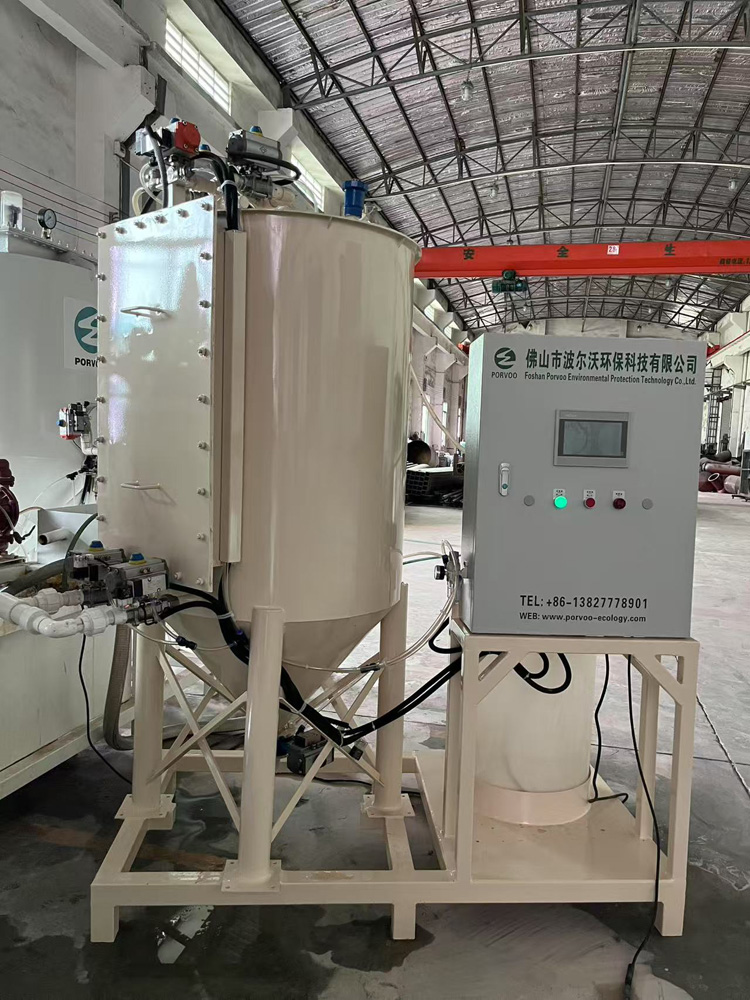
A standard configuration employs tubular or monolithic ceramic modules arranged in a pressurized rack. Feed wastewater is pumped into the modules at 3-10 bar. Clean permeate is collected, while concentrated retentate is recirculated or sent for further dewatering. This closed-loop, cross-flow design is fundamental. Industry experts recommend that during commissioning, pilot testing must use actual tile effluent, not just clean water. Membrane performance is highly contaminant-specific; a membrane with high pure water flux may demonstrate poor rejection with real wastewater, making on-site validation non-negotiable for accurate system design.
The Cleaning and Maintenance Cycle
Fouling control is integrated into the process via automated physical back-pulsing using air or permeate. For periodic restoration, an isolated Cleaning-in-Place (CIP) system is used. While CIP may employ acidic or alkaline solutions, these chemicals are contained and not introduced into the main treatment stream, preserving the chemical-free nature of the core process.
Key System Parameters
The table below outlines the core components and parameters that define the system’s operation.
| Komponen | Parameter / Range | Key Function |
|---|---|---|
| Membrane Pore Size | 1-10 nm | Physical solids barrier |
| Tekanan Operasi | 3-10 bar | Drives filtration process |
| Flow Configuration | Cross-flow | Generates surface shear |
| Fouling Control | Periodic back-pulsing | Physical layer removal |
| Cleaning (CIP) | Acidic/alkaline solutions | Periodic restoration |
Sumber: Dokumentasi teknis dan spesifikasi industri.
Key Performance Metrics and System Design
Defining System Effectiveness
Performance is quantified by permeate flux (L/m²·h), rejection rates for TSS/turbidity (>95-99%), transmembrane pressure, and water recovery. System design optimizes these interdependent variables to maximize water recovery while managing retentate concentration for disposal. The target output dictates the fundamental design choice. For instance, membrane sintering temperature creates a critical trade-off: a higher temperature (~1200°C) yields a denser membrane with higher purity rejection (~89%) but lower flux, while a lower temperature (~1000°C) favors higher throughput with moderate rejection.
The Design Trade-off Framework
Design cannot chase all metrics simultaneously. A facility prioritizing ultimate water reuse for high-quality processes will favor a different membrane specification than one aiming for maximum volumetric throughput for basic discharge compliance. This decision must be locked in during the conceptual design phase.
Performance Metrics and Design Influence
The following table illustrates the key performance metrics and how they influence system design trade-offs.
| Metrik Kinerja | Rentang / Nilai Khas | Design Trade-off Influence |
|---|---|---|
| Permeate Flux | Varies (L/m²·h) | Throughput vs. purity |
| TSS/Turbidity Rejection | >95-99% | Target output specification |
| Sintering Temperature (High) | ~1200°C | Higher purity (~89% rejection) |
| Sintering Temperature (Low) | ~1000°C | Higher throughput |
| Pemulihan Air | Optimized variable | Balances retentate concentration |
Sumber: Dokumentasi teknis dan spesifikasi industri.
Managing Fouling Without Chemical Flocculants
Hydraulic and Physical Strategies
In the absence of flocculants, fouling management relies on engineered hydraulic conditions and physical interventions. Sustaining sufficient cross-flow velocity is the first line of defense. This is supplemented by automated, short-duration back-pulsing events that momentarily reverse flow to dislodge surface deposits. This combined approach maintains stable operation and extends intervals between chemical CIP cycles.
Advanced Materials for Enhanced Performance
Research into advanced materials validates a pathway to higher performance without chemicals. For example, surface modification of ceramic membranes with functionalized carbon nanotubes (f-MWCNTs) can transform their separation capability. This nano-engineering creates tailored nano-pores and enhances surface adsorption properties, potentially boosting contaminant separation efficiency from a baseline of 19% to over 92%. This approach achieves tertiary treatment standards while completely avoiding the chemical sludge liability, representing a significant evolution in physical separation technology.
Energy Use and Operational Cost Considerations
Analyzing the Total Cost Profile
The primary operational cost driver is energy consumption for high-pressure feed pumps and recirculation pumps needed to maintain cross-flow velocity. This energy demand often exceeds that of static chemical-coagulation systems. However, this cost is counterbalanced by the elimination of ongoing chemical purchase, storage, handling, and the significant cost of dewatering and disposing of chemical sludge. The long lifespan of ceramic membranes (>10 years) further reduces long-term capital replacement costs compared to polymeric alternatives.
The Waste-Derived Membrane Trade-off
A profound operational and economic consideration is the use of on-site ceramic sludge and kiln waste as raw material for membranes. This can drive raw material costs toward zero but introduces process complexity. Insight from operations highlights that this approach ties membrane consistency to variable waste stream chemistry. Facilities must implement rigorous quality control and characterization for incoming waste, effectively trading procurement simplicity for internal process chemistry management to ensure batch-to-batch membrane performance consistency.
Operational Cost Factor Comparison
The table below breaks down the key cost factors and their comparative impact.
| Faktor Biaya | Ceramic NF Characteristic | Comparative Impact |
|---|---|---|
| Primary Cost Driver | Energy for pumping | Higher than chemical coagulation |
| Chemical Cost | Eliminated | Major operational savings |
| Sludge Disposal Cost | Eliminated | Reduces liability |
| Umur Membran | >10 years | Lowers capital replacement |
| Raw Material Cost (Waste-derived) | Near zero | Adds process complexity |
Sumber: Dokumentasi teknis dan spesifikasi industri.
Comparing Ceramic vs. Polymeric Membranes
Property-Based Selection for Harsh Streams
For abrasive tile wastewater, ceramic membranes offer distinct advantages. Their mechanical strength and abrasion resistance are superior. They exhibit full chemical inertness across a wide pH range, permitting aggressive cleaning protocols. They also tolerate elevated temperatures. While the initial capital investment is higher, their durability often results in a lower total lifecycle cost. The selection framework outlined in standards like ISO 24512:2007 supports this comparative evaluation based on lifecycle management and operational effectiveness.
Material Composition Dictates Performance
A deeper, material-level comparison is critical, especially for waste-derived ceramics. The composition of the precursor material dictates membrane integrity. Alumina-rich waste tends to increase porosity but may reduce mechanical strength, while silica promotes densification and strength. Therefore, selecting or blending waste streams becomes a fundamental engineering step to tailor the membrane’s physical properties—pore size distribution, strength, permeability—for its specific duty within the wastewater treatment process.
Ceramic vs. Polymeric Membrane Properties
The following comparison table highlights the critical differences between membrane types.
| Properti | Membran Keramik | Membran Polimer |
|---|---|---|
| Kekuatan Mekanis | Superior | Sedang |
| Ketahanan Abrasi | Luar biasa | Lebih rendah |
| Chemical Inertness | Full pH range | Terbatas |
| Thermal Stability | Handles high temps | Terbatas |
| Biaya Modal Awal | Lebih tinggi | Lebih rendah |
| Biaya Siklus Hidup | Seringkali lebih rendah | Can be higher |
Sumber: ISO 24512:2007. This standard provides the framework for evaluating the operational effectiveness, safety, and lifecycle management of water treatment systems, which directly informs the comparative assessment of membrane technologies based on durability, chemical resistance, and long-term cost.
Selecting the Right System for Your Facility
Technical and Strategic Analysis
Selection requires a holistic analysis. Technically, a complete feedwater characterization is mandatory to select the appropriate membrane pore size, material, and module configuration. Strategically, facilities must define clear operational goals: is the aim regulatory compliance, water reuse, or total cost reduction? For those considering innovative approaches like waste-derived membranes, initial deployment should target non-potable industrial applications. This builds a commercial track record where proven performance is paramount and allows for refinement before targeting applications requiring stringent batch standardization.
From Cost Center to Revenue Stream
This technology presents a transformative strategic opportunity. A tile manufacturer can evolve from a waste disposer to a technology supplier. By mastering the process of transforming liability (sludge) into a high-value product (ceramic membranes), a new revenue stream can be created. Furthermore, the suitability of these compact, chemical-free systems for decentralized treatment opens market opportunities beyond internal use, allowing companies to offer treatment solutions to satellite plants or other industries facing similar wastewater challenges. Evaluating a ceramic membrane filtration system becomes an investment in both operational efficiency and potential business model diversification.
Implementing chemical-free nanofiltration requires prioritizing either ultimate water purity or maximum processing capacity, as this choice dictates membrane specification and system design. Second, actively manage the trade-off between energy costs for hydraulic fouling control and the eliminated expenses for chemicals and sludge disposal to accurately model total lifecycle cost. Finally, view the technology not just as waste treatment but as a potential platform for product innovation and new revenue.
Need professional guidance to navigate these technical and strategic decisions for your ceramic wastewater stream? The engineers at PORVOO specialize in designing and optimizing chemical-free membrane systems tailored to the specific challenges of industrial processing. Contact us to discuss a pilot program or feasibility study using your actual effluent. Hubungi Kami
Pertanyaan yang Sering Diajukan
Q: How do you design a ceramic nanofiltration system to prioritize either water purity or processing capacity?
A: System design hinges on a fundamental trade-off controlled by the membrane’s sintering temperature. A higher temperature, like 1200°C, yields a denser membrane with higher contaminant rejection but lower water flux. Conversely, a lower temperature around 1000°C creates a more porous structure for greater throughput with moderate rejection. This means facilities with a strict discharge limit should specify high-temperature sintering, while plants needing to process large volumes quickly should opt for a lower-temperature membrane.
Q: What is the most critical step for validating ceramic membrane performance before full-scale purchase?
A: You must conduct pilot testing using your facility’s actual tile wastewater, not clean water. Membrane behavior is highly specific to the effluent’s composition; a module with excellent pure water flux can perform poorly with real contaminants like clay and glaze residues. This real-wastewater validation is non-negotiable for accurate system sizing and technology selection, ensuring the chosen pore size and material meet your specific rejection targets.
Q: How can we manage membrane fouling in this system without using chemical flocculants?
A: Fouling control relies entirely on hydraulic and physical methods. The primary strategy is maintaining a high cross-flow velocity to generate shear forces that scour the membrane surface, supplemented by automated back-pulsing with air or permeate. For periodic restoration, a Cleaning-in-Place (CIP) system uses isolated acidic or alkaline solutions, but these are not part of the main treatment stream. This approach eliminates chemical sludge, so plan for higher pumping energy costs to sustain the necessary cross-flow velocity.
Q: Is using waste-derived ceramic material for membranes a viable way to reduce costs?
A: Yes, using on-site ceramic sludge or kiln waste as raw material can drive membrane material costs toward zero. However, this introduces significant process variability, as the waste stream’s composition directly dictates membrane properties. For instance, alumina-rich waste increases porosity but reduces strength, while silica promotes densification. This means facilities must implement rigorous quality control for incoming waste, trading simple procurement for complex process chemistry management to ensure batch consistency.
Q: What are the key operational cost drivers for a chemical-free ceramic nanofiltration system?
A: The dominant cost is energy for pumping, required to sustain both the operational pressure (3-10 bar) and the high cross-flow velocity for fouling control. This often exceeds the energy use of static chemical-coagulation systems. The trade-off is the complete elimination of costs for flocculant purchase, handling, and the disposal of increased chemical sludge. For a complete lifecycle view, factor in ceramic membranes’ long service life (>10 years) against their higher initial capital cost.
Q: How does ceramic nanofiltration help a tile manufacturer transition from a cost center to a potential revenue stream?
A: This technology enables a strategic shift by transforming a liability—treatment sludge—into a product. Facilities can use their ceramic waste as the raw material to manufacture the filtration membranes themselves. This creates a new revenue line by selling membranes to other industrial users or for decentralized treatment applications. If your facility seeks to diversify beyond tile production, you should evaluate this as a core component of a circular economy business model.
Q: What standards apply to ceramic membrane systems for wastewater treatment?
A: While specific to ceramic technology, these systems must align with broader water service management guidelines. A key reference is ISO 24512:2007, which establishes principles for drinking water and wastewater services, covering technical specifications, safety, and quality management. This means your system’s design, operation, and documentation should be developed to meet such overarching international benchmarks for compliant and effective treatment.