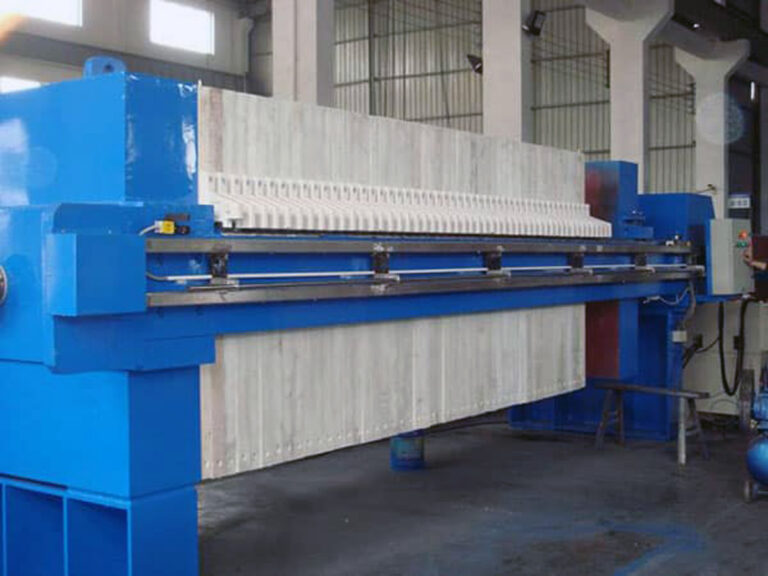
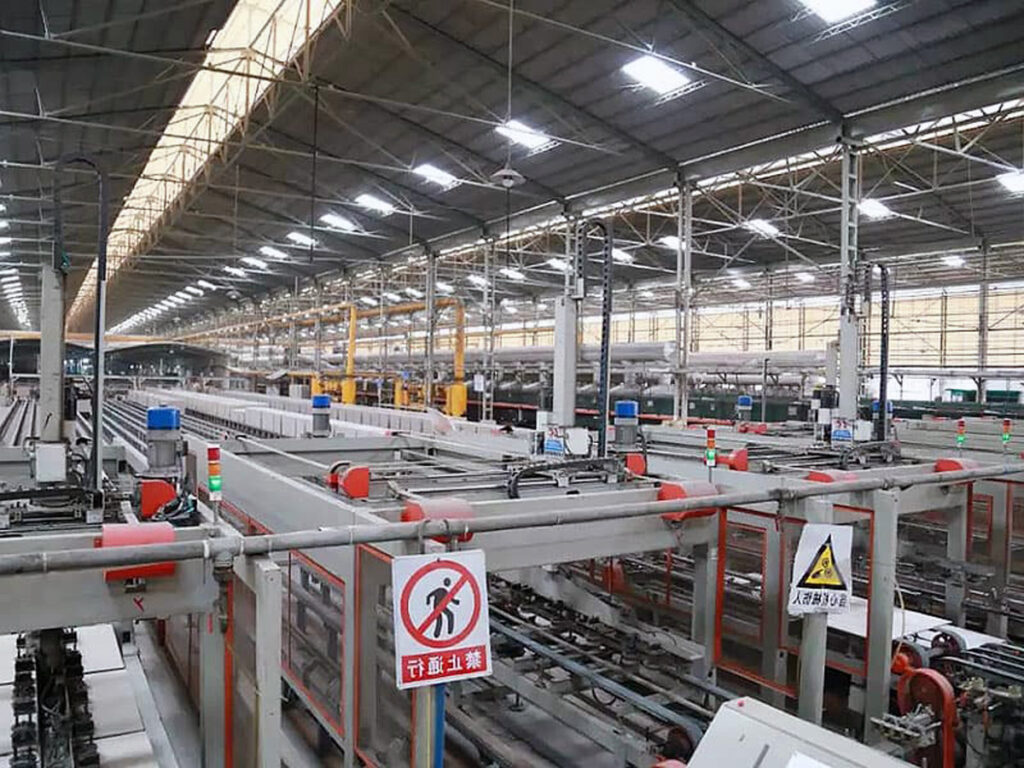
For stone factory managers, the primary wastewater challenge isn’t just compliance—it’s the relentless, variable operating costs tied to chemical treatment. Chemical precipitation creates a cycle of recurring reagent purchases, hazardous sludge generation, and unpredictable disposal fees. This model turns wastewater management into a significant, uncontrollable cost center.
Shifting to chemical-free nanofiltration (NF) represents a strategic operational pivot. It moves treatment from a consumable-heavy, batch process to a predictable, physical separation system. The immediate benefit is direct cost reduction, but the larger advantage is operational stability and enhanced sustainability reporting, which are increasingly critical for market positioning and long-term resilience.
The Core Difference: Chemical vs. Chemical-Free Treatment
Defining the Two Paradigms
Traditional chemical precipitation is an additive process. It introduces reagents like lime or ferric chloride to bind dissolved contaminants into solid precipitates, which are then settled out as sludge. This method’s effectiveness and cost are directly tied to fluctuating contaminant loads and chemical market prices.
Chemical-free nanofiltration is a physical barrier process. It employs semi-permeable membranes with pores around 0.001 microns to separate multivalent ions—such as sulfates and calcium—through size exclusion and charge repulsion. No consumable chemicals are added for primary separation.
The Strategic Impact of “Chemical-Free”
The shift delivers dual value. Operationally, it eliminates the variable cost line for reagents and drastically reduces the volume and hazard classification of waste sludge. From a strategic standpoint, it transforms the wastewater system from an environmental liability into an asset for ESG reporting, supporting claims of reduced chemical usage and lower hazardous waste generation.
Cost Breakdown: How NF Cuts OPEX by 25-40%
Deconstructing the Savings
The headline OPEX reduction is not from a single change but from a cascade of integrated savings. Direct chemical purchase and associated handling costs are removed entirely. Sludge production, a major cost driver, plummets by 60-80% as NF produces a concentrated brine stream instead of bulky chemical sludge.
Energy consumption is optimized; NF operates at lower pressures (50-150 psi) than reverse osmosis, typically saving 20-30% on pumping energy. Furthermore, the absence of harsh chemicals and pH swings in the feed water extends membrane life by 30-50%, deferring a major capital replacement cost.
Validating the Total OPEX Impact
The synergy of these factors unlocks the full financial benefit. For instance, eliminating sludge hauling fees alone can justify the investment in many regions. When combined with high water recovery for reuse—which cuts freshwater purchase and sewer discharge fees—the total operational cost structure is fundamentally reshaped.
The following table quantifies the operational cost shift across key categories:
OPEX Category Comparison
The shift from chemical processes to membrane-based separation redefines the cost structure of wastewater treatment. The savings are multiplicative, not additive.
| OPEX Category | Traditional Chemical Process | Chemical-Free NF System |
|---|---|---|
| Chemical Purchases | High, recurring cost | Eliminated entirely |
| Sludge Disposal Fees | High, variable cost | Reduced by 60-80% |
| Konsumsi Energi | Moderate (pumping, mixing) | 20-30% lower than RO |
| Membrane Replacement | N/A (not primary tech) | Life extended 30-50% |
| Tingkat Pemulihan Air | Rendah hingga sedang | 75-85% for direct reuse |
Sumber: ISO 24512:2007. This standard provides a framework for assessing the life-cycle costs and operational efficiency of water services, directly supporting the analysis of OPEX savings across categories like chemical use, energy, and waste disposal.
Key Components of a Chemical-Free NF System
The Non-Negotiable: Robust Pre-Treatment
A successful NF system is more than its membranes. Pre-treatment is critical to protect the NF investment from abrasive solids like stone dust. Ceramic ultrafiltration (UF) is often specified for this duty; its extreme durability allows for aggressive, low-cost cleaning regimens that would damage polymeric pre-filters. This upfront investment in robust pre-treatment is justified by dramatically lower lifetime maintenance costs and consistent NF performance.
The Core Separation Unit
The NF membrane array itself typically uses spiral-wound polymeric elements designed to reject multivalent ions. For applications with high abrasion potential, ceramic NF membranes offer a superior alternative, though at a higher initial CAPEX. The system is driven by high-pressure pumps optimized for the 50-150 psi operating range and managed by automated controls that optimize flux and recovery to minimize fouling and energy use.
System Integration and Output Management
A complete system includes a plan for the concentrate stream. Effective management, such as further evaporation for zero-liquid discharge (ZLD) or controlled reuse for dust suppression, is essential for operational closure. Automated controls are not just for operation; they enable predictive maintenance by monitoring normalized parameters, preventing unexpected downtime.
The design and reliability of each component are paramount for long-term, cost-effective operation.
Component Function and Consideration
Each part of a chemical-free NF system has a specific role that contributes to overall efficiency and reliability. Adherence to design standards like AWWA B130-20 ensures these components work together as an integrated unit.
| Komponen Sistem | Fungsi Utama | Pertimbangan Utama |
|---|---|---|
| Pre-treatment (e.g., Ceramic UF) | Removes abrasive solids | Protects NF membrane investment |
| NF Membrane Array | Separates multivalent ions | ~0.001-micron pore size |
| High-Pressure Pumps | Drives separation process | Optimized for 50-150 psi |
| Kontrol Otomatis | Manages flux, recovery | Enables predictive maintenance |
| Concentrate Management | Handles reject stream | Enables ZLD or reuse |
Sumber: AWWA B130-20. This standard specifies minimum requirements for materials and design of NF systems, ensuring the reliability of key components like membranes, pumps, and controls.
Comparing NF to Traditional Chemical Precipitation
Process Methodology and Cost Drivers
Chemical precipitation is inherently a batch-oriented, additive process. Its total cost is variable and escalates with increased wastewater volume or contaminant concentration, as more reagents are required. The primary cost drivers are the chemicals themselves and the subsequent disposal of the hazardous sludge they create.
Nanofiltration is a continuous, physical process. Its operational costs are more fixed, dominated by energy for pumping and periodic membrane maintenance. This creates predictable OPEX, insulating the facility from chemical price volatility and waste disposal fee fluctuations.
Output Quality and Strategic Positioning
The effluent quality differs significantly. Chemical treatment often produces water that requires additional polishing to meet reuse or strict discharge standards. NF provides consistent, high-quality permeate suitable for direct reuse in factory processes, such as tool cooling or slab washing, due to its effective removal of scaling ions.
NF occupies a strategic position between ultrafiltration and reverse osmosis. It specifically targets the multivalent ions (sulfate, calcium) that cause scaling in stone wastewater, without the excessive energy consumption and waste volume of RO or the insufficient rejection of UF. This makes it the cost-optimized technology for this specific contaminant profile.
Operational Characteristics
The fundamental differences in how these technologies operate dictate their financial and operational footprints.
| Parameter | Pengendapan Kimiawi | Chemical-Free Nanofiltration |
|---|---|---|
| Jenis Proses | Batch, additive | Continuous, physical |
| Primary Cost Driver | Variable chemical purchases | Fixed energy costs |
| Operational Pressure | Low (mixing tanks) | 50-150 psi |
| Waste Stream | Bulky hazardous sludge | Concentrated brine |
| Kualitas Limbah | Often requires polishing | Konsisten, berkualitas tinggi |
Sumber: AWWA B130-20. This standard covers the design and performance of membrane systems, providing the basis for comparing the operational characteristics (like pressure and effluent quality) of NF against other treatment methods.
Which Stone Wastewater Streams Are Best for NF?
Ideal Contaminant Profile
NF is exceptionally effective for wastewater streams high in multivalent ions (e.g., calcium, magnesium, sulfate) and with moderate total dissolved solids (TDS). This profile is common in granite, marble, and other natural stone processing, where sawing and polishing generate these dissolved minerals. Streams with very high salinity or dominated by monovalent ions (e.g., sodium chloride) are better suited for reverse osmosis or other technologies.
The Critical Step: Comprehensive Water Analysis
Success hinges on a complete feed water characterization. A standard analysis must go beyond basic parameters to include a detailed ion balance, silica speciation (colloidal vs. reactive), and measurement of suspended solids and turbidity. This data is non-negotiable for proper system design. We’ve seen projects where overlooking the form of silica led to premature scaling; identifying it as colloidal allowed for its removal in pre-treatment, saving the NF membranes.
Preventing Technology Misapplication
This analysis prevents costly misapplication. It determines if pre-treatment needs to target specific colloids or adjust pH. The insight for facility managers is clear: precise knowledge of your wastewater chemistry transforms water from a generic utility into a calibrated process input. Standardized water profiling is becoming a competitive necessity, forming the foundation for an efficient, cost-effective treatment system.
Implementing NF: From Pilot Test to Full Integration
Phase 1: Audit and Characterization
Implementation begins with a detailed water audit and the comprehensive analysis described above. This phase maps all wastewater sources, flow rates, and chemical variability to establish design baselines. It’s the blueprint for the entire project.
Phase 2: The De-risking Pilot Test
An on-site pilot test using actual process water is the crucial de-risking step. It validates membrane performance, establishes achievable recovery rates, and generates real data for accurate OPEX modeling. Running a pilot, often for several weeks, mitigates the financial risk of scaling up an underperforming system. It provides tangible proof of concept for stakeholders.
Phase 3: Design, Build, and Train
Following a successful pilot, full-scale design integrates the validated NF array with the specified pre-treatment and concentrate management systems. Commissioning includes thorough operator training focused on the new chemical-free operational paradigm—monitoring pressure and flux instead of mixing tanks and sludge levels. This phased, evidence-based approach ensures the technology is perfectly tailored to the facility’s unique needs.
Long-Term Performance and Maintenance Considerations
Proactive Performance Monitoring
Long-term success depends on moving from reactive to predictive maintenance. Consistent pre-treatment performance is paramount to control fouling. Monitoring normalized flux and pressure drop allows teams to schedule clean-in-place (CIP) cycles based on performance trends rather than a fixed calendar, maximizing membrane life and uptime.
Maintenance and Concentrate Management
CIP for NF membranes in this application is less frequent and uses milder chemicals than in systems treating organic-laden waste. The availability of more durable ceramic components offers greater cleaning flexibility. A sustainable plan for the concentrate stream is essential; options include evaporation ponds, crystallizers for ZLD, or approved reuse applications like dust suppression.
Future-Proofing the Investment
The strategic trend toward water scarcity and circular economy principles will further incentivize high-recovery systems. This may drive the broader adoption and cost reduction of ultra-durable ceramic membranes. Investing in a system designed for high recovery and with components that tolerate varied feed conditions is a step toward future-proofing operations against stricter regulations and resource costs.
Making the Business Case: ROI and Next Steps
Building the Financial Model
The business case rests on a total cost of ownership (TCO) analysis. Compare the CAPEX of the NF system against the multi-year stream of OPEX savings—typically 25-40%—from eliminated chemicals, reduced sludge disposal, lower energy use, and water reuse. Payback periods commonly fall between 2 to 4 years. The extended membrane life directly defers major capital outlays, improving the long-term financial picture.
The Decision Framework and Next Steps
Decision-makers must evaluate NF not as a standalone filter but as the core of an integrated water management strategy. The next step is to engage with specialized technology providers to conduct a site-specific assessment and pilot study. This holistic view, which can include valorizing waste streams, is what transforms a treatment cost center into a documented source of efficiency and resilience.
The financial and operational arguments for chemical-free NF are compelling when supported by real pilot data and a complete life-cycle analysis.
Quantifying the Investment Decision
A clear financial framework is essential for stakeholders to make an informed decision. The following factors, assessed through a pilot study, define the project’s viability and payback timeline.
| Faktor | Kisaran / Nilai Khas | Impact on Payback |
|---|---|---|
| OPEX Savings | 25-40% reduction | Primary driver |
| Periode Pengembalian Modal | 2-4 tahun | Key financial metric |
| Pemulihan Air | 75-85% for reuse | Reduces freshwater costs |
| Kehidupan Membran | Extended 30-50% | Defers major CAPEX |
| Pilot Test Duration | Weeks to months | De-risks full investment |
Sumber: ISO 24512:2007. Its guidelines for life-cycle cost management and assessment of service efficiency provide a framework for calculating the total cost of ownership and ROI presented in the business case.
The core decision points are clear: verify your wastewater profile, validate performance with a pilot, and calculate TCO against your current variable costs. This evidence-based approach moves the discussion from technical possibility to financial imperative. Need professional guidance to pilot and implement a chemical-free wastewater strategy for your stone processing facility? The experts at PORVOO specialize in translating these efficiency gains into operational reality. For a detailed consultation on your specific streams, you can also Hubungi Kami.
Pertanyaan yang Sering Diajukan
Q: How does chemical-free nanofiltration achieve its operational cost savings compared to chemical precipitation?
A: The savings come from eliminating variable consumable costs and reducing multiple other operational expenses. You remove all chemical purchase and handling fees, while sludge disposal costs drop 60-80% due to a smaller brine concentrate. Energy use is 20-30% lower than reverse osmosis, and the gentler process extends membrane life by 30-50%. This means facilities with high reagent and sludge hauling bills will see the fastest and most significant return on investment from switching to a physical separation process.
Q: What are the critical pre-treatment requirements for a reliable NF system in a stone processing plant?
A: Robust pre-treatment is essential to protect the NF membrane investment from abrasive solids. Ceramic ultrafiltration (UF) is often specified to remove stone dust and colloids, as its durability allows for aggressive, low-cost cleaning routines that polymeric membranes cannot tolerate. Adhering to design standards like AWWA B130-20 ensures system reliability. For projects where feed water contains high levels of suspended solids, plan for a higher initial CAPEX in pre-treatment to secure dramatically lower lifetime maintenance costs and consistent performance.
Q: Which wastewater streams from our stone factory are the best candidates for nanofiltration treatment?
A: NF is most effective for streams with high concentrations of multivalent ions like sulfates and calcium but moderate total dissolved solids, such as wastewater from granite or marble processing. Success requires a comprehensive feed water analysis to identify contaminant forms, as the management strategy for silica differs if it’s colloidal versus dissolved. This means operations must invest in precise water characterization; treating your wastewater as a calibrated process input is the foundation for designing an efficient, cost-optimized NF system.
Q: How do we accurately pilot and validate NF performance for our specific operation before full-scale investment?
A: Begin with a comprehensive water audit, then conduct an on-site pilot test using your actual process water. This step validates real-world performance, establishes optimal recovery rates, and models exact operational costs, directly mitigating the financial risk of an underperforming full-scale system. Using standardized test methods like those in ASTM D4194-23 allows for precise assessment of membrane salt rejection and recovery. If your facility has variable wastewater chemistry, you should insist on a pilot study to ensure the system design is tailored to your unique conditions.
Q: What long-term maintenance strategies ensure sustained performance and cost savings from an NF system?
A: Long-term success depends on proactive management centered on consistent pre-treatment and monitoring normalized flux and pressure drop for predictive maintenance. Clean-in-place cycles will be less frequent than in chemical systems, and using ceramic components offers more cleaning flexibility. You must also have a sustainable plan for the concentrate stream, such as evaporation. This means operations should budget for and train staff on this new chemical-free operational paradigm, viewing the system through a total lifecycle cost lens rather than just initial purchase price.
Q: How do standards like ISO 24512 apply to implementing an NF system for wastewater cost reduction?
A: While not prescriptive for NF technology itself, ISO 24512:2007 provides a framework for assessing service efficiency and life-cycle cost management in water services. Its principles support evaluating the operational efficiency gains and long-term sustainability benefits of switching from chemical to physical treatment. For decision-makers building a business case, using this standard’s framework helps translate the 25-40% OPEX reduction into a formal analysis of service quality and resource sustainability for internal or ESG reporting purposes.
Q: What is the typical financial payback period for investing in a chemical-free NF system?
A: The payback period typically ranges from 2 to 4 years. This is driven by the direct elimination of chemical costs, a 60-80% reduction in sludge disposal fees, lower energy consumption, and savings from reusing 75-85% of the treated water. Your analysis must compare the CAPEX of the NF system against these multi-year OPEX savings in a total cost of ownership model. If your current chemical and disposal costs are high, you can expect a payback at the shorter end of this range, transforming the treatment process from a cost center into a source of efficiency.