For stone processing operations, achieving 90%+ water recovery is no longer a sustainability aspiration but a critical operational and financial mandate. The challenge lies in moving beyond basic settling solutions, which cap out at lower efficiencies, to a system engineered for maximum water extraction and waste minimization. This requires a fundamental shift in technology selection and operational philosophy.
The pressure to optimize water recovery is intensifying due to rising freshwater costs, stringent environmental regulations, and the strategic need for production continuity. A system that reliably recycles over 90% of process water transforms a significant cost center into a controlled, closed-loop resource, directly impacting the bottom line and long-term operational resilience.
Key Components of a High-Efficiency Compact Silo System
The Sequential Separation Process
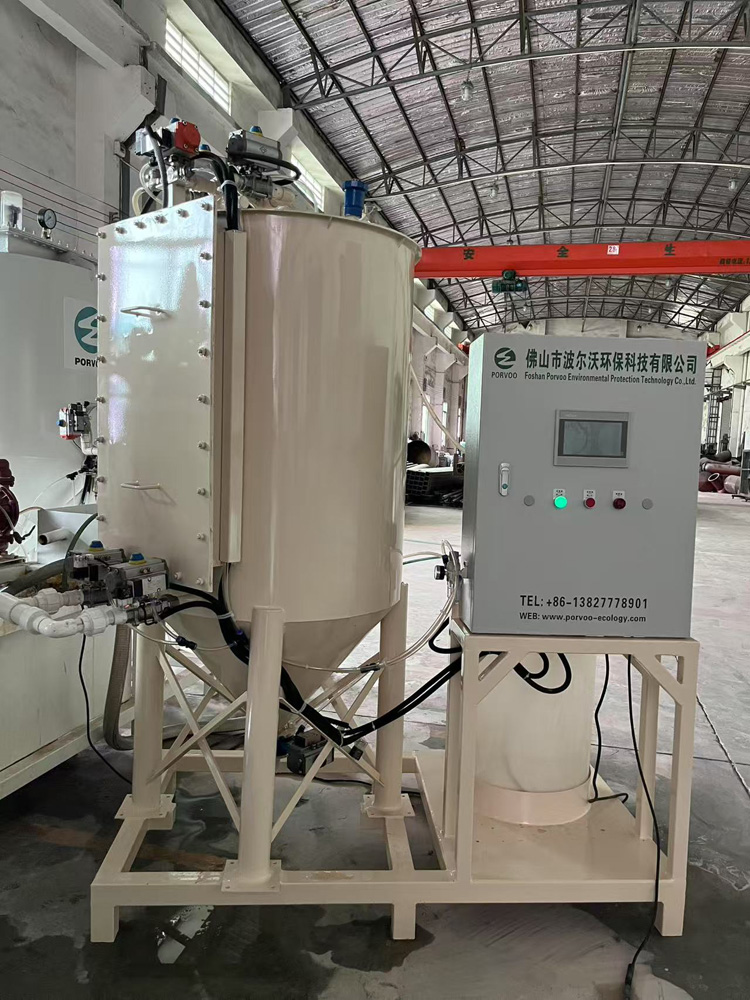
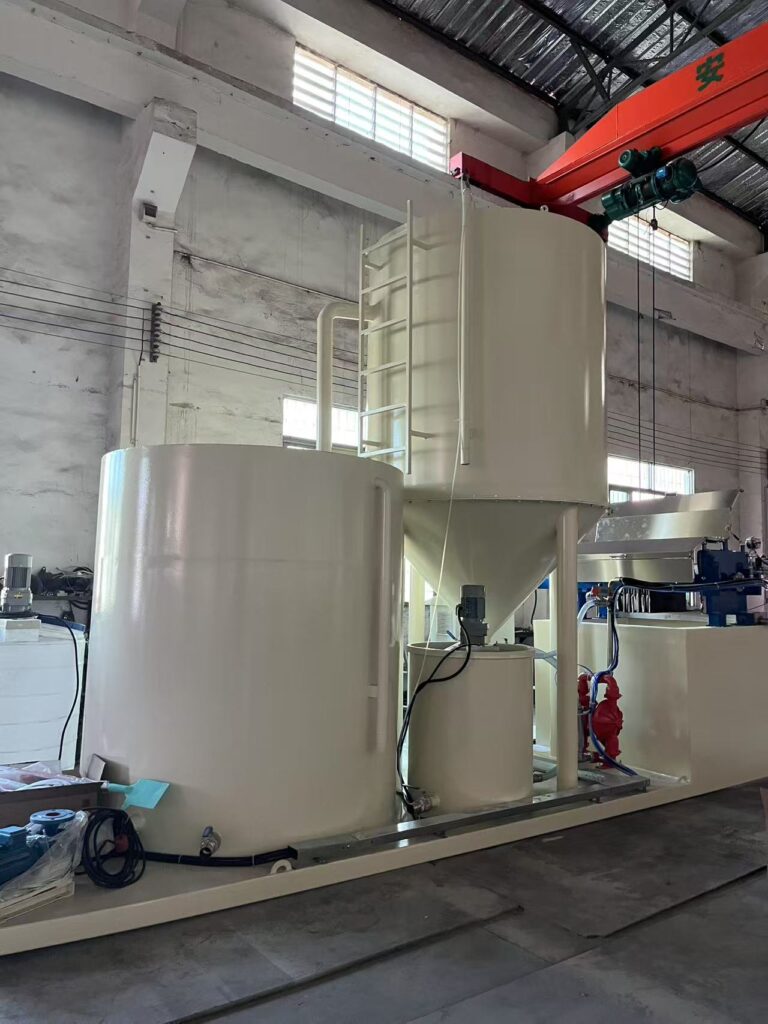
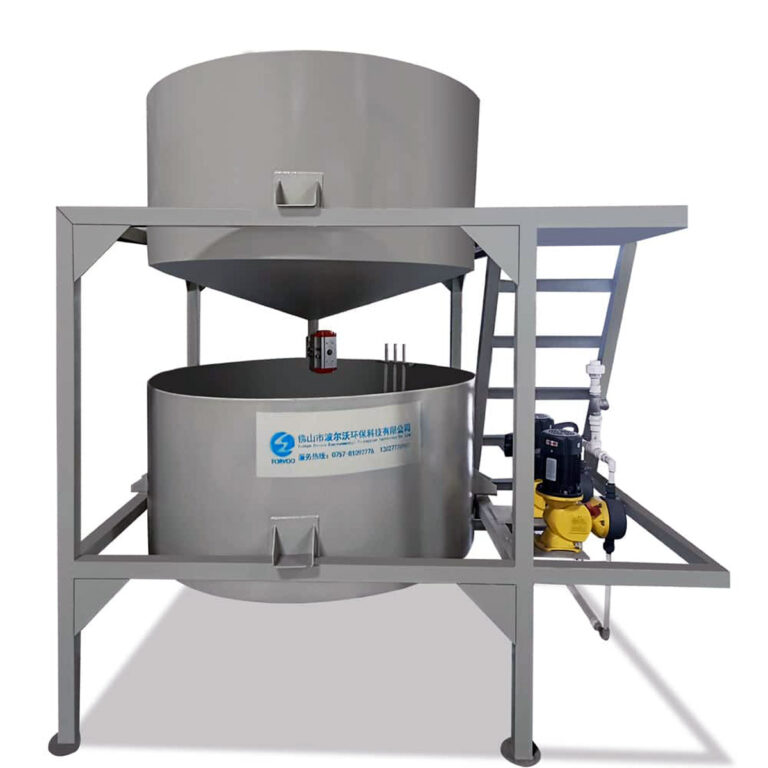
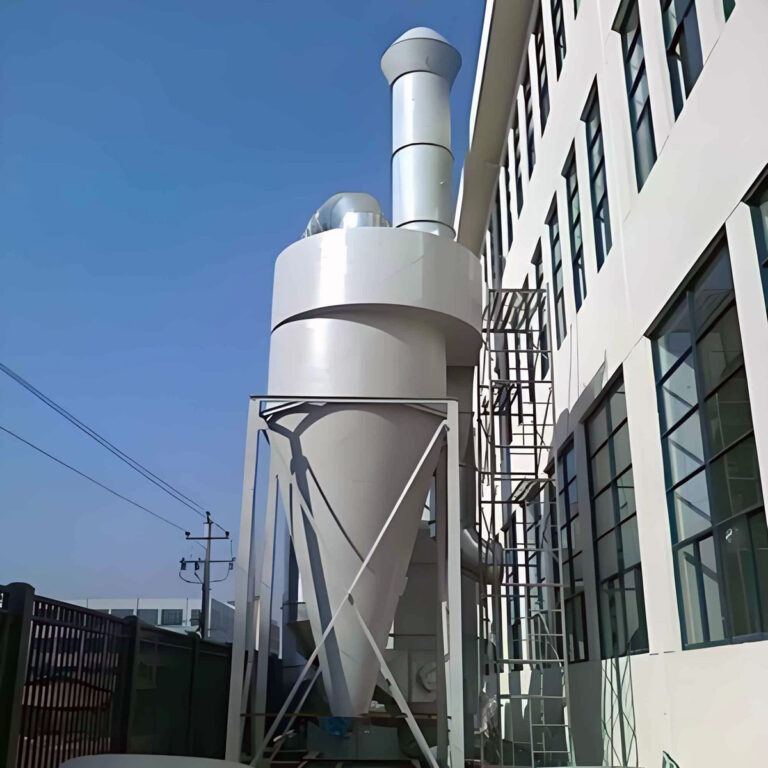
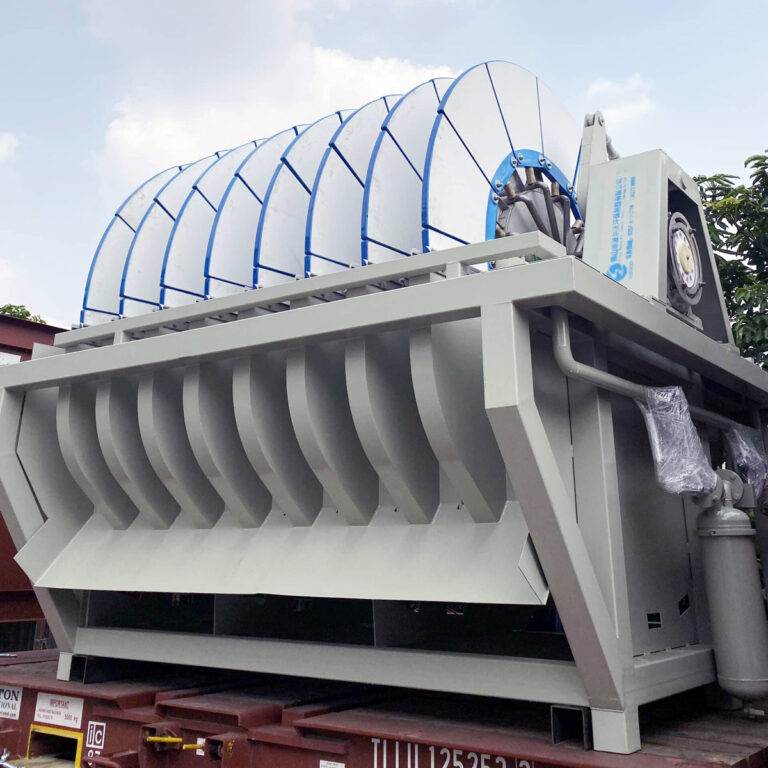
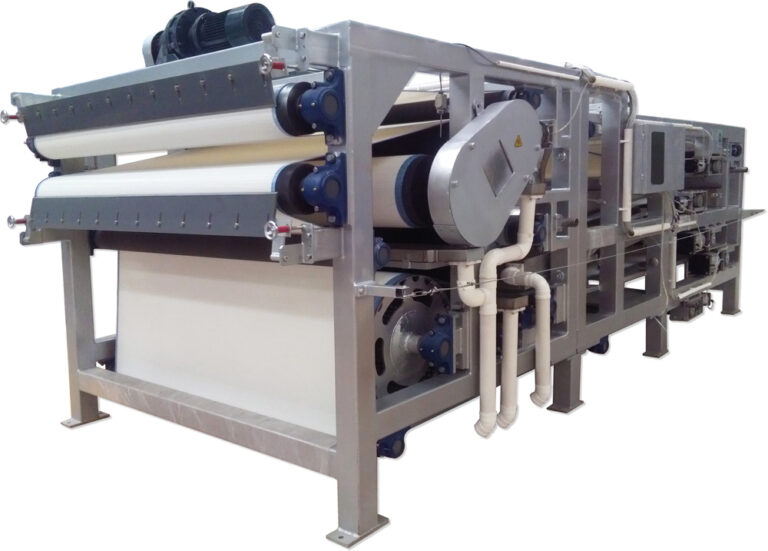
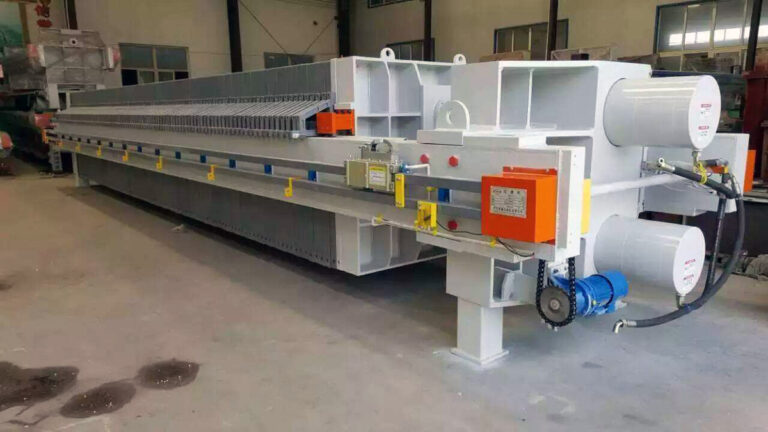
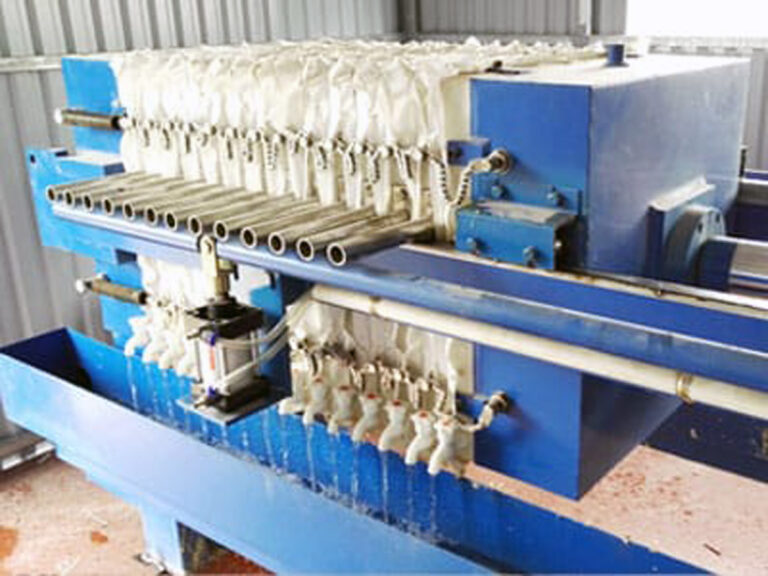
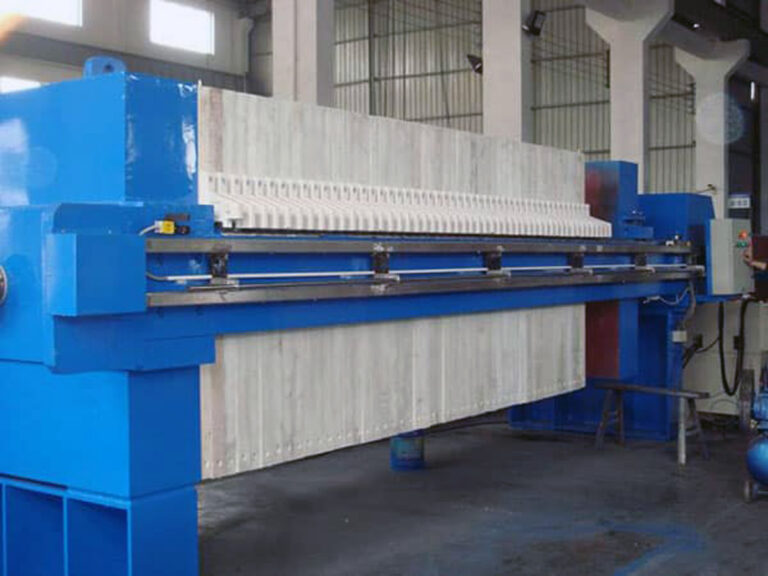
Achieving elite recovery rates demands a multi-stage approach. The process begins with precise chemical conditioning, where automated polymer dosing in a collection tank aggregates fine particles like clays and silts into fast-settling flocs. This step is non-negotiable for processing low-solids slurries. The conditioned slurry then enters the primary separation vessel. Industry experts recommend a high-rate, rake-less thickener/clarifier with a deep cone design. This geometry creates distinct zones for clarification and sludge compaction, maximizing water release within a minimal footprint. The thickened underflow is finally sent to a high-pressure filter press, which extracts residual water to produce a dry, handleable filter cake.
Component Selection and Trade-offs
The choice between a rake-less thickener and one with mechanical rakes represents a key operational trade-off. While rakes can aid in sludge collection, they introduce moving parts into the settling zone, increasing maintenance complexity and potential for failure. A rake-less design prioritizes long-term reliability and lower operational overhead, a critical consideration for facilities with limited technical staff. The integration of all components—conditioning, thickening, and dewatering—into a cohesive system is what enables the 90%+ target. In our comparisons, standalone clarifiers or basic bag filters consistently failed to reach this benchmark without the final pressure-driven dewatering stage.
System Output and Integration
The following table outlines the core components and their functions within an optimized system.
| Komponen | Fungsi Utama | Key Feature |
|---|---|---|
| Collection/Conditioning Tank | Automated polymer dosing | Aggregates fine particles |
| Primary Vessel | Solid-liquid separation | Rake-less thickener/clarifier |
| Thickener Design | Sludge compaction | Deep cone geometry |
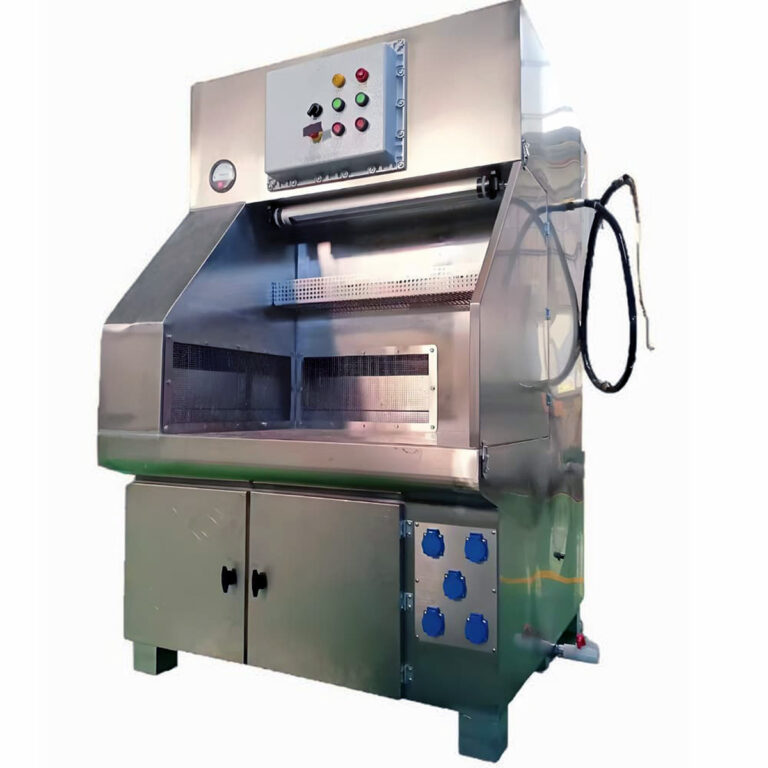
| Final Dewatering Stage | Residual water extraction | Filter press (high pressure) |
| System Output | Waste volume reduction | Dry filter cake |
Sumber: Dokumentasi teknis dan spesifikasi industri.
Cost Analysis and ROI for 90%+ Water Recovery Systems
Understanding the Full ROI Drivers
The financial justification extends far beyond simple water bill savings. The primary ROI drivers are the drastic reduction in freshwater procurement and, more significantly, the minimization of sludge disposal expenses. By dewatering slurry to a semi-solid cake, volume is reduced by over 80%, directly cutting landfill fees and transport costs. This frames the investment as a powerful cost-avoidance measure. Furthermore, proactive investment mitigates regulatory compliance risks and potential fines, adding a strategic layer to the financial calculation that is often overlooked in basic payback periods.
Capital Expenditure vs. Operational Savings
Capital expenditure is segmented by technology tier. Compact bag plants offer a lower entry point but typically max out around 85% recovery. For consistent 90-98% efficiency, an integrated thickener-and-filter-press system is necessary, commanding a higher initial investment. The business case is strongest in regions with high water tariffs or expensive waste disposal. A detailed analysis must weigh this higher capital cost against the greater long-term operational savings. Easily overlooked details include the cost of system downtime and the value of secured water supply for production continuity during shortages.
Breaking Down the Financial Outcomes
The table below categorizes the key financial impacts of implementing a high-recovery system.
| ROI Driver | Dampak Utama | Financial Outcome |
|---|---|---|
| Freshwater Procurement | Drastic cost reduction | Direct cost savings |
| Sludge Disposal | Waste volume minimization | >80% volume reduction |
| System Technology (Compact Bag) | Moderate recovery (up to 85%) | Lower capital expenditure |
| System Technology (Integrated) | High recovery (90-98%) | Investasi modal yang lebih tinggi |
| Kepatuhan terhadap Peraturan | Risk and fine mitigation | Strategic cost avoidance |
Sumber: Dokumentasi teknis dan spesifikasi industri.
Comparing Compact Silo Systems vs. Traditional Water Treatment
The Limitations of Legacy Methods
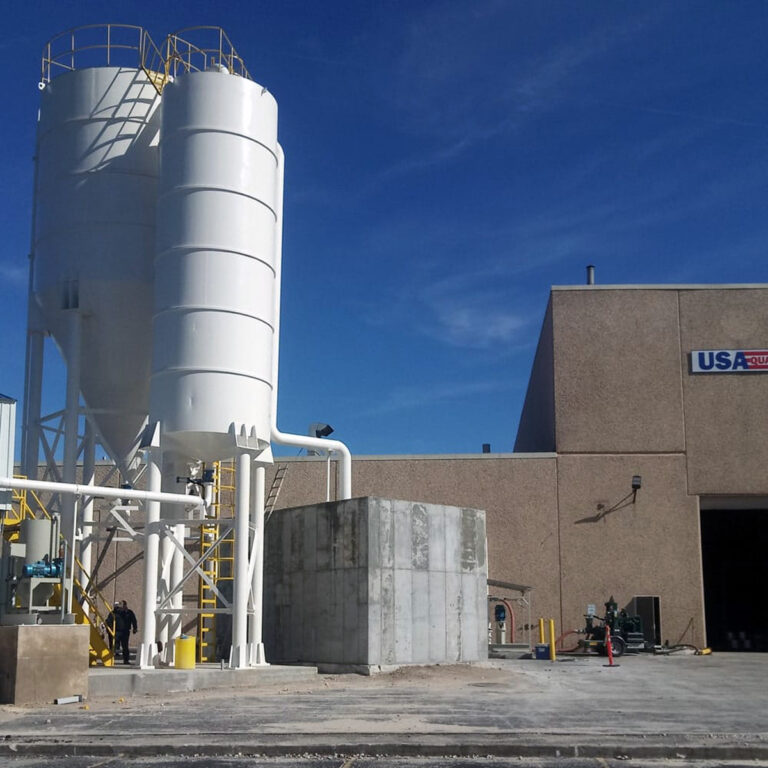
Traditional settling ponds or lagoons represent a passive approach with inherent limitations. They require significant land, offer minimal process control, and are subject to environmental permitting challenges and potential leakage. Their recovery rates are inconsistent and typically lower, often leaving substantial water locked in sludge. In contrast, modern compact systems provide a closed-loop, active-treatment alternative. They deliver superior, consistent performance in a fraction of the space, enabling installation directly within or adjacent to processing plants, even in urban settings.
The Strategic Advantage of Compact Systems
This compactness facilitates a strategic shift. It allows for distributed, customer-proximate fabrication hubs, reducing material transport costs and enhancing sustainability credentials. Unlike ponds, these automated systems actively optimize chemical dosing and sludge removal, ensuring high-purity water for immediate reuse. The choice is fundamentally between managing a passive, land-intensive liability and operating an active, space-efficient asset. The latter secures production continuity and resource independence, a critical advantage in water-scarce regions. For a detailed look at a modern implementation, review this integrated thickener and filter press solution.
A Direct Performance Comparison
The performance gap between modern and traditional methods is clear when evaluated against key operational criteria.
| Criteria | Sistem Silo Ringkas | Traditional Method (Ponds) |
|---|---|---|
| Kebutuhan Ruang | Minimal footprint | Significant land area |
| Tingkat Pemulihan | High, consistent performance | Typically lower rates |
| Installation Site | Urban/constrained sites possible | Large, remote areas required |
| Operational Control | Automated, active optimization | Passive, limited control |
| Environmental Permitting | Simplified, closed-loop | Often complex |
Sumber: ANSI/NSF 350-2021 Onsite Residential and Commercial Water Reuse Treatment Systems. This standard establishes performance requirements for water reuse systems, providing a benchmark for the recovery rates and reliability that modern compact systems are designed to achieve, in contrast to passive traditional methods.
How to Optimize Chemical Conditioning for Maximum Recovery
The Science of Flocculation
Chemical flocculation is the linchpin for processing stone wastewater. Optimal conditioning involves selecting the correct polymer type—anionic, cationic, or non-ionic—through rigorous jar testing specific to your slurry. The goal is to destabilize suspended colloidal particles, forming dense, fast-settling flocs. Implementing automated dosing based on flow and turbidity is critical for consistency. Inefficient dosing leads to poor clarification, high turbidity in the overflow water, and reduced system throughput. This step must be treated as a core operational competency, not an ancillary task.
Managing Complexity and Cost
The dependency on consumable chemicals adds a layer of technical complexity and represents a recurring operational cost. However, this cost is essential for achieving target recovery rates and is often offset by the savings from reduced sludge volume and cleaner recycled water. Partnering with chemical suppliers that offer integrated solutions, on-site support, and automated feed systems can ensure this critical component is effectively managed. From experience, neglecting this partnership often leads to suboptimal performance and higher long-term chemical consumption.
Operational Factors That Impact Your System’s Efficiency
Interdependent Process Variables
Sustained high performance depends on managing several interconnected variables. Feed slurry characteristics—particle size distribution, clay content, and pH—directly dictate chemical demand and settling behavior. System hydraulics are equally crucial; pumps must be correctly sized to handle thickened sludge without causing shear that breaks up flocs, and the thickener must provide adequate retention time for compaction. The efficiency of the final dewatering stage, measured by the solids content of the filter cake, directly determines the total volume of water extracted from the waste stream.
The Critical Role of Design and Monitoring
Accurate system sizing is paramount. An undersized system creates bottlenecks and fails to meet treatment demands, while an oversized one represents wasted capital and potentially inefficient operation. This necessitates a precise analysis of current and projected wastewater flow rates during the design phase. Real-time monitoring of clarified water turbidity and underflow density provides essential data for proactive adjustments, aligning with the principles of water footprint assessment per ISO 14046:2014.
Key Variables and Their Impact
The table below summarizes the primary operational factors that require active management.
| Faktor | Key Variable | Dampak pada Kinerja |
|---|---|---|
| Feed Slurry | Particle size, clay content | Dictates chemical demand |
| System Hydraulics | Pump sizing, retention time | Affects sludge handling |
| Final Dewatering Stage | Filter cake solids content | Determines total water extracted |
| System Sizing | Match to operational volume | Prevents bottlenecks/over-capacity |
| Pemantauan Waktu Nyata | Water turbidity, underflow density | Provides performance data |
Sumber: ISO 14046:2014 Environmental management — Water footprint. This standard’s principles for water footprint assessment necessitate accurate monitoring of these operational variables to quantify and optimize the efficiency and recovery rate of the water recycling process.
Maintenance Requirements for Sustained High Performance
Design Dictates Maintenance Load
Maintenance protocols are heavily influenced by initial component choices. The strategic advantage of rake-less thickeners is their dramatic reduction in mechanical maintenance within the settling zone, eliminating concerns about rake mechanism failure or motor overload. This design explicitly trades potential collection efficiency for long-term reliability and uptime. However, maintenance focus shifts to other areas: filter press cloths require regular inspection and replacement, pump seals and valves need scheduled servicing, and the sensors for automated control systems must be kept calibrated.
Proactive vs. Reactive Protocols
A disciplined, proactive schedule is non-negotiable. This includes inspecting and cleaning the thickener’s cone section to prevent solids buildup and hardening. Regularly checking polymer dosing lines for blockages ensures consistent flocculation. Proactive maintenance is what sustains the 90%+ recovery rate over years of operation and prevents costly, unexpected downtime that halts production. Choosing systems designed with easier service access and securing reliable supplier support for spare parts are strategic decisions that reduce long-term operational risk.
Space and Installation Considerations for Compact Systems
Footprint and Logistics Advantages
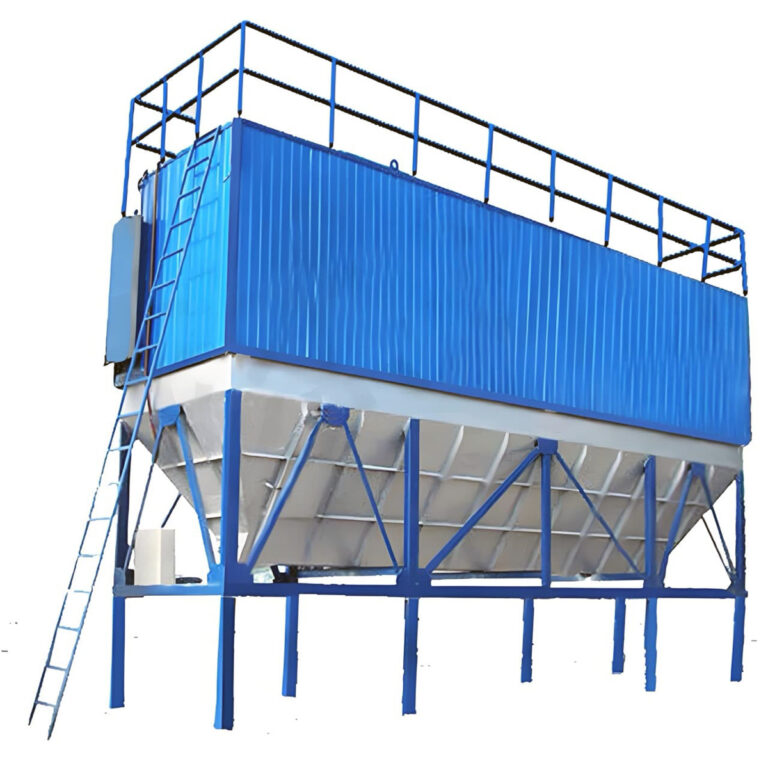
The defining advantage is minimal spatial requirement. Systems are often a fraction of the size needed for traditional ponds, allowing for installation directly in existing plants or tight urban workshops. Many are offered in skid-mounted or containerized formats, which simplifies delivery, placement, and connection to plant water lines. This plug-and-play approach significantly reduces civil works and installation time compared to constructing large-scale concrete settling basins.
Modularity for Strategic Growth
The modular nature of these designs is a key strategic feature. It allows for scalability and capital preservation. A business can start with a core compact unit and later integrate additional modules, like a dedicated filter press, as production volume or recovery targets increase. This avoids the need for a complete system replacement and allows for phased investment, making it an ideal approach for businesses with uncertain growth forecasts or those looking to pilot advanced water recovery before full-scale commitment.
Selecting the Right System: A Decision Framework for Buyers
A Structured Evaluation Process
Selecting an optimal system requires moving beyond equipment specifications to a holistic evaluation. First, rigorously characterize your wastewater: analyze daily flow rate, peak loads, solids concentration, and particle size distribution. Second, define non-negotiable performance targets. The desired water recovery rate (e.g., 85% vs. 95%) is the single most important specification, as it directly dictates the required technology tier and capital outlay. This target should align with end-use water quality needs, as referenced in standards like GB/T 18920-2020.
Evaluating Cost and Vendor Capability
Third, conduct a total cost of ownership analysis. Weigh the higher initial capital for advanced integrated systems against the greater long-term savings in water, sewage, and disposal costs. Crucially, assess vendor capability. The market is shifting toward integrated solutions. Prioritize providers that bundle the equipment, chemistry, maintenance support, and regulatory guidance into a single, performance-focused package. This holistic partnership is more valuable than purchasing components separately, as it ensures system efficacy and simplifies accountability.
The Buyer’s Decision Pathway
The following framework outlines the critical steps in the selection process.
| Evaluation Step | Tindakan Utama | Critical Consideration |
|---|---|---|
| 1. Characterize Wastewater | Analyze flow rate, solids load | Particle size distribution |
| 2. Define Performance Targets | Set desired recovery rate | 85% vs. 95% dictates technology |
| 3. Evaluate Total Cost | Weigh capital vs. long-term savings | Water/disposal cost savings |
| 4. Assess Vendor Capability | Seek integrated solution providers | Equipment, chemistry, support bundle |
Sumber: GB/T 18920-2020 The reuse of urban recycling water. This water quality standard for reused water underscores the importance of step 2, as the defined end-use quality target directly informs the required system performance and technology selection.
The decision to invest in a high-efficiency water recovery system hinges on three priorities: accurately defining your recovery target and wastewater profile, committing to the integrated chemical and mechanical process required for 90%+ efficiency, and selecting a vendor partnership that ensures long-term operational success. This transforms the system from a capital expense into a strategic asset for cost control and production security.
Need professional guidance to implement a closed-loop water recovery strategy tailored to your stone processing operation? The engineering team at PORVOO specializes in designing and supporting integrated systems that meet precise performance and financial targets. Hubungi Kami to discuss your specific slurry characteristics and recovery goals.
Pertanyaan yang Sering Diajukan
Q: How do compact silo systems achieve over 90% water recovery where traditional ponds fail?
A: They use an integrated, multi-stage process combining a high-rate thickener for initial separation with a final filter press for deep dewatering. This sequential approach extracts far more water than passive settling, producing a dry filter cake and high-purity recycled water. This means operations targeting the highest recovery rates must invest in this two-stage technology, as single-step solutions cannot meet the 90%+ target.
Q: What is the primary financial driver for investing in a high-efficiency water recovery system?
A: The strongest ROI typically comes from drastically reducing sludge disposal costs, not just saving water. By converting slurry to a semi-solid cake, these systems cut waste volume by over 80%, which directly lowers landfill fees and transport expenses. For projects where disposal costs are high, expect the payback period to be significantly shorter, framing the investment as a strategic cost-avoidance measure.
Q: How critical is chemical conditioning to the system’s overall performance?
A: Optimal polymer flocculation is the essential first step for processing fine particles like clays. It requires precise selection and automated dosing to form dense flocs that settle rapidly in the thickener. If your operation handles low-solids slurry with fines, plan for ongoing chemical costs and technical support to manage this core competency, as inefficient dosing directly compromises water clarity and system throughput.
Q: What are the key maintenance trade-offs between a rake-less thickener and a traditional design?
A: A rake-less thickener eliminates moving parts in the settling zone, which dramatically reduces mechanical maintenance compared to systems with rakes. Maintenance focus then shifts to servicing pumps, replacing filter cloths, and calibrating sensors. This means facilities with limited technical staff should prioritize the reliability of a rake-less design, accepting its different maintenance profile to maximize operational uptime.
Q: What standards define water quality for recovered water used in environmental applications?
A: For scenic or environmental reuse, such as in landscape ponds, water quality must meet specific benchmarks for physical, chemical, and microbiological parameters. Standards like GB/T 18920-2020 establish these permissible limits. This means your system’s final effluent must be validated against such standards if the intended reuse is for non-process applications.
Q: How should we size a compact silo system for our stone processing plant?
A: Accurate sizing requires analyzing your current and projected wastewater flow rates, solids load, and particle size distribution during the design phase. An undersized system creates bottlenecks, while an oversized one wastes capital. This necessitates a detailed site assessment before procurement to ensure the system matches your operational volume for peak efficiency.
Q: What should we prioritize when selecting a vendor for an integrated water recovery system?
A: Prioritize vendors that offer a bundled package of equipment, chemistry, maintenance support, and regulatory guidance. The market is shifting toward these integrated solutions to ensure long-term performance. This means you should evaluate vendor capability on delivering a complete performance-focused package, not just equipment specs, to turn your investment into a secure, compliant asset.