Selecting the right dewatering technology for mining tailings is a critical capital decision with decades-long operational consequences. The choice between a belt filter and a ceramic vacuum filter is often oversimplified to a capital cost comparison, ignoring the profound differences in lifecycle performance, reliability, and strategic fit. This misalignment can lock operations into a cycle of high operating expenses, water management challenges, and unpredictable downtime.
The decision is now more urgent due to tightening global regulations on water stewardship and tailings storage safety. Operations must move beyond basic dewatering to achieve ultra-clean water recovery and drier cake for filtered tailings stacking. This shift transforms the dewatering circuit from a cost center into a strategic asset for resource recovery and risk mitigation, making the underlying technology choice a cornerstone of operational resilience.
Core Design & Operational Principles Compared
The Fundamental Mechanisms
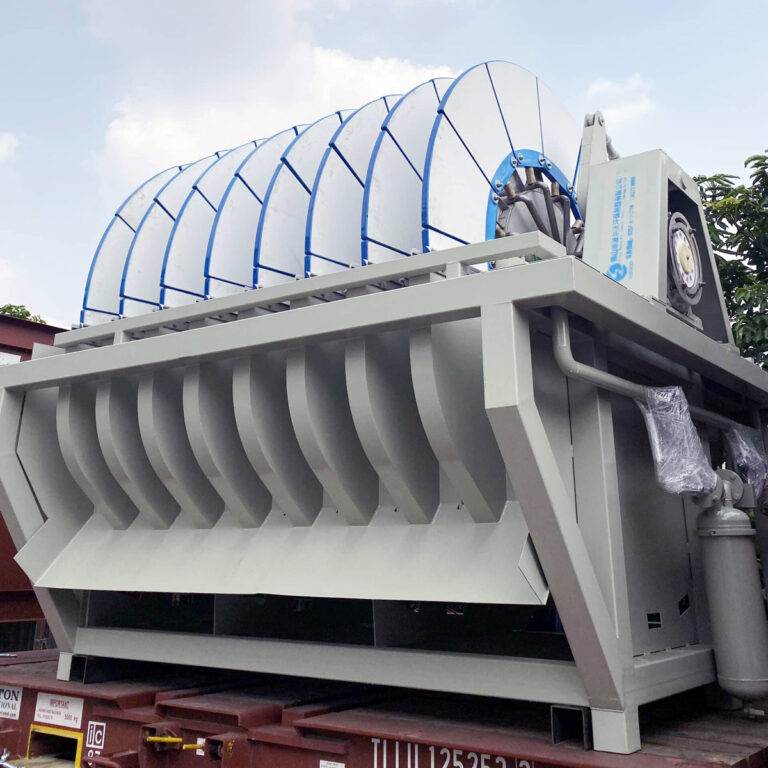
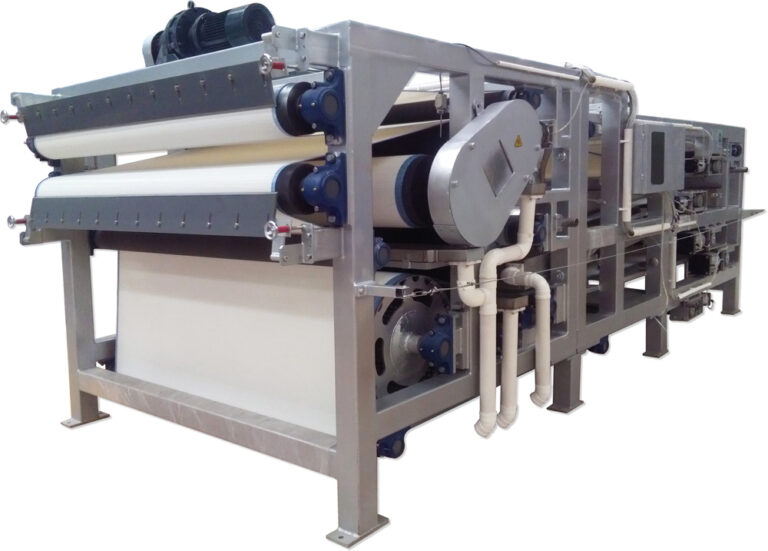
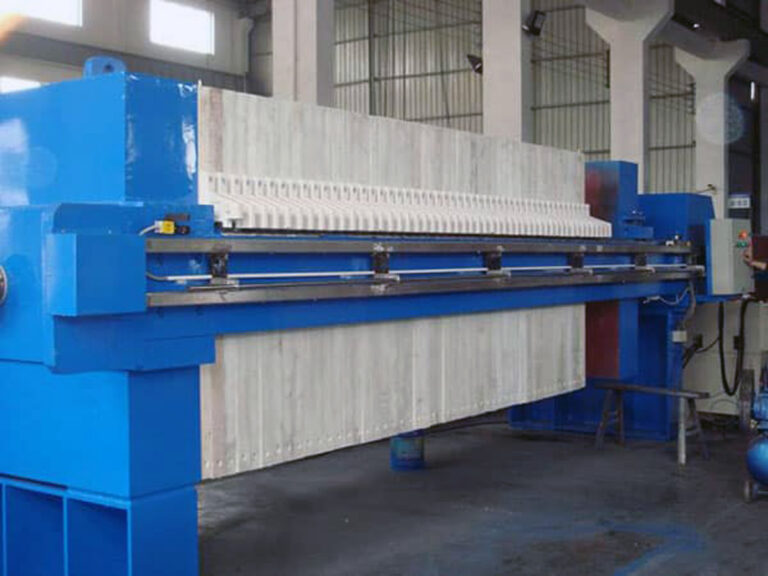
A ceramic vacuum filter operates via rotating discs of microporous alumina ceramic. A high vacuum and capillary action draw water through sub-micron pores, forming a cake on the membrane. An automated back-pulse cleans the pores. In contrast, a horizontal belt filter is a continuous system where slurry is deposited on a moving porous belt over a stationary vacuum box. Water is drawn through the belt, leaving a cake that is discharged at the roller.
Origin of Performance Trade-offs
This core difference—a sealed, fine-pore membrane versus an open, moving cloth—dictates all subsequent trade-offs. The ceramic’s microporous structure enables superior fine particle capture and clean filtrate. The belt’s open cloth allows for continuous operation but is vulnerable to blinding and tearing. This fundamental divergence in design philosophy sets the stage for vastly different operational and financial outcomes over the equipment’s lifecycle.
Belt Filter vs Ceramic Filter: Total Cost of Ownership (TCO)
Moving Beyond Capex
Evaluating these technologies requires a shift from simple capital expenditure to a comprehensive lifecycle model. Ceramic filters typically command a higher initial investment. This is counterbalanced by dramatically lower operating costs, including up to 85% less energy consumption and consumable lifespans up to 24 months. Belt filters often have a lower upfront cost but incur continuous, significant expenses for cloth replacement, higher energy use, and costs associated with treating higher-solids filtrate.
The Strategic Financial Implication
For high-throughput, continuous operations, the superior efficiency and media durability of ceramic technology often yield a lower TCO despite its premium price tag. This makes it a financially sound long-term investment. A rigorous TCO analysis over a 5-10 year horizon is non-negotiable, and must factor in local energy costs, water treatment expenses, and labor rates to reveal the true economic picture.
The following table quantifies the key cost drivers in a TCO comparison:
Total Cost of Ownership Breakdown
| Komponen Biaya | Filter Vakum Keramik | Horizontal Belt Filter |
|---|---|---|
| Initial Capital Cost (Capex) | Lebih tinggi | Lebih rendah |
| Konsumsi Energi | Up to 85% lower | Lebih tinggi |
| Media Replacement Frequency | ~24 months | Every few months |
| Filtrate Solids Content | 50-200 ppm | >10,000 ppm |
| TCO Outlook (Long-term) | Lebih rendah | Lebih tinggi |
Sumber: JB/T 8653-2017 Ceramic vacuum filter dan GB/T 35053-2018 Horizontal belt vacuum filter. These standards define the technical requirements and performance benchmarks for each filter type, forming the basis for evaluating operational parameters like media durability and filtrate quality that directly impact lifecycle costs.
Which System Delivers Better Performance & Reliability?
Performance Dictated by Design
Performance is a direct consequence of design. Ceramic filters excel in fine particle applications, capturing ultrafines to produce filtrate with 50-200 ppm solids. This directly addresses bottlenecks from recirculating cyclone fines. Belt filters are robust for a range of materials but struggle with ultra-fines, leading to higher cake moisture and turbid filtrate often exceeding 10,000 ppm solids.
The Reliability Equation
Reliability stems from mechanical simplicity. Ceramic filters offer high operational availability due to durable media and an enclosed system. Belt filter reliability is contingent on more moving parts—belts, rollers, tracking systems—and fragile cloth prone to tearing. In our experience, the predictability of ceramic system performance significantly reduces operational risk in remote locations where a single tear can halt production.
The performance and reliability metrics are summarized below:
Key Performance & Reliability Metrics
| Metrik Kinerja | Filter Vakum Keramik | Horizontal Belt Filter |
|---|---|---|
| Penangkapan Partikel Halus | Luar biasa | Struggles |
| Typical Filtrate Solids | 50-200 ppm | >10,000 ppm |
| Kelembaban Kue | 1-4% lower | Lebih tinggi |
| Primary Reliability Risk | Minimal; robust media | Cloth tears, many parts |
| Operational Availability | Tinggi | Contingent on maintenance |
Sumber: HG/T 3133-2018 Ceramic disc vacuum filter dan GB/T 35053-2018 Horizontal belt vacuum filter. These standards specify the design and testing criteria for each technology, which directly correlate to their performance capabilities in handling fine particles and their inherent mechanical reliability.
Maintenance Requirements & Operational Complexity Compared
Predictive vs. Reactive Regimes
Maintenance regimes diverge sharply. Ceramic filter maintenance is largely automated and predictive, centered on periodic membrane cleaning via back-pulse. The primary manual task is replacing ceramic panels every ~24 months. Belt filter maintenance is hands-on, frequent, and reactive. It involves continuous monitoring for cloth tears, replacing belts every few months, and adjusting vacuum box seals and tracking systems.
Operational Philosophy and Labor Impact
The complexity of multiple moving parts in a belt filter translates to more potential failure points and required operator intervention. This highlights a key strategic choice: ceramic filters align with a modern, predictive maintenance philosophy minimizing labor, while belt filters require a traditional, resource-intensive operational approach. The difference in system complexity directly affects operational staffing models and skill requirements.
The maintenance profiles of each system are compared here:
Maintenance Complexity and Frequency
| Maintenance Aspect | Filter Vakum Keramik | Horizontal Belt Filter |
|---|---|---|
| Core Media Lifespan | ~24 months | Few months |
| Primary Maintenance Type | Automated, predictive | Manual, reactive |
| Key Routine Task | Panel replacement | Cloth replacement & repair |
| Kompleksitas Sistem | Lower; fewer moving parts | Higher; rollers, tracking |
| Operational Philosophy | Predictive, minimal labor | Resource-intensive |
Sumber: JB/T 8653-2017 Ceramic vacuum filter dan GB/T 35053-2018 Horizontal belt vacuum filter. The standards outline construction and component requirements, which dictate the maintenance schedules and operational complexity for each system’s critical parts, such as ceramic membranes and filter cloth assemblies.
Key Decision Factors for Your Tailings Profile
The Primary Technical Driver
The optimal choice is dictated by specific tailings characteristics. The primary technical factor is particle size distribution. Ceramic filters are the definitive solution for fine, slimy tailings where achieving dry cake and clean water is paramount. For coarser, easier-to-dewater materials, a belt filter may be sufficient. Conducting definitive filterability testwork on representative tailings is the essential first step.
Aligning with Strategic Goals
Beyond technical fit, strategic priorities are crucial. If the goal is enabling filtered tailings storage (dry stack) or paste backfill, the 1-4% lower cake moisture from ceramic filters is an enabling factor. If water stewardship and direct return to process are critical, the ultra-clean filtrate from ceramic technology makes it the only viable choice. This positions ceramic technology as proactive risk mitigation against evolving regulations.
The decision framework based on material and goals is outlined below:
Tailings Profile Decision Matrix
| Faktor Keputusan | Favors Ceramic Filter | Favors Belt Filter |
|---|---|---|
| Ukuran Partikel | Fine, slimy tailings | Coarser, easy materials |
| Strategic Goal | Dry stacking, water return | Basic dewatering |
| Required Cake Moisture | Critical (1-4% lower) | Less critical |
| Kejernihan Filtrat | Ultra-clean water needed | Acceptable turbidity |
| Regulatory/Stewardship Focus | Tinggi | Standar |
Sumber: ISO 12900:2017 Solid-liquid separation equipment. This international standard provides the classification and fundamental principles for selecting solid-liquid separation equipment based on feed material characteristics and desired outcomes, directly informing the decision framework in this table.
Catatan: The framework recommends a 5-10 year horizon for TCO analysis.
Ceramic vs Belt Filter: Space & Installation Considerations
Footprint and Layout
Physical footprint influences project feasibility. Ceramic disc filters often have a more compact vertical footprint for a given filtration area, beneficial in space-constrained sites or plant retrofits. Belt filters require a significant horizontal length for the vacuum and drying zones, demanding a long, linear layout. This distinction can affect both greenfield and brownfield project designs.
Installation and Vendor Landscape
Installation complexity differs. Ceramic filter installation, while sophisticated due to integrated systems, involves fewer large moving components. Belt installation requires aligning extensive roller systems, belt tracking mechanisms, and large vacuum boxes. This underscores a vendor landscape polarization: ceramic projects typically involve full-system integrators who manage complex integration, while belt installations can sometimes use a more component-based approach.
Evaluating Long-Term Reliability & Operational Uptime
Engineering for Availability
Long-term reliability translates directly to production consistency. Ceramic filters are engineered for high uptime. The robust ceramic media resists sudden failure, and automated backwashing maintains consistent performance without shutdowns. Their simple rotary drive and enclosed systems minimize environmental exposure, supporting long campaigns.
The Predictability Gap
Belt filter uptime is inherently less predictable, tied to the integrity of a continuous, stressed cloth. A single tear causes immediate process halt. Reliability depends on constant vigilance over numerous mechanical components. This reliability gap means that for operations prioritizing maximum availability and minimizing unplanned downtime, the ceramic filter presents a lower-risk, higher-availability solution throughout its lifecycle.
How to Choose: A Framework for Mining Operations
A Structured Four-Step Process
A structured decision framework moves beyond technical specs to strategic alignment. First, conduct definitive filterability testwork on representative tailings. Second, execute a rigorous TCO analysis over a 5-10 year horizon. Third, align the choice with strategic site goals: is the aim compliance with evolving regulations, or simply cost-effective dewatering?
The Critical Role of Partnership
Finally, select a vendor based on integration capability, not just equipment supply. For complex filtered tailings projects, a partner offering lifecycle accountability from piloting to commissioning is critical for success. This bridges the common integration gap and ensures the selected ceramic vacuum filter technology is optimized for your specific circuit.
The decision ultimately hinges on aligning technology capability with long-term operational and strategic objectives. Prioritize a lifecycle cost perspective over initial price, and match the system’s strengths—be it fine particle capture or simpler mechanical design—to your tailings profile and water recovery goals. A partner with deep integration experience is as crucial as the equipment specification itself.
Need a professional assessment for your tailings dewatering circuit? The engineers at PORVOO can help you apply this framework to your specific operation, from testwork to TCO modeling. Hubungi Kami to discuss your project requirements and strategic goals.
Pertanyaan yang Sering Diajukan
Q: How does the core design of a ceramic vacuum filter lead to lower operating costs compared to a belt filter?
A: The sealed, microporous ceramic membrane design enables dramatically lower energy use—up to 85% less—by requiring minimal air flow, and its durable media lasts up to 24 months before replacement. In contrast, a belt filter’s open cloth and moving parts demand frequent cloth changes and higher energy for large vacuum pumps. This means facilities prioritizing long-term operational expenditure reduction should model the ceramic filter’s total cost of ownership, as its higher initial investment is often offset by sustained efficiency gains.
Q: What are the critical maintenance differences between ceramic and belt filters for remote mining sites?
A: Ceramic filter maintenance is automated and predictive, centered on programmed back-pulse cleaning and biannual panel replacement, minimizing manual labor. Belt filters require constant, hands-on intervention for cloth monitoring, frequent replacement, and adjustment of rollers and tracking systems. For remote operations where skilled labor is scarce and unplanned downtime costs are severe, the ceramic system’s simpler, enclosed design presents a significantly lower operational risk and supports higher availability.
Q: Which filtration technology is mandated for achieving ultra-clean process water return from fine tailings?
A: Ceramic vacuum filters are the definitive solution, capable of producing filtrate with 50-200 ppm solids due to their sub-micron pore filtration. Belt filters typically yield filtrate exceeding 10,000 ppm solids, which is unsuitable for direct recirculation. If your site’s strategic goal is water stewardship and closing the process loop, the ceramic technology is the only viable choice, transforming dewatering into a resource recovery operation. Its performance is governed by standards like JB/T 8653-2017 for ceramic vacuum filters.
Q: How should we evaluate the physical installation requirements for a new tailings dewatering system in a retrofit scenario?
A: Ceramic disc filters offer a compact vertical footprint, making them advantageous for space-constrained retrofits. Belt filters demand a long, linear layout for their vacuum and drying zones, which can be prohibitive. This distinction means projects with limited floor space should prioritize ceramic technology, but must also plan for its integrated control system installation. The design and installation of horizontal belt filters are detailed in standards such as GB/T 35053-2018.
Q: What is the primary technical factor in choosing between a ceramic and a belt filter for a specific tailings stream?
A: The decisive factor is your tailings’ particle size distribution. Ceramic filters are engineered for fine, slimy materials where achieving dry cake and clear water is critical. For coarser, easier-to-dewater solids, a belt filter may be operationally sufficient. This requires definitive filterability testwork on representative samples; if your profile contains a high fraction of ultrafines, the ceramic system’s performance in moisture reduction and filtrate clarity becomes a necessary enabling technology for dry stacking or paste backfill.
Q: What framework should operations use to make a final vendor selection for a filtered tailings project?
A: Move beyond equipment specs and select a vendor based on full-system integration capability and lifecycle accountability. A qualified partner should offer support from pilot testwork using predictive modeling through to commissioning and ongoing service. For complex projects aimed at filtered tailings storage, this integrated partnership is critical to bridge the common gap between equipment supply and successful, reliable plant operation, ensuring strategic goals for water and tailings safety are met.