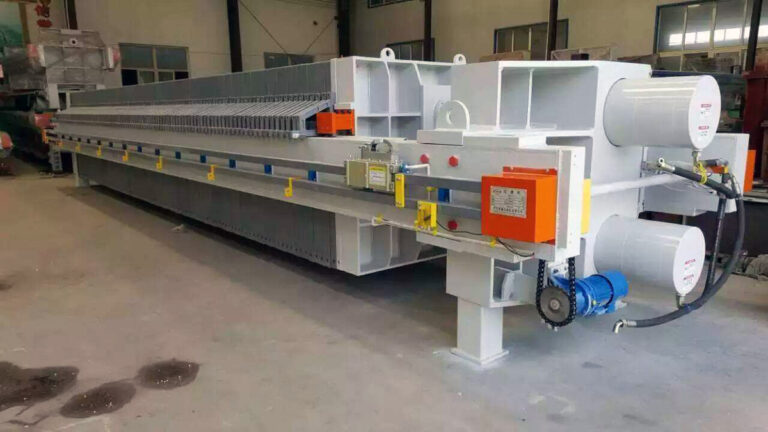
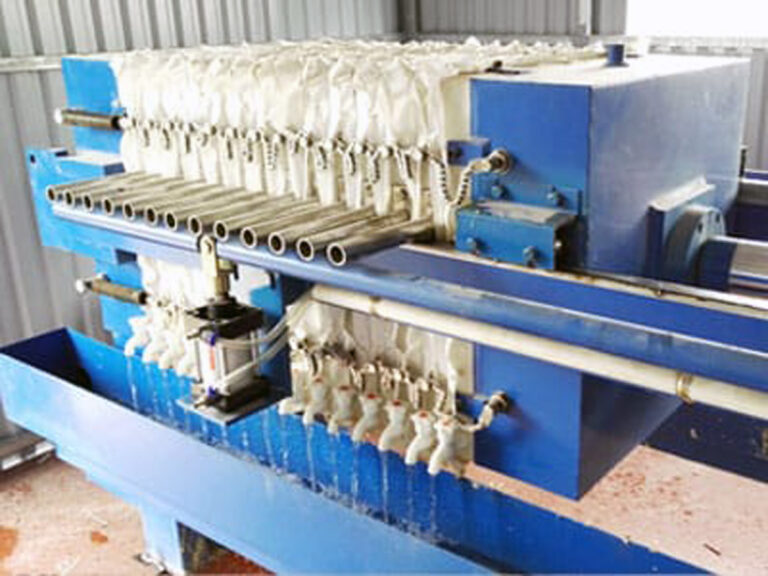
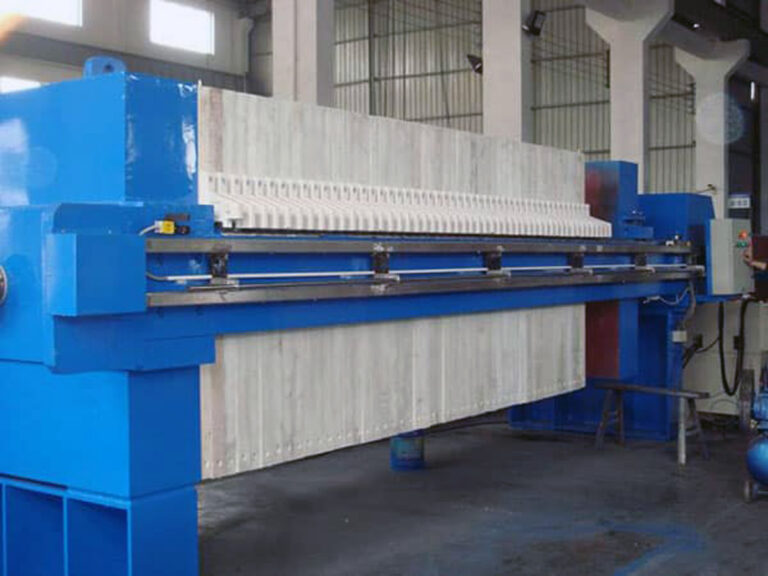
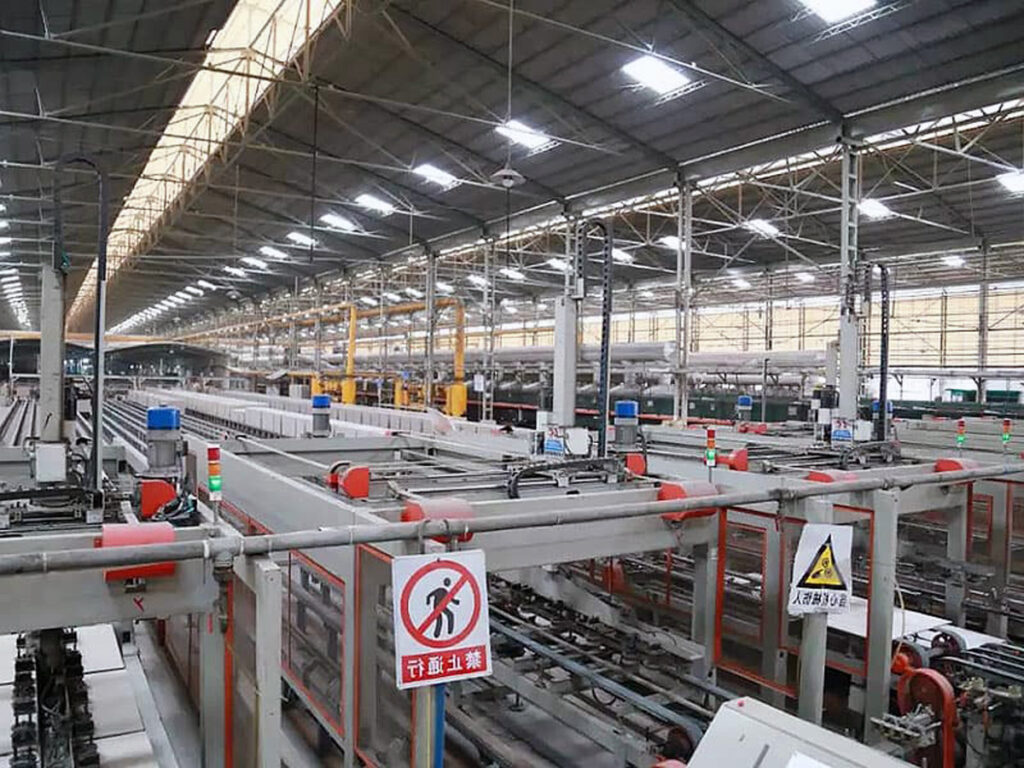
Para las operaciones industriales de gran volumen, la elección entre la descarga manual o automática de la torta del filtro prensa no es una especificación menor. Es una decisión fundamental que determina los costes de mano de obra, la fiabilidad operativa y la eficacia de toda la planta. Muchas operaciones consideran erróneamente la automatización como una simple mejora de la velocidad, pasando por alto su función principal: garantizar la descarga en condiciones variables y difíciles. Este desajuste puede dar lugar a importantes inversiones de capital en sistemas que no resuelven el problema principal de la adherencia de la torta pegajosa.
El cambio hacia operaciones desatendidas y 24 horas al día, 7 días a la semana, y el aumento de los costes laborales hacen que esta decisión sea crítica. Seleccionar el mecanismo de descarga adecuado repercute en el coste total de propiedad, los gastos de manipulación posterior y la capacidad de ampliación. Un sistema que falla bajo carga no sólo ralentiza la producción, sino que introduce tiempos de inactividad impredecibles y riesgos para la seguridad. Comprender las ventajas y desventajas técnicas y económicas es esencial para que su proceso de deshidratación esté preparado para el futuro.
Descarga manual frente a descarga automática: Definición de las principales diferencias operativas
La distinción fundamental: Dependencia del operador
La diferencia fundamental radica en la intervención humana. La descarga manual requiere que el personal abra físicamente la prensa, retire las placas y raspe o golpee la torta de filtración. Esto crea un cuello de botella que requiere mucha mano de obra, expone a los trabajadores a riesgos potenciales e introduce variabilidad en los tiempos de ciclo. La automatización pretende eliminar por completo esta dependencia, pero no todos los sistemas automatizados son iguales. El principal problema, como señalan los expertos del sector, es la falta de fiabilidad en el desprendimiento de la torta de la tela filtrante, especialmente con materiales adhesivos.
Evolución hacia el alta garantizada
Las primeras automatizaciones, como los vibradores de placas o los simples paños móviles, se limitaban a asistir a la gravedad. A menudo fallaban cuando la adherencia de la torta superaba la fuerza de aflojamiento aplicada, anulando el propósito de la automatización y requiriendo de todos modos la intervención manual. Esta falta de fiabilidad restableció los estándares de la industria. El cambio de paradigma llegó con los sistemas de contacto positivo, como los rascadores de torta integrados, que separan mecánicamente la torta de la tela. Esta evolución transfiere la responsabilidad de los fallos de descarga del equipo de operaciones al diseño del equipo, permitiendo ciclos verdaderamente desatendidos.
Impacto en el paradigma operativo
Este cambio redefine lo que es posible en una planta de filtración. Una operación ya no está limitada por el tamaño de la tripulación o los horarios de los turnos. Hemos observado que el éxito de la automatización permite que un único sistema de control gestione toda la secuencia de descarga, integrándola con el cambio de placas y el lavado de telas. Esto transforma el papel del operario de trabajador manual a supervisor del proceso, supervisando los datos de rendimiento en lugar de realizar tareas físicas repetitivas.
Comparación de costes: Inversión de capital frente a gasto operativo a largo plazo
Comprender el coste total de propiedad
El análisis financiero debe ir mucho más allá del precio de compra inicial. Los sistemas manuales presentan un bajo gasto de capital, pero incurren en costes de mano de obra variables y perpetuamente elevados. Los sistemas automáticos requieren una importante inversión inicial, pero convierten la mano de obra en un coste fijo predecible y mínimo. La justificación exige un modelo de coste total de propiedad (CTP) plurianual que tenga en cuenta todas las variables operativas.
La cascada laboral y descendente
Las plantas municipales de gran volumen demuestran que una automatización eficaz permite a un pequeño equipo de 2 a 4 operarios gestionar toda una instalación las 24 horas del día. Las ventajas se suceden en cascada. Los sistemas automatizados suelen ir acompañados de tecnología de membranas de alta presión, que produce tortas más secas y uniformes. Esto reduce la masa, disminuyendo los costes de transporte, vertido y secado térmico posterior. De este modo, el mayor desembolso de capital se compensa estratégicamente con una mayor capacidad de proceso y un mayor ahorro operativo.
Evaluar las contrapartidas financieras
La matriz de decisión equilibra las restricciones presupuestarias inmediatas con la salud financiera a largo plazo. Un sistema manual puede parecer económico, pero conlleva elevados gastos de mano de obra recurrentes y limita la escalabilidad. Un sistema automático representa una inversión estratégica de capital que genera costes de explotación previsibles y a menudo permite obtener nuevas eficiencias. El marco establecido en normas como ANSI/AWWA B130-2020 para evaluar la fiabilidad en el tratamiento del agua proporciona una base para modelizar estos costes operativos a largo plazo frente a la inversión de capital.
| Componente de coste | Sistema de descarga manual | Sistema de descarga automática |
|---|---|---|
| Inversión de capital | Bajo | Alta |
| Coste laboral | Alta, variable | Bajo, fijo |
| Tamaño de la tripulación (planta 24/7) | Mayor tripulación | 2-4 operadores |
| Ahorro en las fases posteriores | Mínimo | Reducción de los costes de transporte y vertido |
| Coste total de propiedad | Alta a lo largo del tiempo | Baja a largo plazo |
Fuente: ANSI/AWWA B130-2020 Filtros prensa para el tratamiento de aguas. Esta norma establece los requisitos para la fiabilidad y el rendimiento de los filtros prensa en aplicaciones municipales, proporcionando un marco para evaluar el coste operativo a largo plazo y las demandas de fiabilidad de los sistemas automatizados frente a las operaciones manuales.
Rendimiento y capacidad: Rendimiento y fiabilidad en uso de gran volumen
La fiabilidad define el rendimiento real
En contextos de grandes volúmenes, el rendimiento se mide por la producción sostenida y fiable, no por la velocidad máxima de descarga. Los sistemas como los agitadores vibratorios pueden ofrecer tiempos de ciclo rápidos pero fallar catastróficamente con materiales pegajosos, lo que provoca una descarga incompleta, limpieza manual y tiempos de inactividad prolongados. Esta falta de fiabilidad merma la capacidad efectiva. El verdadero rendimiento se consigue mediante ciclos ininterrumpidos y secuenciales en los que cada paso, incluida la descarga, está garantizado.
El papel facilitador de la alta presión
El cambio a la tecnología de compresión de membranas a 30 bares (450 psi) es un factor clave para una descarga automatizada fiable. Esta alta presión produce una torta más seca y quebradiza, con menor adherencia inherente a la tela. Crea una condición de material que permite que los sistemas de descarga mecánica funcionen con una fuerza y un desgaste mínimos. La combinación de mecanismos de deshidratación a alta presión y descarga positiva es lo que hace técnicamente viable el funcionamiento desatendido de gran volumen.
Analizar el impacto de la duración del ciclo
Una preocupación común es que los rascadores mecánicos añaden tiempo al ciclo. Aunque los sistemas de rascadores integrados pueden añadir entre 10 y 12 segundos a la fase de cambio de placas, se trata de una compensación mínima. Dentro de los ciclos típicos de filtración de lodos municipales de 3-5 horas, esta adición es insignificante, a menudo menos de un aumento de 1% en el tiempo total del ciclo. La garantía de una descarga completa compensa con creces este pequeño coste de tiempo, ya que una sola descarga fallida puede hacer perder horas de producción.
| Tipo de sistema | Fiabilidad de la descarga | Impacto en la duración del ciclo | Tecnología facilitadora clave |
|---|---|---|---|
| Gravedad vibratoria / asistida | Poco fiable (pasteles pegajosos) | Descarga rápida | Placas vibradoras, paños móviles |
| Sistema de rascador integrado | Alta garantizada | +10-12 segundos por ciclo | Rascadores mecánicos de contacto positivo |
| Prensa de membrana de alta presión | Alta (torta más seca y friable) | Ciclos típicos de 3-5 horas | Presión de compresión de 30 bares (450 psi) |
Fuente: JB/T 4333.4-2021 Condiciones técnicas de los filtros prensa automáticos de placas y marcos. Esta norma regula directamente el rendimiento y las pruebas de los mecanismos automatizados de los filtros prensa, incluida la fiabilidad de la descarga y la integración de los ciclos, que son fundamentales para evaluar el rendimiento real en el uso de grandes volúmenes.
Which System Is Better for Sticky or Adhesive Filter Cakes?
The Inadequacy of Non-Contact Methods
For challenging, adhesive sludges, gravity and vibratory systems are fundamentally inadequate. When cake adhesion to the cloth exceeds the loosening force provided by vibration or cloth movement, the cake remains stuck. Even complex moving cloth designs can fail if the adhesive bond isn’t broken. This makes partial automation risky; a system that works 80% of the time still requires 100% operator oversight, negating its value.
The Mechanics of Positive Removal
The integrated cake scraper system is engineered specifically for this challenge. It employs a precise two-stage process. First, a cloth spreader separates the filter cloth from the plate surface, breaking the initial vacuum seal. Second, scraper blades made from materials like UHMWPE (Ultra-High-Molecular-Weight Polyethylene) perform a controlled shearing motion against the cloth, mechanically detaching the adhered material. This positive action guarantees complete discharge, which is the non-negotiable requirement for unattended operation.
Balancing Effectiveness and Cloth Life
A valid concern is that scraping will accelerate cloth wear. Counterintuitively, with compatible soft scraper materials and proper system design, cloth longevity of 1.5 to 3 years or more is achievable. The key is the shearing action and material compatibility, which remove cake without abrading the cloth fibers. Furthermore, the GB/T 10894-2022 standard for separated plate filter presses provides the foundational technical requirements for the equipment platform, ensuring compatibility between the mechanical action and the filter cloth integrity. Regular automated cloth washing also maintains cloth permeability, further extending life. This makes consumable costs predictable and manageable.
| Discharge Mechanism | Effectiveness on Sticky Cakes | Acción clave | Cloth Longevity Impact |
|---|---|---|---|
| Gravity / Vibrators | Fails (adhesion overcomes force) | Loosening force only | Standard wear |
| Moving Cloth Designs | Fails (adhesion remains) | Cloth movement | Potential for increased wear |
| Integrated Cake Scraper | Guaranteed removal | Two-stage shearing motion | 1.5 – 3+ years achievable |
Nota: Scraper system uses UHMWPE blades and a cloth spreader.
Fuente: GB/T 10894-2022 Separated plate filter presses. This standard specifies technical requirements for the core filter press equipment, including the mechanical platform and cloth compatibility, which are foundational for evaluating the durability and effectiveness of integrated scraper systems on challenging materials.
Implementation & Integration: Space, Maintenance, and Staffing Impact
Spatial and Structural Requirements
Implementing an automatic discharge system affects the entire facility layout. A positive scraper system requires integration into a press structure robust enough to withstand high squeeze pressures, often exceeding 30 bar. Space must be allocated for the scraper carriage travel, typically on an overhead beam running the length of the press. This contrasts with a manual system, which only requires clearance for operator access. The integration principles mirror those in standards like ISO 12176-4:2023 for ancillary equipment, emphasizing safe, coordinated operation within a larger system.
Shifting Maintenance Regimes
Maintenance evolves from frequent, reactive manual cleaning to scheduled, preventive checks of mechanical and electrical components. Instead of dealing with cake buildup, technicians inspect limit switches, encoders, drive mechanisms, and scraper blade wear. This scheduled maintenance is more predictable and less disruptive than the urgent clean-outs required after a failed discharge. The system’s reliability is directly tied to the rigor of this maintenance schedule.
Transforming the Workforce Role
The most significant impact is on staffing. Labor is reallocated from repetitive, physically demanding, and potentially hazardous discharge tasks to higher-value roles involving plant oversight, data monitoring, and quality control. This transformation improves safety and job satisfaction. It also unlocks operational possibilities, allowing deployment in remote, harsh, or hazardous environments where consistent operator presence is impractical or unsafe.
| Aspecto | Manual System | Automatic Scraper System |
|---|---|---|
| Espacio necesario | Minimal for press only | Overhead beam for carriage |
| Primary Maintenance | Frequent manual cleaning | Scheduled mechanical checks |
| Staffing Role | Repetitive, hazardous tasks | Plant oversight & monitoring |
| Structural Need | Standard press frame | Robust, high-pressure capable |
| Deployment Flexibility | Limited to manned sites | Suitable for remote/harsh sites |
Fuente: ISO 12176-4:2023 Plastics pipes and fittings — Fusion equipment — Part 4: Ancillary equipment. The principles in this standard for automated control system integration, safety, and performance validation of industrial ancillary machinery are directly relevant to the implementation of automated discharge systems within a larger plant workflow and control architecture.
Key Decision Criteria for Selecting Your Discharge System
Primary Criterion: Cake Characteristics
The selection process must start with a rigorous analysis of the material. Is the sludge consistently friable, or is it variable and adhesive? Pilot testing under realistic conditions is non-negotiable. Adhesive or highly variable sludges demand a positive removal system; assuming a vibratory system will suffice based on average behavior invites failure. The cake’s physical properties dictate the necessary discharge force and mechanism.
Secondary Criteria: Throughput and Integration
Required plant throughput dictates the tolerance for cycle time extensions. High-frequency applications must account for the added time of a scraper cycle. Furthermore, the discharge system cannot be evaluated in isolation. Downstream handling—conveyors, hoppers, or trucks—must be compatible with the cake format and discharge timing. The entire cake handling path must be designed as a cohesive system.
The Vendor Evaluation: Total System Capability
Vendors must be evaluated on their total system integration capability, not just component specifications. The discharge mechanism must be seamlessly linked with plate shifting, feeding, and cloth washing via a central PLC with a coherent control philosophy. The best systems provide a unified, intelligent operation where each phase is optimized in relation to the others. This holistic approach to a sistema de filtro prensa de placas empotradas is what separates adequate suppliers from strategic partners.
Future-Proofing Your Operation: Automation and Industry Trends
The Baseline: Guaranteed Unattended Operation
The clear industry trend is establishing guaranteed unattended operation as the baseline for new installations, moving beyond partial or assisted automation. This makes integrated, high-pressure scraper systems a strategic default choice for capacity expansion or new plants. Investing in technology that still requires an operator on standby does not future-proof an operation; it merely postpones the inevitable upgrade.
Beyond Discharge: The Intelligent Dewatering Cycle
As basic automation becomes standard, competitive advantage will shift to vendors who optimize the entire dewatering cycle as a unified, intelligent system. This includes advanced process monitoring, data analytics for predictive maintenance, and adaptive control algorithms that adjust parameters based on feed stock variation. The discharge system becomes one integrated component of a smart, data-driven asset.
Evaluating Niche Alternatives
Niche solutions like vertical tower presses guarantee discharge via moving filter belts, eliminating the cake adhesion problem entirely. However, they trade off high capital cost, mechanical complexity, and limited filter area for that single benefit. For scaling high-volume operations, this trade-off often makes them less flexible and more expensive than a well-engineered, high-reliability recessed plate press with an integrated scraper. The strategic path focuses on adaptable, high-reliability technology that minimizes operational variability and total lifecycle cost.
The core decision pivots on material characteristics and total cost of ownership. For adhesive cakes, positive mechanical discharge is non-negotiable. The financial analysis must model labor, downtime risk, and downstream savings over a 5-10 year horizon, not just initial purchase price. Implementation success depends on treating the discharge system as an integrated component within a larger automated process, requiring vendor expertise in total system control.
Need professional guidance to specify a discharge system for your specific sludge profile and operational goals? The engineering team at PORVOO can help you model the trade-offs and design a filtration plant built for reliability and low lifetime cost. For a detailed discussion of your application, you can also Contacte con nosotros.
Preguntas frecuentes
Q: How do you guarantee reliable cake discharge for sticky, adhesive sludges in an automated filter press?
A: Only a positive-contact mechanical system, like an integrated scraper, guarantees discharge for adhesive materials. It uses a two-stage process where a spreader separates the cloth, followed by UHMWPE blades shearing the cake from the plate surface. This engineered approach ensures complete removal for unattended cycles. This means facilities processing variable or sticky industrial waste must prioritize scraper-based automation over assisted-gravity systems to eliminate discharge failures.
Q: What are the key standards for specifying and validating an automated plate and frame filter press?
A: The design and performance of the automated mechanisms are directly governed by standards like JB/T 4333.4-2021, which sets technical conditions for automatic plate shifting and discharge systems. For municipal water applications, ANSI/AWWA B130-2020 provides critical reliability and testing requirements. If your project is in a regulated sector, you should mandate vendor compliance with these specific standards during the procurement phase.
Q: How does a 30-bar membrane squeeze pressure impact the choice of discharge system?
A: Operating at 30 bar (450 psi) produces a drier, more friable filter cake that inherently releases more easily from the cloth. This physical change enables positive scraper systems to function with minimal wear and maintenance. The higher pressure is a key enabler for reliable, unattended automation. For projects aiming to minimize downstream disposal costs, you should evaluate high-pressure membrane technology and scraper discharge as an integrated system.
Q: What is the real throughput trade-off between a fast vibratory system and a slower integrated scraper?
A: While a simple vibrator may have a faster nominal discharge time, its unreliability with challenging cakes causes failed cycles and downtime, crippling effective capacity. An integrated scraper adds only 10-12 seconds per plate shift but guarantees discharge, ensuring sustained, sequential cycles. This means for high-volume operations with typical 3-5 hour cycles, you should prioritize guaranteed reliability over peak speed to maximize overall plant throughput.
Q: How do staffing requirements change when implementing a fully automated, high-pressure filter press system?
A: Automation fundamentally transforms labor from repetitive, hazardous manual cake removal to broader plant oversight and monitoring. Evidence shows a small crew of 2-4 operators can manage an entire automated plant running 24/7. This reallocation also enables deployment in remote or harsh environments. If you are justifying capital expenditure, model the shift from variable labor costs to a fixed, minimal staffing overhead.
Q: What should we look for in a vendor beyond component specs for an automated discharge system?
A: Evaluate vendors on their total system integration capability, not just individual component specifications. The critical factor is their ability to seamlessly link the discharge mechanism with plate shifting, feeding, and cloth washing through a centralized PLC. This holistic control is essential for unattended operation. For future-proofing, you should select partners who optimize the entire dewatering cycle as a unified, intelligent system.
Q: How does the ISO 12176-4 standard relate to filter press automation?
A: While ISO 12176-4:2023 primarily governs fusion equipment for plastics piping, its principles for automated control systems, safety, and performance validation of ancillary machinery are highly relevant. It provides a framework for designing and integrating automated discharge systems as part of a larger industrial equipment suite. When specifying automation, you can reference such standards to ensure robust control system design and validation practices.