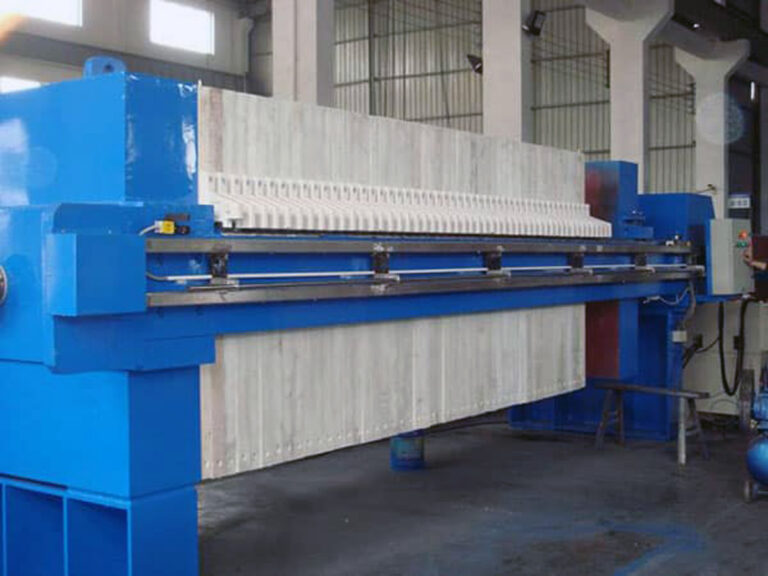
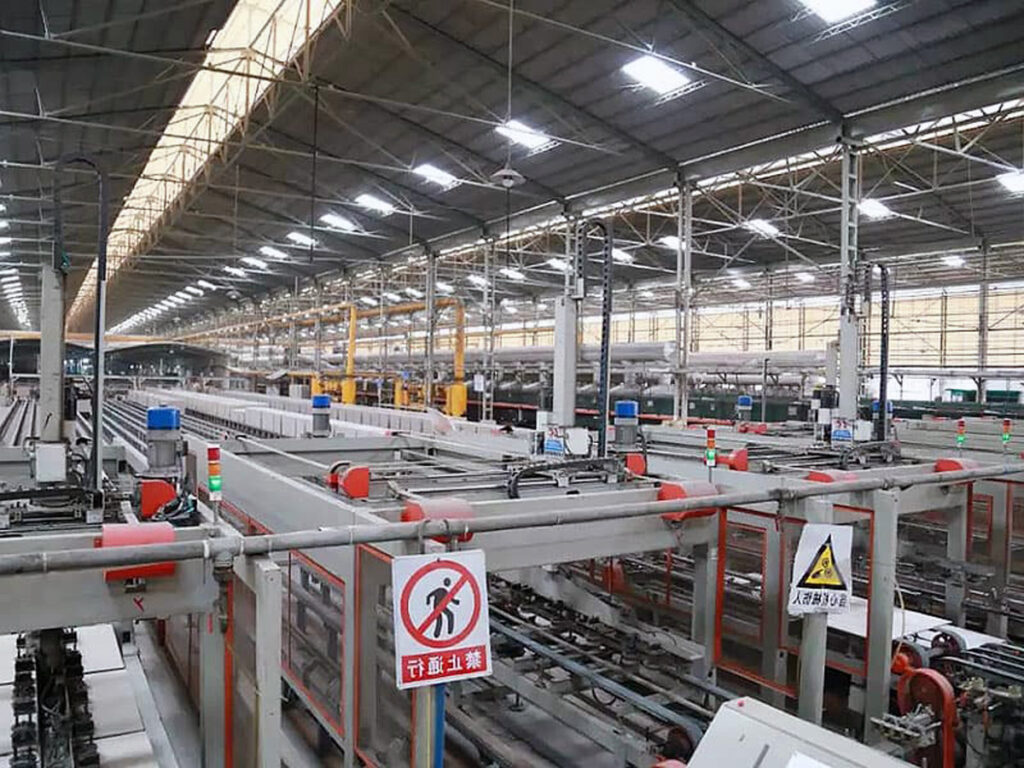
For tile manufacturers, the dewatering stage is a critical bottleneck where equipment selection directly impacts product quality, energy consumption, and plant profitability. The choice between a membrane filter press and a recessed plate filter press is often reduced to a simple capital cost comparison, overlooking the profound operational implications for total cost of ownership and process efficiency. This oversimplification can lock a plant into years of higher energy bills and constrained throughput.
With global energy costs volatile and sustainability mandates tightening, optimizing slurry dewatering is no longer just an operational concern—it’s a strategic financial decision. The residual moisture in filter cake dictates the thermal load on downstream drying ovens, where energy use is exponentially higher. Selecting the right press technology is therefore essential for controlling the largest variable cost in tile production and ensuring long-term competitiveness.
Membrane vs Recessed Plate: Core Operating Principles Compared
The Foundation: Batch Pressure Filtration
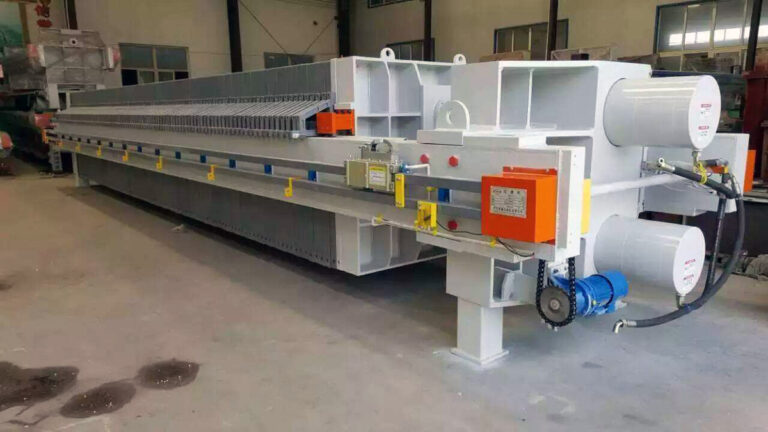
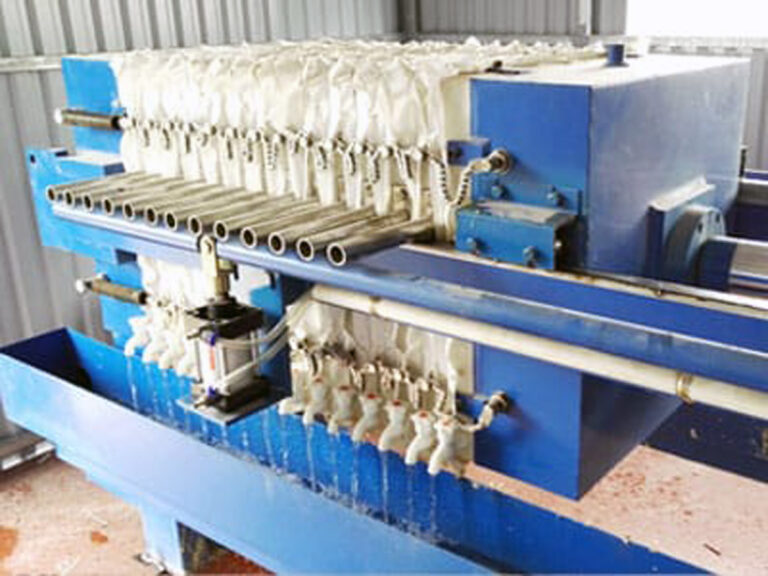
Both systems operate on a batch principle. High pressure clamps a series of plates covered in filter cloth, forming sealed chambers. Abrasive ceramic slurry is pumped into these chambers. Water passes through the cloth as filtrate, leaving a solid cake behind. This fundamental process is common to both technologies and is governed by the need to handle high solids content, often up to 75%, efficiently.
The Critical Differentiator: Mechanical Squeeze
The core divergence lies in the secondary dewatering phase. A recessed plate press relies solely on pump pressure to fill its fixed-volume chambers. Once full, dewatering efficiency drops sharply. In contrast, a membrane press introduces a configurable secondary step. After the initial filling phase, a medium like compressed air or water inflates an elastic membrane within each chamber, applying uniform mechanical pressure to squeeze the cake. This step is the key differentiator, designed to remove capillary water that hydraulic pressure alone cannot address.
Impact on Process Outcomes
This mechanical action isn’t just an add-on; it redefines performance parameters. The ability to control squeeze pressure and duration allows operators to target specific cake dryness, a flexibility absent in recessed plate systems. Furthermore, this principle enables more efficient cake washing cycles for product purification, as the membrane can re-compact the cake after wash water is introduced. In our analysis of system configurations, we found that some plants opt for a hybrid plate pack—mixing membrane and recessed plates—to balance cost and performance for specific slurry streams, showcasing the strategic application of this core principle.
Capital Cost vs Operating Cost: A Total Cost of Ownership Analysis
Understanding the Initial Investment
The capital expenditure for a membrane filter press is typically 20-40% higher than for a comparably sized recessed plate unit. This premium covers the more complex plate design, the secondary compression system (air compressor or water pump station), and the associated control valves. For plants with strict budget constraints, this upfront difference is the primary deterrent.
The Long-Term Operational Calculus
A true TCO analysis shifts the focus from purchase price to lifetime cost. The superior dewatering of a membrane press yields a significantly drier cake. This directly reduces the mass of water that must be evaporated in downstream drying ovens—a major operational cost center where energy consumption is non-linear. The savings here often outweigh the press’s own energy use. Additionally, strategic investments in automation accessories like plate shifters, while increasing upfront cost, deliver calculable reductions in labor expenses and increase overall equipment effectiveness by minimizing manual intervention.
Evaluating the Break-Even Point
The decision ultimately hinges on a financial model comparing the capital premium against the net present value of operational savings. Plants with high energy costs or those operating multiple shifts will see a faster payback. The table below outlines the key TCO drivers for each technology.
| Componente de coste | Recessed Plate Press | Filtro prensa de membrana |
|---|---|---|
| Gastos de capital | Menor inversión inicial | Mayor coste inicial |
| Primary Operational Cost | Higher thermal drying energy | Lower drying energy |
| Labor Cost Impact | Higher manual intervention | Reduced by automation |
| Long-term TCO Driver | Sustained energy expense | Energy & labor savings |
Fuente: Documentación técnica y especificaciones industriales.
Which Filter Press Delivers Better Dewatering Performance?
Metrics That Matter: Dryness and Cycle Time
Performance is quantified by final cake solids content and the time required to achieve it. For abrasive tile slurry, these metrics determine downstream efficiency and overall plant throughput. The recessed plate press, dependent on pump pressure alone, typically achieves cake solids in the range of 70-75%. The membrane press, with its mechanical squeeze, consistently pushes solids content to 80-85% or higher. This 10-15% reduction in residual moisture translates directly to less thermal energy required for drying.
Throughput and Flexibility Advantages
Beyond dryness, cycle time is critical. The high-pressure squeeze phase in a membrane press achieves target dryness more rapidly than extended pumping, shortening the overall cycle. This allows for more cycles per day, meaning a smaller membrane press can often match or exceed the daily output of a larger recessed plate unit. The membrane system also offers enhanced process options. Efficient cake washing and air blowing cycles become more effective, allowing for value extraction through impurity removal or product recovery.
Comparative Performance Data
The following table summarizes the typical performance differential, which is crucial for capacity planning and energy budgeting.
| Métrica de rendimiento | Recessed Plate Press | Filtro prensa de membrana |
|---|---|---|
| Sólidos típicos de la torta | ~70-75% | 80-85% or higher |
| Duración del ciclo | Longer pumping phase | Shorter, faster cycles |
| Capacidad de producción | Lower daily output | Higher daily throughput |
| Flexibilidad del proceso | Deshidratación básica | Efficient cake washing |
Fuente: Documentación técnica y especificaciones industriales.
ROI Comparison: Energy Savings, Throughput, and Payback Period
Quantifying the Primary Driver: Energy
The most significant variable in the ROI model is downstream energy savings. Removing water mechanically with a membrane is far more efficient than removing it thermally. For every ton of tiles produced, the reduction in cake moisture can slash drying fuel consumption by a substantial margin. This saving must be calculated against local energy tariffs to establish a clear annual monetary value, which directly offsets the capital premium.
Secondary Gains: Capacity and Yield
Increased throughput from shorter cycle times provides a secondary financial benefit. It can defer capital investment in additional press capacity or enable production growth within the same footprint. Furthermore, more efficient washing cycles can improve material yield or reduce waste disposal costs by better recovering valuable materials from the slurry. These factors contribute to the ROI but are often plant-specific.
Building a Comprehensive Payback Model
A robust ROI analysis integrates all variables. Payback periods for membrane presses typically range from 1 to 3 years, heavily dependent on production volume and energy costs. High-volume plants magnify both the savings and the gains, strengthening the business case. The table below outlines the core factors influencing the return on investment.
| ROI Factor | Impact & Consideration | Beneficio principal |
|---|---|---|
| Downstream Energy Savings | Supera el uso de energía de la prensa | Importante reducción de costes |
| Aumento del rendimiento | Ciclos más cortos, menor huella | Retrasa la inversión en capacidad |
| Periodo de amortización Conductor | Costes energéticos locales, volumen | Gran dependencia del volumen |
| Valor adicional | Mejora del rendimiento del material | Reducción de residuos |
Fuente: Documentación técnica y especificaciones industriales.
Comparación del mantenimiento, el tiempo de inactividad y la complejidad operativa
Complejidad y previsibilidad de los componentes
Las prensas de placas empotradas tienen una simplicidad mecánica que puede traducirse en un mantenimiento menos frecuente de la propia prensa. Las prensas de membrana introducen componentes adicionales: las membranas de elastómero, las tuberías asociadas y las válvulas de control para el medio de compresión. Sin embargo, estos componentes tienen ciclos de vida y modos de fallo predecibles. Un programa de mantenimiento preventivo disciplinado para la inspección de las membranas y las válvulas puede evitar paradas imprevistas, haciendo que los costes operativos sean más estables y previsibles.
El procedimiento de limpieza de alto riesgo
Para ambos tipos de prensas en aplicaciones de azulejos, hacer frente a las incrustaciones calcáreas es un reto universal. La limpieza con ácido clorhídrico para disolver los depósitos es un último recurso habitual pero de alto riesgo. Este procedimiento genera gas hidrógeno, plantea graves riesgos para la seguridad y acelera la corrosión de los componentes metálicos y la degradación de las telas filtrantes de nailon. Los expertos del sector recomiendan medidas proactivas, como los sistemas automatizados de lavado de telas a alta presión, para prolongar los intervalos entre limpiezas químicas, protegiendo tanto al personal como la longevidad de los equipos.
Gestión del flujo de trabajo operativo
La complejidad operativa es inherentemente mayor en los sistemas de membrana debido al ciclo de dos fases y a los controles adicionales. Sin embargo, a menudo esto se mitiga integrando mayores niveles de automatización. Un PLC bien programado que gestione la secuencia -llenado, exprimido, soplado de aire y liberación de la torta- reduce la necesidad de intervención de operarios cualificados y minimiza los errores humanos. La carga operativa pasa entonces del control manual a la supervisión del sistema y el mantenimiento programado.
Optimización de la lechada para baldosas: Resistencia a la abrasión y diseño del sistema
Selección de componentes de desgaste críticos
La naturaleza abrasiva de los lodos cerámicos dicta la selección de materiales para los componentes clave. Las placas filtrantes son casi exclusivamente de polipropileno reforzado por su combinación de resistencia química, bajo peso y suficiente durabilidad. Sin embargo, la tela filtrante es la principal variable de rendimiento. Su material (por ejemplo, polipropileno o nailon) y su tejido deben seleccionarse en función del tamaño específico de las partículas y de la composición química del lodo. Este consumible influye directamente en la velocidad de filtración, el desprendimiento de la torta y la vida útil de la tela, lo que lo convierte en un factor crítico de coste operativo y rendimiento.
El papel estratégico de la bomba de alimentación
La bomba de alimentación es un activo estratégico, no una mercancía. Debe manejar lodos abrasivos y de alta densidad sin un desgaste excesivo ni pulsaciones que puedan dañar las telas filtrantes o provocar una formación irregular de la torta. Las bombas de diafragma o de tornillo excéntrico (tipo Moyno) son las opciones estándar, diseñadas específicamente para manejar con fiabilidad contenidos de sólidos de hasta 75%. Invertir en la tecnología de bombeo adecuada protege la integridad de todo el proceso de deshidratación y reduce los costes de mantenimiento a largo plazo.
Diseño de un sistema escalable
El diseño de los filtros prensa modernos es modular. Las plantas pueden elegir entre bastidores de viga lateral o aérea en función del espacio disponible y del acceso para el mantenimiento. El número de placas puede variar desde menos de 10 para aplicaciones piloto o de bajo volumen hasta más de 190 para producción a gran escala. Esta modularidad, a la que se hace referencia en las normas de diseño de sistemas para equipos industriales, permite un dimensionamiento preciso para las necesidades actuales con flexibilidad incorporada para futuras ampliaciones. La tabla siguiente detalla las especificaciones clave para un sistema optimizado.
| Componente del sistema | Especificación/requisitos clave | Objetivo/Razón |
|---|---|---|
| Placas filtrantes | Polipropileno reforzado | Resistencia química y a la abrasión |
| Tipo de bomba de alimentación | Diafragma o tornillo excéntrico | Admite sólidos de hasta 75% |
| Tela filtrante | Selección específica de purines | Crítico para el tiempo de ciclo |
| Escalabilidad del sistema | 10 a 190+ recuentos en placa | Se ajusta al volumen de producción |
Fuente: ISO 13006 Baldosas cerámicas - Definiciones, clasificación, características y marcado. Esta norma proporciona las definiciones técnicas fundamentales y la clasificación de productos para baldosas cerámicas, informando sobre las especificaciones de material y rendimiento requeridas para los componentes del sistema que manipulan lodos abrasivos de baldosas.
Criterios clave de decisión: Selección de la prensa adecuada para su planta
Definición de requisitos no negociables
El proceso de selección comienza con los parámetros fijos de la planta. ¿Cuál es el objetivo absoluto de humedad de la torta para garantizar la eficacia del secado posterior? ¿Cuál es el rendimiento diario necesario en toneladas de sólidos secos? ¿Cuáles son los costes locales de energía térmica (gas natural, electricidad) y mano de obra? Estas respuestas cuantitativas constituyen el marco no negociable. El cumplimiento de sistemas de gestión de la calidad como ISO 9001 proporciona un planteamiento estructurado para definir y cumplir estos requisitos de proceso de forma coherente.
Tecnología y prioridades
Una vez definidos los requisitos, la elección de la tecnología resulta más clara. Un filtro prensa de placas empotradas es una opción adecuada cuando los requisitos de humedad final son menos estrictos, el tiempo de ciclo no es un cuello de botella en la producción y el objetivo principal es minimizar el desembolso de capital inicial. Representa un punto de entrada más sencillo y de menor riesgo. Un filtro prensa de membrana se justifica cuando es fundamental conseguir una torta lo más seca posible para reducir la energía de secado, o cuando se necesita un mayor rendimiento con un equipo más pequeño para satisfacer la creciente demanda.
El compromiso de la configuración
La decisión no siempre es binaria. Para las plantas que procesan varios tipos de lodos con características diferentes, un paquete de placas híbrido ofrece un compromiso estratégico. Al mezclar placas de membrana y placas empotradas en una sola prensa, los fabricantes pueden equilibrar el coste y el rendimiento, aplicando la compresión de membrana más cara sólo donde aporta más valor. Esto requiere un análisis cuidadoso de cada flujo de purines, pero puede optimizar el ROI global del sistema.
Implantación e integración: Garantizar el éxito de la instalación
La prensa como componente del sistema
El éxito de una instalación depende de que el filtro prensa no se considere una máquina aislada, sino el núcleo de una línea de deshidratación integrada. Esto incluye el equipo auxiliar adecuado: transportadores de torta o sistemas de descarga, bandejas de goteo, tanques cerrados de recogida de filtrado y, posiblemente, tanques de acondicionamiento de lodos. Si se descuida esta integración, se producen cuellos de botella operativos, problemas de mantenimiento y se reduce la eficacia general del sistema.
The Value of Vendor Expertise
Given the specialized ecosystem of pump, press, and cloth suppliers, vendor selection is critical. Prioritize a supplier who offers comprehensive system design support and takes ownership of the integration process. This single-point responsibility reduces performance risk and ensures all components are compatible. Their expertise in navigating the complexities of abrasive slurry handling is invaluable, turning a equipment purchase into a guaranteed process outcome.
Embracing System Intelligence for Predictability
Modern control systems transform dewatering from a manual batch operation into a reliable, automated process stage. PLCs with smart cycle control adapt to feed conditions, while flow meters and pressure sensors provide data for predictive maintenance. Tele-assistance capabilities enable remote diagnostics and optimization. This intelligence makes the total cost of ownership more predictable and manageable, moving operations from reactive troubleshooting to proactive process management.
The decision between membrane and recessed plate technology ultimately balances upfront capital against long-term operational control. Prioritize the membrane press when downstream drying energy dominates your cost structure or when footprint constraints demand maximum throughput. Choose the recessed plate for simpler applications where moisture targets are moderate and initial budget is the primary constraint. In both cases, success depends on meticulous system integration and a commitment to proactive, data-driven maintenance.
Need professional guidance to design a dewatering system that meets your specific tile slurry characteristics and financial targets? The engineering team at PORVOO specializes in analyzing plant requirements to recommend the optimal filtration equipment configuration for maximum ROI.
Preguntas frecuentes
Q: How does the operating principle of a membrane filter press lead to lower energy costs in tile manufacturing?
A: A membrane press adds a secondary mechanical squeeze phase after initial slurry pumping, which removes capillary water that pump pressure alone cannot address. This action produces a drier cake with 80-85% solids versus ~70-75% from a recessed plate press. The reduced moisture directly slashes the thermal energy needed in downstream drying ovens, a major operational expense. This means facilities with high-volume production and expensive energy should prioritize the membrane press to achieve a compelling total cost of ownership.
Q: What are the key maintenance challenges when using a filter press for abrasive tile slurry, and how can they be mitigated?
A: The primary challenge is managing calcareous deposits, which often leads to the high-risk practice of acid cleaning with hydrochloric acid. This procedure generates hazardous hydrogen gas and accelerates wear on components and nylon cloths. A preferred proactive strategy is implementing automated high-pressure cloth washing systems to extend intervals between chemical cleanings. For projects where slurry abrasiveness is high, plan for robust ancillary equipment like specialized feed pumps and factor in the cost of advanced cloth washing systems to protect your investment.
Q: When selecting a filter press, how do I decide between a recessed plate and a membrane model for my plant?
A: Your decision should weigh target cake moisture, required throughput, and downstream energy costs against available capital. Choose a recessed plate press if final moisture requirements are less stringent and minimizing initial investment is critical. Justify a membrane press when achieving the driest possible cake to reduce drying energy is paramount, or when you need higher throughput from a smaller footprint. For operations with variable slurry, a hybrid plate pack mixing both types can balance cost and performance.
Q: What role do international standards play in the manufacturing and specification of ceramic tiles from a dewatering process?
A: Adherence to standards like ISO 13006 provides the foundational definitions, classification, and marking requirements for the final tile product. Consistent terminology, as defined in references like ASTM C242, ensures clear communication across the supply chain regarding materials and processes. This means your filter press selection and process optimization must ultimately support the ability to consistently meet the product characteristics and quality management system requirements outlined in these standards.
Q: How important is the feed pump selection for a tile slurry dewatering line, and what type is recommended?
A: The feed pump is a strategic asset, not a commodity, due to the abrasive, high-solids nature of tile slurry. Diaphragm or eccentric screw pumps designed to handle solids content up to 75% are recommended because they provide stable, pulsation-free feeding. This protects the filter press’s process integrity and significantly reduces maintenance costs associated with pump wear. If your operation processes abrasive slurries, expect to invest in a purpose-designed pump to ensure system reliability and protect your downstream dewatering efficiency.
Q: What should we look for in a vendor to ensure successful filter press integration and long-term performance?
A: Prioritize a supplier who offers comprehensive system design support and integration expertise for the entire dewatering line, including ancillaries like conveyors and filtrate systems. Given the specialized ecosystem for pumps, presses, and cloths, a vendor with this holistic capability reduces performance risk. Furthermore, seek out partners embracing system intelligence with PLCs for smart cycle control and tele-assistance for predictive maintenance. This means facilities aiming for a reliable, automated process stage should evaluate vendors on their integration support, not just equipment specifications.