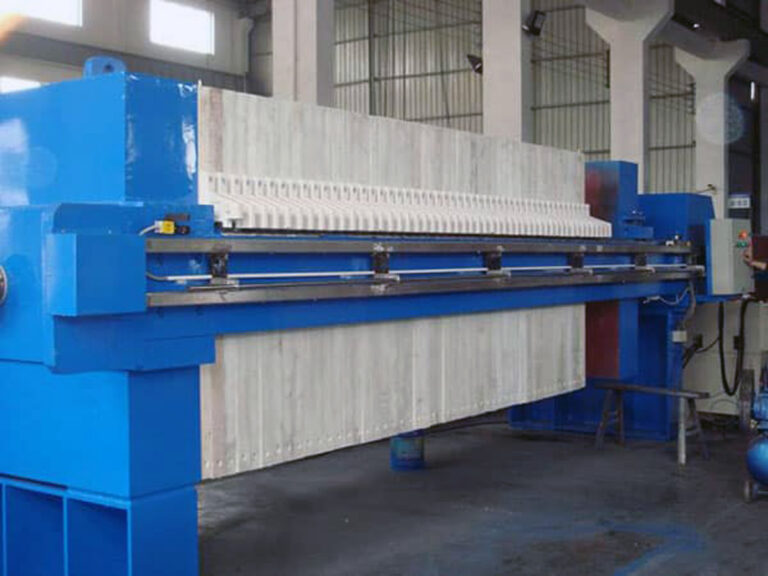
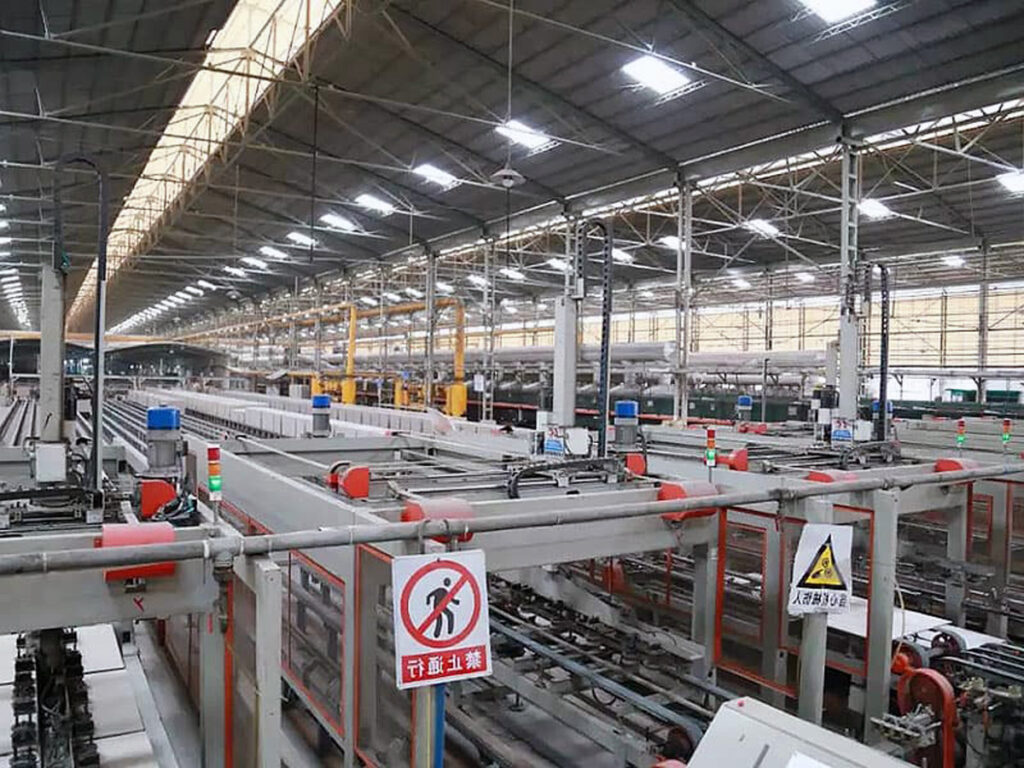
Selecting a filter press is a capital-intensive decision with long-term operational consequences. A common mistake is focusing on flow rate alone, which ignores the critical mass balance between slurry input and dewatered cake output. This leads to costly undersizing or inefficient overcapitalization. The true challenge lies in translating variable sludge characteristics into precise equipment specifications that deliver predictable performance and total cost of ownership.
Accurate sizing is not a simple vendor calculation; it is a fundamental engineering exercise that defines project viability. With disposal costs rising and environmental compliance tightening, the economic penalty for a poorly specified system is severe. This guide provides a standardized methodology to move from sludge data to validated equipment selection, ensuring your investment meets both current and future dewatering requirements.
Key Inputs for Accurate Filter Press Sizing
Defining the Mass Balance Boundary
Accurate sizing shifts the procurement focus from simple flow rates to comprehensive sludge characterization. The process is governed by a mass balance, requiring precise data on daily sludge volume, incoming solids content (% DS), target cake solids, and cake density. Each parameter must be based on measured, site-specific data rather than generic assumptions. The goal is to define the exact mass of dry solids that must be processed daily and the volume of cake that will result.
The Critical Filterability Variable
The most decisive and often uncertain variable is sludge filterability, which directly dictates cycle time. This property is best determined through laboratory testing, not estimation. A strategic operational boundary exists at the 3% dry solids threshold. Slurries below this concentration drastically increase cycle time and hydraulic loading, disrupting standard sizing assumptions. For these dilute streams, upstream thickening becomes an essential pre-investment for system viability and economy, fundamentally altering the system design and cost model.
Essential Data Collection
Before any calculation, a rigorous data collection phase is non-negotiable. This includes representative sampling over a full operational cycle to capture variability. In our experience, the single largest source of post-installation performance disputes is a discrepancy between the sludge characterized during procurement and the actual material processed.
| Parámetro de entrada | Rango/Valor típico | Critical Note |
|---|---|---|
| Incoming Solids | Below 3% DS | Requires upstream thickening |
| Filtrabilidad de los lodos | Lab test required | Dictates cycle time |
| Target Cake Solids | Project-specific | Defines dewatering goal |
| Densidad de la torta | Project-specific | Impacts volume calculation |
Fuente: Documentación técnica y especificaciones industriales.
Core Sizing Calculations: A Step-by-Step Mass Balance
Calculating Daily Dry Solids Mass
The core engineering exercise begins by calculating the daily dry solids (DS) load. Multiply the daily sludge volume (m³/day) by its density (kg/m³) and the solids percentage (expressed as a decimal). The result, in kg DS/day, forms the immutable basis for all subsequent sizing. Errors here propagate through the entire calculation. Industry experts recommend using the peak load, not the average, to build in necessary capacity for fluctuations and future growth.
Translating Solids into Cake Volume
Next, determine the daily volume of dewatered cake. This requires the target cake solids content and the bulk cake density. Use the formula: Daily Cake Volume (m³/day) = (Daily DS Mass / Target Cake Solids %) / Cake Density. This step reveals the physical footprint required for cake storage and handling. It also highlights the economic impact of achieving a higher cake solids percentage: a drier cake reduces volume, lowering disposal costs.
Determining Required Filter Volume per Cycle
The essential metric for equipment specification is the filter volume required per cycle (Vf). Divide the daily cake volume by the desired number of operating cycles per day. The cycle count is a function of available operational hours and the estimated cycle time. This methodology positions chemical conditioning—often calculated via established graphs for lime and ferric chloride doses—not as a mere operating cost, but as a variable that influences batch size, cycle time, and overall system capacity in total cost of ownership models.
| Paso de cálculo | Métrica clave | Propósito |
|---|---|---|
| Daily Dry Solids | Mass (kg/day) | Basis for all sizing |
| Daily Cake Volume | Volume (m³/day) | Uses target solids & density |
| Filter Volume per Cycle (Vf) | Volume (m³/cycle) | Core equipment specification |
| Acondicionamiento químico | Dose per batch | Affects batch size & TCO |
Fuente: Documentación técnica y especificaciones industriales.
Translating Volume into Plate Size and Chamber Count
The Chamber Volume Equation
The calculated filter volume (Vf) must be translated into physical equipment specifications: plate size, chamber thickness, and chamber count. Each chamber’s volume is a function of plate dimensions and the cavity depth. Standard chamber volumes are provided by manufacturers for various plate sizes and thicknesses. The required number of chambers is simply Vf divided by the individual chamber volume.
The Configuration Trade-Off
This creates a critical configurable trade-off. A needed volume can be achieved with different combinations—for example, many small plates versus fewer large ones. This decision directly impacts the system’s footprint, plate-shifting time, and manual labor requirements. A press with more plates will have a longer opening and closing sequence, increasing non-productive cycle time. Buyers must therefore evaluate space constraints and automation levels alongside purchase price.
Factoring in Operational Realities
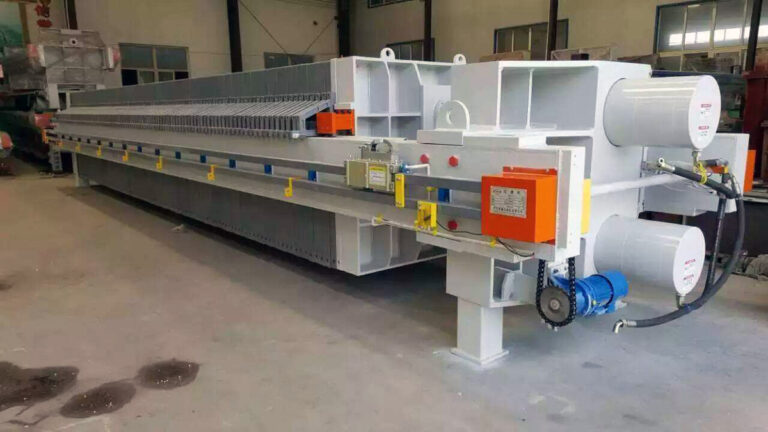
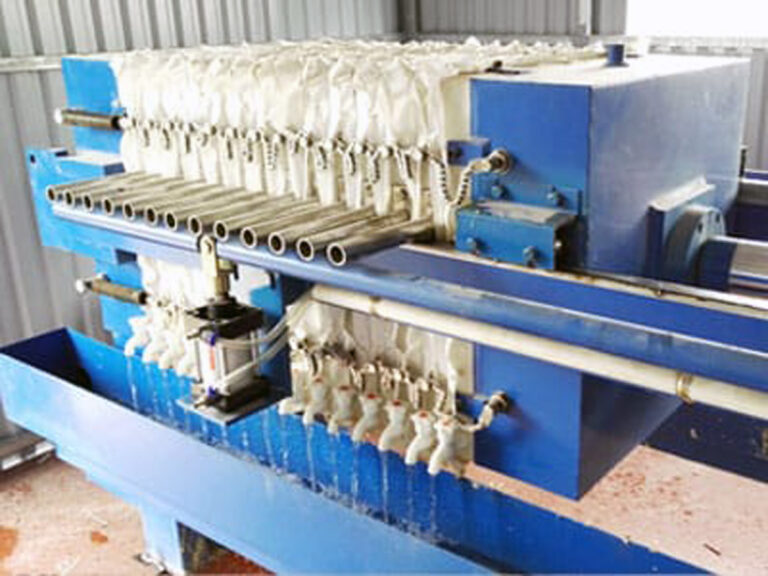
A cheaper press with more plates may incur significantly higher long-term operational costs due to increased maintenance and labor. Easily overlooked details include the space needed for plate racking during cloth changes and the accessibility for maintenance. The selection of equipos de filtración industrial should always consider the total lifecycle workflow, not just the initial fit.
How Does Sludge Type and Cycle Time Impact Capacity?
Sludge as the Primary Driver
Sludge characteristics are the primary driver of cycle time, which in turn dictates daily capacity. The filterability—a combination of particle size, compressibility, and chemical nature—determines how quickly water can be removed. Difficult, gelatinous sludges like biological wastes may require 3-4 hour cycles to achieve adequate cake dryness, while free-draining inert minerals can often process in 20 minutes.
The Direct Link to Capital Cost
This relationship creates a direct link between filterability and capital cost. Longer cycles necessitate a larger press volume to meet the same daily throughput. If a mineral slurry requires a 1 m³ press, a biological sludge with a four-times-longer cycle would need a 4 m³ press for the same daily duty. This inherent uncertainty is why pilot testing is the primary risk mitigation tool for non-standard slurries.
Mitigating Specification Risk
Allocating budget for testing with actual slurry is the most effective strategy to de-risk capital expenditure. It confirms cycle times, optimal pressure profiles, and chemical requirements, preventing costly undersizing or performance shortfalls. According to research from filtration consultancies, up to 30% of operational issues stem from incorrect cycle time assumptions made during sizing.
| Tipo de lodo | Duración típica del ciclo | Impact on Press Size |
|---|---|---|
| Biological/Gelatinous | 3-4 hours | Requires larger volume |
| Inert Minerals | ~20 minutes | Allows smaller volume |
| Variable/Unknown | Pilot test required | Primary risk mitigation tool |
Fuente: Documentación técnica y especificaciones industriales.
Membrane vs. Recessed Chamber Plates: Performance & Cost
Performance Mechanics of Each Plate
Plate selection is a critical performance and cost decision. Standard recessed chamber plates provide a fixed volume for cake formation. Membrane plates incorporate an inflatable diaphragm that, after the initial feed cycle, uses water or air pressure to squeeze the cake. This secondary compression phase often increases final cake solids by 10-15% compared to a recessed chamber plate processing the same feed.
Throughput and Economic Implications
The membrane squeeze also reduces cycle time by 75-80% through more efficient dewatering, effectively increasing daily throughput for a given frame size. However, this comes at a significant premium in capital cost and adds maintenance complexity for the membrane and associated hydraulic or pneumatic systems. The choice hinges on a cost-benefit analysis: the value of drier cake (reduced disposal tonnage and cost) and higher throughput versus the initial investment and ongoing maintenance.
Integrated System Decision
This evaluation is a core part of integrated system design. Membrane plates may allow for a smaller, faster press to meet the same duty, saving footprint. Alternatively, they can enable a standard-sized press to achieve drier cake, reducing downstream costs. The decision cannot be made in isolation from disposal pricing and operational tempo requirements.
| Tipo de placa | Key Performance Benefit | Cost & Complexity |
|---|---|---|
| Membrane Plates | +10-15% cake solids | Significant capital premium |
| Membrane Plates | 75-80% faster cycle | Higher maintenance complexity |
| Cámara empotrada | Fixed volume | Menor inversión inicial |
Fuente: Documentación técnica y especificaciones industriales.
What Are the Critical Auxiliary Systems and Controls?
The Feed System: More Than a Pump
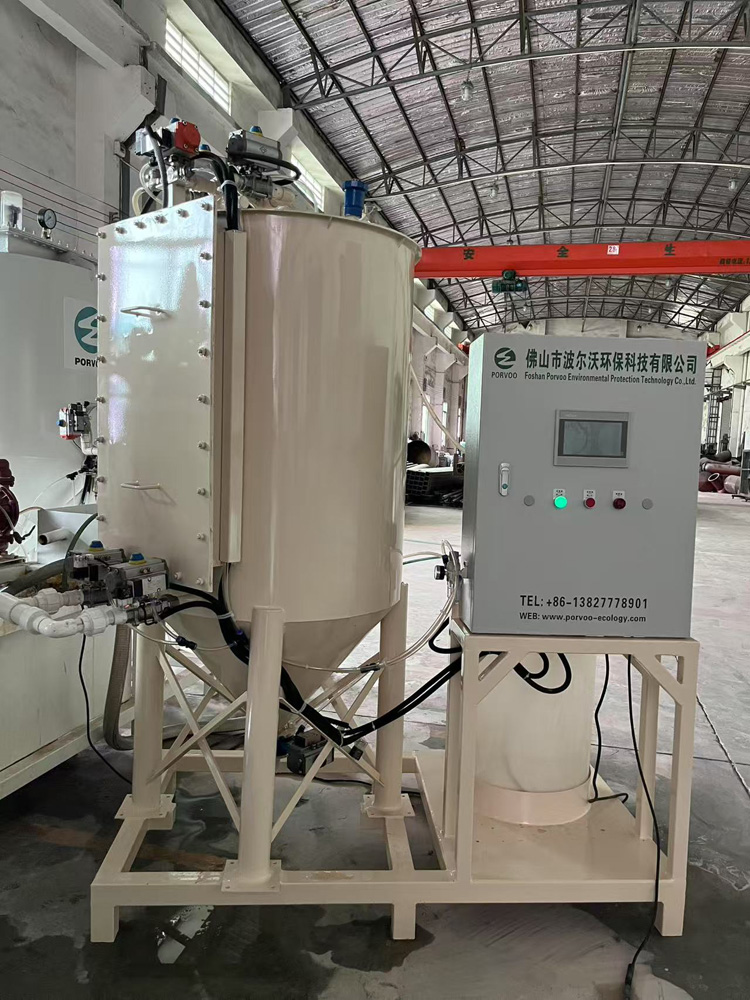
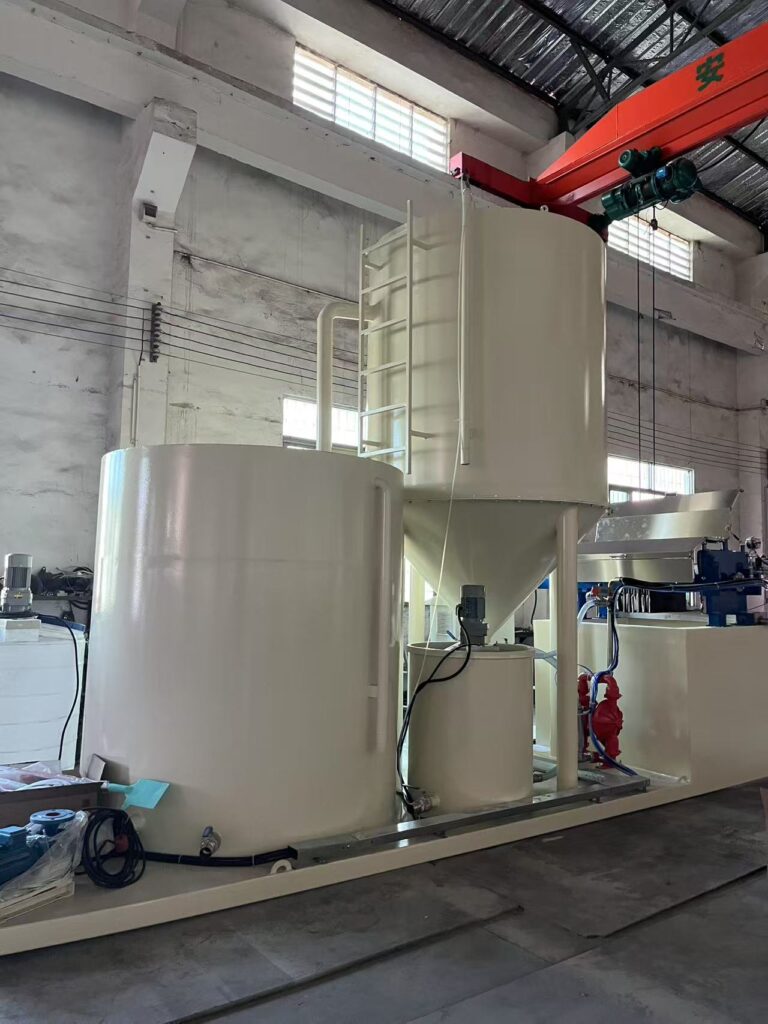
A filter press is the centerpiece of a broader system. Feed pumps, typically positive displacement diaphragm or piston pumps, require proper sizing to deliver the required volume against rising pressure. Automated pressure ramp control is not a luxury; it optimizes cake density, prevents premature cloth blinding, and extends cloth life. The control logic for transitioning from filling to squeezing phases is critical for consistent performance.
Auxiliary Functions and Automation
Auxiliary functions like core blow (clearing feed lines with compressed air), cake wash systems, and automatic cloth washers affect cycle design, utility requirements, and footprint. Automation itself is a layered investment. Semi-automatic plate shifters reduce labor, while fully robotic systems with overhead transport eliminate manual intervention entirely. Organizations must conduct a lifecycle cost analysis, weighing their labor rates, safety requirements, and desired operational tempo against the incremental capital for each feature.
The Shift to System Selling
The market has shifted toward selling optimized dewatering systems, not just standalone presses. This reflects the reality that integration risk often outweighs marginal savings from piecemeal sourcing. The controls, valves, pumps, and safety interlocks must be designed to work as a cohesive unit, with a single point of responsibility for performance.
Validating Your Sizing: The Role of Lab Testing & Piloting
Bridging the Data Gap
Theoretical calculations require empirical validation. Laboratory or pilot-scale testing is definitive for determining real-world filterability, optimal cycle time, chemical dose, cloth type, and ideal cake thickness. This step addresses the significant pre-purchase data gap inherent in sludge variability. This gap has, in fact, created an adjacent market for specialized filtration consultancies and testing services.
The Testing Protocol
A proper test simulates the full cycle—fill, pressure ramp, blowdown, and plate release—on a representative sample. It identifies the pressure profile that yields the target cake solids in the shortest time. It also evaluates different filter cloths to find the optimal balance between clarity of filtrate and resistance to blinding. For organizations lacking in-house expertise, budgeting for these services is a necessary component of accurate capital planning.
The Final Guard Against Error
Pilot testing is the final guard against specification errors. It provides defensible data for the RFP, ensuring all vendors bid on the same, validated performance criteria. It transforms the procurement from a comparison of promises to a comparison of solutions based on demonstrated results.
| Método de validación | Determines | Propósito |
|---|---|---|
| Lab/Pilot Testing | Real-world filterability | Confirm cycle times |
| Lab/Pilot Testing | Optimal chemical dose | Prevent specification errors |
| Lab/Pilot Testing | Correct cloth type | De-risk capital expenditure |
Fuente: Documentación técnica y especificaciones industriales.
Final Selection Criteria and Implementation Checklist
Developing Informed Benchmarks
Final selection synthesizes technical and strategic factors. Use public sizing calculators to develop internal benchmarks before engaging vendors. This empowers more informed RFPs that force vendors to compete on application expertise and system optimization, not just equipment price. Prioritize vendors capable of holistic system design and lifecycle support.
The Lifecycle Cost Analysis
The checklist must include a lifecycle cost analysis covering chemicals, labor, energy, maintenance, and cloth replacement. This analysis often reveals that a higher initial investment in automation or membrane plates yields a faster payback through reduced operating expenses. Footprint verification and utility connection reviews are essential to avoid costly field modifications.
The Comprehensive Implementation Plan
A clear post-installation support plan, including commissioning, operator training, and spare parts strategy, is critical. The comprehensive approach—from validated data through integrated design to lifecycle costing—embodies the industry’s necessary drive toward a standardized, repeatable methodology for specifying a complex discontinuous process.
The selection process culminates in balancing validated technical data with strategic operational goals. Prioritize cycle time confirmation and lifecycle cost over initial purchase price. Ensure your automation level aligns with labor and safety requirements. View the filter press not as a standalone unit, but as the core of a system where pumps, controls, and ancillaries are integrally designed.
Need professional guidance to navigate these calculations and validate your filter press sizing? The experts at PORVOO specialize in translating complex dewatering requirements into optimized, reliable system solutions. Contact us to discuss your project specifics and explore a data-driven approach to your capital investment.
For a direct consultation, you can also Contacte con nosotros.
Preguntas frecuentes
Q: How do you calculate the required filter press size from daily sludge volume?
A: You must perform a mass balance starting with daily dry solids mass, calculated from sludge volume, density, and solids percentage. This determines daily cake volume using target cake solids and bulk density. Dividing that by your planned cycles per day gives the essential filter volume per batch (Vf). This means facilities with variable sludge feed must base their equipment specifications on this calculated Vf, not just flow rate, to ensure daily throughput is met.
Q: What is the most critical variable for sizing a filter press, and how is it determined?
A: Sludge filterability is the most critical variable because it directly dictates the dewatering cycle time. This property is best quantified through empirical laboratory or pilot-scale testing with your actual slurry, not estimated from generic tables. For projects where sludge characteristics are unknown or variable, you should allocate budget for professional filtration testing to de-risk capital expenditure and prevent costly undersizing.
Q: When should you consider membrane plates over standard recessed chamber plates?
A: Choose membrane plates when achieving higher cake dryness or faster cycle times provides significant value, as they can increase cake solids by 10-15% and reduce cycle time by 75-80% through an inflatable diaphragm. This performance comes at a higher capital cost and added maintenance complexity. This means operations with high disposal costs should run a lifecycle analysis to see if the savings from drier cake justify the premium investment.
Q: Why is the 3% dry solids concentration a strategic boundary for filter press feeding?
A: Slurries with less than 3% dry solids concentration drastically extend cycle times and disrupt standard sizing assumptions, making the dewatering process economically and operationally challenging. This boundary makes upstream thickening equipment an essential pre-investment for system viability. If your incoming solids are consistently below this threshold, plan for a thickening step before the filter press to ensure efficient operation.
Q: How do sludge type and cycle time impact the capital cost of a filter press system?
A: Difficult sludges like biological waste can require 3-4 hour cycles, while inert minerals may process in 20 minutes. Longer cycles necessitate a larger press volume to achieve the same daily throughput, directly increasing the required equipment size and capital cost. This inherent link means accurately characterizing your sludge’s filterability through testing is the primary tool for controlling upfront investment and avoiding performance shortfalls.
Q: What auxiliary systems and controls are critical for an optimized filter press installation?
A: Properly sized positive displacement feed pumps with automated pressure ramp control are essential for optimizing cake density and cloth life. Core blow, cake wash, and automatic cloth washing systems also impact cycle design and footprint. Organizations must therefore conduct a lifecycle cost analysis, weighing labor rates and safety needs against the capital for each feature, as the market now prioritizes selling optimized systems over standalone presses.
Q: What should be included in a final implementation checklist for filter press selection?
A: Your checklist must include confirmed sludge testing data, validated cycle times, a lifecycle cost analysis covering chemicals and labor, footprint verification, and alignment of automation level with operational tempo. Also, secure a clear post-installation support plan from the vendor. This comprehensive approach means you should prioritize vendors capable of holistic system design to mitigate integration risks that outweigh marginal savings from piecemeal sourcing.