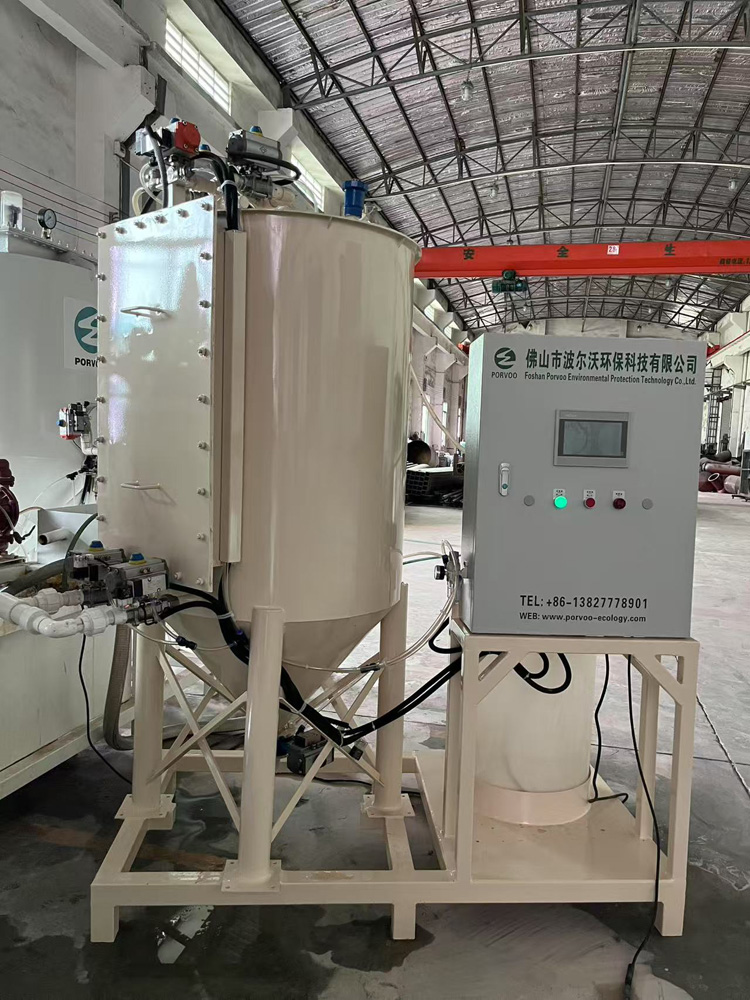
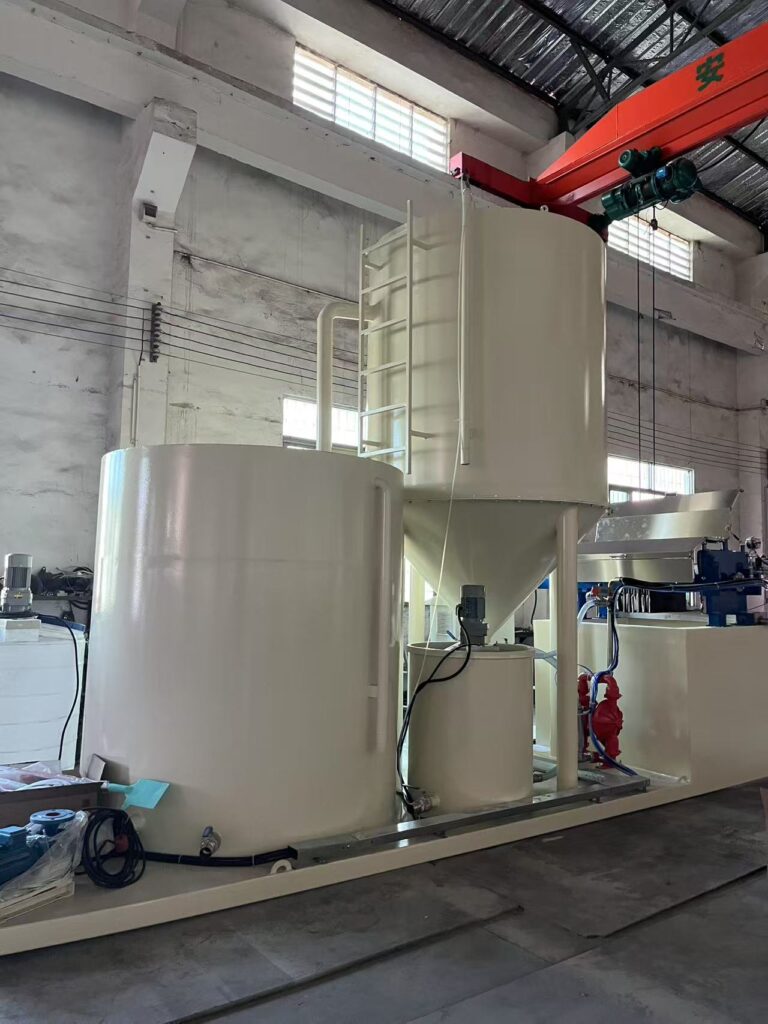
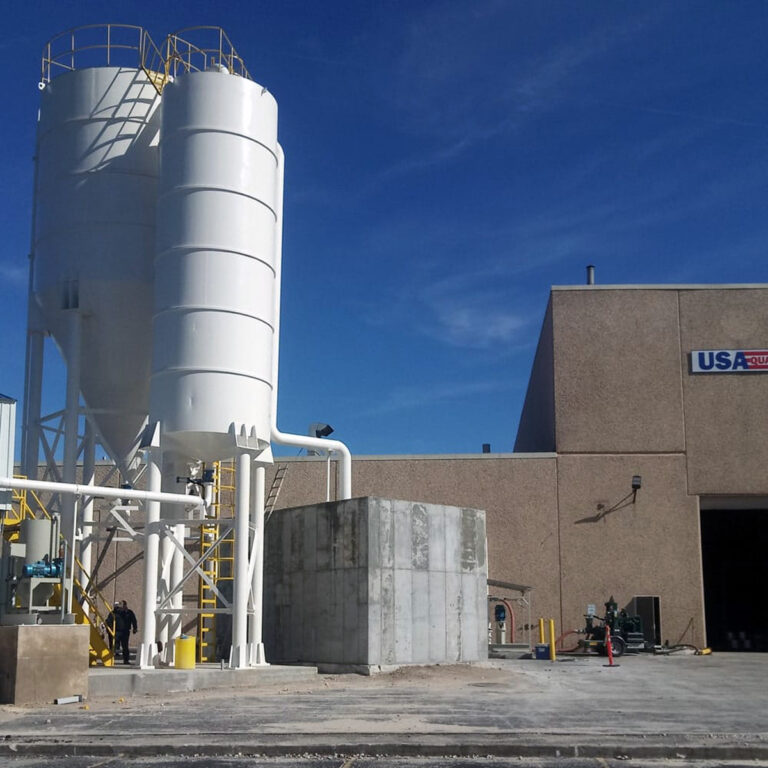
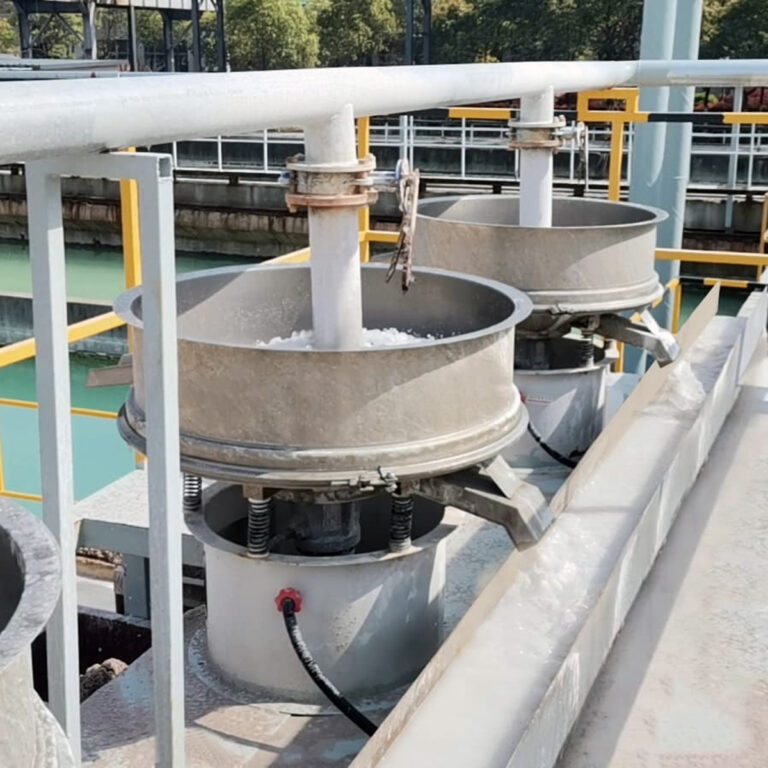
Solid-liquid separation is a persistent operational bottleneck. For professionals in mining, chemical processing, or wastewater management, the challenge isn’t just dewatering—it’s achieving it efficiently, with low moisture cake and clear filtrate, while controlling energy costs and maintenance complexity. Common misconceptions persist that higher vacuum always means higher energy consumption or that achieving fine filtration requires frequent media replacement.
The ceramic vacuum filter redefines this equation. Its working principle merges passive physics with active engineering to deliver a step-change in performance. Understanding this technology is critical now, as industries face intensifying pressure on water usage, energy efficiency, and operational safety. Selecting the right dewatering technology directly impacts the bottom line and regulatory compliance.
The Core Principle: Capillary Action vs. Mechanical Vacuum
Defining the Synergy
The system’s efficiency originates from the partnership between a hydrophilic ceramic medium and a mechanical vacuum pump. The microporous ceramic plate, upon contact with slurry, uses capillary action to spontaneously draw liquid into its pores. This creates a stable liquid barrier. The vacuum pump then applies significant negative pressure behind the plate. Critically, the saturated pores prevent air breakthrough, allowing only liquid filtrate to pass. This synergy is the core innovation.
The Energy Efficiency Impact
This capillary seal drastically reduces the energy required to maintain an effective vacuum compared to traditional cloth or belt filters. The system achieves a high vacuum degree, typically between -0.09 to -0.098 MPa, but with dramatically lower pump load. According to research from industry standards, this design can yield over 90% energy savings in vacuum generation. This fundamentally alters the total cost of ownership, shifting the major operational expense from energy to disciplined maintenance.
Validating the Performance
The principle’s effectiveness is quantified by standardized performance metrics. We compared traditional vacuum filters with ceramic variants and found the consistent seal allows for more stable operation and higher solids capture. Easily overlooked details include the ceramic’s inherent chemical resistance, which extends beyond just energy savings to media longevity in aggressive feeds.
Table: The Core Principle: Capillary Action vs. Mechanical Vacuum
| Composant | Key Parameter / Role | Impact / Result |
|---|---|---|
| Capillary Action | Passive, hydrophilic pores | Creates initial liquid barrier |
| Mechanical Vacuum | -0,09 à -0,098 MPa | Drives continuous filtrate extraction |
| Synergy Effect | Prevents air breakthrough | Enables high vacuum seal |
| Consommation d'énergie | >90% économies | Lowers total cost of ownership |
Source: [JB/T 14401-2023 Ceramic vacuum filter](). This standard defines the performance parameters and testing for ceramic vacuum filter machines, including the critical vacuum degree specifications that enable the efficient synergy with capillary action described in the table.
Key Components of a Ceramic Vacuum Filter System
The Filtration Structure
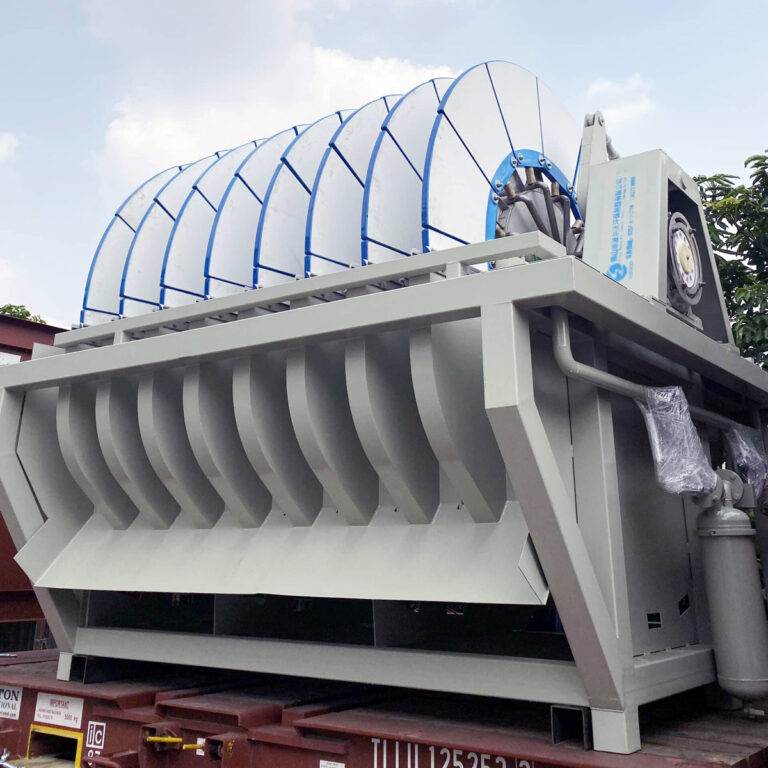
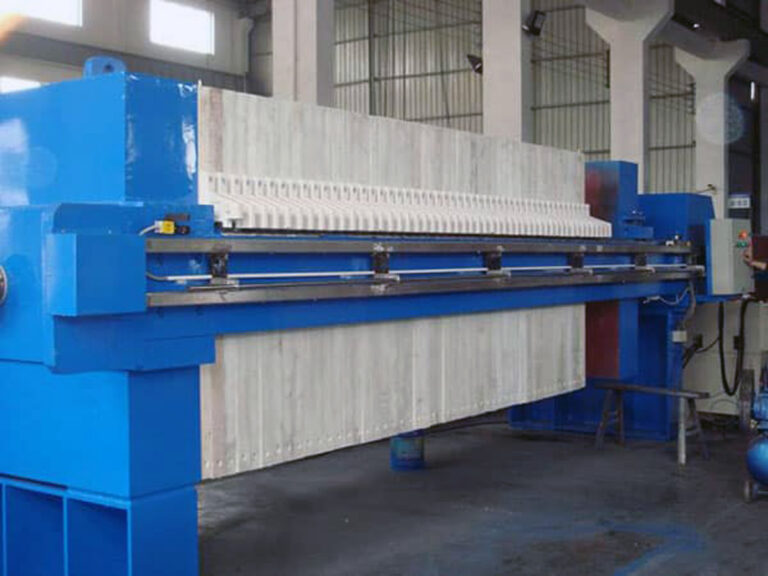
At the heart of the system is a rotating disc or drum fitted with multiple ceramic plates. Each plate acts as an individual filtration cell. They are mounted on a robust structure designed for continuous immersion and rotation through the process zones. The material grade of the ceramic—often alumina or zirconia—is selected based on the slurry’s abrasiveness and chemical nature, a decision point that directly influences operational lifespan.
The Control Hub: Distribution Valve and PLC
Each ceramic plate connects via individual pipes to a central distribution valve. This precision component is the system’s nerve center, meticulously applying vacuum, blowback air, and backflush fluid to the correct plate at the exact stage of rotation. A Programmable Logic Controller (PLC) automates this valve alongside the entire cycle, managing slurry feed rates, vacuum levels, and cleaning sequences. In my experience, the reliability of this valve and the logic of the PLC program are paramount for achieving consistent, hands-off operation.
Specialized System Configurations
For demanding applications, the standard open design evolves. The MF Fully Enclosed variant incorporates inert gas purging, corrosion-resistant alloys like 316L or duplex 2205 stainless steel, and anti-static features. This configuration is not an upgrade but a necessity for processing volatile, combustible, or highly corrosive slurries, effectively expanding the technology’s safe application envelope into pharmaceuticals and specialty chemicals.
The Four-Stage Filtration Cycle: From Slurry to Dry Cake
Stage 1: Cake Formation
In the submerged formation zone, the capillary-vacuum synergy draws filtrate through the ceramic pores. Solids are retained on the plate surface, building a consistent wet cake. The thickness is controlled by slurry density, vacuum level, and immersion time. Industry experts recommend optimizing this zone first, as it sets the foundation for all subsequent stages.
Stage 2 & 3: Washing and Drying
An optional washing zone uses spray bars and continued vacuum to displace soluble impurities from the cake, a critical step for product purity in chemical applications. The cake then rotates into the drying zone. Here, the high vacuum pulls air through the pores of the already-formed cake, removing residual moisture and producing a consolidated, handleable product. The efficiency here is directly tied to the integrity of the initial cake.
Stage 4: Discharge and Preparation
Vacuum is cut off as the plate enters the discharge zone. A brief, sharp pulse of reverse air—the “snap-blowback”—cleanly dislodges the dry cake into a chute. The plate then rotates through a cleaning zone (often part of a dedicated backflush station) before re-entering the slurry, completing the continuous cycle. This automated sequence, governed by the [HG/T 20521-2014 Specification for design of ceramic vacuum filter system](), ensures precise and repeatable operation.
Technical Advantages and Performance Specifications
Quantifiable Output Advantages
The technical specifications translate to direct operational benefits. The high, stable vacuum consistently produces cakes with very low residual moisture, reducing downstream drying costs or transportation weight. Simultaneously, the sub-micron ceramic pores deliver exceptional filtration precision, often yielding a filtrate with solid content below 50 ppm.
Strategic Resource and Compliance Impact
This filtrate clarity transforms process water from a waste stream into a reusable resource. It enables closed-loop water systems, drastically reducing freshwater intake and simplifying wastewater discharge compliance. The growing emphasis on corporate water stewardship and Scope 2 emissions makes this advantage a strategic driver, not just an operational one.
Scalability and Design Forecasting
System performance scales predictably with filter area. A 150 m² unit will require a proportionally larger footprint and installed power than a 1 m² pilot unit, but the relationship is linear. This allows for accurate CAPEX and plant layout modeling during feasibility studies, preventing costly under- or over-design.
Table: Technical Advantages and Performance Specifications
| Advantage | Indicateur clé de performance | Typical Result / Specification |
|---|---|---|
| Dewatering Capability | High vacuum degree | Low residual cake moisture |
| Filtration Precision | Sub-micron pores | Filtrate clarity <50 ppm solids |
| Efficacité énergétique | Capillary seal effect | >90% pump energy savings |
| System Scalability | Filter area (1-150 m²) | Linear footprint & power scaling |
Source: [YS/T 1189-2017 Test method for ceramic vacuum filter](). This standard provides the unified test methods for evaluating ceramic filter performance, directly covering the verification of key metrics like filtration rate and cake moisture content that quantify the advantages listed.
Critical Maintenance: Ceramic Plate Cleaning and Regeneration
The Non-Negotiable Cleaning Protocol
Long-term performance is entirely dependent on maintaining ceramic permeability. A disciplined, multi-stage cleaning protocol is mandatory. Regular automated backflushing with filtrate dislodges particles near the pore surface. For deeper contamination, ultrasonic energy agitates and removes embedded fines. This regimen prevents the gradual decline in flow rate known as blinding.
Chemical Regeneration for Inorganic Fouling
Periodically, a low-concentration acid wash is necessary to dissolve cemented salts or metal oxides that physical cleaning cannot remove. The specific acid and concentration must be compatible with the ceramic material and process residuals. Adherence to this schedule is so critical that its automation via the PLC is a standard best practice, not an optional feature.
The Cost of Neglect
Skipping or shortening cleaning cycles leads to irreversible pore blockage. The result is a permanent loss of vacuum seal efficiency, causing higher energy consumption for reduced throughput. This operational discipline directly preserves the asset’s value and the core energy-saving principle of the system.
Table: Critical Maintenance: Ceramic Plate Cleaning and Regeneration
| Maintenance Stage | Method / Agent | Objectif principal |
|---|---|---|
| Regular Backflushing | Filtrate / Service water | Dislodges near-surface particles |
| Deep Cleaning | Ultrasonic energy | Agitates embedded fine particles |
| Chemical Regeneration | Low-concentration acid wash | Dissolves cemented salts/oxides |
| Contrôle des processus | Automated PLC cycles | Ensures schedule adherence |
Source: [HG/T 20521-2014 Specification for design of ceramic vacuum filter system](). This design standard outlines the engineering requirements for complete filter systems, including the integration of automated controls and cleaning system components essential for the maintenance regimen detailed above.
Comparing Applications: Mining, Chemical, and Industrial Use Cases
Mining and Metallurgy: The Primary Domain
In mining, the technology excels at dewatering fine, abrasive concentrates like iron ore, copper, or zinc tailings. The robust ceramic handles the harsh feed, while the low cake moisture significantly reduces transport costs. The standard [GB/T 35052-2018 Ceramic filter for mineral processing]() governs the technical requirements for these applications, emphasizing durability and performance under high solids loading.
Traitement des produits chimiques et pharmaceutiques
For the chemical industry, the fully enclosed, corrosion-resistant variants are essential. They safely process volatile solvents, acidic slurries, or crystalline products where containment and material compatibility are paramount. The anti-static design mitigates explosion risks, making it a viable option where other filters cannot operate.
Industrial Wastewater and ESG Drivers
In industrial wastewater treatment, the sub-50 ppm filtrate quality is the key advantage. It allows for direct recycle of process water, addressing stringent discharge limits. Beyond compliance, this capability directly supports corporate Environmental, Social, and Governance (ESG) goals related to water stewardship and reducing Scope 2 emissions from dewatering operations, accelerating adoption.
Table: Comparing Applications: Mining, Chemical, and Industrial Use Cases
| Secteur industriel | Application primaire | Facteur clé de l'adoption |
|---|---|---|
| Mining & Metallurgy | Fine concentrate dewatering | Low moisture reduces transport cost |
| Chemical Industry | Volatile/corrosive slurry processing | Enclosed, anti-static design safety |
| Industrial Wastewater | Process water recycle | <50 ppm filtrate enables reuse |
| Cross-Industry | ESG compliance | Water stewardship & lower Scope 2 emissions |
Source: [GB/T 35052-2018 Ceramic filter for mineral processing](). This national standard specifies the technical requirements for ceramic filters in mineral processing, directly governing their application in the mining sector, which is a primary use case highlighted in the comparison.
Limitations and Considerations for System Selection
Capital and Feedstock Constraints
The primary limitation is higher initial capital investment compared to conventional vacuum filters. Furthermore, the ceramic plates can be susceptible to irreversible blinding from oily feeds, certain organic colloids, or gels. Prolonged exposure to extreme pH, either high-concentration caustic or acid, can also degrade certain ceramic materials over time.
The Imperative of Feed Characterization
These limitations make comprehensive feed slurry characterization a critical prerequisite. Particle size distribution, chemical composition, temperature, and the presence of surfactants must be thoroughly analyzed. This step is analogous to selecting the correct pore size in membrane filtration; choosing the wrong ceramic grade guarantees operational failure and negates the investment.
The Total Cost of Ownership Analysis
Selection cannot be based on CAPEX alone. A rigorous Total Cost of Ownership (TCO) analysis must factor in the dramatic energy savings, reduced maintenance media replacement (no cloths or belts), filtrate reuse value, and disposal cost savings from drier cake. For suitable applications, the TCO over a 5-year period often justifies the higher initial outlay.
Implementing a Ceramic Vacuum Filter: A Practical Guide
Phase 1: Pilot Testing and Design
Implementation begins with definitive pilot testing on a representative slurry sample. This validates expected cake moisture, filtrate clarity, and throughput rates, and identifies potential blinding agents. Data from this stage finalizes the design parameters for the full-scale système de filtration sous vide en céramique, ensuring it is correctly sized and specified.
Phase 2: Engineering and Commissioning
Detailed engineering must account for the system’s footprint, utility connections (power, water, compressed air, drain), and integration with upstream and downstream processes. During commissioning, establishing and automating the precise backflush and chemical cleaning regimen is the single most important task for ensuring long-term system health and performance.
Phase 3: Operation and Evolution
Operationally, leverage the system’s inherent data generation from the PLC for condition monitoring and predictive maintenance. The market is stratifying, with performance tiers linked to advanced ceramic blends and smart control packages. Procurement is evolving from buying a piece of equipment to partnering for a tailored dewatering solution. Future competitiveness will lie in the analytics derived from operational data.
The decision to implement a ceramic vacuum filter hinges on three priorities: validating feed compatibility through pilot testing, committing to the disciplined automated maintenance protocol, and analyzing the true TCO beyond initial price. For fine, abrasive, or chemically challenging slurries where low moisture, clear filtrate, and energy efficiency are critical, it presents a compelling solution.
Need a professional assessment for your specific solid-liquid separation challenge? The engineers at PORVOO specialize in matching advanced filtration technology to complex industrial processes, from pilot testing to full-scale implementation.
Nous contacter to discuss your application requirements and explore a data-driven path to optimized dewatering.
Questions fréquemment posées
Q: How does the ceramic vacuum filter achieve such high vacuum efficiency compared to traditional filters?
A: The system combines the passive capillary action of hydrophilic ceramic plates with an active mechanical vacuum pump. The capillary effect creates a liquid seal in the micropores, preventing air ingress and drastically reducing the energy needed to maintain a high vacuum, typically -0.09 to -0.098 MPa. This synergy is the core innovation documented in standards like JB/T 14401-2023 Filtre à vide en céramique. For operations focused on reducing dewatering energy costs, this principle fundamentally shifts the total cost of ownership calculation.
Q: What are the critical steps for maintaining ceramic plate permeability over the long term?
A: Sustaining performance requires a disciplined, multi-stage cleaning protocol: regular backflushing with filtrate, periodic ultrasonic cleaning for embedded fines, and occasional low-concentration acid washes to dissolve cemented salts. This regimen prevents irreversible pore blinding and is so vital that automated PLC control of these cycles is a necessity. This operational discipline directly preserves the energy-saving capillary action and high vacuum that define the system’s value, impacting long-term ROI.
Q: When selecting a ceramic vacuum filter, what feed slurry characteristics pose the highest risk of failure?
A: The primary risks are feeds containing oils, certain colloidal materials, or slurries with prolonged exposure to high-concentration acids or alkalis, which can blind or degrade the ceramic plates. Accurate pre-selection analysis of particle size, chemistry, and temperature is therefore a critical prerequisite, analogous to selecting the correct membrane pore size for specific filtration. If your slurry has these challenging characteristics, you must conduct comprehensive pilot testing to validate compatibility before procurement.
Q: How does the fully enclosed ceramic filter variant expand application possibilities?
A: The MF Fully Enclosed design incorporates inert gas purging, corrosion-resistant alloys like 316L or 2205, and anti-static features. This configuration safely contains volatile, combustible, or corrosive process materials. It unlocks the ability to process solvents, acids, or sensitive crystalline products, meeting stringent safety requirements in chemical and pharmaceutical sectors. For projects involving hazardous materials, this variant transforms the technology from a simple dewatering tool into a critical process safety asset.
Q: What performance advantages make ceramic filters strategic for mining and wastewater compliance?
A: The technology delivers a filtrate with solid content often below 50 ppm and produces a very dry filter cake. This clarity allows direct water recycling for closed-loop systems, while low cake moisture cuts transport costs. These outputs directly address key ESG pressures: water stewardship and reducing Scope 2 emissions from dewatering. This means facilities facing stringent environmental regulations or corporate sustainability targets should evaluate this technology for both compliance and operational efficiency gains.
Q: What engineering considerations are paramount when scaling up a ceramic filter system?
A: Scaling requires accounting for the linear relationship between filter area, physical footprint, and installed power. Performance scales predictably, but with diminishing returns on operational intensity for larger units. Engineering design must integrate these factors, along with utilities and automated controls, as outlined in standards like HG/T 20521-2014 Spécification pour la conception d'un système de filtre à vide en céramique. This linear correlation provides accurate models for plant infrastructure, helping engineers avoid costly under- or over-provisioning during expansion.
Q: How should procurement strategy evolve when sourcing a ceramic vacuum filter system?
A: Sourcing is shifting from buying discrete equipment to securing a partnered, application-specific solution. The market stratifies into performance tiers based on advanced ceramic blends (e.g., alumina, zirconia), and the trend is toward hybridized, smart units. This means you should focus on deep technical collaboration with vendors, using pilot test data from your actual slurry to finalize design, rather than relying on generic specifications.