Doğru toz toplama sisteminin seçilmesi, her ahşap işleme tesisi için kritik bir sermaye kararıdır. Torba ve kartuş toplayıcı arasındaki seçim, uzun vadeli işletme maliyetlerini, bakım programlarını ve atölye güvenliğini doğrudan etkiler. Birçok profesyonel bu kararı yalnızca başlangıç fiyatı veya kapladığı alana göre vermekte, toplam sahip olma maliyetini ve sürdürülebilir performansı belirleyen teknik nüansları göz ardı etmektedir.
Doğru sistem boyutlandırması tartışılmaz bir temeldir. CFM ve statik basınç gereksinimlerinize göre boyutlandırılmamış bir kollektör, türü ne olursa olsun sağlığı ve ekipmanı korumada başarısız olacaktır. Bu makale, ihtiyaçlarınızı hesaplamak ve torbalı ve kartuşlu sistemlerin operasyonel gerçeklerini karşılaştırmak için teknik bir çerçeve sunmakta ve teknik özellik sayfalarının ötesine geçerek pratik uygulamaya geçmektedir.
Torbalı vs Kartuşlu: Temel Teknik Farklılıklar Açıklandı
Filtrasyon Mekanizması
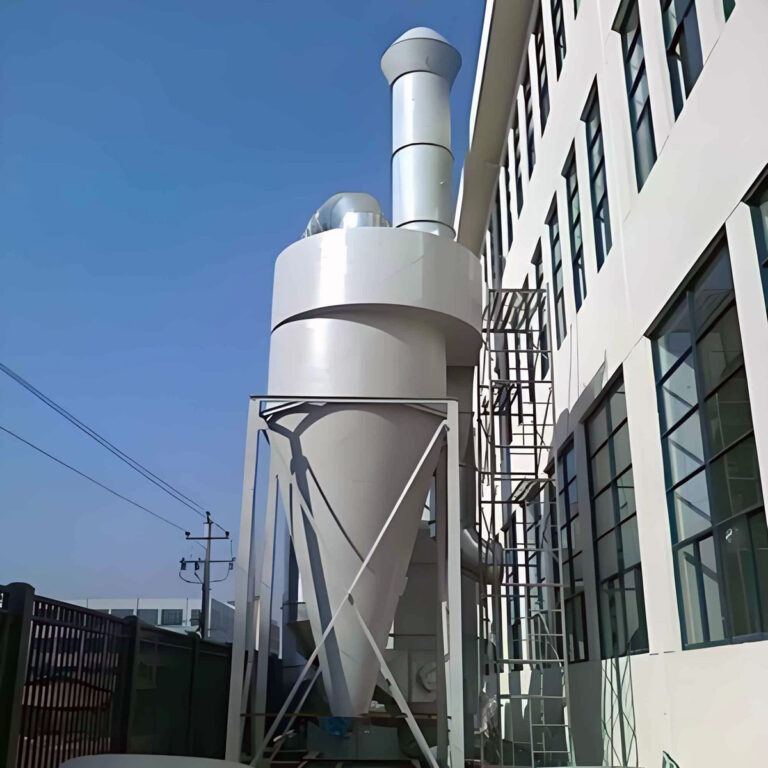
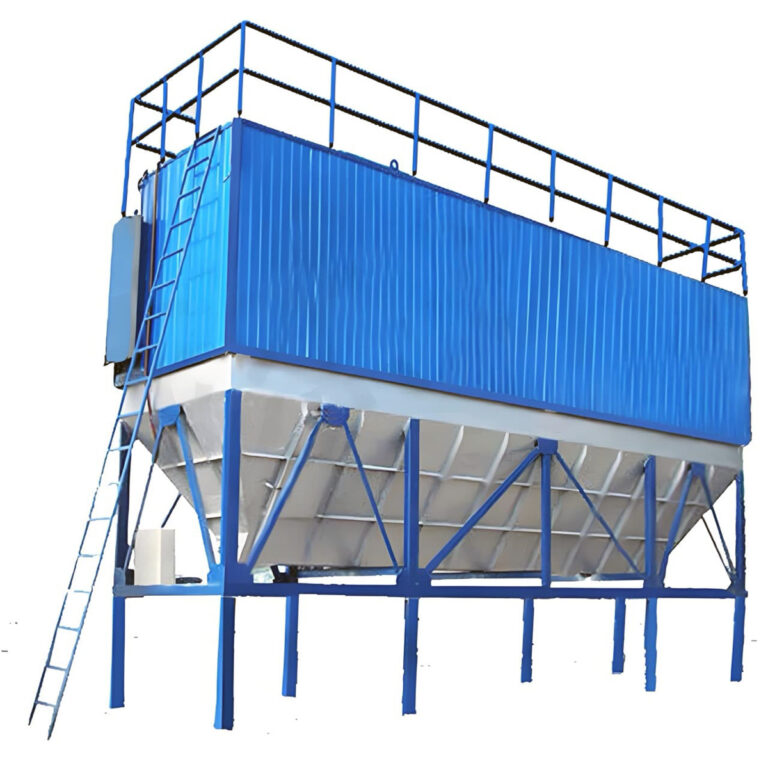
Birincil ayrım filtrasyon sırasıdır. Bir torbalı sistem tipik olarak, hava akımı son kumaş filtre torbalarına ulaşmadan önce 90-99% yığın malzemeyi çıkarmak için santrifüj kuvveti kullanan bir siklon ön ayırıcı kullanır. Bu ön ayırma, isteğe bağlı bir aksesuar değil, stratejik bir tasarım unsurudur. Filtrenin hızlı tıkanmasını önler ve istikrarlı, uzun vadeli hava akışını korumak için gereklidir. Buna karşılık, bir kartuş toplayıcı filtrelenmemiş hava akımının tamamını pileli filtre ortamına yönlendirir. Bu daha kompakt bir tasarım sağlarken, tüm toz yükünü doğrudan filtre yüzeyine yerleştirir.
Operasyonel ve Tasarımsal Çıkarımlar
Bu temel fark operasyonel davranışı belirler. Torbalı sistemin iki aşamalı tasarımı, son filtrelerini doğal olarak korur, bu da temizlik döngüleri arasında daha uzun aralıklar ve daha tutarlı CFM sağlar. Kartuş sistemi, pilelerdeki tozu yerinden çıkarmak için ters darbeli temizleme mekanizmasına güvenir. Sektör uzmanları, ön ayırma olmadan, yüksek hacimli döküntülerle çalışan kartuş filtrelerin, tozun ortamın derinliklerine sürüklendiği, hava akışında keskin, geri döndürülemez bir düşüşe neden olan ve sık, verimsiz temizleme darbelerini tetikleyen “körleme” ye duyarlı olduğunu belirtmektedir.
Stratejik Çıkarım
Sağlam bir siklon aşamasının zorunlu olarak dahil edilmesi, basit torbalı ve kartuşlu tartışmasının ötesine geçen çok önemli bir faktördür. Sistemin uzun ömürlülüğü ve filtre koruması için kritik bir yatırımdır. Yaygın ve kolayca gözden kaçan bir ayrıntı, bir kartuş sisteminin bir ön ayırıcı ile eşleştirilebilmesidir, ancak bu genellikle kompakt boyut avantajını ortadan kaldırır. Temel çıkarım, ön ayırmanın sadece talaş toplamakla ilgili olmadığıdır; sisteminizin performansını sürdürmek ve toplam sahip olma maliyetini kontrol etmek için birincil savunmadır.
Ahşap Atölyenizin Gerekli CFM ve Statik Basıncı Nasıl Hesaplanır?
Sistem CFM'nizi Belirleme
Doğru boyutlandırma, gerekli Dakikada Kübik Ayak (CFM) ile başlar. Her makine için CFM gereksinimini, tercihen üretici kılavuzlarından belirlemelisiniz. Standart uygulama, patlatma kapıları aracılığıyla bir seferde bir makinenin çalıştığı varsayılarak en büyük tek takım CFM'si için boyutlandırmadır. Bu “her seferinde bir alet” kuralı ilk boyutlandırmayı basitleştirir ancak stratejik olarak eşzamanlı çok istasyonlu çalışmayı sınırlar. Eşzamanlı çalışmaya ihtiyaç duyan tesisler, sistem maliyetini ve karmaşıklığını önemli ölçüde artıran tüm çalışan aletlerin birleşik CFM'si için boyutlandırmalıdır.
Statik Basınç Kaybının Hesaplanması
Hedef CFM belirlendikten sonra sistemin statik basınç (SP) kaybını hesaplamanız gerekir; bu, kanal sisteminizdeki inç su sütunu cinsinden ölçülen dirençtir. Bu gerçek performans darboğazıdır. Sıfır SP'de üretici CFM değerleri pazarlama rakamlarıdır, operasyonel gerçeklik değildir. En uzun kanal çalışması için SP kaybını, tüm boruların, dirseklerin, dirseklerin ve diğer bağlantı parçalarının eşdeğer uzunluğunu toplayarak hesaplarsınız. Esnek hortum ve 90 derecelik keskin dirsekler orantısız direnç yaratır; kullanılabilir hava akışını korumak için tasarımınızda bunların kullanımı en aza indirilmelidir.
Aşağıdaki tabloda bu hesaplama için temel parametreler özetlenmektedir.
Temel Boyutlandırma Parametreleri
| Parametre | Anahtar Metrik | Hesaplama Esasları |
|---|---|---|
| Sistem CFM | En büyük tek araç | Her seferinde tek araçla çalışma |
| Kanal Hızı | Minimum 4.000 FPM | Parçacık taşınmasını sürdürür |
| Statik Basınç (SP) | İnç su sütunu | Kanal/ek parça direnci toplamı |
| Esnek Hortum | Yüksek SP kaybı | Tasarımda kullanımı en aza indirin |
| Nihai Spesifikasyon | Y” SP'de X CFM | Kollektör performans gereksinimi |
Kaynak: Teknik dokümantasyon ve endüstri spesifikasyonları.
Nihai Performans Spesifikasyonunun Tanımlanması
Nihai spesifikasyonunuz aşağıdakileri sağlayabilen bir kolektördür Y inç SP'de X CFM. Bu iki sayı gereksinimi, herhangi bir üniteyi gerçek performans eğrisine göre değerlendirmenize olanak tanır. Atölyelere danışmanlık yapma deneyimimize göre, en yaygın başarısızlık noktası, yüksek “serbest hava” CFM'sine sahip ancak yetersiz statik basınç kapasitesine sahip bir kollektörün seçilmesi ve bunun sonucunda kanal direncinin üstesinden gelemeyen düşük performanslı bir sistemin ortaya çıkmasıdır.
Maliyet Karşılaştırması: Torbalı ve Kartuşlu Sistem Yatırım ve TCO
Ön Yatırım Analizi
İlk maliyet değişir, ancak gerçek finansal tablo Toplam Sahip Olma Maliyetinde (TCO) ortaya çıkar. Entegre siklonlara sahip torbalı sistemler, iki aşamalı tasarımları ve daha büyük fiziksel ayak izleri nedeniyle genellikle daha yüksek bir ön maliyete sahiptir. Kartuş sistemleri daha düşük bir başlangıç fiyatına ve değerli kompakt boyuta sahip olabilir. Ancak, yalnızca satın alma fiyatına odaklanmak kritik bir hatadır. Entegre sistem tasarım hizmetlerinin önemli bir farklılaştırıcı haline geldiği çıkarımı çok önemlidir; her iki türden de kötü boyutlandırılmış bir sistem, erken arızaya veya maliyetli yükseltmelere yol açarak en önemli finansal riski temsil eder.
Uzun Vadeli Operasyonel Maliyetler
TCO farklılaşması filtre ömrü ve bakım işçiliğinden kaynaklanmaktadır. Torbalı sistemin ön ayırma özelliği nihai filtre ömrünü önemli ölçüde uzatır ve temizleme sıklığını azaltarak uzun vadeli filtre değiştirme ve işçilik maliyetlerini düşürür. Kartuş sistemleri, filtreleri hızla körleştirebilen yüksek hacimli veya kaba döküntülerle çalışırken daha yüksek bir TCO riski taşır. Bu da daha sık ve maliyetli filtre değişimlerine ve verimliliği doğrudan etkileyen potansiyel CFM kaybına yol açar. Benzer büyüklükteki atölyeler için yaşam döngüsü maliyetlerini karşılaştırdık ve yüksek talaş hacimli operasyonlar için torbalı sistemin daha düşük TCO'sunun genellikle 3-5 yıl içinde daha yüksek ilk yatırımını dengelediğini gördük.
Aşağıdaki tablo maliyet faktörlerini ayrıştırmaktadır.
| Maliyet Faktörü | Siklonlu Torbalı | Kartuş Sistemi |
|---|---|---|
| İlk Yatırım | Daha yüksek ön maliyet | Daha düşük başlangıç fiyatı |
| Uzun Vadeli Filtre Maliyeti | Daha düşük değiştirme sıklığı | Daha yüksek değiştirme sıklığı |
| İşçilik ve Bakım | Lower cleaning frequency | More frequent cleaning cycles |
| Toplam Sahip Olma Maliyeti (TCO) | Lower for high-volume debris | Higher risk for coarse debris |
| Major Cost Risk | Poor system sizing | Premature filter blinding |
Kaynak: Teknik dokümantasyon ve endüstri spesifikasyonları.
Performance Compared: CFM Stability, Filtration, & Maintenance Cycles
Airflow Consistency Over Time
Performance stability is where these systems diverge most noticeably. A well-designed baghouse with a cyclone maintains more consistent CFM over extended periods because the primary separator handles the bulk material. This prevents the fine filter from rapid loading, resulting in longer, more predictable intervals between filter cleaning cycles. Cartridge filters, despite their large pleated surface area, are susceptible to blinding if overloaded. This causes CFM to drop sharply, triggering frequent cleaning pulses that may not fully restore airflow, leading to a cycle of declining performance.
Filtration Efficiency and Sustainability
For final filtration efficiency, both systems can achieve high levels (e.g., HEPA) with modern media when properly maintained. The critical difference is sustainability. The baghouse’s pre-separation is essential for sustained filter performance, ensuring the filter can maintain its efficiency rating over a longer service life without becoming the primary collection point for chips and shavings. Cartridge media can offer low initial resistance but are directly and immediately impacted by the full dust load.
The performance comparison is summarized below.
| Performans Metriği | Siklonlu Torbalı | Kartuş Sistemi |
|---|---|---|
| CFM Stability Over Time | More consistent airflow | Susceptible to sharp drops |
| Primary Debris Handling | Cyclone pre-separator (90-99%) | Directly onto filter media |
| Filter Cleaning Frequency | Longer intervals | Frequent pulse cleaning |
| Fine Filtration Potential | Can achieve HEPA levels | Can achieve HEPA levels |
| Sustained Efficiency | Protected by pre-separation | Directly impacted by load |
Kaynak: ISO 16890 Air filters for general ventilation. This standard provides the particle-size-based efficiency testing method (e.g., for PM1, PM2.5, PM10) relevant to rating the final-stage filtration media in both system types, ensuring they meet required air quality and safety performance for wood dust.
Which System Is Better for High-Volume or Fine-Dust Applications?
Matching System to Dust Profile
The application’s dust profile dictates the optimal choice. For high-volume operations like planers, jointers, and molders that produce significant chips and shavings, a baghouse with a robust cyclone is superior. The separator efficiently channels this bulk material away, protecting the filter and reducing maintenance downtime. For environments dominated by fine dust from sanding operations, a cartridge collector with ample filter area can be exceptionally effective, as the fine particles are captured directly on the pleated media without large chips to cause blinding.
The Primary System Constraint
A critical strategic insight applies to both scenarios: the machine’s port size is often the primary system constraint. Most tools come with restrictive 4″ ports, which physically limit the maximum achievable CFM regardless of collector power. Therefore, retrofitting machines with larger ports is frequently a higher-return investment than collector upgrades alone. This step reduces static pressure loss at the source and allows any system—baghouse or cartridge—to operate more efficiently.
The application guidelines are shown in the following table.
| Uygulama Türü | Recommended System | Key Rationale |
|---|---|---|
| High-Volume Chips (Planers, Molders) | Siklonlu Torbalı | Efficient bulk material separation |
| Fine Dust (Sanding Operations) | Cartridge Collector | Effective direct pleated-media capture |
| Primary System Constraint | Machine port size (often 4″) | Limits maximum achievable CFM |
| High-Return Upgrade | Enlarging machine ports | More impactful than collector upgrade |
| Stratejik Öngörü | Pre-separation is critical | Protects filter, reduces downtime |
Kaynak: NFPA 664 Standard for the Prevention of Fires and Explosions in Wood Processing and Woodworking Facilities. This standard provides critical safety requirements for dust collection system design to prevent hazardous dust accumulations, which directly informs the selection of an appropriately sized and applied system (baghouse or cartridge) for specific dust profiles like high-volume chips or fine dust.
Key Considerations: Space Requirements, Upgrades, & Filter Life
Physical and Operational Constraints
Physical space significantly influences the decision. Baghouse-cyclone combinations require more vertical and floor space, which can be a limiting factor in smaller shops. Cartridge units are valued for their compact, often modular, design. Regarding operational constraints, the market’s spec inflation undermines informed purchasing. A collector advertised with a high “free air” CFM but low static pressure capability will fail to maintain airflow in a real ducted system. This leads to filter overload and shortened life, regardless of whether it’s a baghouse or cartridge type.
The Upgrade Pathway
The interplay between duct size, port size, and collector capability is key for future upgrades. Upgrading to larger main ducting (6″ or 7″) reduces friction loss, but the full benefit is only realized if machine ports are also enlarged and the collector has sufficient static pressure reserve to pull air through these larger openings. Filter life is the ultimate indicator of system health. It is directly tied to system design and the effectiveness of pre-separation. A filter that acts as the primary collector will have a drastically shortened lifespan.
Key comparative considerations are outlined below.
| Dikkate alma | Baghouse System | Kartuş Sistemi |
|---|---|---|
| Floor & Vertical Space | Larger footprint required | Compact, modular design |
| Ductwork Upgrade Benefit | Requires larger collector SP | Requires larger collector SP |
| Filter Life Driver | Cyclone pre-separation | Direct filter loading |
| Spec Inflation Risk | High “free air” CFM misleading | Low static pressure capability fails |
| Performance Reality Check | Verified performance curve needed | Verified performance curve needed |
Kaynak: Teknik dokümantasyon ve endüstri spesifikasyonları.
Implementation Guide: Using a Sizing Calculator for Your Facility
Inputting Your Shop Data
A practical sizing calculator integrates all previous calculations into an actionable tool. First, input your tool list with each machine’s verified CFM requirement. Second, map your planned ductwork for the longest run, specifying diameters, lengths, and quantifying all fittings (elbows, wyes, reducers). The calculator uses this to determine transport velocity and static pressure loss. This process highlights the strategic need for vendors to offer integrated design services, as proper implementation is complex and high-risk if done incorrectly.
Interpreting the Output
The calculator outputs three critical specifications: your System Required CFM (based on your operational model), the Minimum Duct Sizes needed to maintain transport velocity (typically 4,000 FPM in branches), and the Total System Static Pressure Loss. The final, actionable output is a performance specification: “Requires a collector capable of delivering X CFM at Y inches of SP.” This precise language allows you to bypass marketing claims and evaluate any unit against its published performance curve, ensuring the selected equipment can meet the real-world demands of your facility’s layout.
Decision Framework: Selecting the Right System for Your Needs
Evaluating Against Core Benchmarks
Selecting the right system requires a structured evaluation of your specific constraints. Start with your calculated CFM and SP requirement as non-negotiable technical benchmarks. Any collector that cannot meet this performance curve at its operating point should be eliminated. Then, layer in your facility’s physical constraints: if vertical space is ample, a baghouse cyclone offers proven long-term maintenance advantages. If floor space is at a premium, a cartridge system may be the necessary choice.
Incorporating Operational and Future Factors
Next, evaluate your dust profile. High-volume chip producers strongly favor baghouses, while fine-dust shops can effectively utilize cartridges. Honestly assess your operational style and willingness to invest in machine upgrades like port enlargement, which can improve any system’s efficiency. Finally, consider future trends like sensor-driven monitoring, which can automate maintenance for both system types. The final step is supplier selection. Choose a partner that provides verified performance curves and, ideally, professional design support. This ensures your investment in a dust collection system delivers clean air, protects health and equipment, and provides a clear return for years to come.
Your calculated CFM and static pressure requirements form the non-negotiable foundation. Layer your specific dust profile, space constraints, and operational goals onto this foundation to guide the choice between a baghouse’s long-term stability and a cartridge system’s compact footprint. The highest-return action is often enlarging machine ports before upgrading the collector itself.
Need professional support to size and specify the right system for your facility? The engineering team at PORVOO can provide a detailed analysis based on your shop layout and equipment list. For a direct consultation, you can also Bize Ulaşın.
Sıkça Sorulan Sorular
Q: How do you accurately size a dust collector’s CFM and static pressure for a woodshop?
A: Determine the required CFM based on your largest single machine’s rating, assuming one tool operates at a time via blast gates. The critical specification is the static pressure (SP) loss, calculated by summing resistance from the longest duct run, including all fittings and flexible hose. Your final requirement is a collector that can deliver your target CFM at the calculated SP, not just a high “free air” CFM. This means you must map your entire duct system before selecting a unit to avoid underperformance.
Q: What are the key operational differences between baghouse and cartridge dust collectors?
A: The core difference is in pre-separation. A baghouse system typically uses a cyclone to remove over 90% of bulk material before air reaches the final fabric filters, protecting them from rapid clogging. A cartridge collector directs the full dust load into its pleated media, relying on pulses to clean it. This design distinction makes the baghouse’s cyclone stage essential for maintaining stable CFM and extending filter life in high-volume applications. For projects where machines produce significant chips and shavings, the baghouse’s two-stage design is a superior choice for long-term reliability.
Q: Which dust collection system offers a better total cost of ownership for a high-volume shop?
A: A baghouse with an integrated cyclone generally provides a lower total cost of ownership despite a higher initial investment. The pre-separator handles the bulk of debris, dramatically extending the life of the final filters and reducing replacement frequency and associated labor. Cartridge systems, while often more compact upfront, can incur higher long-term costs if overloaded with coarse material, leading to frequent, expensive filter changes and potential CFM loss. If your operation runs planers or molders continuously, you should prioritize the baghouse-cyclone combination for its sustained performance and lower maintenance costs.
Q: How do fire safety standards like NFPA 664 influence dust collection system design?
A: NFPA 664 mandates specific design, installation, and maintenance practices for wood dust collection to prevent fires and explosions. It addresses critical factors like maintaining adequate transport velocity (typically 4,000 FPM in branch lines) to prevent hazardous dust accumulation in ducts and specifying safe system components. Adherence to this standard is non-negotiable for determining safe system parameters. This means your sizing calculations and equipment selection must ensure your system meets these safety benchmarks to protect your facility and personnel.
Q: What is the most common mistake when upgrading an existing dust collection system?
A: The most frequent error is upgrading the collector or main ducting without addressing restrictive machine port sizes. Most tools have 4″ ports that limit maximum achievable CFM, creating a bottleneck. Enlarging these ports is often a higher-return investment than a collector upgrade alone, as it reduces system resistance and allows the new equipment to perform as designed. If your goal is to improve airflow, plan for machine port modifications in tandem with any collector or ductwork changes to realize the full benefit.
Q: How do international filter standards like ISO 16890 apply to wood dust collection?
A: ISO 16890 provides a global framework for rating air filter efficiency based on particle size (PM1, PM2.5, PM10). This standard helps you select final-stage filtration media that can effectively capture the specific fine particulate matter generated in your shop, ensuring it meets required air quality and safety performance levels. While not wood-specific, it offers a critical, comparable metric for filter selection. This means you should evaluate cartridge or baghouse filter media against this standard to verify its suitability for your dust profile.
Q: When should a facility consider a cartridge collector over a baghouse system?
A: A cartridge system is a strong candidate for shops dominated by fine dust from sanding operations, where its large pleated surface area can capture particles effectively. Its compact, modular design also suits facilities with severe space constraints where a baghouse-cyclone’s footprint is prohibitive. However, its performance relies on not being overloaded with chips. If your operation focuses on fine finishing work and has limited floor space, a properly sized cartridge collector can be an effective solution, provided you manage bulk waste separately.