Plaka ve Çerçeve Filtre Pres Teknolojisine Giriş
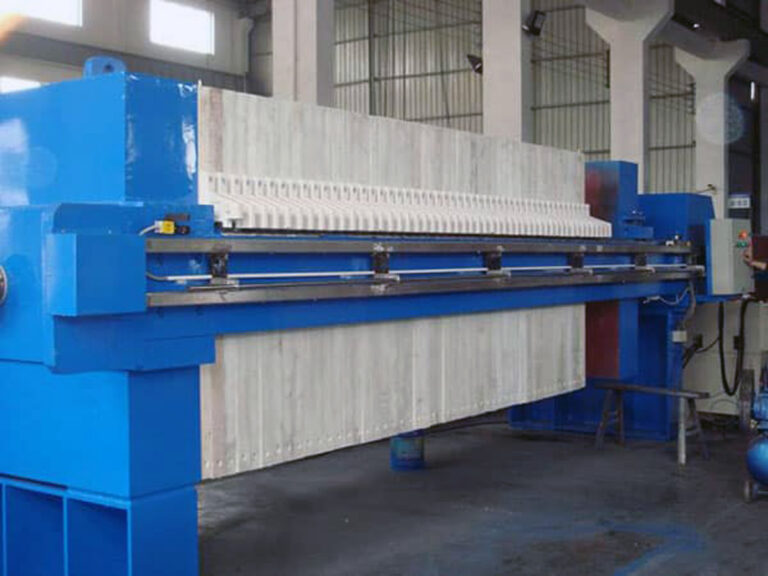
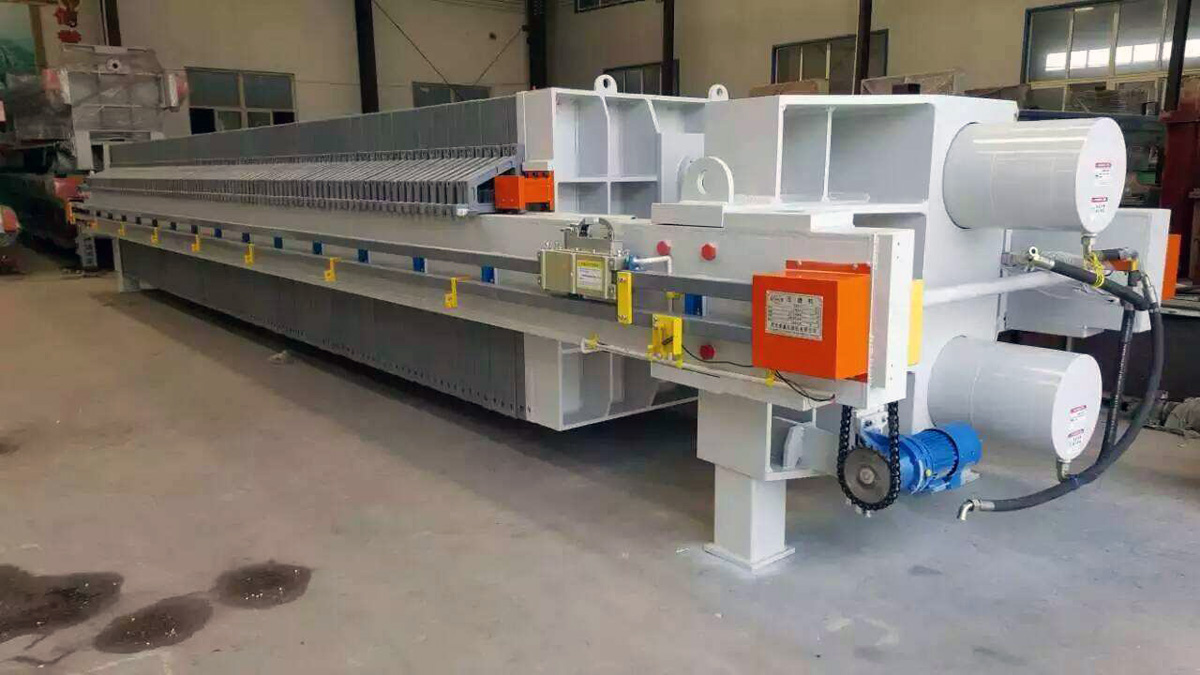
Endüstriyel filtrasyonun evrimi sürekli yeniliklerle gerçekleşmiş olup, plaka ve çerçeve filtre presi en kalıcı ve güvenilir teknolojilerden biri olarak öne çıkmaktadır. Yakın zamanda Orta Batı'daki bir atık su arıtma tesisine yaptığım ziyaret sırasında, bu sistemlerin görünüşte basit ancak dikkat çekici derecede etkili tasarımı beni çok etkiledi - sayısız endüstriyel uygulamada katıları sıvılardan ayırma gibi kritik bir görevi yerine getiren sıkıştırılmış filtre plakalarını barındıran katı metal çerçeveler.
Plaka ve çerçeve filtre presini özellikle büyüleyici kılan şey, modern malzemeler ve otomasyonu bir araya getirirken temel tasarım ilkelerini nasıl koruduğudur. Bu teknolojinin geçmişi 19. yüzyılın başlarına kadar uzanmaktadır ancak günümüzün son derece sofistike üretim ortamlarında vazgeçilmezliğini kanıtlamaya devam etmektedir. Temel konsept, filtre bezinin değişen plakalar ve çerçeveler arasında askıya alınmasını ve katı maddeleri tutarken basıncın sıvıyı zorladığı odacıklar oluşturulmasını içerir.
Bu filtreleme yönteminin parlaklığı çok yönlülüğünde yatmaktadır. İster yüksek katı içerikli madencilik çamurlarının işlenmesi ister mutlak saflık gerektiren farmasötik çözeltilerin arıtılması olsun, temel prensip değişmeden kalır; filtrelenmiş sıvının geçmesine izin verirken katı maddelerden etkili bir şekilde bir “filtre keki” oluşturan basınçla çalışan ayırma.
Çeşitli sektörlerdeki operatörlerle yaptığım görüşmeler ortak bir temayı ortaya koyuyor: pazara giren yeni teknolojilere rağmen, plaka ve çerçeve filtre presleri olağanüstü güvenilirlik ve etkinlik sunmaya devam ediyor. Gibi şirketler PORVOO bu teknolojiyi bu kadar güvenilir kılan sağlam basitliği korurken, malzeme bilimi ve otomasyondaki ilerlemeleri de dahil ederek bu sistemleri daha da geliştirmiştir.
Bu filtreleme sistemleri için küresel pazar, özellikle endüstriler atık su yönetimini iyileştirmek ve çevresel etkiyi azaltmak için artan düzenleyici baskılarla karşı karşıya kaldıkça genişlemeye devam etmektedir. Plaka ve çerçeve filtre preslerinin değişken besleme bileşimlerini işlerken yüksek düzeyde katı-sıvı ayırma verimliliği elde etme yeteneği, onları günümüzün üretim ortamında özellikle değerli kılmaktadır.
Mekaniği ve Bileşenleri Anlama
Bir plaka ve çerçeve filtre presinin etkinliği nispeten basit mekanik tasarımından kaynaklanır, ancak modern sistemlerin arkasındaki mühendislik hassasiyeti küçümsenmemelidir. Farklı sektörlerde düzinelerce bu sistemi inceledikten sonra, her bir bileşenin genel filtrasyon sürecine nasıl katkıda bulunduğuna dair bir takdir geliştirdim.
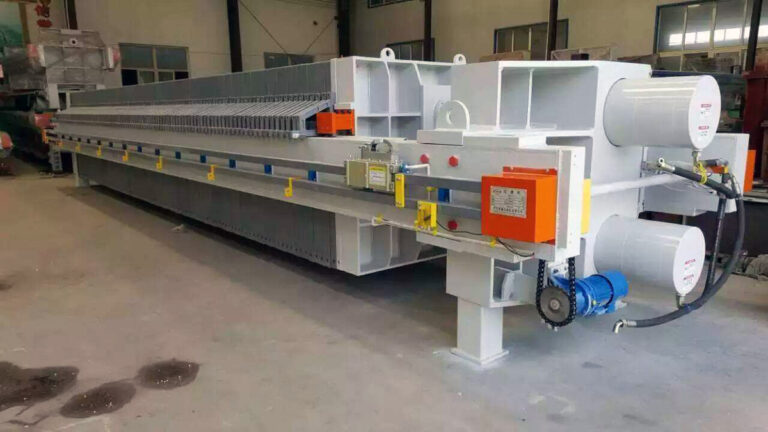
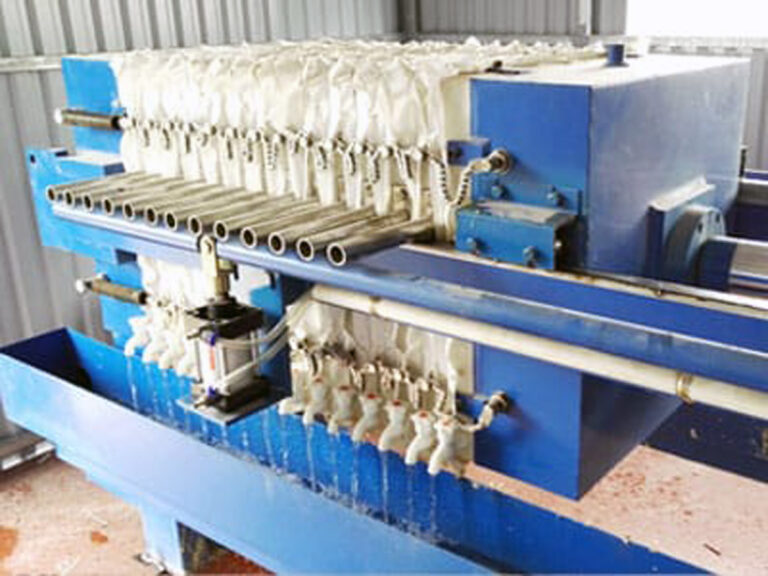
Sistem özünde üç ana bileşenden oluşur: filtre plakaları, çerçeveler ve filtre bezi. Plakalar tipik olarak yüzeylerinde filtre bezini destekleyen ve aynı zamanda filtrelenmiş sıvının (filtrat) tahliye portlarına doğru akmasını sağlayan yükseltilmiş bir desene sahiptir. Plakalar arasına yerleştirilen çerçeveler, filtrasyon sırasında katı malzemenin (filtre keki) biriktiği bölmeler oluşturur.
Filtre bezi asıl filtrasyon ortamı olarak hizmet eder ve özel bir ilgiyi hak eder. Bu bezler, uygulama gereksinimlerine bağlı olarak çeşitli malzemelerden üretilmektedir:
| Filtre Bezi Malzemesi | Tipik Uygulamalar | Temel Özellikler |
|---|---|---|
| Polipropilen | Genel endüstriyel, kimyasallar, atık su | Kimyasal direnç, uygun maliyetli, sıcaklık aralığı 70-200°F |
| Polyester | Gıda işleme, eczacılık ürünleri | FDA uyumlu, aşınmaya karşı iyi direnç, sıcaklık aralığı 70-275°F |
| Naylon | Madencilik, metal işleme | Olağanüstü mukavemet ve aşınma direnci, orta düzeyde kimyasal direnç |
| PTFE (Teflon) | Yüksek korozif uygulamalar, agresif kimyasallar | Üstün kimyasal direnç, 500°F'ye kadar yüksek sıcaklık kapasitesi, daha yüksek maliyet |
Bu bileşenlerin montajı pres boyunca dönüşümlü odacıklar oluşturur. Sistem çalıştığında, bulamaç bu odacıklara basınç altında girer ve katı maddeler odacıklarda birikirken sıvıyı filtre bezinden geçmeye zorlar. Filtrasyon döngüsü, hazneler önceden belirlenmiş bir seviyeye kadar katılarla dolana kadar devam eder ve bu noktada pres kek tahliyesi için açılır.
Modern plaka ve çerçeve filtre presleri, performans özelliklerini belirleyen birkaç temel teknik özelliğe sahiptir:
- Hazne hacmi: Tipik olarak 20 ila 2000 litre arasında değişir ve parti büyüklüğünü belirler
- Çalışma basıncı: Genellikle 7-15 bar (100-220 psi) arasındadır, ancak bazı yüksek performanslı sistemler daha yüksek basınçlarda çalışabilir
- Filtrasyon alanı: Laboratuvar üniteleri için 1 m²'den az, endüstriyel uygulamalar için 1000 m²'den fazla
- Kek kalınlığı: Genellikle 15-50 mm arasındadır, döngü süresini ve nem içeriğini etkiler
Bu özellikler arasındaki etkileşim, son derece özelleştirilebilir bir filtrasyon çözümü oluşturur. Konfigürasyondaki esneklik, bu teknolojinin saatte tonlarca bulamaç işleyen madencilik operasyonlarından yüksek değerli ürünlerin hassas bir şekilde ayrılmasını gerektiren ilaç üreticilerine kadar neden bu kadar çok sektörde geçerli olduğunu açıklamaktadır.
Gelişmiş Özellikler ve Modern Yenilikler
Plaka ve çerçeve filtre preslerinin temel tasarımı yüzyıllar öncesine dayanıyor olabilir, ancak günümüz sistemleri performansı, verimliliği ve operatör deneyimini önemli ölçüde artıran sofistike özellikler içeriyor. Geçen yıl bir teknik sempozyum sırasında, bu mekanik iş makinelerini akıllı filtrasyon platformlarına dönüştüren dijital kontrol sistemlerinin entegrasyonundan özellikle etkilendim.
Otomasyon, filtre pres operasyonunda devrim yaratmıştır. Modern presler artık ilk dolumdan son kek tahliyesine kadar filtrasyon döngüsünün her yönünü yöneten programlanabilir mantık kontrolörlerine (PLC'ler) sahiptir. Bu sistemler basınç farkı, akış hızı ve döngü süresi gibi parametreleri sürekli izleyerek performansı optimize etmek için gerçek zamanlı ayarlamalar yapar. Operatörlerin filtre keki tutarlılığını manuel olarak kontrol ettiği günler giderek geride kalıyor.
Özellikle dikkate değer bir yenilik, membran sıkma sistemlerinin geliştirilmesidir. Bu sistemlerde her bir haznenin içinde, filtre kekine ek basınç uygulamak için filtrasyon döngüsünün sonunda şişirilebilen ve nem içeriğini önemli ölçüde azaltan elastik bir diyafram bulunmaktadır. Büyük bir seramik malzeme üreticisindeki bir proses yöneticisi bana bu teknolojinin kurutulmuş ürün ağırlığını yaklaşık 15% azalttığını ve aşağı akış kurutma prosesinde enerji tasarrufu sağladığını söyledi.
Malzeme alanındaki gelişmeler de benzer şekilde filtre pres kapasitesini dönüştürmüştür. Yüksek performanslı polimerler ve kompozitler artık geleneksel dökme demir veya çelik yapıya alternatifler sunmakta, ağırlığı azaltırken korozyon direncini artırmaktadır. Metal bileşenlerin hızla bozulacağı son derece agresif kimyasal ortamlara dayanabilen polipropilen plakaların etkileyici gösterimlerini gördüm.
Enerji verimliliği iyileştirmeleri özel bir ilgiyi hak etmektedir. Modern tasarımlar aşağıdaki gibi özellikler içerir:
- Filtrasyon direncine göre pompa hızını ayarlayan değişken frekanslı sürücüler
- Basınç kayıplarını en aza indiren gelişmiş conta tasarımları
- Pompalama gereksinimlerini azaltan optimize edilmiş besleme kanalı geometrileri
- Yüksek sıcaklık gerektiren uygulamalar için ısı geri kazanım sistemleri
Güvenlik iyileştirmeleri bir diğer kritik gelişim alanını temsil etmektedir. Günümüz sistemleri çoklu yedekli güvenlik kilitleri, hidrolik koruma sistemleri ve acil kapatma özellikleri içermektedir. Birinci sınıf modellerin tamamen kapalı tasarımları, çalışma sırasında potansiyel olarak tehlikeli maddelere maruz kalmayı ortadan kaldırır.
Özellikle umut verici bulduğum şey, kestirimci bakım yeteneklerinin entegrasyonu. Gelişmiş sensörler sistem performansını ve bileşen aşınmasını izleyerek arızalar meydana gelmeden önce operatörleri uyarıyor. Bir bakım mühendisi, filtre bezinin bozulmasını ürün kalitesini etkilemeden önce öngörebilen bir sistemi uygulamaya koyduktan sonra duruş sürelerinin 40%'nin üzerinde azaldığını paylaştı.
Sektöre Özel Uygulamalar ve Vaka Çalışmaları
Plaka ve çerçeve filtre pres teknolojisinin çok yönlülüğü, farklı sektörlerdeki uygulamaları incelendiğinde daha belirgin hale gelmektedir. Her sektör, teknolojiyi benzersiz işleme gereksinimlerini karşılayacak şekilde uyarlarken temel katı-sıvı ayırma özelliğinden yararlanır.
Atıksu Arıtma Başarıları
Belediye atık su tesisleri, filtre pres teknolojisinin en görünür uygulamalarından birini temsil etmektedir. Kuzeybatı Pasifik'teki bir arıtma tesisi kısa bir süre önce bantlı preslerden plaka ve çerçeve sistemine geçerek kayda değer sonuçlar elde etti. Membran sıkıştırma özelliğine sahip 1500 mm'lik yeni plakaları, çamur hacmini önceki proseslerine kıyasla yaklaşık 40% azaltarak bertaraf maliyetlerini önemli ölçüde düşürürken, A Sınıfı biyokatı olarak nitelendirilen daha kuru kek üreterek yeni faydalı yeniden kullanım fırsatları yarattı.
Sistemin değişken girdi koşullarıyla başa çıkma kabiliyeti, bu turistik bölgedeki mevsimsel nüfus dalgalanmaları sırasında özellikle değerli olduğunu kanıtladı. Otomatik işletim, gelen çamur özelliklerine göre parametreleri ayarlayarak katı içeriğinde 30%'ye varan girdi değişikliklerine rağmen tutarlı çıktı kalitesini korudu.
Madencilik ve Mineral İşleme
Madencilik sektörü, filtre preslerin son derece zorlu uygulamaların üstesinden nasıl gelebileceğini göstermektedir. Bir bakır işleme operasyonuna yaptığım saha ziyareti sırasında, günde 500 tonu aşan oranlarda atık işleyen 2,5 metrelik plakalara sahip devasa bir filtre pres kurulumunu gözlemledim. Geri kazanılan su - giriş hacminin yaklaşık 85%'si - işleme devresine geri dönüştürülerek su tasarrufunun kritik önem taşıdığı kurak bir bölgede taze su ihtiyacını önemli ölçüde azaltıyor.
Beni en çok etkileyen şey sistemin dayanıklılığı oldu. Yüksek derecede aşındırıcı malzeme işlemesine rağmen, özel filtre bezleri dikkatli malzeme seçimi ve otomatik bez yıkama sistemleri sayesinde 4-5 aylık hizmet ömrüne ulaşıyordu. Kek tahliyesi - 10% nem oranının altında değerli metal içeriği içeren - ek kurutma olmadan ikincil işleme için doğrudan taşınabilirdi.
Yiyecek ve İçecek Sektörü
Bu ağır endüstriyel uygulamaların aksine, gıda işleme hassas, yüksek değerli ürünlerin işlenmesinde teknolojinin çok yönlülüğünü göstermektedir. Bir meyve suyu işleyicisi, birinci sınıf meyve sularını arıtmak için polipropilen plakalara ve FDA onaylı filtre ortamına sahip özel bir filtre pres sistemi uygulamıştır:
| Process Parameter | Uygulamadan Önce | Uygulamadan Sonra | İyileştirme |
|---|---|---|---|
| Processing capacity | 5,000 L/day | 12,000 L/day | 140% increase |
| Product clarity (NTU) | 2.8-3.2 | 0.8-1.2 | >60% improvement |
| Yield (juice recovery) | 81% | 89% | 8% increase |
| Labor requirement | 3 operators | 1 operator | 67% reduction |
| Batch-to-batch consistency | Değişken | Highly consistent | Improved brand quality |
The system’s enclosed operation maintained product integrity while eliminating exposure to oxidation, preserving flavor profiles that had previously been compromised during processing. The plant manager noted that the investment paid for itself in less than 14 months through improved yield and reduced labor costs.
Pharmaceutical Applications
Perhaps the most demanding applications occur in pharmaceutical manufacturing, where absolute purity and documentation are essential. A specialized plate and frame system processing active pharmaceutical ingredients demonstrated remarkable capabilities:
- 316L stainless steel construction with electropolished surfaces
- Automated clean-in-place systems achieving sanitization between batches
- Complete data logging for regulatory compliance
- Capability to process both aqueous and solvent-based slurries
- Hermetically sealed operation preventing environmental contamination
These applications highlight why plate and frame technology continues to thrive—its fundamental principles can be adapted to extraordinarily diverse processing requirements while delivering reliable performance even under the most demanding conditions.
Technical Considerations and Operation Best Practices
Selecting the optimal filter press configuration requires careful consideration of multiple factors beyond simple throughput requirements. During my conversations with process engineers, several critical decision points consistently emerge that determine long-term operational success.
Feed material characteristics fundamentally drive system design. Particle size distribution, solids concentration, pH, temperature, and chemical composition all influence component selection. One chemical processing facility learned this lesson the hard way when their aggressive slurry rapidly degraded standard filter plates, requiring a costly retrofit with specialized materials.
The selection decision matrix typically includes:
| Selection Parameter | Önemli Hususlar | Performans Üzerindeki Etkisi |
|---|---|---|
| Plate size and number | Total processing volume, available space, handling capabilities | Determines batch size and production rate |
| Chamber depth | Desired cake thickness, material filterability, discharge method | Affects cycle time and cake moisture content |
| Filter media | Chemical compatibility, particle retention requirements, cake release properties | Influences filtrate clarity, cake dryness, and media lifetime |
| Operating pressure | Material compressibility, desired moisture content, pump selection | Determines filtration speed and energy requirements |
| Frame material | Chemical resistance needs, temperature requirements, budget considerations | Affects system durability, maintenance frequency, and lifespan |
Once the system is properly specified, maintenance becomes the critical factor in sustained performance. Proper care of filter cloths deserves particular attention. A systematic approach should include:
- Regular inspection for tears, wear points, or blinding
- Scheduled cleaning cycles based on material characteristics
- Proper storage of spare cloths to prevent degradation
- Documentation of cloth performance to optimize replacement intervals
Feed pump selection and maintenance also significantly impact system performance. Positive displacement pumps—typically progressive cavity or diaphragm designs—provide the most consistent results for most applications. However, their maintenance requirements can be substantial. A maintenance technician at a large industrial facility shared that their quarterly pump inspection program had reduced unplanned downtime by over 60%.
Optimizing cycle times represents another opportunity for performance improvement. The traditional approach of running fixed-time cycles often leaves efficiency on the table. Modern systems can monitor pressure differential across the filter cake to determine optimal cycle endpoints automatically. One operation I consulted with increased their daily throughput by 22% simply by implementing dynamic cycle timing rather than fixed intervals.
Temperature control deserves consideration, particularly for temperature-sensitive materials. While many processes operate at ambient conditions, maintaining consistent temperature can dramatically improve filtration rates and cake uniformity. Installing simple jacketed feed lines made a substantial difference for one seasonal operation dealing with wide ambient temperature fluctuations.
Finally, proper operator training remains critical despite increased automation. The most sophisticated systems still benefit from knowledgeable oversight. Regular training refreshers on troubleshooting procedures, safety protocols, and performance optimization techniques ensure the technology delivers its full potential.
Environmental and Economic Benefits
The environmental advantages of plate and frame filter press technology have become increasingly valuable as industries face stricter regulatory requirements and sustainability goals. The system’s ability to achieve high levels of solid-liquid separation directly translates to meaningful environmental benefits that also deliver economic advantages.
Water recovery represents perhaps the most significant environmental contribution. A mining operation I consulted with achieved water recycling rates exceeding 90% through effective filtration, dramatically reducing freshwater withdrawal from local sources. This not only decreased their environmental footprint but also substantially reduced water acquisition and treatment costs—approximately $430,000 annually in their case.
Waste volume reduction similarly delivers dual benefits. By producing drier filter cake (typically 20-30% moisture compared to 70-80% in unprocessed sludge), the technology significantly reduces disposal volumes. A medium-sized industrial processor shared their experience:
“We were sending 12-14 trucks of liquid waste to landfill monthly. After installing our filter press system, we’re down to 3-4 trucks of solid filter cake. The disposal cost savings alone are covering our leasing payment, not even counting the reduced environmental impact.”
The economic case becomes even more compelling when considering the potential value of recovered materials. Several operations have transformed what were previously waste streams into marketable byproducts:
- A food processor now sells filtered organic solids as agricultural soil amendments
- A chemical manufacturer recovers catalyst materials worth thousands per batch
- A metal plating operation captures and recycles valuable metals from wastewater
Energy efficiency considerations also factor into both environmental and economic equations. Mechanical dewatering via filter presses typically requires significantly less energy than thermal drying processes. One paper manufacturer calculated an 82% reduction in energy consumption compared to their previous rotary drum drying process, with proportional decreases in carbon emissions.
The overall return on investment calculation involves multiple factors:
| Maliyet Faktörü | Typical Impact | Notlar |
|---|---|---|
| Initial capital investment | $50,000-$1,000,000+ | Scales with system size and features |
| Kurulum ve devreye alma | 15-25% sermaye maliyeti | Site preparation requirements vary significantly |
| Operating costs | $2-10 per ton processed | Labor, energy, consumables, maintenance |
| Water recovery value | $2-8 per cubic meter | Highly dependent on local water costs |
| Waste disposal savings | $50-200 per ton | Varies by region and waste classification |
| Recovered material value | Highly variable | From negligible to substantial based on application |
For most implementations, payback periods of 12-36 months are typical, though I’ve documented cases achieving ROI in as little as 6 months when replacing particularly inefficient processes or where recovered materials have high value.
The economic case becomes even stronger when considering potential regulatory compliance issues. As one environmental manager put it: “The cost of our filter press system was substantial, but a fraction of what we faced in potential fines and remediation costs if we continued with our previous inadequate treatment process.”
Limitations and Challenges
While plate and frame filter presses offer numerous advantages, an honest assessment must acknowledge certain limitations. Understanding these challenges helps set realistic expectations and determines when alternative technologies might be more appropriate.
The batch nature of the process presents inherent throughput limitations. Despite automation improvements, the cycle of filling, pressing, and cake discharge creates operational bottlenecks that continuous filtration systems avoid. During peak production periods, this can create processing delays. A manufacturing engineer at a specialty chemicals company described their solution: “We ultimately installed a second smaller press specifically to handle surge capacity during production peaks rather than oversizing our main system that would be underutilized most of the time.”
Certain materials present particular filtration challenges. Very fine particles can rapidly blind filter media, dramatically reducing filtration rates and increasing operating costs through frequent cloth replacement. Similarly, highly compressible materials may form impermeable cakes that resist further dewatering regardless of applied pressure. I’ve observed facilities attempting to process such materials becoming frustrated with filtration rates 50-75% below vendor projections.
This table summarizes particularly challenging materials:
| Malzeme Türü | Meydan Okuma | Potential Solutions |
|---|---|---|
| Fine clays and silts | Rapid blinding of filter media | Pretreatment with coagulants, specialized filter aids |
| Biological sludges | Compressible nature limits dewatering | Polymer conditioning, membrane squeeze plates |
| Oily emulsions | Oil penetrates standard filter media | Special oleophobic filter cloths, chemical pretreatment |
| Fibrous materials | Uneven cake formation, breakthrough | Modified plate designs, specialty media |
| Crystalline solids | Cloth damage, uneven pressure distribution | Specific cloth selection, modified operating pressure |
The physical footprint requirement presents another limitation, particularly in facilities where space is at a premium. Large industrial systems can occupy substantial floor space and require appropriate structural support. During a recent plant retrofit project, we ultimately selected an alternative technology despite filter presses offering better performance simply because the available space couldn’t accommodate the system dimensions.
Initial capital investment can present a significant barrier, particularly for smaller operations. While operating costs are generally favorable and long-term economics compelling, the upfront expenditure can be substantial. As one operations manager commented: “We knew the filter press would save us money over time, but getting approval for the capital expenditure took nearly two years of presentations and ROI calculations.”
Maintenance requirements, while not excessive, demand attention and expertise. Filter cloth replacement represents the most common maintenance activity, but hydraulic systems, plate warranties and gaskets also require regular inspection and occasional replacement. Facilities lacking appropriate maintenance capabilities may struggle to keep systems operating at peak performance.
Finally, the technology has limitations in handling extremely high-volume, very dilute streams where other technologies like clarifiers may be more cost-effective as a first-stage separation. Most successful implementations involve either moderate volumes or streams with higher solid content where the filter press’s dewatering capabilities provide maximum benefit.
Understanding these limitations doesn’t diminish the technology’s value but helps ensure it’s applied in appropriate scenarios where its strengths can be leveraged while mitigating potential weaknesses.
Future Trends and Emerging Technologies
The future development of plate and frame filter press technology reflects broader industrial trends toward digitalization, sustainability, and process intensification. Several emerging directions particularly stand out based on recent industry developments and research initiatives.
Digital transformation is perhaps the most significant near-term evolution. The integration of IoT sensors throughout modern filter press systems enables unprecedented monitoring capabilities. These smart systems collect performance data across hundreds of parameters—pressure distributions, flow rates, cake formation patterns, and even vibration signatures that might indicate developing mechanical issues.
What makes this particularly valuable is the application of machine learning algorithms to this rich operational data. During a recent technology demonstration, I was impressed by a system that could predict optimal cycle endpoints based on feed characteristics, potentially increasing daily throughput by 15-20% through dynamic cycle optimization. Another manufacturer showcased predictive maintenance capabilities that identified filter cloth degradation patterns before they affected product quality.
Material science advancements continue to enhance performance capabilities. New composite materials for plates offer improved pressure tolerance while reducing weight. A research team I spoke with is developing a carbon-fiber reinforced polymer plate design that maintains rigidity at pressures exceeding 20 bar while weighing approximately 40% less than comparable metal plates—potentially transforming high-pressure applications.
Filter media technology is similarly advancing. Next-generation synthetic fibers featuring nanoscale surface modifications demonstrate remarkable improvements in both filtration efficiency and cake release properties. One particularly promising development involves photocatalytic filter cloths that can self-clean when exposed to specific light frequencies, potentially extending service life dramatically.
Energy efficiency remains a central focus of ongoing development efforts. Beyond the previously mentioned variable frequency drives, newer systems incorporate energy recovery mechanisms that capture pressure energy during the filtration cycle and redirect it to subsequent operations. One manufacturer estimates these systems can reduce energy consumption by 25-30% in typical applications.
Sustainability considerations are driving several interesting innovations. Fully electric press drive systems are replacing traditional hydraulic systems in some applications, eliminating hydraulic fluid concerns while improving energy efficiency. Bio-based filter media manufactured from renewable resources offer promising alternatives to synthetic options for compatible applications.
Process intensification approaches seek to combine multiple operations within the filter press itself. Advanced designs now integrate washing, drying, and even reaction capabilities directly within the filter chambers:
- Counter-current washing systems that achieve 95%+ soluble contaminant removal
- Low-temperature vacuum drying capabilities within the press chambers
- Catalyst-impregnated filter media that perform reactions during filtration
Miniaturization represents another interesting development direction. While industrial systems continue to grow larger, there’s parallel development of compact, modular systems designed for distributed processing applications. These smaller units offer advantages in pharmaceutical, specialty chemical, and pilot operations where flexibility and rapid deployment outweigh economies of scale.
The market trajectory suggests continued growth, with particular expansion in emerging economies where water scarcity and environmental regulations are driving adoption. A recent industry analysis projected 5.8% CAGR through 2027, with especially strong growth in mining, chemical processing, and wastewater treatment applications.
As industries continue pursuing sustainability goals and regulatory requirements become more stringent, the demand for efficient solid-liquid separation technologies will likely accelerate further. The filter press’s fundamental advantages in achieving high separation efficiency while minimizing energy and chemical inputs position it well to meet these emerging needs.
Conclusion and Future Outlook
The plate and frame filter press represents a remarkable example of technological longevity through continuous adaptation. Its fundamental principles have remained largely unchanged for generations, yet ongoing innovations in materials, controls, and system integration ensure it remains relevant for contemporary processing challenges.
The primary strengths of this technology—reliable solid-liquid separation with high removal efficiency and dry solids production—align perfectly with growing industrial priorities around water conservation, waste minimization, and resource recovery. These advantages explain why filter presses continue to find new applications despite being considered “mature” technology.
Speaking with industry veterans, a common theme emerges regarding equipment selection: newer isn’t always better. As one plant manager with over 30 years of experience told me, “We’ve tried several ‘next-generation’ separation technologies over the years. Most ended up being replaced with filter presses because they simply work, day in and day out, with minimal fuss.” This reliability factor shouldn’t be underestimated when evaluating filtration options.
That said, proper implementation requires careful consideration of material characteristics, process requirements, and operational constraints. The technology isn’t universally applicable, and alternative approaches may prove more suitable for certain applications—particularly very high-volume, low-solid-content streams or materials with challenging filtration properties.
The economic case for filter press technology continues to strengthen as environmental regulations tighten and resource costs increase. The ability to recover water, capture valuable materials, and minimize waste volumes delivers increasingly significant financial benefits beyond the immediate operational advantages.
Looking ahead, I expect continued evolution rather than revolution in this technology space. Advances in automation, materials science, and digital integration will enhance performance and expand suitable applications, but the fundamental mechanical principles will likely persist. The proven reliability of these systems, combined with their minimal chemical and energy requirements, positions them well for a future increasingly focused on sustainable manufacturing practices.
For operations considering filtration technology options, my recommendation is straightforward: don’t overlook this proven approach based simply on its long history. Modern plate and frame filter presses combine centuries of practical refinement with cutting-edge materials and controls, offering solutions that few other technologies can match for solid-liquid separation challenges.
The plate and frame filter press may lack the glamour of newer technologies, but its continued relevance speaks to a fundamental truth in industrial processing: effective simplicity often outperforms complex sophistication in the demanding environment of day-to-day operations.
Frequently Asked Questions of Plate and Frame Filter Press
Q: What is a plate and frame filter press, and how does it work?
A: A plate and frame filter press is a type of equipment used for solid-liquid separation. It consists of a series of rectangular plates and frames stacked vertically. The plates have filter cloths attached, which allow liquids to pass through while trapping solids. During operation, a liquid slurry is pumped into the chambers between the plates and frames. The hydraulic or manual closing mechanism presses the plates together, forcing the liquid through the filter cloths and collecting the filtrate.
Q: What are the main components of a plate and frame filter press?
A: The main components of a plate and frame filter press include the frame, which supports the plates; filter cloths or papers attached to the plates; filter plates, typically made of materials like polypropylene or metal; and hydraulics, which manage the pressure and fluid flow. These components work together to ensure efficient solid-liquid separation.
Q: What are the advantages of using a plate and frame filter press?
A: The advantages of using a plate and frame filter press include:
- High filtration efficiency: Effective removal of solid particles from liquids.
- Scalability: Available in a variety of sizes to suit different processing needs.
- Çok Yönlülük: Compatible with various filter cloths and applications.
- Easy cleaning: Plates and frames are simple to clean, making them suitable for frequent cleaning applications.
- Low operating costs: Economical choice due to reduced maintenance and energy requirements.
Q: What industries commonly use plate and frame filter presses?
A: Plate and frame filter presses are used in a wide range of industries, including:
- Municipal wastewater treatment
- Food and beverage processing
- Chemical processing
- Madencilik
- Industrial wastewater treatment
- Metal finishing
Their versatility makes them suitable for various applications requiring solid-liquid separation.
Q: How do you maintain and troubleshoot a plate and frame filter press?
A: Maintaining a plate and frame filter press involves regular cleaning of filter cloths and monitoring hydraulic pressure to prevent plate deformation. Troubleshooting often involves checking for issues like edge leaking due to poor filtrate discharge piping or incorrect filter cloth selection. It’s also important to ensure even chamber filling to extend the life of the filter elements. Proper maintenance and troubleshooting help optimize filtration efficiency and extend equipment lifespan.