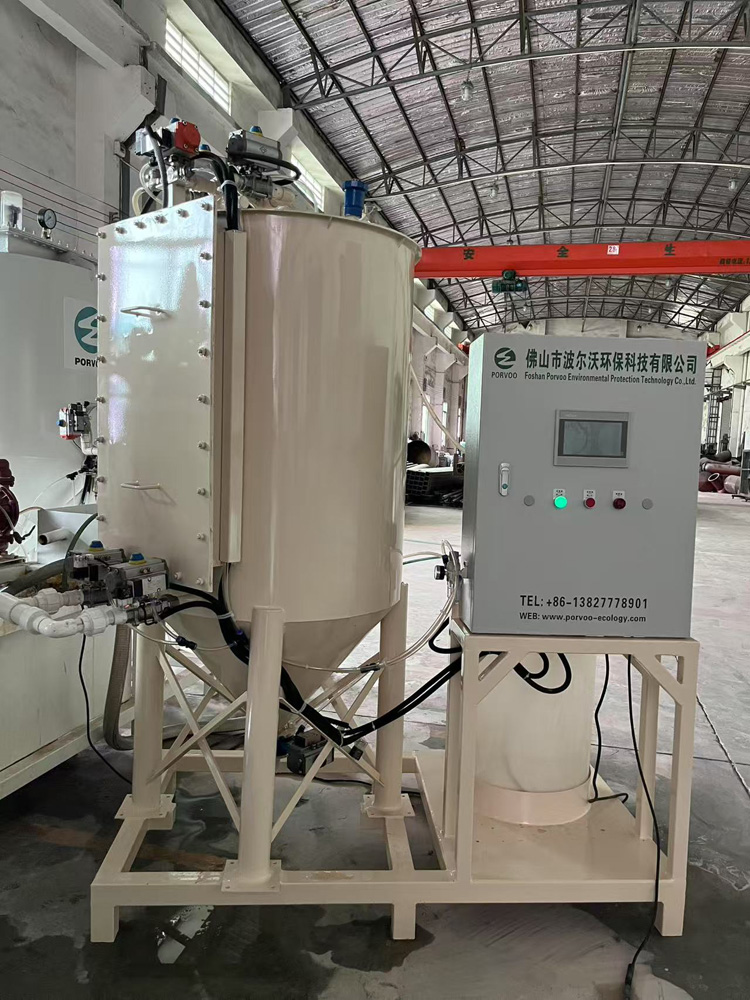
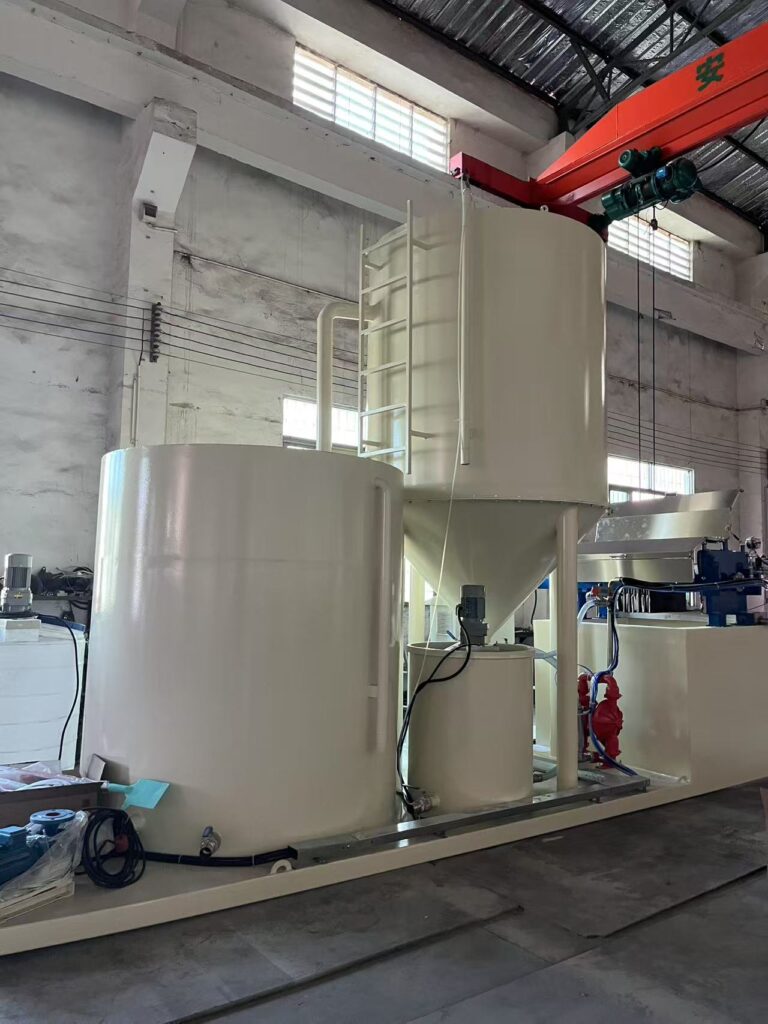
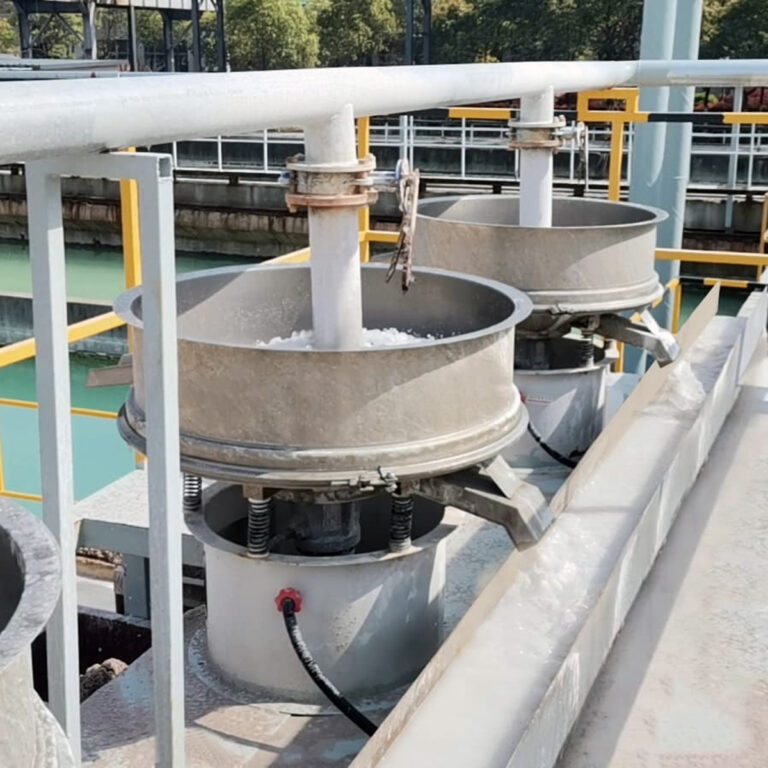
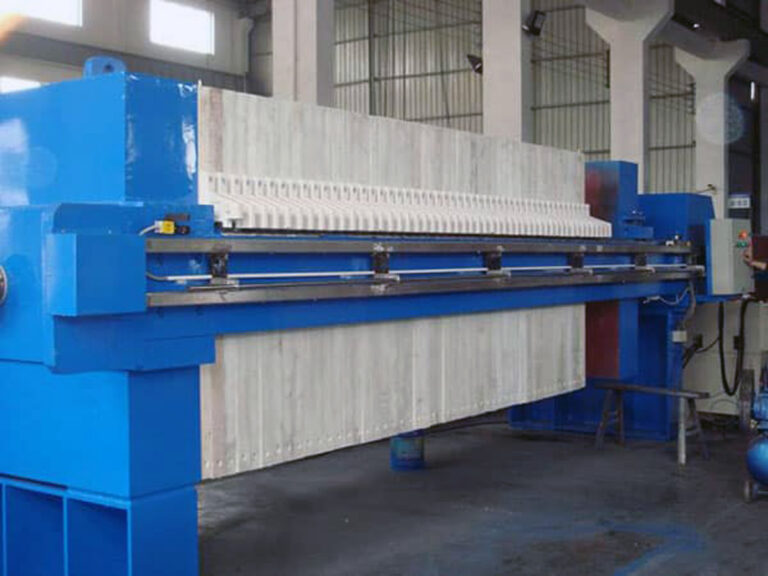
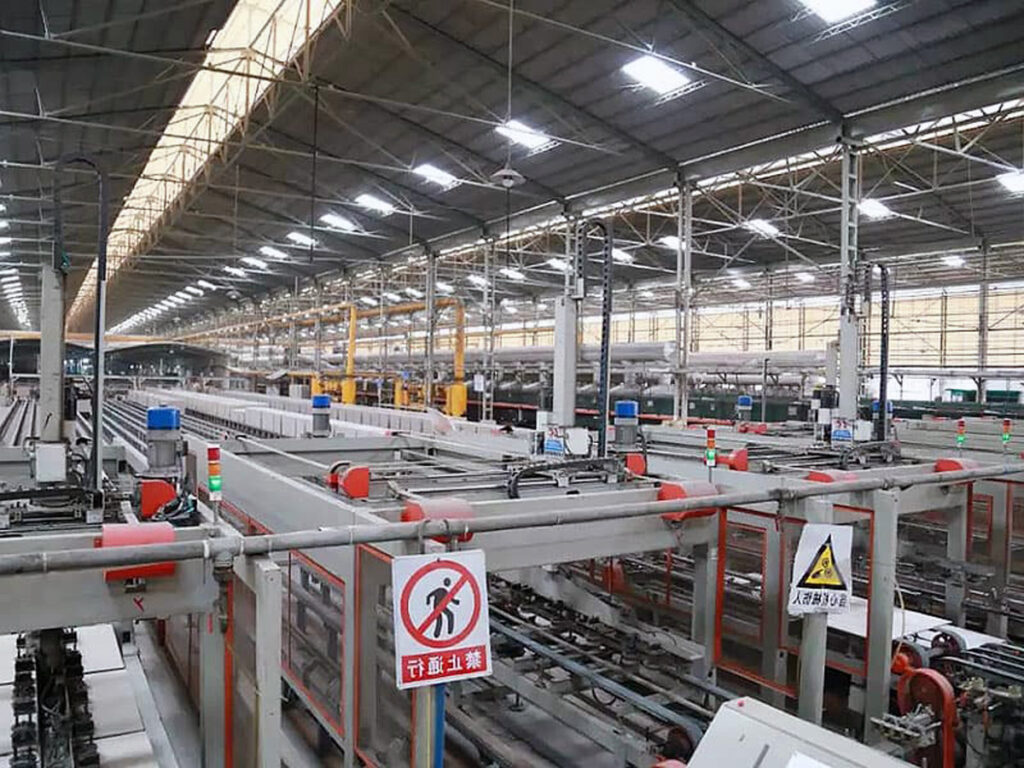
Katı-sıvı ayrıştırma sürekli bir operasyonel darboğazdır. Madencilik, kimyasal işleme veya atık su yönetimindeki profesyoneller için zorluk sadece susuzlaştırma değildir; enerji maliyetlerini ve bakım karmaşıklığını kontrol ederken düşük nemli kek ve berrak filtrat ile verimli bir şekilde bunu başarmaktır. Daha yüksek vakumun her zaman daha yüksek enerji tüketimi anlamına geldiği veya ince filtrasyon elde etmenin sık sık medya değişimi gerektirdiği gibi yaygın yanlış kanılar devam etmektedir.
Seramik vakum filtresi bu denklemi yeniden tanımlıyor. Çalışma prensibi, pasif fizik ile aktif mühendisliği birleştirerek performansta bir adım değişiklik sağlıyor. Endüstriler su kullanımı, enerji verimliliği ve operasyonel güvenlik konularında artan bir baskıyla karşı karşıya olduğundan, bu teknolojiyi anlamak artık çok önemlidir. Doğru susuzlaştırma teknolojisinin seçilmesi, kârlılığı ve mevzuata uygunluğu doğrudan etkiler.
Temel Prensip: Kılcal Hareket ve Mekanik Vakum
Sinerjinin Tanımlanması
Sistemin verimliliği, hidrofilik bir seramik ortam ile mekanik bir vakum pompası arasındaki ortaklıktan kaynaklanmaktadır. Mikro gözenekli seramik plaka, bulamaçla temas ettiğinde, sıvıyı gözeneklerine kendiliğinden çekmek için kılcal hareket kullanır. Bu da stabil bir sıvı bariyeri oluşturur. Vakum pompası daha sonra plakanın arkasına önemli ölçüde negatif basınç uygular. Kritik olarak, doymuş gözenekler hava girişini önleyerek sadece sıvı filtratın geçmesine izin verir. Bu sinerji temel yeniliktir.
Enerji Verimliliği Etkisi
Bu kılcal conta, geleneksel bez veya kayış filtrelere kıyasla etkili bir vakum sağlamak için gereken enerjiyi büyük ölçüde azaltır. Sistem, tipik olarak -0,09 ila -0,098 MPa arasında yüksek bir vakum derecesine ulaşır, ancak önemli ölçüde daha düşük pompa yükü ile. Endüstri standartlarında yapılan araştırmalara göre, bu tasarım vakum üretiminde 90%'nin üzerinde enerji tasarrufu sağlayabilir. Bu, toplam sahip olma maliyetini temelden değiştirerek ana operasyonel gideri enerjiden disiplinli bakıma kaydırır.
Performansın Doğrulanması
Prensibin etkinliği standartlaştırılmış performans ölçütleriyle ölçülmektedir. Geleneksel vakum filtrelerini seramik varyantlarla karşılaştırdık ve tutarlı sızdırmazlığın daha istikrarlı çalışmaya ve daha yüksek katı madde yakalamaya olanak sağladığını gördük. Kolayca gözden kaçan ayrıntılar arasında, seramiğin enerji tasarrufunun ötesinde agresif beslemelerde ortam ömrünü uzatan doğal kimyasal direnci de yer alıyor.
Masa: Temel Prensip: Kılcal Hareket ve Mekanik Vakum
| Bileşen | Anahtar Parametre / Rol | Etki / Sonuç |
|---|---|---|
| Kılcal Damar Hareketi | Pasif, hidrofilik gözenekler | İlk sıvı bariyerini oluşturur |
| Mekanik Vakum | -0,09 ila -0,098 MPa | Sürekli filtrat ekstraksiyonu sağlar |
| Sinerji Etkisi | Hava geçişini önler | Yüksek vakumlu sızdırmazlık sağlar |
| Enerji Tüketimi | >90% tasarruf | Toplam sahip olma maliyetini düşürür |
Kaynak: [JB/T 14401-2023 Seramik vakum filtresi](). Bu standart, tabloda açıklanan kılcal hareket ile verimli sinerjiyi sağlayan kritik vakum derecesi özellikleri de dahil olmak üzere seramik vakum filtre makineleri için performans parametrelerini ve testlerini tanımlar.
Seramik Vakum Filtre Sisteminin Temel Bileşenleri
Filtrasyon Yapısı
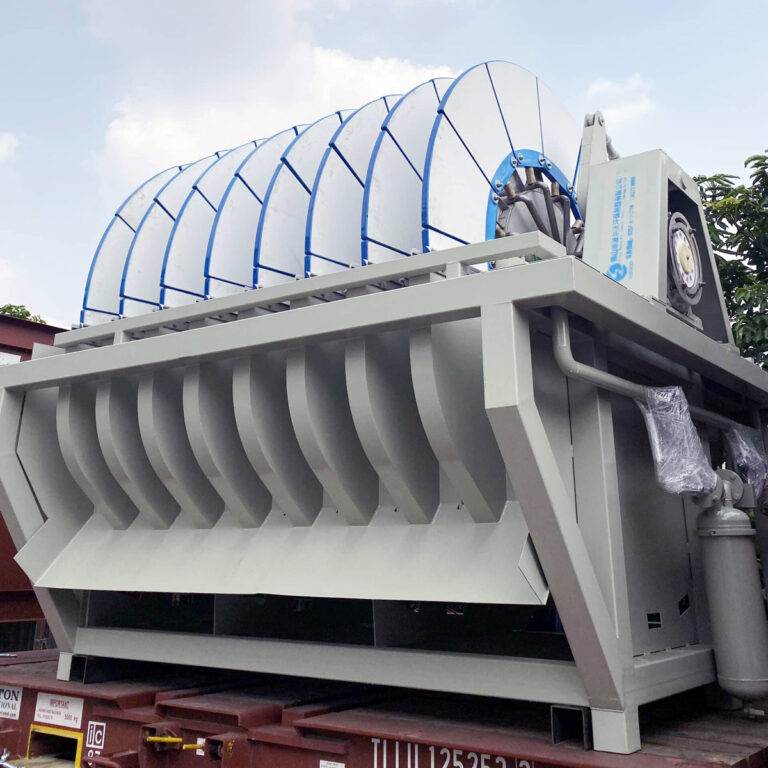
Sistemin merkezinde birden fazla seramik plaka ile donatılmış dönen bir disk veya tambur bulunmaktadır. Her bir plaka ayrı bir filtrasyon hücresi olarak işlev görür. Bunlar, proses bölgeleri boyunca sürekli daldırma ve döndürme için tasarlanmış sağlam bir yapı üzerine monte edilmiştir. Seramiğin malzeme sınıfı (genellikle alümina veya zirkonya), bulamacın aşındırıcılığına ve kimyasal yapısına göre seçilir; bu da çalışma ömrünü doğrudan etkileyen bir karar noktasıdır.
Kontrol Merkezi: Dağıtım Vanası ve PLC
Her bir seramik plaka ayrı borular aracılığıyla merkezi bir dağıtım valfine bağlanır. Bu hassas bileşen sistemin sinir merkezidir ve tam dönüş aşamasında doğru plakaya titizlikle vakum, geri tepme havası ve geri yıkama sıvısı uygular. Programlanabilir Mantık Denetleyicisi (PLC) bu vanayı tüm döngü boyunca otomatikleştirerek bulamaç besleme hızlarını, vakum seviyelerini ve temizleme sıralarını yönetir. Deneyimlerime göre, bu vananın güvenilirliği ve PLC programının mantığı, tutarlı, uygulamadan bağımsız bir çalışma elde etmek için çok önemlidir.
Özel Sistem Konfigürasyonları
Zorlu uygulamalar için standart açık tasarım gelişir. MF Tamamen Kapalı modelinde inert gaz tahliyesi, 316L veya duplex 2205 paslanmaz çelik gibi korozyona dayanıklı alaşımlar ve anti-statik özellikler bulunur. Bu yapılandırma bir yükseltme değil, uçucu, yanıcı veya yüksek derecede aşındırıcı bulamaçların işlenmesi için bir gerekliliktir ve teknolojinin güvenli uygulama alanını farmasötikler ve özel kimyasallara doğru etkili bir şekilde genişletir.
Dört Aşamalı Filtrasyon Döngüsü: Bulamaçtan Kuru Keke
Aşama 1: Kek Oluşumu
Batık oluşum bölgesinde, kapiler-vakum sinerjisi filtratı seramik gözeneklerden çeker. Katı maddeler plaka yüzeyinde tutularak tutarlı bir ıslak kek oluşturulur. Kalınlık bulamaç yoğunluğu, vakum seviyesi ve daldırma süresi ile kontrol edilir. Sektör uzmanları, sonraki tüm aşamaların temelini oluşturduğu için ilk olarak bu bölgenin optimize edilmesini önermektedir.
2. ve 3. Aşama: Yıkama ve Kurutma
İsteğe bağlı bir yıkama bölgesi, kimyasal uygulamalarda ürün saflığı için kritik bir adım olan kekten çözünebilir safsızlıkları uzaklaştırmak için püskürtme çubukları ve sürekli vakum kullanır. Kek daha sonra kurutma bölgesine döner. Burada, yüksek vakum havayı önceden oluşturulmuş kekin gözeneklerinden çekerek kalan nemi giderir ve konsolide, işlenebilir bir ürün üretir. Buradaki verimlilik doğrudan ilk kekin bütünlüğüne bağlıdır.
Aşama 4: Taburcu Etme ve Hazırlık
Plaka boşaltma bölgesine girdiğinde vakum kesilir. Kısa, keskin bir ters hava darbesi - “snap-blowback” - kuru keki bir oluğa temiz bir şekilde çıkarır. Plaka daha sonra bulamaca tekrar girmeden önce bir temizleme bölgesinden (genellikle özel bir geri yıkama istasyonunun parçası) geçerek sürekli döngüyü tamamlar. HG/T 20521-2014 Seramik vakum filtre sistemi tasarımı için şartname]() tarafından yönetilen bu otomatik sıra, hassas ve tekrarlanabilir çalışma sağlar.
Teknik Avantajlar ve Performans Özellikleri
Ölçülebilir Çıktı Avantajları
Teknik özellikler doğrudan operasyonel faydalara dönüşür. Yüksek, stabil vakum sürekli olarak çok düşük artık neme sahip kekler üreterek sonraki kurutma maliyetlerini veya nakliye ağırlığını azaltır. Aynı zamanda, mikron altı seramik gözenekler olağanüstü filtrasyon hassasiyeti sağlar ve genellikle 50 ppm'nin altında katı içeriğe sahip bir filtrat verir.
Stratejik Kaynak ve Uyum Etkisi
Bu filtrat berraklığı, proses suyunu bir atık akışından yeniden kullanılabilir bir kaynağa dönüştürür. Kapalı döngü su sistemlerini mümkün kılarak tatlı su alımını büyük ölçüde azaltır ve atık su deşarj uyumluluğunu basitleştirir. Kurumsal su yönetimi ve Kapsam 2 emisyonlarına verilen önemin artması, bu avantajı sadece operasyonel değil stratejik bir itici güç haline getirmektedir.
Ölçeklenebilirlik ve Tasarım Tahmini
Sistem performansı filtre alanı ile tahmin edilebilir şekilde ölçeklenir. 150 m²'lik bir ünite, 1 m²'lik bir pilot üniteye göre orantılı olarak daha büyük bir ayak izi ve kurulu güç gerektirecektir, ancak ilişki doğrusaldır. Bu, fizibilite çalışmaları sırasında doğru CAPEX ve tesis yerleşim modellemesine olanak tanıyarak maliyetli eksik veya fazla tasarımı önler.
Tablo: Teknik Avantajlar ve Performans Özellikleri
| Avantaj | Anahtar Performans Metriği | Tipik Sonuç / Spesifikasyon |
|---|---|---|
| Susuzlaştırma Kapasitesi | High vacuum degree | Low residual cake moisture |
| Filtration Precision | Sub-micron pores | Filtrate clarity <50 ppm solids |
| Enerji Verimliliği | Capillary seal effect | >90% pump energy savings |
| Sistem Ölçeklenebilirliği | Filter area (1-150 m²) | Linear footprint & power scaling |
Source: [YS/T 1189-2017 Test method for ceramic vacuum filter](). This standard provides the unified test methods for evaluating ceramic filter performance, directly covering the verification of key metrics like filtration rate and cake moisture content that quantify the advantages listed.
Critical Maintenance: Ceramic Plate Cleaning and Regeneration
The Non-Negotiable Cleaning Protocol
Long-term performance is entirely dependent on maintaining ceramic permeability. A disciplined, multi-stage cleaning protocol is mandatory. Regular automated backflushing with filtrate dislodges particles near the pore surface. For deeper contamination, ultrasonic energy agitates and removes embedded fines. This regimen prevents the gradual decline in flow rate known as blinding.
Chemical Regeneration for Inorganic Fouling
Periodically, a low-concentration acid wash is necessary to dissolve cemented salts or metal oxides that physical cleaning cannot remove. The specific acid and concentration must be compatible with the ceramic material and process residuals. Adherence to this schedule is so critical that its automation via the PLC is a standard best practice, not an optional feature.
The Cost of Neglect
Skipping or shortening cleaning cycles leads to irreversible pore blockage. The result is a permanent loss of vacuum seal efficiency, causing higher energy consumption for reduced throughput. This operational discipline directly preserves the asset’s value and the core energy-saving principle of the system.
Table: Critical Maintenance: Ceramic Plate Cleaning and Regeneration
| Maintenance Stage | Method / Agent | Birincil Amaç |
|---|---|---|
| Regular Backflushing | Filtrate / Service water | Dislodges near-surface particles |
| Deep Cleaning | Ultrasonic energy | Agitates embedded fine particles |
| Chemical Regeneration | Low-concentration acid wash | Dissolves cemented salts/oxides |
| Süreç Kontrolü | Automated PLC cycles | Ensures schedule adherence |
Source: [HG/T 20521-2014 Specification for design of ceramic vacuum filter system](). This design standard outlines the engineering requirements for complete filter systems, including the integration of automated controls and cleaning system components essential for the maintenance regimen detailed above.
Comparing Applications: Mining, Chemical, and Industrial Use Cases
Mining and Metallurgy: The Primary Domain
In mining, the technology excels at dewatering fine, abrasive concentrates like iron ore, copper, or zinc tailings. The robust ceramic handles the harsh feed, while the low cake moisture significantly reduces transport costs. The standard [GB/T 35052-2018 Ceramic filter for mineral processing]() governs the technical requirements for these applications, emphasizing durability and performance under high solids loading.
Kimyasal ve Farmasötik İşleme
For the chemical industry, the fully enclosed, corrosion-resistant variants are essential. They safely process volatile solvents, acidic slurries, or crystalline products where containment and material compatibility are paramount. The anti-static design mitigates explosion risks, making it a viable option where other filters cannot operate.
Industrial Wastewater and ESG Drivers
In industrial wastewater treatment, the sub-50 ppm filtrate quality is the key advantage. It allows for direct recycle of process water, addressing stringent discharge limits. Beyond compliance, this capability directly supports corporate Environmental, Social, and Governance (ESG) goals related to water stewardship and reducing Scope 2 emissions from dewatering operations, accelerating adoption.
Table: Comparing Applications: Mining, Chemical, and Industrial Use Cases
| Sanayi Sektörü | Birincil Uygulama | Key Driver for Adoption |
|---|---|---|
| Mining & Metallurgy | Fine concentrate dewatering | Low moisture reduces transport cost |
| Chemical Industry | Volatile/corrosive slurry processing | Enclosed, anti-static design safety |
| Industrial Wastewater | Process water recycle | <50 ppm filtrate enables reuse |
| Cross-Industry | ESG compliance | Water stewardship & lower Scope 2 emissions |
Source: [GB/T 35052-2018 Ceramic filter for mineral processing](). This national standard specifies the technical requirements for ceramic filters in mineral processing, directly governing their application in the mining sector, which is a primary use case highlighted in the comparison.
Limitations and Considerations for System Selection
Capital and Feedstock Constraints
The primary limitation is higher initial capital investment compared to conventional vacuum filters. Furthermore, the ceramic plates can be susceptible to irreversible blinding from oily feeds, certain organic colloids, or gels. Prolonged exposure to extreme pH, either high-concentration caustic or acid, can also degrade certain ceramic materials over time.
The Imperative of Feed Characterization
These limitations make comprehensive feed slurry characterization a critical prerequisite. Particle size distribution, chemical composition, temperature, and the presence of surfactants must be thoroughly analyzed. This step is analogous to selecting the correct pore size in membrane filtration; choosing the wrong ceramic grade guarantees operational failure and negates the investment.
The Total Cost of Ownership Analysis
Selection cannot be based on CAPEX alone. A rigorous Total Cost of Ownership (TCO) analysis must factor in the dramatic energy savings, reduced maintenance media replacement (no cloths or belts), filtrate reuse value, and disposal cost savings from drier cake. For suitable applications, the TCO over a 5-year period often justifies the higher initial outlay.
Implementing a Ceramic Vacuum Filter: A Practical Guide
Phase 1: Pilot Testing and Design
Implementation begins with definitive pilot testing on a representative slurry sample. This validates expected cake moisture, filtrate clarity, and throughput rates, and identifies potential blinding agents. Data from this stage finalizes the design parameters for the full-scale ceramic vacuum filtration system, ensuring it is correctly sized and specified.
Phase 2: Engineering and Commissioning
Detailed engineering must account for the system’s footprint, utility connections (power, water, compressed air, drain), and integration with upstream and downstream processes. During commissioning, establishing and automating the precise backflush and chemical cleaning regimen is the single most important task for ensuring long-term system health and performance.
Phase 3: Operation and Evolution
Operationally, leverage the system’s inherent data generation from the PLC for condition monitoring and predictive maintenance. The market is stratifying, with performance tiers linked to advanced ceramic blends and smart control packages. Procurement is evolving from buying a piece of equipment to partnering for a tailored dewatering solution. Future competitiveness will lie in the analytics derived from operational data.
The decision to implement a ceramic vacuum filter hinges on three priorities: validating feed compatibility through pilot testing, committing to the disciplined automated maintenance protocol, and analyzing the true TCO beyond initial price. For fine, abrasive, or chemically challenging slurries where low moisture, clear filtrate, and energy efficiency are critical, it presents a compelling solution.
Need a professional assessment for your specific solid-liquid separation challenge? The engineers at PORVOO specialize in matching advanced filtration technology to complex industrial processes, from pilot testing to full-scale implementation.
Bize Ulaşın to discuss your application requirements and explore a data-driven path to optimized dewatering.
Sıkça Sorulan Sorular
Q: How does the ceramic vacuum filter achieve such high vacuum efficiency compared to traditional filters?
A: The system combines the passive capillary action of hydrophilic ceramic plates with an active mechanical vacuum pump. The capillary effect creates a liquid seal in the micropores, preventing air ingress and drastically reducing the energy needed to maintain a high vacuum, typically -0.09 to -0.098 MPa. This synergy is the core innovation documented in standards like JB/T 14401-2023 Ceramic vacuum filter. For operations focused on reducing dewatering energy costs, this principle fundamentally shifts the total cost of ownership calculation.
Q: What are the critical steps for maintaining ceramic plate permeability over the long term?
A: Sustaining performance requires a disciplined, multi-stage cleaning protocol: regular backflushing with filtrate, periodic ultrasonic cleaning for embedded fines, and occasional low-concentration acid washes to dissolve cemented salts. This regimen prevents irreversible pore blinding and is so vital that automated PLC control of these cycles is a necessity. This operational discipline directly preserves the energy-saving capillary action and high vacuum that define the system’s value, impacting long-term ROI.
Q: When selecting a ceramic vacuum filter, what feed slurry characteristics pose the highest risk of failure?
A: The primary risks are feeds containing oils, certain colloidal materials, or slurries with prolonged exposure to high-concentration acids or alkalis, which can blind or degrade the ceramic plates. Accurate pre-selection analysis of particle size, chemistry, and temperature is therefore a critical prerequisite, analogous to selecting the correct membrane pore size for specific filtration. If your slurry has these challenging characteristics, you must conduct comprehensive pilot testing to validate compatibility before procurement.
Q: How does the fully enclosed ceramic filter variant expand application possibilities?
A: The MF Fully Enclosed design incorporates inert gas purging, corrosion-resistant alloys like 316L or 2205, and anti-static features. This configuration safely contains volatile, combustible, or corrosive process materials. It unlocks the ability to process solvents, acids, or sensitive crystalline products, meeting stringent safety requirements in chemical and pharmaceutical sectors. For projects involving hazardous materials, this variant transforms the technology from a simple dewatering tool into a critical process safety asset.
Q: What performance advantages make ceramic filters strategic for mining and wastewater compliance?
A: The technology delivers a filtrate with solid content often below 50 ppm and produces a very dry filter cake. This clarity allows direct water recycling for closed-loop systems, while low cake moisture cuts transport costs. These outputs directly address key ESG pressures: water stewardship and reducing Scope 2 emissions from dewatering. This means facilities facing stringent environmental regulations or corporate sustainability targets should evaluate this technology for both compliance and operational efficiency gains.
Q: What engineering considerations are paramount when scaling up a ceramic filter system?
A: Scaling requires accounting for the linear relationship between filter area, physical footprint, and installed power. Performance scales predictably, but with diminishing returns on operational intensity for larger units. Engineering design must integrate these factors, along with utilities and automated controls, as outlined in standards like HG/T 20521-2014 Seramik vakum filtre sistemi tasarımı için şartname. This linear correlation provides accurate models for plant infrastructure, helping engineers avoid costly under- or over-provisioning during expansion.
Q: How should procurement strategy evolve when sourcing a ceramic vacuum filter system?
A: Sourcing is shifting from buying discrete equipment to securing a partnered, application-specific solution. The market stratifies into performance tiers based on advanced ceramic blends (e.g., alumina, zirconia), and the trend is toward hybridized, smart units. This means you should focus on deep technical collaboration with vendors, using pilot test data from your actual slurry to finalize design, rather than relying on generic specifications.