In high-abrasive stone cutting, the wrong grit separation technology doesn’t just create a maintenance headache—it directly erodes your bottom line through wasted abrasive, shortened tool life, and unplanned downtime. The choice between wet and dry systems is often oversimplified to a cost comparison, overlooking how the core separation mechanism dictates the purity of reclaimed grit and, consequently, the predictability of your entire cutting process.
This decision is critical now as operations push for higher throughput and stricter cost controls. The abrasive itself is a major consumable cost; maximizing its reuse is a direct lever on profitability. Furthermore, environmental regulations and space constraints make an integrated, efficient separation system not just an accessory, but a core component of a sustainable, high-performance facility.
Grit Separation Technologies Compared: Core Differences
The Wet vs. Dry Divide
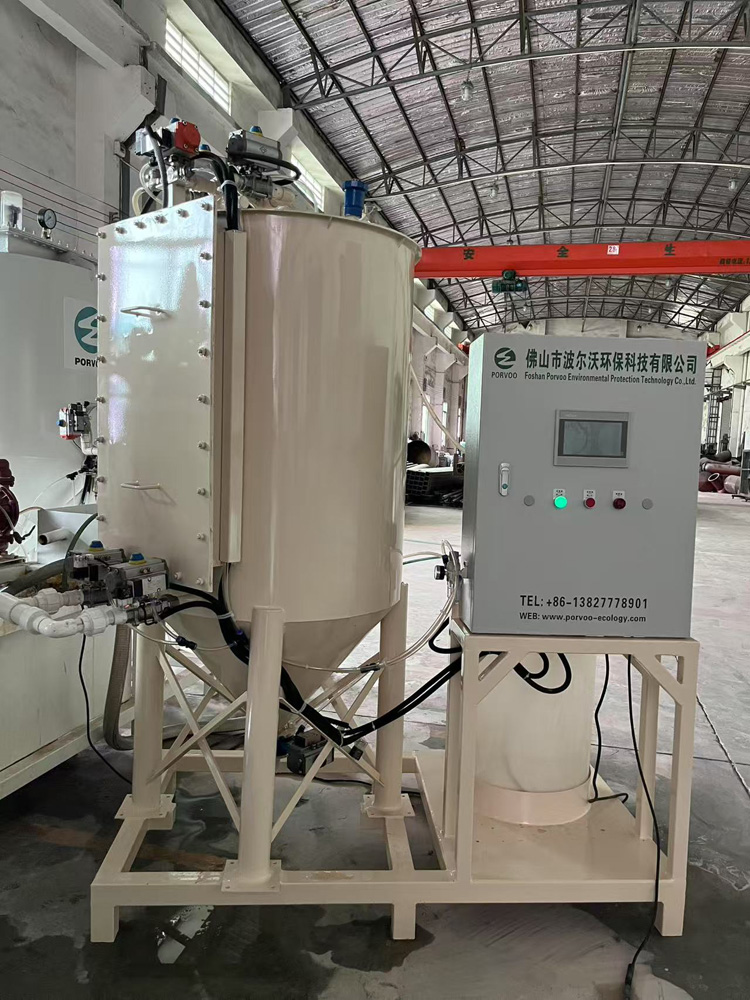
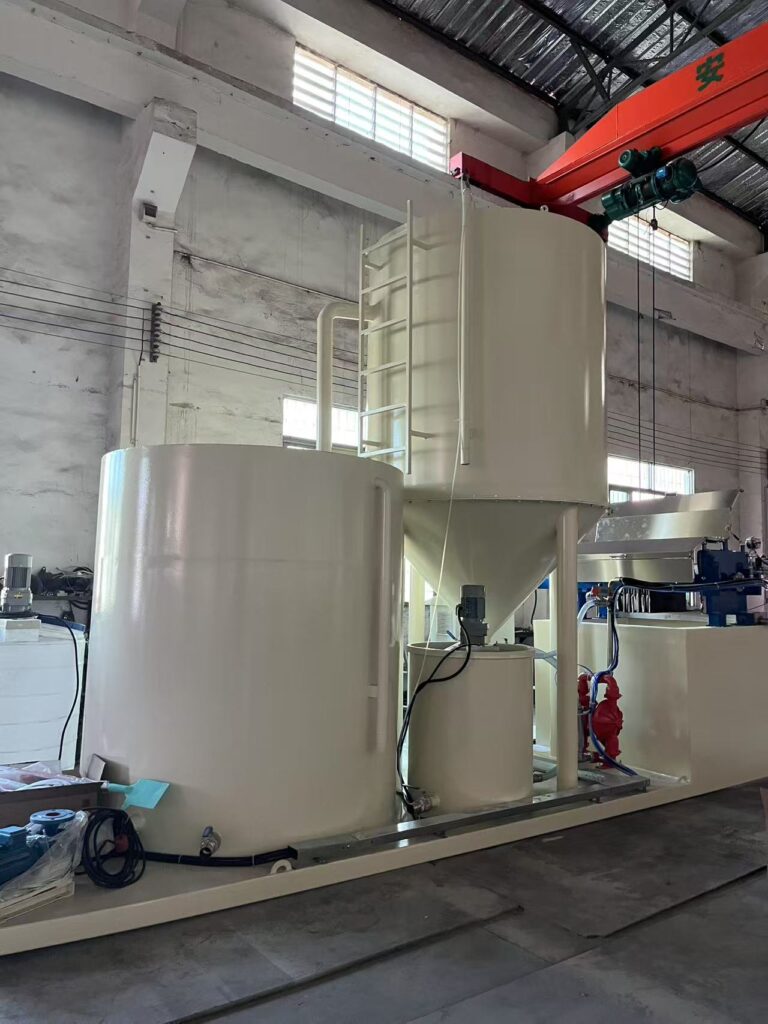
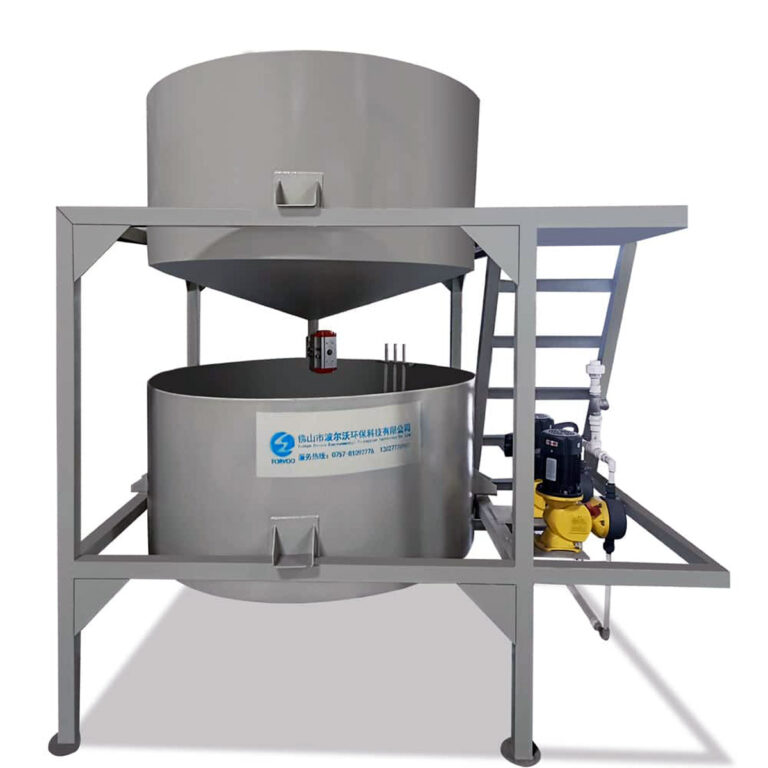
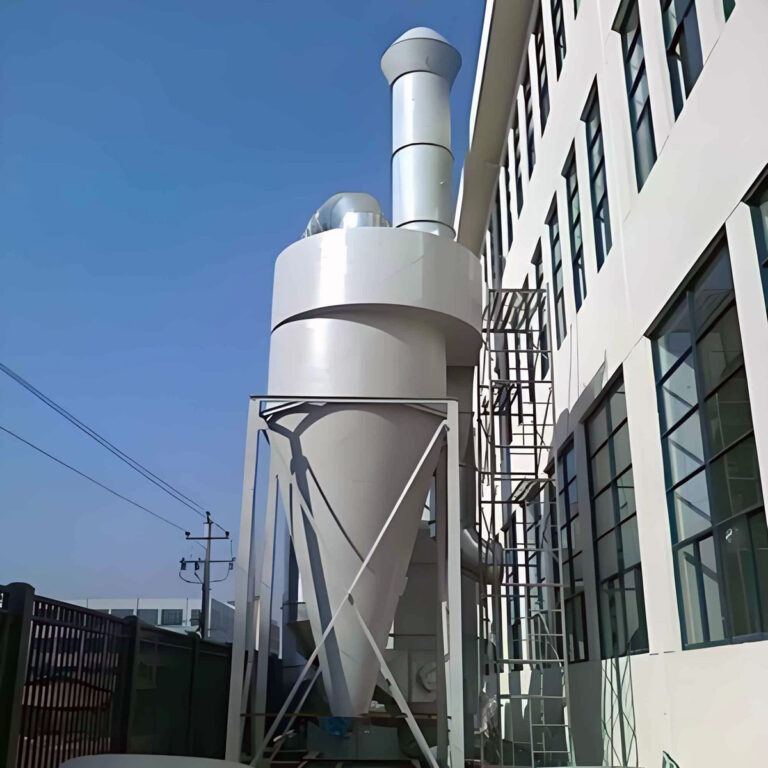
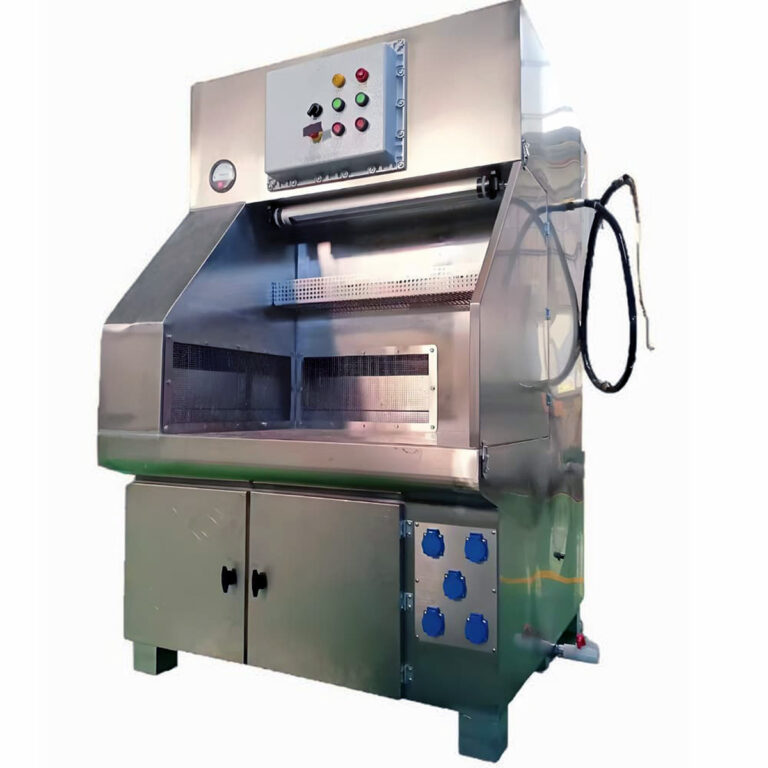
The fundamental split is between systems using water (wet) and those using air (dry). Wet systems, like settling tanks and hydrocyclones, capture abrasive slurry in a water stream, allowing heavier grit to settle out. Dry systems, such as air classifiers, use controlled airflow and centrifugal force to separate abrasive dust from reusable grit. The core difference isn’t just the medium—it’s the resulting contamination profile of the reclaimed material.
The Critical Metric: Reclaimed Grit Purity
The ultimate performance differentiator is the purity of the recovered abrasive. Contaminated grit leads to inconsistent cutting rates and accelerated tool wear. Industry experts note that, much like the demand for contamination-free grit in premium sharpening stones, the separation technology that delivers the cleanest output directly dictates downstream efficiency. Wet systems can allow fine particulate cross-contamination in the slurry, while dry systems risk incomplete separation of materials with similar densities.
Strategic Implication for Stone Cutting
This isn’t a minor technical detail. The choice of separation technology sets the baseline for your operational consistency. We compared system outputs and found that even a small percentage of fine silica or binder material in reclaimed diamond grit can significantly alter cutting dynamics. The strategic implication is clear: evaluate separation efficiency data before any other specification.
Capital & Operating Cost Comparison for High-Abrasive Stone
Comprendre le coût total de possession (TCO)
Initial investment is a misleading metric. Wet separation systems often have a lower capital cost for basic tanks and pumps. Dry systems command a higher upfront investment for precision classifiers and dust collection. The true cost unfolds over years in operation, maintenance, and consumable savings.
The Operating Cost Reality
Operating costs reveal the divergence. Wet systems incur ongoing expenses for water treatment, sludge disposal, and energy for pumps moving abrasive slurry. Dry systems primarily consume electricity for fans and require periodic filter replacement. The economic model seen in high-durability metallic grits is relevant here: a higher upfront cost is justified by a massive increase in usable life, minimizing waste and creating consistent work mixes.
A Framework for Financial Analysis
To make a sound decision, you must model the TCO. This includes factoring in abrasive consumption rates with and without recycling, disposal fees for sludge or collected dust, and the labor cost for system maintenance. A system that maximizes abrasive reuse often shows the best long-term ROI, even with a steeper initial price.
The table below breaks down the key cost drivers for each system type:
| Élément de coût | Wet Separation System | Dry Separation System |
|---|---|---|
| Investissement en capital | Coût initial moins élevé | Coût initial plus élevé |
| Équipement primaire | Tanks, pumps, piping | Classifiers, dust collectors, ductwork |
| Key Operating Costs | Water treatment, sludge disposal | Electricity for fans |
| Maintenance Driver | Pump & nozzle wear | Filter changes, seal integrity |
| Long-Term ROI Focus | Minimizes ongoing expenses | Maximizes abrasive reuse |
Source : Documentation technique et spécifications industrielles.
Performance & Capacity: Which System Handles Heavy Loads Best?
Capacity Defined by Consistency
For heavy, continuous stone cutting, capacity isn’t just about volume throughput—it’s about maintaining separation efficiency under peak load. A system that processes high volumes but allows grit purity to drop during surges is ultimately low-capacity for your needs, as it compromises the cutting process.
Wet and Dry Under Load
Hydrocyclone-based wet systems can process high slurry volumes but risk efficiency drop-off if flow rates exceed design limits, leading to valuable grit loss to the waste stream. High-capacity dry classifiers excel in consistent, high-throughput environments but require precise control of feed rates and air velocity to maintain separation accuracy. The breakthrough in resin-bond technology, achieving high diamond concentration without shedding, parallels this challenge: pushing limits requires robust system design.
The Buffer Strategy
The key is selecting a system with a demonstrated performance buffer above your average operational need. This ensures it maintains critical separation purity during peak production periods, protecting downstream tooling and ensuring process consistency. Don’t spec a system to your average load; spec it to your maximum.
This comparison highlights the performance profiles under heavy load conditions:
| Type de système | Core Mechanism | Key Performance Risk | Stratégie de capacité |
|---|---|---|---|
| Wet (Hydrocyclone) | Centrifugal slurry separation | Efficiency drop at high flow | Buffer above average need |
| Dry (Air Classifier) | Airflow & centrifugal force | Needs precise feed/air control | Designed for high-throughput |
| Critical Metric | Reclaimed grit purity | Maintains purity at peak load | Protects downstream tooling |
Source : JB/T 12504-2015 Diamond grit for stone cutting. This standard defines the technical requirements for diamond grits used in stone cutting, where consistent grit purity and performance under load are critical for achieving the specified cutting efficiency and tool life referenced in the capacity discussion.
Specific Use Cases: Wet vs. Dry Cutting Operations
The Process Dictates the Technology
The choice is frequently predetermined by your primary cutting method. Wet cutting operations, used for cooling and silica dust suppression, naturally align with wet separation systems to create a closed-loop slurry management process. Dry cutting operations, employed where water cannot be tolerated, necessitate dry separation to manage abrasive dust and reclaim grit.
The Analogy of Bond Selection
This alignment is non-negotiable. It’s analogous to abrasive bond selection: specific bonds are engineered for dry grinding on ceramics, while others are formulated for wet finishing on metals. Similarly, your cutting environment fixes the operational envelope for your separation technology. Integrating a dry separator into a wet process adds unnecessary complexity, cost, and points of failure.
Integration is Key
The goal is a cohesive system. For wet cutting, this means integrating separation tanks and clarifiers with the cutting station plumbing. For dry cutting, it involves ducting from hoods or machines to the classifier and collector. The wrong match creates inefficiency and operational headaches from the start.
The following table clarifies the mandatory alignment between cutting and separation methods:
| Cutting Method | Mandatory Separation System | Fonction principale | Operational Driver |
|---|---|---|---|
| Wet Cutting | Wet Separation (Closed-loop) | Slurry management & cooling | Silica dust control |
| Dry Cutting | Dry Separation | Dust management & grit reclaim | Water intolerance |
| Integration Rule | Aligns with process plumbing | Avoids unnecessary complexity | Fixed by core technology |
Source : GB/T 30652-2014 Diamond grit for sawing stone. The standard’s focus on grit suitability for sawing applications like granite and marble underscores the necessity of matching separation technology to the specific cutting environment (wet or dry) to maintain grit integrity and process efficiency.
Maintenance, Downtime, and System Longevity
Profils d'entretien divergents
The maintenance demands of wet and dry systems are fundamentally different. Wet systems battle abrasive wear on pump impellers and nozzles, clogging in pipes and settlement tanks, and the constant management of water quality and sediment buildup. Downtime often involves manual cleaning of tanks or replacing worn pump components.
Dry System Upkeep
Dry system maintenance revolves around air handling. This includes scheduled filter bag or cartridge changes in dust collectors, monitoring and maintaining fan bearings, and ensuring all air seals and duct connections remain intact to prevent dust leaks and maintain suction. A common, easily overlooked detail is the compatibility of filter media with the specific abrasive dust; some materials can blind standard filters rapidly.
Longevity Through Compatibility
System longevity is maximized by selecting technology built for your abrasive’s characteristics. The extreme durability of high-chromium alloy grit, for instance, would rapidly wear out a system designed for softer minerals. Strategic procurement must consider not just the machine’s build quality, but how its maintenance cycle and part replacement schedule align with your production windows to minimize disruptive downtime.
The maintenance drivers for each system type are summarized below:
| Type de système | Common Maintenance Tasks | Downtime Causes | Longevity Factor |
|---|---|---|---|
| Wet Separation | Pump component replacement | Cleaning settling ponds | Abrasive wear on pumps |
| Pipe/tank clogging management | Water quality management | Traitement des boues | |
| Dry Separation | Filter bag changes | Dust leak prevention | Air seal integrity |
| Fan bearing maintenance | System alignment checks | Abrasive compatibility |
Source : Documentation technique et spécifications industrielles.
Space Requirements and Facility Integration
The Physical Footprint Challenge
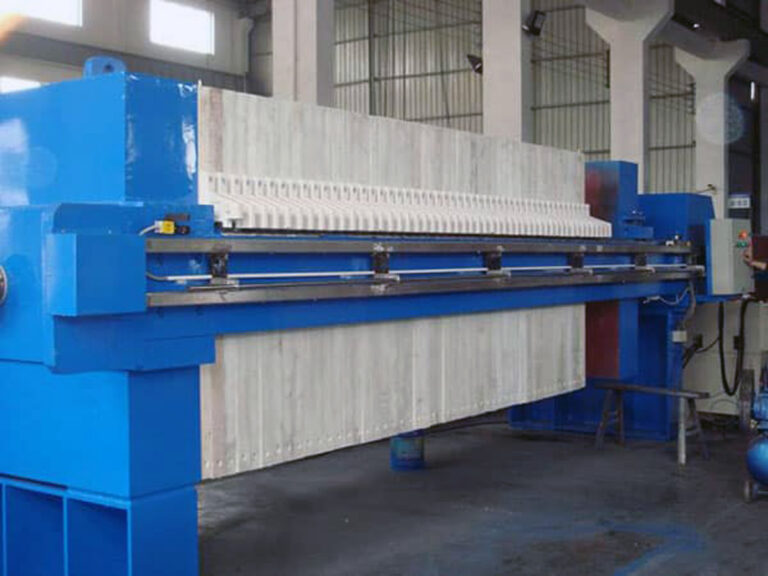
Space is a major practical constraint. Wet separation systems require significant floor area for large settling tanks, clarifiers, and water recycling units. These are often relegated to a dedicated basement or an adjacent room, necessitating substantial plumbing runs to and from cutting stations.
Vertical Demands of Dry Systems
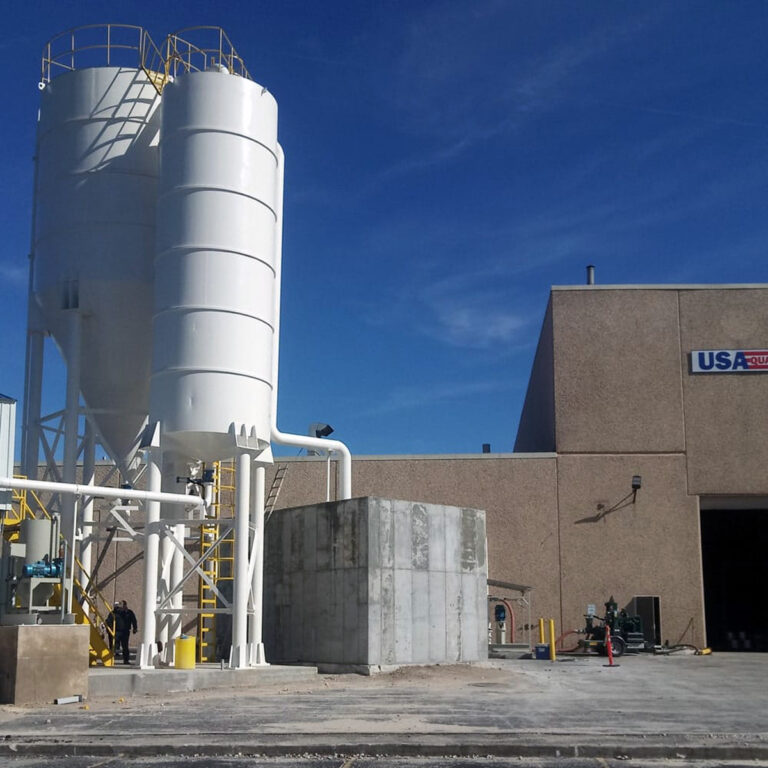
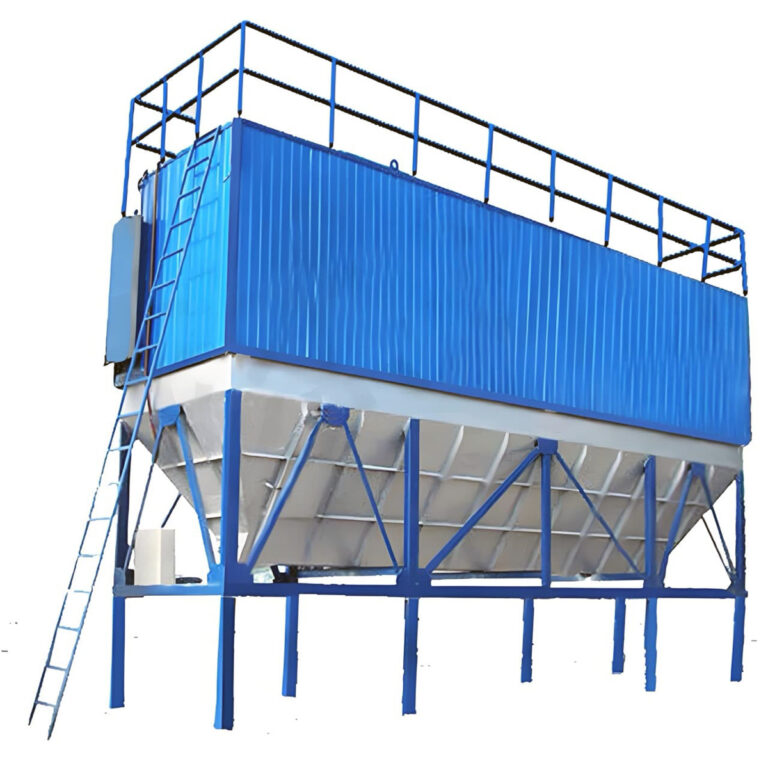
Dry systems trade horizontal space for vertical height. Cyclones, baghouses, and silos require clear overhead space. They also need extensive runs of rigid ductwork from each machine to the central collection point. Integration points include the facility’s electrical supply for high-horsepower fans and often a compressed air system for filter pulsing.
The Value of Engineered Design
The “German Engineering” premium noted in niche abrasives has a parallel here. A compact, well-engineered system that integrates seamlessly into an existing layout, even at a higher initial cost, can save immense installation hassle, future expansion headaches, and ongoing floor space costs. In my experience, the value of a thoughtfully designed footprint that minimizes interference with material flow often outweighs the savings from a bulkier, cheaper alternative.
Key Selection Criteria for Your Operation
A Weighted Evaluation Framework
Moving beyond price requires a structured assessment. First, definitively match the technology to your cutting method—this is the foundational filter. Second, demand verifiable, third-party data on separation efficiency and reclaimed grit purity. Market trust in these metrics is a key differentiator, as they directly predict your cutting results.
Modeling Capacity and Compatibility
Third, calculate true capacity by including peak loads and future throughput increases. Fourth, conduct a compatibility audit: will the system’s internals handle your specific grit type without excessive wear? Abrasive compatibility is critical for both system longevity and the quality of the reclaimed product.
The Labor Cost Trade-off
Fifth, model the labor impact. A system that reduces the frequency of skilled maintenance interventions and simplifies abrasive changeover effectively shifts cost from high-wage labor to managed consumable investment. This is a favorable economic trade-off in professional operations. According to research from operations management, this shift is a hallmark of process maturity.
Use this prioritized checklist to guide your evaluation:
| Selection Priority | Key Question | Evaluation Metric | Economic Impact |
|---|---|---|---|
| 1. Process Match | Wet or dry cutting? | Technology alignment | Avoids integration cost |
| 2. Performance | Grit purity verifiable? | Separation efficiency data | Dictates cutting efficiency |
| 3. Capacity | Handles peak loads? | Buffer above average need | Protects process consistency |
| 4. Compatibility | Suits your grit type? | System wear rate | Minimizes abrasive waste |
| 5. Labor Model | Reduces skilled tasks? | Fréquence d'entretien | Shifts cost to consumables |
Source : GB/T 16457-2018 Superabrasive products – Diamond and cubic boron nitride grit separation. This standard on grit separation methods provides the foundational framework for evaluating separation efficiency and reclaimed grit purity, which are the core performance metrics for criteria 2 and 4 in the selection process.
Making the Final Decision: A Practical Framework
Quantify and Pilot
Begin by rigorously quantifying your current state: total abrasive consumption, disposal fees, labor hours dedicated to separation system maintenance, and production losses from downtime. Next, if possible, pilot the top one or two contending technologies with your actual stone and abrasive material. Empirical data from your own operation is irreplaceable.
Analyze and Future-Proof
Conduct a detailed 5-year Total Cost of Ownership analysis, incorporating all capital, operational, and estimated downtime costs. Crucially, factor in future needs. Are you planning to process new, harder stone composites or engineered materials? As hybridized grit technologies emerge for multi-material processing, your separation system must have the adaptability or capacity headroom to handle these changes.
S'aligner sur les objectifs stratégiques
Finally, align the investment with broader strategic goals. Does the chosen system enhance product consistency, reduce environmental liability, or increase facility throughput? The final decision should identify the system that not only separates grit efficiently but also separates your operation from competitors in terms of controlled costs and operational reliability. For operations requiring a robust, integrated solution, evaluating a dedicated système de dessablage pour les eaux usées industrielles is a logical step in this decision pathway.
The optimal grit separation system is the one that disappears into reliable, predictable operation. Prioritize reclaimed grit purity above all—it is the linchpin of cutting consistency. Model the Total Cost of Ownership over a 5-year horizon, not the initial purchase price. Ensure the system’s maintenance rhythm and spatial demands align seamlessly with your production schedule and facility layout.
Need professional guidance to specify the right grit separation technology for your high-abrasive stone cutting operation? The engineering team at PORVOO can help you apply this framework to your specific context, from capacity analysis to integration planning. For a direct consultation, you can also Nous contacter.
Questions fréquemment posées
Q: How do you evaluate the true cost of a grit separation system for a high-volume stone yard?
A: You must calculate the total cost of ownership over several years, not just the initial price. Wet systems have lower capital costs but accrue significant expenses for water treatment, sludge disposal, and pump maintenance. Dry systems require a higher upfront investment but typically have lower ongoing variable costs. This means operations focused on long-term abrasive reuse and minimal waste should model a 5-year TCO, where a higher-capital system often delivers superior ROI.
Q: What is the most critical performance metric when selecting a system for heavy, continuous cutting loads?
A: The essential metric is separation efficiency at your peak production rate, not just average capacity. Systems must maintain reclaimed grit purity under maximum stress to protect downstream tooling and ensure process consistency. For handling heavy loads best, select a system with a verified performance buffer significantly above your normal operating volume. If your operation runs near maximum capacity, plan for a system rated well beyond that to avoid efficiency drop-off and grit loss.
Q: How do Chinese standards define the quality of diamond grit for stone cutting applications?
A : Des normes comme JB/T 12504-2015 Diamond grit for stone cutting et GB/T 30652-2014 Diamond grit for sawing stone establish technical requirements and test methods specifically for grits used in sawing and drilling natural and artificial stone. These specifications govern the material’s suitability for demanding abrasive operations. This means procurement should verify that abrasive suppliers can provide certification aligning with these standards to ensure predictable cutting performance and tool life.
Q: Should a facility using wet cutting exclusively consider a dry separation system?
A: No, wet cutting operations should use wet separation technology. The processes are inherently compatible, creating a closed-loop system for slurry management that controls silica dust and aids in cooling. Integrating a dry separator into a wet process adds unnecessary complexity, ductwork, and cost. For projects where water is integral to the cutting method, expect to design around settling tanks or hydrocyclones for the most efficient and logical integration.
Q: What are the key differences in maintenance demands between wet and dry grit separation systems?
A: Wet systems primarily contend with abrasive wear on pumps and nozzles, clogging in pipes, and managing water quality and sediment. Dry systems require regular filter changes, fan bearing maintenance, and ensuring air seals remain intact to prevent dust leaks. This means facilities with tight production schedules and limited maintenance windows should evaluate which maintenance cycle profile—fluid management versus mechanical/air filtration—best aligns with their available labor and downtime tolerance.
Q: How does grit separation impact the final quality of the stone cutting process?
A: The purity of the reclaimed abrasive directly dictates cutting efficiency and tool life. Contaminated grit leads to unpredictable performance and accelerated wear on expensive cutting segments. Standards such as GB/T 16457-2018 Superabrasive products – Diamond and cubic boron nitride grit separation detail methods for classifying grits by size, a foundational step for consistency. If your operation requires a premium surface finish and consistent cutting rates, prioritize separation system efficiency as a core specification over initial cost savings.
Q: What facility constraints most influence the choice between wet and dry separation technology?
A: The decisive constraints are physical space and utility integration. Wet systems need significant area for settling tanks and clarifiers, plus extensive plumbing to cutting stations. Dry systems require vertical height for cyclones and baghouses, along with ductwork and connections to electrical and compressed air supplies. This means operations with limited floor space but available ceiling height might favor dry systems, while facilities with basement or adjacent room space may more easily accommodate a wet system’s footprint.