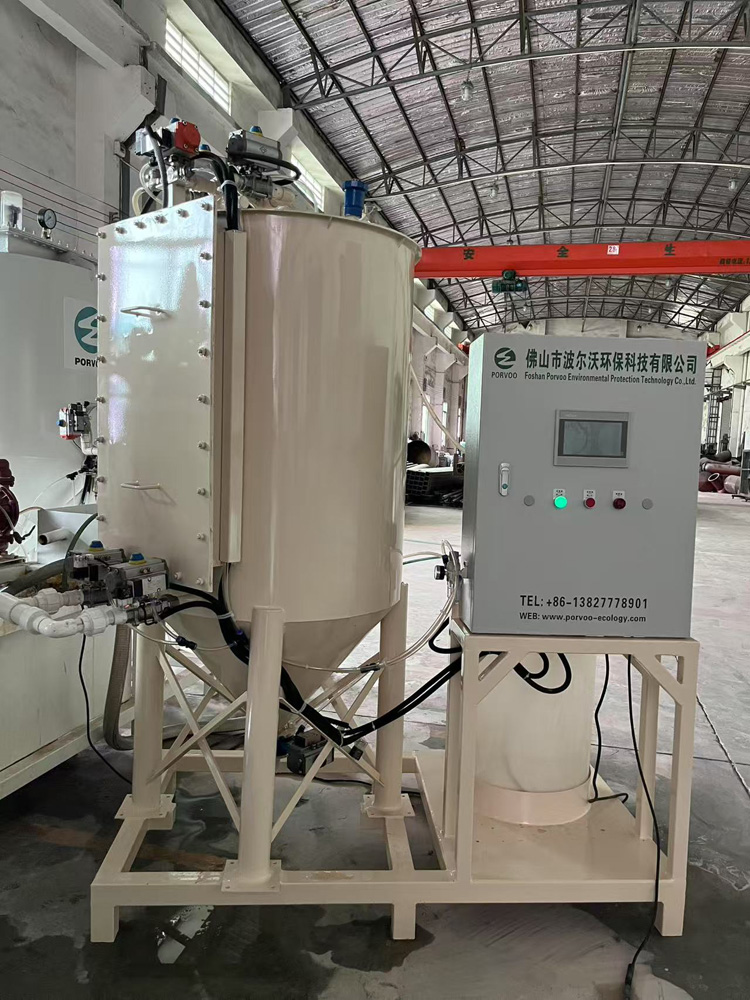
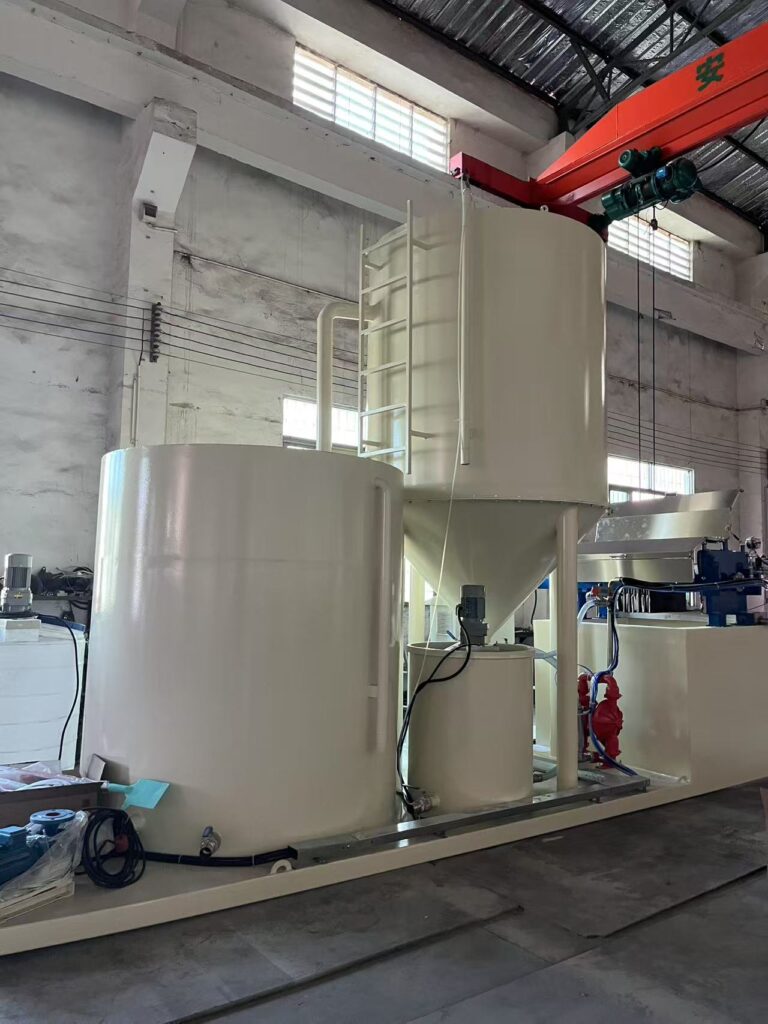
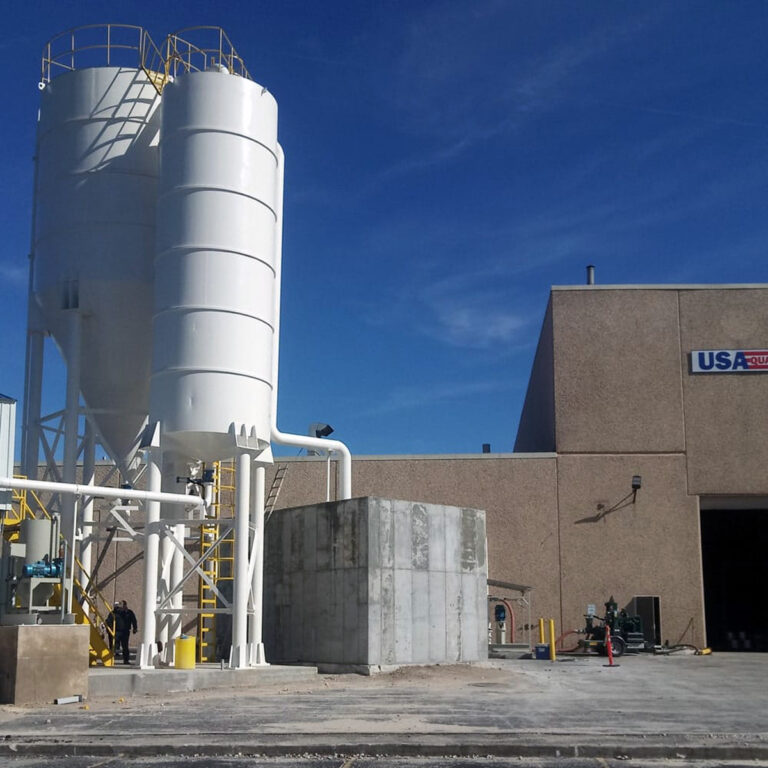
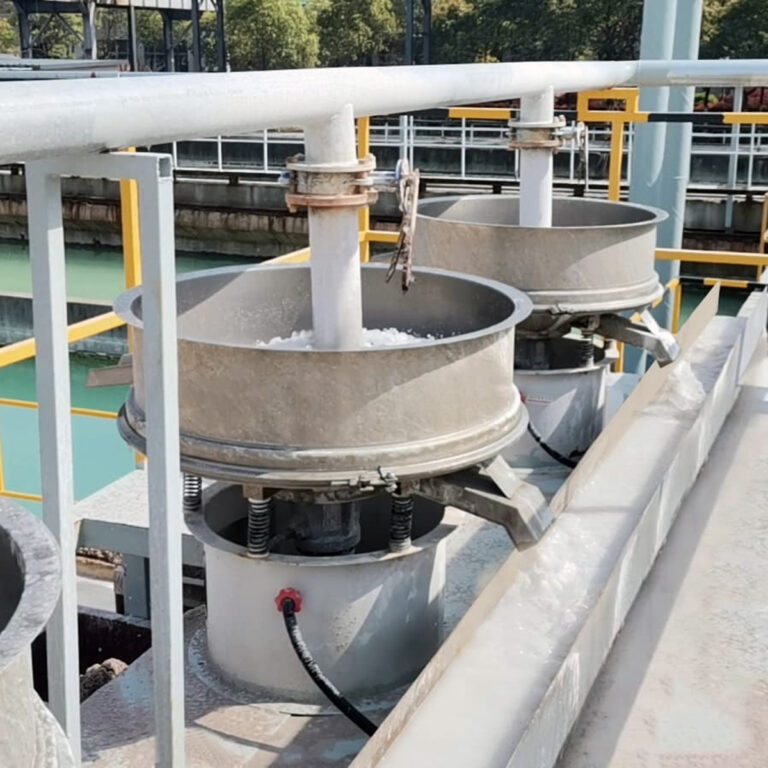
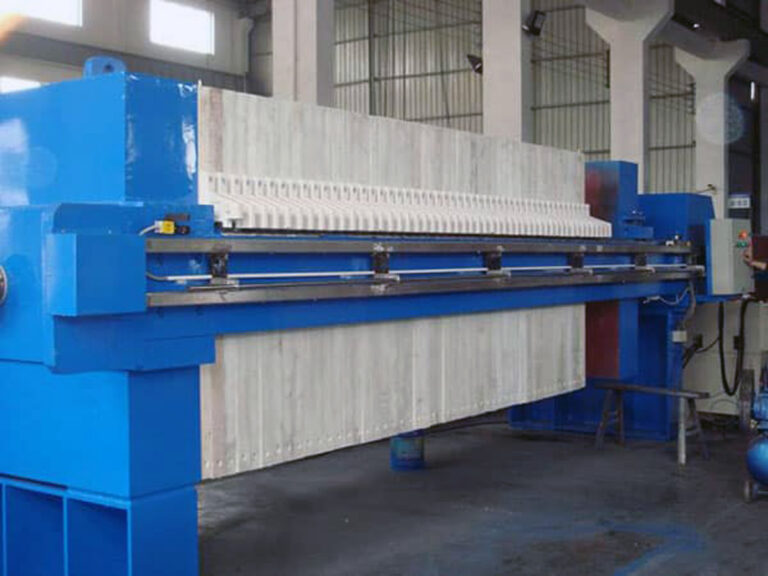
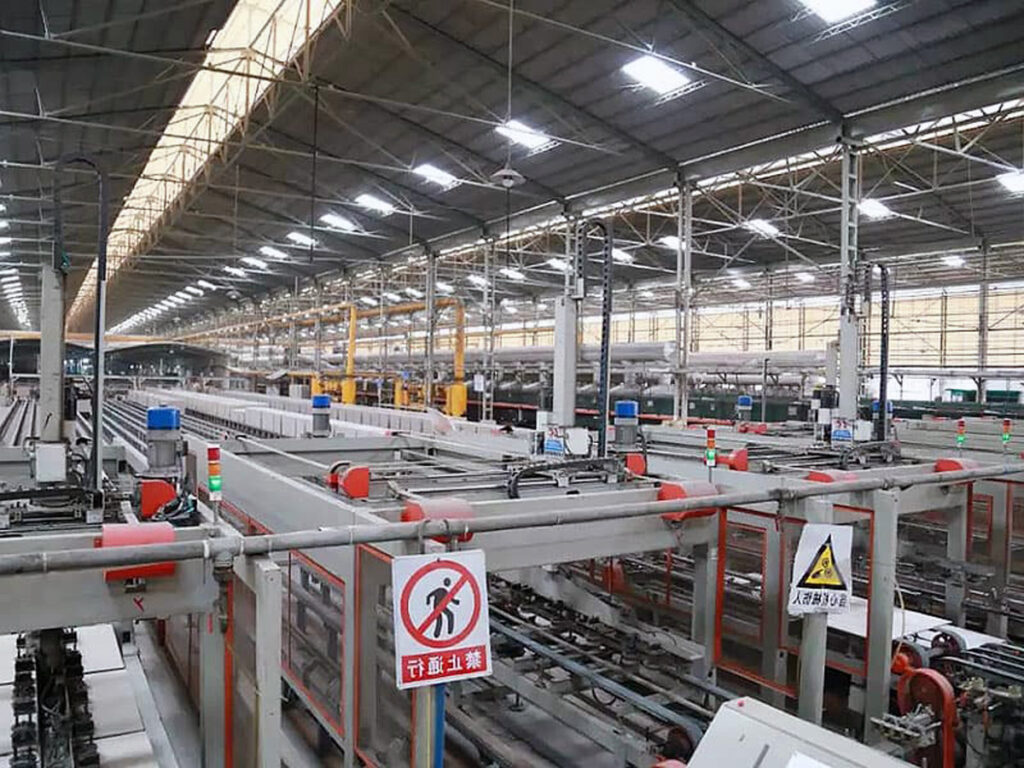
Stone fabrication shops face a relentless operational challenge: managing a corrosive, abrasive slurry that can destroy standard dewatering equipment. The fine silica, metal fragments, and synthetic abrasives in an often-alkaline water mix create an environment where material failure is not a risk but a certainty. Choosing the wrong filter press specification leads directly to unplanned downtime, frequent part replacement, and compromised production continuity.
This decision is critical now due to increasing water scarcity and tightening environmental regulations. A properly specified stainless steel filter press transforms wastewater from a liability into a controlled, recyclable resource. It secures your production line against utility disruptions and converts a variable cost center into a predictable, efficient asset. The focus must shift from basic compliance to strategic infrastructure investment.
Key Specifications for Corrosive Stone Slurry Filter Presses
The Non-Negotiable Material Upgrade
For stone slurry, a full stainless-steel specification for all wetted components is mandatory. This includes the manifold, center feed piping, drip trays, and structural elements exposed to splash or vapor. Carbon steel or CPVC components will fail prematurely from abrasion and corrosion, leading to leaks, contamination, and costly emergency shutdowns. This specification elevates the equipment from a consumable to durable production infrastructure. In my experience, shops that initially opt for partial stainless specs inevitably face the higher total cost of retrofitting later.
Engineering for Abrasion and Pressure
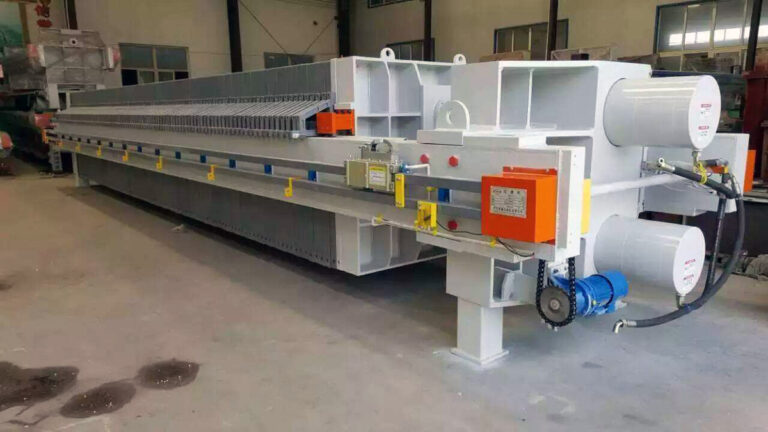
Beyond corrosion, the slurry’s abrasive nature demands specific design considerations. A round plate filter press is often specified over square plate designs for its superior structural integrity under the high cycle pressures required for dense cake formation. The frame must be engineered to handle not just the static load of plates and slurry, but the dynamic forces of the closing mechanism and cake discharge. This robust construction ensures long-term alignment and prevents deflection that can cause plate damage and slurry bypass.
A Systems Approach to Durability
A reliable dewatering system is more than a press; it’s an integrated unit. The specification must encompass the entire flow path from the collection sump to the cake bin. Using incompatible materials for ancillary tanks or piping introduces weak points. Strategically, this holistic approach mitigates risk. It protects your capital investment against the harsh reality of daily operation, ensuring every component from pump to press is built to withstand the same aggressive environment.
Stainless Steel Grades Compared: 304 vs. 316/L for Slurry
The Critical Role of Molybdenum
Material selection is where equipment lifespan is defined. The key differentiator is molybdenum content. Type 316 stainless steel contains 2-3% molybdenum, which dramatically enhances resistance to pitting and crevice corrosion—common failure modes in stone slurry with variable pH and potential chlorides. Type 304, while suitable for general use, lacks this additive and is more susceptible in consistently harsh conditions. This isn’t a marginal improvement; it’s the difference between years of service and premature component replacement.
Specifications for Weld Integrity and Finish
For welded components like manifolds or custom fittings, the “L” (low carbon) variant of 316 is essential. It prevents sensitization during welding, preserving the alloy’s corrosion resistance at the joints. Furthermore, a smooth surface finish (Ra ≤ 0.8µm) on slurry-contact surfaces is advantageous. This finish reduces the adhesion of fine solids and minimizes sites for corrosion initiation, simplifying cleaning and maintenance. These details separate adequate suppliers from those who master material science for specific applications.
Making the Informed Selection
The choice between grades hinges on a detailed slurry analysis and a total cost of ownership perspective. For shops using certain chemical additives or with high chloride content in process water, 316/L is the only viable option. The following table clarifies the operational distinction between these common grades.
Stainless Steel Grade Comparison for Slurry Service
Selecting the correct alloy is a foundational decision. This comparison highlights the key differentiators that impact performance in corrosive stone slurry environments.
| Fonctionnalité | 304 Stainless Steel | 316/L Stainless Steel |
|---|---|---|
| Molybdenum Content | Aucun | 2-3% |
| Pitting/Corrosion Resistance | Bon | Excellent |
| Recommended Surface Finish | Standard | ≤ 0.8µm Ra |
| Application primaire | General use | Corrosive slurry contact |
| Weld Integrity (Carbon) | Standard grade | Low carbon variant |
Source : ASTM A240/A240M Standard Specification for Chromium and Chromium-Nickel Stainless Steel Plate, Sheet, and Strip for Pressure Vessels and for General Applications. This standard defines the chemical composition and mechanical properties for grades 304 and 316, including molybdenum content, which is the critical differentiator for corrosion resistance in harsh stone slurry environments.
System Sizing & Capacity for Your Stone Fabrication Shop
Sizing Based on Average Flow, Not Peak
A common and costly mistake is sizing a filter press system for the combined peak gallon-per-minute (GPM) output of all saws and polishers running simultaneously. This leads to significant overspending on an oversized system. The correct methodology uses the average daily slurry volume. A collection pit or holding tank buffers surge flows, allowing a smaller, correctly sized press to handle the averaged load efficiently over a full production cycle.
L'avantage de la modularité
Filter press design is inherently scalable. Capacity is primarily determined by the number of plates in the frame. A well-chosen system allows for capacity expansion by adding plates to the existing frame as production grows. For smaller batches or varying material types, backer plates can be used to effectively reduce the chamber volume without changing the cloth setup. This flexibility protects your investment against both fluctuating order volumes and business expansion.
Calculating Your Requirements
Accurate sizing requires basic data: total daily slurry generation and desired operational hours. This calculation determines the required feed rate and the plate area needed for each cycle. The following framework illustrates this practical approach.
Framework for System Sizing and Scaling
Proper sizing balances capital efficiency with operational need. This table outlines the key parameters for determining the correct system capacity for a stone shop.
| Sizing Parameter | Exemple de calcul | Key Principle |
|---|---|---|
| Daily Slurry Volume | 20,100 gallons | Average daily flow |
| Operational Cycle | 8 hours | Not peak equipment GPM |
| Required System Feed Rate | ~42 GPM | Buffer with holding tank |
| Design Flexibility | Addable plates | Modular scaling |
| Batch Adaptation | Backer plates | For smaller volumes |
Source : Documentation technique et spécifications industrielles.
Critical Component Specifications: Plates, Cloths & Piping
Filter Plate and Cloth Selection
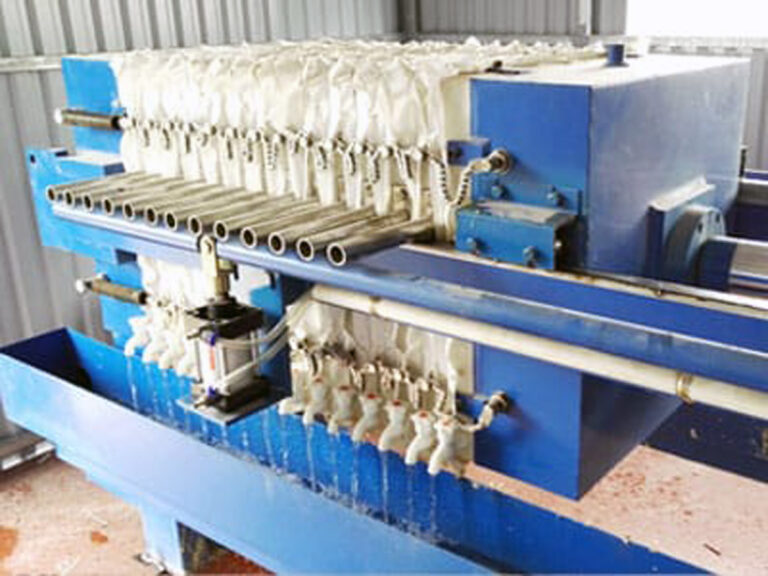
While plates are often polypropylene for weight, their supporting side bars and follower plates must be stainless. Filter cloth selection is a critical performance variable. The micron rating must capture fine solids without blinding too quickly. Material compatibility is essential; polypropylene cloths are standard, but specific slurry chemistries may require alternative materials. The cloth’s weave pattern also affects cake release and clarity. Getting this spec wrong leads to constant maintenance, poor filtrate quality, and wet cake.
The Slurry Transport Network
The entire feed system must match the press’s corrosion resistance. This includes slurry feed pumps, all piping, valves, and the center feed manifold. Using stainless steel (304 or 316) here prevents internal corrosion that can flake off and clog plates or abrade pump components. It also prevents a catastrophic leak from a corroded pipe, which can cause significant facility damage. This comprehensive specification ensures the system operates as a cohesive, reliable unit.
Integration with Dewatering Equipment
The filter press is the core of the dewatering process, but it must be correctly integrated with feed pumps, conditioning tanks, and control systems. For a detailed overview of how a filter press fits into a complete wastewater treatment system, reviewing the specifications for integrated équipement de filtration industrielle is advisable. This ensures compatibility and optimizes the entire process chain from slurry collection to dry cake disposal.
Operational Parameters: Cycle Pressure & Feed Pumps
The Staged Pressure Cycle
Optimal dewatering is not a single high-pressure event. It is a defined, multi-stage cycle. Efficiency is achieved by starting at a lower pressure (e.g., 25 psi) to allow a stable filter cake to form without forcing fine particles into the cloth pores and blinding them. Pressure is then ramped in stages (e.g., 50, 75 psi) before reaching the final compression pressure (e.g., 100 psi). This method yields a drier, more consistent cake in less total cycle time compared to a single high-pressure slam.
Pump Specifications and Control
Feed pumps, typically air-operated double diaphragm (AODD) types for their ability to handle solids and run dry, must be specified in stainless steel or polypropylene construction. Automating the pressure cycle through pump and valve controls is the bridge from basic operation to profitability. It eliminates operator error, ensures repeatable results, extends cloth life, and frees skilled labor for core fabrication tasks. The consistency it provides directly reduces disposal costs.
Parameters for Automated Efficiency
Defining the operational recipe is key to leveraging automation. The following parameters form the basis of a programmable logic controller (PLC) sequence for reliable, hands-off operation.
Optimized Pressure Cycle for Stone Slurry
A controlled, multi-stage pressure profile is essential for achieving maximum cake dryness without damaging filter cloths. This sequence outlines a standard approach.
| Stage | Target Pressure | Objectif |
|---|---|---|
| Initial Cake Formation | 25 psi | Prevent cloth blinding |
| Intermediate Pressures | 50, 75 psi | Gradual dewatering |
| Compression finale | 100 psi | Sécheresse maximale du gâteau |
| Feed Pump Type | AODD | Corrosive/abrasive slurry |
| Pump Construction | Stainless/Polypropylene | Compatibilité des matériaux |
Source : Documentation technique et spécifications industrielles.
Supporting Systems: Precoat, Automation & Cake Disposal
Auxiliary Systems for Challenging Slurries
For slurries with a high fraction of colloidal particles that resist settling and filtration, a precoat system is often necessary. It involves recirculating a slurry of diatomaceous earth to form a protective layer on the filter cloth before the process cycle begins. This layer improves filtrate clarity, protects the cloth from blinding, and can aid in cake release. It’s a technical solution for shops working with certain stone types or polishing processes that generate ultra-fine sludge.
Planning for Cake Handling
The dense, solid cake must be removed efficiently. Options include filter presses with extended legs and chutes to direct cake into a roll-off container or onto a conveyor belt for transport. Planning this discharge path during the design phase prevents ergonomic and housekeeping issues. Since the cake is typically inert and non-hazardous, it can often be landfilled or, in some cases, recycled, but its dryness directly impacts hauling frequency and cost.
The Value of Full Automation
Automatic plate shifters and centralized PLC controls represent the highest level of operational refinement. They enhance safety by removing personnel from the plate shifting area, drastically reduce labor time per cycle, and guarantee optimal cycle execution every time. Leading vendors differentiate by offering these components as part of a turnkey package that includes design, installation, and training. This integrated solution de-risks implementation and is a key selection criterion.
Total Cost of Ownership: Capital, Operating & ROI Factors
Analyzing the Complete Cost Structure
Evaluating a filter press requires a total cost of ownership (TCO) lens, not just an equipment price. Capital expenditure (CapEx) includes the press, pumps, tanks, automation, and installation. Operating costs (OpEx) encompass labor, cloth replacement, power, and cake disposal. The initial investment in durable stainless steel and automation directly reduces long-term OpEx by minimizing downtime, maintenance, and manual labor. This strategic shift views the system as a profit-protecting asset, not a waste treatment cost center.
Quantifying Return on Investment
ROI is driven by multiple streams of cost avoidance and reduction. Eliminating fresh water procurement fees and sewer discharge charges through closed-loop water recycling provides immediate, recurring savings. Producing a drier cake reduces waste hauling frequency and cost. Most significantly, automation reduces the largest variable operating cost: skilled labor. Ensuring production continuity by avoiding unplanned downtime protects revenue—a benefit often overlooked in simple payback calculations.
A Model for Financial Justification
Building a TCO model provides a clear financial picture for decision-makers. It aligns equipment selection with broader business goals for efficiency and sustainability.
Total Cost of Ownership Analysis Framework
A comprehensive TCO model captures all financial aspects, from initial investment to ongoing savings, justifying the capital expenditure.
| Catégorie de coût | Composants clés | ROI Drivers |
|---|---|---|
| Dépenses en capital (CapEx) | Press, pumps, tanks | Durable stainless construction |
| Operating Costs (OpEx) | Labor, cloths, power | L'automatisation réduit la main-d'œuvre |
| Cost Avoidance | Water procurement fees | Water recycling |
| Réduction des coûts | Sewer discharge fees | Zero liquid discharge |
| Waste Hauling | Drier cake volume | Reduced disposal frequency |
Source : ISO 14001:2015 – Environmental management systems. Implementing a TCO model for filtration equipment supports the ISO 14001 framework by providing a systematic approach to managing environmental costs (water, waste) and driving continuous improvement in resource efficiency.
Choosing the Right Filter Press: A Decision Framework
Foundational Analysis: Slurry and Flow
The process begins with a detailed analysis of your specific slurry profile—particle size distribution, pH, and chemical composition—and a calculation of average daily flow. This data is non-negotiable for accurate material selection and system sizing. It moves the conversation from generic equipment to a tailored solution. Vendors who skip this step should be viewed with caution.
Specification Priorities: Material, Design, Automation
With data in hand, specify full 316/L stainless construction for corrosive environments and prioritize round plate designs for structural integrity under high pressure. Evaluate automation not as a luxury but as a core ROI driver for labor savings and process consistency. Insist on modular, scalable designs to accommodate future business growth without obsolescing your initial investment.
Vendor Selection and Future-Proofing
Finally, assess vendors on their capability to provide integrated solutions and long-term support, not just equipment sales. Consider future-ready systems with data connectivity for predictive maintenance and to generate verifiable metrics for sustainability (ESG) reporting. This provides a dual advantage: optimizing operations today while building a data-driven case for environmental stewardship tomorrow.
The decision pivots on three points: specifying 316/L stainless steel for all wetted components, right-sizing based on averaged flow with a buffer tank, and investing in automation as a primary lever for ROI through labor reduction and consistency. This approach transforms the filter press from a reactive expense into proactive production infrastructure.
Need a professional assessment for your stone slurry dewatering solution? The engineers at PORVOO specialize in designing corrosion-resistant systems tailored to the exact demands of fabrication shops. We can help you build a TCO model and specify a system that secures your production line. Nous contacter to discuss your slurry profile and operational goals.
Questions fréquemment posées
Q: Why is Type 316/L stainless steel the recommended grade for filter presses in stone cutting shops?
A: Type 316/L stainless steel is specified for its superior resistance to pitting and crevice corrosion, a critical defense against the variable pH and potential chlorides in stone slurry. The low-carbon “L” variant prevents weld sensitization, preserving corrosion resistance at joints. For optimal performance, components should also have a smooth surface finish (Ra ≤ 0.8µm). This means facilities with abrasive, chemically variable slurry must prioritize 316/L over standard 304 to achieve the longest equipment lifespan and protect their capital investment, as defined in material standards like ASTM A240/A240M.
Q: How should we size a filter press system for our stone fabrication operation?
A: Correct sizing uses average daily flow, not the combined peak flow of all equipment. Calculate your shop’s total daily slurry volume and divide by your desired operating cycle time. Use a collection tank to buffer surges from saws and polishers. This methodology prevents overspending on an oversized press. Furthermore, select a modular design where capacity can be scaled by adding plates. For projects where production volumes fluctuate, this flexible approach protects your investment against both under-utilization and future growth needs.
Q: What operational cycle maximizes filter press efficiency and cloth life for abrasive slurry?
A: Implement a staged, multi-pressure cycle (e.g., 25, 50, 75, and 100 psi) managed by automated pump controls. Starting at a lower pressure allows a stable filter cake to form without forcing fine solids into and blinding the cloths. Automating this sequence ensures consistency, reduces operator error, and extends cloth life. If your operation requires consistent cake dryness to minimize disposal costs, plan for an automated control system; it transforms the press from a manual waste handler into a reliable, profit-protecting asset.
Q: Beyond the press itself, what supporting systems are critical for a turnkey dewatering solution?
A: A complete system includes auxiliary components for pre-treatment, disposal, and automation. For slurries with fine colloidal particles, a diatomaceous earth precoat system protects cloths. Plan for cake disposal via extended legs with chutes or conveyors. The highest-impact addition is automation, including plate shifters and PLC controls, which enhance safety and reduce labor. When evaluating vendors, prioritize those offering this full integrated package with design and training, as it de-risks implementation and is a key criterion for long-term operational success.
Q: How does a total cost of ownership (TCO) analysis change the justification for a stainless steel filter press?
A: A TCO lens shifts the view from a capital expense to evaluating the asset’s full lifecycle value. While the initial cost for a 316/L stainless system is higher, operating costs are lower due to reduced maintenance, longer component life, and less unplanned downtime. Major ROI drivers are eliminating water procurement and sewer fees, reducing hauling costs via drier cake, and ensuring production continuity. This means you should frame the purchase not as a waste treatment cost, but as infrastructure that secures production and converts a variable utility expense into a controlled, recycled resource.
Q: What are the key specifications for wetted components like piping and manifolds?
A: All components in contact with slurry must be specified in stainless steel (304 or preferably 316/L) to prevent internal corrosion, abrasion, and clogging. This is a mandatory upgrade from carbon steel or CPVC. The entire slurry transport network, including the center feed pipe and manifold, must adhere to this specification to function as a cohesive, durable unit. For operations in corrosive environments, this comprehensive material specification is non-negotiable for transforming the equipment from a consumable into durable production infrastructure.
Q: How can surface treatment of stainless steel components further enhance corrosion resistance?
A: After fabrication, stainless steel parts should undergo a chemical passivation treatment. This process removes free iron and other contaminants from the surface that can initiate rust, thereby maximizing the alloy’s inherent corrosion resistance. Applying this treatment is a best practice for ensuring longevity in harsh, wet environments. For equipment that must withstand constant exposure to abrasive, alkaline slurry, specifying components finished to ASTM A967 provides an additional layer of protection against premature failure.