Pour les exploitations minières, le choix entre les systèmes de filtration en continu et en discontinu est rarement une simple préférence technique. Il s'agit d'une décision stratégique qui a un impact direct sur les dépenses d'investissement, les coûts d'exploitation et la rentabilité à long terme. Les professionnels doivent trouver un compromis complexe entre l'investissement initial, l'intensité de la main-d'œuvre et l'adéquation du procédé. Les idées fausses naissent souvent du fait que l'on se concentre sur le coût de l'équipement de manière isolée, en négligeant le coût total de possession et le rôle critique de l'intégration du système.
Cette analyse est aujourd'hui cruciale, car l'économie minière exige une plus grande efficacité et des coûts d'exploitation plus faibles. Avec l'augmentation des coûts de la main-d'œuvre et la pression exercée sur les marges de récupération des minéraux, le choix du bon modèle de filtration peut déterminer la viabilité financière d'un flux de traitement. Cette décision influe sur tout, du débit journalier au revenu final tiré des concentrés de grande valeur.
Filtration continue ou discontinue : Différences opérationnelles fondamentales
Définir le paradigme opérationnel
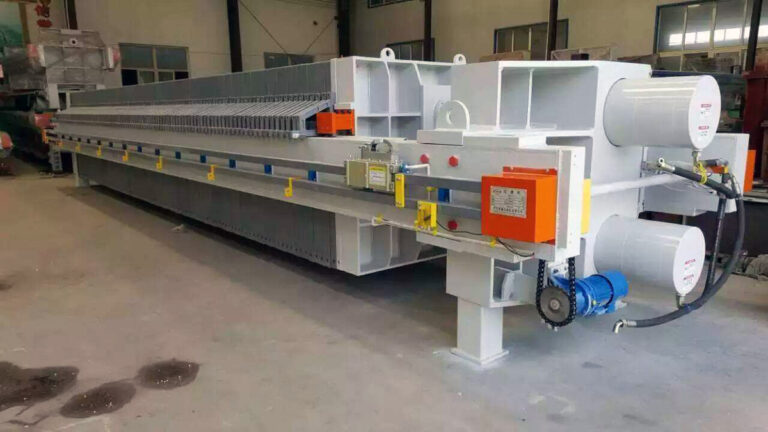
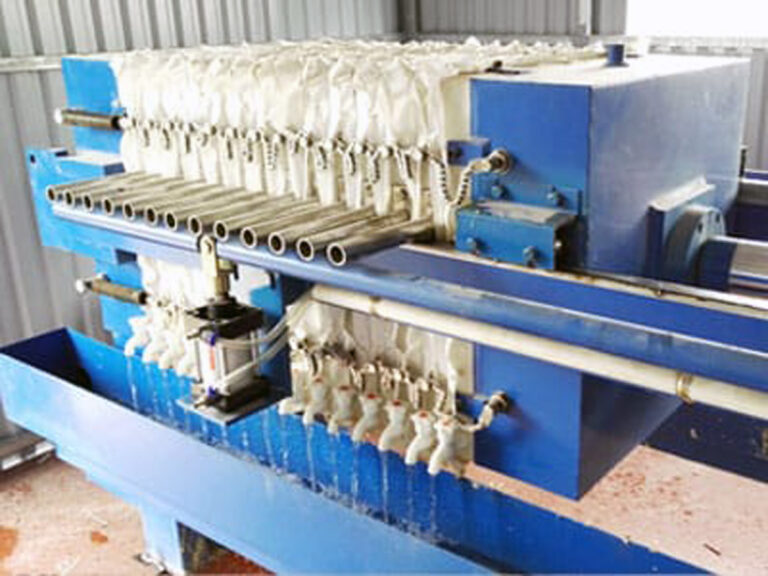
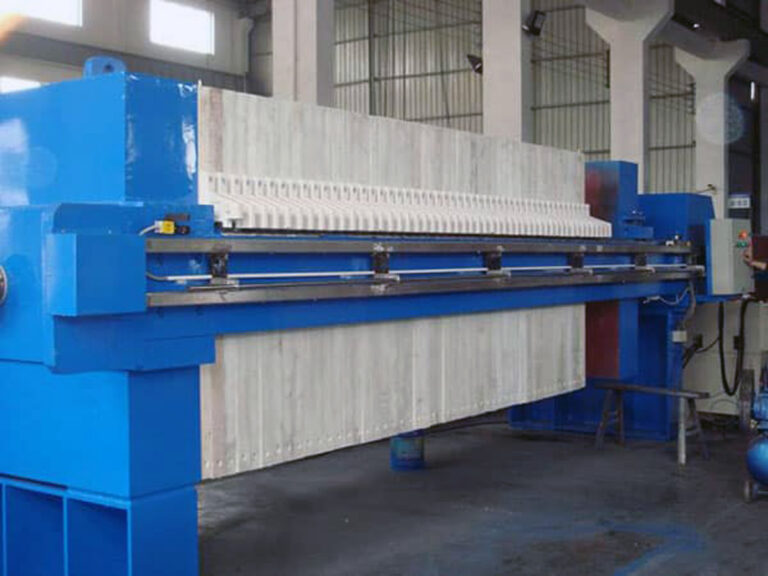
La distinction fondamentale est d'ordre philosophique : les systèmes discontinus traitent les matières par cycles discrets et séquentiels, tandis que les systèmes continus fonctionnent selon un flux régulier et ininterrompu. Un filtre-presse à plateaux et à cadres illustre parfaitement l'approche discontinue : il suit une séquence stricte de remplissage, de filtrage, de lavage, de déshydratation et d'évacuation pour chaque volume discret. Ce processus intermittent permet un contrôle précis de chaque étape, ce qui est vital pour les processus présentant des équilibres liquides complexes ou des temps de rétention sensibles.
L'avantage du flux continu
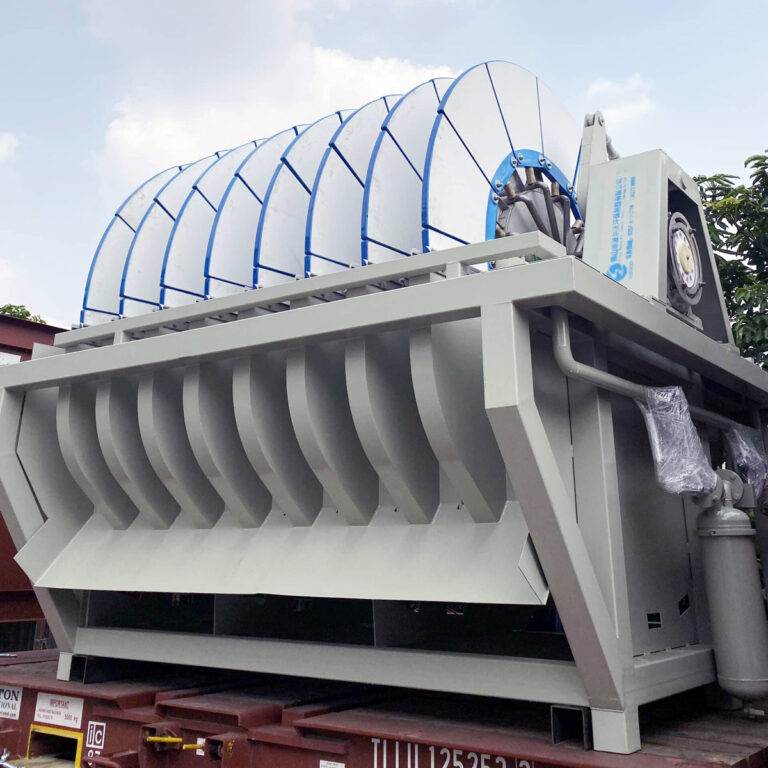
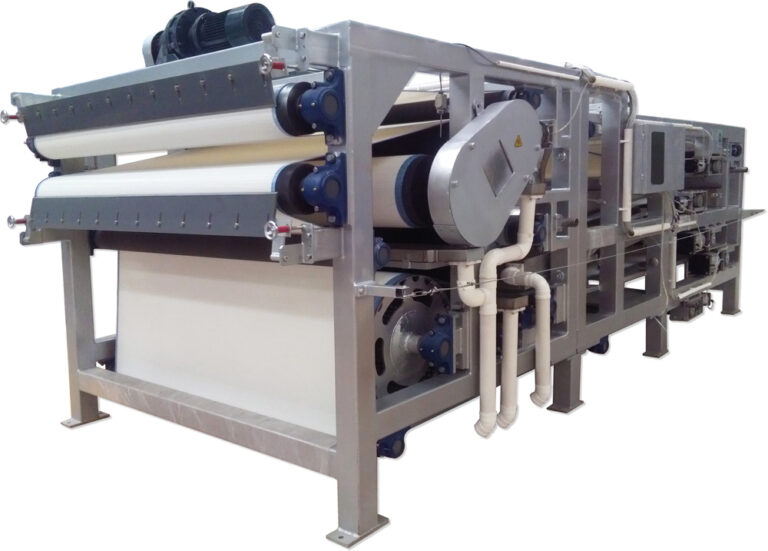
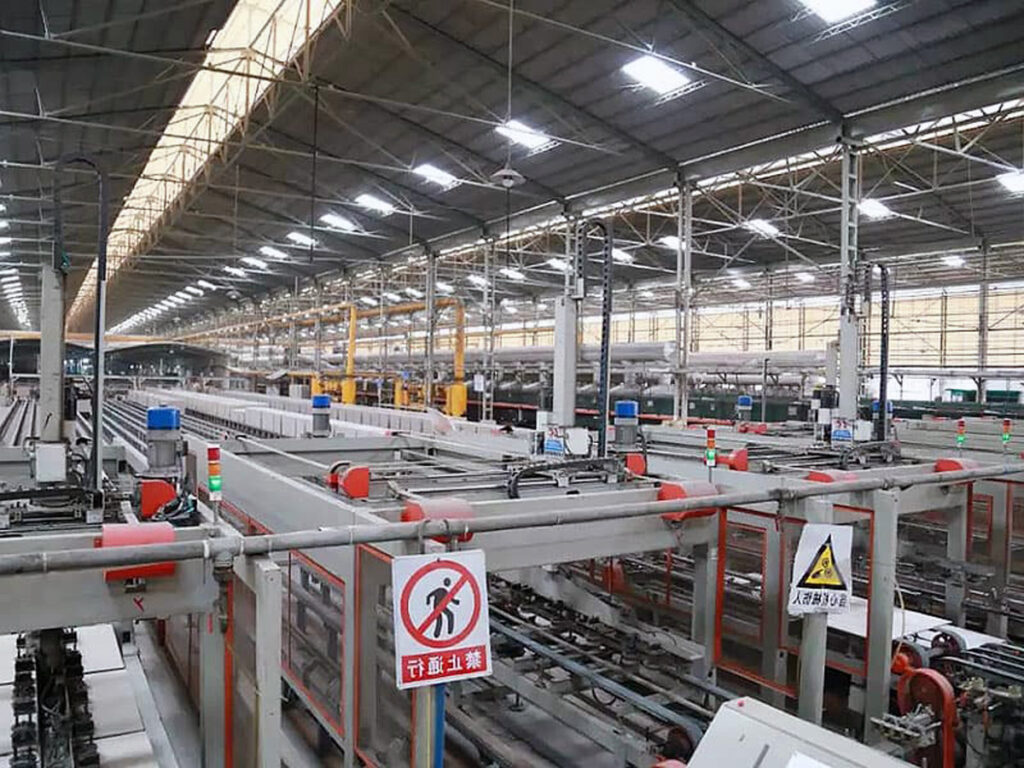
En revanche, les systèmes continus tels que les filtres à tambour rotatif ou à bande horizontale sont conçus pour fonctionner en permanence. Ils alimentent simultanément la boue, évacuent le gâteau et produisent le filtrat. Cette conception permet un lavage à contre-courant en plusieurs étapes, une méthode qui a fait ses preuves pour maximiser la récupération des solutés dans un environnement stable. Le clivage opérationnel est absolu - l'un est cyclique et contrôlé, l'autre est linéaire et à haut volume - établissant la base de toutes les comparaisons de capacité et de coût.
Impact sur la conception des processus
Ce choix fondamental dicte l'ensemble de la conception du processus auxiliaire. Un système discontinu s'intègre à un réservoir de rétention, tandis qu'un système continu nécessite une alimentation constante à partir d'unités en amont telles que les épaississeurs. Les experts de l'industrie recommandent que les schémas d'écoulement simples et de grand volume favorisent les systèmes continus pour leur débit, tandis que les schémas d'écoulement complexes avec des équilibres liquides compliqués peuvent nécessiter le contrôle précis de modèles discontinus ou hybrides.
Capacité et débit : Une comparaison directe pour l'exploitation minière
Le débit en tant que mesure déterminante
La capacité est le principal facteur de différenciation, directement lié au modèle opérationnel. Les systèmes continus sont spécifiés par des débits volumétriques (par exemple, m³/h) et sont conçus pour des opérations à fort tonnage. Leur conception permet un débit constant et prévisible, ce qui les rend indispensables pour les principaux flux de processus où tout temps d'arrêt réduit directement la production de l'ensemble de l'usine. La perte de débit équivaut ici à un revenu immédiat et irrécupérable.
La nature cyclique du traitement par lots
La capacité des lots est mesurée en volume par cycle et en cycles par jour, ce qui limite intrinsèquement le volume quotidien total. Le débit n'est pas un flux régulier, mais une série d'impulsions. Cette nature cyclique peut créer des goulets d'étranglement si elle n'est pas parfaitement synchronisée avec les unités en amont et en aval. Si l'automatisation permet d'optimiser les temps de cycle, la limite fondamentale du traitement des volumes discrets demeure. Dans notre analyse des spécifications des projets, nous avons constaté qu'au-delà d'un certain tonnage quotidien, la complexité logistique du traitement cyclique par lots devient prohibitive.
Quantifier la différence
Le tableau suivant illustre les caractéristiques fondamentales de débit qui distinguent ces deux systèmes, une considération essentielle pour la planification minière et les études de faisabilité.
| Type de système | Capacité journalière typique | Caractéristique de débit |
|---|---|---|
| En continu | >5 000 tonnes de solides | Flux constant et prévisible |
| Lot | Baisse des volumes journaliers | Cyclique, volume par cycle |
| En continu | Mesuré en m³/hr | Fonctionnement en régime permanent |
| Lot | Volume par cycle | Traitement intermittent |
Source : Documentation technique et spécifications industrielles.
Analyse des coûts de main-d'œuvre : Modèles opérationnels continus ou discontinus
La main-d'œuvre en tant que coût variable ou fixe
Les besoins en main-d'œuvre sont intrinsèquement liés à l'automatisation. La filtration continue est conçue pour une intervention minimale, souvent intégrée directement au système de contrôle distribué (DCS) de l'usine. La main-d'œuvre passe d'un fonctionnement direct et pratique à une surveillance et à une maintenance programmée. La main d'œuvre passe ainsi d'un coût variable élevé à une dépense opérationnelle fixe plus faible.
Les exigences pratiques des cycles en lots
Même avec des contrôles avancés, les systèmes discontinus nécessitent une attention opérationnelle pour chaque cycle - lancement des séquences, contrôle de l'achèvement du cycle et supervision de la décharge. Il en résulte des coûts de main-d'œuvre variables plus élevés, qui augmentent avec le volume de production. Parmi les détails facilement négligés, citons la formation requise pour le dépannage des équipements cycliques par rapport à la surveillance d'un processus à l'état stable.
La perspective du coût total de possession
L'équation du coût de la main-d'œuvre favorise de plus en plus l'automatisation inhérente aux systèmes continus à grande échelle. Bien que l'investissement en capital soit plus élevé, il permet de réaliser des économies de main-d'œuvre tout au long de la durée de vie de la mine. La ventilation suivante clarifie la manière dont chaque modèle se traduit en termes de personnel opérationnel et de structure des coûts.
| Modèle opérationnel | Besoins en main-d'œuvre | Caractéristique de coût |
|---|---|---|
| En continu | Intervention minimale | Frais de surveillance fixes |
| Lot | Nombre d'heures de travail par cycle | Coût variable plus élevé |
| En continu | Intégré au DCS | Coût inférieur par tonne |
| Lot | Possibilité de contrôles automatisés | Coût direct cyclique |
Source : Documentation technique et spécifications industrielles.
Quel est le meilleur système pour les flux de valorisation à haute valeur ajoutée ?
L'efficacité de la récupération comme première directive
Pour les produits de grande valeur tels que les métaux précieux ou les minéraux critiques, la récupération maximale des solutés l'emporte souvent sur le débit pur. Le coût de la valeur perdue dans le filtrat peut éclipser les économies d'exploitation. Les systèmes de traitement par lots permettent d'atteindre rapidement une récupération quasi-totale et offrent un contrôle méticuleux par lot, ce qui est crucial pour les matières premières variables. Cette précision minimise les pertes solubles, protégeant ainsi directement les revenus.
Configuration continue du système pour la reprise
Les systèmes continus peuvent être configurés pour une récupération élevée, généralement par le biais d'un lavage à contre-courant en plusieurs étapes sur des trains de filtres. Toutefois, cela nécessite une conception méticuleuse. Selon des études métallurgiques, un avertissement critique pour les systèmes continus tels que la décantation à contre-courant (DCC) est que l'efficacité du mélange peut chuter brusquement dans les étapes ultérieures, en particulier avec l'utilisation de floculants, ce qui entraîne des pertes solubles significatives. Une modélisation rigoureuse du processus n'est pas négociable pour prédire et atténuer ces pertes de récupération.
Le cadre décisionnel
Le choix dépend de la valeur du soluté et de la consistance de l'alimentation. Un concentré très variable et très précieux peut justifier l'intensité opérationnelle d'un système discontinu pour son contrôle. Un flux constant et de grand volume de matière précieuse peut être mieux servi par un train continu bien modélisé où l'investissement en capital est justifié à la fois par une récupération élevée et un débit élevé.
Espace et infrastructure : Comparaison de l'empreinte et de l'intégration
Empreinte physique et capitalistique
Les exigences physiques de chaque système varient. Les systèmes discontinus, souvent constitués d'une seule presse et des réservoirs associés, sont généralement plus compacts. Les systèmes continus nécessitent plus d'espace au sol pour plusieurs unités en série (cuves de réaction, filtres, laveurs) et sont plus coûteux à installer. Ils représentent un investissement dans l'automatisation et le traitement en continu.
Le rôle essentiel de l'intégration
Le succès de la filtration dépend moins de l'unité que de son intégration dans le processus global. L'acquisition d'équipements sans soutien technique global pour la révision des P&ID, l'intégration du DCS et les études HAZOP présente un risque élevé de défaillance au niveau des interfaces du système. La complexité de l'intégration est un facteur clé de coût et de risque.
Évaluation des besoins du système
Le tableau ci-dessous compare les exigences en matière d'espace et d'intégration, qui influencent directement l'agencement de l'usine et le budget d'investissement.
| Type de système | Empreinte physique | Complexité de l'intégration |
|---|---|---|
| Lot | Unité unique et compacte | Une intégration plus simple |
| En continu | Plus grande surface au sol | Plusieurs unités en série |
| En continu | Plus d'équipement nécessaire | Automatisation à forte intensité de capital |
| Les deux | Dépend des médias | Nécessité d'une ingénierie holistique |
Source : Documentation technique et spécifications industrielles.
Exigences en matière de maintenance et fiabilité du système
Profils d'entretien divergents
Les besoins de maintenance diffèrent en fonction de la nature de l'opération. Les filtres continus, en particulier les types sous vide, subissent une usure constante des pièces mobiles telles que les tambours et les courroies, et peuvent souffrir d'un décollement plus fréquent des toiles. Les plaques et les toiles des filtres discontinus nécessitent un nettoyage et un remplacement périodiques, mais ces opérations peuvent souvent être programmées lors d'arrêts planifiés ou entre les cycles.
Le rôle central du média filtrant
La fiabilité est étroitement liée à la performance du média. L'innovation en matière de médias filtrants est un champ de bataille concurrentiel clé. Les fournisseurs rivalisent sur la longévité du média et la résistance au colmatage. Les exploitants miniers doivent évaluer les partenaires sur leur feuille de route en matière de technologie des médias, car cela a un impact direct sur les cycles de maintenance, les temps d'arrêt imprévus et les coûts d'exploitation à long terme. Des normes telles que la API RP 13C Recommended Practice on Drilling Fluids Processing (Pratique recommandée pour le traitement des fluides de forage) fournir un cadre pour l'évaluation des performances et de la maintenance des systèmes de contrôle continu des solides, en proposant des principes pertinents pour la filtration industrielle.
Progresser avec la maintenance prédictive
La maintenance prédictive, fondée sur une modélisation avancée de la dynamique des flux et des schémas d'usure, peut améliorer la fiabilité des deux systèmes. La surveillance des différentiels de pression, des débits et de la teneur en eau du gâteau permet d'alerter rapidement en cas de colmatage du média ou de problèmes mécaniques, et de passer d'un entretien réactif à un entretien proactif.
Comparaison des conducteurs d'entretien
Comprendre l'objectif des activités de maintenance permet de planifier le personnel opérationnel et les stocks de pièces détachées.
| Type de système | Objectif principal de la maintenance | Pilote de fiabilité |
|---|---|---|
| En continu | Usure constante, aveuglement du tissu | Longévité des médias |
| Lot | Remplacement périodique des plaques et des toiles | Temps d'arrêt programmé |
| Les deux | Performance du média filtrant | Modèles de maintenance prédictive |
| Les deux | Coût des arrêts non planifiés | Technologie des médias pour les vendeurs |
Source : API RP 13C Recommended Practice on Drilling Fluids Processing (Pratique recommandée pour le traitement des fluides de forage). Cette norme fournit des lignes directrices pour la performance et la maintenance des systèmes de séparation continue des solides, informant directement les cycles de maintenance et les considérations de fiabilité pour les équipements de filtration industrielle.
Critères de décision clés pour les opérations minières
Adéquation du processus et échelle économique
La sélection est une évaluation à plusieurs variables. Tout d'abord, l'adéquation du procédé : des matériaux ultrafins ou des chimies extrêmes peuvent exclure certaines options. L'échelle est décisive ; le volume dicte la faisabilité économique. Deuxièmement, la valeur des solutés détermine la priorité - les produits de grande valeur justifient des systèmes maximisant la récupération, tandis que les produits en vrac exigent une minimisation des coûts.
Besoins en lavage et coût total
Les exigences en matière de lavage sont à la fois techniques et économiques. Les procédés nécessitant une récupération exceptionnelle des solutés requièrent un lavage à contre-courant efficace, favorisant les trains de filtres continus ou CCD, malgré un coût d'investissement plus élevé. Enfin, le coût total de possession (TCO) doit intégrer les dépenses d'investissement, la main-d'œuvre opérationnelle, la maintenance et le coût de la valeur perdue dans le filtrat. Les décideurs devraient également envisager des solutions flexibles et peu coûteuses comme les argiles naturelles pour des applications spécifiques telles que le traitement du drainage minier acide (DMA), qui peuvent fonctionner efficacement dans diverses configurations.
Le rôle de l'analyse des particules
Une caractérisation précise de l'alimentation est une condition préalable. La distribution de la taille des particules a un impact direct sur la filtrabilité et la sélection des médias. Les normes telles que ASTM E2651-19 Guide standard pour l'analyse granulométrique des poudres est fondamentale pour la caractérisation des particules solides, une étape critique pour optimiser la conception des processus de filtration et contrôler les coûts des matériaux.
La mise en œuvre de votre système de filtration : Une feuille de route pratique
Phase 1 : Conception et modélisation prédictives
La mise en œuvre commence par une conception robuste fondée sur une analyse prédictive. Adopter la modélisation mathématique pour la distribution des temps de séjour (RTD) et la dynamique des flux afin de réduire l'expérimentation physique. Cette démarche s'aligne sur les tendances réglementaires qui prônent la traçabilité des matériaux dans les processus continus. La modélisation optimise les paramètres avant l'approvisionnement et identifie les pertes potentielles de récupération.
Phase 2 : Sélection stratégique des fournisseurs
Choisir un fournisseur en fonction de sa capacité d'intégration et de la technologie des médias, et pas seulement en fonction des spécifications de l'équipement. Le partenaire doit fournir une assistance technique globale pour l'intégration des systèmes de contrôle et les études de sécurité. Son expertise en matière de systèmes de filtration et de séparation industriels est aussi important que l'équipement lui-même. Nous avons comparé les propositions des fournisseurs et constaté que les projets les plus réussis étaient menés en partenariat avec des entreprises offrant une assistance tout au long du cycle de vie.
Phase 3 : Mise en service et optimisation
Lors de l'installation et de la mise en service, l'accent est mis sur les interfaces. Veillez à une intégration complète avec le DCS de l'usine et établissez des données de référence sur les performances. Enfin, mettez en œuvre un protocole de surveillance et de maintenance basé sur vos modèles prédictifs. Concentrez-vous sur les données de flux dynamiques et les performances du média pour vous assurer que le système fournit le retour sur investissement prévu en termes de capacité, de récupération et d'économies de main-d'œuvre.
Le choix entre la filtration continue et la filtration discontinue repose sur une hiérarchie claire des objectifs : privilégier la récupération pour les flux de grande valeur, privilégier le débit pour les opérations en vrac et toujours calculer le coût total de possession. L'automatisation plus poussée des systèmes continus justifie les dépenses d'investissement par des gains de main-d'œuvre et d'efficacité durables à l'échelle, tandis que les systèmes discontinus offrent une précision pour les applications complexes ou de faible volume. Le succès dépend moins du filtre lui-même que de son intégration dans l'ensemble du processus, depuis la caractérisation de l'alimentation jusqu'à la philosophie de contrôle.
Vous avez besoin de conseils professionnels pour faire ces compromis critiques pour votre exploitation ? L'équipe d'ingénieurs de PORVOO est spécialisé dans l'analyse des exigences du processus afin de spécifier la solution de filtration optimale, garantissant ainsi que votre investissement en capital offre un rendement opérationnel et financier maximal.
Questions fréquemment posées
Q : Comment comparer avec précision la capacité des systèmes de filtration en continu et en discontinu dans le cadre d'un nouveau projet ?
R : Vous devez les évaluer à l'aide de paramètres différents. Les systèmes continus sont évalués en fonction des débits volumétriques constants et traitent souvent plus de 5 000 tonnes de solides par jour. Les systèmes discontinus sont définis par le volume par cycle et les cycles par jour, ce qui conduit à un débit total cyclique plus faible. Cela signifie que les installations dotées de schémas d'écoulement simples et à haut volume doivent être modélisées sur la base des m³/h, tandis que celles qui présentent des bilans liquides complexes doivent calculer leur capacité sur la base de la durée du cycle et du nombre de lots quotidiens.
Q : Quel est l'impact à long terme sur les coûts de main-d'œuvre lorsque l'on choisit entre la filtration continue automatisée et la filtration discontinue ?
R : La filtration continue intégrée à un système de contrôle distribué (DCS) transforme la main-d'œuvre d'un coût direct et variable en une dépense de contrôle fixe, ce qui permet de réduire les coûts d'exploitation par tonne. Les opérations par lots, même lorsqu'elles sont automatisées, nécessitent une intervention manuelle par cycle, ce qui entraîne des coûts de main-d'œuvre variables plus élevés. Pour les projets où l'échelle et la durée de vie de la mine justifient un investissement plus important, l'investissement dans l'automatisation continue se traduit directement par des économies de main-d'œuvre prévisibles et à long terme, ce qui justifie la mise de fonds initiale.
Q : Comment minimiser la perte de solubles dans un système de filtration continue pour la récupération de minéraux de grande valeur ?
R : Configurer les systèmes continus tels que les filtres à tambour rotatif pour un lavage à contre-courant en plusieurs étapes afin de maximiser la récupération des solutés. Toutefois, une modélisation rigoureuse du processus est essentielle, car l'efficacité du lavage dans les trains continus peut chuter brusquement dans les étapes ultérieures en raison de facteurs tels que l'utilisation de floculants, ce qui entraîne une perte de revenus importante. Si votre opération nécessite une récupération maximale à partir d'une charge d'alimentation variable, prévoyez une modélisation avancée de la distribution des temps de séjour (RTD) lors de la conception afin de prévoir et d'atténuer ces pertes avant l'approvisionnement.
Q : Quels sont les principaux risques d'intégration lors de l'installation d'un nouveau système de filtration continue ?
R : Le risque principal réside dans les interfaces du système, et non dans l'unité de filtration elle-même. Les systèmes continus exigent davantage d'équipements en série et une intégration complexe avec les systèmes de contrôle distribués (DCS) de l'usine. L'achat d'équipements sans soutien technique global pour l'examen du P&ID et les études de sécurité telles que HAZOP présente un risque élevé de défaillance. Cela signifie que vous devez sélectionner les fournisseurs en fonction de leur capacité d'intégration et de leur soutien, et non pas uniquement en fonction des spécifications de l'équipement, afin de garantir que le système fonctionne comme un tout cohérent.
Q : Comment la sélection des médias filtrants affecte-t-elle la maintenance et la fiabilité d'un système de filtration minier ?
R : Les performances du média déterminent les cycles de maintenance et les temps d'arrêt imprévus. Les filtres à vide continus sont soumis à une usure constante et au décollement du tissu, tandis que les plaques des systèmes discontinus doivent être remplacées périodiquement. Les fournisseurs se font concurrence sur la longévité du média et la résistance au décollement, ce qui fait de leur feuille de route technologique un facteur d'évaluation essentiel. Pour les opérations visant à réduire le coût total de possession, vous devez donner la priorité à des partenaires dont l'innovation en matière de média a fait ses preuves et planifier un programme de maintenance prédictive basé sur une modélisation avancée des performances.
Q : Quand faut-il envisager un système discontinu plutôt qu'un système continu pour une application minière ?
R : Les systèmes discontinus tels que les presses à plateaux et à cadres sont à privilégier lors du traitement de matériaux ultrafins, de matières premières complexes nécessitant un contrôle méticuleux par lot, ou de produits de grande valeur pour lesquels une récupération immédiate et maximale des solutés est primordiale. Ils conviennent également aux opérations à plus petite échelle ou à celles dont l'équilibre des liquides est compliqué. Cela signifie que si votre principal facteur de décision est un contrôle précis de chaque volume discret plutôt qu'un débit de tonnage élevé, une approche par lots ou hybride est probablement nécessaire.
Q : Quel rôle jouent les normes industrielles dans l'optimisation de la conception et du fonctionnement des systèmes de filtration ?
R : Les normes fondamentales guident la caractérisation des paramètres critiques, ce qui a un impact direct sur l'optimisation du système. Par exemple, l'analyse de la taille des particules selon les méthodologies de la norme ASTM E2651-19 est essentielle pour sélectionner le bon média filtrant et prédire les performances. En outre, les principes des normes sur la séparation continue des solides, tels que ceux énoncés dans le document API RP 13C, Les données de caractérisation sont utiles à la conception de l'efficacité du système. Cela signifie que votre phase de conception devrait utiliser des données de caractérisation normalisées afin de réduire l'expérimentation physique et d'atténuer les risques du processus de sélection.