تمثل معالجة مياه الصرف الصحي للطين الحجري الكاشطة باستخدام الترشيح النانوي مفارقة تشغيلية فريدة من نوعها. حيث توفر هذه التقنية فصلًا دقيقًا، ولكن نجاحها يعتمد كليًا على منع التلوث - وهو انخفاض سريع ومكلف في الأداء مدفوعًا بمزيج معقد من أشكال السيليكا في الملاط. تفشل العديد من الأنظمة لأنها تتعامل مع القاذورات كمشكلة واحدة، وتطبق حلولاً عامة لتحدي متعدد الأوجه.
لقد أصبحت المخاطر المالية والتشغيلية الآن أعلى من أن يتم اتباع نهج التجربة والخطأ. فمع تشديد لوائح التصريف وارتفاع تكاليف المياه والطاقة ووقت التعطل، أصبح من الضروري اتباع منهجية استراتيجية للوقاية أولاً. لم يعد التحكم الفعال في القاذورات يتعلق فقط بالعناية بالأغشية، بل هو المحدد الأساسي لجدوى النظام، والتكلفة الإجمالية للملكية، والعائد على الاستثمار في عملية المعالجة بأكملها.
فهم قاذورات الترشيح النانوي في الطين الحجري
تحدي السيليكا متعدد الأشكال
إن التلوث في تطبيقات الملاط الحجري ليس حدثًا أحاديًا. إنها عملية تراكمية تبدأ من خلال الحالات الفيزيائية والكيميائية المحددة للسيليكا الموجودة في مجرى مياه الصرف الصحي. تتسبب جسيمات السيليكا في كشط الأسطح، وتسد السيليكا الغروية المسام، وتترسب السيليكا الذائبة على شكل قشور. ومن السهو الشائع تصميم نظام لاستهداف شكل واحد فقط. يوصي خبراء الصناعة بإجراء تحليل تأسيسي يحدد تركيز السيليكا وتمييزها، حيث أن هذا يملي استراتيجية المعالجة المسبقة واختيار الغشاء بالكامل. لا يمكنك إدارة ما لا تقيسه.
من الآلية إلى فشل النظام
تدفع هذه الأنواع المتميزة من السيليكا إلى آليات تلوث متآزرة. تشكل الجسيمات والمواد الغروية طبقة كعكة كثيفة ومقاومة فيزيائيًا. وفي الوقت نفسه، تتركز أيونات السيليكا المذابة وأيونات الصلابة على سطح الغشاء، متجاوزة حدود الذوبان وتترسب على شكل قشور سيليكات عنيدة. قمنا بمقارنة الأنظمة مع وبدون معالجة مسبقة قائمة على المواصفات ووجدنا أن الأخيرة شهدت انخفاضًا لا رجعة فيه في التدفق 60% أسرع. ويخلق هذا التآزر خطرًا مركبًا: فالطبيعة الكاشطة للجسيمات تسرع من التآكل الميكانيكي على المضخات وأسطح الأغشية، مما يهدد طول عمر النظام الكلي الذي يتجاوز مجرد دورات التنظيف.
آليات التلوث الرئيسية: الجسيمات والقشور والقاذورات الحيوية
الخصمان الأساسيان التآكل والترسيب
الآليات المهيمنة هي الجسيمات/التلوث الغرواني والقشور غير العضوية. تعمل الجسيمات الدقيقة الكاشطة في الملاط الحجري على سد مسام الغشاء ميكانيكيًا وتشكيل طبقة كعكة مضغوطة تتطلب ضغطًا عاليًا للتغلب عليها، مما يزيد من استهلاك الطاقة. وبالتوازي مع ذلك، تركز عملية الترشيح النانوي الأيونات الذائبة. تترسب السيليكا وكربونات الكالسيوم مباشرة على سطح الغشاء، مكونة مقياسًا يشبه الزجاج يقلل بشكل كبير من النفاذية. وغالبًا ما تغذي هاتان الآليتان بعضهما البعض، حيث تخلق طبقة الكعكة استقطاب التركيز الذي يسرع من عملية التحجيم.
التأثيرات الثانوية والتآزرية
على الرغم من أن التلوث البيولوجي أو العضوي أقل انتشارًا، إلا أنه يمكن أن يحدث تلوث بيولوجي أو عضوي من المضافات أو الملوثات النزرة، مما يوفر مصفوفة لزجة تعزز التصاق الجسيمات والتعلق القشري. ومن التفاصيل المهمة التي يسهل التغاضي عنها التهديد المزدوج للتآكل. بالإضافة إلى القاذورات، فإن التنظيف المستمر بواسطة جسيمات السيليكا يحط من الأجزاء الداخلية للمضخة، ويؤدي إلى تآكل الأنابيب، ويمكن أن يتلف أسطح الأغشية ماديًا بمرور الوقت. وهذا يزيد من تكاليف استبدال رأس المال ووقت التوقف غير المخطط له. ووفقًا لتقارير الصيانة من تطبيقات صناعية مماثلة، فإن التآكل يمثل ما يصل إلى 301 تيرابايت في الثالثة من أعطال المكونات غير الغشائية خلال أول عامين من التشغيل دون اختيار المواد المناسبة.
استراتيجيات المعالجة المسبقة لتقليل حمل القاذورات
فلسفة الدفاع متعدد الطبقات
المعالجة المسبقة هي خط الدفاع الأول الذي لا غنى عنه، والمصممة لتكييف تيار التغذية قبل أن يصل إلى أغشية NF الحساسة. ويعد النهج متعدد الحواجز هو المعيار. يعمل التخثر والتلبد على تجميع الغرويات الدقيقة لإزالتها. ويؤدي تليين الجير إلى ترسيب أيونات الصلابة مثل الكالسيوم والمغنيسيوم، مما يخفف مباشرة من احتمالية التحجيم. بالنسبة للسيليكا الغروية، يوفر الترشيح الفائق (UF) حاجزًا فيزيائيًا نهائيًا. يتوقف الاختيار على مفاضلة رئيسية: بصمة النظام وتوليد الحمأة مقابل التكلفة الرأسمالية وكفاءة الإزالة.
اختيار التكنولوجيا الاستراتيجية
وتنطوي كل تقنية من تقنيات المعالجة المسبقة على آثار تشغيلية محددة. بالنسبة للمنشآت التي تعاني من ارتفاع نسبة السيليكا المذابة، يعد الترشيح بالوسائط الحفازة خيارًا استراتيجيًا. فهو يقلل بشكل فعال من تحميل السيليكا مع وجود بصمة صغيرة نسبيًا، على الرغم من أنه يتطلب عادةً التلميع النهائي عن طريق الترشيح بالوسائط الحفازة. يقارن الجدول التالي الآليات الأساسية والتنازلات لخيارات المعالجة المسبقة الشائعة.
تقييم مقايضات ما قبل المعالجة
يتطلب اختيار التركيبة الصحيحة للمعالجة المسبقة الموازنة بين الفعالية التقنية والبراغماتية التشغيلية. تليين الجير فعال للغاية بالنسبة للعسر ولكنه يولد حمأة كبيرة للتخلص منها. يعالج التخثير الكهربي الغرويات بشكل جيد ولكنه يتطلب الحد الأدنى من توصيل المياه ليعمل بكفاءة. ومن واقع خبرتي، فإن أكثر التصاميم استدامة غالبًا ما تجمع بين عملية كيميائية (مثل التخثر) وحاجز فيزيائي (UF)، حيث يوفر هذا المزيج التكرار ويسمح بالضبط الدقيق بناءً على تغير مياه التغذية.
| التكنولوجيا | الآلية الرئيسية | المفاضلة/التقييد الرئيسي |
|---|---|---|
| التخثر-التخثر-التلبد | تجميع الغرويات الدقيقة المتجمعة | يخلق حمأة كيميائية |
| تليين الجير | ترسيب أيونات الصلابة | توليد حمأة عالية الحمأة |
| الترشيح الفائق (UF) | حاجز السيليكا الغروية | تكلفة رأسمالية أعلى |
| الترشيح بالوسائط الحفازة | يقلل من السيليكا الذائبة | يتطلب صقل في المصب |
| التخثير الكهربي | يزيل الغرويات والسيليكا | يحتاج إلى الحد الأدنى من التوصيل |
المصدر: الوثائق الفنية والمواصفات الصناعية.
اختيار الغشاء المناسب: خواص المواد والسطح
خصائص السطح تحدد الأداء
ويحدد اختيار الغشاء مباشرةً الميل للتلوث ومرونة التنظيف. هناك ثلاث خصائص سطحية حاسمة: المحبة للماء والشحنة والتشكل. الأسطح المحبة للماء، خاصة تلك التي تحتوي على مجموعات السيلانول (Si-OH)، تقاوم الالتصاق العضوي. تتحكم الشحنة السطحية (جهد زيتا) في التفاعلات الكهروستاتيكية مع المواد الكريهة المشحونة مثل السيليكا الغروية. تقلل مورفولوجيا السطح الأملس من مواقع تنوي القشور وتعلق الجسيمات. تحسين هذه الخصائص ليس ترفًا؛ بل هو شرط للتشغيل المستقر.
حالة الأغشية الخزفية
بالنسبة للتيارات القاسية والكاشطة مثل الطين الحجري، تصبح متانة المواد ذات أهمية قصوى. يمكن للأغشية البوليمرية أن تتحلل في ظل التجريف المستمر للجسيمات والتنظيف الكيميائي القوي. وتستعد الأغشية الخزفية، مع ثباتها الكيميائي المتأصل ومقاومتها الشديدة للتآكل، لإزاحة البدائل الأكثر ضعفاً. ويعتمد أداءها بشكل كبير على إدارة الشحنات السطحية. يضمن التشغيل عند درجة حموضة قلوية (على سبيل المثال، ~ 10) أن يكون كل من سطح السيراميك وكبريتات السيليكا سالبة الشحنة، مما يعزز استبعاد دونان للتنافر الكهروستاتيكي. وهذا يجعل التحكم في الأس الهيدروجيني معلمة تشغيلية أساسية، وليس مجرد فكرة لاحقة.
إطار عمل لاختيار الغشاء
يجب أن تزن عملية الاختيار هذه الخصائص مقابل كيمياء مياه التغذية المحددة. وغالباً ما يستند الأساس التقني لتقييم هذه الخصائص إلى معايير الأداء مثل GB/T 39237-2020 المواصفات الفنية لعناصر أغشية الترشيح النانوية, التي تحدد طرق اختبار المتانة وأداء الفصل. ويوضح الجدول التالي الخصائص الرئيسية التي يجب تحديدها.
| الممتلكات | الهدف/الخاصية | التأثير على التلوث |
|---|---|---|
| القابلية للماء | مجموعات السيلانول (Si-OH) | يقاوم الالتصاق |
| الشحن السطحي | جهد زيتا السالب | التنافر الكهروستاتيكي |
| Surface Morphology | Smooth, even | Minimizes nucleation sites |
| Material (Abrasive Streams) | Ceramic membranes | Superior abrasion resistance |
| Operational pH | Alkaline (~pH 10) | Maximizes Donnan exclusion |
المصدر: GB/T 39237-2020 المواصفات الفنية لعناصر أغشية الترشيح النانوية. This standard establishes performance and test methods for NF membranes, providing the technical basis for evaluating key properties like surface charge, morphology, and material durability critical for selection in harsh applications.
Optimizing Operational Parameters for Fouling Control
The Levers of Daily Performance
Even with optimal pretreatment and membrane selection, daily operation requires meticulous control. Key parameters include cross-flow velocity, transmembrane pressure (TMP), pH, temperature, and antiscalant dosing. Maintaining a high cross-flow velocity generates shear forces that sweep away particles before they can adhere. Operating at a moderate, optimized TMP is crucial; excessive pressure compacts the cake layer, making it irreversible. Temperature must be stabilized, as increases can accelerate the polymerization of silica, transforming it from a soluble to a colloidal state.
The Role of Chemistry and Control
pH control is critical to maintain the electrostatic repulsion between membrane and foulant. Strategic dosing of silica-specific antiscalants is standard practice; these inhibitors chelate scaling ions and distort crystal growth, preventing tenacious scale formation. The industry is shifting from periodic lab testing to integrated, real-time sensor networks. This allows for dynamic adjustment of these parameters, moving from preventive to predictive fouling control. The following table summarizes the optimization goals for core operational parameters.
| المعلمة | هدف التحسين | Typical Control Action |
|---|---|---|
| سرعة التدفق المتقاطع | High shear force | Maintains particle sweep |
| الضغط عبر الغشاء (TMP) | Moderate, optimized level | Prevents cake compaction |
| الأس الهيدروجيني | Alkaline conditions (~10) | Ensures electrostatic repulsion |
| درجة الحرارة | Stabilized | Prevents silica polymerization |
| Antiscalant Dosing | Silica-specific inhibitors | Distorts scale growth |
المصدر: الوثائق الفنية والمواصفات الصناعية.
Implementing Effective Cleaning and Maintenance Protocols
Developing Foulant-Specific CIP
Periodic cleaning is inevitable, and protocols must be tailored to the dominant foulant. Alkaline cleaners with chelants (e.g., EDTA) are effective for organic and particulate layers. Tenacious silica scale often requires acidic cleaners or specialized high-pH formulations, with selection strictly governed by membrane compatibility. The frequency of Cleaning-in-Place (CIP) cycles should be determined by monitoring normalized flux decline and differential pressure, not a fixed calendar schedule. A common mistake is using a one-size-fits-all cleaning recipe, which can leave scale intact while damaging the membrane.
Proactive Maintenance Against Abrasion
Reactive cleaning must be coupled with proactive maintenance to combat abrasion. This includes specifying wear-resistant materials for feed pumps, recirculation loops, and valve trim. Regularly inspecting these components for wear is as important as monitoring membrane performance. The high cost of unscheduled downtime underscores why treatability testing is non-negotiable. Only pilot testing with actual slurry can validate chemical cleaning efficacy, determine optimal regeneration cycles for media filters, and establish a reliable long-term maintenance schedule.
System Design: Integrating Pretreatment with Nanofiltration
The Integrated Treatment Train
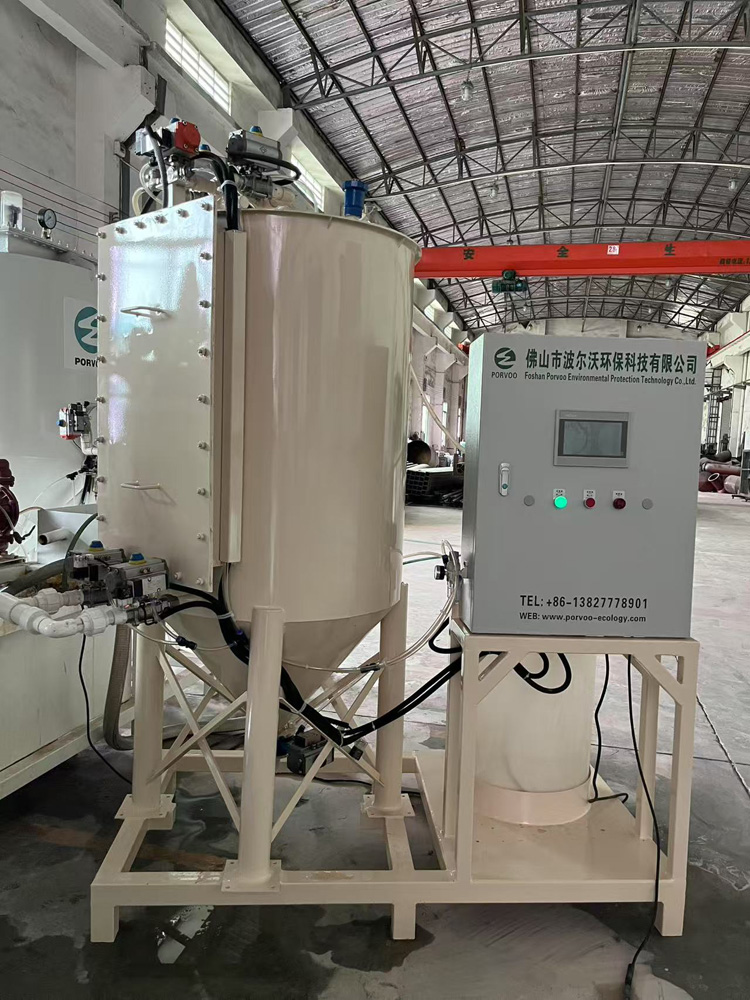
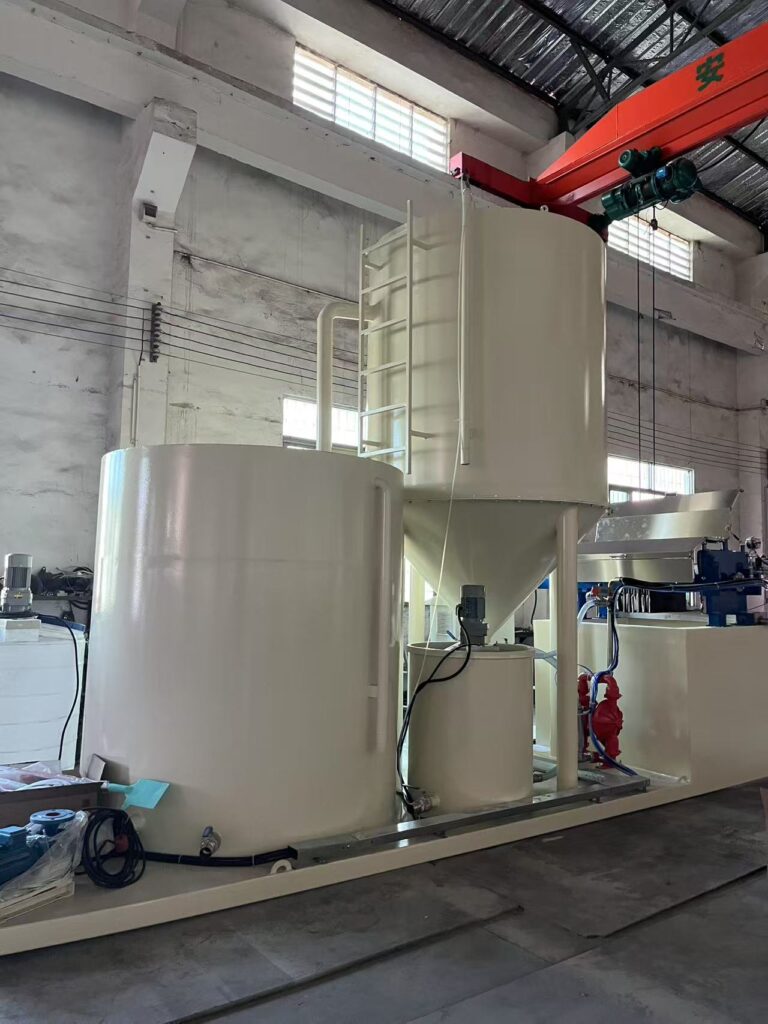
A robust system functions as an integrated train, not a collection of discrete units. A typical design sequences coagulation/flocculation, solid-liquid separation (e.g., dissolved air flotation), ultrafiltration for colloidal removal, and finally nanofiltration. This configuration progressively reduces the fouling potential at each stage. The convergence toward hybrid models is clear. For challenging high-silica feeds, a “Catalytic Media + NF” configuration is becoming a de facto standard, effectively addressing dissolved silica reduction and final polishing in a compact footprint. You can explore such integrated حلول معالجة مياه الصرف الصناعي designed for complex streams.
Designing for Circularity
This integrated philosophy opens the door to circular economy models. Forward-thinking operations are exploring ways to transform silica removal into silica recovery. By concentrating and purifying the silica removed during pretreatment and NF, it may be possible to produce a saleable, high-purity silica product. This approach converts a waste disposal cost into a potential revenue stream, fundamentally improving the project’s business case. System design must consider this potential from the outset, ensuring concentrate streams are segregated and handled appropriately for valorization.
Evaluating the Total Cost of Ownership and System ROI
الانتقال إلى ما هو أبعد من الإنفاق الرأسمالي
The final evaluation must extend far beyond initial capital expenditure. Total Cost of Ownership (TCO) provides the true financial picture, encompassing energy for high cross-flow velocities and pressure, chemical costs for antiscalants and CIP, membrane replacement frequency, waste disposal (e.g., sludge from lime softening), and maintenance labor. A system designed with strategic insights—such as using ceramic membranes to reduce replacement costs or catalytic media to lower chemical dosing—directly improves ROI by minimizing these operational expenses.
The Foundation of Accurate Modeling
Accurate TCO modeling is impossible without detailed water characterization and treatability testing. Investing in this upfront analysis prevents the false economy of under-engineering, which leads to constant fouling and downtime, or over-engineering, which wastes capital. A systematic framework for managing these costs aligns with principles from standards like نظم الإدارة البيئية ISO 14001:2015 ISO 14001:2015, which emphasizes resource efficiency and waste management. The following table breaks down the key TCO components influenced by design choices.
| مكون التكلفة | الوصف | Influencing Design Choice |
|---|---|---|
| الطاقة | High cross-flow & pressure | System configuration |
| Chemicals | Antiscalants & CIP reagents | Pretreatment selection |
| استبدال الغشاء | Frequency of change | Membrane material (e.g., Ceramic) |
| التخلص من النفايات | Sludge from pretreatment | Lime softening trade-off |
| عمالة الصيانة | Proactive vs. reactive | Wear-resistant materials |
المصدر: نظم الإدارة البيئية ISO 14001:2015 ISO 14001:2015. This standard provides the framework for systematic environmental and resource management, which is essential for accurately modeling TCO components like waste disposal, chemical use, and energy consumption within an integrated operational system.
Success in nanofiltration for stone slurry hinges on three decisions: implementing a multi-technology pretreatment train tailored to silica speciation, selecting membranes based on surface properties and material durability for abrasive service, and committing to real-time operational control over key parameters like pH and TMP. This integrated approach shifts the focus from fighting fouling to preventing it, ensuring stable performance and predictable costs.
Need professional guidance designing a fouling-resistant nanofiltration system for your specific slurry stream? The engineers at بورفو specialize in translating these technical principles into reliable, optimized industrial water treatment assets. Contact us to discuss a treatability study or system design review. You can also reach our team directly at اتصل بنا.
الأسئلة المتداولة
Q: How do we select the right pretreatment technology for a high-silica stone slurry stream?
A: Your selection involves a compromise between system footprint, waste generation, and cost. For high dissolved silica, catalytic media filtration offers a compact solution, while lime softening addresses hardness but creates sludge. Membrane pretreatment like ultrafiltration has higher capital cost but effectively removes colloids. This means facilities with space constraints and high silica should prioritize catalytic media, but must plan for downstream polishing to protect the NF stage.
Q: What are the key operational parameters for controlling silica fouling on ceramic nanofiltration membranes?
A: Maintaining an alkaline pH around 10 is the most critical control parameter. This ensures both the ceramic membrane surface and silica particles carry a strong negative charge, creating electrostatic repulsion that minimizes adhesion and scaling. You must also manage cross-flow velocity and temperature to prevent particle deposition and silica polymerization. For projects where silica rejection is paramount, plan to integrate real-time pH sensors and automated dosing systems for consistent control.
Q: Why is treatability testing with actual slurry considered non-negotiable before system design?
A: Only pilot testing with your specific slurry can validate chemical cleaning efficacy, determine regeneration cycles for pretreatment media, and accurately model membrane fouling rates. Lab-scale tests often miss the synergistic effects of abrasives, colloids, and dissolved minerals present in the full waste stream. If your operation requires reliable long-term performance and accurate cost forecasting, you must budget for and conduct this onsite testing to avoid system failure.
Q: How does membrane material choice impact the total cost of ownership for abrasive slurry applications?
A: Ceramic membranes, with their inherent abrasion resistance and chemical stability, typically offer a longer service life than polymeric alternatives in harsh stone slurry environments. This directly reduces membrane replacement frequency and associated downtime costs, which are major components of Total Cost of Ownership. For facilities evaluating ROI, a higher initial investment in ceramics often translates to lower long-term operating expenses and should be included in the financial model.
Q: What standards apply to the nanofiltration membrane elements in an industrial wastewater system?
A: While overall system design follows broader environmental management frameworks like ISO 14001:2015, the NF membranes themselves have direct technical specifications. In many regions, the GB/T 39237-2020 standard provides the baseline for performance parameters, test methods, and marking of NF membrane elements. This means when sourcing components, you should require vendors to certify compliance with such relevant technical standards to ensure product quality.
Q: What is the advantage of a “Catalytic Media + NF” hybrid system design?
A: This configuration directly targets the dual challenge of dissolved silica reduction and final polishing. The catalytic media stage proactively reduces the dissolved silica load before it can form scale on the NF membranes, which are then used for final separation and demineralization. This hybrid approach is becoming a standard for high-silica feeds. If your feed water has consistently high dissolved silica content, you should evaluate this integrated design to improve system reliability and reduce chemical antiscalant use.
Q: How should cleaning protocols be developed for silica scale on nanofiltration membranes?
A: Protocols must be foulant-specific and membrane-compatible. Tenacious silica scale typically requires acidic or specialized high-pH cleaning formulations, while alkaline cleaners with chelants address organic and particulate layers. The exact chemistry and concentration depend on your membrane’s material tolerance and the scale composition identified during treatability testing. This means you cannot rely on generic cleaning solutions; plan to develop and validate a custom CIP procedure during system commissioning.