إن اختيار تكنولوجيا نزح المياه المناسبة لمخلفات التعدين هو قرار رأسمالي حاسم له عواقب تشغيلية على مدى عقود. وغالبًا ما يتم تبسيط الاختيار بين المرشح الحزامي والمرشح الفراغي الخزفي بشكل مفرط في مقارنة التكلفة الرأسمالية، مع تجاهل الاختلافات العميقة في أداء دورة الحياة والموثوقية والملاءمة الاستراتيجية. ويمكن أن يؤدي هذا الخطأ في المواءمة إلى حبس العمليات في دورة من نفقات التشغيل المرتفعة، وتحديات إدارة المياه، ووقت تعطل لا يمكن التنبؤ به.
أصبح القرار الآن أكثر إلحاحًا بسبب تشديد اللوائح العالمية بشأن إدارة المياه وسلامة تخزين المخلفات. يجب أن تنتقل العمليات إلى ما هو أبعد من نزح المياه الأساسي لتحقيق استعادة المياه فائقة النقاء وكعكة أكثر جفافاً لتكديس المخلفات المفلترة. يحول هذا التحول دائرة نزح المياه من مركز تكلفة إلى أصل استراتيجي لاستعادة الموارد وتخفيف المخاطر، مما يجعل اختيار التكنولوجيا الأساسية حجر الزاوية في المرونة التشغيلية.
مقارنة التصميم الأساسي والمبادئ التشغيلية
الآليات الأساسية
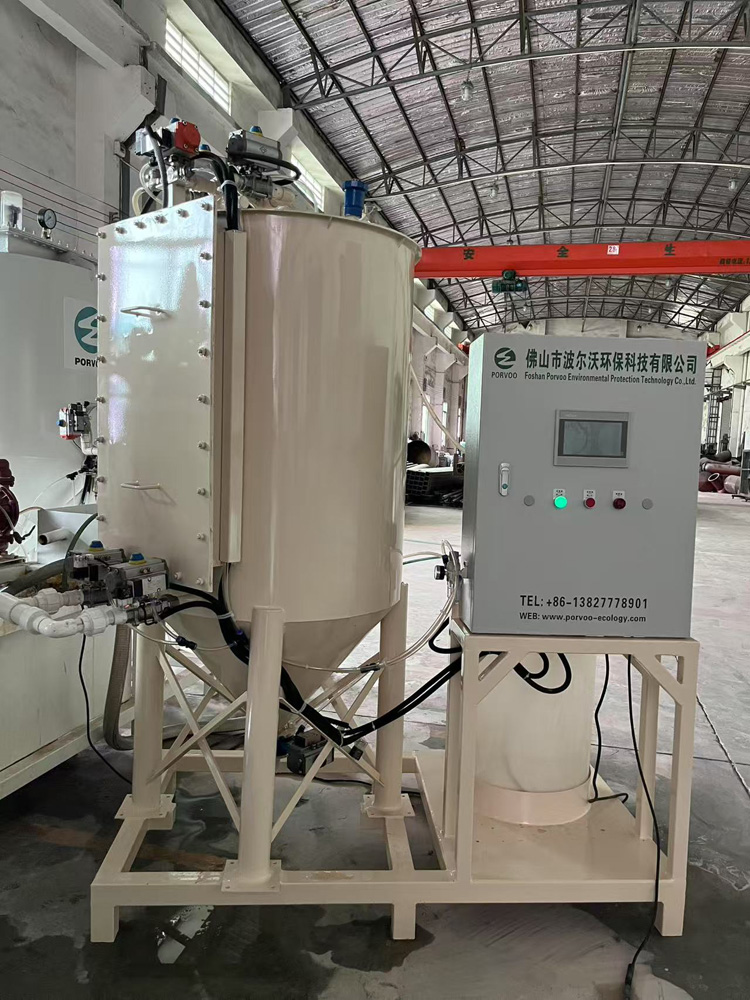
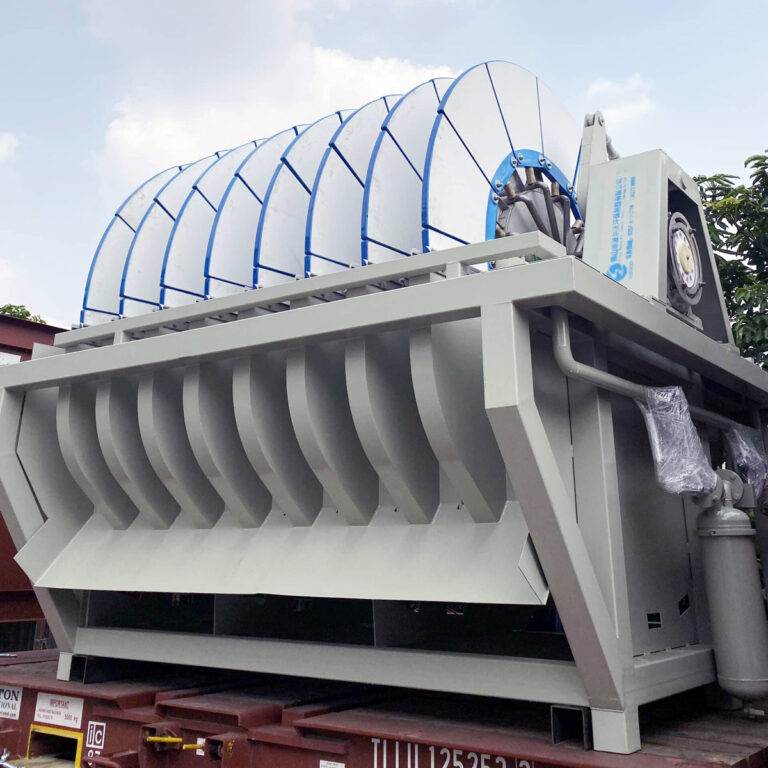
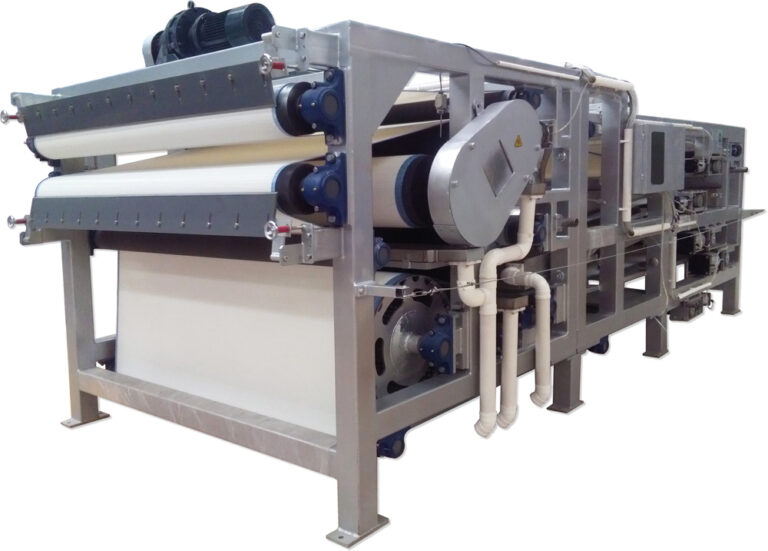
يعمل مرشح تفريغ الهواء الخزفي عبر أقراص دوارة من سيراميك الألومينا الدقيق المسامي. يعمل التفريغ العالي والحركة الشعرية على سحب الماء من خلال مسام دون الميكرون، مما يشكل كعكة على الغشاء. وينظف النبض الخلفي الآلي المسام. وعلى النقيض من ذلك، فإن المرشح الحزامي الأفقي هو نظام مستمر حيث يتم ترسيب الطين على حزام مسامي متحرك فوق صندوق تفريغ ثابت. يتم سحب الماء من خلال الحزام، تاركًا كعكة يتم تفريغها عند الأسطوانة.
أصل مقايضات الأداء
هذا الاختلاف الأساسي - غشاء محكم الغلق ذو مسام دقيقة مقابل قماش مفتوح متحرك - يملي جميع المفاضلات اللاحقة. يتيح الهيكل المسامي الدقيق للسيراميك التقاط جسيمات دقيقة فائقة الدقة وترشيح نظيف. ويسمح القماش المفتوح للسير بالتشغيل المستمر ولكنه عرضة للتعمية والتمزق. هذا الاختلاف الجوهري في فلسفة التصميم يمهد الطريق لنتائج تشغيلية ومالية مختلفة إلى حد كبير على مدار دورة حياة المعدات.
مرشح السير مقابل مرشح السيراميك: التكلفة الإجمالية للملكية (TCO)
تجاوز النفقات الرأسمالية
يتطلب تقييم هذه التقنيات التحول من الإنفاق الرأسمالي البسيط إلى نموذج دورة حياة شامل. عادةً ما تتطلب المرشحات الخزفية استثمارًا أوليًا أعلى. ويتم موازنة ذلك بتكاليف تشغيل أقل بكثير، بما في ذلك استهلاك طاقة أقل بما يصل إلى 85% وعمر استهلاكي يصل إلى 24 شهرًا. غالبًا ما يكون للمرشحات الحزامية تكلفة أولية أقل ولكنها تتكبد نفقات مستمرة وكبيرة لاستبدال القماش، واستخدام طاقة أعلى، والتكاليف المرتبطة بمعالجة المواد الصلبة العالية الترشيح.
التبعات المالية الاستراتيجية
بالنسبة للعمليات عالية الإنتاجية والمستمرة، فإن الكفاءة الفائقة ومتانة الوسائط التي تتميز بها تكنولوجيا السيراميك غالبًا ما تؤدي إلى انخفاض التكلفة الإجمالية للملكية على الرغم من سعرها المرتفع. وهذا يجعلها استثمارًا سليمًا من الناحية المالية على المدى الطويل. لا يمكن إجراء تحليل دقيق للتكلفة الإجمالية للملكية على مدى 5-10 سنوات على المدى البعيد، ويجب أن يأخذ في الاعتبار تكاليف الطاقة المحلية ونفقات معالجة المياه ومعدلات العمالة للكشف عن الصورة الاقتصادية الحقيقية.
يحدد الجدول التالي العوامل الرئيسية للتكاليف في مقارنة التكلفة الإجمالية للملكية:
توزيع التكلفة الإجمالية للملكية
| مكون التكلفة | مرشح تفريغ الهواء من السيراميك | مرشح الحزام الأفقي |
|---|---|---|
| التكلفة الرأسمالية الأولية (النفقات الرأسمالية) | أعلى | أقل |
| استهلاك الطاقة | أقل من 85% حتى 85% | أعلى |
| تواتر استبدال الوسائط | ~حوالي 24 شهرًا تقريبًا | كل بضعة أشهر |
| محتوى المواد الصلبة المرشحة | 50-200 جزء من المليون | > 10,000 جزء في المليون |
| توقعات التكلفة الإجمالية للملكية الفكرية (طويلة الأجل) | أقل | أعلى |
المصدر: مرشح التفريغ الخزفي JB/T 8653-2017 و GB/T 35053-2018 مرشح التفريغ الأفقي الحزامي GB/T 35053-2018. وتحدد هذه المعايير المتطلبات الفنية ومعايير الأداء لكل نوع من أنواع المرشحات، مما يشكل الأساس لتقييم المعايير التشغيلية مثل متانة الوسائط وجودة الترشيح التي تؤثر بشكل مباشر على تكاليف دورة الحياة.
ما النظام الذي يقدم أداء وموثوقية أفضل؟
الأداء الذي يمليه التصميم
الأداء هو نتيجة مباشرة للتصميم. تتفوق مرشحات السيراميك في تطبيقات الجسيمات الدقيقة، حيث تلتقط الجسيمات الدقيقة للغاية لإنتاج مرشحات تحتوي على 50-200 جزء في المليون من المواد الصلبة. وهذا يعالج مباشرةً الاختناقات الناتجة عن إعادة تدوير الجسيمات الدقيقة في الأعاصير. تعتبر المرشحات الحزامية قوية بالنسبة لمجموعة من المواد ولكنها تكافح مع الجسيمات فائقة الدقة، مما يؤدي إلى ارتفاع رطوبة الكعكة وعكارة الترشيح التي غالبًا ما تتجاوز 10,000 جزء في المليون من المواد الصلبة.
معادلة الموثوقية
تنبع الموثوقية من البساطة الميكانيكية. توفر المرشحات الخزفية توافرًا تشغيليًا عاليًا بسبب الوسائط المتينة والنظام المغلق. وتتوقف موثوقية المرشحات الحزامية على المزيد من الأجزاء المتحركة - الأحزمة والبكرات وأنظمة التتبع - والقماش الهش المعرض للتمزق. ومن واقع خبرتنا، فإن إمكانية التنبؤ بأداء نظام السيراميك تقلل بشكل كبير من المخاطر التشغيلية في المواقع النائية حيث يمكن أن يؤدي تمزق واحد إلى توقف الإنتاج.
فيما يلي ملخص لمقاييس الأداء والموثوقية:
مقاييس الأداء والموثوقية الرئيسية
| مقياس الأداء | مرشح تفريغ الهواء من السيراميك | مرشح الحزام الأفقي |
|---|---|---|
| التقاط الجسيمات الدقيقة | ممتاز | الصراعات |
| المواد الصلبة المرشحة النموذجية | 50-200 جزء من المليون | > 10,000 جزء في المليون |
| رطوبة الكيك | 1-4% السفلى | أعلى |
| مخاطر الموثوقية الأساسية | الحد الأدنى؛ وسائط قوية | تمزق القماش، أجزاء كثيرة |
| التوفر التشغيلي | عالية | متوقفة على الصيانة |
المصدر: مرشح التفريغ القرصي الخزفي HG/T 3133-2018 و GB/T 35053-2018 مرشح التفريغ الأفقي الحزامي GB/T 35053-2018. وتحدد هذه المعايير معايير التصميم والاختبار لكل تقنية، والتي ترتبط مباشرة بقدرات أدائها في التعامل مع الجسيمات الدقيقة وموثوقيتها الميكانيكية المتأصلة.
مقارنة متطلبات الصيانة والتعقيد التشغيلي
الأنظمة التنبؤية مقابل الأنظمة التفاعلية
تتباين أنظمة الصيانة بشكل حاد. تتم صيانة المرشحات الخزفية بشكل آلي وتنبؤي إلى حد كبير، وتتركز على التنظيف الدوري للأغشية عن طريق النبض الخلفي. وتتمثل المهمة اليدوية الأساسية في استبدال الألواح الخزفية كل 24 شهرًا تقريبًا. أما صيانة المرشحات الحزامية فهي عملية عملية ومتكررة وتفاعلية. وتتضمن المراقبة المستمرة لتمزقات القماش، واستبدال الأحزمة كل بضعة أشهر، وتعديل أختام صندوق التفريغ وأنظمة التتبع.
الفلسفة التشغيلية وتأثير العمل
يُترجم تعقيد الأجزاء المتحركة المتعددة في المرشح الحزامي إلى المزيد من نقاط الفشل المحتملة والتدخل المطلوب من المشغل. يسلط هذا الضوء على خيار استراتيجي رئيسي: تتماشى المرشحات الخزفية مع فلسفة الصيانة التنبؤية الحديثة التي تقلل من العمالة، بينما تتطلب المرشحات الحزامية نهجًا تشغيليًا تقليديًا كثيف الموارد. يؤثر الاختلاف في تعقيد النظام بشكل مباشر على نماذج التوظيف التشغيلية ومتطلبات المهارات.
تتم مقارنة ملفات تعريف الصيانة لكل نظام هنا:
تعقيد الصيانة وتكرارها
| جانب الصيانة | مرشح تفريغ الهواء من السيراميك | مرشح الحزام الأفقي |
|---|---|---|
| عمر الوسائط الأساسية | ~حوالي 24 شهرًا تقريبًا | Few months |
| Primary Maintenance Type | Automated, predictive | Manual, reactive |
| Key Routine Task | Panel replacement | Cloth replacement & repair |
| تعقيد النظام | Lower; fewer moving parts | Higher; rollers, tracking |
| Operational Philosophy | Predictive, minimal labor | Resource-intensive |
المصدر: مرشح التفريغ الخزفي JB/T 8653-2017 و GB/T 35053-2018 مرشح التفريغ الأفقي الحزامي GB/T 35053-2018. The standards outline construction and component requirements, which dictate the maintenance schedules and operational complexity for each system’s critical parts, such as ceramic membranes and filter cloth assemblies.
Key Decision Factors for Your Tailings Profile
The Primary Technical Driver
The optimal choice is dictated by specific tailings characteristics. The primary technical factor is particle size distribution. Ceramic filters are the definitive solution for fine, slimy tailings where achieving dry cake and clean water is paramount. For coarser, easier-to-dewater materials, a belt filter may be sufficient. Conducting definitive filterability testwork on representative tailings is the essential first step.
Aligning with Strategic Goals
Beyond technical fit, strategic priorities are crucial. If the goal is enabling filtered tailings storage (dry stack) or paste backfill, the 1-4% lower cake moisture from ceramic filters is an enabling factor. If water stewardship and direct return to process are critical, the ultra-clean filtrate from ceramic technology makes it the only viable choice. This positions ceramic technology as proactive risk mitigation against evolving regulations.
The decision framework based on material and goals is outlined below:
Tailings Profile Decision Matrix
| عامل القرار | Favors Ceramic Filter | Favors Belt Filter |
|---|---|---|
| حجم الجسيمات | Fine, slimy tailings | Coarser, easy materials |
| الهدف الاستراتيجي | Dry stacking, water return | Basic dewatering |
| Required Cake Moisture | Critical (1-4% lower) | أقل أهمية |
| نقاء المرشح | Ultra-clean water needed | Acceptable turbidity |
| Regulatory/Stewardship Focus | عالية | قياسي |
المصدر: ISO 12900:2017 Solid-liquid separation equipment. This international standard provides the classification and fundamental principles for selecting solid-liquid separation equipment based on feed material characteristics and desired outcomes, directly informing the decision framework in this table.
ملاحظة: The framework recommends a 5-10 year horizon for TCO analysis.
Ceramic vs Belt Filter: Space & Installation Considerations
Footprint and Layout
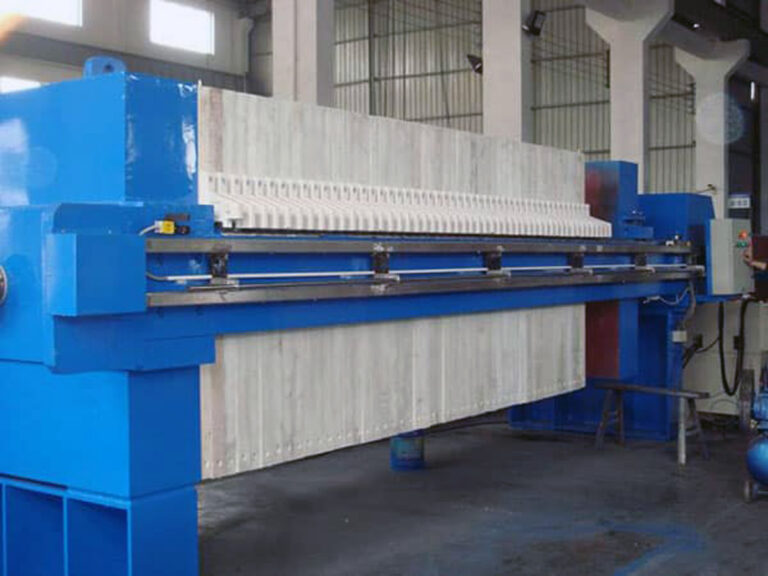
Physical footprint influences project feasibility. Ceramic disc filters often have a more compact vertical footprint for a given filtration area, beneficial in space-constrained sites or plant retrofits. Belt filters require a significant horizontal length for the vacuum and drying zones, demanding a long, linear layout. This distinction can affect both greenfield and brownfield project designs.
Installation and Vendor Landscape
Installation complexity differs. Ceramic filter installation, while sophisticated due to integrated systems, involves fewer large moving components. Belt installation requires aligning extensive roller systems, belt tracking mechanisms, and large vacuum boxes. This underscores a vendor landscape polarization: ceramic projects typically involve full-system integrators who manage complex integration, while belt installations can sometimes use a more component-based approach.
Evaluating Long-Term Reliability & Operational Uptime
Engineering for Availability
Long-term reliability translates directly to production consistency. Ceramic filters are engineered for high uptime. The robust ceramic media resists sudden failure, and automated backwashing maintains consistent performance without shutdowns. Their simple rotary drive and enclosed systems minimize environmental exposure, supporting long campaigns.
The Predictability Gap
Belt filter uptime is inherently less predictable, tied to the integrity of a continuous, stressed cloth. A single tear causes immediate process halt. Reliability depends on constant vigilance over numerous mechanical components. This reliability gap means that for operations prioritizing maximum availability and minimizing unplanned downtime, the ceramic filter presents a lower-risk, higher-availability solution throughout its lifecycle.
How to Choose: A Framework for Mining Operations
A Structured Four-Step Process
A structured decision framework moves beyond technical specs to strategic alignment. First, conduct definitive filterability testwork on representative tailings. Second, execute a rigorous TCO analysis over a 5-10 year horizon. Third, align the choice with strategic site goals: is the aim compliance with evolving regulations, or simply cost-effective dewatering?
The Critical Role of Partnership
Finally, select a vendor based on integration capability, not just equipment supply. For complex filtered tailings projects, a partner offering lifecycle accountability from piloting to commissioning is critical for success. This bridges the common integration gap and ensures the selected ceramic vacuum filter technology is optimized for your specific circuit.
The decision ultimately hinges on aligning technology capability with long-term operational and strategic objectives. Prioritize a lifecycle cost perspective over initial price, and match the system’s strengths—be it fine particle capture or simpler mechanical design—to your tailings profile and water recovery goals. A partner with deep integration experience is as crucial as the equipment specification itself.
Need a professional assessment for your tailings dewatering circuit? The engineers at بورفو can help you apply this framework to your specific operation, from testwork to TCO modeling. اتصل بنا to discuss your project requirements and strategic goals.
الأسئلة المتداولة
Q: How does the core design of a ceramic vacuum filter lead to lower operating costs compared to a belt filter?
A: The sealed, microporous ceramic membrane design enables dramatically lower energy use—up to 85% less—by requiring minimal air flow, and its durable media lasts up to 24 months before replacement. In contrast, a belt filter’s open cloth and moving parts demand frequent cloth changes and higher energy for large vacuum pumps. This means facilities prioritizing long-term operational expenditure reduction should model the ceramic filter’s total cost of ownership, as its higher initial investment is often offset by sustained efficiency gains.
Q: What are the critical maintenance differences between ceramic and belt filters for remote mining sites?
A: Ceramic filter maintenance is automated and predictive, centered on programmed back-pulse cleaning and biannual panel replacement, minimizing manual labor. Belt filters require constant, hands-on intervention for cloth monitoring, frequent replacement, and adjustment of rollers and tracking systems. For remote operations where skilled labor is scarce and unplanned downtime costs are severe, the ceramic system’s simpler, enclosed design presents a significantly lower operational risk and supports higher availability.
Q: Which filtration technology is mandated for achieving ultra-clean process water return from fine tailings?
A: Ceramic vacuum filters are the definitive solution, capable of producing filtrate with 50-200 ppm solids due to their sub-micron pore filtration. Belt filters typically yield filtrate exceeding 10,000 ppm solids, which is unsuitable for direct recirculation. If your site’s strategic goal is water stewardship and closing the process loop, the ceramic technology is the only viable choice, transforming dewatering into a resource recovery operation. Its performance is governed by standards like JB/T 8653-2017 for ceramic vacuum filters.
Q: How should we evaluate the physical installation requirements for a new tailings dewatering system in a retrofit scenario?
A: Ceramic disc filters offer a compact vertical footprint, making them advantageous for space-constrained retrofits. Belt filters demand a long, linear layout for their vacuum and drying zones, which can be prohibitive. This distinction means projects with limited floor space should prioritize ceramic technology, but must also plan for its integrated control system installation. The design and installation of horizontal belt filters are detailed in standards such as GB/T 35053-2018.
Q: What is the primary technical factor in choosing between a ceramic and a belt filter for a specific tailings stream?
A: The decisive factor is your tailings’ particle size distribution. Ceramic filters are engineered for fine, slimy materials where achieving dry cake and clear water is critical. For coarser, easier-to-dewater solids, a belt filter may be operationally sufficient. This requires definitive filterability testwork on representative samples; if your profile contains a high fraction of ultrafines, the ceramic system’s performance in moisture reduction and filtrate clarity becomes a necessary enabling technology for dry stacking or paste backfill.
Q: What framework should operations use to make a final vendor selection for a filtered tailings project?
A: Move beyond equipment specs and select a vendor based on full-system integration capability and lifecycle accountability. A qualified partner should offer support from pilot testwork using predictive modeling through to commissioning and ongoing service. For complex projects aimed at filtered tailings storage, this integrated partnership is critical to bridge the common gap between equipment supply and successful, reliable plant operation, ensuring strategic goals for water and tailings safety are met.