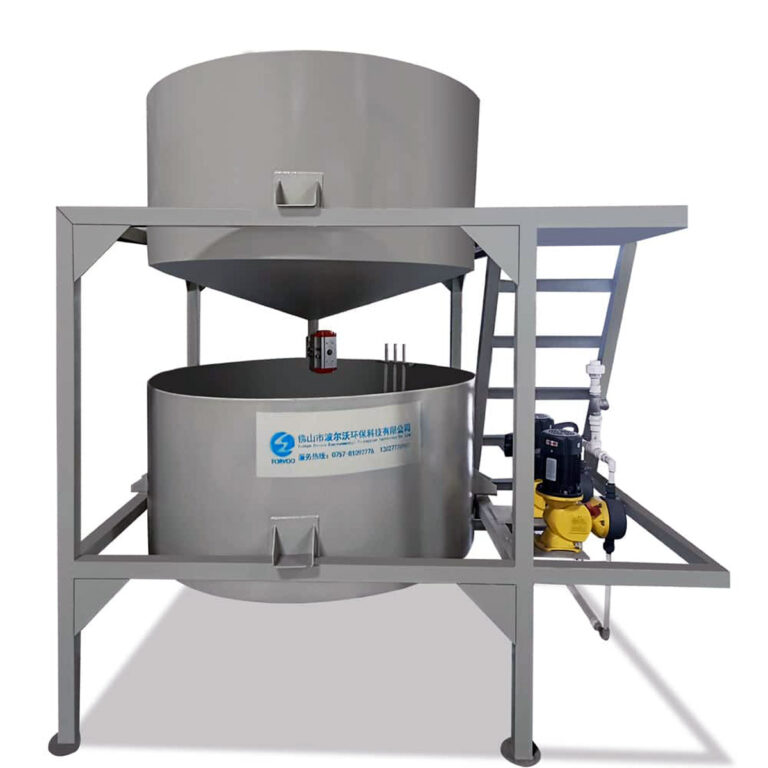
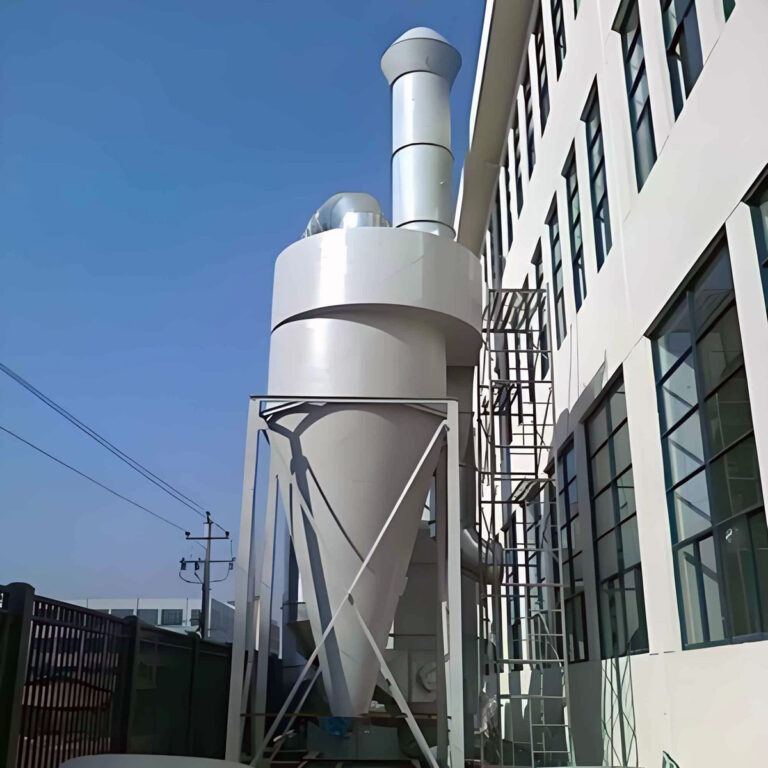
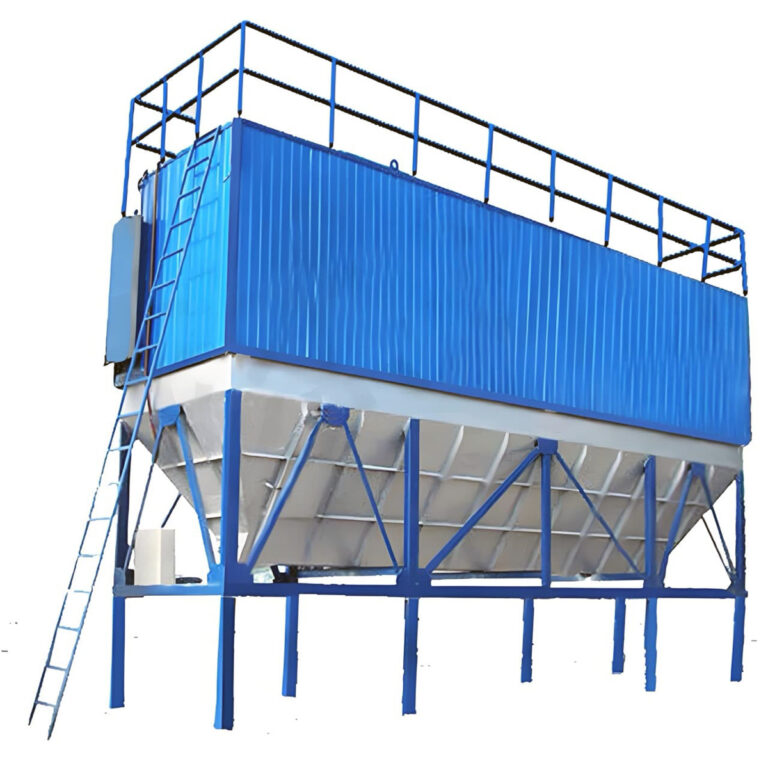
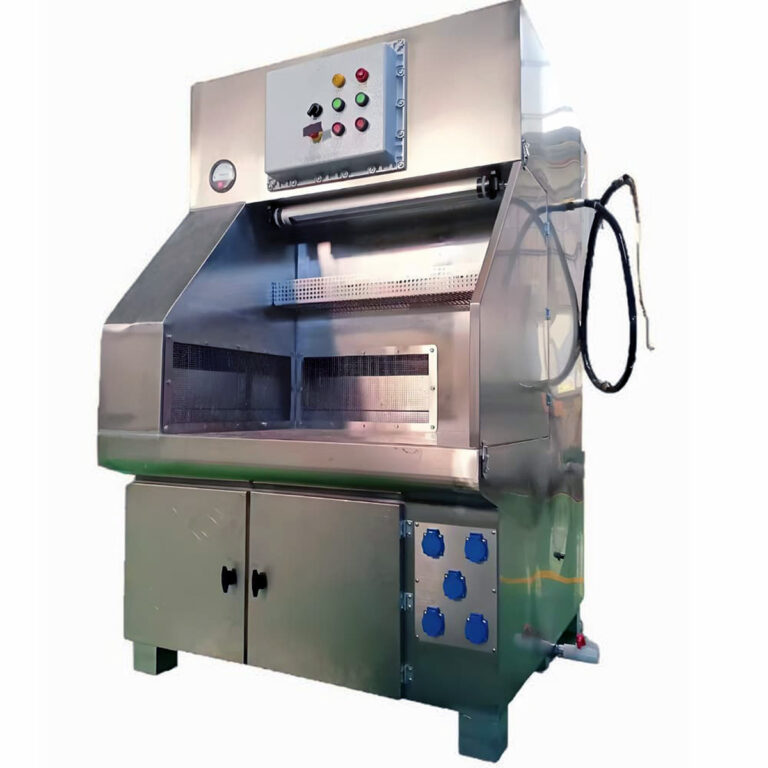
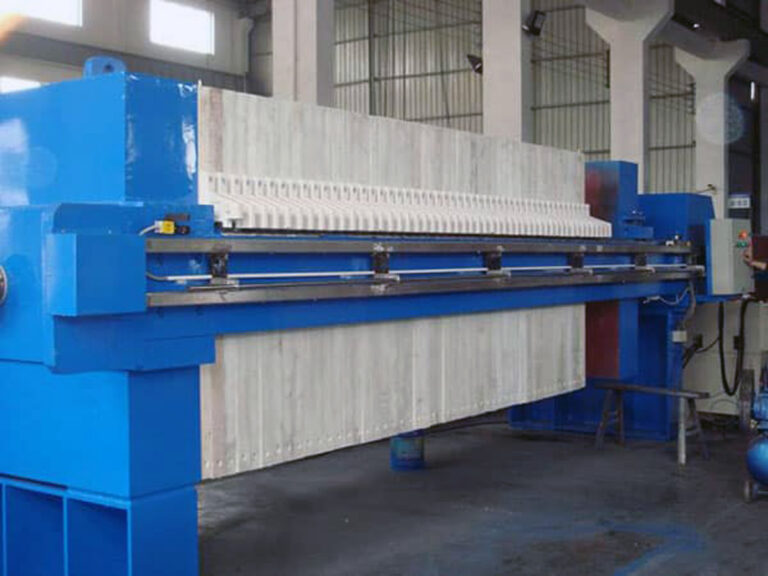
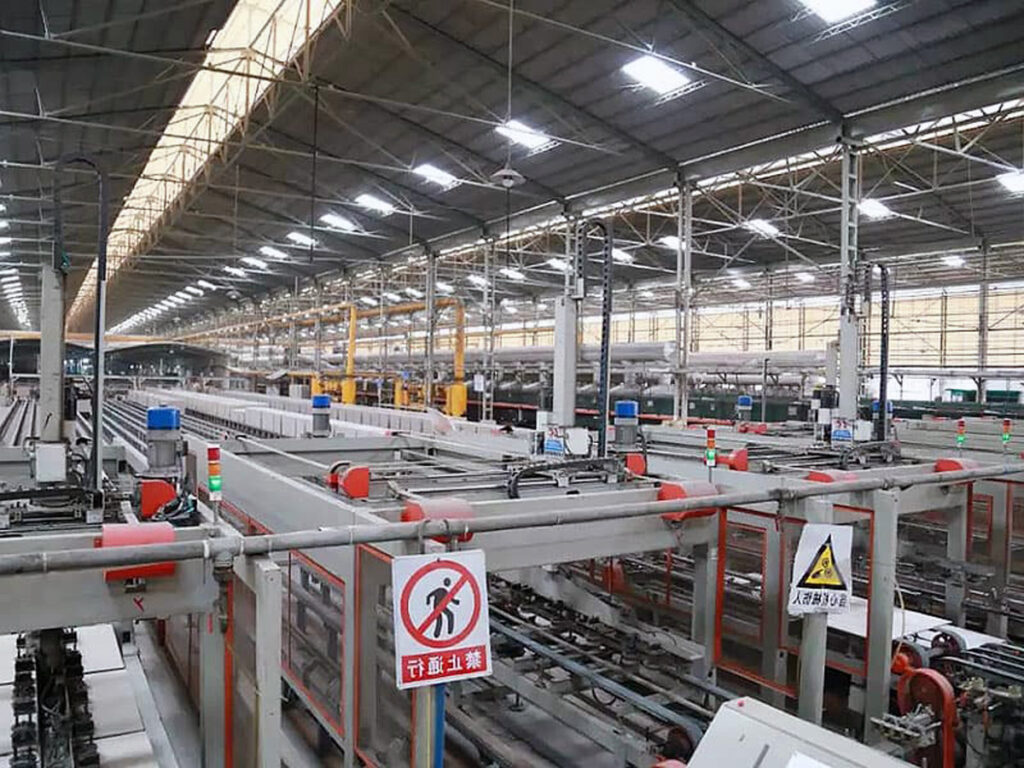
For ceramic factory managers, the decision between a compact silo and a settling basin is rarely about technical capability alone. It’s a strategic choice that pits integrated mechanical systems against traditional civil engineering, with profound implications for factory layout, operational workflow, and total cost of ownership. The wrong choice can lock in decades of inefficient space use or create recurring labor bottlenecks.
This evaluation is critical now as factories face pressure to optimize every square meter for core production. Energy reliability and wastewater compliance are non-negotiable, but the systems that deliver them must not compromise the space needed for kilns, presses, and material handling. The question isn’t just which system works, but which system works within the spatial and operational reality of a modern ceramic plant.
Compact Silo vs. Settling Basin: Core Differences Defined
Operational Principle
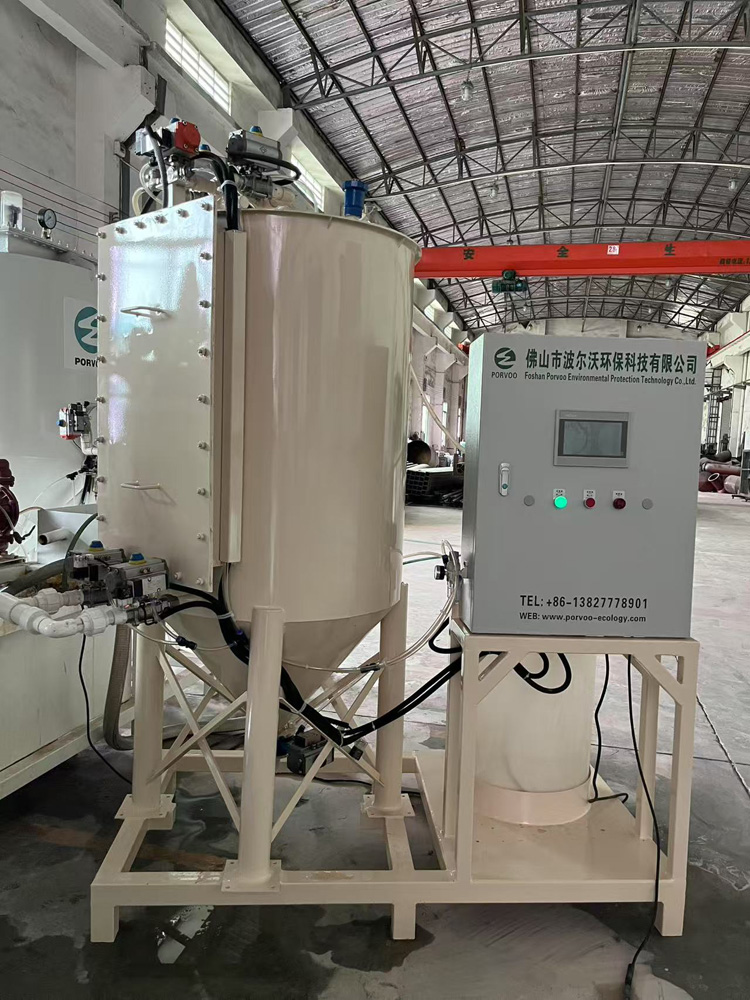
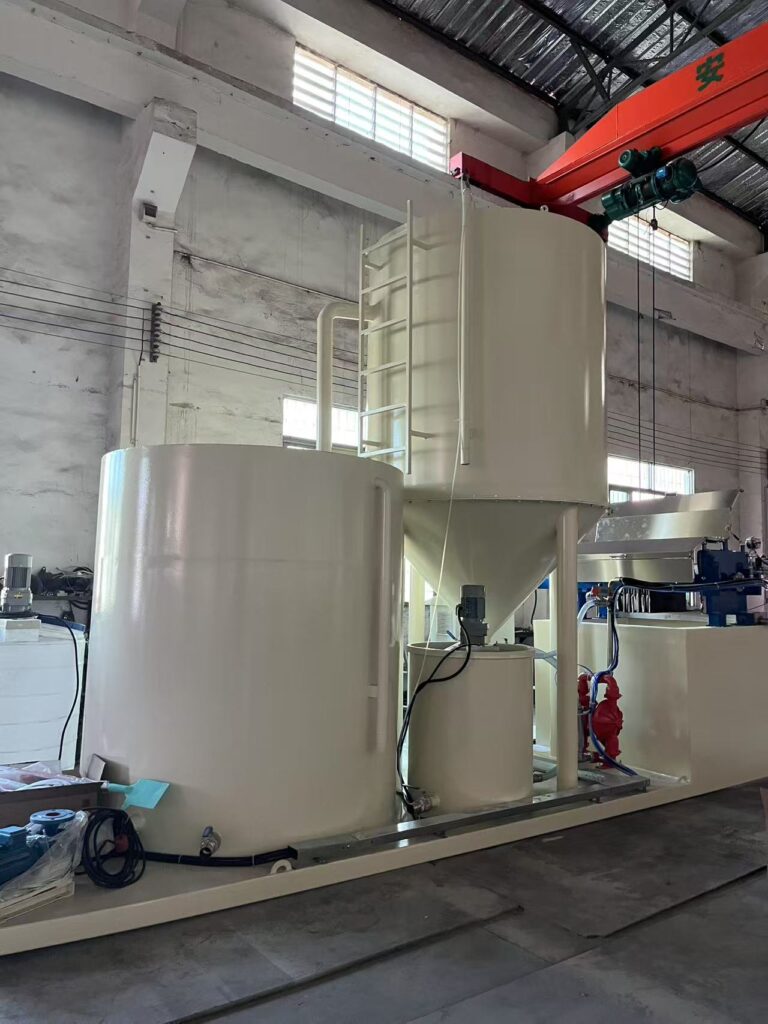
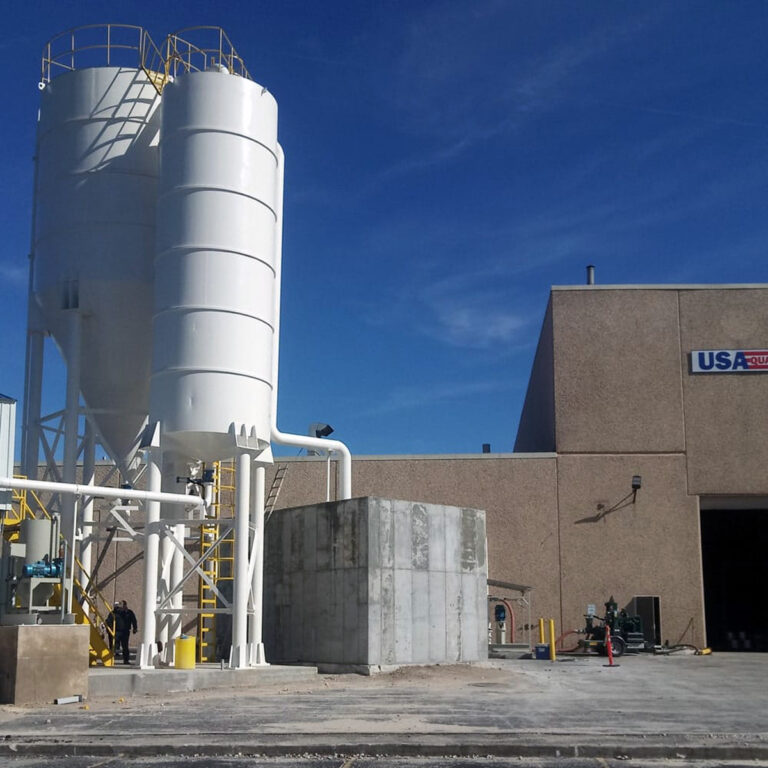
The fundamental distinction is philosophical. A settling basin is a passive, gravity-dependent clarifier. It requires a large horizontal footprint to slow wastewater flow, allowing suspended solids to settle out. Its design is an exercise in civil engineering—excavation, concrete, and land. In contrast, a compact silo is an active, integrated storage and conveyance system. Like the PERGE Mini-Silo, it uses mechanical or pneumatic systems for precise fuel delivery, with a design ethos centered on verticality and direct machinery adjacency. One relies on time and surface area; the other on controlled mechanical action.
Spatial Philosophy
This core difference dictates spatial impact. The basin’s performance is tied directly to its surface area; more capacity means a larger footprint. The silo’s capacity, however, can be decoupled from its boiler-room footprint through remote placement. Industry experts note that the most efficient factories treat floor space as a premium asset. The silo’s design inherently optimizes for this, while the basin’s design often consumes it.
System Integration
Easily overlooked is how each system integrates into the plant. A settling basin is typically a standalone water treatment asset. A compact silo is a component of a broader energy system. According to research on integrated boiler rooms, the value of a silo is amplified by ancillary technologies that eliminate other hardware, such as buffer tanks or complex valve assemblies, compounding space savings beyond the unit itself.
Cost Comparison: Capital, Operating & Total Space Investment
Capital Expenditure Analysis
Capital costs diverge at the outset. A settling basin incurs significant expenses for land preparation, excavation, reinforced concrete, and often, lining materials. Its cost is in bulk materials and civil works. A compact silo’s capital is concentrated in manufactured steel, precision augers, conveyors, and embedded control systems. While the silo’s unit cost may be significant, it often avoids the massive, one-time civil expenditure of a basin.
The True Cost of Space
Operating costs tell a different story. Basins have minimal energy consumption but often carry high recurring costs for sludge monitoring, manual removal, and disposal. Silos incur electrical costs for conveyance but drastically reduce manual labor through automation. The critical insight is evaluating the total space investment. We compared lifecycle models and found that the most advanced silo systems achieve savings by embedding intelligence that removes other components, improving total cost-of-ownership beyond the base price.
Holistic Financial Modeling
A complete financial model must include spatial cost. What is the opportunity cost of the land occupied by a basin? Could that space generate revenue if used for production or storage? Factories in dense urban areas find that the compact silo’s higher unit cost is justified by preserving high-value floor area. The decision shifts from a simple equipment purchase to a strategic capital allocation for the entire site.
Which System Offers Better Performance & Capacity?
Defining Performance Metrics
Performance is not directly comparable because the systems serve different primary functions. For a settling basin, performance is measured in effluent clarity, hydraulic loading rate, and solids removal efficiency. Its capacity is a function of retention time and surface area. For a compact silo, performance is measured in fuel delivery reliability, feed rate consistency, and uptime. Its capacity is defined by storage volume and the reliability of its conveyance system.
Scalability and Flexibility
Scalability paths differ radically. To increase a basin’s capacity, you must increase its physical footprint—a linear and land-intensive relationship. In my experience consulting on plant upgrades, this often becomes a hard constraint. A silo system’s capacity can be scaled vertically or, more powerfully, by utilizing remote storage. Central vacuum systems enable a primary silo to be placed over 20 meters away from the boiler, offering massive storage (3-10 m³) without encroaching on the boiler room.
Output Reliability
The key output for a ceramic factory is uninterrupted production. A settling basin ensures process water meets discharge or reuse standards, preventing regulatory shutdowns. A compact silo ensures the kiln and dryer heat supply never falters. Both are critical, but their performance failure modes differ: one risks environmental non-compliance, the other risks a full production halt.
The table below clarifies the distinct performance profiles of each system.
| Performans Metriği | Settling Basin | Compact Silo |
|---|---|---|
| Birincil İşlev | Water clarification | Fuel storage & feed |
| Capacity Driver | Flow rate, retention time | Remote silo (20m) |
| Scalability | Linear with footprint | High (3-10 m³) |
| Key Output | Effective solids removal | Uninterrupted energy supply |
| Otomasyon Seviyesi | Low, manual monitoring | High, pneumatic transfer |
Kaynak: Teknik dokümantasyon ve endüstri spesifikasyonları.
Key Use Cases & Factory Fit for Each Technology
The Space-Constrained Retrofit
The compact silo is the definitive solution for existing plants where space is the ultimate constraint. It is designed for direct adjacency to boilers, often in retrofit scenarios where the production layout cannot be altered. If pelletized fuel storage is competing with production equipment for valuable indoor floor area, the silo’s sub-60cm profile provides a clear advantage. This directly applies to urban factories where expansion is physically impossible.
The Greenfield Site with Land
Settling basins find their ideal application in greenfield developments or facilities with ample, low-cost land. They are suited for handling high-volume, suspended solids in process wastewater where the primary challenge is water quality, not spatial economics. For a factory with simple wastewater streams and a sprawling site, a basin’s simplicity and low-tech operation can be a rational choice.
Co-Optimizing Production Layouts
Ceramic factories must manage a complex matrix of material and energy flows. The strategic insight is that space must be allocated for both energy systems and water treatment. Therefore, selecting a supremely space-efficient energy system (the silo) actively frees up critical layout room for the necessary water treatment infrastructure, whether a basin or a more advanced filtration system. This co-optimization is essential for meeting core product standards like GB/T 4100-2015 Ceramic tiles, which demand consistent, high-quality production environments.
Space Efficiency Analysis: Footprint & Layout Impact
Physical Footprint Comparison
The numbers are stark. A compact silo like the Mini-Silo operates within a sub-60cm width, a vertical column of functionality. A settling basin’s footprint is measured in square meters, often tens or hundreds, depending on flow. This isn’t just about the equipment’s base; it’s about the operational envelope. The silo’s efficiency is compounded by integrated designs that eliminate ancillary components like separate buffer tanks, a common source of hidden spatial waste.
Impact on Site Planning
The basin’s large, unobstructed surface area imposes significant constraints on overall site planning. It often dictates the location of other buildings or process lines. The silo, due to its small footprint and potential for remote placement, offers planners far greater flexibility. This aligns with the industrial design principle of vertical optimization, where the goal is to minimize the production floor’s footprint to maximize its utility.
Maintenance Access Requirements
A frequently underestimated spatial cost is maintenance access. A settling basin requires clear perimeter space for sludge removal equipment—trucks, excavators, or vacuum trucks. This effective footprint can be 50% larger than the basin itself. Modern compact silo and boiler systems are designed with maintenance in mind; features like pivoting burner screws and self-cleaning mechanisms reduce front clearance needs, concentrating maintenance activities within a tighter, more predictable envelope.
The following table breaks down the spatial implications of each technology.
| Parametre | Settling Basin | Compact Silo |
|---|---|---|
| Primary Footprint | Large surface area | Sub-60cm width |
| Design Philosophy | Horizontal, passive | Vertical, active |
| Layout Impact | Obstructs site planning | Direct boiler adjacency |
| Capacity Expansion | Larger footprint required | Remote placement possible |
| Bakım Erişimi | Perimeter space needed | Integrated, self-cleaning |
Kaynak: Teknik dokümantasyon ve endüstri spesifikasyonları.
Maintenance, Staffing & Operational Complexity Compared
Günlük Operasyonel Talepler
The daily operational profiles are opposites. A settling basin demands consistent physical oversight: visual checks for sludge levels, monitoring of inlet/outlet conditions, and scheduling of manual sludge removal. It is labor-intensive but mechanically simple. A compact silo system shifts the effort from physical labor to system monitoring. Once configured, it runs automatically, with operational complexity residing in the control software diagnostics and periodic mechanical inspections.
Staff Skill Profiles
This divergence creates different staffing needs. Basin maintenance requires less specialized technical training but more consistent manual labor hours. Silo system maintenance requires staff trained in mechatronics and control systems but typically involves less frequent, more scheduled interventions. For a factory with a large, general maintenance crew, the basin may fit existing skills. For a tech-forward plant with automation specialists, the silo aligns with their human resource strategy.
Long-Term Reliability & Downtime
Long-term reliability hinges on different factors. Basin failure modes are often gradual—siltation, liner damage—leading to declining performance. Silo system failures are typically abrupt—a conveyor jam, control fault—causing an immediate stoppage. However, the silo’s embedded intelligence often provides predictive diagnostics, allowing issues to be addressed proactively. The basin’s simplicity offers no such early warnings, trading lower upfront complexity for potential unplanned remediation events.
Evaluating Specific Ceramic Waste Stream Compatibility
Energy Stream vs. Waste Stream
This is the most critical filter for decision-making. A compact silo is incompatible with liquid ceramic waste—it does not process slip, glaze runoff, or process wastewater. It is a component of the factory’s energy input stream, handling solid fuel like wood pellets. A settling basin is designed specifically for the water-borne waste output stream, removing suspended solids. Confusing these streams is a fundamental error.
The Necessity of Both Systems
Most ceramic factories require solutions for both streams. The production of tiles and sanitaryware generates wastewater requiring treatment for discharge or reuse. Simultaneously, the firing and drying processes require reliable, automated fuel delivery. The strategic question becomes: given that both systems are likely needed, which one imposes the greater spatial burden that can be alleviated by a more compact technology?
Strategic Space Allocation
The evaluation must be holistic. If a factory’s wastewater is high-volume but low in hazardous contaminants, a settling basin might be a reasonable, low-tech choice. However, if that basin’s footprint would displace a key production line, the calculus changes. The opportunity is to apply high-density, integrated technology to the energy system, thereby preserving layout flexibility for the water treatment system that best fits the waste profile. This systems-thinking approach is essential for compliance and efficiency.
Decision Framework: How to Choose the Right System
Quantify Spatial and Financial Variables
Begin by assigning a real cost to floor space. What is the revenue or value per square meter of your production area? This establishes the economic baseline. Next, rigorously map all material and energy flows through your factory. This diagram will reveal pinch points and dependencies that abstract comparisons miss.
Apply a Modular Spectrum Analysis
Do not think in binary terms. Evaluate your needs on a spectrum. At one end is the fully integrated, adjacent compact silo for maximum space savings. At the other is the traditional settling basin for maximum passive treatment. In between are hybrid options: a remote large-capacity silo, or a basin paired with advanced filtration. The goal is to match the technology’s profile to the specific constraint—be it space, capital, labor, or waste composition.
Model Lifecycle and Staffing
Conduct a total lifecycle analysis that includes capital cost, operating cost, spatial opportunity cost, and maintenance cost. Simultaneously, model your staffing: can your team support an advanced control system, or would a simpler, labor-intensive system be more reliable in your context? Future-proofing is also key; opt for systems with multi-functional designs that eliminate ancillary hardware, reducing future spatial and maintenance burdens.
The final decision matrix should weigh these interconnected factors.
| Karar Faktörü | Priority Question | Anahtar Metrik |
|---|---|---|
| Spatial Constraint | True cost of floor space? | $/sq.m |
| Material Flow | Map all energy/waste streams? | Flow diagram |
| System Modularity | Integrated vs. remote need? | Spectrum analysis |
| Future-Proofing | Eliminates ancillary hardware? | Component count |
| Staffing Model | Support advanced controls? | Technical training |
| Yaşam Döngüsü Maliyeti | Includes spatial cost? | Total TCO |
Kaynak: GB/T 4100-2015 Ceramic tiles. This fundamental product standard defines the quality specifications for the factory’s output. The decision framework must ensure the chosen wastewater and energy systems support consistent production to meet these stringent tile performance requirements.
The core decision pivots on the value of your factory’s floor space and the complexity of your operational streams. For space-constrained facilities, the integrated compact silo is not merely an option but a strategic necessity to preserve production-critical layout. Its higher unit cost is an investment in spatial capital. For sites where land is abundant and waste streams simple, a settling basin’s passive reliability may suffice. Ultimately, the choice is between optimizing for land use or optimizing for labor and technical oversight.
Need professional analysis to apply this framework to your specific ceramic plant layout and waste profile? The engineers at PORVOO specialize in designing integrated systems that balance treatment efficacy with spatial efficiency, ensuring your factory’s infrastructure supports, rather than hinders, its production goals. Review detailed specifications for space-optimized solutions like the compact silo system for ceramic wastewater treatment to understand the engineering specifics.
For a direct consultation on your project, you can also Bize Ulaşın.
Sıkça Sorulan Sorular
Q: How do you calculate the true total space investment for a compact silo versus a settling basin?
A: You must evaluate the holistic footprint, including ancillary equipment. Advanced silo systems reduce spatial cost by integrating controls and eliminating separate components like buffer tanks and mixing valves. In contrast, a basin’s effective footprint must include perimeter access for sludge removal equipment. This means facilities with high-cost floor space should model the silo’s integrated design, as its higher unit cost often preserves more valuable production area.
Q: What performance advantage does a remote pellet silo offer for a space-constrained ceramic plant?
A: A central vacuum system enables a primary storage silo to be located up to 20 meters from the boiler room. This decouples large fuel capacity from the production floor footprint, allowing for remote storage volumes between 3 and 10 cubic meters. For projects where kiln and dust collection systems compete for room, this remote capacity strategy is critical for maintaining energy security without sacrificing layout efficiency.
Q: How does operational staffing differ between an automated silo and a traditional settling basin?
A: A modern silo system concentrates complexity in automated controls and software diagnostics, requiring staff with technical training for monitoring but less physical labor. A settling basin demands consistent manual effort for sludge monitoring and removal, needing less specialized skill but more routine labor time. If your operation has limited technical personnel, the basin’s simplicity may appeal, but it trades higher ongoing manual hours for lower technical overhead.
Q: Which system is compatible with ceramic glaze runoff and liquid process waste?
A: A settling basin is specifically designed for water-borne waste streams, effectively removing suspended solids from process water and slurry. A compact silo is incompatible with liquids, as it is engineered solely for handling solid fuel like wood pellets. This clarifies that a ceramic factory must manage both energy and waste streams separately, making product quality standards like GB/T 4100-2015 Ceramic tiles a parallel concern for output, not a direct factor in this utility choice.
Q: What is the primary spatial design philosophy difference between the two systems?
A: The compact silo employs a vertical, machinery-dependent philosophy with integrated active components, exemplified by units under 60 centimeters wide. The settling basin relies on a passive, horizontal design dependent on large surface area and gravity for sedimentation. For factories in dense urban settings, the vertical optimization and modularity of silo systems directly conserve critical layout space for core production equipment.
Q: How should a factory with ample land but simple wastewater approach this decision?
A: A greenfield site with available land and straightforward process water may correctly select a settling basin, as its lower technical complexity suits the high-volume, passive clarification need. However, you must still map all material and energy flows holistically. This means even land-rich facilities should verify that choosing a basin does not preclude future needs for compact, integrated energy systems, ensuring the overall plant layout remains adaptable.