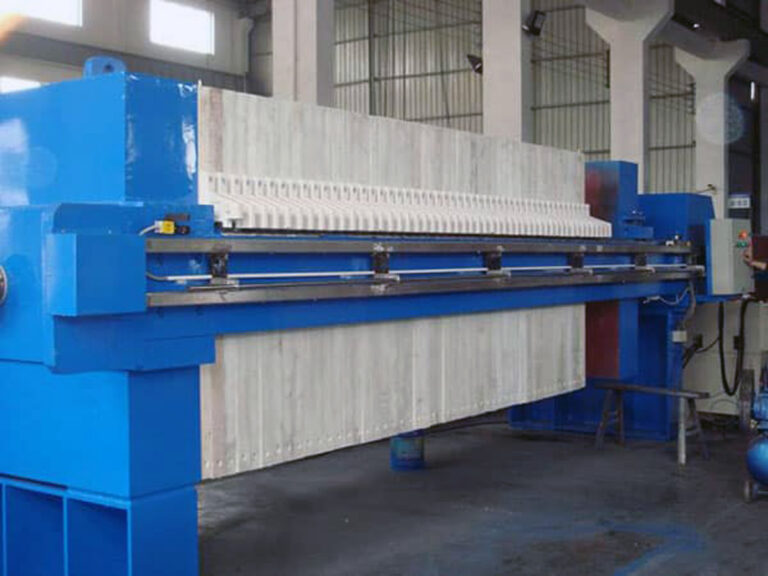
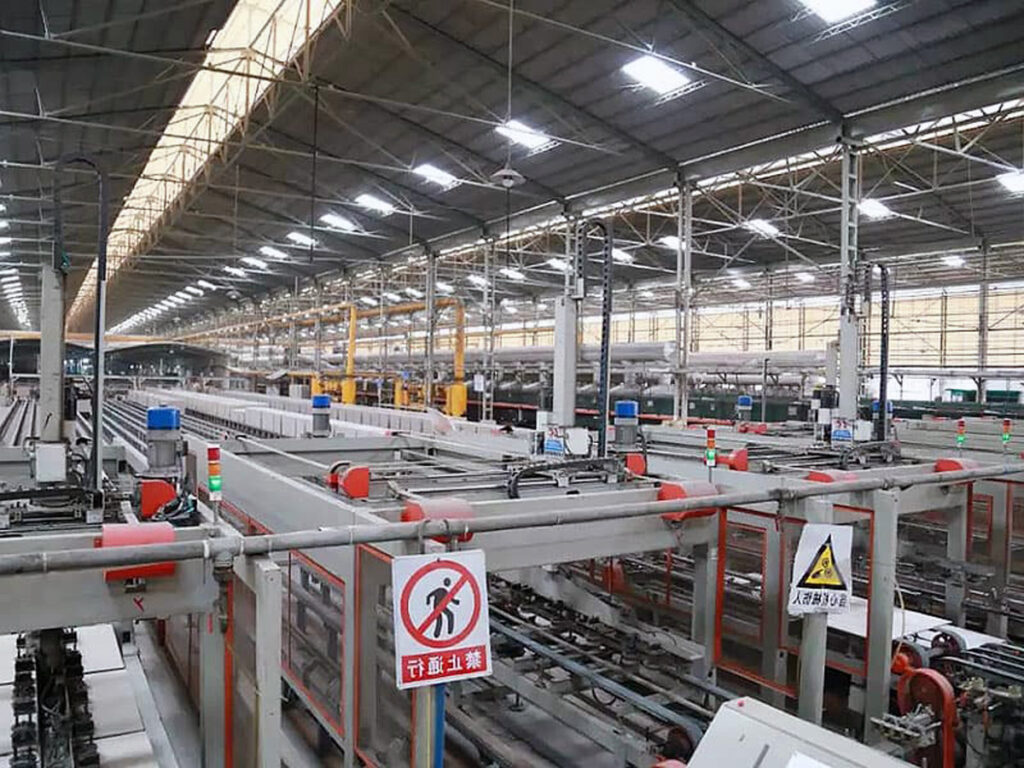
Industrial solid-liquid separation often presents a costly bottleneck. Many operations rely on standard filter presses, accepting long cycle times and higher residual moisture as unavoidable trade-offs. This mindset overlooks a critical technological advancement. The membrane filter press is not merely an incremental improvement; it is a fundamentally different process that transforms dewatering from a passive step into an active, value-creating operation. Misunderstanding its core mechanics and strategic applications leads to suboptimal equipment selection and missed opportunities for efficiency and recovery.
The pressure to improve operational efficiency and sustainability is intensifying. Regulations on waste disposal tighten, raw material costs rise, and production throughput demands increase. In this context, the ability to extract drier solids and recover more process liquid directly impacts profitability and environmental compliance. Selecting the right dewatering technology requires moving beyond basic specifications to a thorough understanding of system design, total cost of ownership, and vendor partnership models. This guide provides the technical and strategic framework for that evaluation.
How Membrane Filter Presses Work: Core Technology Explained
The Two-Stage Dewatering Process
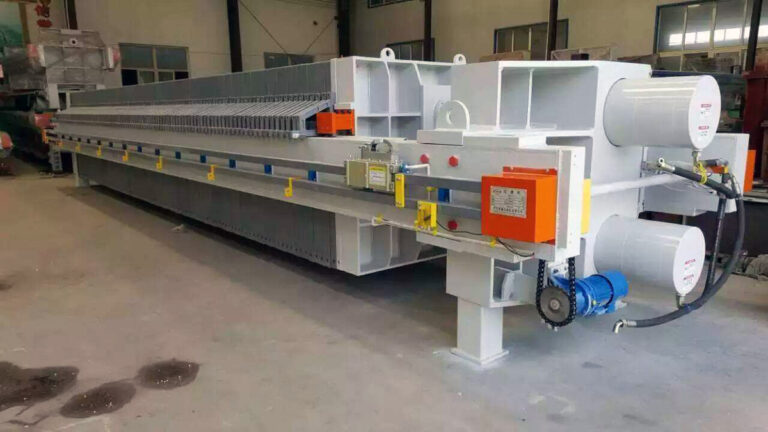
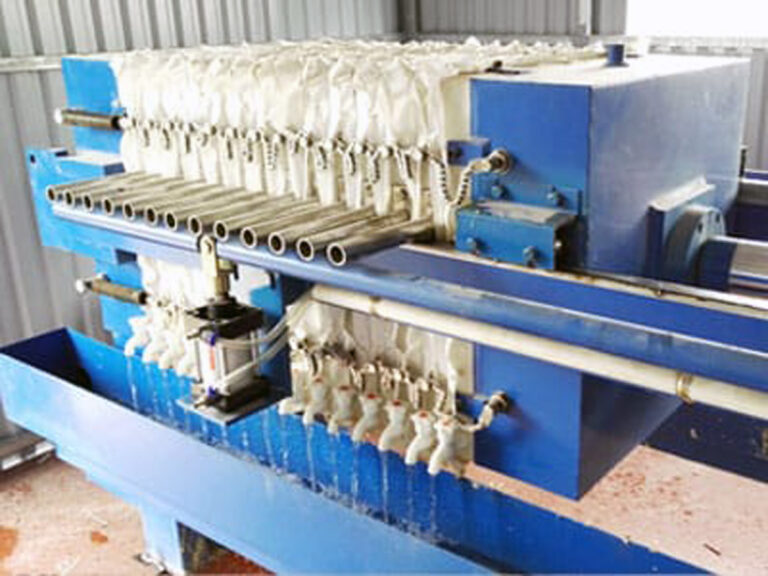
A membrane filter press operates through a distinct, two-phase cycle. First, slurry is pumped into the sealed press at pressures up to 7 bar, filling the chambers and forming an initial filter cake through pressure filtration. The critical differentiator is the second stage. Once chambers are approximately 80% full, high-pressure water (15-17 bar) is introduced to inflate flexible membranes integrated into the plates. This applies uniform, isostatic pressure, physically squeezing the cake to expel trapped interstitial liquid. This active compression replaces the slow, passive consolidation of a standard recessed chamber press, which relies solely on time and feed pressure.
Safety and System Design Imperatives
The choice of inflation medium is a non-negotiable safety feature. Using water, not compressed air, is standard. Should a membrane rupture, the result is a contained water leak, not a hazardous explosive release of high-pressure air. This design imperative is reflected in equipment standards like JB/T 4333.3-2017 Membran filtre presi, which governs the safety and performance requirements for these systems. The process concludes with membrane deflation and automated cake discharge, delivering a significantly drier solid in a much shorter total cycle time. From my experience commissioning these systems, ensuring the PLC logic accurately detects the 80% fill point to initiate the squeeze is paramount for achieving repeatable dryness results.
Key Performance Advantages vs. Standard Filter Presses
Transformative Gains in Dryness and Speed
The mechanical action of the membrane delivers measurable, operational advantages. The primary benefit is a consistent 2-5 percentage point reduction in residual cake moisture. This creates a drier, more stable product for handling or a lighter waste for disposal, directly reducing logistics costs. More strategically, the technology slashes total cycle time by 50-75% by accelerating the final dewatering stage. This throughput increase can justify the higher capital expenditure in time-sensitive operations, effectively increasing plant capacity without adding footprint.
Enhanced Cake Structure and Process Value
Beyond dryness and speed, the membrane’s uniform compression creates a consolidated cake with minimal cracking. This structural integrity is not just a physical characteristic; it unlocks superior cake washing efficacy. In standard presses, wash liquid often bypasses through cracks, reducing purification efficiency. The membrane press’s uniform cake prevents this bypass, making it a strategic asset for solute recovery in chemical or pharmaceutical applications. This transforms the unit operation from a cost-centric waste step into a value-creating recovery process.
Performance Comparison Framework
To quantify the advantage, a direct comparison of key metrics is essential. The following table outlines the core performance differentials that inform the capital justification process.
| Performans Metriği | Membran Filtre Presi | Standard Filter Press |
|---|---|---|
| Cake Moisture Reduction | 2-5 percentage points lower | Higher residual moisture |
| Total Cycle Time | 50-75% reduction | Longer consolidation time |
| Cake Structure | Uniform, minimal cracking | Prone to cracking |
| Washing Efficacy | Superior, prevents bypass | Less efficient |
| Primary Justification | Throughput & dryness | Lower capital cost |
Kaynak: JB/T 4333.3-2017 Membran filtre presi. This standard defines the performance parameters and testing methods for membrane filter presses, providing the technical basis for comparing dewatering efficiency and cycle times against other press types.
Membrane Filter Press Applications by Industry
Solving Critical Process Challenges
This technology is selected where its performance advantages address specific economic or process bottlenecks. In mining and minerals, it maximizes filtrate recovery in precious metal operations and increases daily tonnage capacity through faster cycles. For chemical and pharmaceutical manufacturing, it achieves higher dryness for valuable or hazardous products and enables efficient purification washing, enhancing both product purity and yield.
Enabling Circular Economy Models
The food and beverage industry, particularly breweries, utilizes fixed-membrane plates for sanitary wort recovery, maximizing yield and batch turnover. In municipal and industrial wastewater treatment, advanced sludge dewatering with membrane presses significantly reduces disposal volume and cost. We are seeing its role evolve: the ability to achieve higher dry solids and recover more liquid product is enabling new circular economy applications, turning filtration into a core sustainability technology.
Technical Specifications & System Design Considerations
Temel Operasyonel Parametreler
Specifying a membrane press requires attention to unique technical factors. Key parameters include feed pressure (typically 6-7 bar), squeeze pressure (15-17 bar), and squeeze duration (15-45 minutes), which depends on cake compressibility. Process efficiency critically hinges on implementing automated feed pressure ramping from low to high. This prevents premature cloth blinding and extends consumable life, a detail often overlooked in basic system design.
The Integrated System Mandate
A membrane filter press is not a standalone machine but the center of an integrated system. It necessitates additional ancillaries: a dedicated high-pressure water system with pump and tank, a specialized squeeze manifold, and a PLC capable of sophisticated multi-stage control. Automation, including plate shifters and cake sensors, is now a baseline expectation to ensure safety, repeatability, and the promised efficiency gains. This reflects a market shift where operational criticality dictates investment level.
Specification and Control Standards
Design and automation are governed by specific standards. The following table outlines the key parameters and the standards that define them.
| Parametre | Tipik Aralık | Önemli Hususlar |
|---|---|---|
| Feed Pressure | 6-7 bar (100 psi) | Ramp from low to high |
| Squeeze Pressure | 15-17 bar (220-250 psi) | Uses high-pressure water |
| Squeeze Duration | 15-45 minutes | Depends on cake compressibility |
| Chamber Fill Level | ~80% before squeeze | Critical process trigger |
| Otomasyon Seviyesi | High expectation | PLC, plate shifters, sensors |
Kaynak: JB/T 4333.3-2017 Membran filtre presi ve JB/T 4333.4-2017 Automatic filter press. JB/T 4333.3 specifies core operational pressures and design requirements, while JB/T 4333.4 governs the automatic control systems essential for modern membrane press operation.
Operational Costs, Maintenance, and Total Cost of Ownership
Analyzing the Complete Cost Picture
While offering superior performance, membrane presses incur higher operational complexity. Maintenance focuses on membrane integrity, squeeze pumps, and manifold valves. Membranes have a finite service life, making the choice between fixed and replaceable designs a major TCO factor. The system’s higher initial capital cost must be evaluated against operational savings: reduced cycle time increases throughput, drier cakes lower disposal weight and cost, and efficient washing improves product recovery.
Strategic Justification Through TCO
A comprehensive TCO analysis must factor in all consumables (cloths, diaphragms), energy for the high-pressure pump, and labor. The strategic implication is clear: the technology’s value is realized in applications where these operational benefits—throughput, dryness, recovery—directly impact profitability. In a high-volume mining operation, for instance, the throughput gain alone can pay back the premium within months.
| Maliyet Bileşeni | Karakteristik | TCO üzerindeki etki |
|---|---|---|
| Capital Expenditure | Daha yüksek başlangıç maliyeti | Offset by operational savings |
| Membrane Life | Finite service life | Major TCO factor |
| Operational Savings | Higher throughput, drier cake | Reduces disposal costs |
| Key Consumables | Cloths, diaphragms | Recurring maintenance cost |
| Enerji Tüketimi | High-pressure pump usage | Operational expense |
Kaynak: Teknik dokümantasyon ve endüstri spesifikasyonları.
Selecting Plates: Fixed vs. Replaceable Membrane Designs
Design and Application Fit
The plate is the core component, with two primary designs dictating long-term operational strategy. Fixed or welded membrane plates, where the membrane is heat-welded to a polypropylene core, offer crevice-free, sanitary surfaces. This makes them ideal for food, beverage, and pharmaceutical applications where cleanability is paramount. Replaceable diaphragm plates feature a rubber diaphragm (EPDM, NBR) mechanically fitted into a plate recess.
The Downtime Risk Equation
The key strategic advantage of the replaceable design is operational risk mitigation. A damaged diaphragm can be replaced on-site in hours from stock, minimizing production downtime. In contrast, a ruptured fixed membrane requires replacing the entire plate, a process that can take weeks if not held in inventory. For continuous process operations, replaceable diaphragms are a critical strategy for protecting against extended unplanned outages.
Plate Selection Decision Matrix
The choice between plate types is a fundamental design decision with lasting implications. The standards governing membrane plate construction, such as JB/T 4333.3-2017 Membran filtre presi, inform the technical requirements behind these options.
| Design Attribute | Fixed/Welded Membrane | Replaceable Diaphragm |
|---|---|---|
| Surface Profile | Crevice-free, sanitary | Mechanical fitting recess |
| İdeal Uygulama | Food, beverage, pharmaceutical | Continuous process operations |
| Downtime for Repair | Weeks (full plate replacement) | Hours (diaphragm swap) |
| Spare Parts Strategy | Complete plate inventory | Diaphragm stock |
| Long-Term Risk | Higher unplanned downtime | Mitigates operational risk |
Kaynak: JB/T 4333.3-2017 Membran filtre presi. The standard outlines technical requirements for membrane plate components, including materials and construction, which underpin the design differences and performance considerations for fixed versus replaceable systems.
Vendor Selection Criteria and Performance Guarantees
From Equipment Supplier to Solution Partner
Vendor evaluation must extend beyond equipment specs to assess integrated solution capability. Seek providers who offer pilot testing with your actual feed slurry—this is the single most effective way to de-risk the capital investment. Technically, scrutinize their plate technology, squeeze system specifications, and the sophistication of the control system. The market is shifting towards partners who deliver complete, optimized systems (presses, pumps, controls, cloths) rather than just hardware.
Lifecycle Support as a Selection Metric
Strategically, evaluate the vendor’s lifecycle services: installation, comprehensive operator training, spare parts kits, and field service response. This bundling addresses the operational dependencies that often cause system underperformance. Performance guarantees on cake dryness and cycle time should be contractually stipulated based on pilot test results, providing a tangible assurance of results.
| Evaluation Area | Key Criteria | Outcome Focus |
|---|---|---|
| Technical Capability | Pilot testing offered | De-risks investment |
| Performance Guarantee | Cake dryness, cycle time | Contractual assurance |
| System Scope | Complete integrated package | Ensures compatibility |
| Lifecycle Support | Training, spare parts kits | Long-term operational success |
| Support Structure | Field service response time | Minimizes downtime |
Kaynak: JB/T 4333.4-2017 Automatic filter press. This standard for automatic filter presses defines requirements for control systems and operational reliability, which are central to vendor performance guarantees and integrated solution delivery.
Implementing Your System: From Pilot Testing to Operation
The Critical Path to Success
Successful implementation is a phased process. It begins with rigorous pilot testing to confirm process parameters, optimal plate selection, and cloth media. This step provides the data needed for accurate scale-up and system design. During the design phase, consider a “mixed pack” configuration, which alternates membrane plates with standard recessed plates. This hybrid approach delivers a significant portion of the performance benefits at a lower capital cost and represents a rational entry point for many operations exploring advanced membrane filter press technology.
Commissioning and Cultural Shift
Commissioning must focus on fine-tuning the cycle logic, particularly the optimal chamber fill percentage to initiate the squeeze, and validating all safety interlocks. Comprehensive operator training is non-negotiable; the team must understand the sequenced stages and proactive maintenance routines. Ultimately, unlocking the full potential of a membrane filter press requires treating it as an integrated process system, not a standalone piece of equipment. This cultural shift towards system thinking is often the final, critical factor in achieving the projected efficiency and value creation.
The decision to implement a membrane filter press hinges on three priorities: quantifying the value of reduced moisture and faster cycles in your specific operation, selecting a plate design that aligns with your downtime risk tolerance, and partnering with a vendor capable of delivering a guaranteed performance system, not just equipment. This technology represents a strategic upgrade where the operational benefits directly convert to improved profitability and process control.
Need professional guidance to specify and implement a membrane filter press solution tailored to your slurry characteristics and production goals? The engineering team at PORVOO can support your evaluation from pilot testing to commissioning, ensuring your investment delivers on its promised ROI. For a detailed discussion of your application, you can also Bize Ulaşın.
Sıkça Sorulan Sorular
Q: What are the key technical standards for specifying and validating a membrane filter press?
A: The primary standard governing membrane filter press design and performance is JB/T 4333.3-2017. For evaluating the underlying plate and frame structure, GB/T 32760-2016 provides foundational specifications. If your system includes automation, the requirements in JB/T 4333.4-2017 are also relevant. This means your vendor selection and factory acceptance testing should explicitly reference these standards to ensure equipment quality and performance compliance.
Q: How do you decide between fixed and replaceable membrane plates for your operation?
A: Choose fixed, welded membrane plates for sanitary applications like food and beverage, as their crevice-free design supports cleaning protocols. Opt for replaceable diaphragm plates in continuous, high-availability operations like mining, where a damaged membrane can be swapped from inventory in hours, preventing weeks of downtime for a full plate replacement. This decision directly impacts your operational risk profile and long-term maintenance strategy, making plate design a critical factor in total cost of ownership.
Q: What are the critical pressure parameters for operating a membrane filter press?
A: Operation involves two distinct pressure stages. Initial slurry feed typically occurs at 6 to 7 bar to form the cake, followed by a high-pressure membrane squeeze at 15 to 17 bar using water to compress the solids. The process control system must manage the ramp-up from feed to squeeze pressure to protect filter cloths. For projects targeting maximum dryness, you must ensure your ancillary high-pressure water pump and piping are specified to reliably deliver this 250 psi squeeze.
Q: Why is a dedicated high-pressure water system required, and what are the safety implications?
A: A separate high-pressure water system (pump, tank, manifold) is essential to inflate the membranes at 15-17 bar for the compression stage. Using water instead of compressed air is a critical safety design; a membrane failure results in a contained water leak rather than a dangerous explosive release of high-pressure air. This means your system design and layout must allocate space and utilities for this ancillary system, integrating it with the press’s control logic.
Q: How can we justify the higher capital cost of a membrane filter press?
A: Justification comes from operational savings that impact profitability: a 50-75% faster cycle time increases throughput, a 2-5% reduction in cake moisture lowers disposal costs, and efficient cake washing improves product recovery. Conduct a total cost of ownership analysis that factors in these gains against the capital expense, consumables, and energy for the high-pressure pump. This means the technology delivers the strongest ROI in time-sensitive or high-volume operations where throughput and dryness directly affect the bottom line.
Q: What is a “mixed pack” configuration and when should it be used?
A: A mixed pack alternates membrane plates with standard recessed plates within the same filter press frame. This hybrid design delivers a significant portion of the active compression benefit for drying at a lower capital cost compared to a full membrane plate set. For operations seeking an economically rational entry point into membrane technology or where only a moderate dryness improvement is needed, you should specify this configuration during the system design phase.
Q: What should we look for in a vendor performance guarantee?
A: Require guarantees based on pilot testing your specific slurry, with measurable commitments on final cake dryness percentage and total cycle time. Scrutinize the guarantee’s conditions, which should cover the integrated system performance, not just individual components. This means selecting a vendor who acts as a solution partner, as their willingness to stand behind these key outcome metrics is the strongest indicator of system capability and reduces your project’s technical risk.