Madencilik, seramik ve taş işleme alanlarındaki profesyoneller için filtre pres seçimi, yüksek riskli bir sermaye kararıdır. Yanlış spesifikasyon, aşırı işletme maliyetleri, uyumluluk riskleri ve kaçırılan kaynak geri kazanımını beraberinde getirir. Birçok işletme, modern otomasyon ve plaka teknolojisinin susuzlaştırma ekonomisini nasıl yeniden tanımladığını değerlendirmeden alışılmış, manuel sistemlere yönelmektedir.
Bu seçim artık sadece atık hacminin azaltılmasıyla ilgili değil. Su güvenliği, atık yönetimi ve döngüsel ekonomi uyumluluğu için stratejik bir kaldıraçtır. 2025 manzarası, sadece kuru bir kek değil, güvenilir, entegre bir proses varlığı sağlayan ekipmanlar gerektiriyor. Bu kılavuz, filtre pres yatırımınızı bu daha geniş operasyonel ve sürdürülebilirlik hedefleriyle uyumlu hale getirmek için teknik bir çerçeve sunmaktadır.
Filtre Pres Nasıl Çalışır? Temel Bileşenler ve Çalışma Prensibi
Basınçlı Filtrasyonun Temel Mekanizması
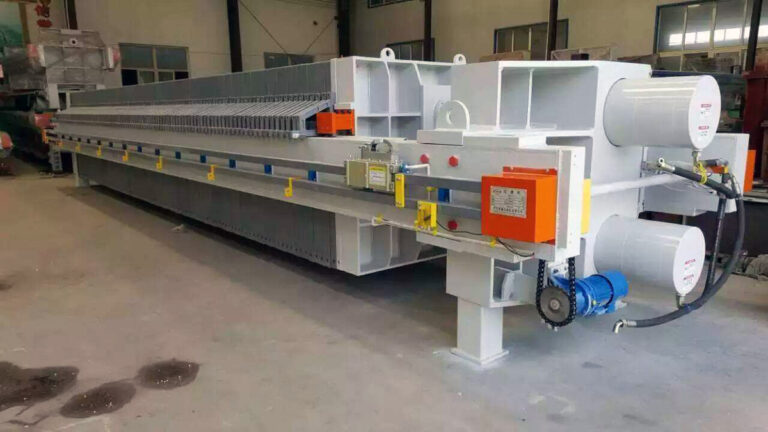
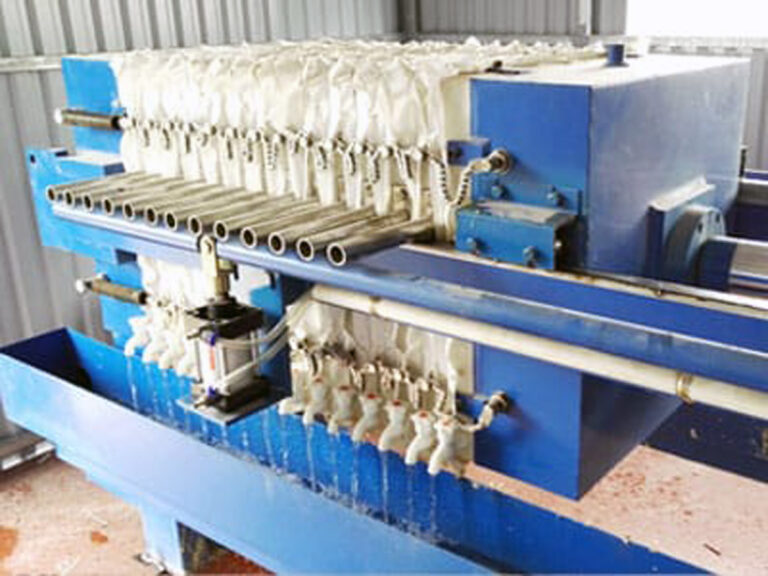
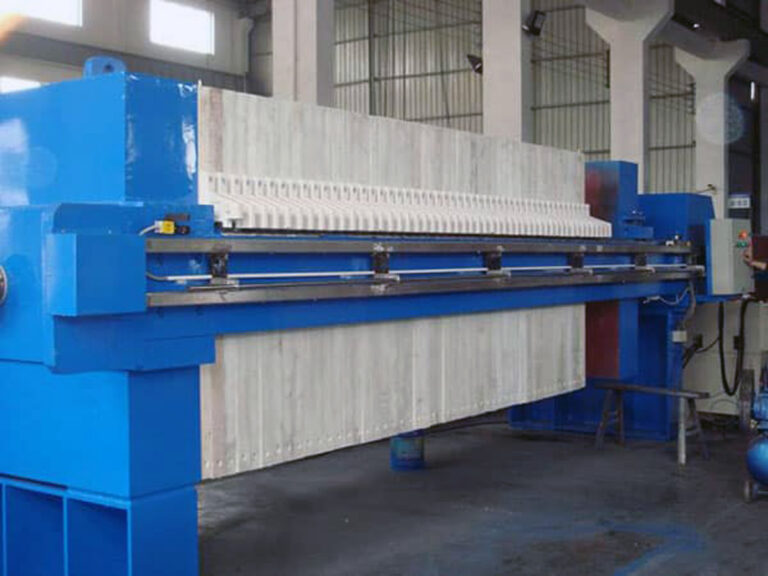
Bir filtre presi basit ama etkili bir parti prensibiyle çalışır: basınçla çalışan katı-sıvı ayrımı. Bir hidrolik silindir, ağır hizmet tipi bir çelik çerçeve içinde bezlerle kaplı bir dizi filtre plakasını sıkıştırır. Bu, bir dizi sızdırmaz oda oluşturur. Tipik olarak pozitif deplasmanlı tipte bir besleme pompası, bulamacı yüksek basınç altında bu bölmelere zorlar. Sıvı filtrat bez ortamından geçerek plakalardaki portlardan çıkarken, katı maddeler tutulur ve kompakt bir filtre keki oluşturmak üzere birikir.
Bulamaçtan Katı Pastaya: Döngü
Operasyonel döngü iş hacmini ve verimliliği tanımlar. Proses, plaka paketinin kapatılması ve mühürlenmesiyle başlar. Yüksek basınçlı bulamaç beslemesi, hazneler katılarla dolana kadar devam eder ve besleme basıncında bir artışla sinyal verilir. Membran plakalar için, su veya hava kullanan ikincil bir sıkma döngüsü membranları şişirerek daha fazla susuzlaştırma için izostatik basınç uygular. Son olarak, pres açılır ve kekler boşaltılır. Besleme, sıkma ve boşaltma adımlarının her biri, döngü süresini ve nihai kek kuruluğunu doğrudan etkileyen optimizasyon noktaları sunar.
Ana Sektörler için Stratejik Çıkarımlar
Bu mekanizma, aşındırıcı mineral ve kil bazlı atıkların yönetimi için temel teşkil etmektedir. Bu temel sürecin verimliliği, bertaraf maliyetleri ve su geri kazanım oranları için temel teşkil eder. Madencilikte, kek kuruluğundaki birkaç puanlık iyileşme, atık depolama hacminde büyük düşüşler anlamına gelir. Seramikte, tutarlı nem içeriği sonraki geri dönüşüm veya bertaraf için kritik öneme sahiptir. Filtre presi yardımcı ekipman değildir; atık minimizasyonu ve kaynak geri kazanımı için birincil varlıktır ve performans parametreleri doğrudan mevzuata uygunluk ve işletme ekonomisine bağlıdır.
Anahtar Filtre Plakası Tipleri: Gömme, Plaka ve Çerçeve ve Membran
Gömme Hazne Plakaları: Susuzlaştırma için Standart
Gömme plakalar en yaygın tasarımdır ve her bir plakanın basık, odacıklı bir yüzeyi vardır. Birbirine kenetlendiğinde, bu girintiler filtre kekinin oluştuğu boşlukları oluşturur. Kek yıkamanın gerekli olmadığı genel susuzlaştırma uygulamaları için sağlam ve uygun maliyetli bir çözümdür. Basitlikleri onları güvenilir kılar, ancak daha gelişmiş tasarımlara kıyasla ultra yüksek katı madde içeriği elde etmek için sınırlı yetenek sunarlar.
Ürün Yıkama için Plaka ve Çerçeve Tasarımları
Plaka ve çerçeve konfigürasyonlarında bir dizi katı plaka ve içi boş çerçeve kullanılır. Bu tasarım kek oluşumu için açık bir alan yaratır ve verimli yıkama döngüleri sağlar. Yıkama sıvısı, tedarik zincirindeki bazı kimyasal veya farmasötik prosesler gibi ürün saflığının veya çözünen madde geri kazanımının hayati önem taşıdığı uygulamalarda çok önemli olan ana likörün yerini alacak şekilde eklenebilir. Bunun karşılığında daha yoğun emek gerektiren bir işlem ve kek hacmi birimi başına tipik olarak daha büyük ekipman ayak izi söz konusudur.
Maksimum Kuruluk için Membran Sıkma Plakaları
Membran plakalar bir veya her iki tarafta esnek bir elastomer membran içerir. İlk besleme döngüsünden sonra membran su veya basınçlı hava ile şişirilerek keke eşit ikincil basınç uygulanır. Bu izostatik sıkıştırma, genellikle gömme plakalardan 5-15% daha az nem içeren önemli ölçüde daha kuru kekler elde edebilir ve gerekli ilk besleme süresini azaltarak döngü sürelerini kısaltabilir. Membran teknolojisine yatırım yapma tercihi, daha yüksek sermaye maliyetine ve biraz daha karmaşık bakıma karşı daha kuru kekin değerinin doğrudan hesaplanmasıdır.
Sonuçlarınız için Doğru Plakayı Seçme
Optimum plaka tipinin seçilmesi birincil proses optimizasyon kaldıracıdır. Bu, sermaye harcamalarını bertaraf maliyeti, ürün değeri ve verim gibi uzun vadeli operasyonel sonuçlarla doğrudan takas eden bir karardır. Sektör spesifikasyonlarına göre performans farklılıkları açıktır. Döngü verilerini karşılaştırdık ve membran plakaların genellikle yüksek hacimli veya suya duyarlı uygulamalarda daha düşük nakliye ücretleri ve gelişmiş su geri kazanımı yoluyla primlerini haklı çıkardığını gördük.
| Plaka Tipi | Birincil Uygulama | Anahtar Avantaj | Tipik Kek Kuruluğu |
|---|---|---|---|
| Gömme Oda | Genel susuzlaştırma | Verimli, ortak tasarım | Standart |
| Plaka ve Çerçeve | Ürün yıkama | Yüksek saflıkta, derinlemesine yıkama | Standart |
| Membran Sıkıştırma | Maksimum kuruluk | İkincil izostatik basınç | Önemli ölçüde daha kuru |
Kaynak: Teknik dokümantasyon ve endüstri spesifikasyonları.
Madencilik, Seramik ve Taş için Teknik Boyutlandırma ve Kapasite
Kapasite Hesaplama: Kek Hacmi Kraldır
Bir filtre presinin boyutlandırılması, fit küp veya litre cinsinden toplam kek hacmi olarak ifade edilen, döngü başına işlenen katı madde hacmi ile başlar. Bu, plaka sayısının ve plaka boyutlarıyla (örneğin 800 mm, 1500 mm, 2000 mm) ilişkili olan her bir plakanın hazne hacminin bir fonksiyonudur. Kolayca gözden kaçan bir ayrıntı, çerçeveye bir genişletme parçasının dahil edilmesidir; bu, tamamen yeni bir pres gerektirmeden gelecekteki üretim artışları için kritik bir ödenektir.
Otomasyon Eşiği
Kapasite, uygulanabilir otomasyonu belirler ve sermaye ile işgücü arasında net bir denge oluşturur. Presleri 50 fit küpün altında olan küçük ölçekli operasyonlarda genellikle manuel plaka kaydırma kullanılır. Ancak madencilik veya seramik alanındaki orta ve büyük ölçekli projelerde tam otomasyon sadece bir seçenek değil, tutarlı, güvenli ve uygun maliyetli 7/24 çalışma için bir gereklilik haline gelir. Manuel bir sisteme 250 ft³'lük bir uygulama için yatırım yapmak stratejik bir hatadır, yüksek işletme maliyetlerini ve işgücü verimliliğinde rekabet dezavantajını garanti eder.
Büyüklüğün Sektör Ölçeğiyle Eşleştirilmesi
Gerekli kapasite hem mevcut iş hacmi hem de gelecekteki ölçeklenebilirlik planlarıyla uyumlu olmalıdır. Yaygın bir hata, başlangıç maliyetinden tasarruf etmek için düşük boyutlandırma yapmaktır; bu da birden fazla paralel prese ve daha yüksek operasyonel karmaşıklığa yol açar. Tersine, aşırı boyutlandırma verimsiz döngülere ve zayıf kek salınımına yol açabilir. Kapasite kararı, operasyonel modelinizi yıllarca kilitler.
| Pres Boyutu (Kek Hacmi) | Otomasyon Seviyesi | Plaka Boyut Aralığı | Endüstri Uyumu |
|---|---|---|---|
| < 50 ft³ | Manuel sistemler | 470mm - 1500mm | Küçük ölçekli operasyonlar |
| 50 - 250 ft³ | Yarı otomatik | 800mm - 1800mm | Orta ölçekli projeler |
| > 250 ft³ | Tam otomasyon | 1500mm - 2000mm+ | Madencilik, büyük ölçekli seramik |
Kaynak: Teknik dokümantasyon ve endüstri spesifikasyonları.
Frame Design and Automation: Sidebar vs. Overhead Beam
Sidebar (EP) Frames: Cost-Effective for Limited Scale
The sidebar, or end-post (EP), frame features two large vertical beams at each end of the plate pack. This design offers a lower initial cost and is well-suited for smaller, manually operated presses. Its primary advantage is ease of expansion; adding plates to increase capacity is straightforward. However, plate shifting and cloth washing are more cumbersome, making it less ideal for large, fully automated systems.
Overhead Beam (QP) Frames: Built for Automation
The overhead beam, or question-post (QP), frame uses a single reinforced beam above the plate pack from which the plates are suspended. This design provides unobstructed access to both sides of the plates, facilitating fast automatic plate shifting, easier cloth washing, and simpler maintenance. It represents a higher initial investment but is the standard for large-scale, continuous operations where speed, reliability, and operator safety are paramount.
The Path Dependency of Frame Choice
This decision creates significant path dependency, locking operations into a specific scalability trajectory. For a mining operation planning decades of service, the overhead beam is typically essential. It integrates seamlessly with fully automatic PLC-controlled cycles, including feeding, squeezing, cake discharge, and even cloth washing. The sidebar frame, while initially cheaper, may limit future automation upgrades and increase long-term labor costs.
| Frame Type | Cost & Scalability | Primary Operation Mode | İçin En İyisi |
|---|---|---|---|
| Sidebar (EP) | Lower cost, easy expansion | Manual plate shifting | Small-to-medium presses |
| Overhead Beam (QP) | Daha yüksek ilk yatırım | Fast automatic shifting | 24/7 large-scale operations |
Kaynak: Teknik dokümantasyon ve endüstri spesifikasyonları.
Selecting Filter Cloth and Plate Materials for Your Slurry
Plate Material Compatibility
Filter plates are most commonly made from polypropylene for its balance of chemical resistance, weight, and cost. However, highly abrasive slurries, elevated temperatures (>80°C), or strongly acidic/alkaline conditions demand alternative materials. Cast iron plates handle abrasion and heat but are susceptible to corrosion. Stainless steel offers superior corrosion resistance for harsh chemical environments. This selection is not an afterthought; compliance and contamination risk must be designed into the equipment from the outset.
Filter Cloth: The Critical Interface
The filter cloth is the functional interface where separation occurs. Polypropylene is the standard fabric, but polyester may be selected for higher temperature resistance or specific chemical compatibility. Fabric weave (e.g., plain, satin, twill) and surface finish are chosen based on particle size, shape, and desired cake release characteristics. A poorly selected cloth will blind quickly, reducing throughput and increasing operational headaches.
The Non-Negotiable of Cloth Management
Beyond initial selection, rigorous cloth management is a core operational discipline. Precoat application with diatomaceous earth is not optional for fine particle slurries; it protects the cloth and improves filtrate clarity. Regular inspection and cleaning protocols, potentially using automated cloth washers, are essential for sustained performance. Industry experts recommend treating cloth life and performance as a key performance indicator, as it directly impacts operational cost and consistency.
| Bileşen | Standard Material | Challenging Slurry Material | Key Selection Driver |
|---|---|---|---|
| Filter Plate | Polipropilen | Nylon, cast iron, stainless steel | Chemical resistance, temperature |
| Filtre Bezi | Polypropylene fabric | Polyester, specialized fabrics | Particle size, shape, chemistry |
Kaynak: ISO 2942:2012. This standard’s methodology for verifying fabrication integrity and detecting bypass leaks is critical for ensuring the leak-tightness and structural integrity of filter plates and cloths, which is paramount for separation efficiency and safety in corrosive or high-pressure applications.
Optimizing Operation: Feed Systems, Core Blow, and Precoat
The Feed System: Maintaining Constant Pressure
A positive displacement pump, such as a diaphragm or piston pump, is non-negotiable for efficient filter press operation. Unlike centrifugal pumps, it provides a constant flow against the increasing resistance of the forming cake, ensuring shorter cycle times and more consistent cake formation. The pump must be sized to deliver the required pressure, often up to 225 psi (15 bar) or higher for final pressing stages.
Core Blow and Air Drying
At the end of the feed cycle, residual liquid remains in the feed channels within the plates. A core blow cycle introduces compressed air to evacuate this liquid, delivering a measurably drier final cake. This step is critical for maximizing water recovery and minimizing weight. The integrity of the plate feed ports and seals during this pressurized air blow is essential, relating directly to principles of pressure containment found in standards like ISO 2941:2014.
Precoat and the Ancillary Ecosystem
For slurries with fine, compressible, or gelatinous particles, a precoat system is vital. It deposits a layer of inert material (e.g., diatomaceous earth) on the cloth before filtration, preventing blinding and protecting the medium. Optimizing operation means viewing the press not in isolation but as the center of a “cake handling ecosystem.” Neglecting to budget for integrated accessories—automatic cloth washers, drip trays, cake conveyors, and filtrate tanks—creates bottlenecks, safety hazards, and undermines the ROI of the core asset.
| Auxiliary System | Standard Component | Amaç | Critical For |
|---|---|---|---|
| Feed System | Positive displacement pump | Constant feed pressure | All operations |
| Core Blow | Compressed air system | Evacuates residual liquid | Drier cake |
| Precoat | Diatomaceous earth layer | Protects cloth, improves clarity | Fine particle slurries |
Kaynak: ISO 2941:2014. The burst pressure rating principles for filter element housings are directly relevant to validating the integrity of filter press feed systems and chambers under the operational pressures required for efficient dewatering and core blow cycles.
Industry-Specific Applications and Implementation Notes
Mining and Tailings: Abrasion and Water Recovery
In mining, the primary challenges are extreme abrasion and the strategic imperative of water recovery. Presses require robust construction, often with hardened plate materials. Membrane plates are frequently specified to achieve the highest possible cake dryness, reducing tailings storage volume and reclaiming process water—a critical value driver in water-stressed regions. The system must be fully automated to handle continuous operation.
Ceramics and Clay Processing: Consistency and Compatibility
For ceramics, slurry chemistry is key. Plate and cloth materials must be compatible with deflocculants and other additives. Consistent cake moisture is vital whether the cake is destined for landfill or reintroduction into the production process. The need for wash cycles to recover valuable materials may dictate a plate and frame configuration for certain specialty applications.
Stone Processing: Dust Control and Waste Reduction
In stone processing, such as granite or quartz slab production, the filter press performs a dual function. The closed system effectively contains hazardous crystalline silica dust during dewatering. Simultaneously, producing a dry, solid cake dramatically reduces the weight and cost of waste disposal. This reframes the equipment from a waste handler to a critical component for environmental health, safety compliance, and cost control. For a detailed look at systems designed for these demanding environments, review industrial filtration equipment specifications.
A Step-by-Step Framework for Filter Press Selection
Step 1: Define Process Requirements
Begin with a rigorous analysis of the slurry: solids concentration, particle size distribution, pH, temperature, and abrasiveness. Quantify the required daily solids throughput and define the target cake dryness percentage. These parameters are non-negotiable inputs that drive every subsequent decision.
Step 2: Select Plate Type and Frame Design
Map your process requirements to the plate type. Is maximum dryness (membrane), product washing (plate & frame), or cost-effective dewatering (recessed) the priority? Then, determine the frame design based on your capacity and automation vision from the sizing analysis. This step locks in the core machine configuration.
Step 3: Specify Materials and Ancillary Systems
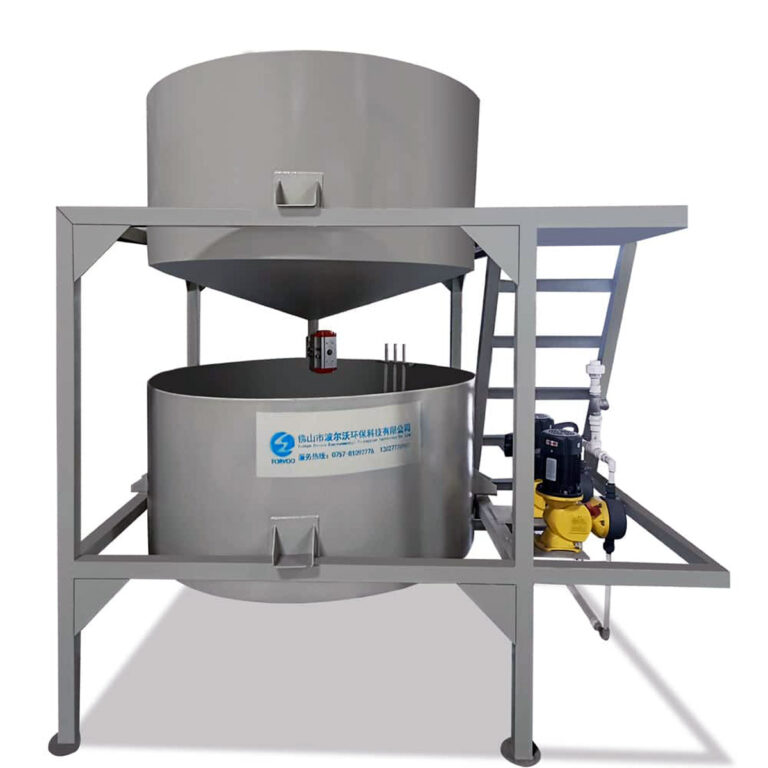
Choose plate and cloth materials based on the slurry’s chemical and physical characteristics. Then, design the complete support system: feed pump, core blow compressor, precoat system, cake discharge conveyors, and cloth washer. This “ecosystem” view prevents costly oversights.
Step 4: Evaluate Vendors on Total System Performance
Finally, evaluate suppliers not just on the press price, but on their engineering support, ability to deliver a optimized, integrated system, and the reliability of their aftermarket service network. The market is shifting toward vendors who can guarantee total system performance and provide long-term operational support.
The selection process hinges on three interconnected priorities: aligning plate technology with your specific cake dryness goal, choosing a frame and automation level that matches your operational scale and labor model, and specifying construction materials that ensure longevity against your slurry’s chemical and physical demands. This technical framework moves the decision beyond simple equipment procurement to strategic process design.
Need professional guidance to specify a filter press system that meets your mining, ceramics, or stone processing challenges? The engineers at PORVOO can help translate your process data into an optimized technical specification.
Sıkça Sorulan Sorular
Q: How do you choose between recessed, membrane, and plate & frame filter plates for a mining application?
A: Your choice directly targets specific dewatering outcomes. Recessed plates are efficient for general slurry dewatering. Membrane plates apply secondary isostatic pressure for a significantly drier cake, maximizing water recovery—a key value in water-stressed regions. Plate and frame designs facilitate thorough cake washing but require more manual labor. This means operations prioritizing ultimate dryness and water reuse should specify membrane plates, while those needing product purity may accept the operational cost of a plate and frame system.
Q: What is the relationship between filter press capacity, automation, and long-term operational cost?
A: Capacity, defined by plate dimensions and count, dictates your feasible automation level and creates a capital vs. labor trade-off. Smaller units under 50 cubic feet often use manual systems, while larger presses exceeding 250 cubic feet mandate full automation to be viable. For core industries like mining, advanced automation is becoming the default for continuous operations. If your project involves medium-to-large volumes, investing in a manual system risks premature obsolescence and locks in higher long-term labor costs, undermining ROI.
Q: When is an overhead beam frame design essential versus a sidebar frame for a filter press?
A: The frame design creates a critical path dependency for operational scalability. A sidebar frame offers lower cost and is suitable for small-to-medium presses with manual plate shifting. An overhead beam frame supports faster automatic plate shifting, simplifies maintenance, and provides better ergonomics. This means facilities planning for 24/7 operations, like in large-scale mining or ceramics, should prioritize the overhead beam design, as it integrates seamlessly with fully automated, PLC-controlled cycles for feeding, squeezing, and cake discharge.
Q: How do industry standards for hydraulic filter integrity apply to filter press design and validation?
A: Standartlar gibi ISO 2942:2012 for verifying fabrication integrity and detecting bypass leaks provide critical methodologies for ensuring the leak-tightness of filter press chambers and membrane plates. Furthermore, ISO 2941:2014 outlines test methods for burst pressure ratings, which are directly relevant to validating that plates and frames can withstand operational pressures. This means engineers specifying or validating filter presses should apply these hydraulic system principles to ensure separation efficiency, safety, and structural reliability under load.
Q: What auxiliary systems are non-negotiable for optimizing filter press performance and safety?
A: Sustained performance requires a complete “cake handling ecosystem.” This includes a positive displacement pump for constant feed pressure, a core blow system using compressed air for final cake dryness, and often a precoat system for fine particles. Neglecting integrated accessories like automatic cloth washers, drip trays, and cake conveyors creates operational bottlenecks and safety hazards. For projects where ROI depends on consistent throughput and dry cake, you must budget for these ancillary components from the outset, not as afterthoughts.
Q: How does filter cloth and plate material selection manage compliance and contamination risk?
A: Material choice is a primary design control for regulatory and purity constraints. While polypropylene is common for plates, highly abrasive or acidic slurries may require cast iron or stainless steel. Cloth fabric (e.g., polyester, polypropylene) is selected based on particle size and slurry chemistry. This means compliance in sensitive applications cannot be managed by procedure alone; it must be engineered into the equipment. If your process handles aggressive chemistries or has strict product purity requirements, material compatibility becomes a critical vendor selection criterion.
Q: What is the first step in a disciplined framework for selecting a new filter press system?
A: The foundational step is a thorough analysis of your specific slurry characteristics and a clear definition of required process outcomes, primarily final cake dryness and processing capacity. All subsequent decisions on plate type, automation, and materials depend on this baseline data. This means before engaging vendors, you should conduct representative lab testing to quantify slurry behavior under pressure, as guessing these parameters leads to undersized or inefficient system selection and costly operational adjustments later.