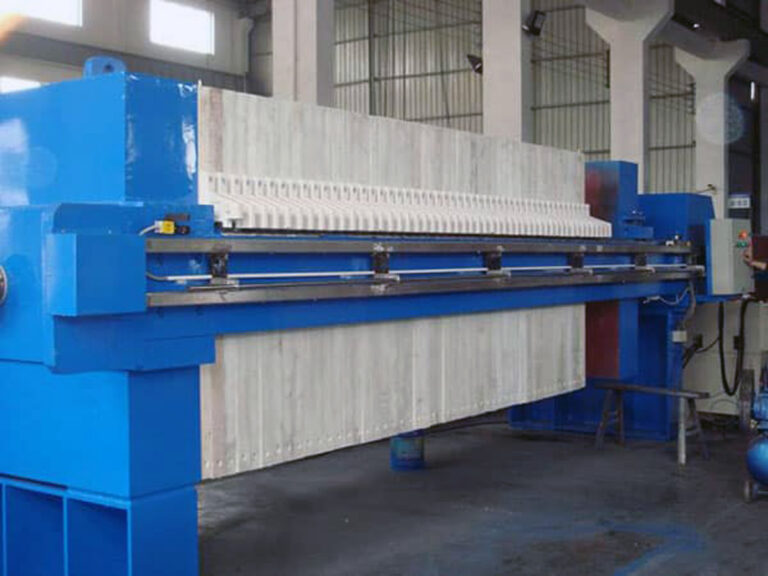
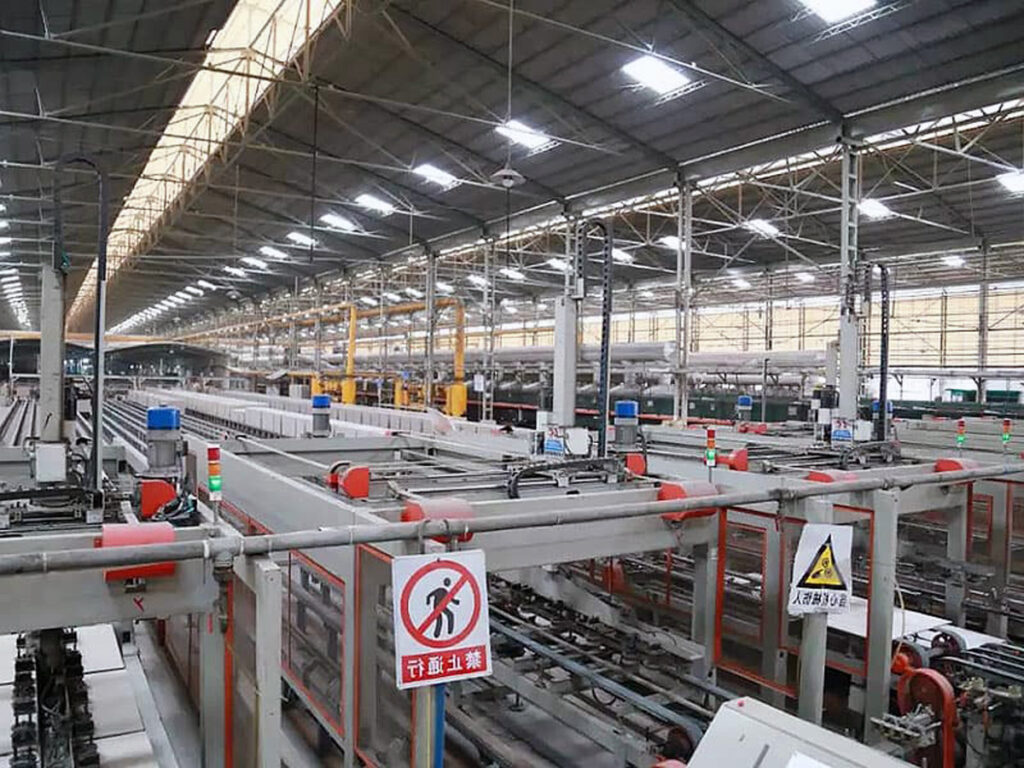
Endüstriyel tesisler, operasyonel verimliliği optimize ederken hava kalitesini korumak için artan bir baskıyla karşı karşıyadır. Geleneksel toz toplama sistemleri izole bir şekilde çalışır, manuel izleme ve reaktif bakım gerektirir, bu da beklenmedik düşüşlere, aşırı enerji tüketimine ve potansiyel mevzuat ihlallerine yol açar. Bu modası geçmiş yaklaşımlar, toz birikiminin maliyetli ekipman arızalarına veya çevresel uyumluluk sorunlarına dönüşebileceği kör noktalar yaratır.
Yetersiz toz yönetiminin sonuçları basit bakım sorunlarının çok ötesine uzanır. Tesisler çevre kurumlarından önemli para cezaları alma riskiyle karşı karşıya kalır, işçi güvenliği ihlalleriyle karşılaşır ve saat başına binlerce dolara mal olabilecek üretim kesintileri yaşar. Sistem performansına ilişkin gerçek zamanlı görünürlük olmadan, bakım ekipleri sorunlar kritik hale gelene kadar esasen kör uçmaktadır.
Akıllı toz toplama teknolojisi, reaktif bakımı öngörücü optimizasyona dönüştürerek kapsamlı bir çözüm sunar. Bu makalede akıllı izleme sistemlerinin, otomatik kontrollerin ve veriye dayalı içgörülerin tesisinizin toz yönetimi yaklaşımında nasıl devrim yaratabileceği, uyumluluğu nasıl sağlayabileceği ve verimliliği nasıl en üst düzeye çıkarabileceği ele alınmaktadır.
Akıllı Toz Toplama Teknolojisi Nedir ve Neden Önemlidir?
PORVOO geleneksel toz toplamanın Nesnelerin İnterneti sensörlerinden, bulut bilişimden ve gelişmiş analitiklerden yararlanan akıllı, bağlantılı sistemlere evrimini temsil eder. Önceden ayarlanmış programlara göre çalışan geleneksel sistemlerin aksine, akıllı toz toplama teknolojisi, performans parametrelerini sürekli olarak izler ve gerçek koşullara göre işlemleri gerçek zamanlı olarak ayarlar.
Temel Teknoloji Bileşenleri
Akıllı toz toplama sistemleri, kapsamlı izleme ağları oluşturmak için birden fazla algılama teknolojisini entegre eder. Basınç farkı sensörleri filtre yükleme koşullarını takip ederken, partikül madde sensörleri toplama verimliliğini ölçer. Titreşim monitörleri ekipman aşınma modellerini tespit eder ve güç tüketimi ölçüm cihazları enerji optimizasyon fırsatlarını belirler.
Sistemin zekası, birden fazla sensörden gelen verileri aynı anda ilişkilendirme yeteneğinde yatmaktadır. Örneğin, basınç sensörleri filtrelerdeki fark basıncının yükseldiğini gösterdiğinde, sistem otomatik olarak darbeli temizleme dizilerini başlatabilir veya kritik eşiklere ulaşılmadan önce bakım ekiplerini uyarabilir.
Operasyonlar Üzerindeki Gerçek Dünya Etkisi
Bir ahşap işleme tesisinde yakın zamanda gerçekleştirilen bir uygulama, akıllı teknoloji entegrasyonunun somut faydalarını ortaya koymuştur. Tesis, ilk altı ay içinde beklenmedik duruş süresini 78% azaltırken, optimize edilmiş fan çalışma programları sayesinde enerji tüketimini 23% azalttı.
| Geleneksel Sistem | Akıllı IoT Sistemi | İyileştirme |
|---|---|---|
| 48 saat ortalama kesinti süresi/ay | 10 saat ortalama kesinti süresi/ay | 79% azaltma |
| Manuel filtre değişim zamanlaması | Tahmine dayalı değiştirme uyarıları | 35% daha uzun filtre ömrü |
| Sabit hızda çalışma | Değişken hız optimizasyonu | 25% enerji tasarrufu |
IoT Entegrasyonu Geleneksel Toz Toplama Sistemlerini Nasıl Dönüştürüyor?
IoT toz toplama sistemleri sürekli iletişim kuran akıllı cihazlardan oluşan birbirine bağlı ağlar oluşturarak tesislerin hava kalitesini yönetme şeklini temelden değiştirir. Bu bağlantı, endüstriyel tesisler genelinde sistem performansı ve çevresel koşullar hakkında benzeri görülmemiş bir görünürlük sağlar.
Kablosuz Sensör Ağları
Modern IoT uygulamaları, sensörlerin zorlu endüstriyel ortamlarda bile iletişim kurmasına olanak tanıyan örgü ağ protokollerini kullanır. Bu kablosuz ağlar, veri güvenilirliğini sağlayan yedek iletişim yolları sunarken kapsamlı kablolama ihtiyacını ortadan kaldırır.
Uç bilişim özellikleri, kritik verileri yerel olarak işleyerek bulut tabanlı analizi beklemeden tehlikeli koşullara anında yanıt verilmesini sağlar. Partikül konsantrasyonları güvenli eşikleri aştığında, yerel kontrolörler anında toplama oranlarını artırabilir veya acil durum protokollerini tetikleyebilir.
Bulut Tabanlı Analitik Platformu
IoT entegrasyonunun gerçek gücü, insan operatörlerin göremediği kalıpları tanımlamak için büyük miktarda sensör verisini işleyen bulut tabanlı analitik sayesinde ortaya çıkar. Makine öğrenimi algoritmaları, optimum bakım zamanlamasını tahmin etmek ve ortaya çıkan verimlilik sorunlarını belirlemek için geçmiş performans verilerini analiz eder.
Endüstriyel IoT Konsorsiyumu'nun araştırmasına göre, kapsamlı IoT toz toplama izlemesi uygulayan tesisler, uygulamanın ilk yılında ortalama 32% verimlilik artışı bildiriyor.
Mevcut Sistemlerle Entegrasyon
Akıllı toz toplama teknolojisi, mevcut bina yönetim sistemleri ve üretim yürütme sistemleri ile sorunsuz bir şekilde entegre olur. Bu entegrasyon, toz toplama performansının üretim programlarına ve çevresel koşullara otomatik olarak yanıt vermesini sağlar.
Akıllı Toz Kontrol Teknolojisinin Temel Bileşenleri Nelerdir?
Akıllı toz kontrol teknolojisi Otonom izleme ve optimizasyon yetenekleri oluşturmak için birlikte çalışan donanım, yazılım ve bağlantı bileşenlerini kapsar. Bu bileşenlerin anlaşılması, tesislerin sistem yükseltmeleri ve uygulamaları hakkında bilinçli kararlar almasına yardımcı olur.
Gelişmiş Sensör Teknolojisi
Modern sensör dizileri, kapsamlı sistem sağlığı izleme sağlamak için basit basınç ölçümlerinin çok ötesine geçer. Optik partikül sayaçları toz konsantrasyonunu gerçek zamanlı olarak ölçerken, lazer tabanlı sensörler partikül boyutu dağılımını tespit eder. Sıcaklık sensörleri, özellikle yanıcı maddelerin işlendiği tesislerde önemli olan yangın tehlikelerini önlemek için filtre sıcaklıklarını izler.
Ultrasonik sensörler filtre torbalarındaki kek kalınlığını ölçerek temizleme döngülerini optimize etmek için hassas veriler sağlar. Bu ayrıntı düzeyi, sistemlerin en yüksek toplama verimliliğini korumasına ve optimize edilmiş bakım planlamasıyla filtre ömrünü uzatmasına olanak tanır.
Akıllı Kontrol Sistemleri
Yapay zeka algoritmaları ile donatılmış programlanabilir mantık kontrolörleri, otonom operasyonel kararlar almak için sensör verilerini analiz eder. Bu kontrolörler fan hızlarını ayarlayabilir, darbeli temizleme dizilerini optimize edebilir ve tüm tesislerde tutarlı performansı korumak için birden fazla toplama noktasını koordine edebilir.
Kontrol sistemleri zaman içinde operasyonel modellerden öğrenir ve optimum çalışma koşullarını tahmin etmede giderek daha etkili hale gelir. Üretim tesisleriyle çalışma deneyimimize göre, bu öğrenme yetenekleri tipik olarak uygulamadan sonraki 90 gün içinde ölçülebilir gelişmeler göstermektedir.
Veri Görselleştirme ve Analitik
Kapsamlı gösterge panoları, operatörlere sistem performansını izlemek ve optimizasyon fırsatlarını belirlemek için sezgisel arayüzler sağlar. Gerçek zamanlı uyarılar, gelişmekte olan sorunları operasyonları etkilemeden önce bakım ekiplerine bildirir.
Gelişmiş analitik platformları, üretim faaliyetleri ile toz üretim modelleri arasındaki korelasyonları belirleyerek toplama stratejilerinde proaktif ayarlamalar yapılmasını sağlar. Bu bilgiler, tesislerin hem üretim süreçlerini hem de çevresel kontrol sistemlerini aynı anda optimize etmesine yardımcı olur.
Endüstriyel Ortamlarda Otomatik Toz Toplama İzleme Nasıl Uygulanır?
Otomatik toz toplama izleme mevcut operasyonlarla başarılı bir entegrasyon sağlamak için stratejik planlama ve aşamalı uygulama gerektirir. Uygulama süreci, kapsamlı izleme kabiliyetleri oluşturmak için birbiri üzerine inşa edilen değerlendirme, tasarım, kurulum ve optimizasyon aşamalarını içerir.
Sistem Değerlendirmesi ve Tasarımı
Begin with comprehensive auditing of existing dust collection infrastructure to identify integration points and upgrade requirements. This assessment should include airflow mapping, current sensor locations, and communication infrastructure evaluation.
Design considerations must account for the specific challenges of your industrial environment. Facilities processing abrasive materials require ruggedized sensors, while chemical processing environments may need explosion-proof enclosures for electronic components.
Sensor Deployment Strategy
Strategic sensor placement maximizes monitoring effectiveness while minimizing installation complexity. Critical monitoring points include filter inlet and outlet locations, main ductwork branches, and equipment housing areas.
A phased deployment approach allows facilities to validate system performance and refine configurations before full-scale implementation. Start with the most critical production areas and expand monitoring coverage as operational benefits become apparent.
| Implementation Phase | Süre | Kilit Faaliyetler | Success Metrics |
|---|---|---|---|
| Assessment | 2-3 weeks | System audit, design planning | Baseline performance data |
| Pilot Installation | 4-6 weeks | Critical area sensor deployment | 15% efficiency improvement |
| Full Deployment | 8-12 weeks | Facility-wide implementation | Comprehensive monitoring coverage |
| Optimization | Ongoing | Algorithm refinement, expansion | Continuous performance gains |
Training and Change Management
Successful implementation requires comprehensive training programs that help operations and maintenance staff understand new monitoring capabilities. Focus training on interpreting dashboard data, responding to automated alerts, and leveraging predictive maintenance insights.
Change management strategies should emphasize how automated monitoring enhances rather than replaces human expertise. Experienced maintenance technicians bring valuable knowledge that complements automated systems to optimize overall facility performance.
What Benefits Do Digital Dust Management Solutions Offer?
Digital dust management solutions deliver quantifiable improvements across operational efficiency, regulatory compliance, and cost management. These benefits compound over time as systems learn from operational patterns and optimize performance continuously.
Operational Excellence Achievements
Predictive maintenance capabilities reduce unplanned downtime by identifying developing issues weeks before they would typically manifest as equipment failures. Filter life optimization through automated cleaning cycles extends replacement intervals while maintaining peak collection efficiency.
Energy optimization through variable speed fan control and demand-based operation reduces power consumption significantly. A textile manufacturing facility we worked with achieved 28% reduction in dust collection energy costs through intelligent speed control based on production schedules and ambient conditions.
Regulatory Compliance Automation
Automated compliance reporting eliminates manual data collection and reduces the risk of regulatory violations. Continuous monitoring provides documentary evidence of environmental performance that satisfies regulatory requirements while identifying optimization opportunities.
Real-time alerts for emission threshold exceedances enable immediate corrective action before violations occur. This proactive approach protects facilities from fines while demonstrating commitment to environmental stewardship.
Financial Impact and ROI
The financial benefits of digital dust management typically become apparent within 6-12 months of implementation. Energy savings, reduced maintenance costs, and elimination of regulatory penalties contribute to rapid return on investment.
Long-term benefits include extended equipment life through optimized operation and predictive maintenance. Insurance premiums may decrease due to improved safety records and reduced environmental liability risks.
What Challenges Should You Consider When Adopting Smart Environmental Equipment?
While smart environmental equipment offers substantial benefits, successful implementation requires addressing several technical and organizational challenges. Understanding these limitations helps facilities develop realistic implementation timelines and budgets.
Technical Integration Complexity
Legacy equipment integration can present significant challenges, particularly in facilities with diverse equipment vintages and communication protocols. Retrofitting older systems may require additional hardware or protocol conversion devices to enable IoT connectivity.
Wireless communication reliability in industrial environments requires careful planning and potentially redundant communication paths. Metal structures and electromagnetic interference can impact signal quality, necessitating professional site surveys and antenna placement optimization.
Cybersecurity Considerations
Connected systems introduce cybersecurity risks that facilities must address through comprehensive security protocols. Network segmentation, encryption, and access control measures protect operational systems from potential cyber threats.
Regular security updates and vulnerability assessments become essential maintenance activities. While these requirements add complexity, they’re necessary for protecting both operational systems and sensitive production data.
Staff Training and Adaptation
Successful adoption requires significant investment in staff training and change management. Maintenance technicians need to develop new skills in data interpretation and digital system troubleshooting.
The transition period may initially reduce efficiency as staff adapt to new workflows and monitoring procedures. However, facilities that invest adequately in training typically see productivity improvements that exceed pre-implementation levels within six months.
How to Choose the Right IoT Dust Collection Systems for Your Facility?
Uygun seçim IoT toz toplama sistemleri requires careful evaluation of facility requirements, existing infrastructure, and long-term operational goals. The decision process should prioritize compatibility, scalability, and vendor support capabilities.
Assessment Framework
Begin with comprehensive evaluation of current dust collection performance and identification of specific improvement objectives. Quantify existing maintenance costs, energy consumption, and downtime incidents to establish baseline metrics for system selection.
Consider future expansion plans and production changes that might affect dust collection requirements. Scalable systems accommodate facility growth without requiring complete infrastructure replacement.
Vendor Evaluation Criteria
Evaluate potential vendors based on technical expertise, integration experience, and ongoing support capabilities. Look for providers with proven track records in your specific industry and application requirements.
Support infrastructure becomes critical for maintaining system performance over time. Vendors should provide comprehensive training, technical support, and regular system updates to maintain optimal performance.
Implementation Planning
Develop detailed implementation timelines that account for production schedules and minimize operational disruption. Coordinate installation activities with planned maintenance shutdowns when possible.
Consider partnering with experienced industrial dust collection specialists who can provide comprehensive solutions from assessment through ongoing optimization.
The future of industrial dust collection lies in intelligent, connected systems that optimize performance automatically while providing unprecedented visibility into environmental control processes. Smart dust collection technology represents a fundamental shift from reactive maintenance to predictive optimization, delivering measurable improvements in efficiency, compliance, and cost management.
Key implementation considerations include comprehensive assessment of existing infrastructure, strategic sensor deployment, and adequate investment in staff training and change management. While initial complexity and cybersecurity requirements present challenges, facilities that successfully implement IoT dust collection systems typically achieve return on investment within 12 months.
The technology continues evolving rapidly, with emerging capabilities in artificial intelligence and machine learning promising even greater optimization potential. Facilities considering upgrades should evaluate current system performance against smart technology benefits and develop implementation strategies that align with long-term operational goals.
For facilities ready to transform their dust collection capabilities, partnering with experienced providers ensures successful implementation and ongoing optimization. Consider exploring comprehensive industrial solutions that integrate seamlessly with existing operations while delivering measurable performance improvements.
What specific dust collection challenges does your facility face, and how might smart monitoring technology address those operational pain points?
Sıkça Sorulan Sorular
Q: What is Smart Dust Collection Technology, and how does it integrate with IoT?
A: Smart Dust Collection Technology refers to the use of tiny sensors, often called Smart Dust, that can be deployed in various environments to collect data. When integrated with the Internet of Things (IoT), this technology enables real-time data collection and transmission, creating a vast network of micro-scale sensors. This integration is crucial for monitoring and managing complex systems, such as industrial dust collection systems, allowing for more efficient and cost-effective operations.
Q: How does IoT integration improve Smart Dust Collection Technology?
A: IoT integration enhances Smart Dust Collection Technology by enabling real-time monitoring and control of dust collection systems. It allows for the use of advanced data analytics and machine learning algorithms to process data, detect anomalies, and predict maintenance needs. This results in optimized system performance, reduced downtime, and increased efficiency in dust collection processes.
Q: What are the benefits of using Smart Dust Collection Technology IoT Integration in industrial settings?
A: The benefits of using Smart Dust Collection Technology IoT Integration in industrial settings include:
- Gerçek Zamanlı İzleme: Continuous monitoring of dust collection systems to ensure optimal performance.
- Predictive Maintenance: Early detection of potential issues to prevent costly downtime.
- Enerji Verimliliği: Optimization of energy use through real-time data analysis.
- Maliyet Tasarrufu: Reduced operational costs by optimizing system performance and reducing waste.
Q: Can Smart Dust Collection Technology IoT Integration be applied beyond industrial settings?
A: Yes, Smart Dust Collection Technology IoT Integration can be applied beyond industrial settings. It can be used in various environments, such as smart homes and cities, to monitor and manage air quality and other environmental parameters. This versatility makes it a valuable tool for improving air quality and reducing environmental impacts in multiple sectors.
Q: How does Smart Dust Collection Technology IoT Integration contribute to sustainability?
A: Smart Dust Collection Technology IoT Integration contributes to sustainability by enhancing the efficiency and effectiveness of dust collection systems. It helps in reducing emissions by optimizing system performance and minimizing dust release. Additionally, it supports predictive maintenance, which can extend equipment lifespan and reduce waste, aligning with broader sustainability goals.
Q: What role does data analytics play in Smart Dust Collection Technology IoT Integration?
A: Data analytics plays a crucial role in Smart Dust Collection Technology IoT Integration by enabling the processing of vast amounts of data generated by Smart Dust sensors. Advanced analytics and machine learning algorithms help in detecting patterns, predicting maintenance needs, and optimizing system performance. This ensures that dust collection systems operate at their best, contributing to improved efficiency and reduced environmental impact.
Dış Kaynaklar
Revolutionizing Dust Collection: Integrating IoT for Real-Time Monitoring – VilloTech – Explores how integrating IoT into dust collection systems enables real-time monitoring, predictive maintenance, and improved workplace safety in industrial environments.
Smart Dust: Micro-Scale Sensors For Big Data – Quantum Zeitgeist – Details the integration of smart dust technology with IoT, enabling vast sensor networks for real-time environmental and system data collection, analytics, and optimization.
Smart Dust Technology: What is It & How Does it Work? | EdTech Magazine – Provides a comprehensive overview of smart dust as microelectromechanical systems (MEMS) and discusses their impact when combined with IoT for monitoring in various sectors.
Smart Dust – The Future of Global IoT – Forescout – Examines the concept of smart dust, its potential for massive IoT sensor deployment, and implications for environmental and equipment monitoring.
How Will Smart Dust Impact Cybersecurity? – IoT For All – Discusses the security implications and challenges of integrating smart dust with IoT platforms, particularly in sensitive industrial and commercial applications.
Smart Dust Collection and Industry 4.0: Integration with IoT – Analyzes how smart dust collection technology leverages IoT connectivity for adaptive filtering, automated alerts, and compliance monitoring in manufacturing and processing environments.