İnce partikül emisyonlarını hedefleyen endüstriyel operasyonlar için, tek ve çok siklonlu toz toplama sistemleri arasındaki seçim kritik, yüksek riskli bir mühendislik kararıdır. Yaygın yanlış kanı, bir siklonun basit, düşük maliyetli bir separatör olan bir siklon olduğudur. Bu, özellikle 5-20 mikron aralığındaki partiküller için bu iki mimari arasındaki temel performans uçurumunu göz ardı eder. Yanlış sistemin seçilmesi uyumluluk hatalarına, aşırı aşağı akış filtreleme maliyetlerine ve operasyonel verimsizliğe yol açabilir.
Çevresel düzenlemeler küresel olarak sıkılaştıkça ve operasyonel maliyet baskıları yoğunlaştıkça bu ayrıma dikkat etmek çok önemlidir. İnce partikül madde, özellikle PM2.5 ve PM10, daha sıkı kontrollerle karşı karşıyadır. Bir sistemin bu fraksiyonu verimli bir şekilde yakalama kabiliyeti, ikincil parlatma ekipmanına yapılan sermaye harcamasını ve uzun vadeli enerji tüketimini doğrudan etkiler. Bu analiz, temel özelliklerin ötesine geçerek toplam sahip olma maliyetini ve sağlam sermaye planlaması için gerekli olan performansa dayalı bir çerçeveyi ortaya koymaktadır.
Tek ve Çoklu Siklon: Temel Farklılıklar Açıklandı
Mimari Bölünme
Temel fark boyut değil, temel tasarım felsefesidir. Tek bir büyük siklon, parçacıkları ayırmak için geniş çaplı bir girdap kullanarak birleştirilmiş kuvvet prensibine göre çalışır. Basitliği, kaba malzeme için gücüdür, ancak daha büyük çapı doğal olarak dönme hızını ve santrifüj kuvvetini sınırlar. Buna karşılık, çoklu siklon sistemi paralel küçük çaplı tüplerden oluşan bir dizidir. Bu tasarım toplam gaz akışını bölerek çok daha büyük merkezkaç kuvvetleri oluşturan çok sayıda sıkı, yüksek hızlı girdaplar oluşturur. Bu artımlı bir iyileştirme değil, farklı bir çalışma rejimidir.
İnce Parçacık Yakalamanın Fiziği
Yönetim prensibi basittir: santrifüj kuvveti girdabın yarıçapı ile ters orantılıdır. Daha küçük boru çapları daha yüksek kuvvetler anlamına gelir, bu da doğrudan daha düşük bir kesme noktası (d50) ve ince partiküller için üstün yakalama verimliliği anlamına gelir. Tek bir siklonun verimlilik eğrisi 20 mikronun altında dik bir şekilde düşerken, çoklu siklonun eğrisi 5-20 mikron bandı boyunca yüksek kalır. Sektör uzmanları, tasarımları bu zorluk için optimize edildiğinden, özellikle partikül boyutu dağılımı (PSD) bu 20 mikron altı aralıkta önemli bir fraksiyon gösterdiğinde çoklu siklon dizilerini önermektedir.
Uygulama Odaklı Tasarım Mantığı
Seçim, sistemin tüm operasyonel profilini belirler. Tekli siklonlar, genellikle zorlu birincil ayırma rollerinde sağlamlık ve yüksek toz yükü toleransı için tasarlanmıştır. Çoklu siklon sistemleri, kazan veya fırın egzozu gibi büyük gaz hacimlerinden ince partikül yakalamada hassasiyet ve verimlilik için tasarlanmıştır. Sıklıkla gözden kaçan bir ayrıntı, çoklu siklondaki tüm tüpler arasında hassas akış dağılımı gerekliliğidir; yanlış dağılım lokal aşınmaya ve yıkıcı verimlilik kaybına neden olabilir, bu da uygun giriş plenumu tasarımını tartışılmaz hale getirir.
Maliyet Karşılaştırması: Sermaye, İşletme ve Toplam Sahip Olma Maliyeti
Ön ve Operasyonel Giderlerin Analizi
İlk maliyet analizi genellikle yanıltıcı bir şekilde tek siklonu tercih eder. Daha az bileşen ve daha az karmaşık imalat ile daha basit yapısı, tipik olarak daha düşük bir sermaye harcaması (CAPEX) ile sonuçlanır. İşletme maliyetleri de genellikle daha düşük sistem basınç düşüşü nedeniyle daha düşük görünür ve bu da fan enerji gereksinimlerini azaltır. Ancak bu yüzeysel karşılaştırma eksiktir ve maliyetli bir hata olabilir.
Verimsizliğin Gizli Maliyetleri
Gerçek ekonomik tablo, toplam sahip olma maliyeti (TCO) analizinden ortaya çıkar. Tek bir siklonun ince partiküller üzerindeki verimsizliği, emisyon hedeflerini karşılamak için genellikle daha büyük, daha pahalı bir aşağı akış filtreleme sistemi (örneğin bir torbalı ev veya kartuş filtre) gerektirir. Entegre sistem tasarımı üzerine yapılan araştırmalara göre, bu ikincil ekipmanın maliyeti genellikle birincil kolektördeki ilk tasarrufları gölgede bırakmaktadır. Çoklu siklon, daha yüksek CAPEX ve potansiyel olarak daha yüksek fan enerji maliyetlerine sahip olsa da, oldukça etkili bir ön temizleyici görevi görür. Bu da nihai parlatma filtresinin toz yükünü ve dolayısıyla boyutunu ve maliyetini önemli ölçüde azaltabilir.
Stratejik Finansal Karar Alma
Bunun stratejik anlamı açıktır: maliyeti sadece ekipman fiyatına göre değil, performans sonucuna göre değerlendirin. Aşağıdaki tablo temel finansal farklılaştırıcıları ortaya koymaktadır.
| Maliyet Bileşeni | Tek Büyük Siklon | Çoklu Siklon Sistemi |
|---|---|---|
| Sermaye Harcamaları (CAPEX) | Daha düşük | Daha yüksek |
| İşletme Maliyeti (Fan Enerjisi) | Daha düşük basınç düşüşü | Daha yüksek basınç düşüşü |
| Aşağı Akış Ekipman İhtiyacı | Genellikle ikincil filtreleme gerektirir | İkincil ekipman boyutunu azaltabilir |
| Toplam Sahip Olma Maliyeti (TCO) | Para cezaları ile daha yüksek olabilir | Cezalar için genellikle daha ekonomiktir |
Kaynak: Teknik dokümantasyon ve endüstri spesifikasyonları.
Hangi Sistem Daha Fazla 5-20 Mikron Partikül Yakalar?
Multi-Cyclon'ların Verimlilik Avantajı
5-20 mikron yakalama gibi özel bir zorluk için, çoklu siklon sistemleri kesin bir avantaja sahiptir. Daha küçük çaplı tüplerin daha yüksek santrifüj kuvvetleri üretme fiziği, doğrudan üstün bir fraksiyonel verimlilik eğrisi ile sonuçlanır. Aşağıdaki gibi çerçevelere göre test ISO 16890-4:2023 Genel havalandırma için hava filtreleri verimliliğin partikül boyutunun bir fonksiyonu olduğunu ve çoklu siklonların, performansı tekli siklonların zorlandığı daha ince partikül aralıklarına olumlu bir şekilde kaydırmak için tasarlandığını göstermektedir.
Optimize Edilmiş Operasyonun Kritik Rolü
Üstün doğal kabiliyet, hassas çalışma ile eşleştirilmelidir. Performans statik değildir; sistem tarafından tasarlanan belirli bir akış hızında zirve yapar. Bu optimum değerin aşılması ters etki yaratarak toplanan tozun türbülanslı bir şekilde yeniden sürüklenmesine ve verimliliğin düşmesine neden olur. Çeşitli yüklerdeki performans verilerini karşılaştırdık ve tasarım akış hızını korumanın çoklu siklonun tam potansiyelini gerçekleştirmek için en önemli operasyonel faktör olduğunu gördük. Bu, sistem ayarını deneme-yanılma yönteminden veri odaklı bir uygulamaya taşır.
Performansı Verilerle Doğrulama
Performans farkı ölçülebilir. Aşağıdaki tablo ince partikül yakalama etkinliğini belirleyen temel faktörleri özetlemektedir.
| Performans Faktörü | Tek Büyük Siklon | Çoklu Siklon Sistemi |
|---|---|---|
| 5-20µ Parçacıklar için Verimlilik | Alçak, dik iniş | Yüksek, sürekli verimlilik |
| Temel Tasarım Sürücüsü | Büyük çaplı girdap | Küçük çaplı, yüksek hızlı borular |
| Üretilen Santrifüj Kuvveti | Daha düşük | Önemli ölçüde daha yüksek |
| Performans Optimizasyonu | Sınırlı | Kritik akış hızı bağımlılığı |
Kaynak: ISO 16890-4:2023 Genel havalandırma için hava filtreleri. Bu standart, bu tabloda tartışılan ince partikül yakalama performansını değerlendirmek için temel ölçüt olan partikül boyutuna göre fraksiyonel filtrasyon verimliliğini (örneğin, ePM1, ePM2.5) belirlemek için test yöntemini sağlar.
Performans ve Kapasite: Akış Hızı ve Toz Yüklemesi Karşılaştırması
Akış Hızı: Hassas Bir Denge
Her iki sistem de giriş hızına duyarlıdır, ancak duyarlılığın doğası farklıdır. Tek bir siklonun performansı akış değişimleriyle daha kademeli olarak değişir. Çoklu siklonun performans eğrisi daha keskindir ve Yanıt Yüzeyi Metodolojisi gibi yöntemlerle net bir optimum nokta belirlenir. Bu pencerenin dışında çalışmak - ya çok düşük ya da çok yüksek - verimliliği düşürür ve aşınmayı artırır. Bu, çoklu siklon uygulamalarında daha sofistike akış kontrolü ve izleme gerektirir.
Toz Yükleme ve Tüp Boyutu Takasları
Dust concentration introduces a critical specification parameter for multi-cyclones: tube diameter. Smaller tubes (e.g., 6-inch) maximize centrifugal force for fine, low-density dust but are vulnerable to abrasion and plugging under heavy or coarse loads. Larger tubes (9-inch or 12-inch) are selected for higher loading or more abrasive streams, accepting a slightly higher cut-point for the sake of durability and reliability. This makes precise characterization of the inlet dust, per methods like ASME PTC 38-2020 Determining the Concentration of Particulate Matter in a Gas Stream, essential for correct system specification.
Matching Design to Duty Cycle
The interplay of these factors dictates the ideal application. The following comparison highlights the operational trade-offs.
| Parametre | Tek Büyük Siklon | Çoklu Siklon Sistemi |
|---|---|---|
| Flow Rate Sensitivity | Less sensitive | High sensitivity, optimal peak |
| High Dust Loading Effect | Tolerant, benefits agglomeration | Tube size critical trade-off |
| Fine Dust (<20µ) Handling | Poor efficiency | Excellent with small tubes |
| Abrasive Dust Handling | Robust | Requires wear-resistant linings |
Kaynak: ASME PTC 38-2020 Determining the Concentration of Particulate Matter in a Gas Stream. This performance test code standardizes the measurement of inlet/outlet particulate concentrations, which is fundamental for evaluating the collection efficiency vs. flow rate and dust loading parameters outlined in this comparison.
Key Use Cases: When to Choose Single vs Multi-Cyclone
The Domain of the Single Cyclone
Choose a single large cyclone for primary separation where the dust is predominantly coarse (>20 microns), the loading is very high, or conditions are extremely harsh. Examples include initial sawdust capture in woodworking, chip separation in metalworking, or handling high-temperature, abrasive streams from basic processes. Its simplicity provides unmatched robustness where maintenance access is difficult or conditions would destroy more complex components.
The Niche for Multi-Cyclone Arrays
Multi-cyclone systems are the specialized solution for applications demanding high-efficiency capture of fine particulates from large gas volumes. Prime use cases include biomass and waste-to-energy boiler exhaust, cement kiln pre-heater exhaust, and as a pre-cleaner upstream of baghouses or ESPs in power generation. In our experience with biomass ash, the variable and abrasive nature of the dust creates a perfect niche for a properly configured multi-cyclone, protecting downstream investments. This hybridization trend is key for meeting tightening regulations cost-effectively.
The Compliance Strategy
Increasingly, multi-cyclones are not standalone solutions but strategic components in a multi-stage approach. By removing the bulk of the particulate load, especially the abrasive fraction, they extend the life and improve the performance of final high-efficiency filters. This integrated approach, governed by performance standards for the complete system such as GB/T 6719-2023 Bag filter dust collector, is often the most economical path to stringent emission compliance.
Maintenance, Lifespan & Operational Complexity Compared
Simplicity vs. Systematic Care
Operational demands form a major differentiator. Single cyclones are low-maintenance workhorses. With no moving parts, maintenance involves periodic inspection of wear plates and routine emptying of the collection hopper. Their operational complexity is minimal. Multi-cyclone systems require a more disciplined, systematic approach. Ensuring uniform flow distribution is paramount, and maintenance tasks include checking for tube plugging, inspecting and cleaning inlet vanes, and monitoring the common hopper for potential re-entrainment issues.
Lifespan and Durability Considerations
Both systems can achieve long service lives, but the path differs. A single cyclone’s lifespan is a function of material thickness and abrasion resistance. A multi-cyclone’s longevity depends on proper material selection for the tubes (often ceramic or basalt linings for abrasive service), the integrity of the flow distribution system, and adherence to operational limits. Providers now use operational data analytics to move from fixed maintenance schedules to predictive, condition-based intervals.
Operational Resource Requirements
The choice impacts plant staffing and planning. The table below contrasts the key operational aspects.
| Operasyonel Boyut | Tek Büyük Siklon | Çoklu Siklon Sistemi |
|---|---|---|
| Bakım Sıklığı | Düşük | Daha yüksek |
| Key Maintenance Tasks | Wear plate inspection | Tube plugging checks, vane cleaning |
| Operational Complexity | Düşük | High (flow distribution critical) |
| Design Lifespan | Long, simple construction | Long with proper materials |
Kaynak: Teknik dokümantasyon ve endüstri spesifikasyonları.
Space Requirements & System Footprint Analysis
Vertical Profile vs. Horizontal Spread
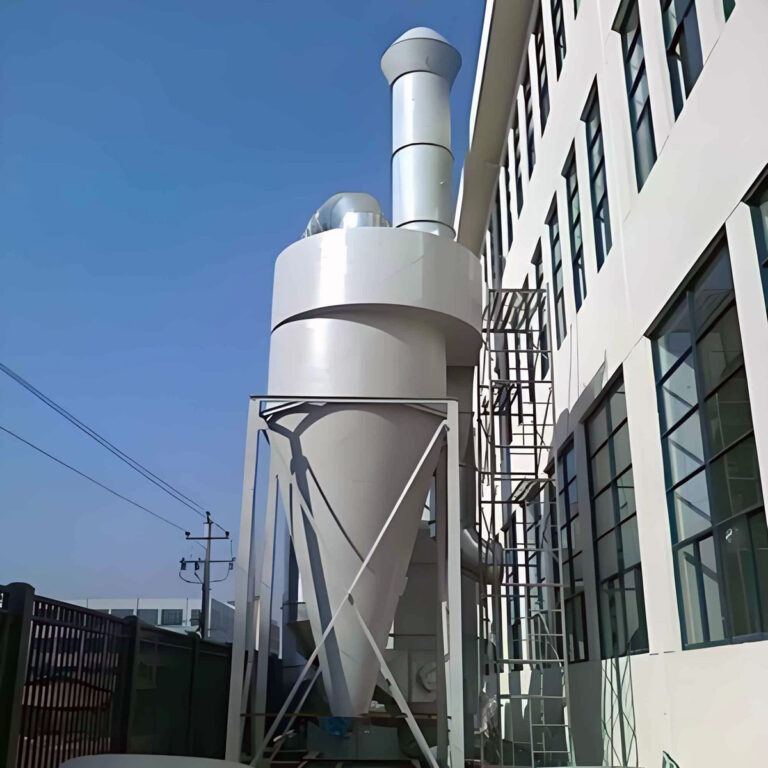
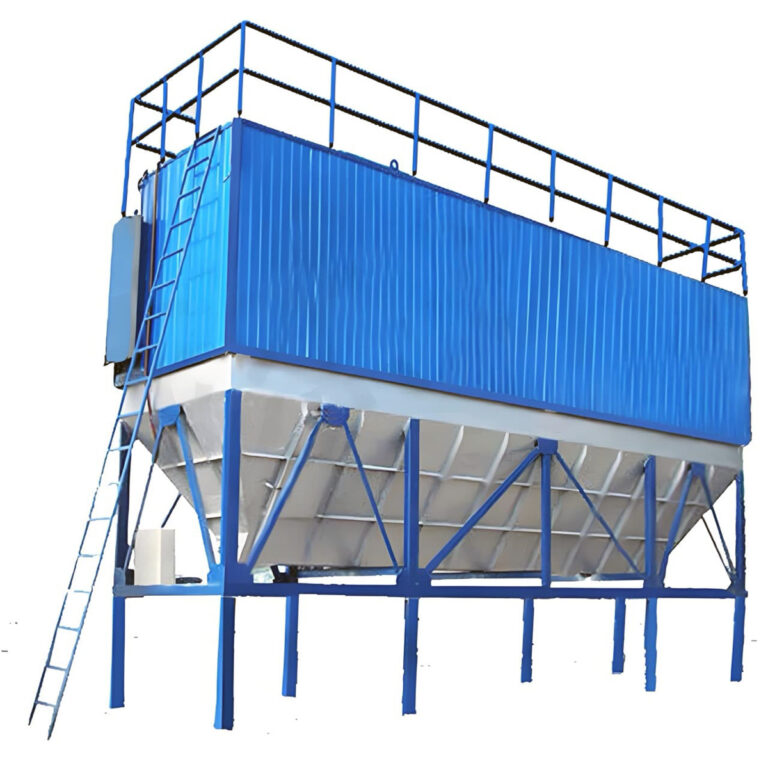
Physical footprint is a practical, often decisive, constraint. A single large cyclone is a vertical vessel. While it can be very tall, its ground-level footprint is relatively compact for its gas handling capacity. This vertical design is advantageous where floor space is limited but headroom is available. A multi-cyclone system, housing an array of tubes within a rectangular vessel with inlet/outlet plenums, requires a significantly larger horizontal footprint. Its shape is more modular but demands more plant floor area.
Integration into Existing Plants
This difference heavily influences retrofit feasibility. In a brownfield project with tight floor space, the vertical profile of a single cyclone might be the only viable option, even if it sacrifices fine particle efficiency. For greenfield installations or where space can be allocated, the larger footprint of a multi-cyclone can be accommodated to gain its performance benefits. The need for access platforms and maintenance clearance around the equipment must also be factored into the spatial analysis.
Decision Framework: How to Select the Right System
Step 1: Rigorous Stream Characterization
The first, non-negotiable step is to fully characterize the inlet gas stream. This includes volumetric flow rate, temperature, moisture content, and, most critically, the particle size distribution (PSD) and dust concentration. If the PSD is predominantly >20 microns, a single cyclone is likely adequate. If a significant fraction lies in the 5-20 micron range and must be captured, the decision strongly leans toward a multi-cyclone. Accurate data here prevents a fundamental specification error.
Step 2: Define Compliance and Operational Goals
Clearly define the outlet emission target. This determines whether a cyclone alone suffices or if it is part of a multi-stage system. Simultaneously, audit site-specific constraints: available capital (CAPEX), allocated footprint and height, energy costs, and in-house maintenance capabilities. A system requiring complex upkeep is a poor fit for a facility with a lean operational team.
Step 3: Conduct a Holistic TCO Analysis
Move beyond initial price. Model the total cost of ownership over a 10-15 year lifespan, including energy consumption, estimated maintenance costs, filter replacements for downstream equipment, and potential costs associated with compliance deviations. This analysis often reveals the true economic superiority of one option over the other.
Applying the Framework
The following table summarizes how key decision criteria point toward each system type.
| Decision Criteria | Favors Single Cyclone | Favors Multi-Cyclone |
|---|---|---|
| Primary Particle Size | >20 mikron | 5-20 mikron |
| Dust Loading | Çok yüksek | Orta ila yüksek |
| Available Footprint | Compact, vertical | Larger, horizontal |
| Compliance Target | Coarse capture only | Fine particulate capture required |
| Operational Capability | Limited maintenance | Dedicated maintenance team |
Kaynak: GB/T 6719-2023 Bag filter dust collector. This standard for bag filter dust collectors is relevant as it governs the performance of a common downstream polishing technology; the decision to use a cyclone alone or as a pre-cleaner (multi-cyclone) is directly tied to achieving the final emission levels specified for such systems.
The decision between single and multi-cyclone systems hinges on three core priorities: the definitive characterization of your particle size distribution, a clear understanding of your total compliance strategy, and an honest assessment of operational capabilities. Selecting based solely on capital cost or assumed simplicity leads to suboptimal performance and higher lifetime expenses. The right choice aligns the system’ inherent physics with your specific process and business requirements.
Need professional guidance to specify a high-efficiency siklon toz toplayıcı for your unique application? The engineers at PORVOO specialize in data-driven system design to ensure optimal fine particle capture and total cost efficiency. Contact us to discuss your project requirements and develop a tailored solution.
Sıkça Sorulan Sorular
Q: How do you accurately measure the fine particle capture efficiency of a multi-cyclone system for compliance reporting?
A: You determine collection efficiency by measuring the particulate concentration at the system’s inlet and outlet, following the standardized procedures in ASME PTC 38-2020. For a detailed fractional efficiency analysis by particle size, which is critical for the 5-20 micron range, the test methods in ISO 16890-4:2023 provide the relevant framework. This means you must plan for isokinetic sampling and particle sizing during performance testing to generate defensible data for regulatory submissions.
Q: What is the main technical reason a multi-cyclone captures finer particles than a single large cyclone?
A: The superior capture of 5-20 micron particles stems from the fundamental physics of centrifugal force. A multi-cyclone’s parallel array of small-diameter tubes generates a much faster rotational velocity and higher centrifugal force compared to the single, slower vortex in a large-diameter cyclone. This higher force directly lowers the system’s cut-point (d50), shifting its entire efficiency curve toward finer particulates. For applications where fines dominate your particle size distribution, this inherent capability makes the multi-cyclone architecture the necessary starting point.
Q: When does a single cyclone offer a better total cost of ownership than a multi-cyclone system?
A: A single cyclone provides a lower total cost of ownership primarily when your process dust is predominantly coarse (>20 microns) and no downstream filtration is needed. Its simpler construction means lower capital and maintenance costs, and its lower pressure drop reduces ongoing fan energy expenses. This means facilities handling high loads of abrasive, coarse material—like initial wood waste separation—should prioritize the single cyclone for its robustness and operational economy.
Q: How do you select the correct tube diameter for a multi-cyclone handling abrasive dust?
A: Selecting the tube diameter requires balancing efficiency against durability. While smaller tubes (e.g., 6-inch) maximize centrifugal force for fine particles, they are highly susceptible to abrasion and plugging under heavy or coarse loads. For abrasive streams, you typically select larger tubes (9-inch or 12-inch) and specify wear-resistant linings, accepting a slight trade-off in fine particle efficiency for vastly improved system longevity and reduced maintenance. This means you must conduct a precise particle size and loading analysis before specification to avoid premature failure.
Q: What is the critical operational mistake that can degrade a multi-cyclone’s fine particle efficiency?
A: The most common mistake is operating the system above its optimized flow rate. While increased gas velocity boosts centrifugal force, exceeding the design optimum creates excessive turbulence and pressure drop, which leads to re-entrainment of already collected dust. Performance peaks at a specific, system-dependent flow rate identified through methods like Response Surface Methodology. This means you must tune and control your fan or damper to maintain this target flow, moving beyond simple operation to data-driven performance management.
Q: Why is footprint a decisive factor when retrofitting a dust collection system into an existing plant?
A: Physical space constraints often dictate the feasible technology. A single large cyclone has a compact, vertical footprint that can frequently be accommodated in tight retrofits where headroom is available but floor space is not. In contrast, a multi-cyclone array requires a significantly larger horizontal area for its housing and flow distribution plenums. This means for brownfield projects with severe space limitations, the single cyclone may be the only viable primary collector, even if it necessitates adding a secondary filter for fine particulate control.
Q: How does dust loading affect the choice between single and multi-cyclone systems?
A: Very high dust loading favors a single large cyclone due to its tolerance for heavy, often coarse, particulate streams and its simple, non-clogging design. Multi-cyclones can handle significant loading, but the inlet concentration directly influences the optimal tube size selection—higher loads demand larger, more robust tubes. This means operations with highly variable or extreme dust concentrations must provide vendors with accurate, worst-case loading data to prevent system underperformance or frequent maintenance issues.