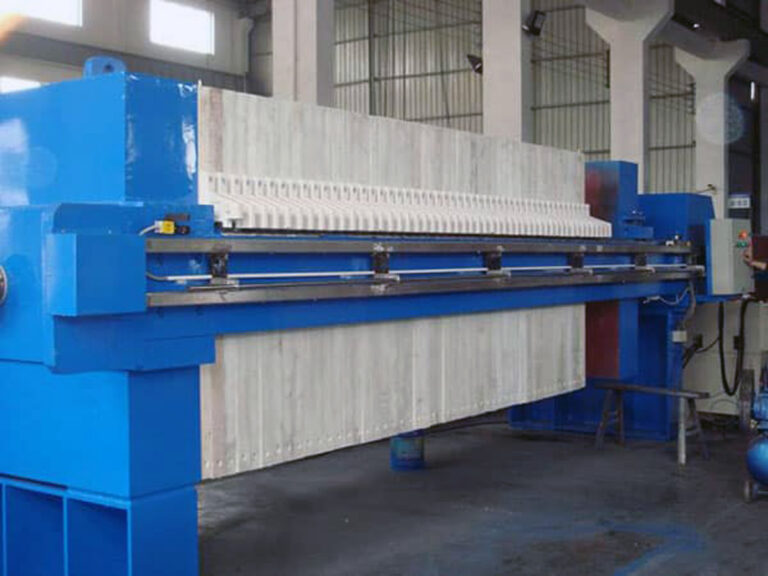
Doğru membran filtre presini seçmek yüksek riskli bir sermaye kararıdır. Küçük boyutlu bir ünite verimi düşürürken, büyük boyutlu bir ünite sermaye ve zemin alanını boşa harcar. Bulamaç davranışının, döngü dinamiklerinin ve toplam sahip olma maliyetinin karmaşıklığı, teorik boyutlandırmayı maden ve kimya mühendisleri için riskli bir teklif haline getirir.
Hata payı çok azdır. Verimsiz susuzlaştırma bertaraf maliyetlerini, üretim zaman çizelgelerini ve çevresel uyumluluğu doğrudan etkiler. Boyutlandırma ve spesifikasyona yönelik metodik, veriye dayalı bir yaklaşım sadece en iyi uygulama değil, operasyonel ve finansal başarı için de gereklidir. Bu kılavuz, sektör liderleri tarafından tedarik riskini azaltmak ve optimum kapasite seçimini sağlamak için kullanılan 7 adımlı çerçeveyi sunmaktadır.
Adım 1: Proses ve Bulamaç Parametrelerinizi Tanımlayın
Temel Çizginin Oluşturulması
Kesin girdi verileri olmadan doğru boyutlandırma mümkün değildir. Bulamaç tipini, ağırlıkça kuru katı madde konsantrasyonunu, işlenecek toplam günlük bulamaç hacmini ve tesisin izin verilen çalışma saatlerini toplamalısınız. Bu dört parametre, sonraki tüm hesaplamalar için tartışılmaz bir temel oluşturur. Sektör uzmanları bu veri toplama işleminin resmi bir proje aşaması olarak ele alınmasını önermektedir, çünkü buradaki varsayımlar tüm boyutlandırma modeline yayılmaktadır.
Kritik Katı Madde Eşiği
Genellikle göz ardı edilen kritik bir ayrıntı da kuru katı madde içeriğidir. Kuru katı madde miktarı 3%'den az olan çamurlar önemli bir performans eşiğini temsil eder. Tipik olarak daha uzun döngü süreleri, farklı kek kalınlığı hesaplamaları gerektirir ve bez körleme direncini zorlayabilir. Bu darboğaz, önemli bir stratejik çıkarımın altını çizmektedir: Katı maddeleri bu seviyenin üzerine çıkarmak için yukarı akış yoğunlaştırmaya yatırım yapmak, genellikle uygun maliyetli filtre pres işletimi için bir ön koşuldur ve susuzlaştırma hattı boyunca genel sistem tasarımını ve sermaye tahsisini temelden etkiler.
Parametre Dokümantasyonu
Aşağıdaki tabloda temel parametreler ve bunların etkileri özetlenmekte ve ilk veri toplamanız için bir kontrol listesi sunulmaktadır.
| Parametre | Kritik Eşik | Etki |
|---|---|---|
| Kuru Katı Madde İçeriği | < 3% | Özel döngü hususları |
| Günlük Bulamaç Hacmi | Kullanıcı tanımlı | Tüm hesaplamalar için temel |
| Çalışma Saatleri | Kullanıcı tanımlı | Çevrim sayısını belirler |
| Kek Yoğunluğu | Ampirik (örn. 75 lb/ft³) | Pilot testlerden |
Kaynak: Teknik dokümantasyon ve endüstri spesifikasyonları.
Adım 2: Günlük Döngüleri ve Gerekli Hazne Hacmini Hesaplayın
Hacmin Döngülere Dönüştürülmesi
Bu adım günlük hacim ihtiyacınızı döngü başına ihtiyaçlara dönüştürür. İlk olarak, çalışma saatlerini tahmini döngü süresine bölerek günlük döngüleri tahmin edin. Membran preslerin ön boyutlandırması için, 8 saatlik vardiya başına üç döngü genel bir başlangıç noktasıdır. Döngü başına gerekli bulamaç hacmi, günlük toplamın döngü sayısına bölünmesiyle elde edilir. Çok sayıda madencilik uygulamasını karşılaştırdık ve döngü süresi varsayımlarının, test verileri yerine tahminlere dayandığında en büyük boyutlandırma hatası kaynağı olduğunu gördük.
Oda Kapasitesinin Belirlenmesi
Bu bulamaç hacmi, presin tutması gereken filtre keki hacmine dönüştürülmelidir. Bunun için bulamaç katı madde yüzdesi ve beklenen kek yoğunluğu gereklidir; en iyi pilot testlerden elde edilen ampirik bir değerdir. Örneğin, 75 lb/ft³ kek yoğunluğuna sahip 600 galon 8% katı madde bulamacı, döngü başına yaklaşık 5,34 ft³ kuru katı madde verir. Bu nihai kek hacmi, gerekli toplam hazne hacmine eşittir ve bu da doğrudan gerekli plaka boyutunu ve sayısını belirler.
Hesaplama Çerçevesi
Hazne hacminin belirlenmesine yönelik sıralı hesaplamalar aşağıda özetlenmiştir.
| Hesaplama Adımı | Örnek Değer | Amaç |
|---|---|---|
| Günlük Döngüler (Temel) | 8 saatlik vardiya başına 3 | Ön boyutlandırma tahmini |
| Çevrim Başına Bulamaç | 600 galon | Günlük toplamdan |
| Katı Madde Konsantrasyonu | Ağırlık olarak 8% | Hacim dönüştürme faktörü |
| Ortaya Çıkan Kek Hacmi | ~5,34 ft³ | Gerekli oda hacmini tanımlar |
Kaynak: Teknik dokümantasyon ve endüstri spesifikasyonları.
Adım 3: Kritik Yardımcı Sistemleri ve Bileşenleri Belirleyin
Çekirdek Destek Sistemi
Filtre pres çekirdeği tek başına çalışamaz. Sağlam, doğru belirlenmiş destek sistemleri gerektirir. Besleme pompası, artan kek direncinin üstesinden gelmek için 100-225 psig üretebilen pistonlu diyaframlı pompa gibi pozitif deplasmanlı bir tip olmalıdır. Benzer basınçlarda hava veya su kullanan sıkma sistemi, toplam membran alanı için boyutlandırılmış bir pompa veya kompresör gerektirir. Verimli çalışma için, yapışkan keklere yönelik çekirdek üfleme işlevlerini belirtin.
Otomasyon Takası
Otomasyonun belirlenmesi, temel bir finansal değiş tokuşun altını çizer: otomasyon seçenekleri, sermaye harcamalarını doğrudan işçilik maliyeti ve döngü süresi verimliliği ile değiştirir. Otomatik plaka kaydırıcılar el işçiliğine kıyasla saniyeler içinde çalışır ve otomatik bez yıkayıcılar arıza süresini azaltır. Deneyimlerime göre, burada CAPEX ve OPEX arasındaki seçim, yerel işgücü maliyetleri, istenen verim ve belirli kimyasal keklerin işlenmesine yönelik güvenlik gerekliliklerinden büyük ölçüde etkilenen temel bir stratejik karardır.
Adım 4: Kimyasal Şartlandırma ve Reaktif Maliyetlerini Dikkate Alın
Bir Gereksinim Olarak Koşullandırma
Madencilik ve kimyasal uygulamalarda, kireç, demir klorür veya polimerler gibi reaktiflerle şartlandırma, kolloidleri dengesizleştirmek ve filtrelenebilirliği artırmak için genellikle gereklidir. Gerekli doz tipik olarak kuru katı madde ağırlığının bir yüzdesidir. 25% kireç dozuna sahip 600 galonluk, 8% katı madde döngüsü için döngü başına yaklaşık 100 lbs kireç gerekir.
Başlıca Operasyonel Maliyet Sürücüsü
Bu hesaplama, kimyasal şartlandırmanın önemli ve yinelenen bir operasyonel maliyet faktörü olduğunu ortaya koymaktadır. Doğrudan çamur hacmine bağlı önemli bir kalemdir. Bu nedenle stratejik toplam sahip olma maliyeti analizleri, varlığın yaşam döngüsü boyunca ekipman maliyetlerine rakip olabilecek veya onları aşabilecek kimyasal tüketimine ağırlık vermelidir. Bu da test yoluyla reaktif optimizasyonunu kritik bir ekonomik kaldıraç haline getirmektedir.
| Bileşen | Örnek Hesaplama | Maliyet Sürücü Ölçeği |
|---|---|---|
| Misket Limonu Dozu | 25% katı madde ağırlığı | Major operational cost |
| Lime per Cycle (8% solids) | ~100 lbs | Directly tied to sludge volume |
| Daily Chemical Consumption | Proportional to cycles | Can rival equipment costs |
Kaynak: Teknik dokümantasyon ve endüstri spesifikasyonları.
Key Technical Considerations for Mining & Chemical Slurries
Abrasion vs. Corrosion
Application-specific challenges demand tailored specifications. For abrasive mining slurries, the focus is on wear resistance. Specify hardened wear plates, durable treated cloths, and abrasion-resistant plate materials. For corrosive chemical processes, material compatibility is paramount. This requires polypropylene plates, stainless steel (304/316) components, or specialty cloths like PVDF. The selection of materials is often governed by standards such as JB/T 4333.2-2021 Plate and frame filter presses — Part 2: Technical specifications, which outlines technical requirements for construction to meet these application challenges.
The Trend Toward Tailored Solutions
The industry shift is clear: competitive advantage lies in deep application engineering, moving beyond standardized to tailored solutions. This trend pushes buyers to select partners based on specific industry experience and their ability to configure modules—from food-grade builds to mobile trailers—for niche applications like precious metal recovery or hazardous waste.
| Uygulama | Key Challenge | Specification Focus |
|---|---|---|
| Abrasive Mining Slurries | Wear & Tear | Hardened plates, treated cloths |
| Corrosive Chemical Processes | Material Compatibility | Polypropylene, 304/316 SS |
| Niche Applications (e.g., Hazardous) | Konfigürasyon | Mobile trailers, food-grade builds |
Kaynak: JB/T 4333.2-2021 Plate and frame filter presses — Part 2: Technical specifications. This standard specifies technical requirements and materials for filter press construction, directly governing the selection of plate materials, cloths, and configurations to meet application-specific challenges like abrasion and corrosion resistance.
Validating Your Sizing: The Critical Role of Pilot Testing
Mitigating Theoretical Risk
Theoretical sizing carries unacceptably high risk. The single most critical step is conducting pilot-scale tests with a representative slurry sample. This validates all core assumptions: actual cycle time, achievable cake density and dryness, optimal chemical dose, and cloth selection. This empirical approach is non-negotiable for risk mitigation. The complexity of variables—slurry chemistry, particle size distribution—makes formal vendor consultation and testing essential.
Integrating Testing into Project Planning
Consequently, capital project timelines and budgets must incorporate pilot testing phases to de-risk major investments and prevent costly operational failures. Testing provides the data needed to finalize the specification for your membrane filter press system, ensuring the selected configuration performs as required. Methods like those in ASTM F316-03(2019) Standard Test Methods for Pore Size Characteristics of Membrane Filters by Bubble Point and Mean Flow Pore Test are foundational for characterizing filter media during this phase.
| Assumption Validated | Yöntem | Risk Mitigation Purpose |
|---|---|---|
| Actual Cycle Time | Pilot-scale test | Prevents throughput failure |
| Achievable Cake Density | Empirical measurement | Ensures correct chamber volume |
| Optimal Chemical Dose | Representative sample testing | Controls major OPEX |
| Correct Cloth Selection | Performans doğrulaması | Achieves target separation |
Kaynak: ASTM F316-03(2019) Standard Test Methods for Pore Size Characteristics of Membrane Filters by Bubble Point and Mean Flow Pore Test. This standard provides the foundational test methods for characterizing filter media pore size, which is essential for validating cloth selection and separation performance during pilot testing to ensure the final configuration meets specifications.
Total Cost of Ownership: Capital vs. Operational Expenses
A Holistic Financial View
A holistic evaluation balances initial investment against long-term costs. Capital expenses include the press, ancillary systems, and chosen automation level. Operational expenses encompass power, labor, maintenance, and—most significantly—chemical conditioning costs. The dramatic volume reduction achievable, such as converting 40 drums of 1% hazardous slurry to 1 drum of 40% solids, demonstrates a compelling economic driver beyond mere dewatering.
The Strategic Asset Perspective
This volume reduction directly slashes hazardous disposal costs, transportation fees, and associated liability, often offering a rapid ROI. Thus, the filter press transforms from a production tool into a strategic financial and environmental risk management asset, particularly in sectors with high waste disposal costs. The TCO analysis must quantify these savings to justify the capital outlay.
| Maliyet Kategorisi | Examples | Stratejik Etki |
|---|---|---|
| Capital Expense (CAPEX) | Press, pumps, automation | Initial investment trade-offs |
| Operasyonel Giderler (OPEX) | Power, labor, maintenance | Long-term financial burden |
| Major OPEX Driver | Kimyasal şartlandırma | Recurring, volume-based cost |
| Key Economic Driver | Volume reduction (e.g., 40:1) | Slashes disposal/transport costs |
Kaynak: Teknik dokümantasyon ve endüstri spesifikasyonları.
Implementing Your Selection: Next Steps & Procurement
Evaluating Configuration Trade-Offs
Final implementation requires evaluating configured solutions. Remember that a target chamber volume can be met by multiple plate size and chamber count combinations. For example, 24 ft³ could be achieved by an 800mm/48-chamber press or a 1000mm/29-chamber press. These options offer trade-offs in footprint, plate-shifting time, and maintenance access. The optimal choice depends on your specific plant layout and operational philosophy.
Prioritizing System Integration
Procurement strategy should therefore evaluate vendors on total system integration capability—including engineered feed systems, sophisticated control systems, and cake handling solutions—rather than piecemeal component sourcing. This industry trend toward integrated system design prioritizes guaranteed performance and single-point accountability, reducing integration risk and ensuring the selected solution is engineered for your specific operational success.
Your specification process must prioritize empirical data over assumptions, with pilot testing as the cornerstone. Evaluate the total cost of ownership, not just the capital quote, and select a partner based on system integration capability and application expertise. The right configuration balances plate size, cycle count, and automation to meet your precise throughput and economic goals.
Need professional guidance to specify and procure an optimized membrane filter press system? The engineers at PORVOO specialize in translating complex slurry characteristics into reliable, cost-effective dewatering solutions for mining and chemical applications. For a detailed consultation on your project requirements, you can also Bize Ulaşın.
Sıkça Sorulan Sorular
Q: How do you calculate the required chamber volume for a membrane filter press?
A: You first determine the daily cycles by dividing operating hours by the estimated cycle time, often using three cycles per 8-hour shift as a baseline. The required slurry volume per cycle is then converted into the dry solids cake volume using the slurry’s solids percentage and the anticipated cake density. This final cake volume dictates the total chamber capacity needed. For projects where pilot data is unavailable, you should plan for conservative density estimates and expect to adjust plate count and size during final design.
Q: What are the key ancillary systems for a filter press, and how do they impact cost?
A: Critical support systems include a positive displacement feed pump capable of 100-225 psig, a high-pressure squeeze system, and optional automation for plate shifting and cloth washing. Specifying automation involves a direct trade-off between higher capital expenditure and gains in labor efficiency and cycle time reduction. This means facilities with high local labor costs or aggressive throughput targets should prioritize evaluating the ROI of automated components during the initial procurement phase.
Q: Why is chemical conditioning a major cost factor in filter press operation?
A: Reagents like lime or ferric chloride are often essential to achieve proper filterability, with the required dose being directly proportional to the mass of solids processed. For a single cycle, this can translate to hundreds of pounds of chemical consumption. This reveals that reagent costs are a significant, recurring operational expense. If your operation processes high volumes of slurry, you should prioritize pilot testing to optimize chemical dose, as this cost can rival equipment expenses over the system’s lifecycle.
Q: How do material specifications differ for abrasive mining versus corrosive chemical slurries?
A: For abrasive mining applications, you must specify hardened wear plates, abrasion-resistant plate materials, and durable treated cloths. For corrosive chemical processes, material compatibility is paramount, requiring components like polypropylene plates, 304 or 316 stainless steel, and specialty filter cloths such as PVDF. This trend toward deep application engineering means buyers should select vendors based on specific industry experience and their ability to configure tailored solutions rather than offering standardized builds.
Q: What is the most critical step to de-risk filter press sizing before procurement?
A: Conducting pilot-scale tests with a representative slurry sample is the single most critical step for validation. This empirical testing confirms real-world cycle times, achievable cake density, optimal chemical dose, and correct cloth selection. Consequently, capital project timelines and budgets must incorporate a pilot testing phase to prevent costly operational failures and ensure the selected configuration meets performance requirements.
Q: What standards are relevant for evaluating filter press components and media?
A: The design and manufacturing of the press itself are governed by industry standards like JB/T 4333.2-2021. For evaluating the integrity and pore size characteristics of membrane filters, test methods such as the bubble point test are standardized in documents like ISO 2942:2022 ve ASTM F316-03(2019). This means procurement specifications should reference these standards to ensure component quality and predictable separation performance.
Q: How should you approach vendor selection for a complete filter press system?
A: Evaluate vendors on their total system integration capability, including engineered compatibility between the press, feed pumps, control systems, and cake handling equipment. The trend is toward integrated system design that guarantees performance and provides single-point accountability. If your priority is minimizing integration risk and ensuring operational success, you should prioritize partners who offer a configured solution over piecemeal component sourcing.