For facility managers and environmental engineers in ceramic, stone, and mining operations, wastewater treatment is a complex operational puzzle. The challenge isn’t merely selecting equipment. It’s integrating technical performance, evolving regulatory compliance, and long-term financial viability into a single, resilient system. Missteps in initial characterization or technology selection can lock facilities into high operational costs and persistent compliance risk.
This integration is critical now. Water scarcity, tightening discharge limits, and the economic pressure to recover resources are converging. A modern treatment system is no longer just an end-of-pipe cost center. It is a strategic component of process design, directly impacting license to operate, resource security, and the bottom line.
Core Treatment Technologies for Ceramic, Stone & Mining Wastewater
Defining the Treatment Train
Industrial wastewater treatment is a sequential process. Each stage targets specific contaminant fractions. Primary treatment removes suspended solids through physical means. Secondary processes address dissolved pollutants, often through chemical or biological reactions. Tertiary polishing prepares water for stringent discharge or reuse. The specific technologies deployed at each stage are dictated by the waste stream’s unique chemistry and facility objectives.
Matching Technology to Contaminant Profile
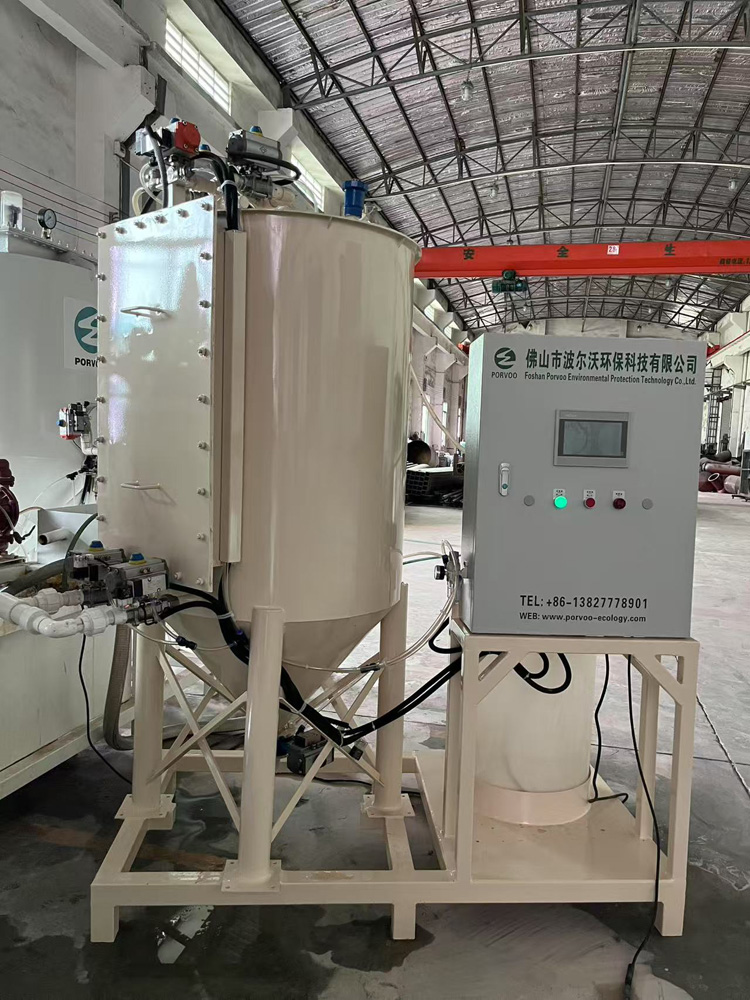
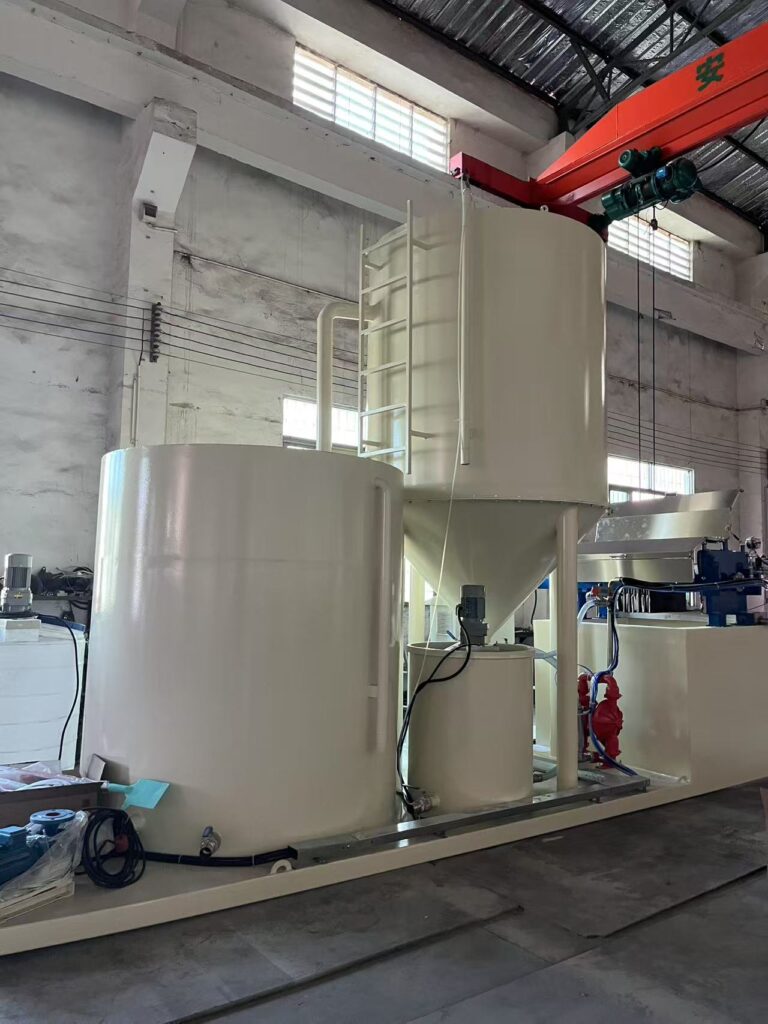
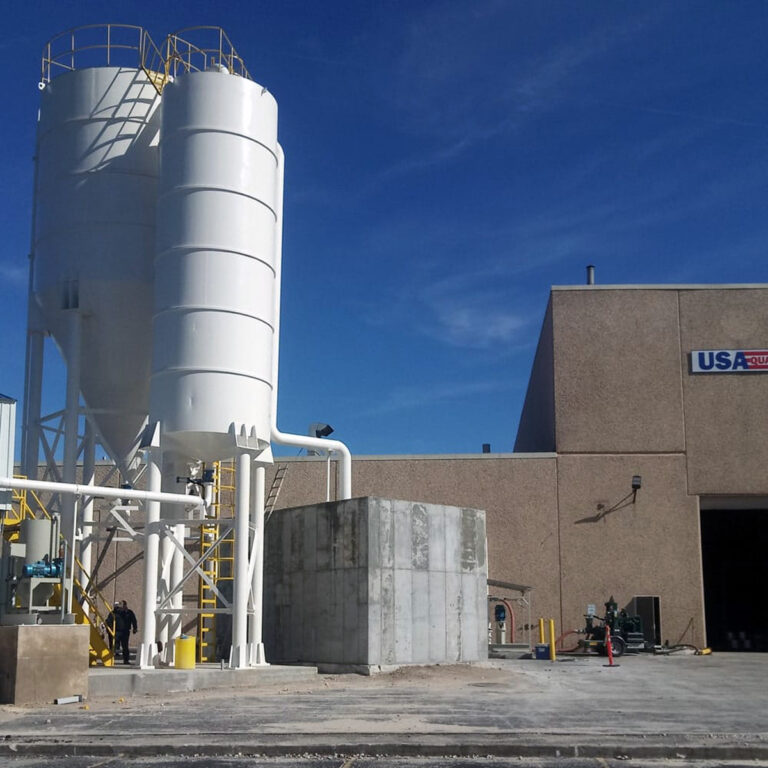
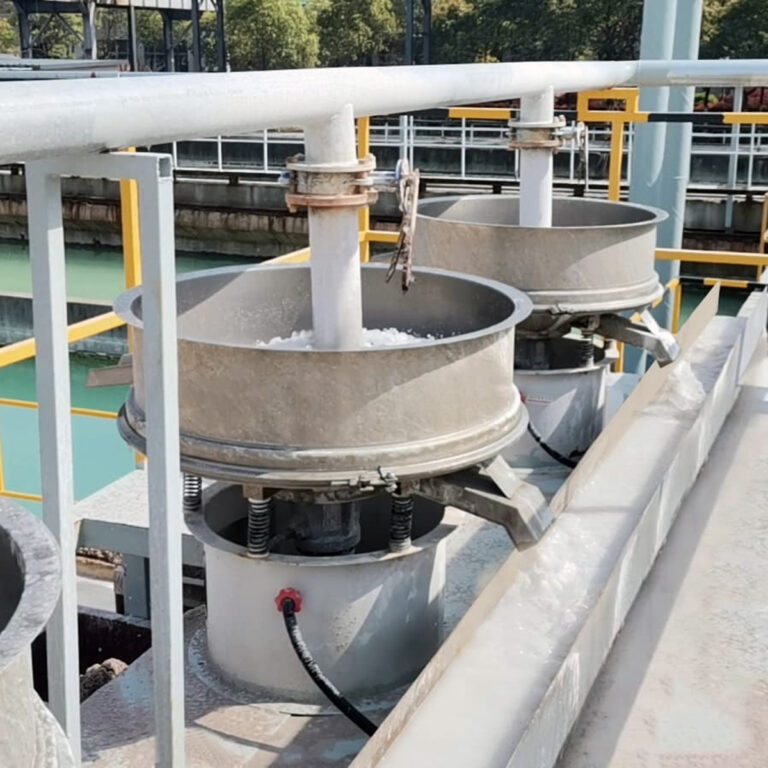
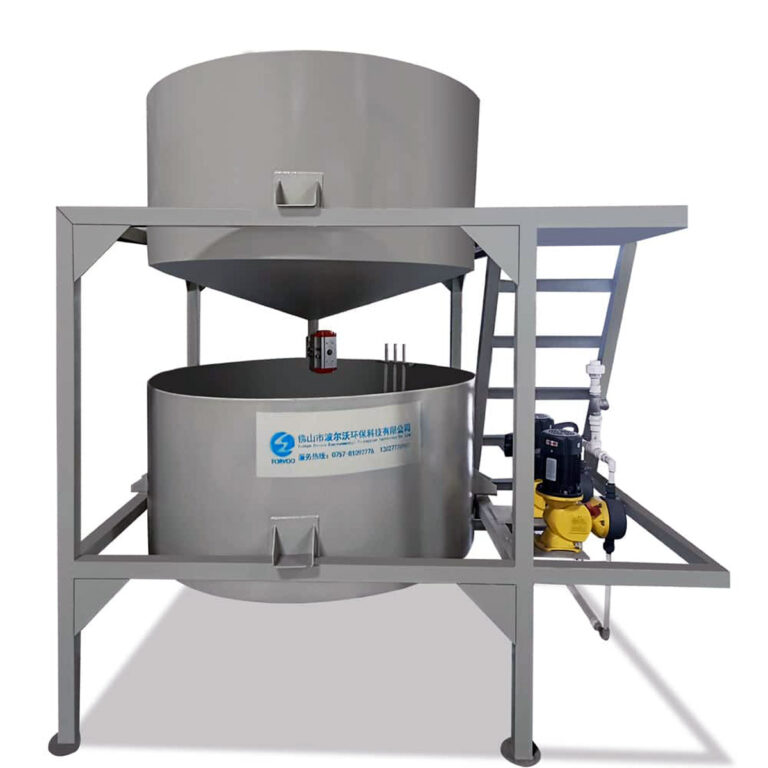
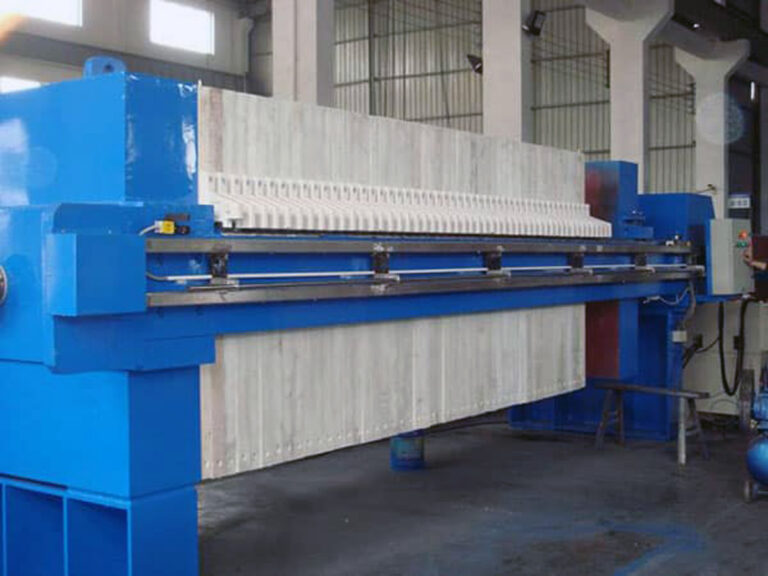
A one-size-fits-all approach fails. For high-solids streams from stone cutting or mineral processing, lamella clarifiers provide efficient settling in a compact footprint. Dissolved heavy metals, common in mining and ceramic glaze operations, require chemical precipitation with precise coagulant dosing. Industry experts recommend that the selection of this treatment train must be dictated entirely by the initial waste characterization. A comprehensive treatability study is non-negotiable to prevent costly redesigns.
The Technology Selection Framework
The table below outlines the core technological approach by treatment stage and target.
Treatment Stage & Technology Alignment
This matrix provides a clear framework for initial technology screening based on contaminant type.
| Tedavi Aşaması | Key Technology | Primary Target Contaminant |
|---|---|---|
| Primary | Lamella Clarifiers | High suspended solids |
| Primary | Chemical Precipitation | Dissolved heavy metals |
| Secondary | Biyolojik Sistemler | Organik bileşikler |
| Secondary | Advanced Oxidation | Cyanide, recalcitrants |
| Tertiary | Reverse Osmosis (RO) | Dissolved ions, TDS |
| Tertiary | Ion Exchange | Specific ions, metals |
Kaynak: Teknik dokümantasyon ve endüstri spesifikasyonları.
The strategic integration of these stages creates a complete treatment train. Easily overlooked details include the need for equalization tanks to dampen flow and concentration variability, which protects downstream biological and chemical processes from shock loads.
Navigating NPDES Permits & Industrial Pretreatment Standards
The Dual Compliance Framework
Compliance operates on two primary tracks. Facilities discharging directly to surface waters must secure a National Pollutant Discharge Elimination System (NPDES) permit. Those discharging to a municipal publicly owned treatment works (POTW) must meet local Industrial Pretreatment Standards. Both frameworks establish strict numeric limits for parameters like pH, total suspended solids (TSS), and metals such as lead or zinc. The permit is a legal operating document, not a one-time approval.
The Burden of Continuous Demonstration
Permit compliance is a continuous administrative and operational burden. It mandates self-monitoring, data recording, and regular reporting. Facilities must maintain detailed Operation & Maintenance (O&M) manuals with Standard Operating Procedures (SOPs). According to research from environmental consultants, a common mistake is underestimating the dedicated staff time required for this ongoing administrative overhead. In my experience reviewing compliance audits, gaps in chain-of-custody documentation for samples are a frequent finding during inspections.
The Shift Toward Watershed Accountability
The regulatory focus is expanding. Compliance now increasingly considers a facility’s role in broader watershed management. Future NPDES permits may tie discharge limits to regional water quality goals, moving beyond point-source control to cumulative impact management. Proactive engagement in watershed initiatives and strategic site assessments are becoming essential. This shift means that understanding the broader context of your discharge, as guided by frameworks like ISO 14001:2015, is critical for long-term operational resilience.
Calculating Total Cost of Ownership & Projected ROI
Moving Beyond Capital Expenditure
Financial analysis must extend far beyond the initial equipment price (CapEx). The true cost lies in ongoing operational expenditures (OpEx): chemicals, energy consumption, sludge disposal, maintenance labor, and parts. A system with low CapEx but high chemical consumption or sludge yield can become a financial liability within years. We compared membrane systems with conventional clarification and found the ROI crossover point is heavily influenced by local sludge disposal costs and water tariffs.
Identifying Modern Value Drivers
The ROI calculation is evolving. While avoiding fines provides a baseline justification, significant value drivers now justify investment in advanced systems. Water reuse directly reduces freshwater procurement costs and sewer discharge fees. Furthermore, partnering with waste service providers that have a dense geographic network can transform hazardous sludge logistics from a liability into a scalable, cost-effective service. A forward-looking model must quantify these benefits.
Structuring the Financial Analysis
A comprehensive TCO analysis breaks down costs and value drivers clearly.
| Maliyet Kategorisi | Key Components | Value Driver / Risk Factor |
|---|---|---|
| Sermaye (CapEx) | Treatment equipment, installation | Ön yatırım |
| Operational (OpEx) | Chemicals, energy, sludge disposal | Ongoing operational burden |
| Water Reuse Savings | Reduced freshwater procurement | Major ROI driver |
| Sludge Logistics | Networked waste service provider | Transforms liability to service |
| Risk Mitigation | Avoidance of regulatory fines | Baseline ROI justification |
Kaynak: Teknik dokümantasyon ve endüstri spesifikasyonları.
The driver for adopting advanced technologies is increasingly this evolving ROI that values water security and reuse. Quantifying these elements is essential for securing capital investment in systems that future-proof operations.
Key Factors in Selecting Equipment for Your Specific Facility
Equipment as a Function of Waste Profile
Selection is not about finding the “best” technology, but the most appropriate one for your specific waste stream and goals. For facilities with high-solids streams, robust clarifiers and thickeners with adequate rake torque are essential. For desalination and reuse, membrane systems like Reverse Osmosis (RO) are selected. Zero Liquid Discharge (ZLD) mandates evaporators and crystallizers. The process design engineer’s first question should always be, “What is in the water?”
The Foundational Role of Measurement
A critical, often overlooked factor is the selection of accurate flow measurement technology. Choosing the correct meter—magnetic for conductive streams, flumes for open channels, weirs for precise control—for your specific flow range is foundational. Inaccurate flow data leads to improper chemical dosing, system instability, and regulatory reporting errors. Engineering specifications for metering must be as rigorous as those for treatment reactors.
Aligning Equipment with Operational Reality
The table below connects facility profiles to essential equipment, highlighting a universal supporting need.
| Facility Waste Profile | Essential Equipment | Critical Supporting Technology |
|---|---|---|
| High-solids streams | Robust clarifiers, thickeners | Accurate flow measurement |
| Desalination, reuse | Membrane systems (RO) | Accurate flow measurement |
| Zero Liquid Discharge | Evaporators, crystallizers | Accurate flow measurement |
| General Requirement | All treatment reactors | Accurate flow measurement |
Not: Inaccurate flow data leads to improper chemical dosing, system instability, and reporting errors.
Kaynak: Teknik dokümantasyon ve endüstri spesifikasyonları.
This underscores that data integrity is not an IT function but a core process control parameter. Specifying the right meter is as important as specifying the right pump.
Implementing a System: From Characterization to Operation
Foundation: Comprehensive Waste Characterization
Successful implementation begins with definitive data. A characterization study must identify all pollutant sources, quantify flow rates, and map variability (daily, batch-wise). This data is the non-negotiable foundation for design. Sampling must account for worst-case scenarios, not just average conditions. Skipping this step or relying on generic data is the most common root cause of system underperformance.
Strategic Design: Source Segregation
A key strategic implementation step is integrating source segregation into process design from the outset. Diverting concentrated waste streams—cutting oils, vehicle washwater, spent solvents—at the point of generation into dedicated containment prevents contamination of the main wastewater flow. This “dry shop” philosophy is a primary pollution prevention strategy. It simplifies downstream treatment, reduces chemical consumption, and lowers compliance risk dramatically compared to end-of-pipe removal.
Phased Commissioning and Acceptance
Implementation follows a structured sequence: detailed design, fabrication, installation, and commissioning. Commissioning includes a performance test period where the system must meet guaranteed effluent quality under defined feed conditions. I always insist on witnessing the commissioning and reviewing the first month of operational data before final acceptance. This phase identifies any gaps between theoretical design and practical operation, allowing for final adjustments.
Maintenance, Operator Training & Long-Term Performance
The Human Capital Imperative
Long-term performance depends less on automated equipment and more on human capital. Licensed wastewater operators are the linchpin. They perform daily maintenance, calibration, sampling, and emergency response. They must also maintain their licensure through ongoing training credits (CEUs), requiring dedicated operational budgeting for continuous education. A system is only as reliable as the team that runs it.
From Reactive to Predictive Maintenance
Complementing skilled labor, a shift toward real-time sensor integration is becoming an operational necessity. Inline sensors for pH, oxidation-reduction potential (ORP), turbidity, and specific ions enable predictive maintenance. Trending data alerts operators to gradual fouling or reagent depletion before a process upset occurs. This moves compliance monitoring beyond periodic lab sampling to ensure consistent, demonstrable performance. It transforms the operator’s role from reactive troubleshooter to proactive process manager.
Sustaining Performance Through Protocol
Sustained performance requires a formalized maintenance schedule (daily, weekly, monthly tasks) and clear SOPs. Spare parts inventory for critical components—pumps, sensors, membranes—must be maintained. Documenting every maintenance action, process adjustment, and non-compliance event creates an invaluable historical record for troubleshooting and demonstrating due diligence during regulatory audits.
Advanced Treatment for Water Reuse & Zero Liquid Discharge (ZLD)
Technologies for Resource Recovery
Advanced treatment transforms wastewater into a strategic resource. Technologies like Reverse Osmosis (RO) and Electrodialysis (ED) remove dissolved ions, producing high-quality water suitable for recycle back into process or cooling towers. This directly reduces freshwater intake costs and sewer fees. For facilities considering such integration, exploring specific endüstri̇yel atiksu aritma çözümleri̇ is a logical step in the evaluation process.
The Path to Zero Liquid Discharge
For facilities facing stringent total dissolved solids (TDS) limits or operating in water-scarce regions, full ZLD is the endpoint. ZLD systems use evaporators (e.g., Mechanical Vapor Recompression) to concentrate brines, followed by crystallizers to produce a solid waste. This process recovers over 95% of the water as distillate. The capital and energy intensity are high, but the value lies in eliminating discharge liability and securing water supply.
Drivers and Emerging Contaminants
The adoption drivers for these technologies are multifaceted.
| Teknoloji | Birincil İşlev | Key Driver for Adoption |
|---|---|---|
| Reverse Osmosis (RO) | Dissolved ion removal | Water reuse, cost savings |
| Electrodialysis | Dissolved ion removal | Water reuse, cost savings |
| Evaporators | Brine concentration | ZLD compliance, water scarcity |
| Crystallizers | Solid waste production | ZLD compliance, water scarcity |
| Specialized Treatment | PFAS/Persistent pollutant removal | Emerging regulatory compliance |
Kaynak: Teknik dokümantasyon ve endüstri spesifikasyonları.
Furthermore, emerging regulations for persistent pollutants like PFAS will create a new compliance niche. This may necessitate specialized advanced treatment like specialized resin or destruction technologies, or rigorous source elimination audits within the supply chain.
Developing Your Facility’s Wastewater Treatment Plan
Synthesizing the Strategic Roadmap
A strategic plan synthesizes technical, regulatory, and operational threads into a cohesive, executable roadmap. It starts with the definitive characterization and treatability study, which informs all subsequent technology and financial decisions. The plan must account for the full regulatory burden, budgeting not just for permit fees but for the continuous administrative overhead required for compliance management.
Prioritizing Execution and Operations
The plan must be executable. This means prioritizing operator training from day one and establishing a preventive maintenance schedule before commissioning. It involves securing contracts for critical services like sludge hauling and laboratory analysis. A common failure point is developing a technically sound plan that lacks clear ownership, operational budget allocation, and accountability metrics for long-term performance.
Integrating Wastewater into Process Design
The most effective plans view wastewater management not as a standalone compliance obligation but as an integral part of process design and resource strategy. This integration considers water recycle loops, by-product recovery, and source reduction. By adopting this holistic view, facilities move from cost-based compliance to value-driven resource management, achieving operational resilience, cost savings, and sustainable license to operate.
The core decision points are clear: base technology selection on definitive characterization, budget for the full lifecycle cost and regulatory overhead, and invest in the operator expertise that sustains performance. This framework turns a complex challenge into a manageable, strategic project.
Need professional guidance to develop and implement a wastewater treatment plan tailored to your ceramic, stone, or mining facility? The experts at PORVOO can help you navigate from initial characterization to compliant operation.
For a detailed discussion of your specific project requirements, you can also Bize Ulaşın.
Sıkça Sorulan Sorular
Q: How do you justify the capital investment in advanced treatment systems like Reverse Osmosis or Zero Liquid Discharge?
A: The business case extends beyond avoiding fines to capturing resource value. A complete financial model must include operational savings from water reuse, which reduces freshwater and sewer costs, and factor in scalable waste logistics from specialized service partners. This evolving ROI increasingly values water security and resilience against regulatory change. For projects where water scarcity or stringent TDS limits are a concern, plan for an ROI analysis that quantifies these strategic benefits to secure funding.
Q: What is the most critical first step in designing a wastewater treatment system for a new facility?
A: Comprehensive wastewater characterization is the non-negotiable foundation. This involves identifying all pollutant sources, measuring flow rates, and understanding variability in the waste stream. The data from this analysis directly dictates the selection of every subsequent treatment technology. This means facilities with multiple or variable process lines should invest in a detailed treatability study before any equipment specification to prevent costly system redesigns later.
Q: Why is operator training and licensure a critical budget line item for long-term compliance?
A: Licensed operators are the linchpin for daily system performance, handling maintenance, calibration, sampling, and emergency response. They must also maintain their credentials through ongoing continuing education units (CEUs), which requires dedicated operational funding for training programs. This means your operational budget must account for this human capital investment, as skilled personnel are more critical to sustained compliance than automated equipment alone. Implementing a structured Environmental management system can help formalize these training and competency requirements.
Q: How can we reduce the complexity and cost of our main wastewater treatment process?
A: Integrate source segregation into your facility’s process design from the outset. Diverting concentrated waste streams like oils or coolants at their point of generation into dedicated containment prevents them from contaminating the main flow. This “dry shop” approach is a primary pollution prevention strategy. For operations with multiple waste sources, planning for segregated collection is far more cost-effective than installing complex end-of-pipe treatment to remove these contaminants later.
Q: What is a common but critical mistake in selecting metering and sensor equipment?
A: A frequent error is under-specifying flow measurement technology, which compromises entire system control. You must select the correct meter type (magnetic, flume, weir) for your specific flow range and stream characteristics. Inaccurate flow data leads to improper chemical dosing, process instability, and regulatory reporting errors. This means engineering specifications for metering and real-time sensors should receive the same rigorous attention as those for primary treatment reactors to ensure data integrity.
Q: How are regulatory compliance requirements for industrial wastewater discharges evolving?
A: The focus is expanding from simple point-source limits to a facility’s role in broader watershed management. Future permits may tie discharge limits to regional water quality goals, increasing scrutiny on cumulative environmental impacts. This framework mandates not just monitoring and reporting but also proactive engagement in watershed initiatives. For facilities in ecologically sensitive regions, expect to conduct strategic site assessments and plan for potential collective liability or localized restrictions.
Q: What operational shift is needed to move from basic compliance to predictive performance management?
A: You must integrate real-time inline sensors for parameters like pH, ORP, and specific ions into daily operations. This technology enables immediate process adjustments and predictive maintenance by moving beyond periodic lab sampling to continuous monitoring. It ensures consistent, demonstrable treatment performance. For plants aiming for high-reliability reuse or facing variable influent, investing in this sensor network is an operational necessity to prevent excursions and optimize chemical use.