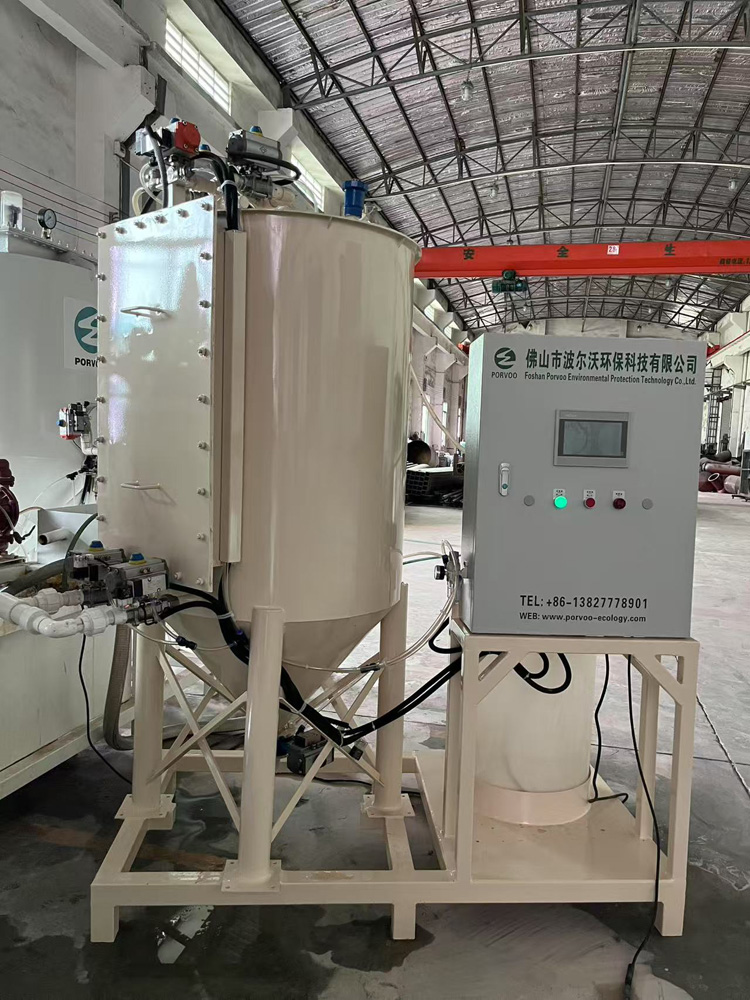
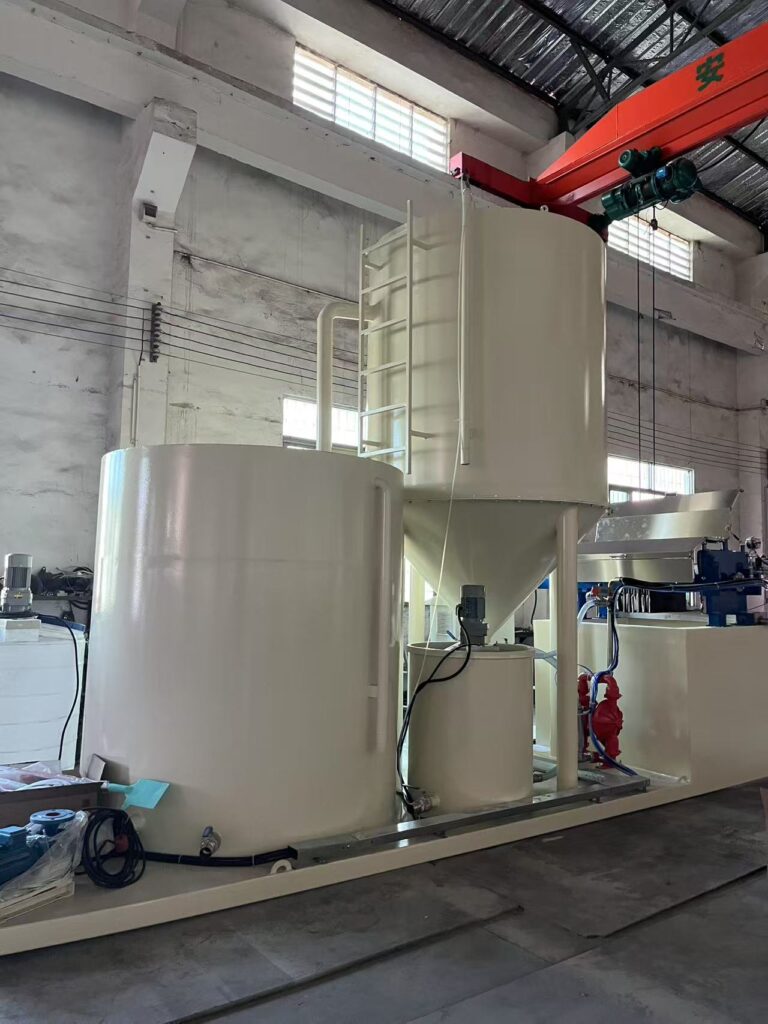
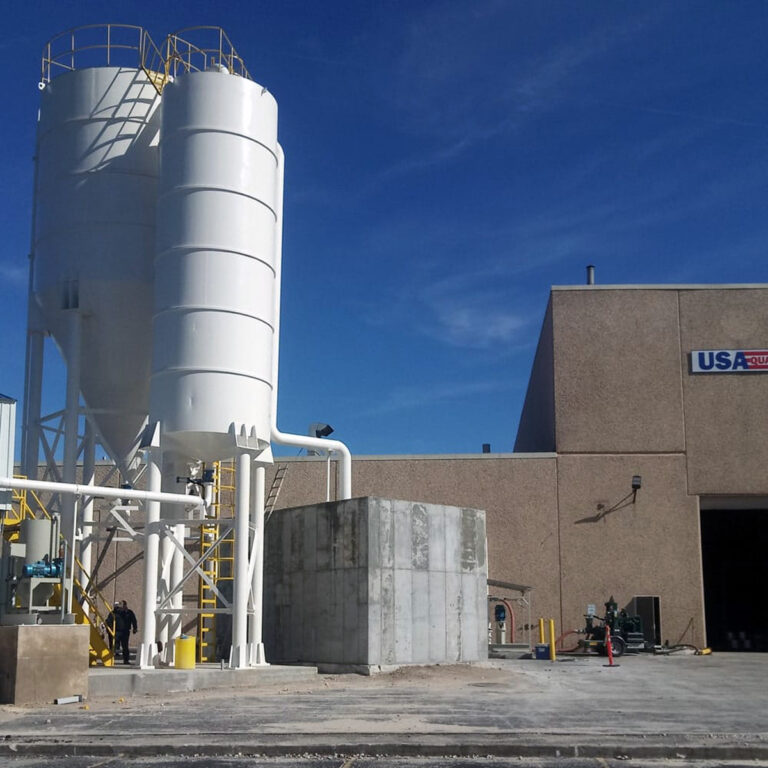
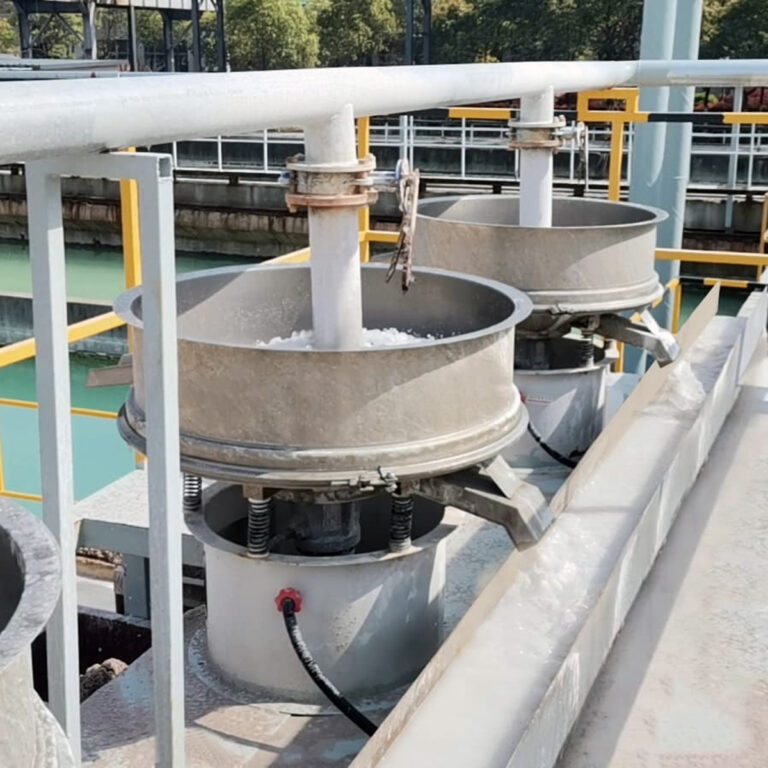
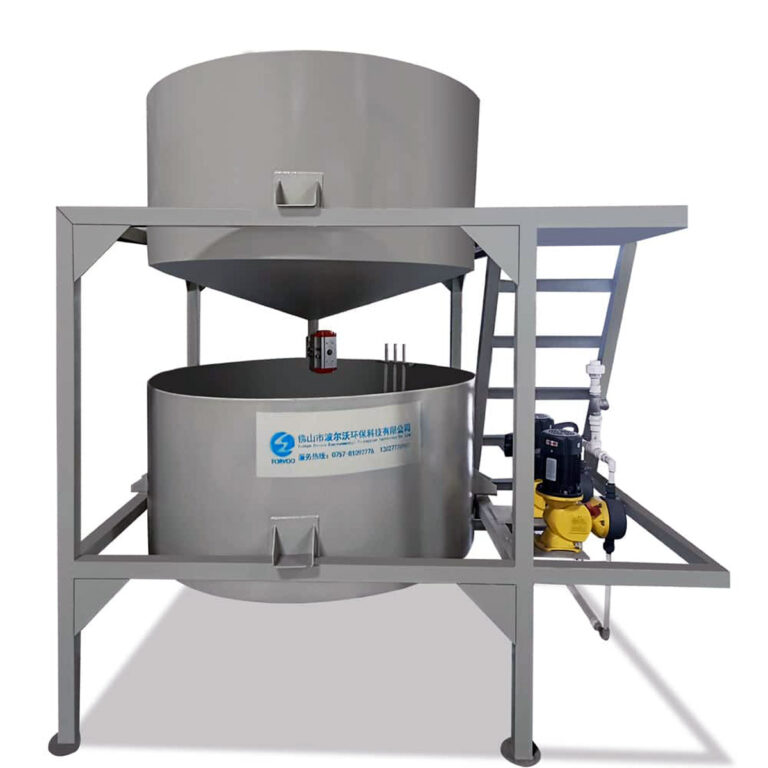
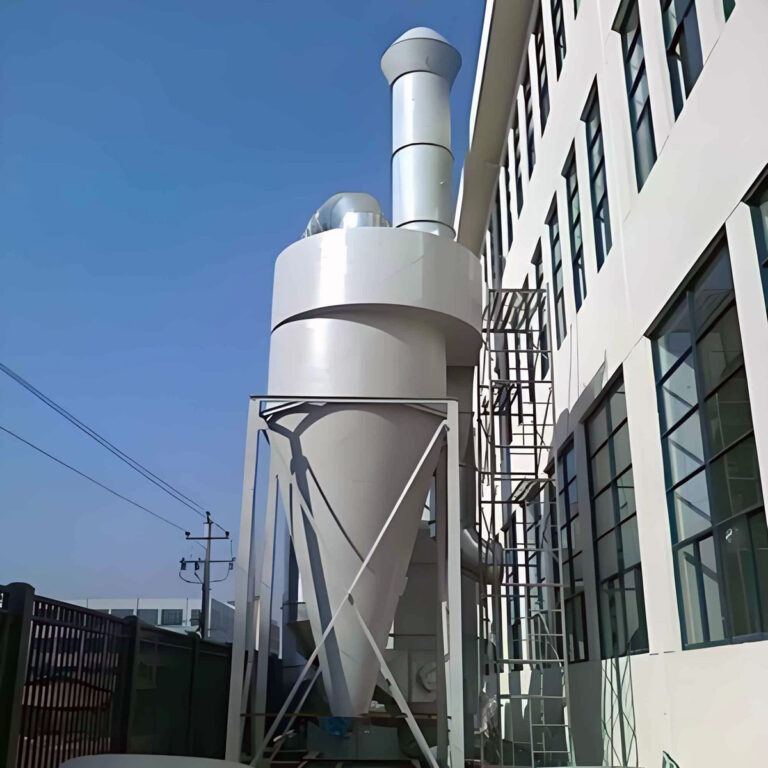
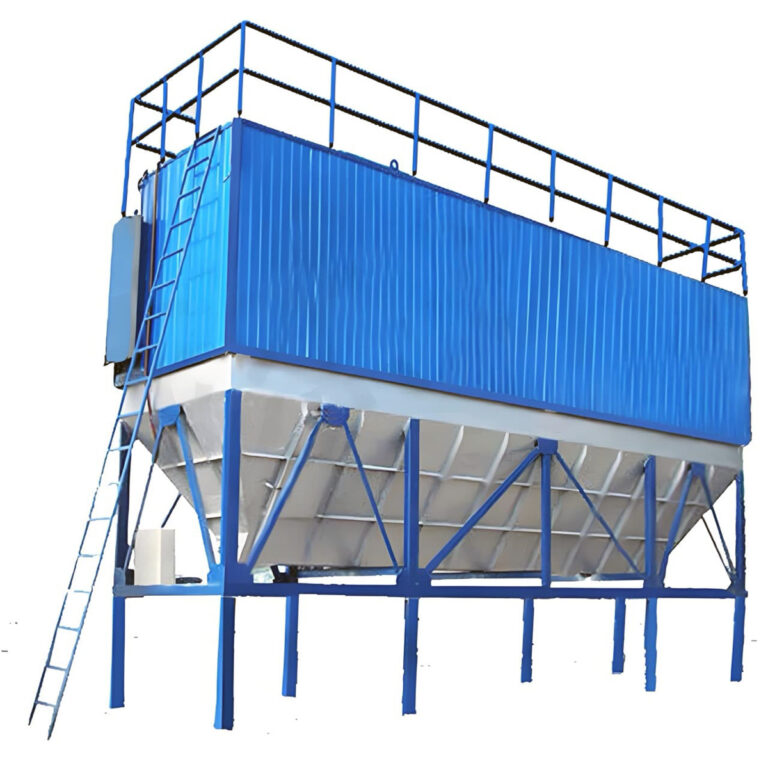
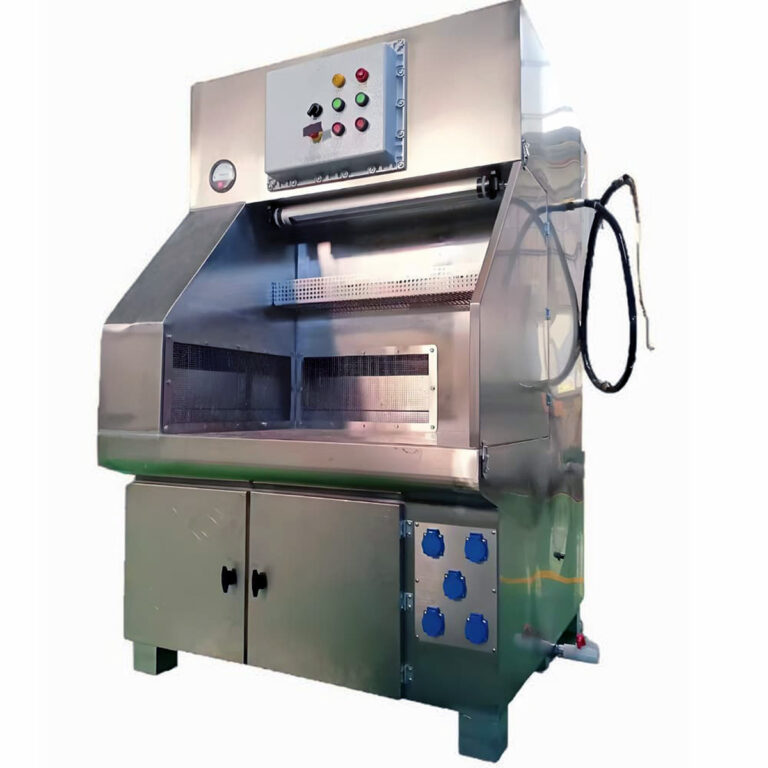
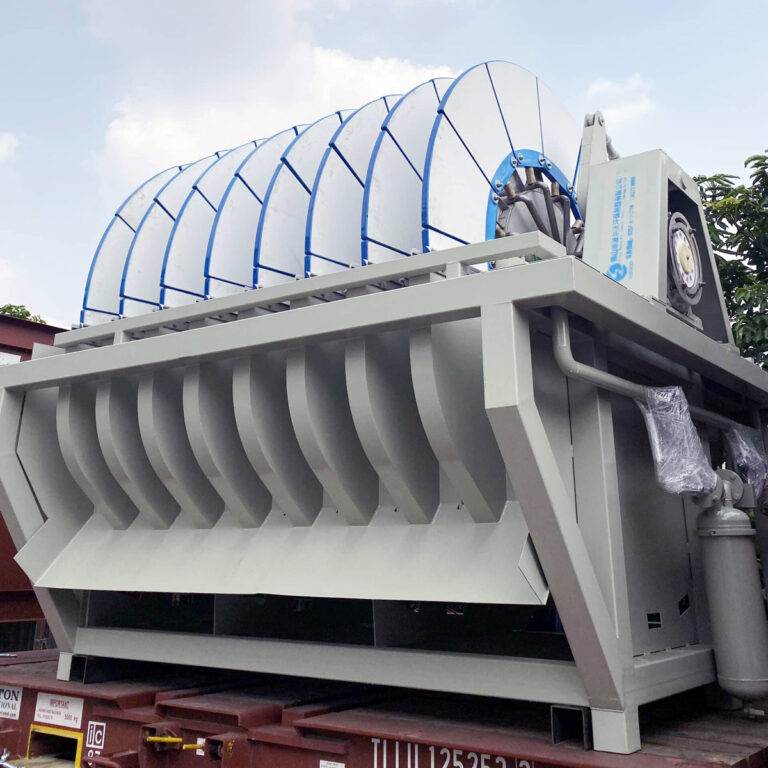
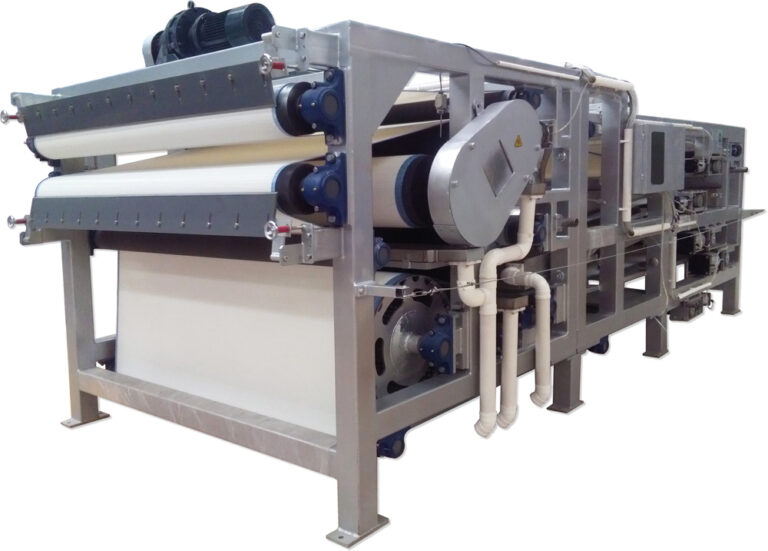
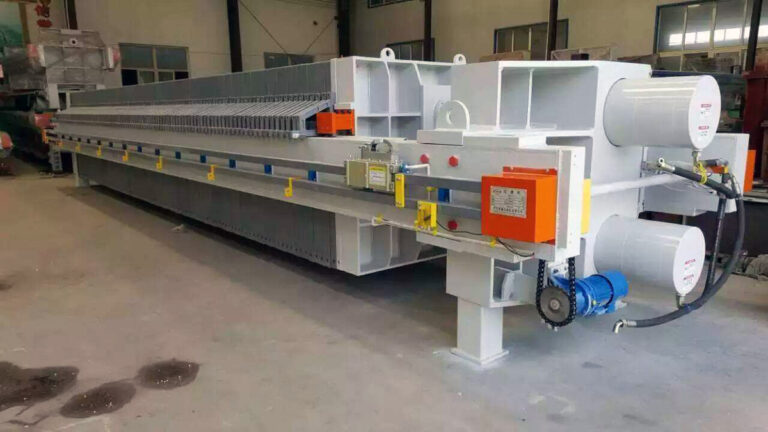
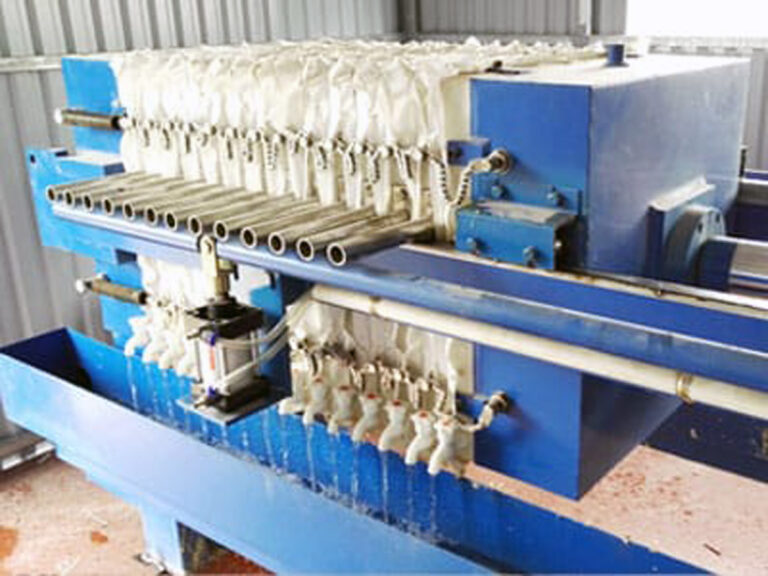
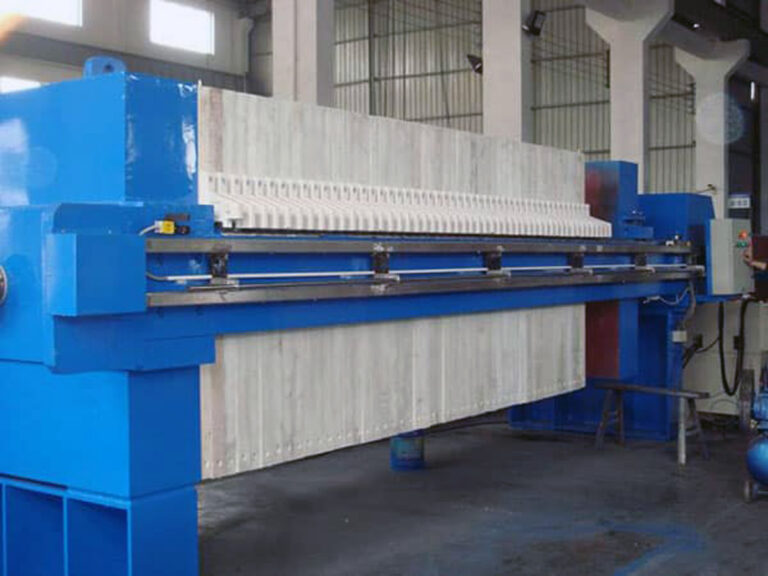
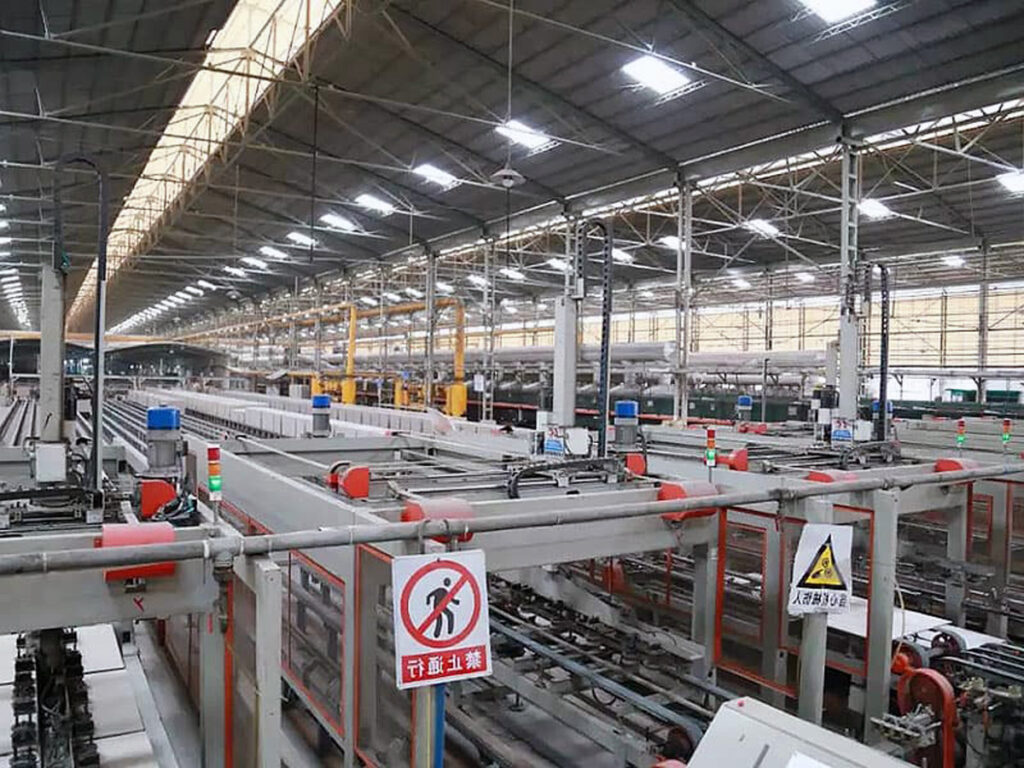
Mining filtration encompasses the systematic separation of solids from liquids throughout the mineral extraction and processing workflow. Unlike conventional industrial filtration, mining applications must handle extreme variations in particle size, chemical composition, and processing volumes while maintaining consistent performance under harsh operating conditions.
The Foundation of Modern Mining Operations
Modern mining operations depend on sophisticated filtration systems to achieve multiple objectives simultaneously. Primary functions include concentrate dewatering, tailings management, and process water recovery. In our experience working with mining clients, the most successful operations integrate filtration considerations into their initial process design rather than treating it as an afterthought.
The technical complexity becomes apparent when examining typical mining slurries. These often contain particles ranging from 0.1 microns to several millimeters, with varying densities and chemical properties. According to recent industry research, poorly designed filtration systems can reduce overall plant efficiency by up to 30%, making proper system selection a critical success factor.
Economic Impact and Operational Efficiency
The financial implications of filtration choices extend far beyond initial equipment costs. A comprehensive study by Mining Engineering Magazine revealed that optimized filtration systems can reduce water consumption by 40-60% while improving concentrate grades by 2-5%. These improvements translate directly to bottom-line benefits, particularly in water-scarce regions where mining operations face increasing regulatory pressure.
However, it’s worth noting that achieving these benefits requires substantial upfront investment and ongoing technical expertise. Many operations underestimate the complexity of maintaining optimal filtration performance across varying ore conditions, leading to suboptimal results despite having quality equipment.
How Does Mining Filtration Equipment Handle Complex Mineral Processing?
Mining filtration equipment operates through multiple separation mechanisms tailored to specific mineral characteristics and processing requirements. The fundamental principle involves creating differential pressure across filter media while managing particle behavior through cake formation and liquid flow dynamics.
Multi-Stage Processing Approaches
Effective mineral processing typically employs cascading filtration stages, each optimized for specific particle size ranges and separation objectives. Primary filtration focuses on coarse particle removal and initial dewatering, while secondary stages achieve final moisture specifications and product quality standards.
Entegrasyonu advanced filtration technologies enables precise control over each processing stage. Modern systems incorporate automated backwash cycles, pressure optimization, and real-time monitoring to maintain consistent performance despite varying feed conditions.
Handling Challenging Materials
Mining operations frequently encounter materials that challenge conventional filtration approaches. High-clay content ores, for example, can blind filter media rapidly, while acidic conditions may require specialized materials of construction. Our experience indicates that successful installations typically incorporate multiple filtration mechanisms within a single system to address these complexities.
| Malzeme Türü | Primary Challenge | Filtration Approach |
|---|---|---|
| High-clay ores | Media blinding | Pre-coat filtration with frequent cleaning |
| Acidic slurries | Equipment corrosion | Specialized materials and pH control |
| Fine particles | Low throughput | Flocculation pre-treatment |
| Aşındırıcı malzemeler | Wear rates | Robust design with replaceable components |
What Are the Key Types of Industrial Filters for Mining Operations?
The mining industry utilizes diverse filtration technologies, each optimized for specific applications and operating conditions. Understanding these technologies enables informed selection decisions that maximize operational efficiency and minimize lifecycle costs.
Pressure Filtration Systems
Pressure filters represent the workhorse of mining filtration, offering high throughput capabilities and consistent performance across varying conditions. These systems operate by applying positive pressure to force liquids through filter media while retaining solids as filter cake.
Modern pressure filtration systems incorporate automated features including cake discharge mechanisms, wash cycles, and cleaning sequences. According to industry data, well-designed pressure filtration systems can achieve moisture contents below 10% while processing several hundred tons per hour.
Vacuum Filtration Technologies
Vacuum filtration systems excel in applications requiring gentle handling of filter cakes or processing of temperature-sensitive materials. These systems create negative pressure differential across filter media, drawing liquid through while building solid cake layers.
The primary advantage of vacuum filtration lies in its ability to handle materials that might be damaged by positive pressure application. However, energy consumption typically exceeds that of equivalent pressure systems, making them most suitable for specialized applications where product quality justifies the additional operating cost.
Ceramic and Membrane Filtration
Advanced ceramic and membrane technologies are gaining adoption in mining applications requiring ultra-fine particle separation or high-purity filtrates. These systems offer superior separation efficiency but require careful consideration of operating conditions and maintenance requirements.
How Do Mining Filter Systems Optimize Different Processing Stages?
Mining filter systems achieve optimization through integrated design approaches that consider the entire processing workflow rather than individual filtration steps. This holistic perspective enables system-wide efficiency improvements that individual component optimization cannot achieve.
Concentrate Processing Optimization
Concentrate processing represents the most critical filtration application in mining operations, directly impacting product quality and revenue. Effective concentrate filtration systems must achieve precise moisture specifications while maintaining high throughput rates and minimal product loss.
The key to successful concentrate processing lies in matching filtration technology to specific mineral characteristics. For instance, copper concentrates typically require different filtration approaches than iron ore concentrates due to particle size distribution and chemical properties. As industry expert Dr. Sarah Chen notes, “Concentrate filtration success depends more on understanding material behavior than simply selecting the highest-capacity equipment.”
Tailings Management Integration
Modern mining operations increasingly integrate tailings management considerations into their primary filtration system design. This approach, known as integrated tailings management, can reduce overall water consumption by 50-80% while improving environmental compliance.
The technical challenge involves managing the volume and characteristics of tailings streams while maintaining economic viability. Recent innovations in mining dewatering equipment enable much higher solids content in tailings streams, reducing storage requirements and environmental impact.
Process Water Recovery Systems
Process water recovery has become a critical component of mining filtration systems, particularly in water-scarce regions. Modern systems can recover 85-95% of process water for reuse, significantly reducing fresh water consumption and operating costs.
| Processing Stage | Su Geri Kazanım Oranı | Typical Technology |
|---|---|---|
| Primary grinding | 60-70% | Thickener + filtration |
| Flotation | 80-85% | Pressure filtration |
| Concentrate dewatering | 90-95% | Vacuum filtration |
| Tailings processing | 75-85% | High-rate thickening |
What Makes Mining Dewatering Equipment Essential for Operations?
Mining dewatering equipment serves as the critical link between mineral processing and final product preparation. These systems must achieve precise moisture specifications while maintaining high throughput rates and operational reliability under challenging conditions.
Technical Performance Requirements
Modern mining dewatering equipment must balance multiple performance objectives simultaneously. Primary requirements include achieving target moisture levels, maintaining product quality, and minimizing operational costs. The technical complexity increases when considering that many operations process multiple product streams with different dewatering requirements.
Advanced dewatering systems incorporate sophisticated control systems that automatically adjust operating parameters based on feed characteristics and target specifications. This automation capability is particularly valuable in operations processing variable ore grades or dealing with seasonal variations in water chemistry.
Operational Reliability Considerations
The reliability of dewatering equipment directly impacts overall plant availability and production capacity. Industry data suggests that unplanned dewatering equipment downtime costs an average of $50,000 per hour in lost production for large mining operations.
Successful dewatering installations typically incorporate redundant capacity and rapid maintenance capabilities. While this approach increases initial capital investment, it significantly reduces operational risk and long-term costs.
How to Select the Right Filtration Solution for Your Mining Application?
Selecting appropriate filtration technology requires comprehensive evaluation of technical, economic, and operational factors specific to each mining application. This decision-making process significantly impacts long-term operational success and profitability.
Technical Evaluation Criteria
The technical evaluation process must consider multiple factors including particle size distribution, chemical composition, throughput requirements, and product specifications. Laboratory testing using representative samples provides essential data for system sizing and technology selection.
Pilot testing represents the most reliable method for validating filtration technology selection. A recent study by the International Mining Research Institute found that operations conducting comprehensive pilot testing achieved 95% success rates in meeting performance targets, compared to 60% for installations based solely on laboratory testing.
Ekonomik Analiz Çerçevesi
Economic evaluation must consider total cost of ownership rather than initial capital costs alone. This analysis should include energy consumption, maintenance requirements, replacement part costs, and operational labor requirements over the equipment’s expected lifetime.
The payback period for mining filtration investments typically ranges from 18-36 months, depending on commodity prices and operational efficiency improvements. However, it’s important to note that achieving these returns requires proper system integration and ongoing optimization efforts.
What Are the Latest Innovations in Mining Filtration Technology?
The mining filtration industry continues evolving through technological innovations that address traditional limitations while improving overall performance and efficiency. These developments promise significant operational improvements for forward-thinking mining operations.
Automated Control Systems
Modern filtration systems incorporate advanced automation capabilities that optimize performance in real-time based on varying feed conditions. These systems use machine learning algorithms to predict optimal operating parameters and automatically adjust system settings to maintain peak performance.
The integration of Industrial Internet of Things (IoT) sensors enables continuous monitoring of critical performance parameters, allowing predictive maintenance scheduling and early problem detection. According to recent industry surveys, automated filtration systems reduce operating costs by 15-25% while improving product quality consistency.
Advanced Materials Technology
New filter media materials offer improved performance characteristics including higher throughput rates, longer service life, and enhanced chemical resistance. These materials particularly benefit operations dealing with challenging feed conditions or requiring ultra-fine particle separation.
Recent developments in ceramic membrane technology have enabled effective filtration of particles as small as 0.01 microns while maintaining commercial throughput rates. While these technologies currently command premium pricing, their superior performance characteristics often justify the investment for critical applications.
Hybrid System Integration
Emerging filtration technologies combine multiple separation mechanisms within integrated systems, achieving performance levels that individual technologies cannot match. These hybrid approaches often incorporate preliminary treatment stages, multiple filtration media types, and advanced control systems.
In our experience, hybrid systems excel in applications where traditional approaches face limitations. For example, combining flotation pre-treatment with advanced filtration can achieve superior results when processing complex ore bodies with varying mineral compositions.
The mining industry’s filtration requirements continue evolving toward more efficient, environmentally responsible solutions that maximize resource recovery while minimizing environmental impact. Modern mining filtration equipment must deliver superior performance while adapting to increasingly complex operational requirements.
Successful mining operations recognize that filtration system selection represents a strategic decision that impacts long-term competitiveness and operational sustainability. The key lies in understanding specific application requirements, evaluating available technologies comprehensively, and selecting solutions that align with both immediate needs and long-term objectives.
As the industry moves forward, the integration of advanced automation, improved materials, and innovative system designs will continue driving performance improvements. Mining operations that embrace these technological advances while maintaining focus on operational excellence will be best positioned for sustained success.
For mining operations seeking to optimize their filtration performance, exploring comprehensive endüstri̇yel fi̇ltrasyon çözümleri̇ provides the foundation for informed decision-making and long-term operational success.
Sıkça Sorulan Sorular
Q: What is industrial filtration equipment for mining and why is it important?
A: Industrial filtration equipment for mining is designed to separate solids from liquids and remove impurities during mineral processing. It plays a crucial role in dewatering mineral slurries, recovering reusable water, reducing waste volume, and ensuring environmental compliance. This equipment helps create dry, transportable filter cakes which improve handling and reduce disposal costs. Additionally, filtration protects machinery and enhances worker safety by controlling dust and contaminants. Overall, it improves mining efficiency and sustainability.
Q: What types of industrial filtration equipment are commonly used in mining sector applications?
A: Common filtration equipment includes:
- Filter presses (such as automatic tower filter presses) for dewatering slurries and producing dry filter cakes.
- Vacuum filters like disc and drum filters for liquid-solid separation in mineral concentration.
- Membrane filters for water purification and selective element recovery.
- Gravity filtration systems (thickeners and clarifiers) for initial solid-liquid separation.
- Air filters to protect equipment and ensure safe working air quality. Each system is selected based on factors like slurry composition, throughput, and environmental requirements.
Q: How does filter press technology improve mining operations?
A: Filter presses improve mining by:
- Efficiently separating solids from slurry to reduce moisture content.
- Producing consistent, dry filter cakes for easy transport and disposal.
- Lowering energy consumption through automation and optimized cycles.
- Enhancing safety by reducing manual handling of wet materials.
- Increasing production uptime with reliable and robust designs tailored for harsh mining environments. This technology reduces operational costs and environmental footprint.
Q: What role do industrial air filters play in the mining industry?
A: Industrial air filters are essential in mining for:
- Protecting critical equipment like blowers, compressors, and pumps from dust and abrasive particles.
- Maintaining clean air supply to minimize worker exposure to toxic gases and airborne contaminants.
- Extending machinery life and reducing maintenance costs by preventing particulate ingress.
- Supporting environmental compliance by controlling dust emissions. High-quality air filters are built to withstand harsh mining conditions and require minimal maintenance.
Q: How do industrial filtration systems address environmental concerns in mining?
A: Filtration equipment helps mining companies manage environmental impact by:
- Recovering and recycling process water to reduce freshwater use.
- Producing dry filter cakes that minimize tailings pond volumes and related risks.
- Treating leach and process waters to remove harmful chemicals before discharge.
- Supporting dry stacking of mine tailings, reducing contamination and land disturbances. These systems ensure mining operations meet regulatory standards and promote sustainable practices.
Q: What factors should be considered when selecting industrial filtration equipment for mining applications?
C: Önemli hususlar şunlardır:
- The type and volume of slurry or waste to be processed.
- Desired dryness and quality of the filtered solids.
- Environmental regulations and discharge requirements.
- Compatibility with existing mining processes and equipment.
- Operational efficiency, automation level, and maintenance needs.
- Equipment durability to withstand abrasive and corrosive conditions in mines. Choosing the right filtration technology ensures optimal performance and cost-effectiveness.
Dış Kaynaklar
How is filtration used in mining? – Roxia – Details the core roles and types of industrial filtration equipment in mining, including applications for dewatering, tailings management, and process water recovery.
Application Of Industrial Air Filters In The Mining Sector – Explains the critical applications of industrial air filters in mining for worker safety and equipment protection, highlighting air filtration’s sector-specific requirements.
Mining Filtration Equipment | Heavy Industry Applications – porvoo – Offers insights on the importance, challenges, and emerging trends in mining filtration equipment, including real-world applications and key sector applications.
Filtration Solutions for the Mining Industry – Menardi Filters – Describes both liquid and dry filtration solutions tailored for the mining sector, with focus on dust collection, slurry dewatering, and custom filter support.
Industrial Filtration Systems for Mining & Metal Processing – Presents a range of industrial filtration products and systems from Eaton, specifically designed for mining and metal processing sector applications, ensuring process optimization and environmental compliance.
Mining & Minerals Industry Filtration Solutions – Sefar – Provides an overview of filtration technologies and products engineered for mining and minerals processing, emphasizing sector-specific filtration applications and engineered solutions.