Taş işlemede tesis yöneticileri ve proses mühendisleri için hidrosiklon işletimindeki temel zorluk sadece ayrıştırma elde etmek değil, bunu verimli bir şekilde yapmaktır. Santrifüj kuvvetini çalıştırmak için gereken basınç, hem performansı hem de güç tüketimini doğrudan belirler ve geri kazanım hedefleri ile işletme maliyetleri arasında sürekli bir gerilim yaratır. Pompa seçimi veya kontrol stratejisindeki yanlış adımlar, yıllarca aşırı enerji kullanımına ve optimum olmayan malzeme geri kazanımına neden olabilir.
Bu denge artık kritik öneme sahip. İşletme bütçeleri daraldıkça ve sürdürülebilirlik düzenlemeleri yoğunlaştıkça, hidrosiklon basıncı, partikül kesme noktası ve kilovat-saat arasındaki hassas ilişkiyi anlamak artık isteğe bağlı değildir. Bu sistemi optimize etmek, bulamaç yönetiminde hem kârlılığı hem de çevresel uyumluluğu iyileştirmek için doğrudan bir kaldıraçtır.
Hidrosiklon Basıncı Ayırma Verimliliğini Nasıl Artırır?
Santrifüj Girdabının Fiziği
Bir hidrosiklon içindeki ayırma, basıncın hıza dönüştürülmüş bir fonksiyonudur. Bulamaç teğetsel bir girişten basınç altında girerken, yüksek hızlı bir girdap oluşturur. Bu, partikülleri boyut ve yoğunluğa göre ayıran merkezkaç kuvvetleri oluşturur. Daha yoğun, daha kaba partiküller dış duvara göç eder ve alt akışa inerken, daha ince partiküller ve su girdap bulucudan yukarıya, üst akışa taşınır. Sistemin etkinliği, bu kararlı ve güçlü girdabı oluşturmak için gereken spesifik basınç farkının korunmasına bağlıdır.
Performans Kesim Noktasının Tanımlanması
Anahtar metrik, her iki çıkışa da 50% raporlama olasılığı olan parçacık boyutu olan kesme noktasıdır (d50). Bu kesme noktası sabit değildir; siklon boyunca basınç düşüşünün karekökü ile ters orantılıdır. Daha yüksek besleme basıncı santrifüj kuvvetini artırarak kesme noktasını düşürür ve alt akışta daha ince partiküllerin geri kazanılmasını sağlar. Ancak bu ilişki aynı zamanda partikül ve sıvı arasındaki diferansiyel yoğunluğa da bağlıdır. Daha hafif bir malzeme, daha yoğun taşa kıyasla eşdeğer ayırma için daha büyük bir partikül gerektirir, yani hedef basınç her zaman malzemeye özgüdür.
Basınç Kontrolünün Tartışılmaz Rolü
Operatörler için birincil öngörü, hassas basınç kontrolünün ham pompa gücünden daha kritik olduğudur. Dalgalanan besleme basıncı kesme noktasını doğrudan değiştirerek tutarsız ürün kalitesi ve geri kazanım oranlarına yol açar. Taş bulamacı için, gerekli minimum basıncın korunamaması, hem kaba hem de ince malzemelerin taşmaya rapor edildiği çökmüş bir girdap ve zayıf ayırma ile sonuçlanır. Deneyimlerimize göre, bu değişkeni stabilize etmek öngörülebilir performansa yönelik ilk ve en etkili adımdır.
Çalışma Basıncını Belirleyen Temel Tasarım Faktörleri
Siklon Geometrisi ve Etkisi
Gerekli çalışma basıncı, sabit tasarım parametreleri ve değişken besleme koşullarının etkileşimi ile belirlenir. Besleme girişinin, girdap bulucunun ve tepe noktasının çapları birincil geometrik faktörlerdir. Daha küçük bir giriş çapı, belirli bir akış için giriş hızını artırır ve potansiyel olarak verimi korumak için daha yüksek basınç gerektirir. Girdap bulucu boyutu taşma özelliklerini ve dahili basınç profilini etkilerken, apeks açıklığı alt akış yoğunluğunu ve deşarj modelini kontrol eder.
Bir Değişken Olarak Bulamaç Özellikleri
Bulamacın fiziksel özellikleri de aynı derecede belirleyicidir. Katı madde konsantrasyonu ve partikül boyutu dağılımı viskoziteyi doğrudan etkiler. Daha yüksek katı madde yüzdesi viskoziteyi artırır, bu da santrifüj kuvvetlerini azaltır ve aynı ayırma verimliliğini elde etmek için daha yüksek basınç gerektirebilir. Taş partiküllerinin özgül ağırlığı, sınıflandırma için gereken temel kuvveti tanımlar.
İstikrarlı Bir Operasyonel Temelin Oluşturulması
Kararlı bir girdap oluşturmak için minimum basınç eşiği (birçok taş bulamacı uygulaması için tipik olarak yaklaşık 15 psi) gereklidir. Bu eşiğin altında çalıştırma verimsiz ayırmaya yol açar. Doğru çalışmanın görsel göstergesi tutarlı, “halat benzeri” bir alt akış deşarjıdır. Tembel veya aralıklı bir “sosis” yanlış basınç veya bulamaç yoğunluğuna işaret eder.
Aşağıdaki tabloda, sistemin çalışma basıncı profilini toplu olarak belirleyen temel tasarım ve işletim faktörleri özetlenmektedir.
Çekirdek Basınç Belirleyicileri
| Tasarım Faktörü | Tipik Aralık/Değer | Basınç Üzerindeki Etkisi |
|---|---|---|
| Besleme Giriş Çapı | Siklon boyutuna göre değişir | Giriş hızını kontrol eder |
| Vorteks Bulucu Çapı | Siklon boyutuna göre değişir | Taşma basıncını etkiler |
| Apeks Çapı | Siklon boyutuna göre değişir | Alt akış deşarjını kontrol eder |
| Konik Kesit Açısı | Standarttan dara | Alıkonma süresini etkiler |
| Taş Bulamaç Besleme Basıncı | 15 - 80 psi | Kararlı girdap için gerekli |
| Minimum Basınç Eşiği | ~15 psi | Temel girdap oluşturur |
Kaynak: JC/T 2568-2020 Yapı malzemeleri endüstrisi için hidrosiklon. Bu standart, hidrosiklonlar için teknik gereklilikleri ve test yöntemlerini belirler ve taş bulamacı arıtımı gibi uygulamalar için operasyonel basınç profilini ve performansı belirleyen tasarım parametrelerini (giriş, girdap bulucu ve tepe boyutları gibi) doğrudan yönetir.
Besleme Pompası Seçimi ve Basınç Kontrol Stratejileri
Aşındırıcı Görevler için Doğru Pompanın Seçilmesi
Besleme pompası, hedef basınç ve akışı sağlarken uygulamanın aşındırıcılığına göre tasarlanmalıdır. Taş bulamacı için, kauçuk astarlı veya sert metal alaşımlı ıslak parçalara sahip pompalar uzun ömür için gereklidir. Pompanın görev noktası, statik basma yüksekliği, boru hattı sürtünme kayıpları ve hidrosiklon girişindeki hedef basıncı içeren sistemin toplam dinamik basma yüksekliğinin üstesinden gelecek şekilde hesaplanmalıdır. Pompanın aşırı boyutlandırılması, En İyi Verimlilik Noktasından (BEP) uzakta verimsiz çalışmaya yol açan yaygın bir hatadır.
VFD Tabanlı Basınç Kontrolünün Zorunluluğu
Stratejik kontrol zorunluluğu, siklon beslemesinde sabit bir basınç ayar noktasını korumaktır. Bu en iyi şekilde, besleme pompasına siklon girişindeki bir basınç transdüserine bağlı bir Değişken Frekanslı Sürücü (VFD) takılarak elde edilir. Bu kapalı devre sistem, basıncı korumak için pompa hızını otomatik olarak ayarlar ve besleme haznesi seviyesi veya yoğunluğundaki dalgalanmalara rağmen tutarlı ayırma verimliliği sağlar. Yalnızca hazne seviyesi kontrolüne güvenmek, basıncın değişmesine ve ayırma performansının düşmesine neden olur.
Verimli Pompa Teknolojisinden Yararlanma
Salmastrasız tasarıma sahip dikey çamur pompaları kayda değer bir avantaj sunar. Mekanik salmastra ve ilgili yıkama suyu ihtiyacını ortadan kaldırarak ve genellikle daha verimli bir hidrolik profile sahip olarak, geleneksel yatay uçtan emişli modellere göre 15-30% enerji verimliliği iyileştirmesi sağlayabilirler. Bu da basınç üretim sisteminin ömür boyu işletme maliyetini doğrudan azaltır.
Pompa bileşenlerinin ve kontrol mantığının seçimi, güvenilir ve verimli bir basınç besleme sisteminin bel kemiğini oluşturur.
Pompa Sistemi Özellikleri
| Bileşen/Strateji | Temel Özellikler/Özellikler | Performans Etkisi |
|---|---|---|
| Pompa Islak Parçaları | Kauçuk astarlı veya sert alaşımlı | Aşınma direnci için gereklidir |
| Primary Control Strategy | VFD with pressure transducer | Maintains constant feed pressure |
| Alternative Strategy | Sump level control | Leads to variable pressure |
| Vertical Slurry Pump Design | Seal-less configuration | 15-30% energy efficiency advantage |
| Pump Selection Basis | Target feed pressure & flow | Overcomes total system losses |
Kaynak: Teknik dokümantasyon ve endüstri spesifikasyonları.
Calculating and Optimizing System Energy Consumption
Pinpointing the Energy Demand
Energy consumption is dominated by the feed pump, calculated by the formula: Power (kW) = (Flow Rate × Total Dynamic Head) / (Pump Efficiency × Constant). The Total Dynamic Head is the sum of all system resistances. Optimization, therefore, focuses on minimizing this head requirement while maximizing pump efficiency. The highest costs often stem from mismatched equipment—an oversized pump operating at a throttled valve or a system with excessive piping friction losses.
Systematic Approaches to Reduce Head
Right-sizing the hydrocyclone cluster for the plant’s flow rate prevents the need to operate at excessively high pressures. Optimizing pipeline layout to use smoother bends and appropriate diameters reduces friction losses. Most critically, operating the pump near its BEP via VFD control ensures the motor converts electrical energy to hydraulic energy as efficiently as possible. An improperly sized pump operating off its BEP can waste 20-30% more energy.
Optimizing the Feed Stream
Feed slurry density is a crucial lever. Operating at an optimal, consistent solids density (typically 25-35% by weight for many stone slurries) is key. Overly dilute slurry wastes energy pumping excess water, while overly dense slurry increases viscosity and hampers separation, potentially requiring even higher pressure. This interdependency underscores why integrated system design is non-negotiable for true energy optimization.
Energy optimization requires a holistic view of the entire slurry handling circuit, as detailed below.
Key Optimization Levers
| Optimizasyon Kolu | Target Parameter/Range | Effect on Energy Use |
|---|---|---|
| Hydrocyclone Sizing | Match to plant flow rate | Avoids excessive pressure |
| Pipeline Layout | Minimize friction losses | Reduces total dynamic head |
| Pump Operation Point | Near Best Efficiency Point (BEP) | Maximizes pump efficiency |
| Feed Slurry Density | 25-35% by weight | Optimal for separation & energy |
| Integrated System Design | Matched equipment components | Prevents highest cost mismatches |
Kaynak: Teknik dokümantasyon ve endüstri spesifikasyonları.
Common Operational Challenges and Diagnostic Solutions
Diagnosing Fines Loss to Overflow
A frequent operational complaint is the loss of product-sized fines to the overflow, reducing yield. This is often symptomatic of incorrect feed pressure (too low), an oversized apex orifice, or a feed slurry that is too dilute. Diagnosis should follow a sequence: first, verify pump pressure and flow rate are at design specification. Next, inspect the apex for wear—an eroded apex will discharge too freely, pulling water and fines from the overflow.
Mechanical Integrity and Adjustment
Check the cyclone interior and liners for excessive wear or blockages. Adjusting the apex size or installing a variable underflow regulator can help fine-tune the separation, but these are secondary corrections. The primary solution is to first stabilize the feed pressure and density. The visual cue of the underflow discharge remains a powerful diagnostic tool; a fluttering or inconsistent “sausage” almost always points to a feed stability issue.
The Fine-Separation Trade-Off in Practice
For operations targeting finer separations to reduce pond volumes or recover more material, the need for higher pressure becomes an explicit process decision. This creates a direct trade-off with energy use that must be evaluated. The decision to push for a lower cut-point cannot be made in isolation from the pump’s power curve and the cost of electricity.
The Trade-Off Between Fine Particle Recovery and Energy Use
The Direct Cost of a Lower Cut Point
Recovering finer particles requires greater centrifugal force, achieved by operating at a higher feed pressure. This increases the pump’s energy draw proportionally. The decision to target a finer cut point (e.g., 38 microns versus 75 microns) must therefore be an economic analysis, balancing the incremental value of the recovered material against the operational cost of the additional energy required to recover it.
The Governing Principle of Size and Density
The achievable separation is governed by Stokes’ Law, meaning the cut point is determined by both particle size and specific gravity. This is a critical technical principle often overlooked. A target recovery rate based on particle size alone is incomplete. Process designers must select and size cyclones based on the specific gravity of the target material. For two particles of the same size but different densities, the heavier one will report to the underflow at a lower pressure.
Making an Informed Economic Decision
This trade-off analysis only becomes accurate when the specific gravity of the material is factored into the hydrocyclone selection and system design. A system designed for a high-density granite slurry will be misapplied for a lower-density material, leading to either poor recovery or excessive energy consumption.
The relationship between recovery targets and energy input is defined by clear physical and economic parameters.
Recovery vs. Energy Dynamics
| Recovery Target | Required Action | Direct Consequence |
|---|---|---|
| Finer particle cut point | Higher feed pressure | Increased pump energy draw |
| Example: 38 microns | Greater centrifugal force | Higher operational cost |
| Target material value | Balance against energy cost | Defines economic feasibility |
| Key governing principle | Particle size & specific gravity | Determines achievable separation |
Kaynak: Teknik dokümantasyon ve endüstri spesifikasyonları.
Implementing a Cost-Effective Hydrocyclone System
Focusing on Total Lifecycle Cost
Cost-effectiveness is measured in total lifecycle cost, not capital expenditure. This cost is dominated by energy consumption and maintenance. Implementing a VFD-based pressure control strategy is the single most effective action to maximize recovery and product quality consistency, directly protecting revenue. Selecting energy-efficient vertical pumps further reduces the largest operating expense: electricity.
Integration for Enhanced Value
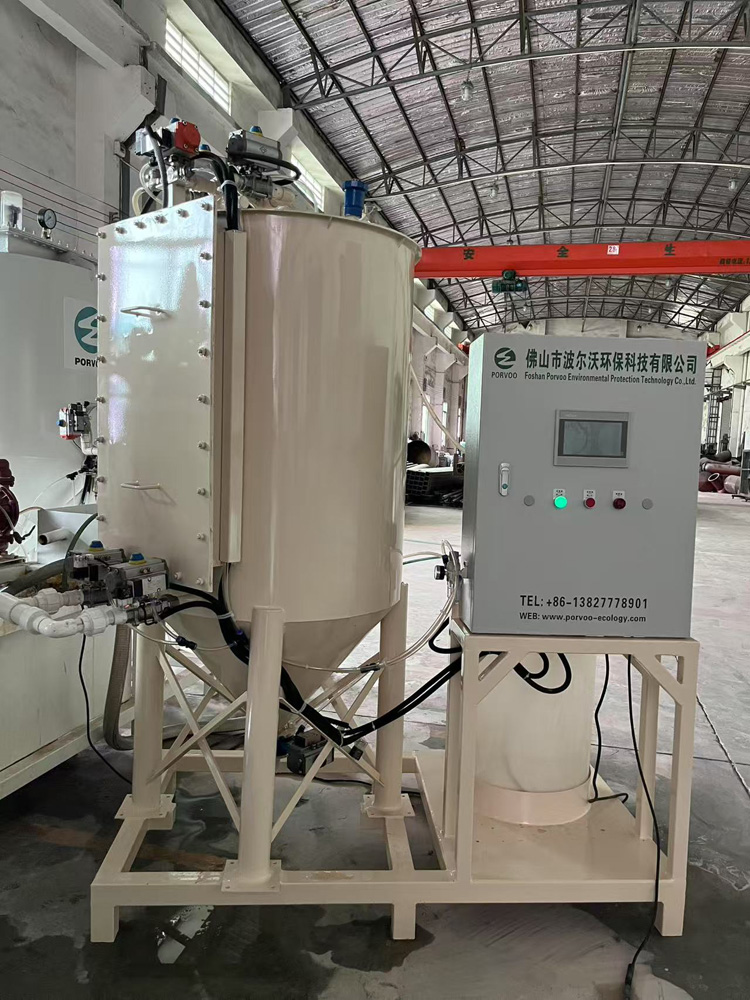
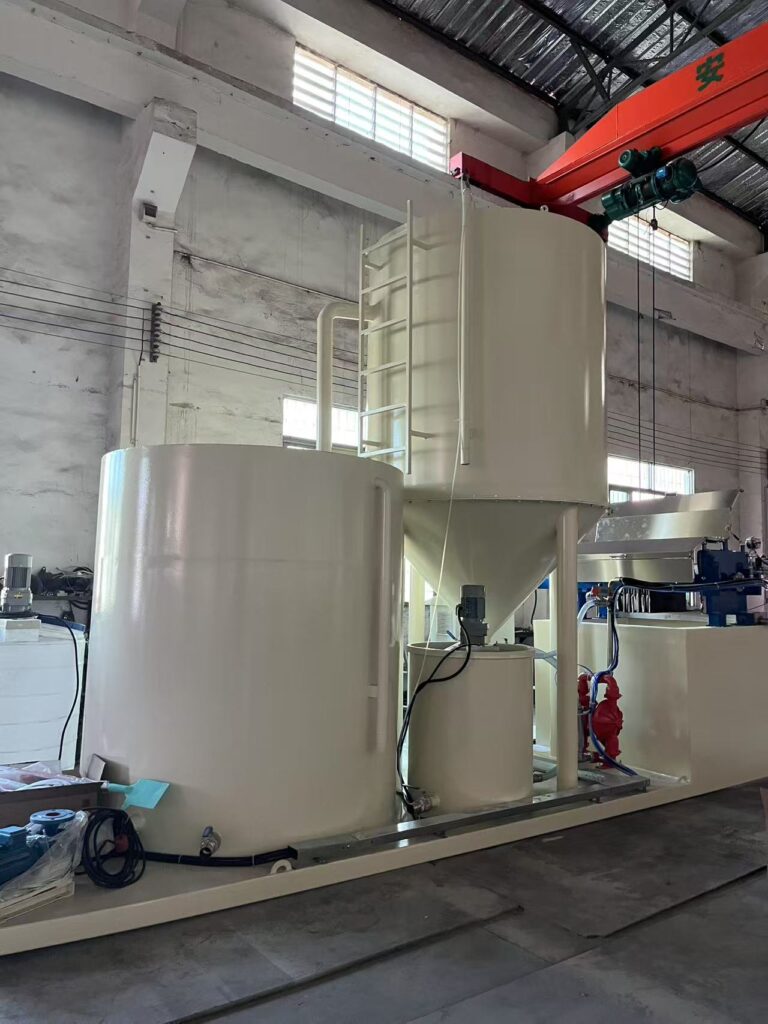
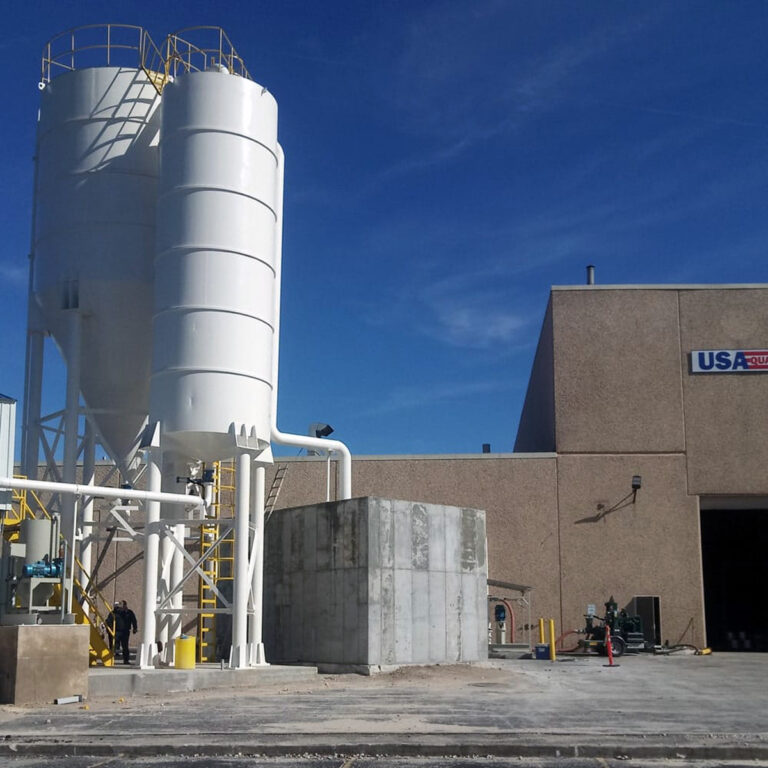
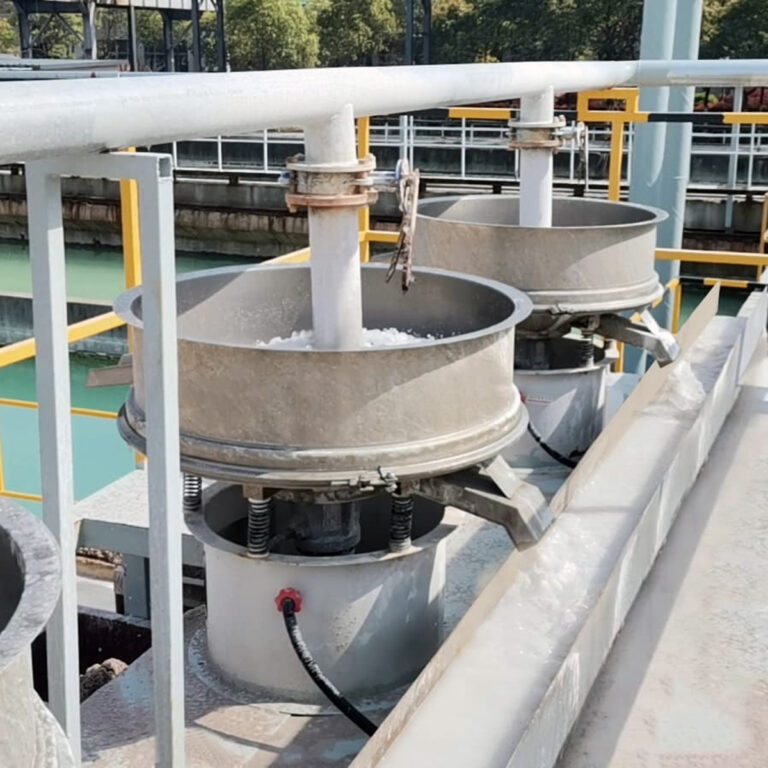
The strategic integration of hydrocyclones with downstream dewatering equipment unlocks significant value. Pairing cyclones with high-frequency dewatering screens can process the underflow to achieve material moisture as low as 12-14%, while also cleaning the overflow water for reuse. This integrated approach, such as a purpose-built grit removal and dewatering system, converts waste into a handleable product and minimizes freshwater consumption, addressing both economic and environmental KPIs.
Designing for Operational Simplicity
A cost-effective system is also a reliable one. Design for easy maintenance access, use wear sensors where possible, and ensure control logic is straightforward for operators. The goal is to minimize downtime and specialized maintenance interventions, keeping the system online and performing at its optimized point.
A holistic view of cost factors guides the implementation of a truly efficient system.
Strategic Cost Management
| Maliyet Faktörü | Strategic Action | Outcome/Benefit |
|---|---|---|
| Lifecycle Cost Dominance | Energy & maintenance focus | Lowers total operating expense |
| Performans Tutarlılığı | VFD-based pressure control | Maximizes recovery & quality |
| Pump Efficiency | Select vertical seal-less pumps | Reduces operating expenses |
| Product Moisture Target | Integrate with dewatering screens | Achieves 12-14% moisture |
| Water Management | Create closed-loop system | Minimizes freshwater use |
Kaynak: Teknik dokümantasyon ve endüstri spesifikasyonları.
Best Practices for Sustainable Slurry Treatment
Closing the Water Loop
Sustainable practice begins with maximizing resource recovery and minimizing discharge. The integrated hydrocyclone-dewatering screen system is a cornerstone, creating a closed-loop water circuit. This drastically reduces the volume of slurry sent to settling ponds, cuts freshwater makeup requirements, and transforms solid waste into a potentially saleable by-product.
Transitioning from Passive to Active Management
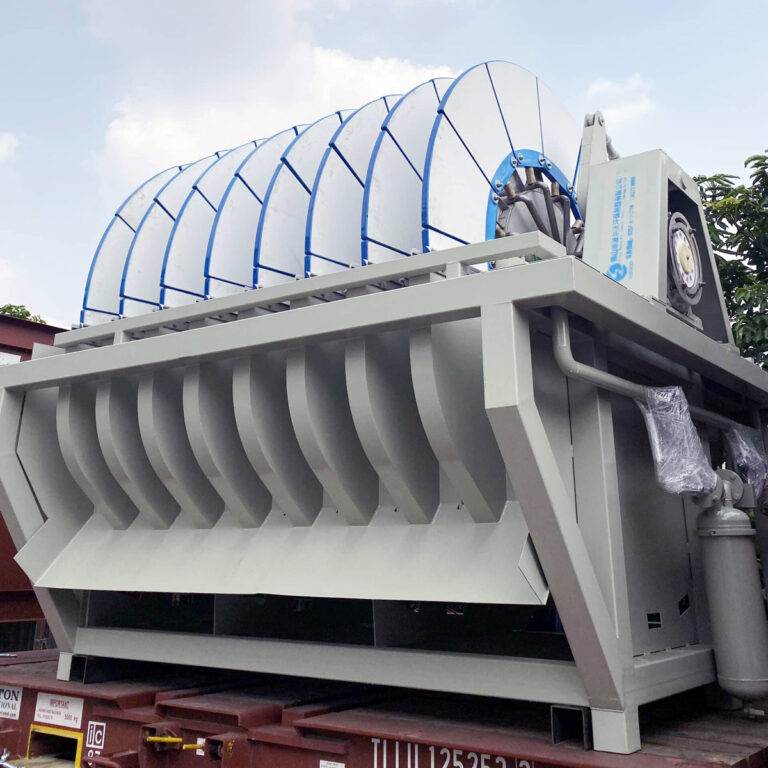
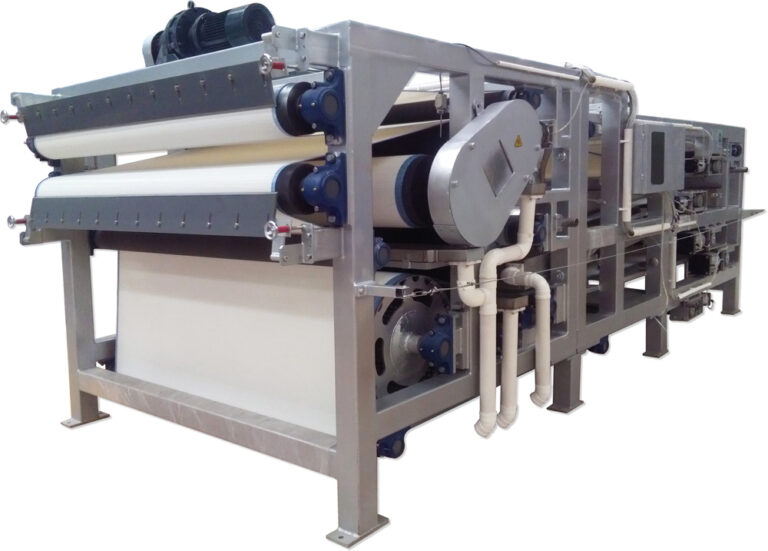
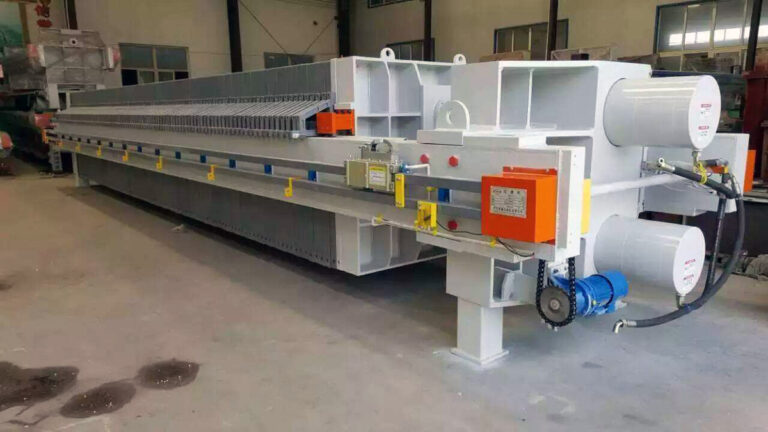
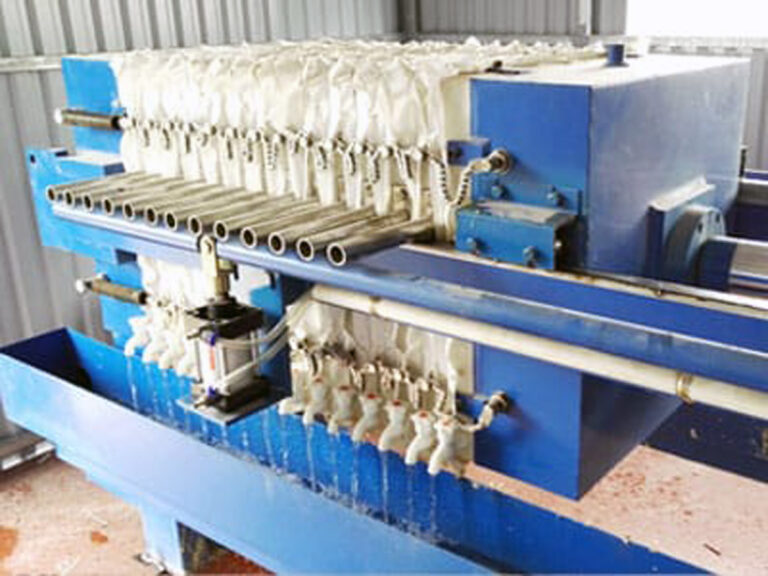
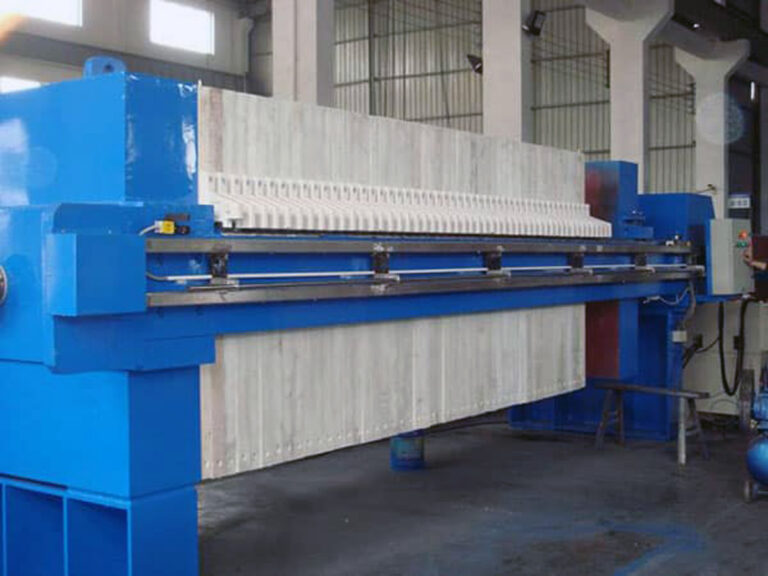
The industry is shifting from passive, land-intensive pond systems to active mechanical water management. This is driven by regulatory pressure and water scarcity. Following primary classification with thickeners and filter presses allows for near-total water recovery and the production of a dry cake for easier disposal or reuse, future-proofing operations against tightening environmental standards.
Leveraging Data for Adaptive Control
The sensor foundation used for pressure control (flow meters, density gauges, pressure transducers) provides the data for broader system optimization. The next frontier is using this data in adaptive control loops that self-optimize pump speed and valve positions based on real-time feed conditions, pushing efficiency closer to theoretical maximums.
The priority is stabilizing hydrocyclone feed pressure through VFD control—this is the foundation of both performance and efficiency. Next, evaluate the economic trade-off of finer particle recovery against the quantified energy cost, using your material’s specific gravity for accurate analysis. Finally, design with integration in mind, viewing the hydrocyclone not as an isolated unit but as the first stage in a closed-loop resource recovery system.
Need professional guidance to optimize your stone slurry treatment system’s pressure and energy profile? The engineers at PORVOO specialize in designing integrated solutions that balance separation efficiency with operational cost. Bize Ulaşın to discuss a system audit or custom design for your plant.
Sıkça Sorulan Sorular
Q: What is the most critical factor for achieving target particle separation in a hydrocyclone?
A: Maintaining a precise pressure drop across the unit is the essential driver for separation efficiency. This differential creates the centrifugal force that classifies particles, directly controlling the cut point where material splits between underflow and overflow. This means you must prioritize a stable, controlled feed pressure over simply maximizing raw pump power to meet your recovery and product specifications consistently.
Q: How do you select and control a feed pump for a stone slurry hydrocyclone system?
A: You need a centrifugal slurry pump with abrasion-resistant materials to deliver the required feed pressure, typically 15 to 80 psi for stone applications. The key strategy is to install a Variable Frequency Drive (VFD) controlled by a real-time pressure transducer at the cyclone inlet to maintain a constant setpoint. For projects where lifecycle energy cost is a major constraint, consider vertical seal-less pump designs which can offer a 15-30% efficiency advantage over traditional horizontal models.
Q: What operational trade-off is involved when recovering finer particles from slurry?
A: Recovering finer materials requires generating greater centrifugal force, which is achieved by operating the hydrocyclone at a higher feed pressure. This increase directly raises the pump’s energy consumption. If your operation requires recovering particles down to 38 microns, you must balance the value of that recovered product against the significant rise in operational energy costs.
Q: What are the best practices for diagnosing poor separation or fine particle loss?
A: Start diagnosis by verifying the pump’s feed pressure and flow rate against your target, then inspect the hydrocyclone for mechanical wear. A key visual indicator is the underflow discharge; a solid “sausage” stream signals correct operation, while a lazy, watery flow indicates poor separation due to incorrect pressure or slurry density. This means your operators should be trained to use this simple visual check for immediate system health assessment.
Q: How can you optimize the total energy consumption of a hydrocyclone system?
A: Focus on minimizing the total dynamic head the feed pump must generate. This involves right-sizing the cyclone cluster for your plant’s flow, optimizing pipeline layout to reduce friction losses, and operating the pump near its Best Efficiency Point using VFD control. Feeding slurry at a consistent, optimal solids density (typically 25-35% by weight) is also crucial, as overly dilute or dense feed wastes energy. For facilities with high throughput, integrated system design expertise is critical to avoid the high costs of mismatched equipment.
Q: Are there industry standards governing hydrocyclone design for mineral processing applications?
A: Yes, equipment design and performance for applications like stone slurry treatment are guided by industry standards such as JC/T 2568-2020 Yapı malzemeleri endüstrisi için hidrosiklon. This standard specifies technical requirements, test methods, and classification rules. This means when specifying or procuring cyclones, you should ensure vendor offerings comply with relevant standards to guarantee baseline performance and reliability.
Q: What integrated approach improves both cost-effectiveness and sustainability in slurry treatment?
A: Combining hydrocyclones with high-frequency dewatering screens creates a highly effective system. The hydrocyclone classifies fines, and the screen dewaters the underflow, achieving material moisture as low as 12-14% while recovering saleable sand from process water. This means facilities aiming to reduce pond volume and freshwater consumption should evaluate this integrated design to convert waste into product and close the water loop.