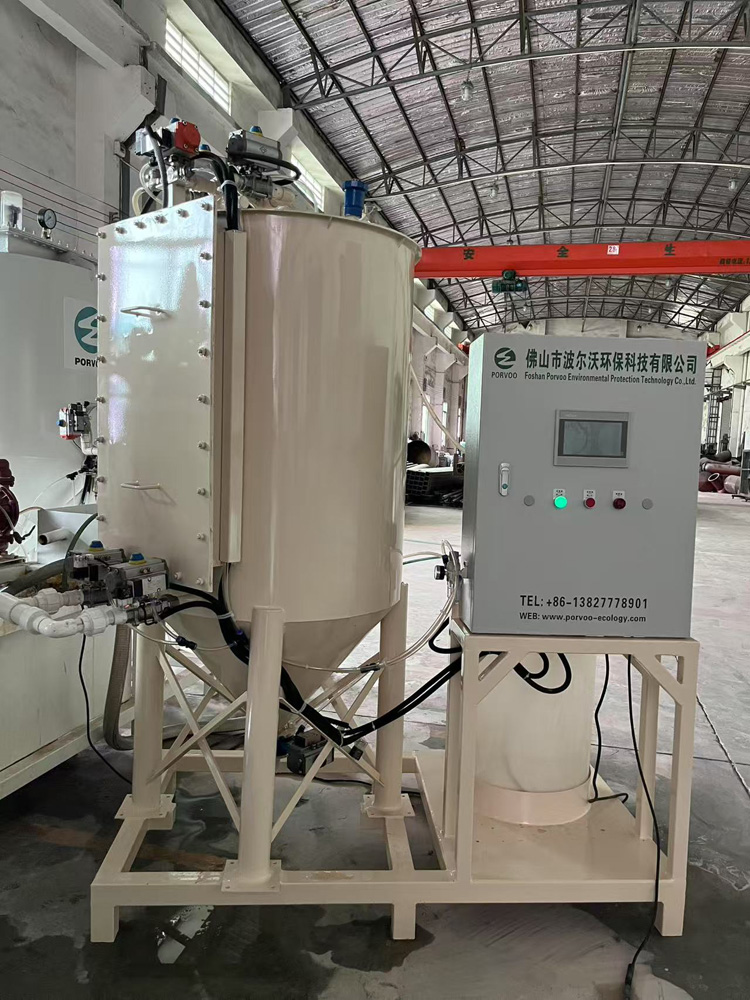
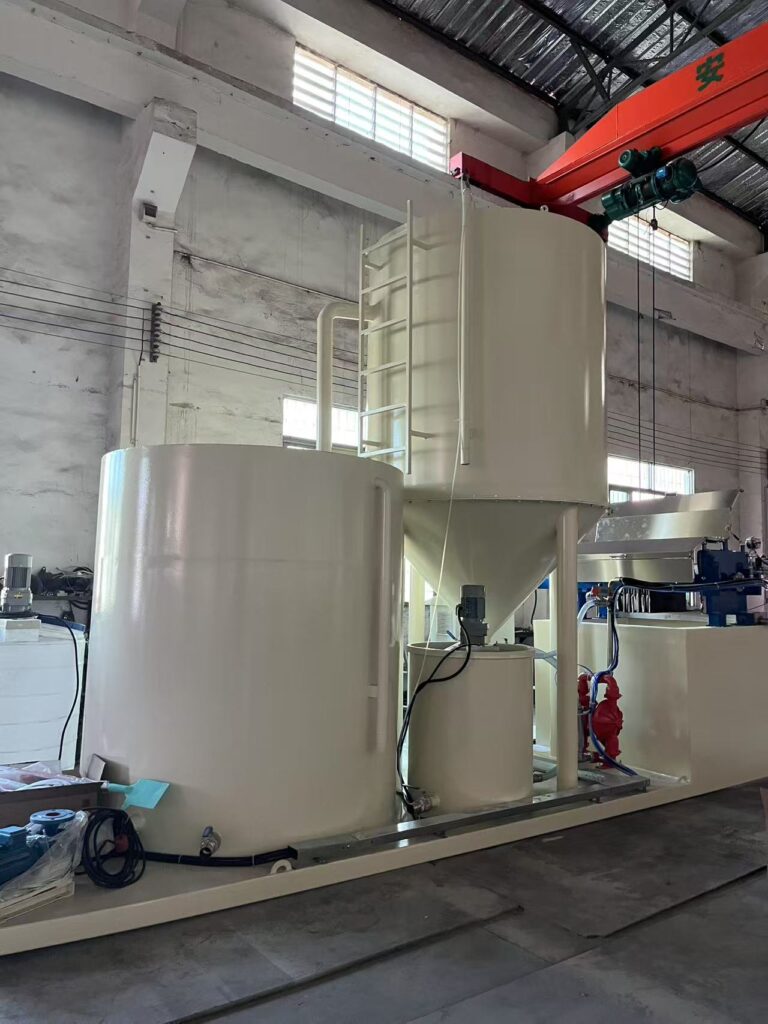
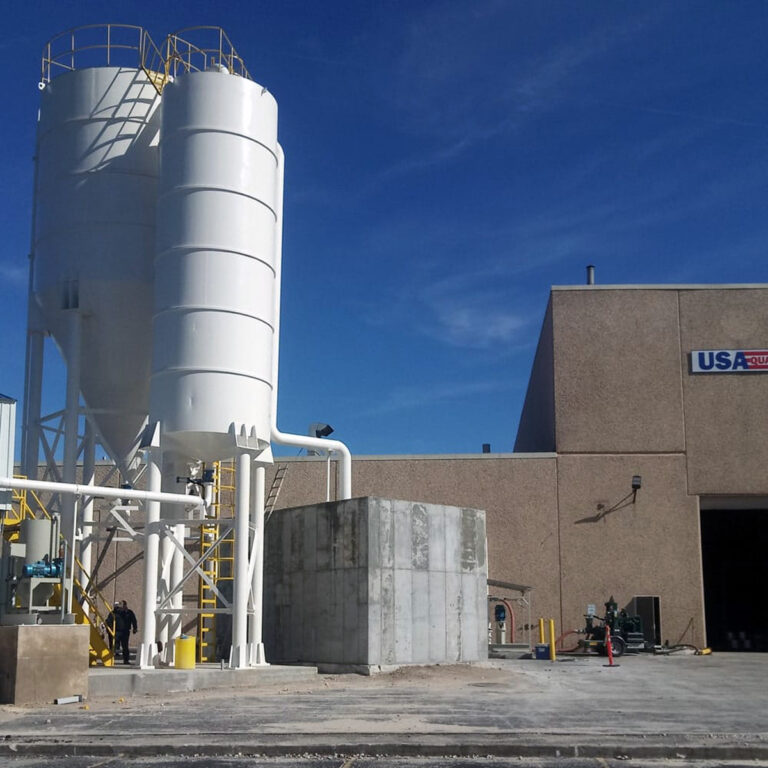
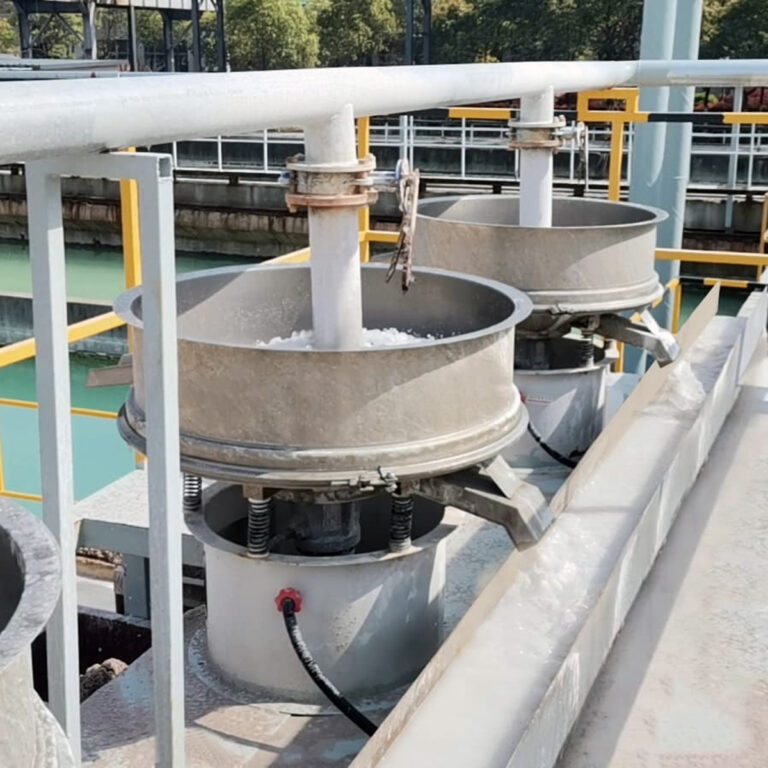
For stone processing facility managers and engineers, accurately sizing a wastewater silo tank is a critical operational calculation. An undersized system leads to constant overflows, abrasive recirculation that damages machinery, and non-compliance with environmental discharge limits. Conversely, an oversized tank represents a significant, unnecessary capital expenditure and occupies valuable floor space. The core challenge lies in converting the pneumatic flow rates of stone cutting equipment into a precise liquid storage volume that accounts for both water treatment and sludge accumulation.
This precision is not merely an engineering exercise; it’s a direct determinant of production quality, equipment longevity, and regulatory standing. With increasing scrutiny on water usage and waste disposal, coupled with the rising cost of premium stone and CNC tooling, a miscalculation can erode profit margins and operational stability. Getting the capacity right from the start protects your investment and ensures a reliable, compliant process.
The Core Formula: Converting CFM to Gallons for Your Silo
Understanding the Fundamental Conversion
Stone cutting wastewater is often transported via air pressure, making the conversion from Cubic Feet per Minute (CFM) to Gallons per Minute (GPM) the essential first step. The base conversion is constant: 1 CFM equals 7.48 GPM. The total system flow rate (Q) is the sum of the GPM from all machines operating concurrently. Industry practice dictates adding a 20% contingency to this sum to account for peak loads and future minor expansions. This calculated Q becomes the foundation for all subsequent volume determinations.
Applying the Core Capacity Formula
With the total flow rate established, the core sizing formula determines the silo’s active volume: Total Silo Capacity (Gallons) = [ Q (GPM) × Desired Retention Time (min) ] ÷ (1 – Sludge Capacity Factor). This formula elegantly combines the hydraulic requirement (flow × time) with the practical need for sludge storage. An incorrect conversion or omission of the sludge factor is a primary reason for system failure, as it directly leads to an undersized tank incapable of handling the actual process load.
From Formula to Functional Design
This formula provides the rational basis for the entire system design. Engineers must first define the slurry’s specific density and the plant’s operational cycle. In my experience, skipping a formal audit of all machine flow rates and their simultaneous use patterns is the most common pre-design mistake. The calculated volume then dictates pump sizing, pipe networks, and even the structural pad requirements, transforming an abstract number into a complete hydraulic system specification.
| Parametre | Typical Value / Formula | Önemli Hususlar |
|---|---|---|
| CFM to GPM Conversion | 1 CFM = 7.48 GPM | Fundamental pneumatic conversion |
| System Flow Rate (Q) | Σ(Machine GPM) + 20% | Must include contingency |
| Core Capacity Formula | GPM × Retention Time ÷ (1 – Sludge Factor) | Basis for all design decisions |
| Sludge Capacity Factor | 0.3 to 0.5 (30% – 50%) | Major volume allocation |
Kaynak: Teknik dokümantasyon ve endüstri spesifikasyonları.
Key Factors for Determining Required Retention Time
Defining the Settling Period
Retention time is the duration wastewater remains in the silo, allowing solids to settle out of suspension. For granite, marble, and engineered stone slurry, a typical range is 60 to 90 minutes. This period is influenced by particle size distribution and the use of chemical flocculants, which agglomerate fine particles to accelerate settling. The selection of this parameter is not arbitrary; it is a direct function of the stone type being processed and the desired clarity of the recycled water.
Consequences of Insufficient Retention
Strategically, retention time is an investment in product quality and capital asset protection. Insufficient time means microscopic abrasive particles remain in suspension. These particles are then recirculated, where they scratch stone surfaces during polishing and accelerate wear on expensive spindle seals and bearings. The consequence is inconsistent finish quality and increased frequency of tool changes and machinery downtime, directly impacting production costs and output value.
Balancing Time and Tank Size
The required retention time is the primary driver of the water volume component (V_s) in the core formula. A longer time increases the settling volume, demanding a larger tank. The decision balances the space and cost of a larger tank against the operational benefits of cleaner water and reduced abrasion. For facilities processing multiple stone types or aiming for a premium polish, erring toward the upper end of the retention range is a prudent choice to safeguard quality.
| Faktör | Tipik Aralık | Süreç Üzerindeki Etkisi |
|---|---|---|
| Stone Slurry Retention | 60 – 90 minutes | Primary driver for volume |
| Parçacık Boyutu | Değişken | Influences settling speed |
| Flocculant Use | Yes/No | Can reduce required time |
| Insufficient Time Consequence | Abrasive recirculation | Damages tools, poor finish |
Kaynak: Teknik dokümantasyon ve endüstri spesifikasyonları.
Calculating Sludge Holding Capacity and Total Volume
Allocating Volume for Solids Accumulation
A silo’s function extends beyond settling; it must also store the accumulated sludge between disposal cycles. This requires dedicating a significant portion of the total volume—typically 30% to 50%—solely for solids. This is accounted for in the core formula by the Sludge Capacity Factor (0.3 to 0.5). For instance, if the calculated minimum settling volume (Vs) is 10,898 gallons, applying a 40% sludge factor increases the total required capacity to Vs ÷ (1 – 0.4) = 18,163 gallons.
Impact on Downstream Equipment Selection
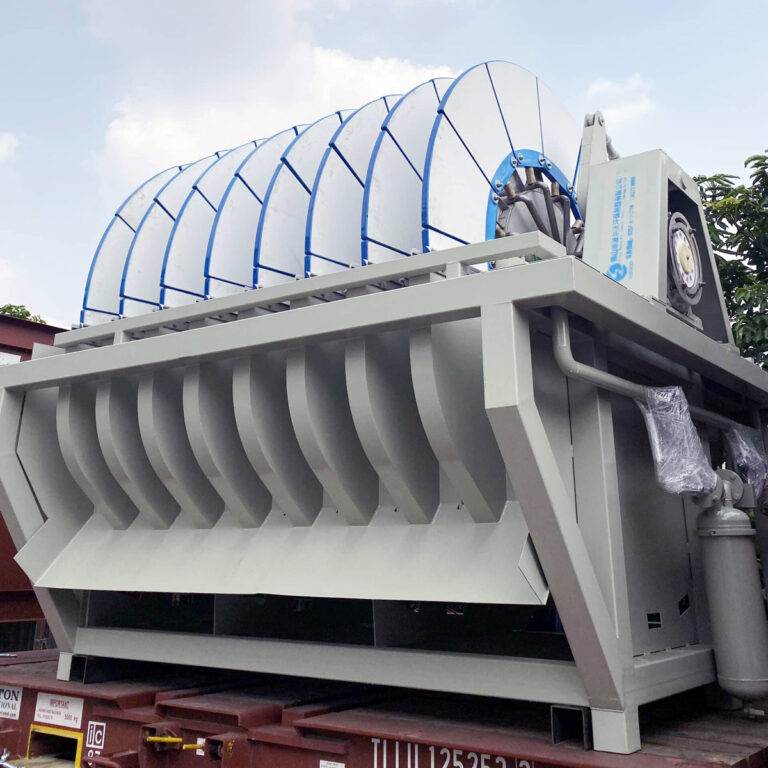
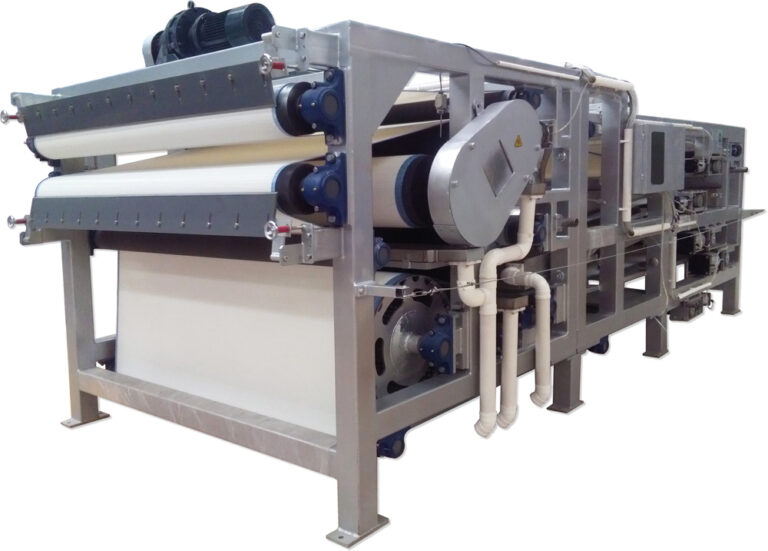
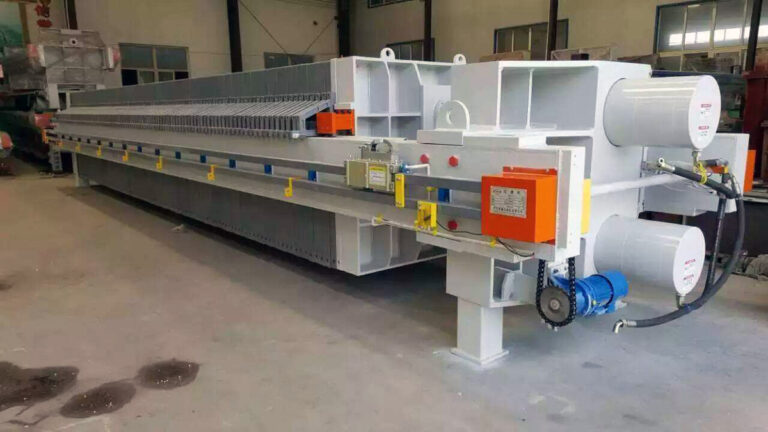
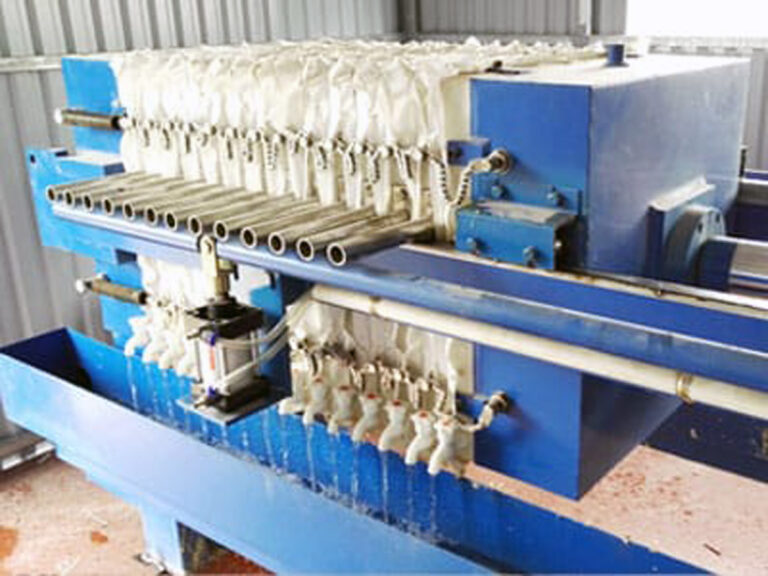
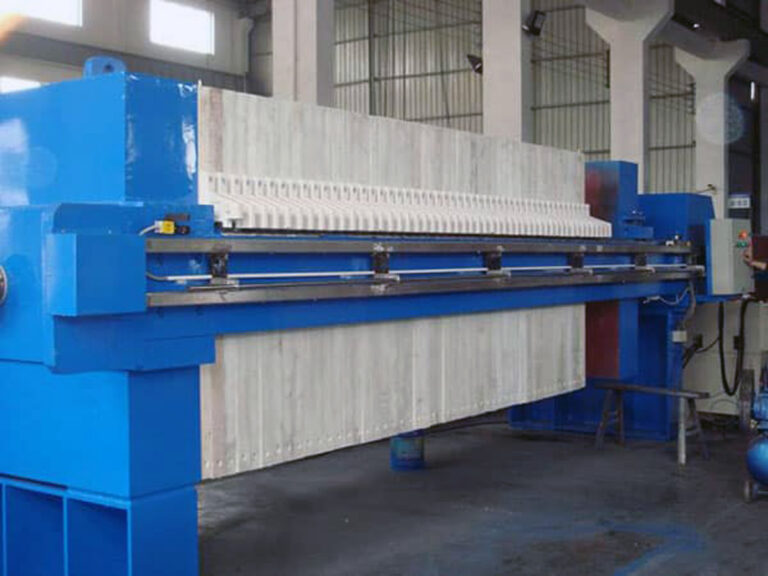
The calculated sludge volume directly dictates the scale and choice of dewatering equipment. The choice between manual filter bags and automated filterpresses hinges on this volume, balancing the higher efficiency and lower labor of a press against its greater upfront cost. A high-volume operation generating 68.7 m³ of sludge cannot reasonably manage it with bag filters, making a filterpress a operational necessity rather than an option.
Ensuring Structural and Environmental Integrity
The sludge holding section must be designed for structural integrity and environmental safety. Containment vessels must prevent leaks, which necessitates adherence to material and construction standards. For precast concrete tanks, specifications like ASTM C1227-20 Standard Specification for Precast Concrete Septic Tanks ensure watertight and structurally sound design, which is directly relevant for reliable, compliant sludge containment.
| Hesaplama Adımı | Example Value / Range | Result / Implication |
|---|---|---|
| Minimum Settling Volume (V_s) | 10,898 gallons | Base water volume |
| Sludge Capacity Factor | 0.4 (40%) | Common mid-range selection |
| Total Silo Capacity | V_s ÷ (1 – 0.4) = 18,163 gal | Final required volume |
| Downstream Equipment Choice | Filter bags vs. filterpresses | Dictated by sludge volume |
Kaynak: ASTM C1227-20 Standard Specification for Precast Concrete Septic Tanks. This standard ensures watertight and structurally sound containment vessels, directly relevant to the design and material integrity of sludge holding tanks, which must prevent leaks and environmental contamination.
Technical Considerations: Flow Rate, Pressure, and Pipe Sizing
Designing the Hydraulic Delivery System
Beyond tank volume, the system must deliver the total flow (Q) at adequate pressure to all points of use. Operating pressure typically ranges from 3.5 to 5.5 bar (50-80 psi). Pump sets are configured in duty/standby pairs to ensure uninterrupted operation during maintenance or failure. The pipe network diameter is critical; for a system around 1,000 L/min, 100mm (4-inch) pipes are standard to minimize friction loss and maintain pressure.
Planning for System Scalability
These technical specifications must be designed with future capacity in mind. Selecting a vendor with a scalable, modular product family allows for incremental upgrades. This foresight protects your initial investment, enabling a cost-effective expansion from, for example, 200 L/min to 1000 L/min without replacing the core system architecture. It turns a static specification into a strategic growth plan.
Integrating with Plant Utilities
The wastewater system does not operate in isolation. It must interface with plant air supply for pneumatic conveyance and electrical systems for pumps and controls. Ensuring the silo’s pump capacity aligns with the plant’s water pressure requirements and that control panels are specified for the local environment are easily overlooked details that prevent smooth commissioning.
| System Parameter | Typical Specification | Design Goal |
|---|---|---|
| Çalışma Basıncı | 3.5 – 5.5 bar (50-80 psi) | Adequate system delivery |
| Pipe Diameter (for ~1000 L/min) | 100 mm (4 inches) | Minimizes friction loss |
| Pump Configuration | Duty/Standby sets | Ensures system reliability |
| Scalability Planning | 200 L/min to 1000 L/min | Protects initial investment |
Kaynak: Teknik dokümantasyon ve endüstri spesifikasyonları.
Integrating Secondary Filtration and Water Quality Management
The Role of Polishing Filtration
The primary silo handles coarse settling, but secondary in-line filtration is often essential, especially for CNC equipment and high-polish applications. Filters rated down to 50 microns or finer protect sensitive spindle bearings and are mandatory for achieving a defect-free polish on premium materials like Calacatta marble or quartz. This stage is a direct quality control point.
Preventing Cross-Contamination
Water clarity is also critical for preventing cross-staining. Processing dark granite like Absolute Black and then white marble in the same loop with unfiltered water can lead to greyish staining on the light stone. Secondary filtration maintains water neutrality, protecting material value and reducing rework.
A Marker of Operational Tier
The level of filtration investment signals an operation’s market position. High-volume producers supplying to commercial projects typically invest in automated, multi-stage systems, prioritizing consistency and low manual intervention. Smaller shops may opt for functional, simpler systems. The choice defines both capability and operational philosophy.
Planning for Sludge Disposal and System Maintenance
Translating Volume into Operational Cycles
Calculated sludge volumes dictate the scale of disposal operations. Processing 68.7 m³ of sludge with a 0.33 m³ filterpress requires over 200 cycles. This number directly defines labor hours, scheduling intervals, and the required footprint for cake storage. It transforms an abstract volume into a concrete operational plan with real labor costs.
The Rising Bar of Compliance
Sludge disposal is increasingly framed by external pressures. Stricter regulations on landfill acceptance and higher insurance premiums for environmental liability are transforming advanced sludge management from a best practice into a fundamental cost of market entry. Effective planning is now as much about compliance and risk mitigation as it is about logistics.
Building a Maintenance Schedule
Maintenance must be planned around the de-sludging frequency to avoid system overload and performance degradation. This includes scheduling for pump maintenance, filter changes, and tank inspections. A predictable, volume-based maintenance schedule prevents reactive breakdowns and ensures consistent water quality.
| Operational Metric | Example Calculation | Real-World Implication |
|---|---|---|
| Total Sludge Volume | 68.7 m³ | Defines disposal scale |
| Filter Press Capacity | 0.33 m³ per cycle | Sizes ancillary equipment |
| Required Cycles | > 200 cycles | Dictates labor & scheduling |
| Regulatory Driver | Stricter waste rules | Transforms best practice to necessity |
Kaynak: Teknik dokümantasyon ve endüstri spesifikasyonları.
Avoiding Common Sizing Mistakes and Ensuring Compliance
Critical Calculation Errors
Common errors include underestimating total concurrent flow by not auditing all machines, ignoring the sludge holding capacity, and applying generic retention times unsuitable for the specific stone type. Each mistake cascades, leading to an undersized, overwhelmed system. Another frequent oversight is specifying a generic tank material. Stone wastewater’s variable pH and temperature necessitate matching tank liners and chemical-resistant sealants to the effluent’s exact profile to prevent premature failure.
Navigating Space and Retrofit Constraints
For retrofits or urban workshops, ignoring physical footprint can stall a project. Where conventional round tanks are impossible, slim-line or rectangular tank designs can unlock feasibility, though they involve trade-offs in settling dynamics and placement. Early engagement with a supplier experienced in space-constrained solutions is crucial.
Building a Compliant Foundation
Compliance extends beyond capacity. It encompasses material specifications, secondary containment, and discharge water quality monitoring. Ensuring the tank design meets relevant structural and containment standards is the first step in building a system that will pass regulatory inspection and operate safely long-term.
Implementing Your Calculated Silo Capacity: A Step-by-Step Plan
Conduct a Precise Wastewater Analysis
Implementation begins with a chemical and particulate analysis of your wastewater. This data informs material selection for corrosion resistance and helps predict settling behavior. It is the non-negotiable foundation for a durable, effective system.
Select a Scalable System Partner
With your calculated capacity, select a silo from a vendor with a verified, scalable range. Crucially, decide on an implementation model. A turnkey, concept-to-completion service from a single provider reduces coordination overhead and assigns clear accountability, mitigating integration risks—a significant advantage for complex projects requiring precise endüstri̇yel atiksu aritma çözümleri̇.
Plan for Future Synergies
Consider future utility integrations. For example, using waste heat from air compressors to warm process water in colder climates can improve settling rates and reduce heating costs. This forward-thinking approach moves the system from a standalone unit toward an integrated, closed-loop utility asset, representing a next-generation efficiency leap.
The silo capacity calculation is the linchpin connecting your production output to environmental compliance and machinery protection. Prioritize the accurate summation of all machine flows, apply a retention time that reflects your quality standards, and never underestimate the volume required for sludge. This disciplined approach transforms the tank from a simple container into a calculated process control asset.
Need professional guidance to translate these calculations into a reliable, compliant system? The engineering team at PORVOO specializes in developing tailored wastewater solutions based on precise operational data. Contact us to discuss your specific flow rates and space constraints.
Sıkça Sorulan Sorular
Q: What is the core formula for sizing a silo tank based on pneumatic flow rates?
A: The fundamental sizing formula is Total Silo Capacity (Gallons) = [ Σ(Machine Flow Rates in GPM) × Desired Retention Time (min) ] ÷ (1 – Sludge Capacity Factor). You must first convert pneumatic flow from CFM to GPM using the 1 CFM = 7.48 GPM conversion and sum all concurrent machine flows. This means facilities with multiple operating machines must calculate a total system flow rate and add a contingency, as an incorrect baseline will lead to an undersized and failing system.
Q: How do you determine the necessary retention time for stone slurry wastewater?
A: Retention time is primarily driven by the need for abrasive solids to settle, typically requiring 60 to 90 minutes for stone slurry. This duration is influenced by particle size and the use of flocculants to accelerate settling. If your operation requires a high-quality polish, plan for the upper end of this range to protect sensitive CNC spindles and bearings from microscopic, recirculating abrasives that can scratch finished stone.
Q: Why is a sludge holding capacity factor critical in the total volume calculation?
A: A silo must reserve 30% to 50% of its total volume for accumulated sludge between disposal cycles, which is accounted for by the Sludge Capacity Factor in the core formula. This volume directly dictates the frequency of de-sludging and the scale of ancillary equipment, like filterpresses. For projects where labor is limited, a larger sludge factor and automated disposal equipment become a necessary investment to maintain system uptime.
Q: What technical specs for pumps and piping are needed beyond tank volume?
A: The hydraulic system must deliver the total calculated flow at 3.5-5.5 bar pressure, typically using duty/standby pump sets. Pipe diameter is critical; for flows around 1,000 L/min, 100mm (4-inch) pipes are standard to minimize friction loss. This means when selecting a vendor, you should verify their product family offers scalable pump and pipe options to accommodate future production increases without a complete system redesign.
Q: How do material standards like ASTM C1227 impact silo tank selection?
A: For permanent, below-grade containment of wastewater, structural integrity and watertightness are paramount. Standards such as ASTM C1227 specify materials, design, and performance for precast concrete tanks, ensuring long-term reliability. This means a generic tank specification is inadequate; you must select tanks certified to relevant standards to prevent environmental leaks and premature structural failure.
Q: What common mistakes lead to an undersized or non-compliant silo system?
A: The most frequent errors are underestimating total concurrent machine flow, ignoring the sludge holding capacity in volume calculations, and applying an insufficient retention time. Compliance also requires matching tank liners and sealants to the specific corrosive profile of your stone wastewater. If your operation is in a space-constrained urban workshop, expect to evaluate slim-line tank designs, as ignoring footprint can stall an otherwise feasible project.
Q: Should you integrate secondary filtration with the primary settling silo?
A: Yes, secondary in-line filtration (e.g., down to 50 microns) is often essential after primary settling to protect sensitive equipment and achieve a high-quality polish. This stage prevents cross-staining when processing different stone types and safeguards CNC spindles. This means high-volume producers targeting premium markets should budget for multi-stage, automated filtration, as it signals a commitment to quality and operational consistency.