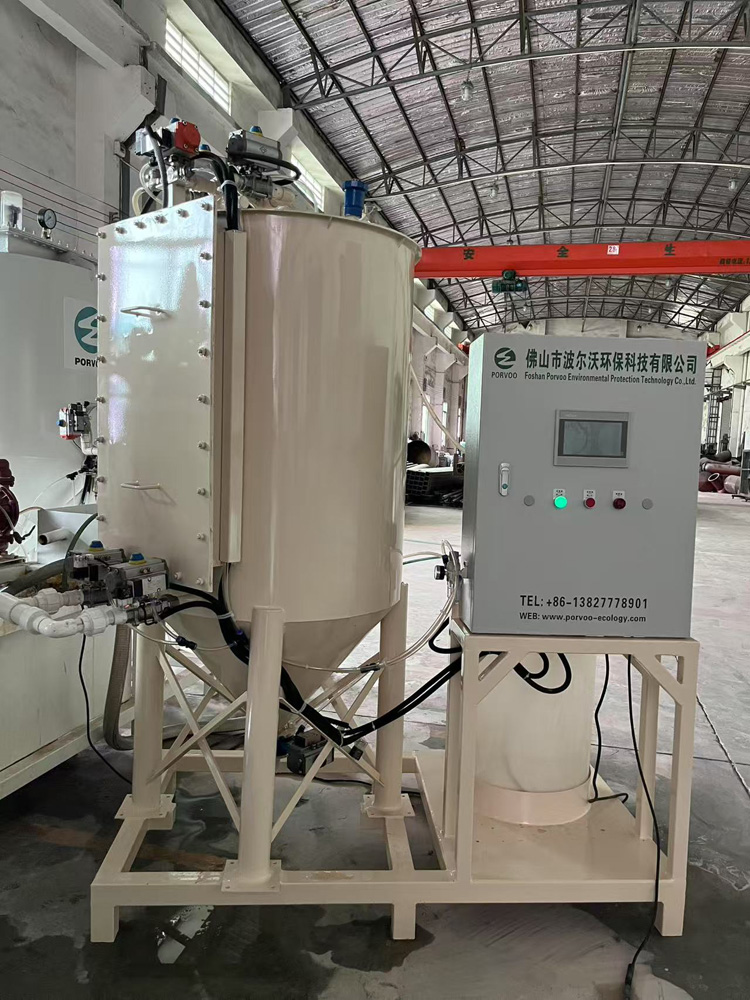
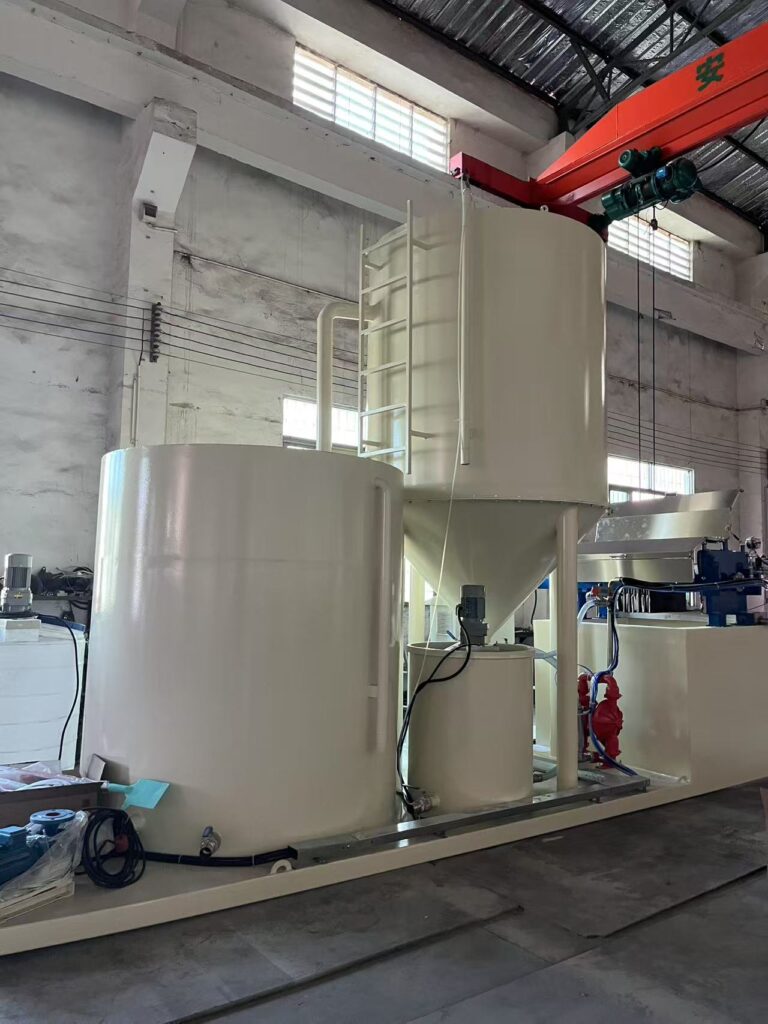
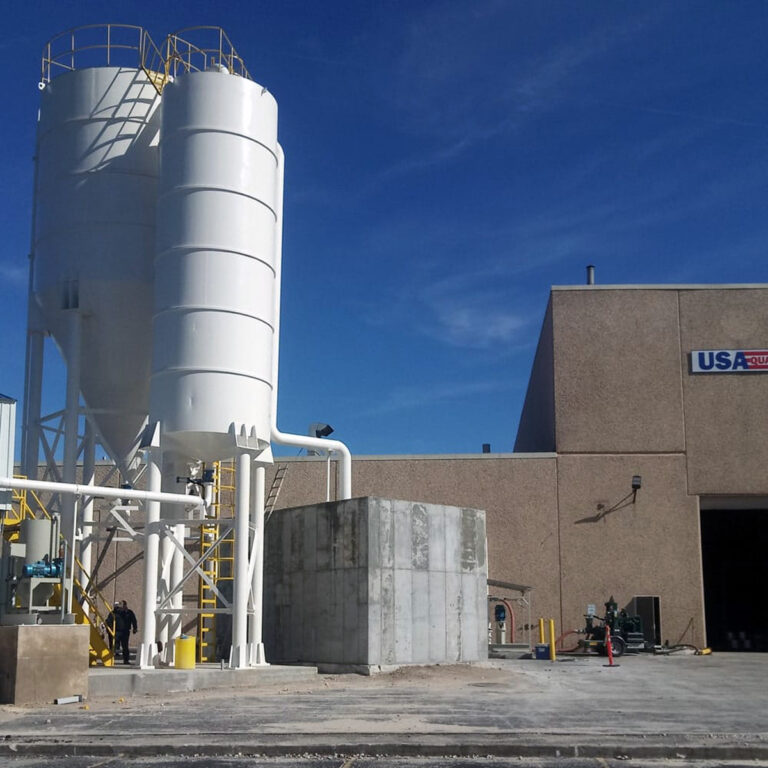
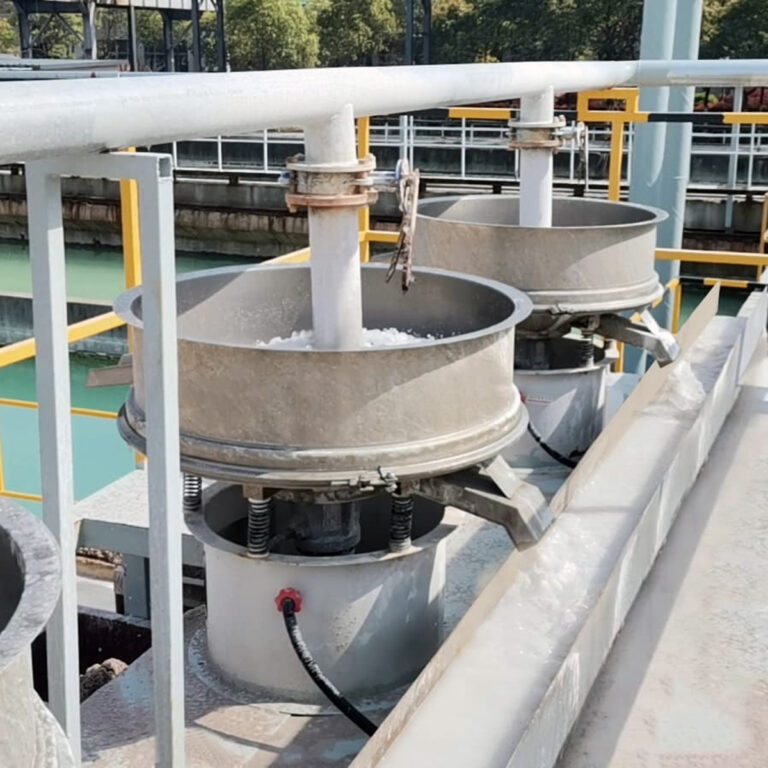
Endüstriyel tesisler her gün milyonlarca partikül üreterek tehlikeli çalışma koşulları ve şirketlere binlerce para cezası ve sağlıkla ilgili harcamalara mal olan mevzuata uyum zorlukları yaratır. Uygun olmayan toz toplama teknoloji̇si̇, havadaki kirleticiler hızla birikerek ekipman hasarına, çalışanların solunum sorunlarına ve üretimin durmasına neden olur. Toz kontrol sistemleri arızalandığında üretim operasyonları ortalama 15-20% verimlilik kaybederken, yetersiz hava kalitesi için OSHA ihlalleri olay başına $50.000'i aşan cezalarla sonuçlanabilir.
Bu kapsamlı kılavuz, modern toz toplama sistemlerinin gelişmiş filtreleme süreçleriyle kirli havayı nasıl temiz ve güvenli çalışma ortamlarına dönüştürdüğünü ortaya koymaktadır. Endüstriyel hava temizlemenin ardındaki temel ilkeleri keşfedecek, farklı partikül ayırma yöntemlerini karşılaştıracak ve önde gelen üreticilerin operasyonel maliyetleri azaltırken en yüksek performansı korumak için kullandıkları optimizasyon stratejilerini öğreneceksiniz.
Toz Toplama Teknolojisi Nedir ve Neden Önemlidir?
Toz toplama teknolojisi endüstriyel ortamlarda havayla taşınan partikülleri yakalamak, filtrelemek ve uzaklaştırmak için tasarlanmış sofistike sistemleri kapsar. At PORVOO, Bu sistemlerin modern üretim güvenliği ve verimlilik protokollerinin bel kemiği olarak nasıl hizmet ettiğini gözlemledik.
Bu teknoloji hava hareketi, partikül fiziği ve filtrasyon mekaniğinin temel prensiplerine göre çalışır. Endüstriyel toz toplayıcılar, kirli havayı çeşitli ayırma aşamalarından geçiren kontrollü hava akışı modelleri oluşturur ve sonuçta temiz havayı işyeri ortamlarına geri döndürür veya güvenli bir şekilde dışarı atar.
Sektörler Arası Kritik Uygulamalar
Üretim sektörleri farklı nedenlerle toz toplamaya büyük ölçüde ihtiyaç duyar. Ağaç işleme operasyonları 0,5 ila 100 mikron arasında değişen ince talaş partikülleri üretirken, metal işleme hem kaba taşlama döküntüleri hem de 1 mikrondan küçük ultra ince kaynak dumanı üretir. Farmasötik tesisler, partikül sayısı fit küp başına 100.000 partikülün altında olan ultra temiz ortamlar gerektirir.
EPA'nın son verilerine göre, uygun şekilde bakımı yapılan toz toplama sistemlerine sahip tesisler, havadaki partikül seviyelerini 95-99% oranında azaltarak hem işçi güvenliğini hem de ürün kalitesini önemli ölçüde artırmaktadır. Bu teknoloji, yanlış toplamanın patlayıcı koşullara yol açabileceği yanıcı tozlarla çalışırken özellikle önemli hale gelmektedir.
Mevzuat ve Güvenlik Gereklilikleri
OSHA'nın İzin Verilebilir Maruz Kalma Sınırları (PEL'ler) farklı malzemeler için belirli hava kalitesi standartlarını zorunlu kılar. Örneğin silika tozuna maruz kalma, 8 saat boyunca ortalama metreküp başına 50 mikrogramın altında kalmalıdır. Modern toz toplama sistemleri, uygun şekilde tasarlandığında ve bakımı yapıldığında bu standartları tutarlı bir şekilde sağlar.
Endüstriyel Toz Toplama Sistemleri Nasıl Çalışır?
Endüstriyel toz toplayıcılar hava yakalama, taşıma, ayırma ve filtrelemeyi içeren sistematik bir süreçle çalışır. Süreç, negatif basınç bölgeleri oluşturarak kirli havayı kanal ağları aracılığıyla sisteme çeken stratejik olarak yerleştirilmiş toplama noktaları ile başlar.
Dört Aşamalı Filtrasyon Süreci
Aşama 1: Hava Yakalama ve Taşıma
Toplama davlumbazları ve toplama noktaları, partikül özelliklerine bağlı olarak tipik olarak dakikada 100-4.000 fit arasında değişen hızlarda kontrollü hava akışı modelleri oluşturur. Daha ağır partiküller, kanallarda çökelmeyi önlemek için daha yüksek taşıma hızları gerektirir.
Aşama 2: Birincil Ayırma
İlk ayırma, yerçekimsel çökelme veya santrifüj kuvveti yoluyla daha büyük partikülleri giderir. Bu aşama tipik olarak 10 mikrondan büyük partiküllerin 60-80%'sini yakalayarak aşağı akış filtrasyon elemanları üzerindeki yükü azaltır.
Aşama 3: İnce Filtrasyon
Gelişmiş filtre medyası, kalan partikülleri impaksiyon, durdurma ve difüzyon dahil olmak üzere birden fazla mekanizma yoluyla yakalar. Yüksek verimli filtreler, 0,3 mikron kadar küçük partiküller için 99,97% yakalama oranlarına ulaşır.
Aşama 4: Temiz Hava Dönüşü
Filtrelenen hava, kirlilik seviyelerine ve yerel yönetmeliklere bağlı olarak ya enerji tasarrufu için tesise geri döner ya da dışarı atılır.
Hava Akışı Dinamiği ve Sistem Tasarımı
Etkili toz toplama, “yakalama hızı” prensibine dayalı hassas hava akışı hesaplamaları gerektirir. Farklı malzemeler belirli minimum hızlar gerektirir: un gibi hafif tozlar 50-100 FPM gerektirirken, metal talaşı gibi ağır partiküller kaynakta 150-500 FPM'ye ihtiyaç duyar.
Deneyimlerimiz, tasarım kapasitesinin üzerinde çalışan küçük boyutlu sistemlerin katlanarak verimlilik kaybettiğini göstermektedir. Örneğin 10.000 CFM için tasarlanan ancak 12.000 CFM'de çalışan bir sistem, filtrasyon odalarında yetersiz kalma süresi nedeniyle partikül yakalama verimliliğinde 30-40% azalma yaşayabilir.
Partikül Ayırma Yöntemlerinin Başlıca Türleri Nelerdir?
Modern parti̇kül ayirma yöntemleri̇ farklı uygulamalar ve partikül özellikleri arasında optimum toz giderimi elde etmek için farklı fiziksel prensipler kullanır.
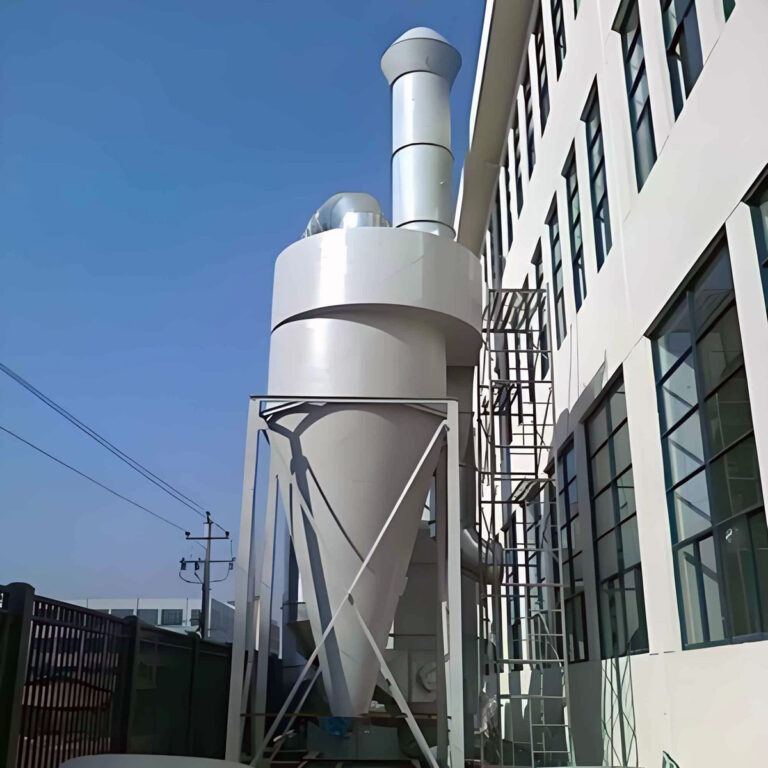
Siklon Ayırıcılar: Santrifüj Kuvvet Teknolojisi
Siklon ayırıcılar, partikülleri hava akımlarından ayırmak için merkezkaç kuvveti kullanır. Hava teğetsel olarak girer ve daha ağır partikülleri dış duvara doğru zorlayan bir girdap oluşturarak aşağıya doğru toplama hunilerine kaymalarını sağlar.
| Siklon Tipi | Verimlilik Aralığı | Parçacık Boyutu (mikron) | Tipik Uygulamalar |
|---|---|---|---|
| Yüksek Verimlilik | 85-95% | 5-100 | Ağaç İşleri, Tarım |
| Geleneksel | 70-85% | 10-100 | Birincil ayırma, Ön filtreleme |
| Çoklu klon | 80-90% | 2-50 | Yüksek hacimli uygulamalar |
Siklonlar, minimum bakım gereksinimi ile büyük hacimlerin işlenmesinde mükemmeldir. Bununla birlikte, 5 mikrondan küçük partiküller için verimlilikleri önemli ölçüde düşer ve tam toz kontrolü için ikincil filtreleme gerektirir.
Torbalı Filtrasyon Sistemleri
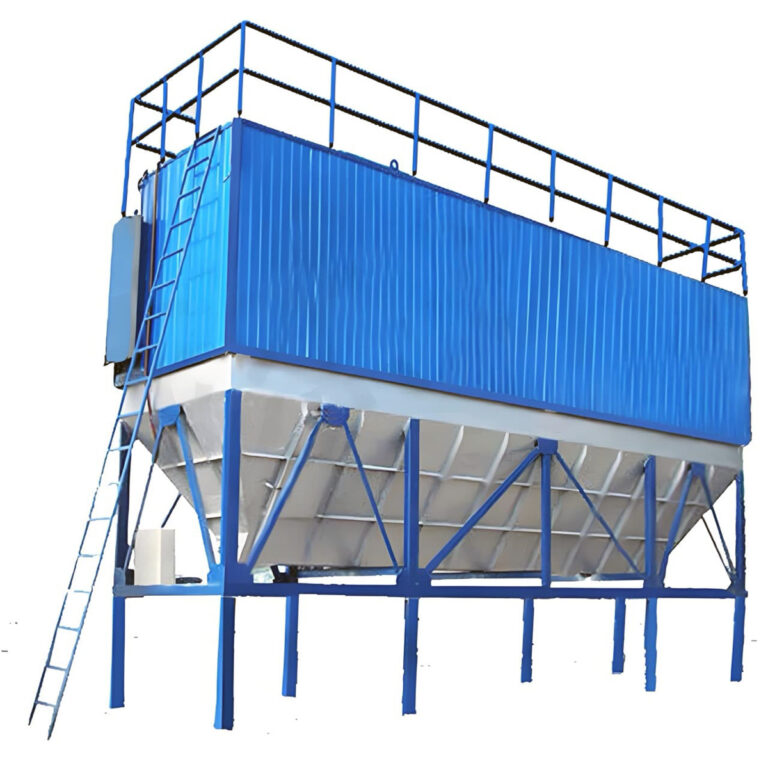
Kumaş filtre torbalı sistemleri, geniş partikül boyutu aralıklarında 99%+ verimlilik elde edebilen en çok yönlü toz toplama çözümünü temsil eder. Bu sistemler kirli havayı kumaş torbalar veya kartuş elemanlar aracılığıyla filtreler ve partiküller filtre yüzeylerinde birikerek filtrasyon verimliliğini artıran “toz keki” oluşturur.
Pulse-jet temizleme sistemleri, biriken tozu yerinden çıkarmak için hava akışını periyodik olarak tersine çevirerek tutarlı performansı korur. Modern PTFE membran filtreler, 2-4 inç su sütunu kadar düşük basınç düşüşleri elde ederken 500 ° F'ye kadar sıcaklıklarla başa çıkabilir.
Elektrostatik Çöktürme Teknolojisi
Elektrostatik çökelticiler (ESP'ler) partikülleri elektriksel olarak yükler, ardından bunları zıt yüklü plakalar üzerinde toplar. Bu teknoloji, enerji üretimi ve çelik üretiminde yaygın olarak kullanılan ince partiküller ve yüksek sıcaklık uygulamaları için özellikle etkili olduğunu kanıtlamaktadır.
ESP'ler büyük hacimleri düşük basınç düşüşleriyle verimli bir şekilde işlerken, yüksek dirençli tozlarla mücadele eder ve sofistike elektrik kontrolleri gerektirir. Kurulum maliyetleri tipik olarak torbalı sistemleri 40-60% oranında aşar, ancak işletme maliyetleri büyük ölçekli uygulamalar için daha düşük kalır.
Hangi Hava Filtreleme Teknolojileri En Etkili?
Hava filtreleme teknolojisi etkinlik, partikül boyutu dağılımı, kimyasal uyumluluk ve çalışma koşulları dahil olmak üzere filtre özelliklerinin belirli uygulama gereklilikleriyle eşleştirilmesine bağlıdır.
Advanced Filter Media Comparison
Modern filtration utilizes diverse media types, each optimized for specific performance criteria:
PTFE Membrane Filters provide exceptional chemical resistance and release properties, ideal for sticky or fine dusts. These filters maintain 99.9% efficiency while enabling easy cleaning cycles that extend operational life to 3-5 years in demanding applications.
Nanofiber Technology represents the cutting edge of filtration advancement. Nanofiber layers capture submicron particles while maintaining low pressure drop characteristics. Testing shows these filters achieve 99.97% efficiency on 0.3-micron particles while operating at 50% lower pressure drops than conventional media.
Pleated Cartridge Systems maximize filtration surface area within compact housings. A standard 12.75″ x 26″ cartridge provides 320 square feet of filter area, equivalent to eight traditional bag filters.
Performans Optimizasyon Stratejileri
Filter selection involves balancing multiple performance factors. High-efficiency filters may create excessive pressure drops, increasing energy costs and reducing system airflow. The optimal approach often involves multi-stage filtration, where primary collectors remove larger particles before fine filtration stages.
Our analysis of over 200 installations reveals that properly staged systems achieve 15-25% lower operating costs compared to single-stage high-efficiency designs. Primary separation removes 70-80% of particulate load, allowing secondary filters to operate at peak efficiency for extended periods.
Emerging Filtration Technologies
Recent developments in atmospheric plasma and photocatalytic oxidation show promise for destroying rather than simply collecting certain contaminants. These technologies prove particularly valuable for volatile organic compounds and biological contaminants that traditional mechanical filtration cannot address effectively.
How Do You Choose the Right Industrial Filtration Process?
Optimum seçim dust collection principles requires systematic evaluation of facility requirements, contaminant characteristics, and operational constraints. The decision matrix involves multiple interdependent factors that significantly impact long-term performance and costs.
Comprehensive Application Analysis
Particle Characterization forms the foundation of proper system design. Particle size distribution analysis reveals the percentage of particles in different size ranges, directly influencing technology selection. Materials with 80%+ particles larger than 10 microns work well with cyclone pre-separation, while processes generating primarily submicron particles require high-efficiency filtration from the start.
Kimyasal Uyumluluk considerations become critical when handling reactive or corrosive materials. Aluminum dust requires explosion-proof designs with spark detection systems, while acid fumes demand corrosion-resistant construction materials and specialized filter media.
Volume and Concentration parameters determine sizing requirements and technology feasibility. High-concentration applications (>10 grains per cubic foot) benefit from primary separation stages, while low-concentration processes may utilize direct high-efficiency filtration.
Ekonomik Değerlendirme Çerçevesi
| Maliyet Kategorisi | Cyclone Systems | Baghouse Systems | ESP Systems |
|---|---|---|---|
| Initial Capital | Low ($15-30/CFM) | Medium ($25-45/CFM) | High ($35-65/CFM) |
| Operating Energy | Low (2-4″ WC) | Medium (4-6″ WC) | Low (1-2″ WC) |
| Bakım | Very Low | Orta | Yüksek |
| Filtre Değişimi | Hiçbiri | $2-5/CFM annually | Minimal |
Total cost of ownership calculations often favor baghouse systems for moderate-volume applications, while cyclones excel in high-volume, coarse particle scenarios. ESPs become economically attractive only for very large installations exceeding 50,000 CFM.
Mevcut Altyapı ile Entegrasyon
Successful dust collection implementation requires careful coordination with existing HVAC, process equipment, and building systems. Retrofit installations face space constraints that may eliminate certain technologies, while new construction allows optimized system layouts.
Energy recovery considerations become increasingly important with rising utility costs. Heat recovery systems can capture 60-70% of heated air that would otherwise exhaust outdoors, providing substantial energy savings in cold climates.
What Are the Benefits and Limitations of Modern Dust Collectors?
Çağdaş endüstri̇yel toz toplama si̇stemleri̇ deliver substantial operational advantages while presenting certain implementation and maintenance challenges that require careful consideration.
Quantified Performance Benefits
Worker Health and Safety Improvements represent the primary driver for dust collection investment. Facilities implementing comprehensive dust control report 60-80% reductions in respiratory-related worker compensation claims and achieve consistently higher productivity ratings due to improved working conditions.
Equipment Protection and Longevity provide measurable ROI through reduced maintenance costs and extended machinery life. Manufacturing equipment in dust-controlled environments experiences 40-50% longer service intervals and significantly reduced bearing and mechanical component failures.
Product Quality Enhancement becomes particularly valuable in precision manufacturing. Electronics assembly facilities with Class 10,000 clean room standards achieve 99.2% first-pass quality rates compared to 94.7% in uncontrolled environments.
Energy Efficiency and Environmental Impact
Modern dust collectors contribute significantly to facility sustainability goals. Variable frequency drives automatically adjust fan speeds based on system demand, reducing energy consumption by 20-30% compared to constant-speed operation. Smart controls monitor pressure differentials and optimize cleaning cycles to maintain peak efficiency.
According to the Department of Energy, industrial facilities can reduce total energy consumption by 8-12% through properly implemented dust collection with heat recovery systems. This translates to $15,000-40,000 annual savings for typical medium-sized manufacturing operations.
Implementation Challenges and Limitations
High Initial Investment requirements can strain facility budgets, particularly for comprehensive systems covering multiple process areas. Complete installation costs typically range from $50,000-500,000 depending on facility size and complexity, requiring 2-4 year payback periods to justify investment.
Ongoing Maintenance Demands require dedicated personnel and scheduled downtime for filter changes, system inspections, and performance optimization. Facilities without proper maintenance protocols experience 25-40% efficiency degradation within the first year of operation.
Space and Infrastructure Requirements may necessitate significant building modifications. Large baghouse systems require substantial floor space and structural support, while ductwork installations can conflict with existing utilities and material handling systems.
How Can You Optimize Your Dust Collection System Performance?
Maximizing dust collection effectiveness requires systematic monitoring, maintenance protocols, and continuous improvement strategies that address both immediate operational needs and long-term performance sustainability.
Predictive Maintenance and Monitoring Systems
Modern toz toplama si̇stemleri̇ incorporate sophisticated monitoring technology that enables predictive maintenance approaches. Differential pressure sensors provide real-time filter loading data, while vibration analysis detects bearing wear and fan imbalances before catastrophic failures occur.
Smart Sensor Integration allows continuous monitoring of key performance indicators including airflow rates, pressure differentials, and filter condition. Facilities utilizing IoT-enabled monitoring report 35-45% reductions in unscheduled downtime and 20-25% lower maintenance costs through early problem detection.
Performance Trending Analysis reveals gradual efficiency degradation patterns that indicate needed adjustments. Tracking pressure drop increases over time identifies filter aging, while capture efficiency measurements detect system imbalances requiring ductwork modifications or airflow rebalancing.
Advanced Control Strategies
Variable Frequency Drive Implementation optimizes energy consumption by matching fan speed to actual system demand. During low-production periods, systems automatically reduce airflow while maintaining adequate capture velocities at active workstations.
Pulse Cleaning Optimization utilizes pressure differential feedback to minimize compressed air consumption while maintaining filter cleanliness. Intelligent controllers adjust pulse frequency and duration based on actual loading conditions rather than fixed time intervals.
Continuous Improvement Methodologies
Successful optimization requires systematic evaluation of system performance against operational requirements. Monthly efficiency audits identify opportunities for improvement, while annual comprehensive assessments evaluate technology upgrades and expansion needs.
Filter Media Upgrades can dramatically improve performance in existing systems. Retrofitting conventional filters with nanofiber technology typically increases efficiency by 15-25% while reducing pressure drop by 20-30%, providing immediate operational benefits without major system modifications.
Ductwork Optimization addresses common performance limitations in aging systems. Computational fluid dynamics analysis identifies areas of inadequate transport velocity or excessive turbulence that reduce capture efficiency and increase energy consumption.
In our experience working with diverse industrial applications, facilities that implement comprehensive optimization programs achieve 40-60% better long-term performance compared to basic maintenance approaches. These programs typically pay for themselves within 18-24 months through improved efficiency, reduced energy costs, and extended equipment life.
Understanding how industrial dust collection systems work empowers facility managers to make informed decisions about air quality control investments that protect workers, equipment, and product quality. The key lies in matching appropriate filtration technology to specific operational requirements while implementing optimization strategies that ensure sustained peak performance.
Modern dust collection technology offers proven solutions for virtually any industrial application, from simple cyclone separators handling coarse materials to sophisticated multi-stage systems achieving pharmaceutical-grade air cleanliness. Success depends on thorough application analysis, proper system sizing, and commitment to ongoing maintenance and optimization protocols.
As regulatory requirements continue tightening and worker safety expectations rise, effective dust collection becomes increasingly critical for operational success. The investment in quality systems and professional implementation typically delivers measurable returns through improved productivity, reduced liability, and enhanced competitive positioning in safety-conscious markets.
What specific dust collection challenges does your facility face, and how might advanced filtration technology address your unique operational requirements? Consider consulting with experienced professionals to evaluate optimization opportunities that could transform your workplace air quality and operational efficiency.
Sıkça Sorulan Sorular
Q: What are Industrial Dust Collection Systems?
A: Industrial dust collection systems are designed to remove particulate pollutants from the air in manufacturing plants, workshops, and industrial environments. They play a crucial role in maintaining a clean and safe working environment by circulating air through filters to capture dust and other particles. These systems are essential for improving air quality and reducing health risks associated with dust exposure.
Q: Endüstriyel Toz Toplama Sistemleri Nasıl Çalışır?
A: Industrial dust collection systems work by forcing dust-laden air through a series of filters. The air enters the system, passes through the filters where dust is trapped, and then the cleaned air is either expelled outside or recirculated back into the facility. The filters require regular cleaning to maintain efficiency, often using methods like pulse cleaning or high-velocity air systems to remove accumulated dust.
Q: What Types of Filters Are Used in Industrial Dust Collection Systems?
A: Industrial dust collection systems utilize various types of filters, including cartridge-style filters and baghouse filters.
- Cartridge-style filters are known for their efficiency in trapping dust and are cleaned using pulse cleaning methods.
- Baghouse filters use long, cylindrical bags to filter dust and particles, offering a high capacity for dust capture.
Q: How Do Cartridge-Style Dust Collectors Maintain Efficiency?
A: Cartridge-style dust collectors maintain efficiency by using advanced technologies like the HemiPleat pleating technology. This technology increases the filter’s surface area, allowing more dust to be loaded before cleaning is needed. The even spacing of the pleats ensures that dust is easily released during the cleaning process, thus maintaining optimal airflow and reducing pressure buildup.
Q: What Are the Benefits of Using Industrial Dust Collection Systems?
A: The benefits of using industrial dust collection systems include improving air quality, reducing health risks associated with dust exposure, and enhancing workplace safety. These systems also help in compliance with environmental regulations by controlling particulate emissions.
Q: How Are Collected Dust and Particles Managed in Industrial Settings?
A: Once dust and particles are removed from the air and collected, they are typically stored in containers or receptacles. These can include enclosed boxes, drums, or bags, depending on the type of material being filtered. The collected material is then funneled into these containers via mechanisms such as rotary valves or screw conveyors, facilitating easy disposal or storage.
Dış Kaynaklar
- Understanding Industrial Dust Collection Systems | Camfil APC – Explains how various dust collection systems operate, including cartridge-style collectors, and details filtration technologies like HemiPleat used for more efficient dust capture and cleaning.
- Different Types of Industrial Dust Collection Systems Explained | A.C.T. – Outlines different industrial dust collector types such as baghouse systems and describes their working principles and filtration methods.
- Uses, Types, and Benefits of a Dust Collection System – IQS Directory – Offers a comprehensive overview of industrial dust collection systems, their filtration mechanisms, types, and key benefits for workplace air quality.
- How Dust Collection Systems Work in Industrial Environments | Acme Mills – Details the operational flow of dust collection systems, filter cleaning methods, and various dust receptacle designs for industrial use.
- Industrial Dust Collection Systems | Air Purification Inc. – Breaks down the essential components of dust collection systems, their filtration processes, and how different filters and system arrangements capture and manage airborne industrial dust.
- Industrial Dust Collection Systems: How They Work | U.S. Air Filtration – Provides a step-by-step explanation of how industrial dust collection systems function, including air filtration technologies and maintenance considerations for effective operation.