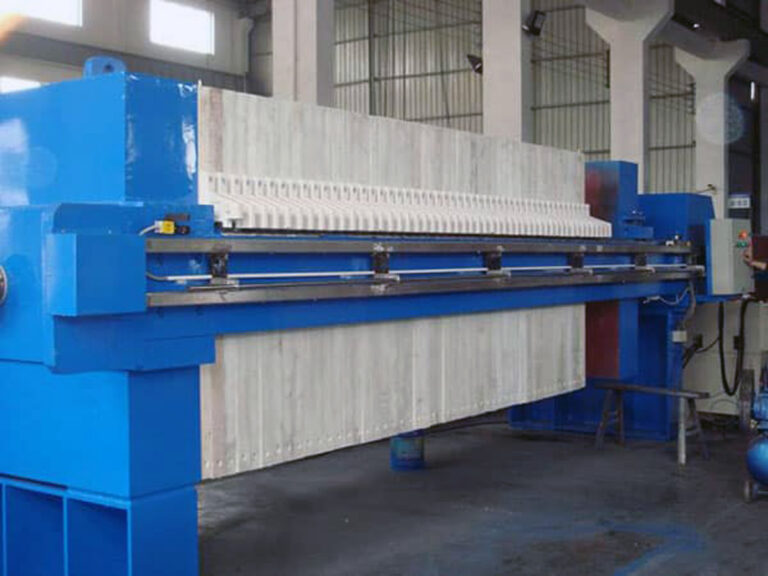
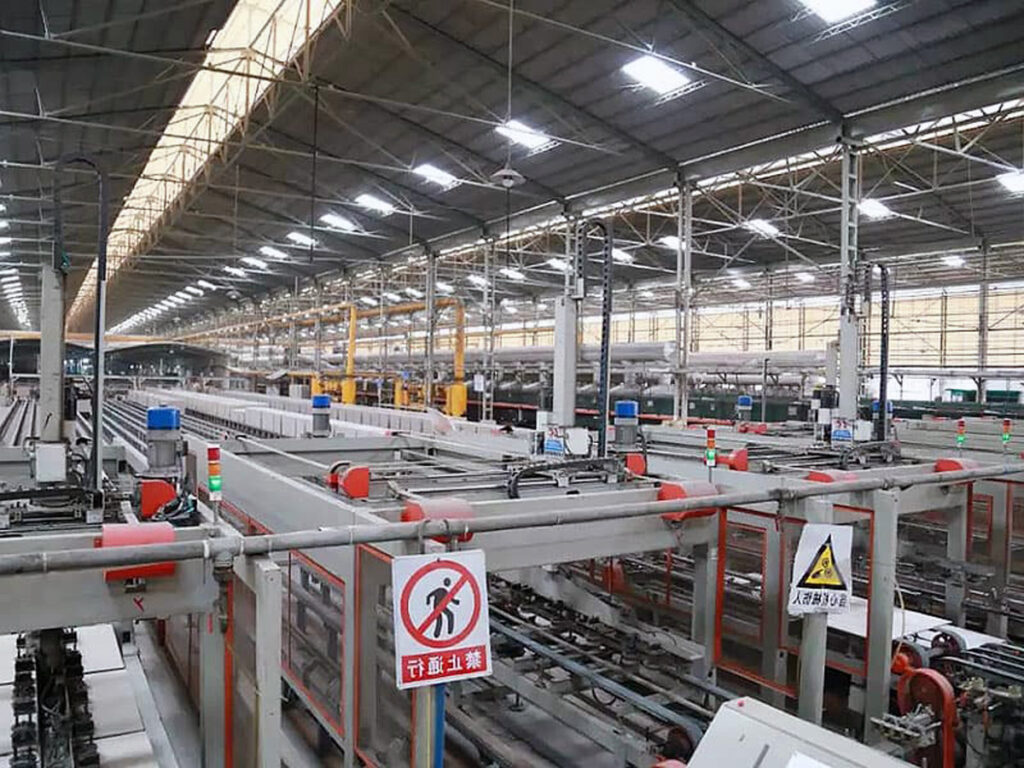
Seramik karo üretimi, askıda katı maddeler (kil, silika, sır kalıntıları) ile yüklü atık su üretir. Geleneksel kimyasal koagülasyon ikincil bir atık akışı yaratır: kimyasal çamur. Bu yükümlülük bertarafı zorlaştırır, işletme maliyetlerini artırır ve sürdürülebilirlik hedefleriyle çelişir. Flokülantları ortadan kaldıran tamamen fiziksel bir ayırma yöntemi sadece operasyonel bir tercih değil, su döngülerini kapatmayı ve çevresel etkiyi azaltmayı amaçlayan modern tesisler için stratejik bir gerekliliktir.
Sıkılaşan atık su yönetmelikleri ve çamur işlemenin getirdiği ekonomik yük nedeniyle kimyasal içermeyen arıtmaya geçiş hızlanmaktadır. Nanofiltrasyon teknolojisi, özellikle seramik membranlar kullanılarak, bunu başarmak için bir yol sunmaktadır. Teknik süreci, operasyonel dengeleri ve sistem tasarımını anlamak, uzun vadeli atık su stratejisini değerlendiren mühendisler ve tesis yöneticileri için kritik öneme sahiptir.
Seramik Nanofiltrasyon Kimyasallar Olmadan Nasıl Çalışır?
Fiziksel Ayırma Mekanizması
Seramik nanofiltrasyon boyut dışlama üzerine çalışır. 1-10 nanometre arasında hassas bir şekilde tasarlanmış gözeneklere sahip inorganik membranlar fiziksel bir bariyer görevi görür. Basınç altında, su ve çözünmüş iyonlar geçerken, askıda ve kolloidal katı maddeler tutulur. Sistemin etkinliği, beslemenin membran yüzeyi boyunca teğetsel olarak aktığı bir çapraz akış konfigürasyonuna dayanır. Bu, biriken partikülleri sürekli olarak temizleyen kritik kesme kuvvetleri oluşturur ve tipik olarak yönetmek için kimyasal pıhtılaştırıcılar gerektiren yoğun bir kek tabakasının oluşmasını önler.
Temel Olarak Malzeme Sağlamlığı
Alümina, titanya, silikon karbür gibi seramik malzemelerin doğal özellikleri bu kimyasal içermeyen yaklaşımı mümkün kılmaktadır. Mekanik olarak sağlam, aşınmaya dayanıklı ve geniş bir pH aralığında kararlıdırlar. Bu, sistemin karo atık suyunun sert, genellikle aşırı pH ve aşındırıcı partikül yapısını bozulma olmadan idare etmesini sağlar. Bu sistemleri devreye alma deneyimime göre, bu malzeme bütünlüğü pazarlık konusu değildir; besleme kimyasına dayanamayan bir membran, teorik ayırma kapasitesi ne olursa olsun başarısız olacaktır.
Kimyasal İçermeyen Nanofiltrasyonun Temel Prensipleri
Boyut Dışlamanın Ötesinde: Elektrostatik Güçlendirme
Çekirdek ayrımı fizikseldir, ancak yüzey yükü etkileşimleri performansı önemli ölçüde artırır. Seramik membranlar, benzer şekilde yüklenmiş kolloidal partikülleri elektrostatik olarak itebilen bir yüzey zeta potansiyeline sahiptir. Bu yük itme, membran gözeneklerinden marjinal olarak daha küçük partiküller için reddetme verimliliğini artırır ve katkı maddesi olmadan yüksek su kalitesini koruyan bir tampon sağlar. Bu, genellikle yalnızca nominal gözenek boyutuna odaklanılan teknoloji seçimi sırasında kolayca gözden kaçan bir ilkedir.
Aktif Hidrolik Kirlenme Kontrolü
Flokülantların yokluğu, kirlenme yönetimini kimyasaldan hidrolik stratejilere kaydırır. Birincil araç, türbülanslı akışı ve yüzey kaymasını sürdürmek için yüksek bir çapraz akış hızını korumaktır. Bu, konsantrasyon polarizasyonunu (membran yüzeyinde reddedilen solütlerin birikmesi) aktif olarak bozar. Operasyonel verilere göre, transmembran basıncının (TMP) gerçek zamanlı yönetimi burada çok önemlidir. Yükselen bir TMP kirlenmeye işaret eder, ancak kontrollü bir artış, doğal akı değişimlerine rağmen 92%'nin üzerinde ayırma verimliliğini korumak için de kullanılabilir ve işlem hızı ile membran ömrü arasındaki dengeyi optimize eder.
Teknik Süreç ve Sistem Yapılandırması
Sistem Bileşenleri ve Akış Yolu
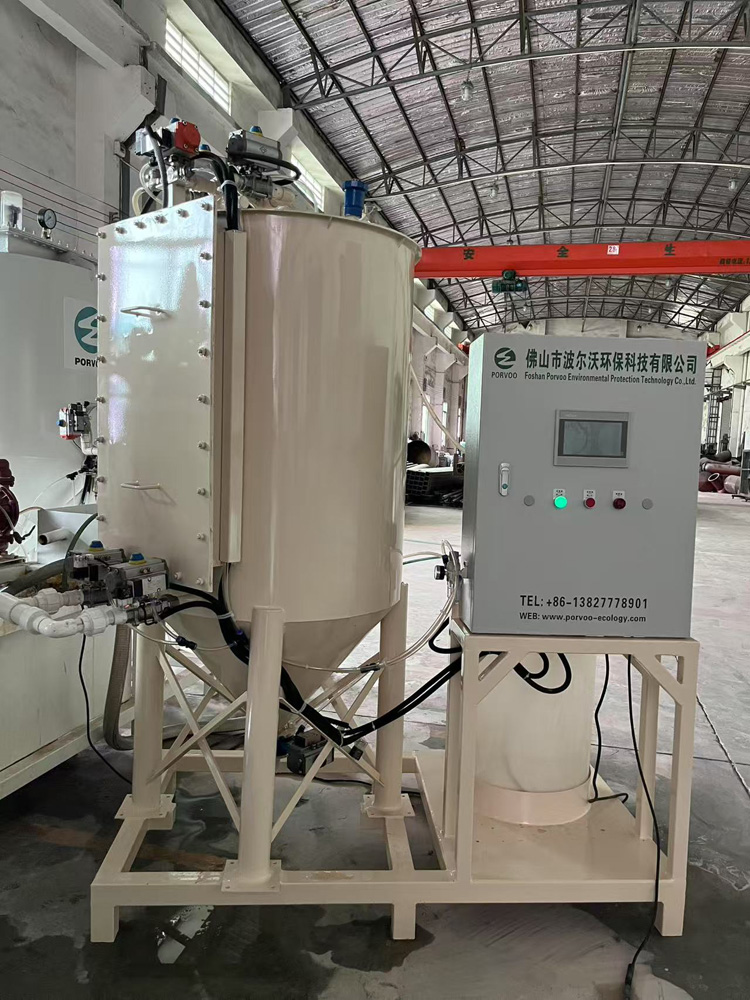
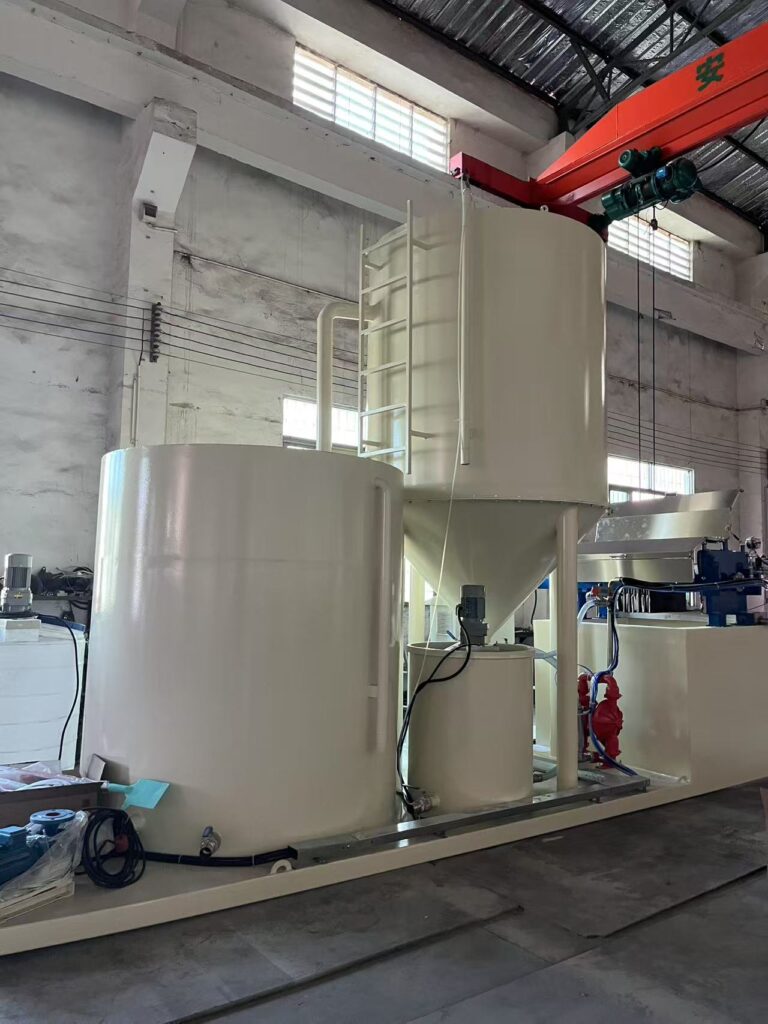
Standart bir konfigürasyonda basınçlı bir raf içinde düzenlenmiş boru şeklinde veya monolitik seramik modüller kullanılır. Besleme atık suyu modüllere 3-10 bar'da pompalanır. Temiz permeat toplanırken, konsantre retentat yeniden sirküle edilir veya daha fazla susuzlaştırma için gönderilir. Bu kapalı döngü, çapraz akış tasarımı esastır. Sektör uzmanları, devreye alma sırasında pilot testlerde sadece temiz suyun değil, gerçek karo atık suyunun da kullanılmasını tavsiye etmektedir. Membran performansı oldukça kirleticiye özgüdür; yüksek saf su akısına sahip bir membran, gerçek atık su ile zayıf reddetme gösterebilir, bu da doğru sistem tasarımı için yerinde doğrulamayı tartışılmaz hale getirir.
Temizlik ve Bakım Döngüsü
Kirlenme kontrolü, hava veya permeat kullanılarak otomatik fiziksel geri itme yoluyla prosese entegre edilmiştir. Periyodik restorasyon için izole bir Yerinde Temizlik (CIP) sistemi kullanılır. CIP asidik veya alkalin solüsyonlar kullanabilirken, bu kimyasallar ana arıtma akışına dahil edilmez ve çekirdek prosesin kimyasal içermeyen doğası korunur.
Anahtar Sistem Parametreleri
Aşağıdaki tablo, sistemin çalışmasını tanımlayan temel bileşenleri ve parametreleri özetlemektedir.
| Bileşen | Parametre / Aralık | Anahtar Fonksiyon |
|---|---|---|
| Membran Gözenek Boyutu | 1-10 nm | Fiziksel katı madde bariyeri |
| Çalışma Basıncı | 3-10 bar | Filtrasyon sürecini yönlendirir |
| Akış Yapılandırması | Çapraz akış | Yüzey kayması oluşturur |
| Kirlenme Kontrolü | Periyodik geri-pulslama | Fiziksel katmanın kaldırılması |
| Temizlik (CIP) | Asidik/alkali çözeltiler | Periyodik restorasyon |
Kaynak: Teknik dokümantasyon ve endüstri spesifikasyonları.
Temel Performans Ölçütleri ve Sistem Tasarımı
Sistem Etkinliğinin Tanımlanması
Performans, permeat akısı (L/m²-h), TSS/bulanıklık için ayırma oranları (>95-99%), transmembran basıncı ve su geri kazanımı ile ölçülür. Sistem tasarımı birbirine bağlı bu değişkenleri optimize ederek su geri kazanımını en üst düzeye çıkarırken bertaraf edilecek atık su konsantrasyonunu da yönetir. Hedef çıktı, temel tasarım seçimini belirler. Örneğin, membran sinterleme sıcaklığı kritik bir değiş tokuş yaratır: daha yüksek bir sıcaklık (~1200°C) daha yüksek saflık reddi (~89%) ancak daha düşük akı ile daha yoğun bir membran verirken, daha düşük bir sıcaklık (~1000°C) orta düzeyde red ile daha yüksek verimi tercih eder.
Tasarım Ödünleşme Çerçevesi
Tasarım tüm ölçütleri aynı anda takip edemez. Yüksek kaliteli prosesler için nihai suyun yeniden kullanımına öncelik veren bir tesis, temel deşarj uyumluluğu için maksimum hacimsel verimi hedefleyen bir tesisten farklı bir membran spesifikasyonunu tercih edecektir. Bu karar, kavramsal tasarım aşamasında kilitlenmelidir.
Performans Ölçütleri ve Tasarım Etkisi
Aşağıdaki tabloda temel performans ölçütleri ve bunların sistem tasarımı ödünleşimlerini nasıl etkilediği gösterilmektedir.
| Performans Metriği | Tipik Aralık / Değer | Tasarım Ödünleşim Etkisi |
|---|---|---|
| Permeat Akısı | Değişir (L/m²-h) | Saflığa karşı verim |
| TSS/Bulanıklık Reddi | >95-99% | Target output specification |
| Sintering Temperature (High) | ~1200°C | Higher purity (~89% rejection) |
| Sintering Temperature (Low) | ~1000°C | Higher throughput |
| Su Geri Kazanımı | Optimized variable | Balances retentate concentration |
Kaynak: Teknik dokümantasyon ve endüstri spesifikasyonları.
Managing Fouling Without Chemical Flocculants
Hydraulic and Physical Strategies
In the absence of flocculants, fouling management relies on engineered hydraulic conditions and physical interventions. Sustaining sufficient cross-flow velocity is the first line of defense. This is supplemented by automated, short-duration back-pulsing events that momentarily reverse flow to dislodge surface deposits. This combined approach maintains stable operation and extends intervals between chemical CIP cycles.
Advanced Materials for Enhanced Performance
Research into advanced materials validates a pathway to higher performance without chemicals. For example, surface modification of ceramic membranes with functionalized carbon nanotubes (f-MWCNTs) can transform their separation capability. This nano-engineering creates tailored nano-pores and enhances surface adsorption properties, potentially boosting contaminant separation efficiency from a baseline of 19% to over 92%. This approach achieves tertiary treatment standards while completely avoiding the chemical sludge liability, representing a significant evolution in physical separation technology.
Energy Use and Operational Cost Considerations
Analyzing the Total Cost Profile
The primary operational cost driver is energy consumption for high-pressure feed pumps and recirculation pumps needed to maintain cross-flow velocity. This energy demand often exceeds that of static chemical-coagulation systems. However, this cost is counterbalanced by the elimination of ongoing chemical purchase, storage, handling, and the significant cost of dewatering and disposing of chemical sludge. The long lifespan of ceramic membranes (>10 years) further reduces long-term capital replacement costs compared to polymeric alternatives.
The Waste-Derived Membrane Trade-off
A profound operational and economic consideration is the use of on-site ceramic sludge and kiln waste as raw material for membranes. This can drive raw material costs toward zero but introduces process complexity. Insight from operations highlights that this approach ties membrane consistency to variable waste stream chemistry. Facilities must implement rigorous quality control and characterization for incoming waste, effectively trading procurement simplicity for internal process chemistry management to ensure batch-to-batch membrane performance consistency.
Operational Cost Factor Comparison
The table below breaks down the key cost factors and their comparative impact.
| Maliyet Faktörü | Seramik NF Karakteristiği | Comparative Impact |
|---|---|---|
| Primary Cost Driver | Energy for pumping | Higher than chemical coagulation |
| Chemical Cost | Eliminated | Major operational savings |
| Sludge Disposal Cost | Eliminated | Reduces liability |
| Membran Ömrü | >10 years | Lowers capital replacement |
| Raw Material Cost (Waste-derived) | Near zero | Adds process complexity |
Kaynak: Teknik dokümantasyon ve endüstri spesifikasyonları.
Comparing Ceramic vs. Polymeric Membranes
Property-Based Selection for Harsh Streams
For abrasive tile wastewater, ceramic membranes offer distinct advantages. Their mechanical strength and abrasion resistance are superior. They exhibit full chemical inertness across a wide pH range, permitting aggressive cleaning protocols. They also tolerate elevated temperatures. While the initial capital investment is higher, their durability often results in a lower total lifecycle cost. The selection framework outlined in standards like ISO 24512:2007 supports this comparative evaluation based on lifecycle management and operational effectiveness.
Material Composition Dictates Performance
A deeper, material-level comparison is critical, especially for waste-derived ceramics. The composition of the precursor material dictates membrane integrity. Alumina-rich waste tends to increase porosity but may reduce mechanical strength, while silica promotes densification and strength. Therefore, selecting or blending waste streams becomes a fundamental engineering step to tailor the membrane’s physical properties—pore size distribution, strength, permeability—for its specific duty within the wastewater treatment process.
Ceramic vs. Polymeric Membrane Properties
The following comparison table highlights the critical differences between membrane types.
| Mülkiyet | Seramik Membranlar | Polimerik Membranlar |
|---|---|---|
| Mekanik Dayanım | Üstün | Orta düzeyde |
| Abrasion Resistance | Mükemmel | Daha düşük |
| Chemical Inertness | Full pH range | Sınırlı |
| Thermal Stability | Handles high temps | Sınırlı |
| İlk Sermaye Maliyeti | Daha yüksek | Daha düşük |
| Yaşam Döngüsü Maliyeti | Often lower | Can be higher |
Kaynak: ISO 24512:2007. This standard provides the framework for evaluating the operational effectiveness, safety, and lifecycle management of water treatment systems, which directly informs the comparative assessment of membrane technologies based on durability, chemical resistance, and long-term cost.
Tesisiniz için Doğru Sistemin Seçilmesi
Technical and Strategic Analysis
Selection requires a holistic analysis. Technically, a complete feedwater characterization is mandatory to select the appropriate membrane pore size, material, and module configuration. Strategically, facilities must define clear operational goals: is the aim regulatory compliance, water reuse, or total cost reduction? For those considering innovative approaches like waste-derived membranes, initial deployment should target non-potable industrial applications. This builds a commercial track record where proven performance is paramount and allows for refinement before targeting applications requiring stringent batch standardization.
From Cost Center to Revenue Stream
This technology presents a transformative strategic opportunity. A tile manufacturer can evolve from a waste disposer to a technology supplier. By mastering the process of transforming liability (sludge) into a high-value product (ceramic membranes), a new revenue stream can be created. Furthermore, the suitability of these compact, chemical-free systems for decentralized treatment opens market opportunities beyond internal use, allowing companies to offer treatment solutions to satellite plants or other industries facing similar wastewater challenges. Evaluating a ceramic membrane filtration system becomes an investment in both operational efficiency and potential business model diversification.
Implementing chemical-free nanofiltration requires prioritizing either ultimate water purity or maximum processing capacity, as this choice dictates membrane specification and system design. Second, actively manage the trade-off between energy costs for hydraulic fouling control and the eliminated expenses for chemicals and sludge disposal to accurately model total lifecycle cost. Finally, view the technology not just as waste treatment but as a potential platform for product innovation and new revenue.
Need professional guidance to navigate these technical and strategic decisions for your ceramic wastewater stream? The engineers at PORVOO specialize in designing and optimizing chemical-free membrane systems tailored to the specific challenges of industrial processing. Contact us to discuss a pilot program or feasibility study using your actual effluent. Bize Ulaşın
Sıkça Sorulan Sorular
Q: How do you design a ceramic nanofiltration system to prioritize either water purity or processing capacity?
A: System design hinges on a fundamental trade-off controlled by the membrane’s sintering temperature. A higher temperature, like 1200°C, yields a denser membrane with higher contaminant rejection but lower water flux. Conversely, a lower temperature around 1000°C creates a more porous structure for greater throughput with moderate rejection. This means facilities with a strict discharge limit should specify high-temperature sintering, while plants needing to process large volumes quickly should opt for a lower-temperature membrane.
Q: What is the most critical step for validating ceramic membrane performance before full-scale purchase?
A: You must conduct pilot testing using your facility’s actual tile wastewater, not clean water. Membrane behavior is highly specific to the effluent’s composition; a module with excellent pure water flux can perform poorly with real contaminants like clay and glaze residues. This real-wastewater validation is non-negotiable for accurate system sizing and technology selection, ensuring the chosen pore size and material meet your specific rejection targets.
Q: How can we manage membrane fouling in this system without using chemical flocculants?
A: Fouling control relies entirely on hydraulic and physical methods. The primary strategy is maintaining a high cross-flow velocity to generate shear forces that scour the membrane surface, supplemented by automated back-pulsing with air or permeate. For periodic restoration, a Cleaning-in-Place (CIP) system uses isolated acidic or alkaline solutions, but these are not part of the main treatment stream. This approach eliminates chemical sludge, so plan for higher pumping energy costs to sustain the necessary cross-flow velocity.
Q: Is using waste-derived ceramic material for membranes a viable way to reduce costs?
A: Yes, using on-site ceramic sludge or kiln waste as raw material can drive membrane material costs toward zero. However, this introduces significant process variability, as the waste stream’s composition directly dictates membrane properties. For instance, alumina-rich waste increases porosity but reduces strength, while silica promotes densification. This means facilities must implement rigorous quality control for incoming waste, trading simple procurement for complex process chemistry management to ensure batch consistency.
Q: What are the key operational cost drivers for a chemical-free ceramic nanofiltration system?
A: The dominant cost is energy for pumping, required to sustain both the operational pressure (3-10 bar) and the high cross-flow velocity for fouling control. This often exceeds the energy use of static chemical-coagulation systems. The trade-off is the complete elimination of costs for flocculant purchase, handling, and the disposal of increased chemical sludge. For a complete lifecycle view, factor in ceramic membranes’ long service life (>10 years) against their higher initial capital cost.
Q: How does ceramic nanofiltration help a tile manufacturer transition from a cost center to a potential revenue stream?
A: This technology enables a strategic shift by transforming a liability—treatment sludge—into a product. Facilities can use their ceramic waste as the raw material to manufacture the filtration membranes themselves. This creates a new revenue line by selling membranes to other industrial users or for decentralized treatment applications. If your facility seeks to diversify beyond tile production, you should evaluate this as a core component of a circular economy business model.
Q: What standards apply to ceramic membrane systems for wastewater treatment?
A: While specific to ceramic technology, these systems must align with broader water service management guidelines. A key reference is ISO 24512:2007, which establishes principles for drinking water and wastewater services, covering technical specifications, safety, and quality management. This means your system’s design, operation, and documentation should be developed to meet such overarching international benchmarks for compliant and effective treatment.