Seramik karo üreticileri için, kompakt silo ile filtre presi arasında seçim yapmak genellikle “ya biri ya diğeri” şeklinde bir karar olarak algılanır. Bu, arıtma sistemlerinin eksik kalmasına ve operasyonel verimsizliğe yol açan temel bir yanılgıdır. Asıl zorluk, ikisinden birini seçmek değil, gerçek bir kapalı devre su yönetimi ve maliyet etkin çamur işlemeyi sağlamak için her iki teknolojiyi de doğru bir şekilde entegre etmektir.
Sürdürülebilir ve mevzuata uygun atık su çözümlerini hayata geçirme baskısı hiç bu kadar büyük olmamıştı. Çevre mevzuatının giderek sıkılaşması ve su temini ile atık bertaraf maliyetlerinin artmasıyla birlikte, üreticiler arıtma stratejilerini toplam operasyonel etki açısından değerlendirmek zorundadır. Arıtma ve susuzlaştırma işlemlerinin birbirinden farklı ve sıralı rollerini anlamak, üretim sürekliliğini ve uzun vadeli finansal sürdürülebilirliği destekleyen bir sisteme doğru atılan ilk adımdır.
Kompakt Silo ve Filtre Presi: Temel İşlevlerin ve Rollerin Tanımlanması
Temel Teknoloji Tanımları
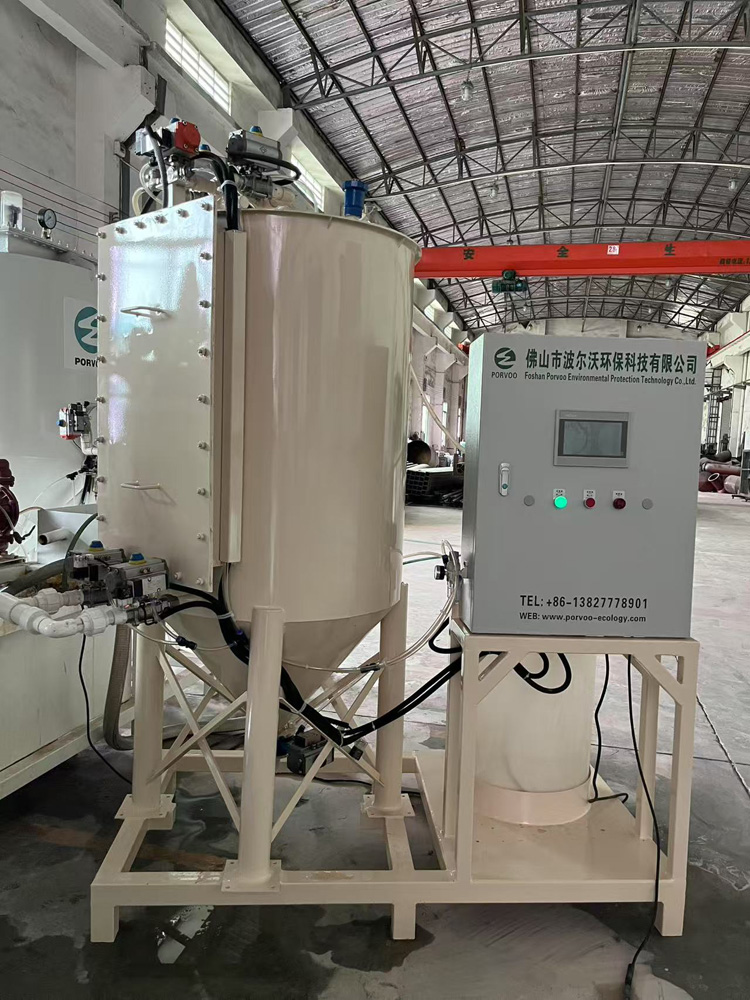
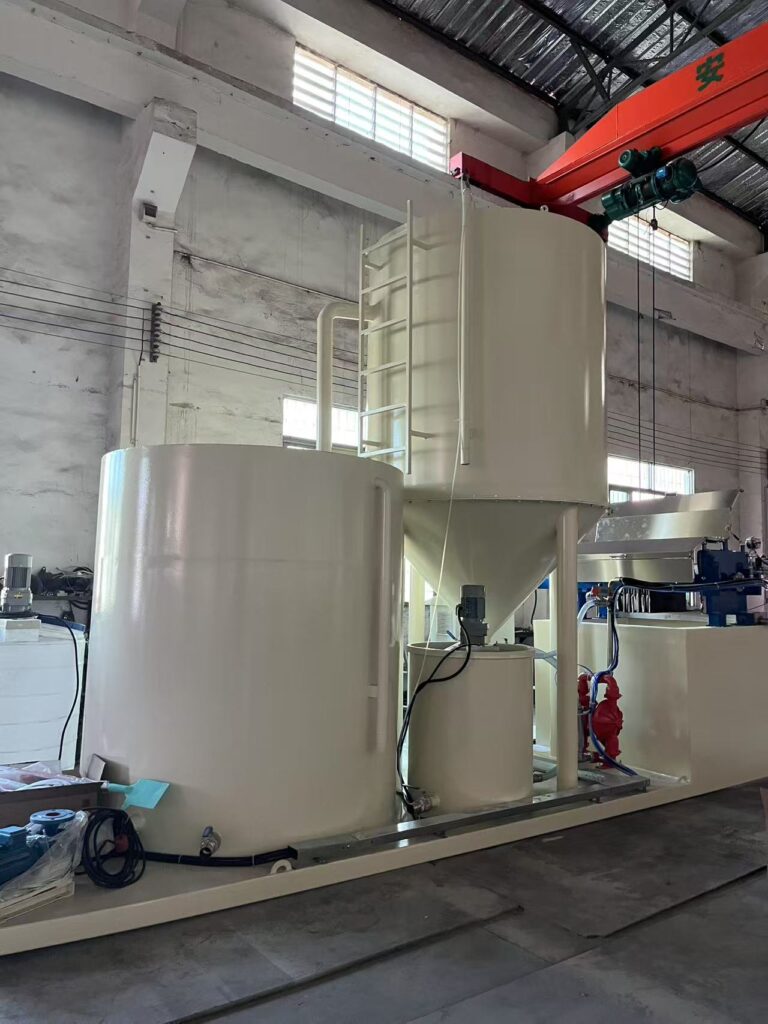
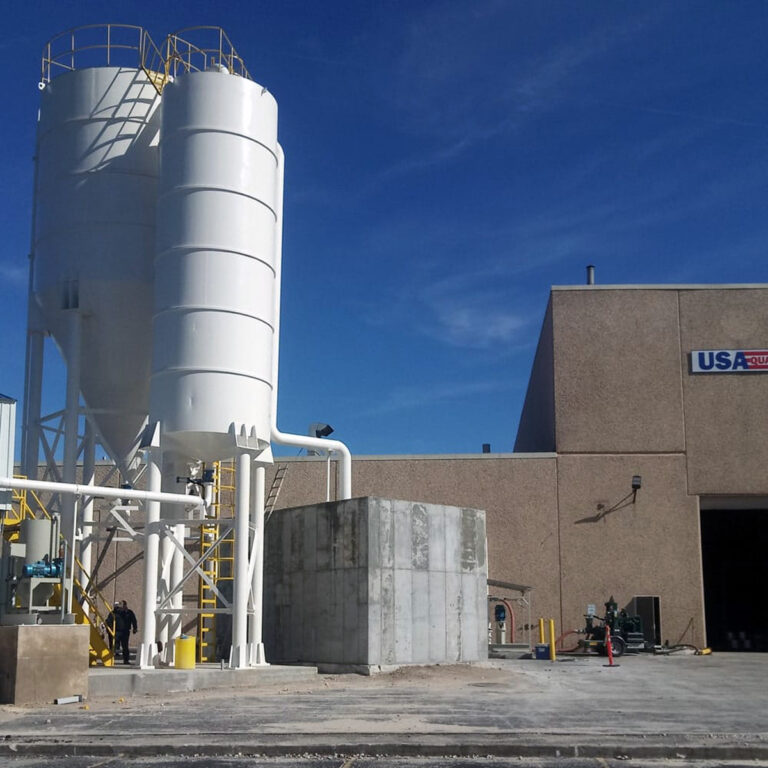
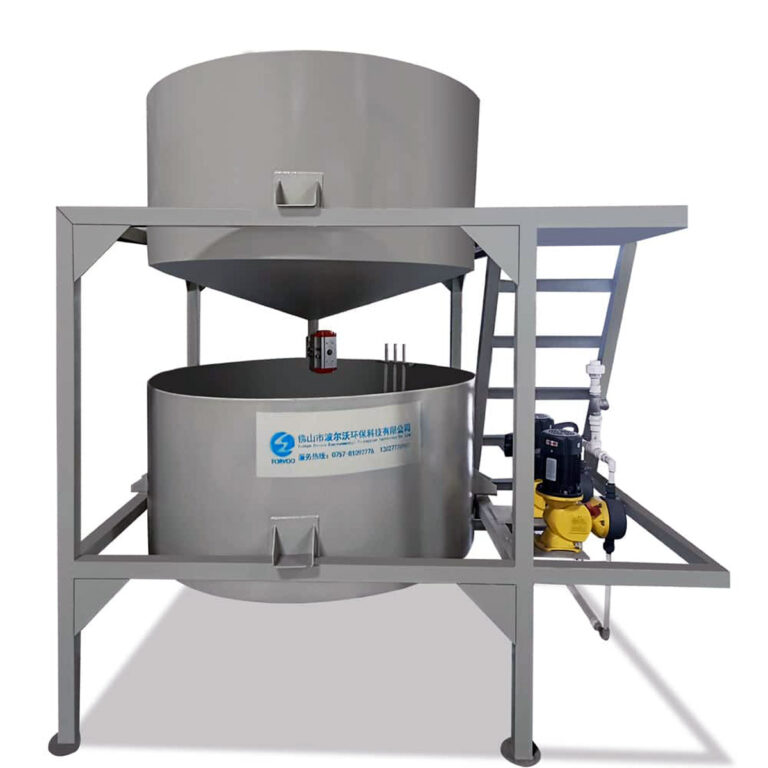
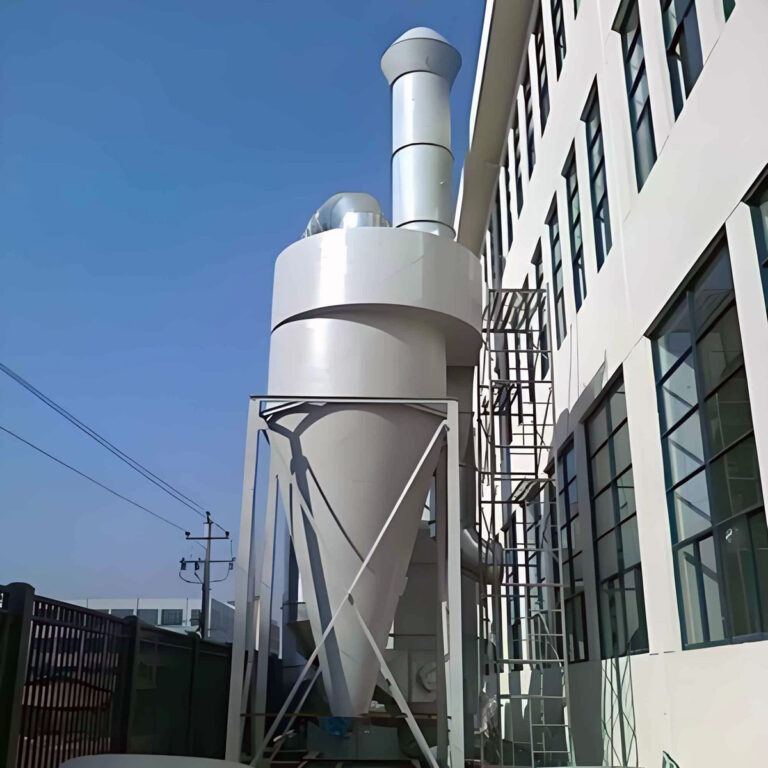
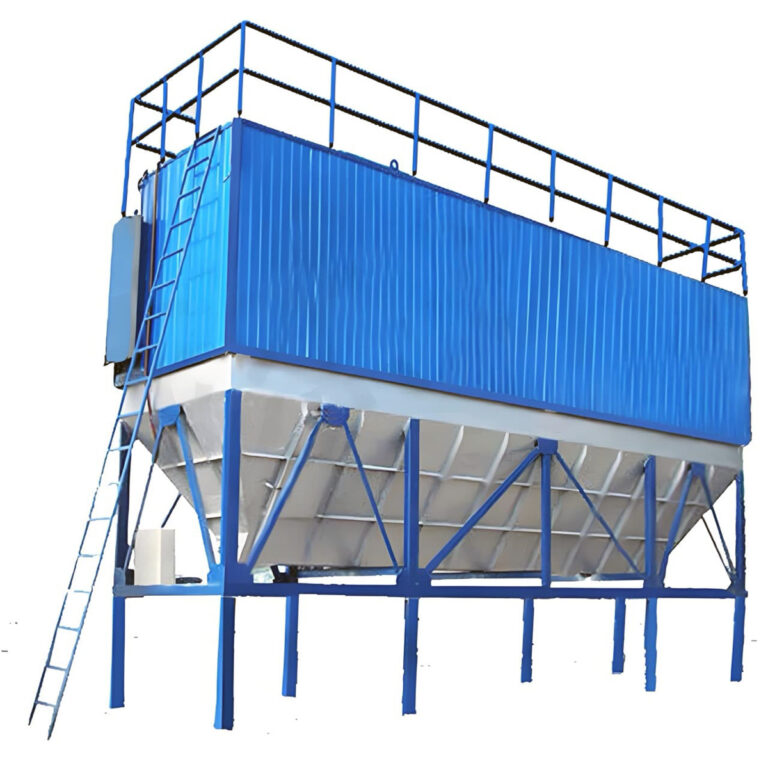
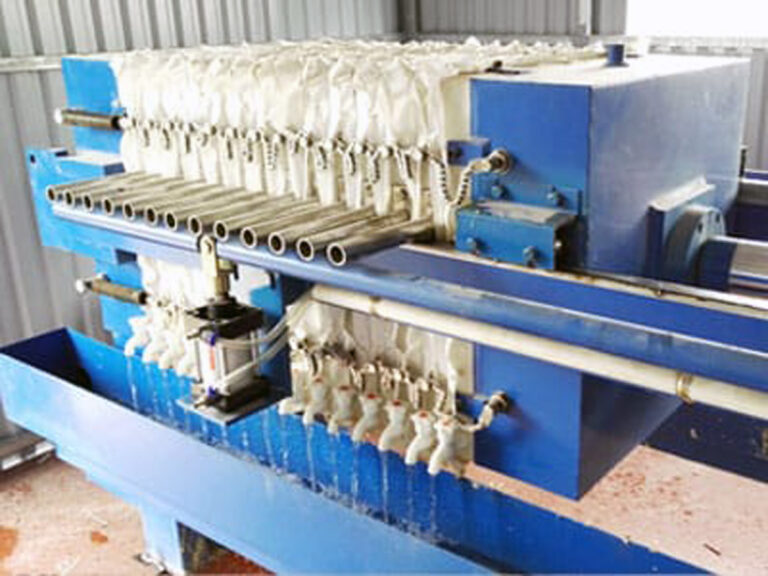
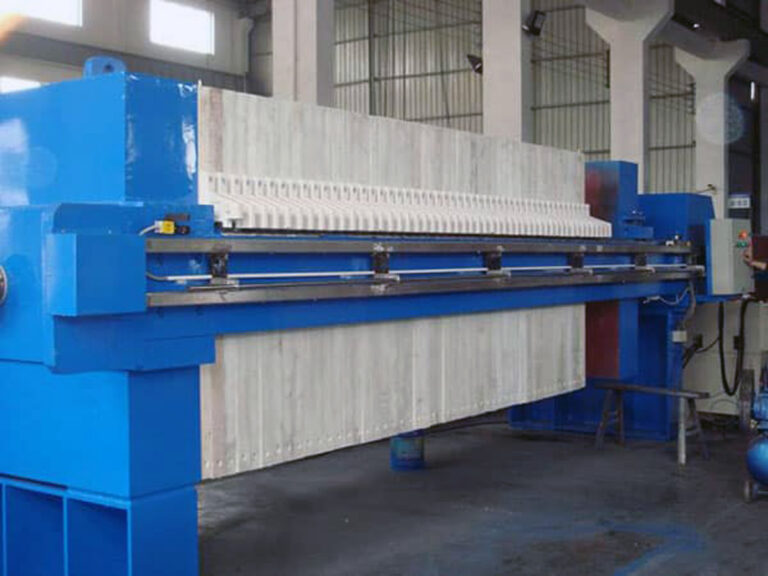
Kompakt arıtma silosu, sürekli çalışan bir sıvı-katı ayırıcıdır. Flokülasyon ve yerçekimi ile çökeltme yöntemlerini kullanarak proses suyundan ince seramik partiküllerini (kil, silika ve sır katıları) ayırır; böylece arıtılmış bir su akışı ve yoğunlaştırılmış çamur alt akışı elde edilir. İşlevi, birincil ayırma ve su geri kazanımıdır. Filtre presi, kesikli çalışan bir susuzlaştırma ünitesidir. Yoğunlaştırılmış çamura yüksek basınç uygulayarak, kalan suyu sıkar ve katı, taşınabilir bir kek oluşturur. İşlenmemiş, çökelmemiş atık suyu verimli bir şekilde işleyemez.
Sıralı Sistem Entegrasyonu
Bunlar alternatifler değil, birbirini izleyen aşamalardır. Silo, toplu atık suyu arındırarak suyun yeniden kullanımını sağlar. Ardından pres, ortaya çıkan çamur süspansiyonunu susuzlaştırarak nihai atık hacmini en aza indirir. Kompakt silo gibi bir ön arıtma aşaması olmaksızın filtre presine yatırım yapmak yaygın ve maliyetli bir hatadır; zira pres hızla tıkanacak ve verimsiz çalışacaktır. Arıtma devresinin tamamı, birbiriyle uyumlu iki aşamalı bir süreç olarak tasarlanmalıdır.
Yatırım Açısından Stratejik Etkileri
Bu sıralı ilişki, sermaye planlamasını belirler. Tek bir makine değil, eksiksiz bir arıtma hattı satın alıyorsunuz. Her bir bileşenin teknik özellikleri ve boyutlandırması birbirine bağlıdır. Stratejik bir yatırım, yatırım getirisini ve uyum hedeflerini zedeleyen darboğazların veya performans eksikliklerinin ortaya çıkmasını önlemek için bu sistemin bütününü dikkate alır.
Sermaye ve İşletme Maliyetleri Karşılaştırması: Karo Fabrikaları için Toplam Sahip Olma Maliyeti (TCO)
Sermaye Harcamalarının Analizi
Kompakt silo, kimyasal dozajlama ve çamur kontrolü için otomasyon sistemlerini de içeren arıtma aşamasının en önemli birincil sermaye maliyetini oluşturmaktadır. Filtre presi ise önemli bir ikincil sermaye harcaması getirmektedir. Ancak, bu maliyetleri tek başına değerlendirmek yanıltıcı olabilir. Toplam sermaye harcaması, yasal düzenlemelere uyum sağlamaya ve işletme maliyetlerinde tasarruf elde etmeye muktedir eksiksiz bir arıtma sistemi için yapılan harcamadır.
Operasyonel Giderleri Etkileyen Faktörler
İşletme maliyetleri arasında önemli farklılıklar bulunmaktadır. Silonun ana değişken maliyeti flokülant tüketimidir; ancak yüksek orandaki su geri kazanımı (95-98%) sayesinde işletimi doğrudan tasarruf sağlar. Filtre presinde ise bez değişimi, plaka bakımı ve hidrolik döngüler için gereken enerji maliyetleri ortaya çıkmaktadır. Bu sistemin değeri, atık hacminin azaltılması yoluyla sonraki aşamalarda ortaya çıkmakta ve bu da nakliye ve çöp depolama ücretlerini doğrudan düşürmektedir.
Uyum Yatırım Çerçevesi
En önemli finansal bakış açısı, tüm sistemi düzenleyici risklerin azaltılmasına yönelik sermayeye dönüştürülmüş bir yatırım olarak görmektir. Kapalı devre, sıfır deşarjlı bir işletme modeline ulaşmak, tekrarlayan izin ücretlerini ve olası mevzuata uyumsuzluktan kaynaklanan cezaları ortadan kaldırır. Tek başına ekipman maliyetlerini tam sistemin toplam sahip olma maliyeti (TCO) ile karşılaştırdık ve ikincisinin, ilk yatırım maliyeti daha yüksek olmakla birlikte, mevzuata uyumu sürekli bir işletme giderinden kontrollü, değer katan bir varlığa dönüştürdüğünü gördük. Aşağıdaki tabloda temel maliyet bileşenleri ayrıntılı olarak gösterilmektedir.
| Maliyet Bileşeni | Kompakt Silo | Filtre Pres |
|---|---|---|
| Birincil Sermaye Harcaması | Önemli | Ek sermaye maliyeti |
| Önemli Operasyonel Tasarruflar | Su geri kazanımı (95-98%) | Atık hacminin azaltılması (~70%) |
| Başlıca Değişken Giderler | Minimum kimyasal dozajlama | Kumaş/plaka bakımı, enerji |
| Stratejik Finansal Etken | Kapalı döngü uyum yatırımı | Çöp depolama/nakliye maliyetlerinde tasarruf |
Kaynak: Teknik dokümantasyon ve endüstri spesifikasyonları.
Sürekli İşleme mi, Toplu İşleme mi: Hattınıza Hangisi Daha Uygun?
Üretimin Ritmi
İşleme sürecindeki uyumsuzluk temel bir sorundur. Kompakt silo, fayans üretim hattının sürekli akışını yansıtacak şekilde kesintisiz çalışır. Kesintiye uğramadan arıtılmış suyun istikrarlı bir şekilde tedarik edilmesini sağlayarak üretimde kesintisiz çalışmayı destekler. Filtre presi ise “doldurma, presleme, boşaltma” aşamalarından oluşan bir parti döngüsüyle çalışır. Bu aralıklı süreç, sürekli akışla uyumlu değildir ve çamurun homojenleştirilmesi için bir tampon tankı gerektirir.
Darboğaz Riskinin Yönetimi
Presin parti bazlı çalışma özelliği, doğru bir şekilde entegre edilmezse bir darboğaz yaratabilir. Presin çevrim süresi, silodaki çamur üretim hızına uyumlu olmalıdır. Kapasitesi yetersiz bir pres, çamurun birikmesine neden olarak tampon tankını aşırı yükleyebilir ve tüm arıtma sürecini aksatabilir. Bu durum, susuzlaştırma çevriminin sürekli su geri kazanımını engellemek yerine desteklemesini sağlamak için dikkatli bir zamanlama ve kapasite planlaması yapılmasını gerektirir.
Operasyonel İşgücü Etkisi
Bu fark, işgücünü doğrudan etkiler. Sürekli silo, bir kez kurulduktan sonra asgari düzeyde müdahale gerektirir. Partili pres ise, döngü tamamlandığında kekin boşaltılması ve periyodik kumaş denetimi için dikkat gerektirir. Operatörün rolü, manuel işlemlerden parti programını yönetmeye ve pres üzerinde planlı bakım işlemlerini gerçekleştirmeye kayar; bu husus, işgücü planlamasında sıklıkla göz ardı edilir.
Alan ve Yerleşim Gereksinimlerinin Karşılaştırılması: Kapladığı Alan ve Entegrasyon
Ayak İzi Karşılaştırması
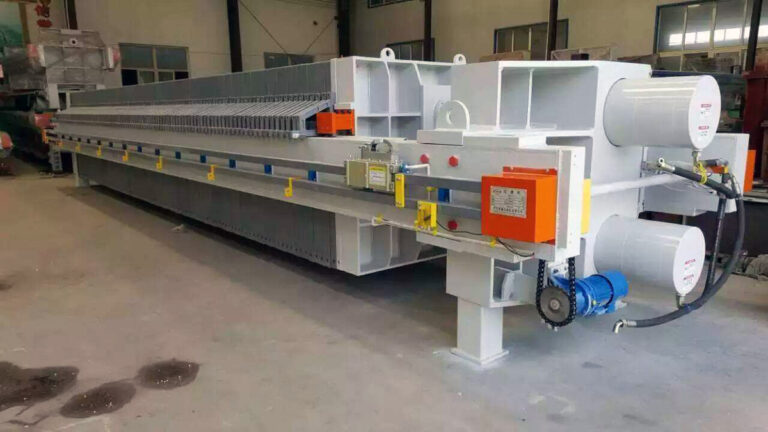
Alan gereksinimleri büyük ölçüde farklılık gösterir. Kompakt bir silo, dikey bir kaplama alanı kullanır; entegre modellerde ise tank, kimyasal dozajlama ve kontrol sistemleri, ~2,5 m x 2,5 m kadar küçük tek bir şasi üzerinde bir araya getirilir. Bir filtre presinin ise plaka yığını ve hidrolik silindiri nedeniyle uzun, yatay bir kaplama alanı vardır ve bu da önemli ölçüde boş zemin uzunluğu gerektirir.
Entegre Skid Çözümü
Bu zıtlık, önceden tasarlanmış, entegre kompakt tesisler alanında yenilikleri tetiklemiştir. Satıcılar artık dikey arıtma silosunu ve daha küçük bir filtre presini tek bir hareketli platformda (yaklaşık 2,5 m x 5 m) bir araya getirmektedir. Bu çözüm, alan optimizasyonu için özel olarak tasarlanmıştır ve sınırlı zemin alanına sahip üreticilerin, tesiste büyük çaplı değişiklikler yapmadan eksiksiz bir iki aşamalı sistemi kurmalarına olanak tanır.
Stratejik Yerleşim Planlaması
Mevcut alanınız, konfigürasyon seçiminizi belirlemelidir. Ayrı üniteler yerleştirme açısından esneklik sağlar, ancak daha fazla boru tesisatı ve zemin alanı gerektirir. Entegre bir skid, kapladığı alanı en aza indirir ve kurulumu kolaylaştırır, ancak kapasite sınırlamaları olabilir. Karar, alan verimliliğinin mi yoksa maksimum işleme kapasitesinin mi daha öncelikli olduğuna bağlıdır. Aşağıdaki tablo, alan özelliklerini özetlemektedir.
| Sistem Bileşeni | Ayak İzi Türü | Tipik Boyutlar |
|---|---|---|
| Kompakt Arıtma Silosu | Dikey, entegre | ~2,5 m x 2,5 m'lik kızak |
| Filtre Pres | Uzun, yatay | Plaka yığını ve piston uzunluğu |
| Entegre Kompakt Tesis | Kombine mobil kızak | ~2.5m x 5m |
Not: Integrated skids address spatial optimization for smaller facilities.
Kaynak: Teknik dokümantasyon ve endüstri spesifikasyonları.
Output Comparison: Reusable Water Quality vs Solid Waste Volume
Defining the Primary Products
Each unit delivers a distinct output that defines its value. The compact silo’s primary product is high-quality clarified water, suitable for direct reuse in sprayers, mixers, or other machinery. Its performance is measured by turbidity reduction and consistency. The filter press’s main output is a high-density solid cake, often exceeding 30% dry solids content, which drastically reduces the volume of waste for disposal.
Clarifying Water Quality Expectations
A critical, easily overlooked detail is that while filter press filtrate can appear clear, it is not designed to guarantee a specific micron level for direct machine feed. The press is optimized for solids compaction, not final polish. For guaranteed water quality, a final polishing filter after the silo’s clean water tank is recommended. This ensures protection for sensitive equipment and aligns with best practices for water reuse.
Strategic Output Management
Therefore, the silo determines your plant’s water recycling efficiency and operational continuity. The press defines your final waste handling costs and compliance ease for solid waste. Managing these outputs effectively requires understanding that they serve two separate but equally critical operational goals: resource recovery and waste minimization. The performance metrics for these outputs are central to environmental management systems like ISO 14001:2015 Environmental management systems.
| System | Primary Output | Anahtar Performans Metriği |
|---|---|---|
| Kompakt Silo | High-quality clarified water | Direct machinery reuse suitability |
| Filtre Pres | High-density solid cake | >30% dry solids content |
| Final Polish (Recommended) | Guaranteed micron level | Post-silo clean water tank |
Kaynak: ISO 14001:2015 Environmental management systems. This standard provides the framework for managing environmental aspects and compliance, which is directly relevant to evaluating the performance and output quality of wastewater treatment systems for responsible operational control.
Maintenance, Labor & Operational Complexity: A Practical View
Automation and Daily Demands
Modern compact silo systems are highly automated, handling flocculant dosing and sludge level detection with minimal daily intervention. The operator’s role is primarily oversight. Even automated filter presses require more hands-on attention. Cloths need regular cleaning to prevent blinding, cakes must be discharged, and the plate pack should be inspected for wear or misalignment.
The Evolving Operator Role
This evolution means capital investment in automation reduces routine physical labor but may necessitate a more skilled technician. The workforce shifts from manual sludge handlers to system monitors and maintenance planners. Troubleshooting an integrated system requires understanding both clarification chemistry and mechanical dewatering cycles, impacting training strategies.
The Software Differentiator
Integrated control software becomes a critical asset, managing the handoff between the continuous silo and the batch press cycles. It provides alerts for maintenance tasks and process deviations, simplifying the monitoring burden. The key is to ensure the software offers true interoperability, not just separate controls for each unit. The practical maintenance demands are compared below.
| Aspect | Kompakt Silo | Filtre Pres |
|---|---|---|
| Daily Automation Level | High (dosing, detection) | Automated cycles possible |
| Routine Labor Demand | Minimal daily intervention | Regular monitoring required |
| Key Maintenance Tasks | Sludge level oversight | Cloth cleaning, plate maintenance |
| Operator Skill Shift | Oversight & troubleshooting | Scheduled maintenance, discharge |
Kaynak: Teknik dokümantasyon ve endüstri spesifikasyonları.
Sizing & Capacity: Matching Systems to Your Sludge Profile
Basis for Sizing Each Stage
Correct sizing is non-negotiable. The compact silo is sized based on hydraulic retention time—the volume needed to allow fine ceramic particles to settle effectively. The filter press is sized based on the daily volume of thickened sludge (by weight or volume) produced by the silo and the required cake dryness. These are two different calculations.
Consequences of Mismatch
Incorrect sizing catastrophically undermines system economics. An undersized press becomes a relentless bottleneck, causing sludge backup that can shut down the clarifier. An oversized press represents wasted capital, occupies unnecessary space, and does not improve filtration efficiency. Similarly, an undersized silo will fail to provide adequate clarification, passing too many solids to the press.
The Prerequisite: Data Collection
This makes a precise, plant-specific analysis of your wastewater and sludge profile the critical first step. You need accurate data on flow rates, solid concentrations, and particle size distribution. Vendor consultation is essential, but it must be based on your real operational data, not estimates. This analysis is the foundation for ROI and system performance.
| System | Sizing Basis | Critical Risk of Mismatch |
|---|---|---|
| Kompakt Silo | Hydraulic retention time | Settling efficiency compromised |
| Filtre Pres | Daily thickened sludge volume | Bottleneck or capital waste |
| Prerequisite Analysis | Plant-specific sludge production rate | Essential for ROI |
Kaynak: Teknik dokümantasyon ve endüstri spesifikasyonları.
Decision Framework: Choosing & Integrating Your Optimal System
Foundational Analysis
Begin with a rigorous audit of your plant’s specific conditions. Quantify your daily wastewater volume and sludge production. Map your available floor space and utilities. This data set is non-negotiable for meaningful vendor discussions and accurate sizing of both the clarification and dewatering stages, such as those in a complete compact wastewater treatment system.
Configuration and Vendor Strategy
Next, decide on configuration: separate units for maximum capacity flexibility or an integrated skid for spatial efficiency. Then, evaluate the vendor lock-in strategic trade-off. A turnkey system from a single supplier offers guaranteed compatibility and single-point accountability but reduces multi-vendor flexibility. Assess the control software’s capability to manage the entire process seamlessly.
Framing the Investment
Finally, frame the capital expenditure strategically. This is not merely an equipment purchase but an investment in regulatory risk mitigation and operational resilience. Proactively implementing a compliant, closed-loop system future-proofs your operation against increasingly stringent environmental laws. It transforms a recurring compliance cost into a controlled capital asset that delivers water security and waste cost reduction.
The core decision points are clear: size based on your data, configure based on your space, and select a vendor based on integration capability and strategic support. Prioritize a system designed as a cohesive whole, not a collection of parts. The goal is a treatment process that operates as reliably as your production line.
Need professional guidance to navigate these decisions for your ceramic tile manufacturing facility? The experts at PORVOO can help you analyze your specific sludge profile and spatial constraints to design an optimized, compliant treatment system. Bize Ulaşın proje gereksinimlerinizi görüşmek için.
Sıkça Sorulan Sorular
Q: Can a filter press replace a compact silo for primary wastewater treatment in a tile plant?
A: No, a filter press is not a direct substitute for a compact clarification silo. The silo is the primary liquid-solid separator, continuously removing fine particulates to produce reusable water. The press is a secondary, batch-operated dewatering stage that processes the thickened sludge from the silo. This means you must plan for a complete two-stage system; using a press alone on raw wastewater will be inefficient and likely fail to meet your water quality targets.
Q: How do continuous and batch processing differences impact our production line integration?
A: A compact silo’s continuous operation aligns with constant tile production, supplying a steady stream of recycled water. A filter press operates on intermittent batch cycles (fill, press, discharge), which can create bottlenecks if not properly scheduled with a buffer tank. For projects where manufacturing uptime is critical, you must manage the press cycle around sludge accumulation to avoid impeding the continuous water recovery the silo provides.
Q: What are the key space considerations when planning for a complete treatment system?
A: The technologies have opposing footprints: a compact silo uses a vertical design (~2.5m x 2.5m), while a filter press requires significant horizontal floor length for its plate stack. This drives the market for integrated compact plants that combine both units on a single mobile skid (~2.5m x 5m). If your facility has severe spatial constraints, you should prioritize evaluating these pre-engineered, skid-mounted solutions to avoid costly facility redesign.
Q: How does the Total Cost of Ownership (TCO) analysis differ between these two stages?
A: The silo represents higher initial capital but offers operational savings through automated, continuous water recovery (95-98%). The press adds capital cost and introduces variable expenses for cloth replacement, plate maintenance, and hydraulic energy. A primary TCO driver for the entire system is regulatory compliance; achieving closed-loop zero discharge eliminates recurring permit fees, transforming compliance into a capitalized investment. This means your financial model must include downstream savings from reduced sludge disposal to get an accurate picture.
Q: What operational skill shift should we expect when automating a two-stage treatment system?
A: Automation shifts labor from manual handling to technical oversight. A modern silo requires minimal daily intervention, while even an automated filter press needs regular monitoring, cloth cleaning, and cake discharge. Consequently, your operator’s role evolves into scheduled maintenance and troubleshooting. If your operation requires high reliability, plan for workforce training focused on diagnostic skills and the use of integrated control software that manages cycles and provides alerts.
Q: Why is precise sludge profiling critical before sizing a filter press?
A: Correct sizing is non-negotiable for performance and return on investment. The filter press must be matched precisely to the daily volume of thickened sludge from the upstream silo. An undersized press creates a bottleneck and sludge backup, while an oversized unit wastes capital and occupies unnecessary space without improving efficiency. This means you must conduct accurate data collection on your plant’s specific sludge production rate during the design phase to avoid costly operational or financial compromises.
Q: How should we frame the vendor selection for an integrated treatment system?
A: Evaluate vendors on their ability to provide a complete, correctly sized solution and consider the strategic trade-off. A turnkey, integrated ecosystem from one vendor offers guaranteed compatibility and single-point accountability but reduces multi-vendor flexibility. You should also critically assess the provided control software and digital support, as these dictate long-term operational ease. Frame the final investment as regulatory risk mitigation, proactively future-proofing your operation against stricter environmental laws like those managed under an ISO 14001:2015 framework.