For ceramic tile manufacturers, the choice between a compact silo and a filter press is often framed as an either/or decision. This is a fundamental misconception that leads to incomplete treatment systems and operational inefficiency. The real challenge is not choosing one, but correctly integrating both technologies to achieve true closed-loop water management and cost-effective sludge handling.
The pressure to implement sustainable, compliant wastewater solutions has never been greater. With tightening environmental regulations and rising costs for water intake and waste disposal, manufacturers must evaluate their treatment strategy through a lens of total operational impact. Understanding the distinct, sequential roles of clarification and dewatering is the first step toward a system that supports production continuity and long-term financial viability.
Compact Silo vs Filter Press: Defining Core Functions & Roles
Core Technology Definitions
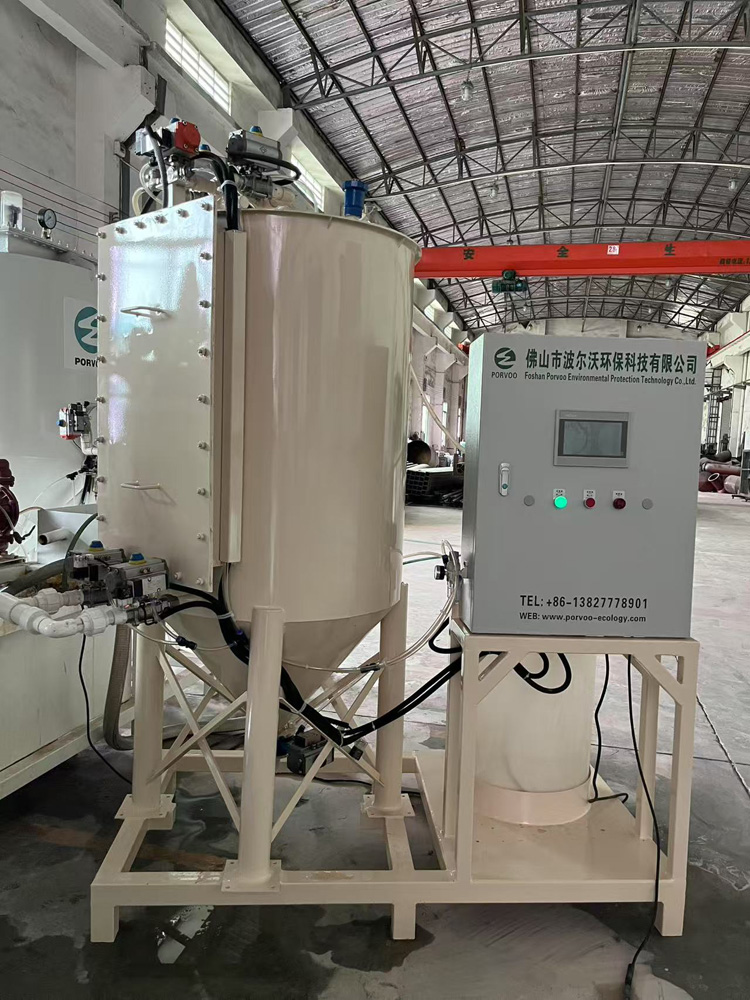
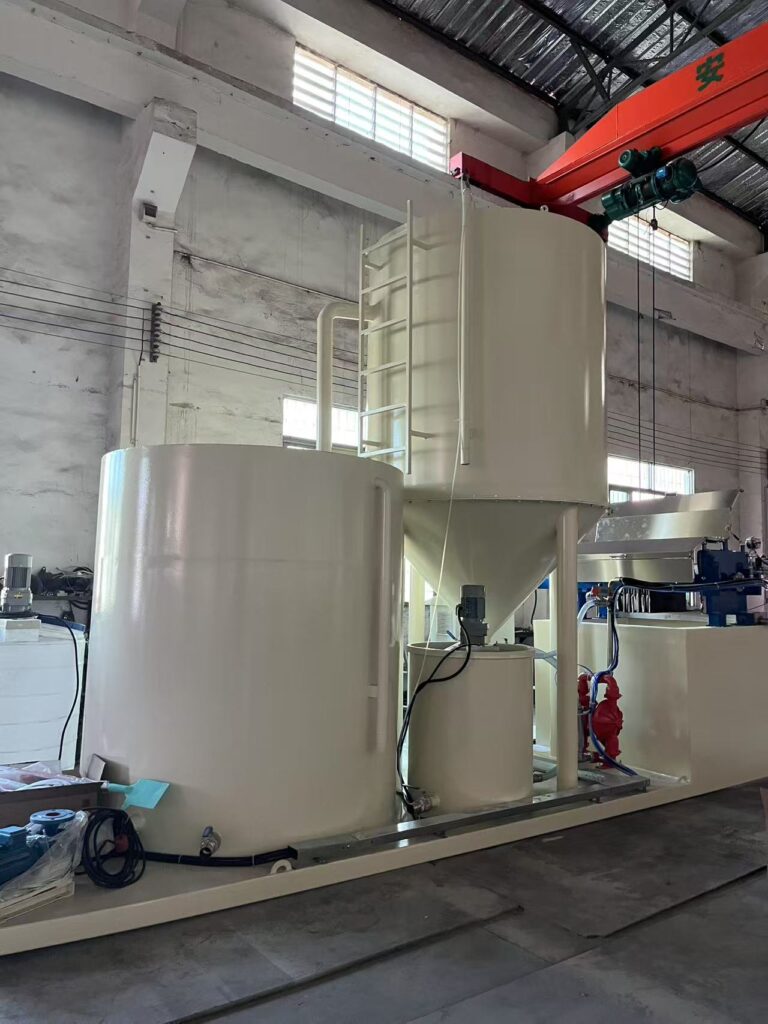
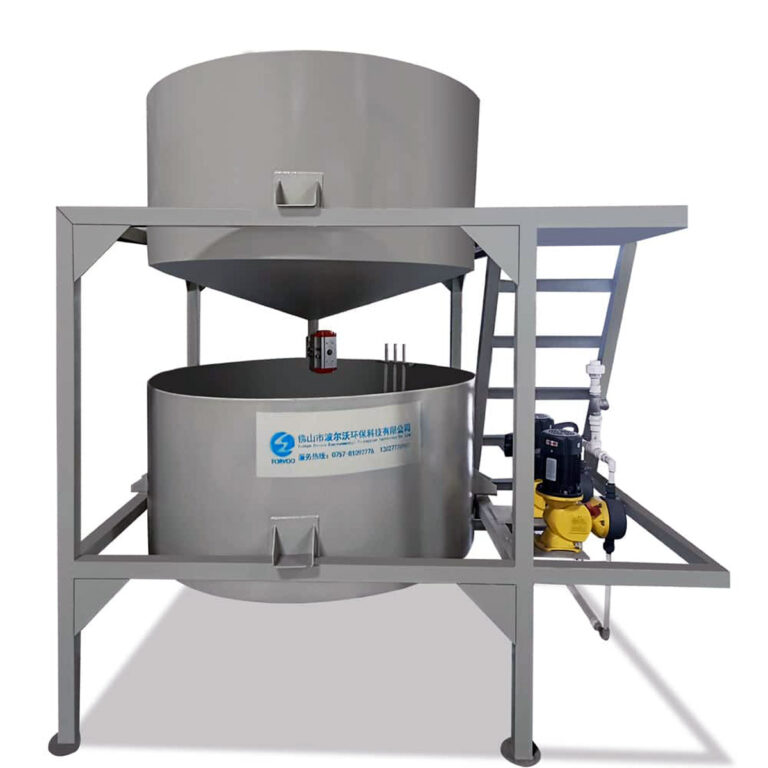
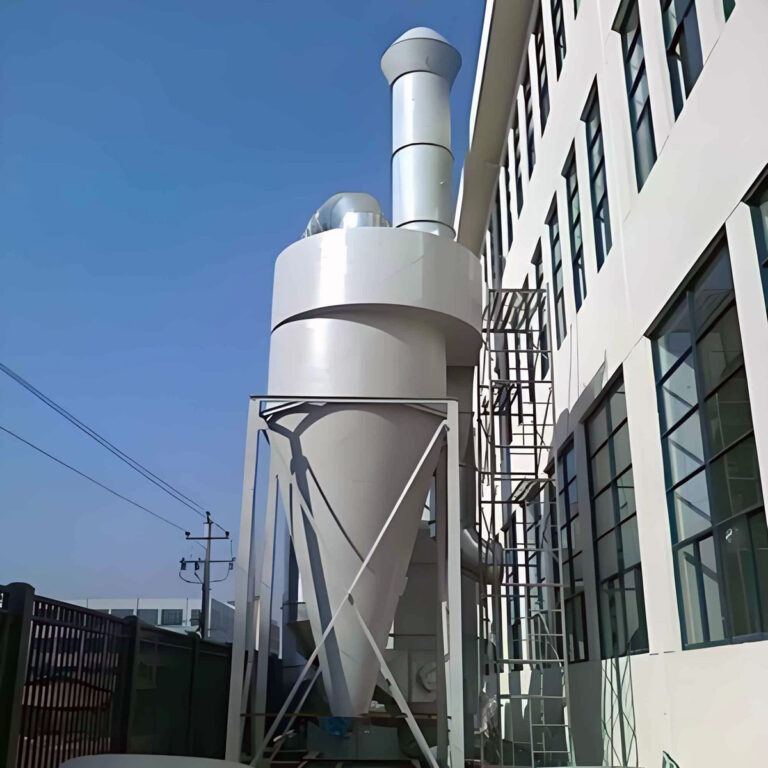
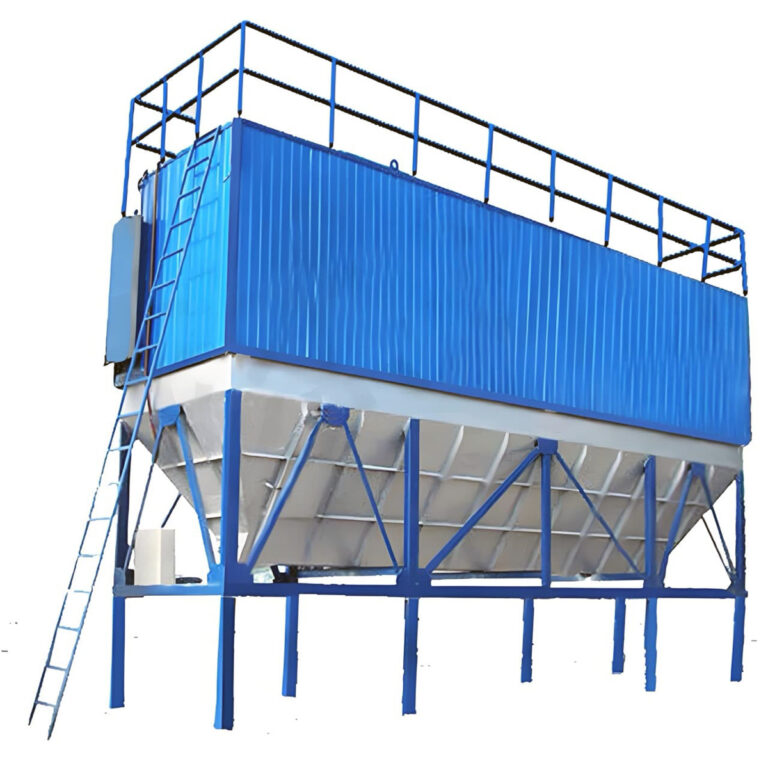
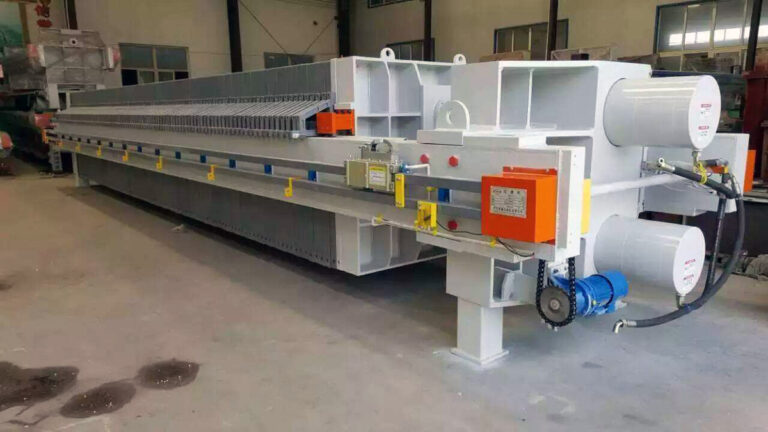
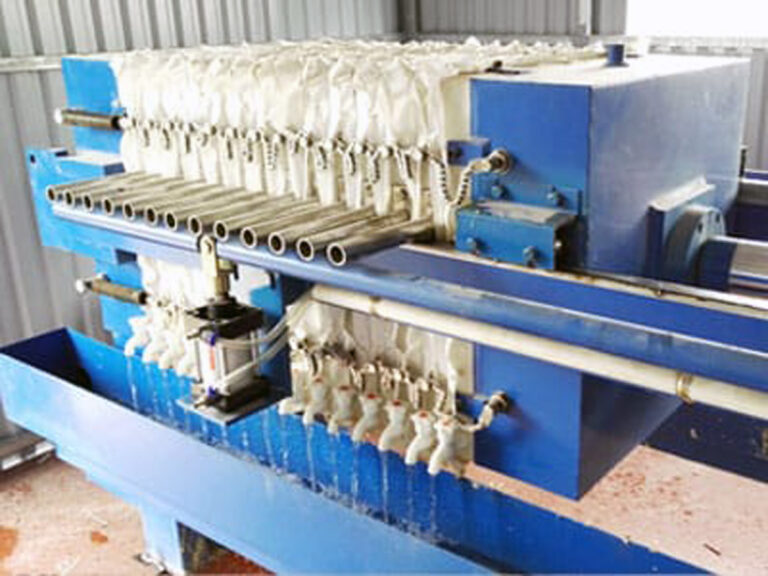
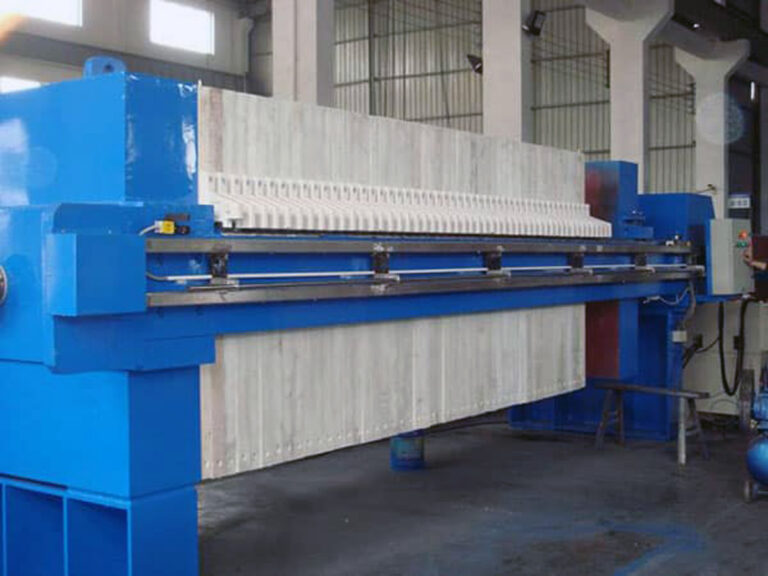
A compact clarification silo is a continuous liquid-solid separator. It uses flocculation and gravity settling to remove fine ceramic particulates—clay, silica, and glaze solids—from process water, producing a stream of clarified water and a thickened sludge underflow. Its function is primary separation and water recovery. A filter press is a batch-operated dewatering unit. It applies high pressure to thickened sludge, squeezing out residual water to form a solid, handleable cake. It cannot efficiently process raw, unsettled wastewater.
Sequential System Integration
These are not alternatives but consecutive stages. The silo clarifies the bulk wastewater, enabling water reuse. The press then dewaters the resulting sludge slurry, minimizing final waste volume. Investing in a filter press without a preceding clarification stage like a compact silo is a common and costly error, as the press will quickly blind and cycle inefficiently. The entire treatment circuit must be designed as a cohesive two-stage process.
Strategic Implication for Investment
This sequential relationship dictates capital planning. You are not purchasing a single machine but a complete treatment line. The specification and sizing of each component are interdependent. A strategic investment accounts for this full system to avoid creating bottlenecks or performance gaps that undermine the return on investment and compliance goals.
Capital & Operational Cost Comparison: TCO for Tile Plants
Analyzing Capital Outlay
The compact silo represents the significant primary capital cost for the clarification stage, incorporating automation for chemical dosing and sludge control. The filter press adds a substantial secondary capital outlay. However, viewing these costs in isolation is misleading. The total capital expenditure is for a complete treatment system capable of achieving regulatory compliance and operational savings.
Operational Expense Drivers
Operational costs diverge significantly. The silo’s main variable cost is flocculant consumption, but its operation yields direct savings through high-rate water recovery (95-98%). The filter press introduces costs for cloth replacement, plate maintenance, and energy for its hydraulic cycles. Its value is realized downstream through waste volume reduction, which directly lowers transportation and landfill fees.
The Compliance Investment Framework
The most critical financial perspective is viewing the entire system as a capitalized investment in regulatory risk mitigation. Achieving a closed-loop, zero-discharge operation eliminates recurring permit fees and potential non-compliance penalties. We compared standalone equipment costs with full-system TCO and found that the latter, while higher upfront, transforms compliance from a perpetual operational expense into a controlled, value-adding asset. The following table breaks down the key cost components.
| Maliyet Bileşeni | Compact Silo | Filtre Pres |
|---|---|---|
| Primary Capital Outlay | Önemli | Additional capital cost |
| Key Operational Savings | Water recovery (95-98%) | Waste volume reduction (~70%) |
| Major Variable Expenses | Minimal chemical dosing | Cloth/plate maintenance, energy |
| Strategic Financial Driver | Closed-loop compliance investment | Landfill/transportation cost savings |
Kaynak: Teknik dokümantasyon ve endüstri spesifikasyonları.
Continuous vs Batch Processing: Which Better Fits Your Line?
The Rhythm of Production
The processing mismatch is fundamental. A compact silo operates continuously, mirroring the constant flow of a tile production line. It provides a steady supply of clarified water without interruption, supporting manufacturing uptime. The filter press operates on a batch cycle: fill, press, discharge. This intermittent process does not align with continuous flow and requires a buffer tank for sludge homogenization.
Managing the Bottleneck Risk
The batch nature of the press can create a bottleneck if not correctly integrated. Its cycle time must be matched to the sludge production rate of the silo. An undersized press will cause sludge to accumulate, potentially overwhelming the buffer tank and disrupting the entire treatment process. This necessitates careful scheduling and capacity planning to ensure the dewatering cycle supports, rather than hinders, continuous water recovery.
Operational Labor Impact
This difference directly affects labor. The continuous silo, once set, requires minimal intervention. The batch press demands attention at cycle completion for cake discharge and periodic cloth inspection. The operator’s role shifts from manual handling to managing the batch schedule and performing planned maintenance on the press, a point often overlooked in labor planning.
Space & Layout Requirements Compared: Footprint & Integration
Footprint Contrast
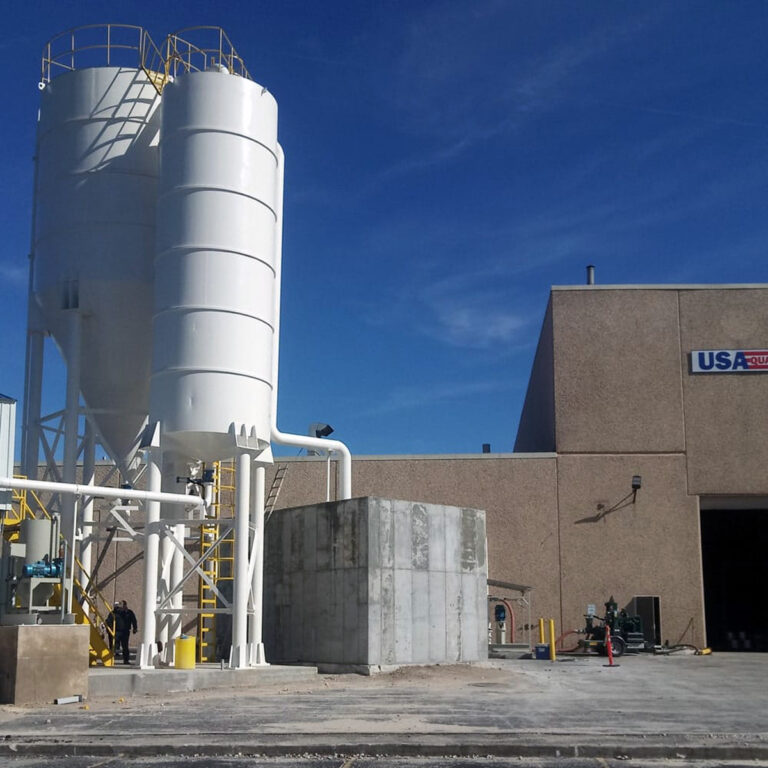
Spatial demands differ radically. A compact silo utilizes a vertical footprint, with integrated models combining the tank, chemical dosing, and controls on a single skid as small as ~2.5m x 2.5m. A filter press has a long, horizontal footprint dictated by its plate stack and hydraulic ram, requiring significant clear floor length.
The Integrated Skid Solution
This contrast has driven innovation in pre-engineered, integrated compact plants. Vendors now combine a vertical clarification silo and a smaller filter press on a single mobile skid (approximately 2.5m x 5m). This solution is specifically designed for spatial optimization, allowing manufacturers with limited floor space to deploy a complete two-stage system without major facility modifications.
Strategic Layout Planning
Your available space should guide the configuration choice. Separate units offer flexibility in placement but require more piping and floor area. An integrated skid minimizes footprint and simplifies installation but may have capacity limitations. The decision hinges on whether spatial efficiency or maximum throughput is the higher priority. The table below summarizes the spatial characteristics.
| Sistem Bileşeni | Footprint Type | Tipik Boyutlar |
|---|---|---|
| Compact Clarification Silo | Vertical, integrated | ~2.5m x 2.5m skid |
| Filtre Pres | Long, horizontal | Plate stack & ram length |
| Integrated Compact Plant | Combined mobile skid | ~2.5m x 5m |
Not: Integrated skids address spatial optimization for smaller facilities.
Kaynak: Teknik dokümantasyon ve endüstri spesifikasyonları.
Output Comparison: Reusable Water Quality vs Solid Waste Volume
Defining the Primary Products
Each unit delivers a distinct output that defines its value. The compact silo’s primary product is high-quality clarified water, suitable for direct reuse in sprayers, mixers, or other machinery. Its performance is measured by turbidity reduction and consistency. The filter press’s main output is a high-density solid cake, often exceeding 30% dry solids content, which drastically reduces the volume of waste for disposal.
Clarifying Water Quality Expectations
A critical, easily overlooked detail is that while filter press filtrate can appear clear, it is not designed to guarantee a specific micron level for direct machine feed. The press is optimized for solids compaction, not final polish. For guaranteed water quality, a final polishing filter after the silo’s clean water tank is recommended. This ensures protection for sensitive equipment and aligns with best practices for water reuse.
Strategic Output Management
Therefore, the silo determines your plant’s water recycling efficiency and operational continuity. The press defines your final waste handling costs and compliance ease for solid waste. Managing these outputs effectively requires understanding that they serve two separate but equally critical operational goals: resource recovery and waste minimization. The performance metrics for these outputs are central to environmental management systems like ISO 14001:2015 Environmental management systems.
| System | Primary Output | Anahtar Performans Metriği |
|---|---|---|
| Compact Silo | High-quality clarified water | Direct machinery reuse suitability |
| Filtre Pres | High-density solid cake | >30% dry solids content |
| Final Polish (Recommended) | Guaranteed micron level | Post-silo clean water tank |
Kaynak: ISO 14001:2015 Environmental management systems. This standard provides the framework for managing environmental aspects and compliance, which is directly relevant to evaluating the performance and output quality of wastewater treatment systems for responsible operational control.
Maintenance, Labor & Operational Complexity: A Practical View
Automation and Daily Demands
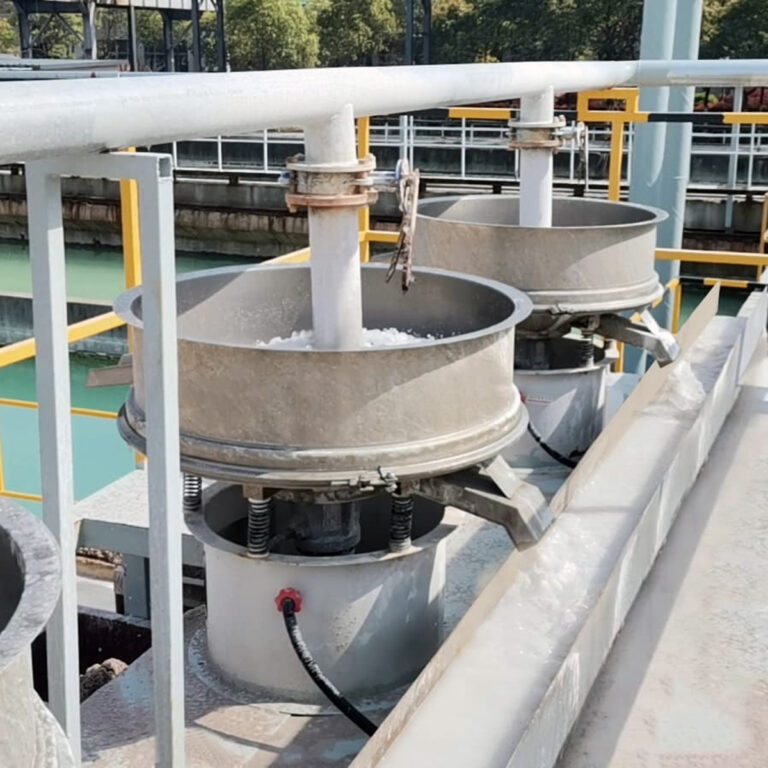
Modern compact silo systems are highly automated, handling flocculant dosing and sludge level detection with minimal daily intervention. The operator’s role is primarily oversight. Even automated filter presses require more hands-on attention. Cloths need regular cleaning to prevent blinding, cakes must be discharged, and the plate pack should be inspected for wear or misalignment.
The Evolving Operator Role
This evolution means capital investment in automation reduces routine physical labor but may necessitate a more skilled technician. The workforce shifts from manual sludge handlers to system monitors and maintenance planners. Troubleshooting an integrated system requires understanding both clarification chemistry and mechanical dewatering cycles, impacting training strategies.
The Software Differentiator
Integrated control software becomes a critical asset, managing the handoff between the continuous silo and the batch press cycles. It provides alerts for maintenance tasks and process deviations, simplifying the monitoring burden. The key is to ensure the software offers true interoperability, not just separate controls for each unit. The practical maintenance demands are compared below.
| Aspect | Compact Silo | Filtre Pres |
|---|---|---|
| Daily Automation Level | High (dosing, detection) | Automated cycles possible |
| Routine Labor Demand | Minimal daily intervention | Regular monitoring required |
| Key Maintenance Tasks | Sludge level oversight | Cloth cleaning, plate maintenance |
| Operator Skill Shift | Oversight & troubleshooting | Scheduled maintenance, discharge |
Kaynak: Teknik dokümantasyon ve endüstri spesifikasyonları.
Sizing & Capacity: Matching Systems to Your Sludge Profile
Basis for Sizing Each Stage
Correct sizing is non-negotiable. The compact silo is sized based on hydraulic retention time—the volume needed to allow fine ceramic particles to settle effectively. The filter press is sized based on the daily volume of thickened sludge (by weight or volume) produced by the silo and the required cake dryness. These are two different calculations.
Consequences of Mismatch
Incorrect sizing catastrophically undermines system economics. An undersized press becomes a relentless bottleneck, causing sludge backup that can shut down the clarifier. An oversized press represents wasted capital, occupies unnecessary space, and does not improve filtration efficiency. Similarly, an undersized silo will fail to provide adequate clarification, passing too many solids to the press.
The Prerequisite: Data Collection
This makes a precise, plant-specific analysis of your wastewater and sludge profile the critical first step. You need accurate data on flow rates, solid concentrations, and particle size distribution. Vendor consultation is essential, but it must be based on your real operational data, not estimates. This analysis is the foundation for ROI and system performance.
| System | Sizing Basis | Critical Risk of Mismatch |
|---|---|---|
| Compact Silo | Hydraulic retention time | Settling efficiency compromised |
| Filtre Pres | Daily thickened sludge volume | Bottleneck or capital waste |
| Prerequisite Analysis | Plant-specific sludge production rate | Essential for ROI |
Kaynak: Teknik dokümantasyon ve endüstri spesifikasyonları.
Decision Framework: Choosing & Integrating Your Optimal System
Foundational Analysis
Begin with a rigorous audit of your plant’s specific conditions. Quantify your daily wastewater volume and sludge production. Map your available floor space and utilities. This data set is non-negotiable for meaningful vendor discussions and accurate sizing of both the clarification and dewatering stages, such as those in a complete compact wastewater treatment system.
Configuration and Vendor Strategy
Next, decide on configuration: separate units for maximum capacity flexibility or an integrated skid for spatial efficiency. Then, evaluate the vendor lock-in strategic trade-off. A turnkey system from a single supplier offers guaranteed compatibility and single-point accountability but reduces multi-vendor flexibility. Assess the control software’s capability to manage the entire process seamlessly.
Framing the Investment
Finally, frame the capital expenditure strategically. This is not merely an equipment purchase but an investment in regulatory risk mitigation and operational resilience. Proactively implementing a compliant, closed-loop system future-proofs your operation against increasingly stringent environmental laws. It transforms a recurring compliance cost into a controlled capital asset that delivers water security and waste cost reduction.
The core decision points are clear: size based on your data, configure based on your space, and select a vendor based on integration capability and strategic support. Prioritize a system designed as a cohesive whole, not a collection of parts. The goal is a treatment process that operates as reliably as your production line.
Need professional guidance to navigate these decisions for your ceramic tile manufacturing facility? The experts at PORVOO can help you analyze your specific sludge profile and spatial constraints to design an optimized, compliant treatment system. Bize Ulaşın proje gereksinimlerinizi görüşmek için.
Sıkça Sorulan Sorular
Q: Can a filter press replace a compact silo for primary wastewater treatment in a tile plant?
A: No, a filter press is not a direct substitute for a compact clarification silo. The silo is the primary liquid-solid separator, continuously removing fine particulates to produce reusable water. The press is a secondary, batch-operated dewatering stage that processes the thickened sludge from the silo. This means you must plan for a complete two-stage system; using a press alone on raw wastewater will be inefficient and likely fail to meet your water quality targets.
Q: How do continuous and batch processing differences impact our production line integration?
A: A compact silo’s continuous operation aligns with constant tile production, supplying a steady stream of recycled water. A filter press operates on intermittent batch cycles (fill, press, discharge), which can create bottlenecks if not properly scheduled with a buffer tank. For projects where manufacturing uptime is critical, you must manage the press cycle around sludge accumulation to avoid impeding the continuous water recovery the silo provides.
Q: What are the key space considerations when planning for a complete treatment system?
A: The technologies have opposing footprints: a compact silo uses a vertical design (~2.5m x 2.5m), while a filter press requires significant horizontal floor length for its plate stack. This drives the market for integrated compact plants that combine both units on a single mobile skid (~2.5m x 5m). If your facility has severe spatial constraints, you should prioritize evaluating these pre-engineered, skid-mounted solutions to avoid costly facility redesign.
Q: How does the Total Cost of Ownership (TCO) analysis differ between these two stages?
A: The silo represents higher initial capital but offers operational savings through automated, continuous water recovery (95-98%). The press adds capital cost and introduces variable expenses for cloth replacement, plate maintenance, and hydraulic energy. A primary TCO driver for the entire system is regulatory compliance; achieving closed-loop zero discharge eliminates recurring permit fees, transforming compliance into a capitalized investment. This means your financial model must include downstream savings from reduced sludge disposal to get an accurate picture.
Q: What operational skill shift should we expect when automating a two-stage treatment system?
A: Automation shifts labor from manual handling to technical oversight. A modern silo requires minimal daily intervention, while even an automated filter press needs regular monitoring, cloth cleaning, and cake discharge. Consequently, your operator’s role evolves into scheduled maintenance and troubleshooting. If your operation requires high reliability, plan for workforce training focused on diagnostic skills and the use of integrated control software that manages cycles and provides alerts.
Q: Why is precise sludge profiling critical before sizing a filter press?
A: Correct sizing is non-negotiable for performance and return on investment. The filter press must be matched precisely to the daily volume of thickened sludge from the upstream silo. An undersized press creates a bottleneck and sludge backup, while an oversized unit wastes capital and occupies unnecessary space without improving efficiency. This means you must conduct accurate data collection on your plant’s specific sludge production rate during the design phase to avoid costly operational or financial compromises.
Q: How should we frame the vendor selection for an integrated treatment system?
A: Evaluate vendors on their ability to provide a complete, correctly sized solution and consider the strategic trade-off. A turnkey, integrated ecosystem from one vendor offers guaranteed compatibility and single-point accountability but reduces multi-vendor flexibility. You should also critically assess the provided control software and digital support, as these dictate long-term operational ease. Frame the final investment as regulatory risk mitigation, proactively future-proofing your operation against stricter environmental laws like those managed under an ISO 14001:2015 framework.