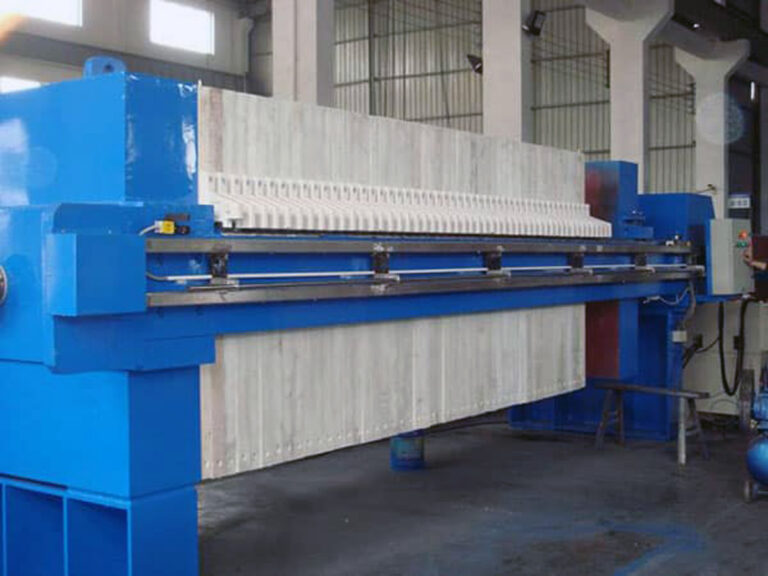
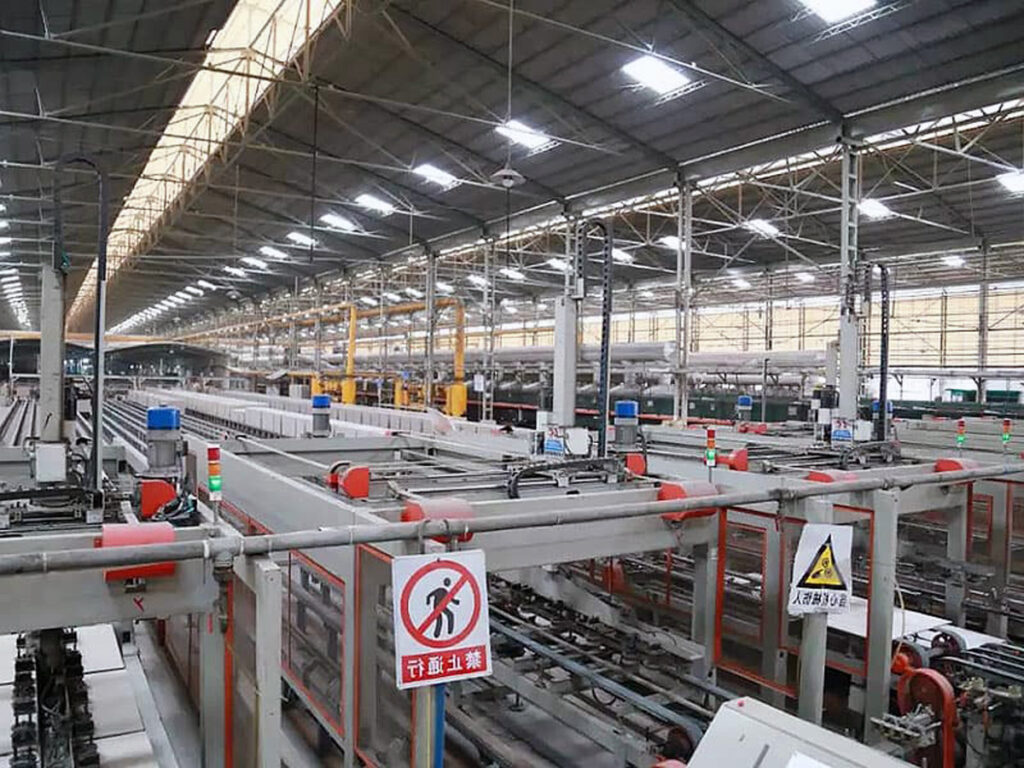
For ceramic and stone processing facilities, wastewater management is a persistent operational bottleneck. The traditional reliance on chemical-intensive treatment creates a cascade of secondary problems: ongoing reagent costs, hazardous sludge disposal, and complex process control. This approach often fails to deliver the consistent, high-quality effluent required for stringent discharge permits or cost-effective water reuse, locking facilities into a cycle of compliance risk and resource waste.
The shift toward chemical-free nanofiltration represents a strategic evolution, moving beyond mere filtration to a system-level solution. It addresses the core industry demand for reliability and sustainability simultaneously. With tightening environmental regulations and increasing corporate ESG reporting pressures, the operational and financial calculus for wastewater treatment has fundamentally changed. A system that eliminates continuous chemical dependence isn’t just an engineering upgrade; it’s a forward-looking operational imperative.
How a Chemical-Free Nanofiltration System Works
The Core Separation Mechanisms
A chemical-free NF system achieves separation through integrated physical and electrostatic principles, not chemical precipitation. The primary mechanism is size exclusion, where a membrane with 1-10 nanometer pores acts as a physical sieve, removing fine particulates, colloids, and large organic molecules. Simultaneously, Donnan exclusion comes into play. Most NF membranes carry a slight negative surface charge, which electrostatically repels similarly charged ions and contaminants, such as certain heavy metal complexes. This multi-barrier approach is why “chemical-free” is a system goal, not a single technology. It requires an integrated design where robust pretreatment protects the NF membranes, enabling these physical mechanisms to function without chemical intervention for the core separation process.
System Integration Over Singular Technology
The effectiveness hinges on viewing the NF unit not in isolation, but as the final polishing stage within a carefully sequenced treatment train. Success depends on upstream stages, particularly pretreatment, conditioning the wastewater to a state where the NF’s physical separation can operate efficiently. This integrated philosophy prevents the common mistake of overloading a single technology. In our evaluations, systems that treat the ceramic UF and NF stages as a synergistic unit consistently outperform those where components are selected in isolation.
Key Components and System Design for 2025
The Foundation: Ceramic Pretreatment
The first critical component is the ceramic ultrafiltration (UF) pretreatment stage. Membranes made from alumina (Al₂O₃) or zirconia (ZrO₂) provide the mechanical and chemical stability to withstand abrasive silicate particles and variable pH swings common in this wastewater. This durability is non-negotiable; it forms the foundation that protects the downstream NF membranes and enables long-term, low-chemical operation. Selecting ceramic membranes is a foundational CAPEX decision that directly enables the promised low-chemical OPEX by drastically reducing cleaning frequency and replacement costs.
Core Filtration and System Architecture
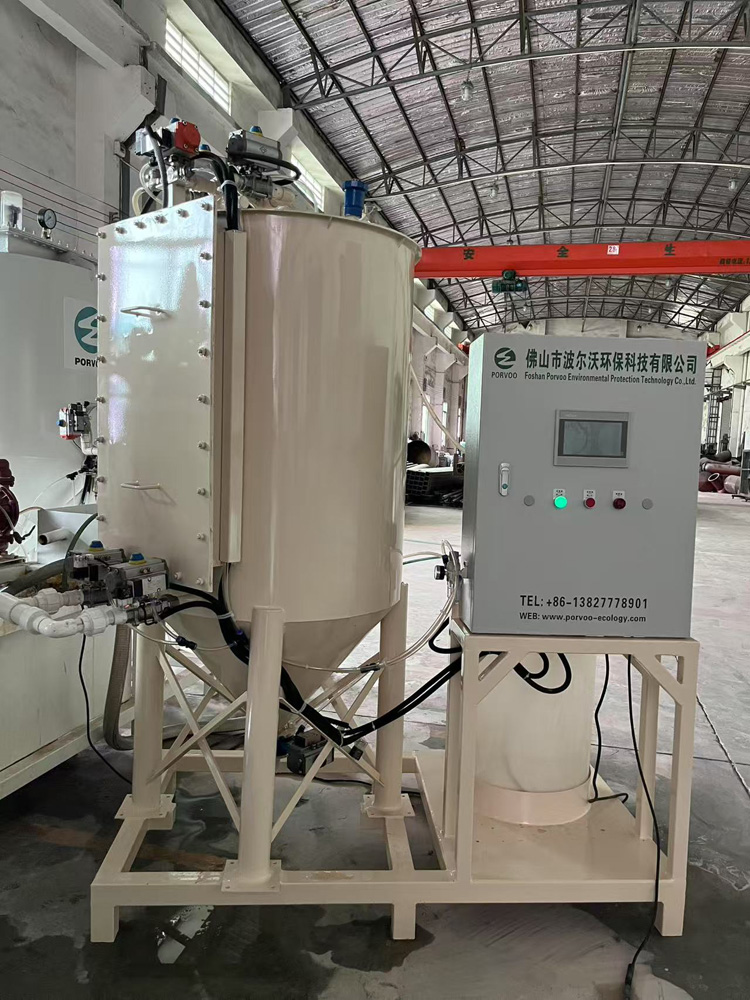
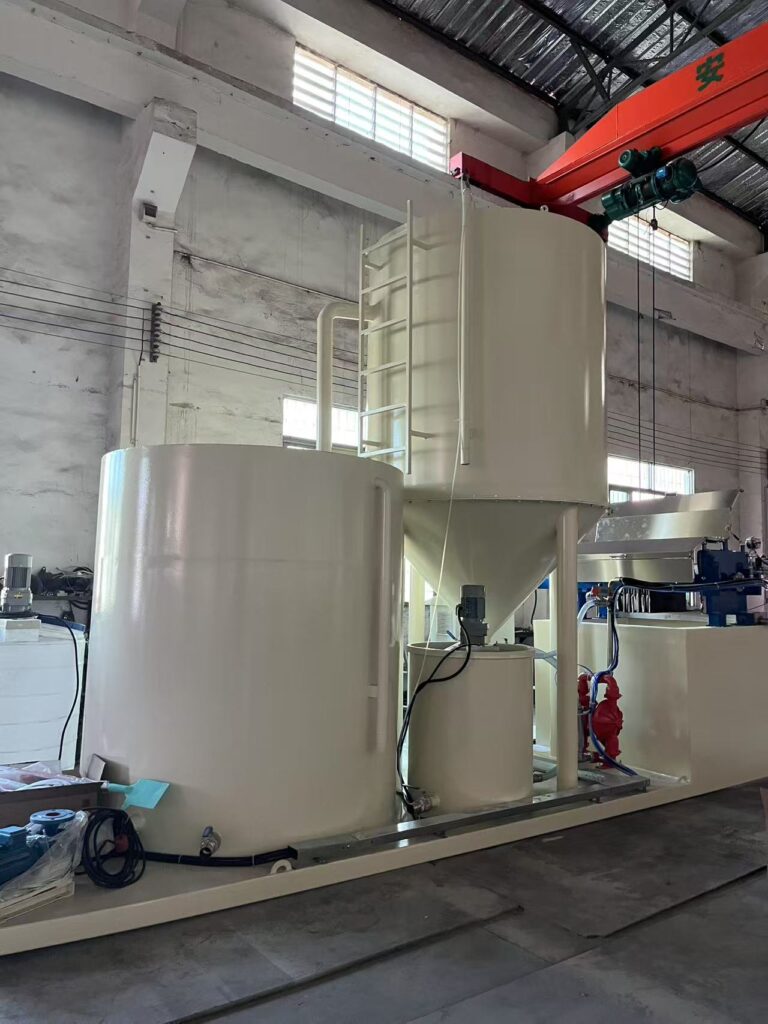
The heart of the system is the nanofiltration unit, typically employing polyamide thin-film composite membranes in spiral-wound modules. These operate at pressures between 5–20 bar. A 2025-ready design, however, extends beyond the membrane racks. It incorporates advanced feed pumps with variable frequency drives for precise pressure control, integrated sensors for continuous monitoring of normalized permeate flux and conductivity, and built-in redundancy for critical components. The design must holistically account for the entire wastewater profile, ensuring the NF stage receives a consistent, pre-conditioned feed. This level of integration is what separates a collection of parts from a reliable treatment system.
Performance Expectations and Rejection Rates
Establishing Realistic Benchmarks
A well-optimized chemical-free NF system should deliver effluent suitable for high-value reuse or direct compliant discharge. Performance is measured against key rejection rates. For divalent ions like calcium and sulfate, rejection typically exceeds 95% due to strong Donnan exclusion. Chemical Oxygen Demand (COD) reduction often surpasses 85%, while removal of total suspended solids (TSS) and turbidity approaches 99% through physical sieving. Success in achieving these rates depends critically on matching the membrane’s surface charge properties to the ionic state of target pollutants in your specific wastewater stream.
The Data Behind the Performance
The following table outlines the typical rejection rates for key contaminants, providing a benchmark for system evaluation and regulatory compliance.
| Hedef Kirletici | Typical Rejection Rate | Key Separation Mechanism |
|---|---|---|
| Divalent ions (Ca²⁺, Mg²⁺) | >95% | Donnan dışlama |
| Chemical Oxygen Demand (COD) | >85% reduction | Size exclusion |
| Toplam Askıda Katı Madde (TSS) | >99% removal | Physical sieving |
| Heavy metals (Cr, Ni) | >95% | Size & charge exclusion |
| Bulanıklık | >99% removal | Physical sieving |
Kaynak: HJ 579-2023 Technical specification for nanofiltration water treatment. This standard stipulates technical requirements and effluent quality for nanofiltration systems, providing the regulatory basis for the performance benchmarks and rejection rates outlined in the table.
Addressing Fouling Without Chemicals
Identifying and Classifying Fouling Risks
Fouling management is the central operational challenge in a chemical-free paradigm. Ceramic and stone wastewater presents specific risks: inorganic scaling from silica and calcium salts, colloidal fouling from fine dust, and organic fouling from processing oils or binders. The first line of defense is effective ceramic UF pretreatment to remove the bulk of foulants. Operationally, running the system below its critical flux—the point where fouling accelerates—is a fundamental control strategy often overlooked in pursuit of maximum short-term output.
Proactive, Non-Chemical Mitigation Strategies
The shift from chemical cleaning to thermal and physical control requires new protocols. Regular hydraulic backflushing and air scouring are essential. Crucially, temperature is a key operational variable. Cold feedwater increases viscosity and can cause reversible pore constriction, degrading flux. Implementing scheduled warm-water (35-50°C) flushing cycles is a proactive, non-chemical intervention that restores membrane structure and permeability. This validates thermal recovery as a core maintenance strategy, not just an emergency measure.
The table below categorizes common fouling types and their primary mitigation strategies within a chemical-free framework.
| Kirlenme Tipi | Common Cause in Wastewater | Primary Mitigation Strategy |
|---|---|---|
| Inorganic Scaling | Silica, calcium salts | Operate below critical flux |
| Colloidal Fouling | Fine dust, particles | Ceramic UF pretreatment |
| Organic Fouling | Oils, binders | Hydraulic backflushing, air scouring |
| Cold Water Flux Loss | Increased viscosity | Warm-water (35-50°C) flushing |
Kaynak: Teknik dokümantasyon ve endüstri spesifikasyonları.
The Critical Role of Ceramic Pretreatment Membranes
Material Advantages for Industrial Wastewater
Ceramic UF membranes are a strategic necessity, not an optional upgrade. Their inorganic composition grants superior abrasion resistance against abrasive particles, exceptional chemical stability across a wide pH range, and high tolerance for temperature swings. This material superiority translates directly into operational and financial benefits: a lifespan often exceeding 10 years, compared to 3-7 years for polymeric alternatives. This durability enables sustainable, aggressive cleaning via high-flow backwashing and even occasional steam sterilization, maintaining performance without harsh chemicals.
Comparative Performance and Innovation
The choice between ceramic and polymeric pretreatment has long-term implications for system reliability and cost. Furthermore, innovation continues. New membrane supports utilizing natural waste materials can create higher-porosity structures that enhance flux and contaminant removal, presenting a dual-value opportunity for performance and sustainability.
The decisive advantages of ceramic membranes are clear when compared directly to polymeric alternatives, as shown in the following comparison.
| Parametre | Ceramic Membrane (Al₂O₃, ZrO₂) | Polymeric Alternative |
|---|---|---|
| Lifespan | >10 years | 3–7 years |
| Abrasion Resistance | Mükemmel | Orta düzeyde |
| Kimyasal Stabilite | Wide pH range | Limited range |
| Cleaning Tolerance | Aggressive backwashing, steam | Gentle chemical cleaning |
| Temperature Tolerance | High swings | Sınırlı |
Kaynak: GB/T 39218-2020 Technical code for ceramic membrane. This standard provides the technical code for ceramic membrane application in water treatment, directly supporting the material properties, operational advantages, and lifespan comparisons listed.
Implementation Roadmap: From Pilot to Full Scale
The Non-Negotiable Pilot Phase
A structured, data-driven implementation de-risks the significant CAPEX investment. It begins with comprehensive wastewater characterization across all production cycles to capture variability. Pilot testing for 30-90 days on-site is mandatory. This phase validates real-world flux, recovery rates, and fouling control protocols specific to your effluent. Skipping this step often leads to undersized systems or unexpected operational challenges post-commissioning.
Scaling, Training, and Commissioning
Scaling up from pilot data involves detailed engineering to incorporate necessary redundancy and potentially energy recovery devices. A critical, often underestimated phase is operator training. This must focus on the new paradigm of thermal and hydraulic management over chemical handling. The final 3-6 months post-commissioning should be dedicated to performance validation and fine-tuning operating parameters to lock in optimal, stable long-term function.
A phased approach ensures systematic de-risking and successful scaling, as outlined below.
| Phase | Key Activity | Tipik Süre |
|---|---|---|
| 1. Characterization | Comprehensive wastewater analysis | Değişken |
| 2. Pilot Testing | On-site system validation | 30–90 days |
| 3. Scaling & Design | Engineering with redundancy | 1–3 months |
| 4. Training | Operator paradigm shift focus | 2–4 weeks |
| 5. Commissioning | Performance validation & tuning | 3–6 months |
Kaynak: Teknik dokümantasyon ve endüstri spesifikasyonları.
Evaluating Total Cost of Ownership and ROI
Analyzing the Full Financial Picture
The financial case extends far beyond upfront capital costs. A true TCO analysis weighs the higher initial investment in ceramic membranes against dramatically extended lifespan and eliminated membrane replacement costs. Operational savings from removing continuous chemical purchase, storage, and handling are significant. However, the value proposition is expanding. The “chemical-free dividend” provides a measurable ESG advantage by reducing the environmental footprint linked to chemical manufacturing and hazardous waste, which is increasingly quantified in corporate sustainability reporting.
Value Beyond Cost Savings
For facilities facing water scarcity or stringent discharge limits, the ROI is strengthened by enabling compliant water reuse, reducing freshwater acquisition costs. Furthermore, a high-recovery NF system acts as a robust pre-concentration step for Zero Liquid Discharge (ZLD) systems, significantly reducing the volumetric load and energy cost on downstream thermal evaporators.
The following table breaks down the key financial considerations that shift the evaluation from simple CAPEX to a comprehensive TCO and value analysis.
| Maliyet Faktörü | Chemical-Free NF System Consideration | Finansal Etki |
|---|---|---|
| Initial CAPEX | Ceramic membrane investment | Daha yüksek ön maliyet |
| Membran Değişimi | Extended ceramic lifespan | Azaltılmış frekans |
| Operational OPEX | Eliminated chemical purchase/handling | Significant savings |
| Water Reuse Value | Enables compliant recycling | Reduces acquisition cost |
| ZLD Integration | Pre-concentrates feed for evaporators | Lowers thermal load cost |
Kaynak: GB/T 41017-2021 Water reuse in industrial circulating cooling system. This standard defines water quality for industrial reuse, a key application that drives ROI by converting treated wastewater into a valuable resource, offsetting operational costs.
Tesisiniz için Doğru Sistemin Seçilmesi
Matching Wastewater to System Capabilities
Selection is a strategic match, not a generic purchase. Focus on “sweet spot” applications where the value proposition is strongest: wastewater with high fouling potential, variable feed quality, and high costs associated with water acquisition or discharge compliance. Key selection criteria must include the proven performance of the ceramic pretreatment for your specific contaminant mix, not just generic claims. The manufacturer must provide robust support for the thermal management and hydraulic cleaning strategies essential for chemical-free operation.
Engineering for Long-Term Success
Ensure the provider offers comprehensive pilot support and demonstrates a track record in similar industrial applications, not just municipal water. The system must be engineered with design flexibility to handle seasonal temperature swings and production variability. The goal is to select a partner that delivers an integrated solution engineered for true chemical-free operation, backed by the operational intelligence to support it long-term. Evaluating specific chemical-free nanofiltration solutions requires a deep dive into these engineering and support parameters.
The decision to implement a chemical-free nanofiltration system hinges on three priorities: validating performance through on-site piloting, committing to the operational paradigm shift from chemical to physical/thermal management, and conducting a full TCO analysis that captures both operational savings and strategic value like water reuse. This approach transforms wastewater treatment from a cost center into a source of operational resilience and compliance assurance.
Need a professional assessment to determine if a chemical-free nanofiltration system is the right strategic fit for your facility’s specific wastewater profile and sustainability goals? The engineering team at PORVOO can provide a detailed feasibility analysis based on your operational data.
For a preliminary discussion or to share your wastewater characterization report, you can also Bize Ulaşın doğrudan.
Sıkça Sorulan Sorular
Q: How does a system achieve “chemical-free” operation if it still requires pretreatment?
A: The “chemical-free” goal is met through an integrated multi-barrier design, not a single technology. Robust pretreatment, specifically ceramic ultrafiltration, protects the core nanofiltration membranes from severe fouling, enabling them to rely solely on physical and electrostatic separation mechanisms. This means your facility must view the ceramic pretreatment stage as a non-negotiable capital investment to enable sustainable, low-chemical operating expenses over the system’s lifespan.
Q: What are the key performance benchmarks for a nanofiltration system treating ceramic wastewater?
A: A well-optimized system should deliver >95% rejection of divalent ions like calcium and sulfate, >85% reduction in Chemical Oxygen Demand (COD), and >99% removal of total suspended solids. Heavy metal rejection often exceeds 95%. Success depends on matching the membrane’s surface charge to the ionic state of pollutants, making feedwater pH a critical control parameter. For projects targeting water reuse, you must verify these rates against specific quality standards like those in GB/T 41017-2021 for industrial cooling.
Q: How do you manage membrane fouling without using chemical cleaners?
A: Fouling control shifts from chemical to thermal and physical strategies. Proactive measures include operating below critical flux, regular hydraulic backflushing, and air scouring. A critical tactic is implementing scheduled warm-water (35-50°C) flushing cycles to restore membrane permeability and counteract issues like reversible pore shrinkage from cold feed. If your facility experiences variable water temperatures, plan for integrated heating capacity as a core part of your maintenance strategy.
Q: Why are ceramic pretreatment membranes considered a strategic necessity for this application?
A: Ceramic membranes made from alumina or zirconia provide essential abrasion resistance against silicate particles and chemical stability across wide pH ranges, leading to lifespans often exceeding 10 years. Their durability enables aggressive, sustainable cleaning via high-flow backwashing. This foundational choice directly reduces long-term operational costs and cleaning frequency. Facilities should prioritize ceramic membranes as a capital expenditure that unlocks the promised low-chemical operational model, a principle supported by technical codes like GB/T 39218-2020.
Q: What is the critical first step in implementing a chemical-free nanofiltration system?
A: You must begin with comprehensive, on-site wastewater characterization across all production cycles. This data informs a mandatory 30-90 day pilot test to validate real-world flux, recovery rates, and fouling protocols before full-scale investment. This step de-risks capital expenditure by providing site-specific performance data. For a compliant installation, ensure your pilot and final design align with technical specifications such as those in HJ 579-2023 for nanofiltration systems.
Q: How should we evaluate the total cost of ownership beyond the initial price?
A: A true TCO analysis weighs the higher upfront cost of ceramic components against extended lifespan, eliminated chemical purchases, and reduced membrane replacement. Operational savings are significant, but the value now includes a measurable “chemical-free dividend” for ESG reporting by reducing the environmental footprint of chemical handling. If your facility faces high water costs or strict discharge limits, the ROI strengthens further by enabling reuse and serving as a pre-concentration step for cost-intensive Zero Liquid Discharge systems.
Q: Which facilities are the best candidates for this technology?
A: The strongest value proposition is for operations with a high-fouling potential, variable feed quality, and significant costs associated with water acquisition or discharge compliance. Key selection criteria include the ceramic pretreatment’s proven performance against your specific contaminant mix and the vendor’s support for thermal management strategies. This means you should target applications where an integrated, intelligent design can directly replace chemical dependency and mitigate water-related operational risks.