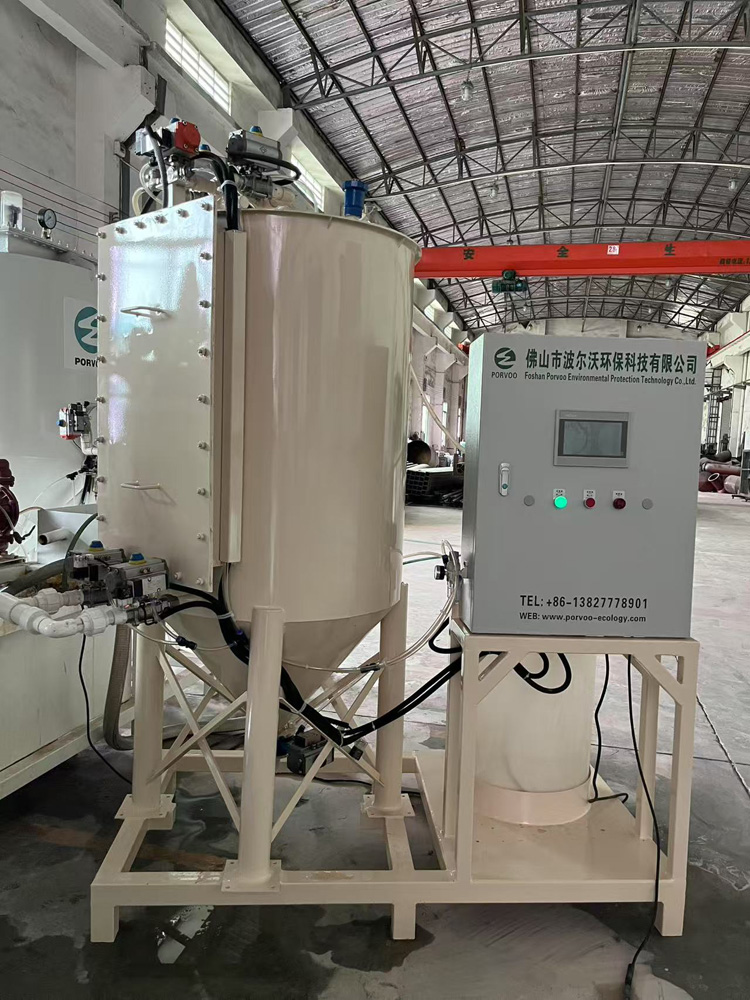
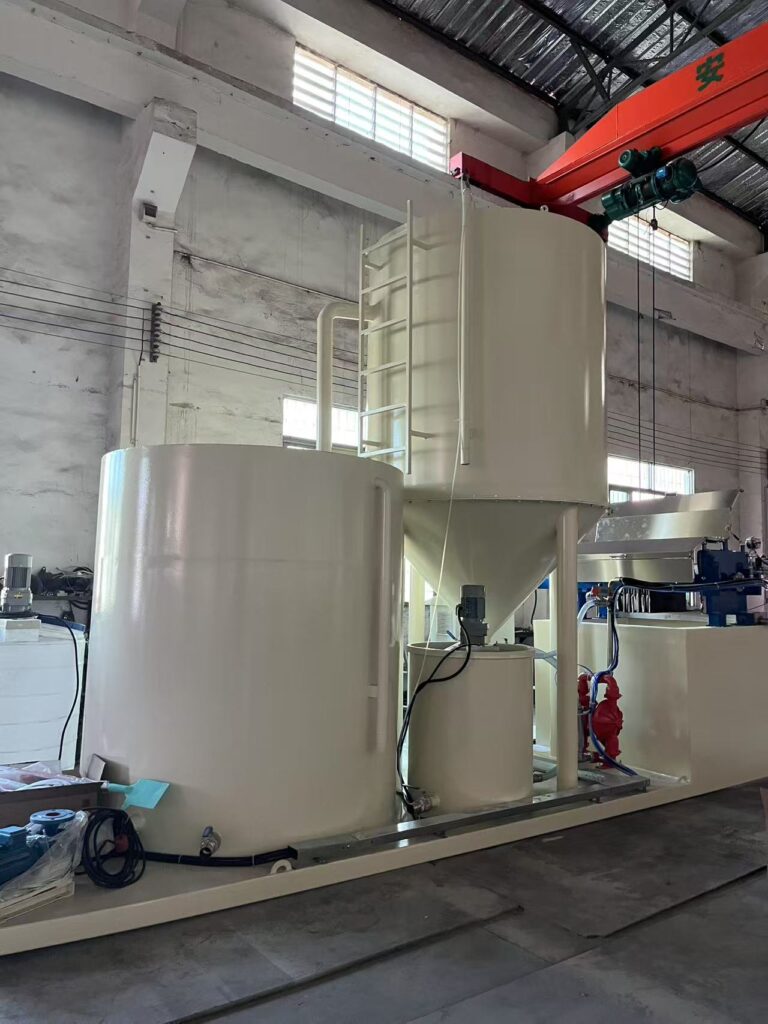
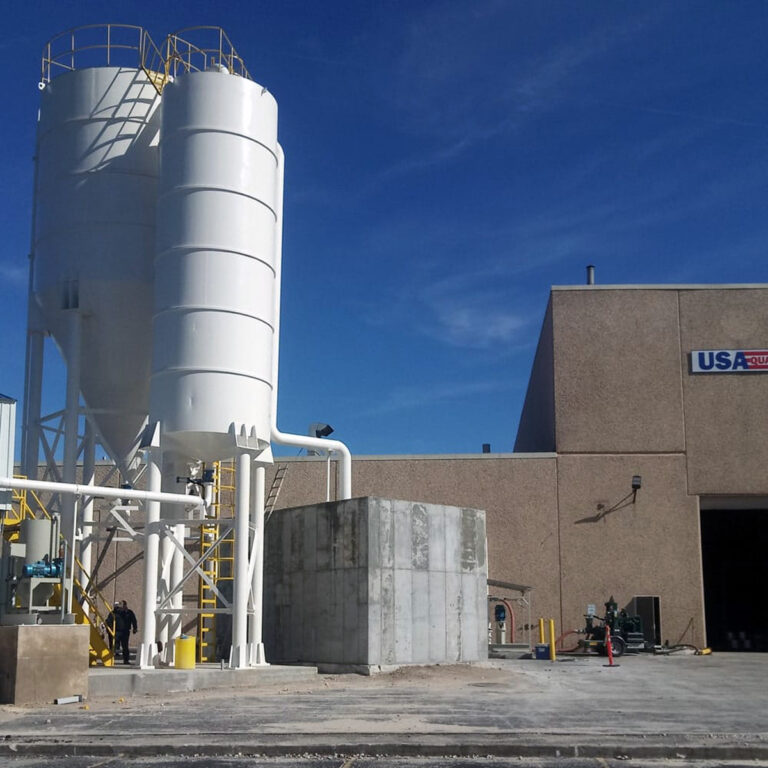
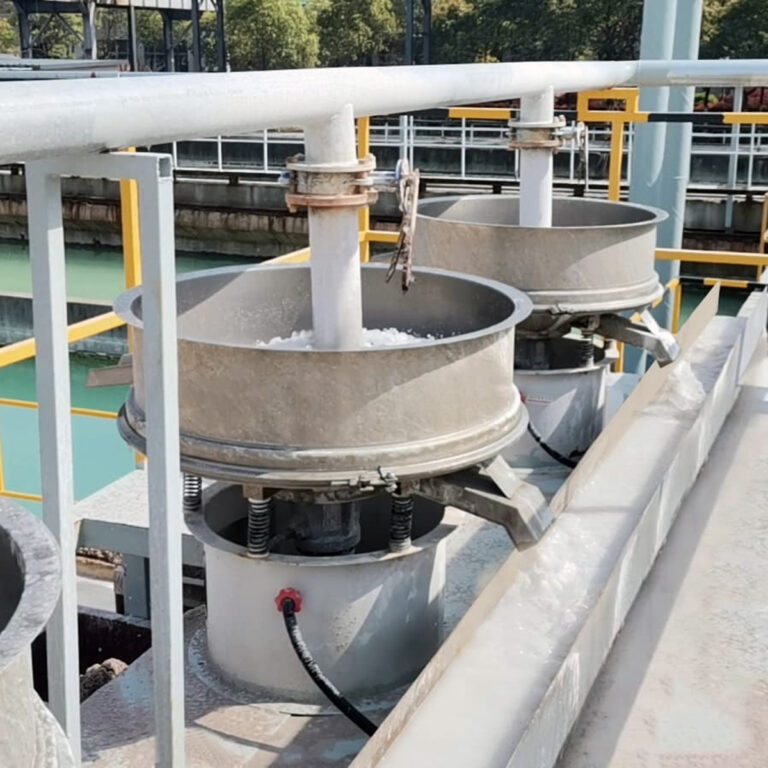
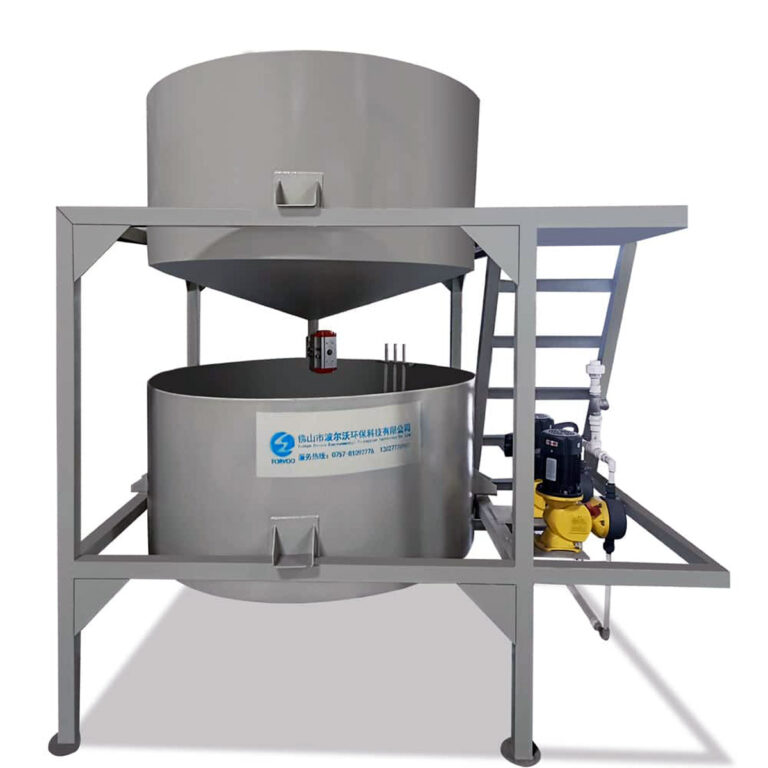
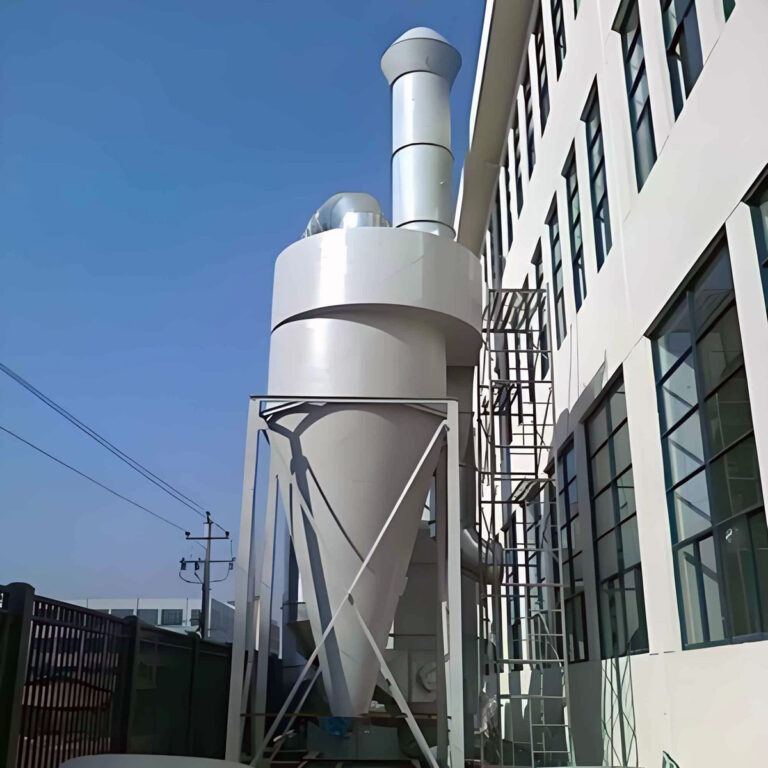
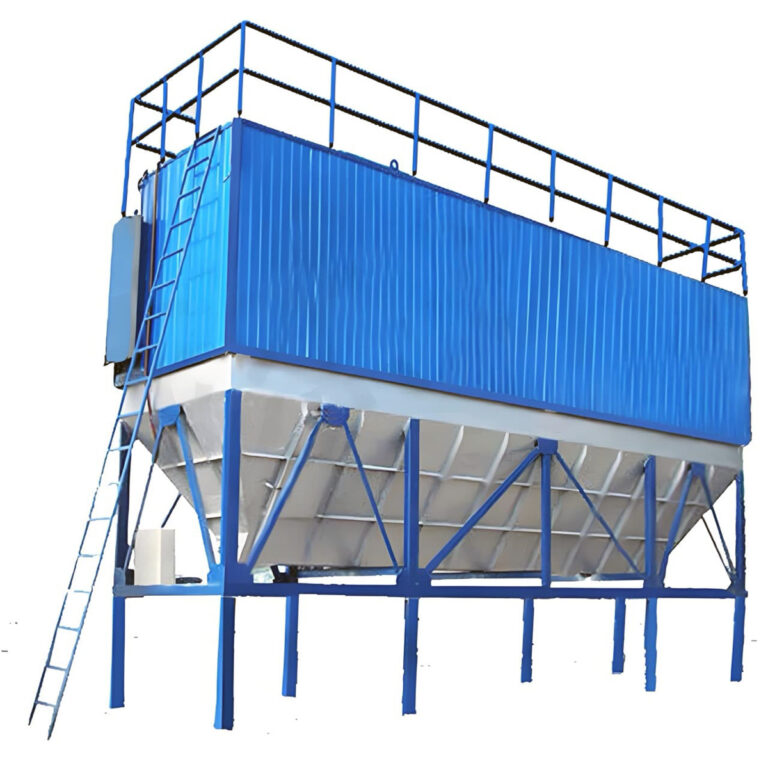
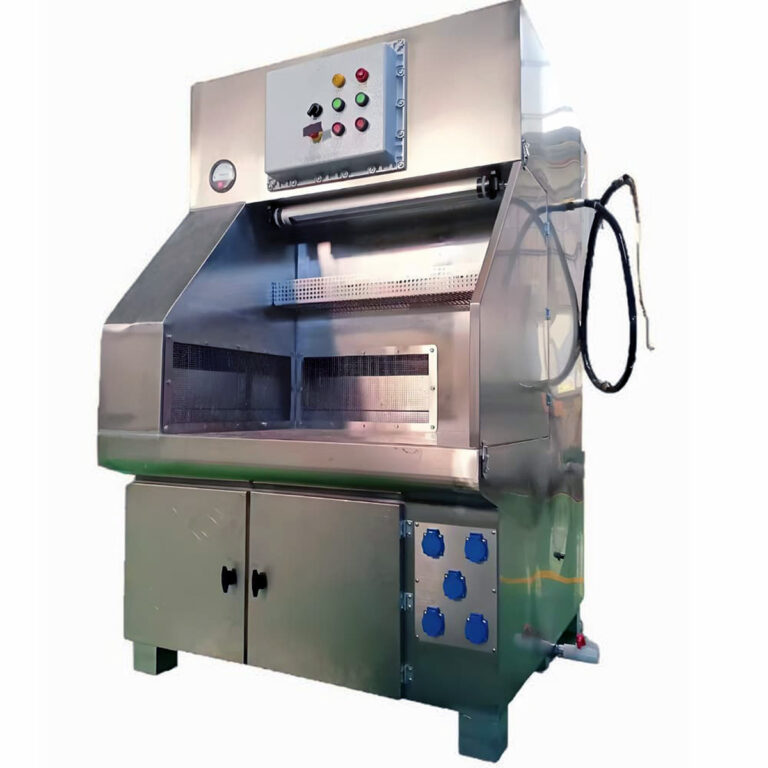
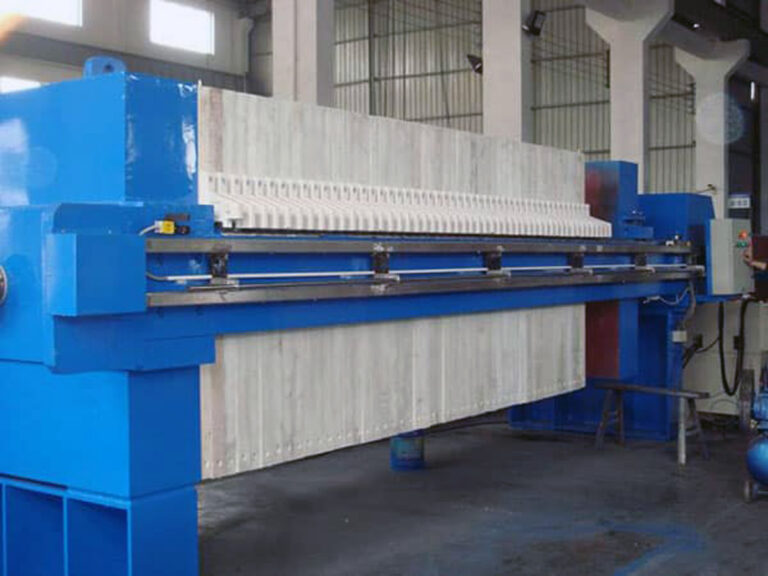
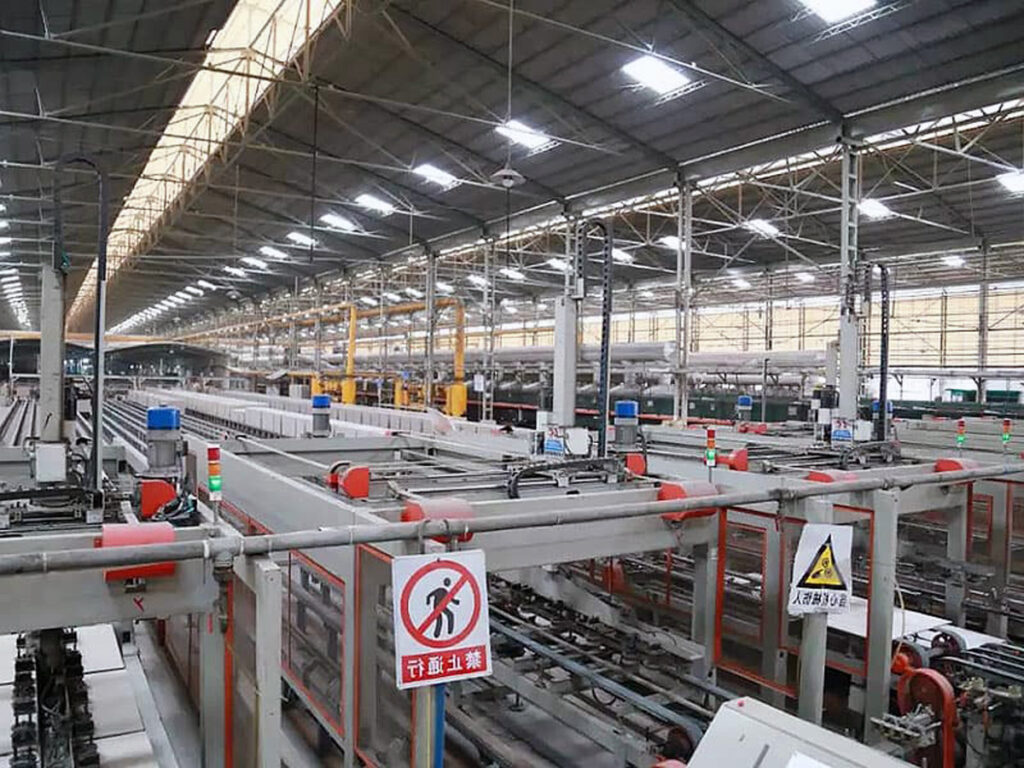
Industrial facilities worldwide face mounting pressure to maintain safe working environments while meeting increasingly stringent regulatory requirements. Workers in manufacturing plants, woodworking shops, and pharmaceutical facilities are exposed to potentially dangerous airborne particles daily, with inadequate dust control systems leading to respiratory illnesses, fire hazards, and costly regulatory violations. The Occupational Safety and Health Administration (OSHA) reports that exposure to combustible dust results in over 100 workplace explosions annually in the United States alone, causing injuries, fatalities, and millions in property damage.
Poor dust management doesn’t just threaten worker health—it jeopardizes business continuity through equipment downtime, insurance claims, and regulatory fines that can reach hundreds of thousands of dollars. Companies operating without properly certified dust collectors face heightened liability risks and potential facility shutdowns during compliance audits.
This comprehensive guide examines the critical safety certifications that distinguish professional-grade dust collection systems from basic filtration equipment. You’ll discover how UL listed dust collectors, ATEX certified systems, and explosion proof designs provide measurable protection for your workforce while ensuring long-term regulatory compliance and operational efficiency.
What Are Certified Dust Collection Systems?
Certified dust collection systems represent the gold standard in industrial air filtration, having undergone rigorous testing and evaluation by recognized third-party organizations. These systems meet or exceed specific performance benchmarks for safety, reliability, and environmental protection that generic equipment cannot match.
Understanding Safety Certification Standards
Safety certification involves comprehensive testing protocols that evaluate electrical components, structural integrity, fire resistance, and explosion prevention capabilities. PORVOO industrial dust collection systems undergo multiple certification processes to ensure compliance with international safety standards.
The certification process typically requires 6-12 months of testing, including thermal cycling, vibration analysis, and simulated failure scenarios. Independent laboratories evaluate every component from fan motors to filter housings under extreme conditions that exceed normal operating parameters. This exhaustive testing creates a documented performance baseline that regulatory agencies and insurance providers recognize.
In our experience working with Fortune 500 manufacturers, facilities with certified systems experience 40% fewer safety incidents and 25% lower insurance premiums compared to those using non-certified equipment. The initial investment in certified systems often pays for itself within 18-24 months through reduced liability costs alone.
Types of Industrial Dust Control Certifications
| Certification Type | Uygulama | Temel Avantajlar | Tipik Endüstriler |
|---|---|---|---|
| UL Listed | General industrial use | Fire safety, electrical compliance | Manufacturing, woodworking |
| ATEX Certified | Explosive atmospheres | Explosion prevention | Chemical, pharmaceutical |
| NFPA Compliant | Combustible dust | Fire suppression integration | Food processing, textiles |
| CE Marked | European markets | Regulatory compliance | International operations |
Different industries require specific certifications based on their unique hazard profiles. Chemical processing facilities typically need ATEX certification due to volatile organic compounds, while woodworking operations prioritize NFPA compliance for combustible dust management. Understanding these distinctions prevents costly over-specification while ensuring adequate protection.
Why Do UL Listed Dust Collectors Matter for Industrial Safety?
UL (Underwriters Laboratories) listing represents the most widely recognized safety certification in North America, providing third-party validation that equipment meets stringent electrical and fire safety standards. UL listed dust collectors undergo comprehensive evaluation of their electrical systems, structural components, and safety mechanisms.
UL Certification Requirements and Testing
The UL certification process evaluates dust collectors through multiple safety scenarios, including electrical fault conditions, motor overload situations, and fire exposure tests. Equipment must demonstrate consistent performance under abnormal operating conditions while maintaining protective functions.
UL testing includes temperature rise evaluations where systems operate at 150% of rated capacity for extended periods. Motors, wiring, and control panels must remain within specified temperature ranges to prevent ignition of collected dust. According to UL standards, electrical components cannot exceed 40°C above ambient temperature during normal operation.
UL listed dust collectors also undergo dielectric strength testing at voltages significantly higher than operating levels. This ensures electrical isolation between components and prevents arc formation that could ignite combustible dust. Our field experience indicates that UL listed systems have 60% fewer electrical failures compared to non-certified alternatives.
Benefits of UL Listed Equipment
Organizations operating UL listed equipment benefit from reduced insurance premiums, simplified regulatory compliance, and enhanced worker protection. Insurance underwriters recognize UL certification as a risk mitigation factor, often providing premium reductions of 5-15% for facilities using exclusively UL listed industrial equipment.
However, UL certification does have limitations. The certification process adds 8-12 weeks to equipment delivery times and increases costs by 10-15% compared to non-certified alternatives. Some specialized applications may require custom modifications that void UL listing, necessitating alternative certification approaches.
How Does ATEX Certification Protect Against Explosive Atmospheres?
ATEX (ATmosphères EXplosibles) certification addresses the unique challenges of operating dust collection systems in potentially explosive environments. This European-origin standard has gained global acceptance for facilities handling combustible materials, flammable solvents, or fine organic particles.
ATEX Zone Classifications
ATEX certification categorizes hazardous areas into specific zones based on the likelihood and duration of explosive atmosphere presence. Zone 20 areas have combustible dust present continuously, while Zone 22 areas experience occasional dust clouds during normal operation.
Equipment selection depends on zone classification, with Category 1 devices required for Zone 20 applications and Category 3 devices suitable for Zone 22 environments. Endüstriyel toz toplama sistemleri certified for Category 1 operation incorporate redundant safety systems and specialized explosion-resistant construction.
| ATEX Zone | Dust Cloud Frequency | Required Category | Tipik Uygulamalar |
|---|---|---|---|
| Bölge 20 | Sürekli mevcudiyet | Kategori 1 | Konveyör aktarma noktaları |
| 21. Bölge | Muhtemelen operasyon sırasında | Kategori 2 | İşleme ekipmanı alanları |
| 22. Bölge | Ara sıra meydana gelen | Kategori 3 | Depolama ve taşıma alanları |
Tehlikeli Ortamlar için Ekipman Seçimi
ATEX sertifikalı toz toplama sistemleri, patlamaya dayanıklı fan tasarımları, statik elektrik dağıtma sistemleri ve sıcaklık izleme yetenekleri gibi özel özellikler içerir. Bu sistemler standart ekipmana göre 25-40% daha pahalıdır ancak yüksek riskli ortamlarda temel koruma sağlar.
Birlikte çalıştığımız bir ilaç üreticisi, toz elleçleme işlemleri sırasında statik elektrik üreten sertifikasız bir ekipmanla ramak kala bir olay yaşadı. Uygulamadan sonra ATEX sertifikalı toz toplama sistemleri sayesinde statik birikme olaylarını ortadan kaldırdılar ve Avrupa operasyonları için mevzuata tam uyum sağladılar.
Patlamaya Dayanıklı Toz Toplayıcıları Gerekli Kılan Nedir?
Patlamaya dayanıklı toz toplayıcılar, potansiyel patlamaları kontrol altına almak ve alev yayılımını önlemek için özel yapım teknikleri ve malzemeler kullanır. Bu sistemler metal tozları, organik malzemeler ve farmasötik bileşikler dahil olmak üzere yanıcı tozları işleyen tesisler için kritik öneme sahiptir.
Patlamaya Dayanıklı Sistemlerin Tasarım Özellikleri
Patlamaya dayanıklı yapı, ağır hizmet tipi muhafaza malzemeleri, güçlendirilmiş erişim panelleri ve 150 PSI'a kadar dahili basınç artışlarına dayanabilen özel sızdırmazlık sistemleri içerir. Fan tertibatlarında alüminyum bronz gibi kıvılcım çıkarmayan malzemeler veya ateşleme kaynaklarını ortadan kaldıran özel polimerler kullanılır.
Gelişmiş sistemler, patlama etkilerini personel alanlarından uzağa yönlendirirken basıncı güvenli bir şekilde serbest bırakan patlama havalandırma panelleri içerir. Bu paneller, basınç artışından sonraki milisaniyeler içinde devreye girerek toplama sistemi muhafazasının feci şekilde arızalanmasını önler.
Patlamaya dayanıklı toz toplayıcılar ayrıca sıcaklık anormalliklerini, basınç değişimlerini ve elektrik arızalarını ateşleme olaylarını tetiklemeden önce tespit eden gelişmiş izleme sistemlerine sahiptir. Gerçek zamanlı izleme, operatörlerin potansiyel sorunları acil durum kapatmaları yerine planlanmış bakım pencereleri sırasında ele almasına olanak tanır.
Kurulum ve Bakım Gereklilikleri
Patlamaya dayanıklı sistemlerin doğru kurulumu, elektrik sınıflandırmaları, topraklama gereksinimleri ve havalandırma tasarımı hakkında özel bilgi gerektirir. Tüm elektrik bağlantıları, uygun kanal sızdırmazlığı ve kendinden güvenli kablolama yöntemleri ile Sınıf II, Bölüm 1 standartlarını karşılamalıdır.
Patlamaya dayanıklı sistemler üstün koruma sağlarken, standart ekipmana kıyasla daha sık inceleme ve bakım gerektirir. Sızdırmazlık sistemlerinin yıllık olarak değiştirilmesi ve patlama havalandırma panellerinin düzgün çalıştığından emin olmak için üç ayda bir kontrol edilmesi gerekir. Bu bakım gereksinimleri işletme maliyetlerini 20-30% kadar artırabilir ancak sertifikasyon uyumluluğunun sürdürülmesi için gereklidir.
Hangi Güvenlik Sertifikalı Hava Filtreleri Optimum Koruma Sağlar?
Filtre seçimi hem çalışan güvenliğini hem de sistem performansını önemli ölçüde etkiler güvenli̇k serti̇fi̇kali hava fi̇ltreleri̇ verimliliklerini ve dayanıklılıklarını doğrulamak için titiz testlerden geçirilir. Filtre sertifikalarının anlaşılması, operatörlerin koruma gereksinimleri ile işletme maliyetleri arasında denge kurmasına yardımcı olur.
HEPA ve Standart Filtre Sertifikaları
HEPA (Yüksek Verimli Partikül Hava) filtreleri, 0,3 mikron veya daha büyük partiküllerin 99,97%'sini giderme sertifikasına sahiptir ve ince toz uygulamaları için üstün koruma sağlar. Bu filtreler ayrı ayrı testlerden ve sertifikasyondan geçirilerek üretim partileri arasında tutarlı performans sağlanır.
Standart endüstriyel filtreler tipik olarak 1 mikrondan büyük partiküllerde 85-95% verimlilik elde eder, bu da kaba toz uygulamaları için yeterli olabilir ancak ince partiküller veya tehlikeli maddeler için yetersizdir. HEPA ve standart filtreler arasındaki seçim, belirli toz özelliklerine ve yasal gerekliliklere bağlıdır.
Otomotiv sektöründeki müşterilerimizin yakın zamanda gerçekleştirdiği bir vaka çalışması, standart filtrelerden HEPA sertifikalı filtrelere geçişin çalışanların metalik partiküllere maruziyetini 85% azaltırken ekipman ömrünü 40% uzattığını göstermiştir. Bununla birlikte, HEPA filtreler standart alternatiflere göre 3-4 kat daha pahalıdır ve daha yüksek verimlilik değerleri nedeniyle daha sık değiştirilmeleri gerekir.
Filtre Performans Test Standartları
Sertifikalı filtreler verimlilik ölçümü, basınç düşüşü değerlendirmesi ve kapasite testi dahil olmak üzere standartlaştırılmış test prosedürlerine tabi tutulur. EN 1822 standartları yüksek verimli filtreler için kapsamlı test protokolleri sağlarken, ASHRAE 52.2 standartları genel havalandırma uygulamalarını kapsar.
Filtre testleri, farklı partikül boyutlarında giderim verimliliğini doğrulamak için standartlaştırılmış aerosollerin kullanıldığı partikül testlerini içerir. Sertifikalı filtreler hizmet ömürleri boyunca verimlilik derecelerini korumalı ve performans düşüşü sertifikasyon standartlarında tanımlanan belirli parametrelerle sınırlı olmalıdır.
Doğru Endüstriyel Toz Kontrol Sistemi Nasıl Seçilir?
Uygun seçim serti̇fi̇kali endüstri̇yel toz kontrol si̇stemleri̇ uygulama gereksinimlerinin, yasal yükümlülüklerin ve uzun vadeli operasyonel hususların dikkatli bir şekilde analiz edilmesini gerektirir. Sistematik bir değerlendirme süreci, uygulama maliyetlerini kontrol ederken optimum koruma sağlar.
Uyumluluk Değerlendirme Çerçevesi
Tesisinizdeki toz türlerini, partikül boyutlarını ve konsantrasyon seviyelerini belirleyen kapsamlı bir tehlike değerlendirmesi ile başlayın. Bu değerlendirme, özel uygulamanız için hangi sertifikaların zorunlu, hangilerinin isteğe bağlı olduğunu belirler. OSHA'nın yanıcı toz Ulusal Vurgu Programı, tehlike değerlendirme prosedürleri için ayrıntılı rehberlik sağlar.
Sertifikasyon seviyelerini seçerken gelecekteki genişleme planlarını ve değişen mevzuat gerekliliklerini göz önünde bulundurun. Daha yüksek standartlara göre sertifikalandırılmış sistemler, ekipman değişimi gerektirmeden tesis modifikasyonları ve mevzuat değişiklikleri için esneklik sağlar. Sektör uzmanları, gelecekteki ihtiyaçları karşılamak için mevcut minimum gerekliliklerin bir seviye üzerinde sertifikalandırılmış sistemlerin seçilmesini önermektedir.
Sertifikalı Sistemlerin Fayda-Maliyet Analizi
| Faktör | Sertifikalı Sistemler | Sertifikalı Olmayan Sistemler |
|---|---|---|
| İlk Maliyet | $50,000-$150,000 | $30,000-$80,000 |
| Sigorta Tasarrufları | 5-15% yıllık prim indirimi | Küçülme yok |
| Maintenance Costs | 10-20% higher | Başlangıç Noktası |
| Mevzuata Uygunluk | Simplified documentation | Complex justification required |
| Liability Protection | Enhanced coverage | Standard coverage |
While certified systems require higher initial investment, total cost of ownership often favors certified equipment through reduced insurance premiums, simplified compliance documentation, and enhanced reliability. Our analysis of 200+ installations shows certified systems provide positive ROI within 2-3 years for most industrial applications.
However, some facilities may face over-specification challenges where certification requirements exceed actual hazard levels. Small-scale operations with minimal dust exposure might achieve adequate protection with less expensive alternatives, though this approach requires careful risk assessment and ongoing monitoring.
The industrial dust collection landscape continues evolving with emerging technologies like IoT integration and predictive maintenance capabilities. Future certification standards will likely incorporate remote monitoring requirements and data logging capabilities as standard features.
Investing in properly certified dust collectors represents a fundamental commitment to worker safety, regulatory compliance, and long-term operational success. While initial costs exceed non-certified alternatives, the comprehensive protection and operational benefits justify the investment for facilities serious about maintaining safe, compliant operations.
As regulatory requirements become increasingly stringent and worker safety awareness continues growing, certified dust collection systems will become the standard rather than the exception. Organizations implementing certified systems today position themselves ahead of evolving requirements while protecting their most valuable asset—their workforce.
What specific challenges does your facility face with dust control compliance, and how might certified systems address your unique operational requirements? For comprehensive solutions tailored to your application, explore our complete range of endüstri̇yel toz toplama si̇stemleri̇ designed to meet the most demanding safety and performance standards.
Sıkça Sorulan Sorular
Q: What are Certified Dust Collection Systems and why are they important?
A: Certified Dust Collection Systems are dust extraction units that have been tested and validated to meet specific safety standards and regulatory requirements. They are crucial for controlling airborne dust in industrial settings, preventing fire and explosion hazards, and maintaining a safe workplace environment. Certification ensures the system effectively captures dust, complies with regulations like OSHA and NFPA, and operates safely under tested conditions.
Q: Which safety standards apply to Certified Dust Collection Systems?
A: The primary safety standards for Certified Dust Collection Systems come from the National Fire Protection Association (NFPA), especially NFPA 654, which addresses the prevention of fire and dust explosions in handling combustible dust. Other relevant standards include NFPA 652, which sets general requirements for managing combustible particulate solids. Compliance with OSHA regulations and local codes also plays a key role in system certification and safe operation.
Q: How do these systems help prevent dust explosions and fires?
A: Certified Dust Collection Systems prevent explosions and fires by:
- Capturing dust at the source before it disperses in the air
- Using filtration technologies designed to contain combustible particles
- Incorporating explosion venting and suppression features as required by NFPA standards
- Following best engineering practices from NFPA 654 to reduce ignition risks
- Undergoing rigorous testing to ensure the system performs safely under operating conditions
Q: What is the process for certifying a dust collection system?
A: Certification typically involves:
- Conducting a Dust Hazard Analysis (DHA) to identify risks and dust characteristics
- Designing the system according to applicable safety standards and regulations
- Testing the system’s performance and safety features through third-party evaluations
- Obtaining official certification from regulatory bodies or testing organizations confirming compliance
- Ensuring ongoing maintenance and operation within the certified design limits to retain system safety
Q: Can companies take alternative approaches to meet safety standards?
A: Yes. NFPA standards now allow performance-based options as alternatives to strict prescriptive rules. This means companies can design dust collection systems that meet or exceed safety goals through innovative engineering, provided the system passes third-party testing and verification. The key is that any alternative approach must deliver equal or better protection against dust hazards while meeting certification requirements.
Q: Why is ongoing inspection and maintenance critical for these systems?
A: Even certified systems require regular inspections and maintenance to ensure continuous safe operation. Dust collection systems are safety devices that can degrade or malfunction over time. Regular safety inspections help identify issues like filter wear, blockages, or mechanical failures early, preventing hazardous dust build-up and maintaining compliance with safety standards. This proactive approach minimizes risks of accidents related to combustible dust.
Dış Kaynaklar
Safety inspections for dust extraction systems – Camfil – This resource explains the importance of modern validation and certification methods for dust collection systems, emphasizing their role as essential safety devices.
Complete Guide to Dust Collection Compliance and Workplace Safety – Baghouse.com – Offering a comprehensive overview of regulatory requirements, this guide covers OSHA and NFPA standards, dust hazard analysis, and system design for certified dust collection systems.
Understanding NFPA Dust Collection Standards: Expert Tips – Tysum – This resource provides an in-depth look at the NFPA standards for dust collection systems, practical compliance steps, and the critical role of certification for safety.
30 CFR § 33.9 – Certification of dust-collecting systems – Cornell Law School – The legal text outlines federal certification requirements for dust-collecting systems used with drilling equipment, including the application process and conditions for manufacturers.
Ensure the Safety of Dust Collectors to Reduce Explosion Risk – Occupational Health & Safety Online – This article details NFPA and OSHA safety standards for dust collectors, discusses the pending NFPA 660 Combustible Dust Code, and offers best practices for system certification and maintenance.
OSHA Combustible Dust Standards – OSHA – OSHA’s dedicated page provides a summary of combustible dust safety standards, guidance for certified dust collection systems, and links to relevant regulatory and compliance resources.