For tile manufacturers, the dewatering stage is a critical bottleneck where equipment selection directly impacts product quality, energy consumption, and plant profitability. The choice between a membrane filter press and a recessed plate filter press is often reduced to a simple capital cost comparison, overlooking the profound operational implications for total cost of ownership and process efficiency. This oversimplification can lock a plant into years of higher energy bills and constrained throughput.
With global energy costs volatile and sustainability mandates tightening, optimizing slurry dewatering is no longer just an operational concern—it’s a strategic financial decision. The residual moisture in filter cake dictates the thermal load on downstream drying ovens, where energy use is exponentially higher. Selecting the right press technology is therefore essential for controlling the largest variable cost in tile production and ensuring long-term competitiveness.
Membrane vs Recessed Plate: Core Operating Principles Compared
The Foundation: Batch Pressure Filtration
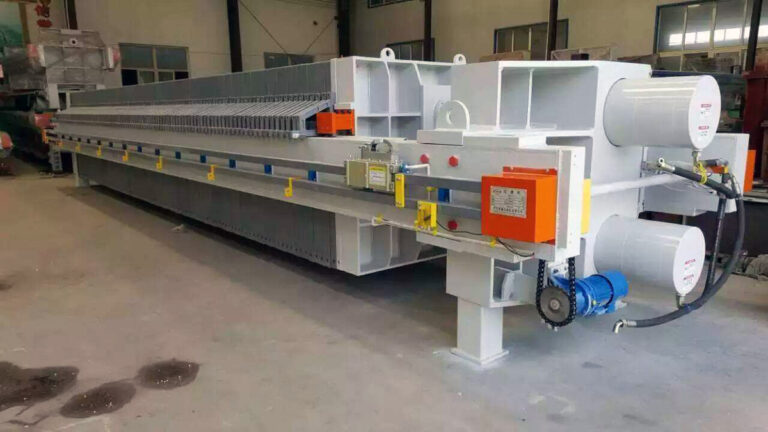
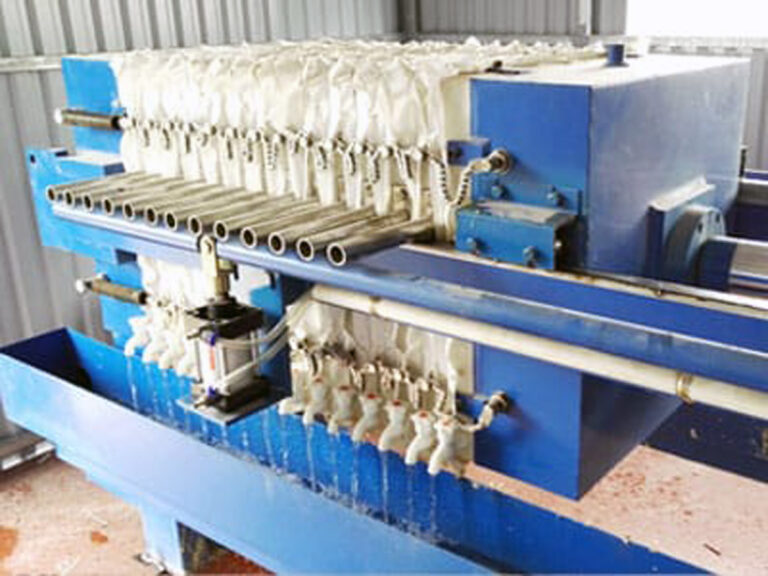
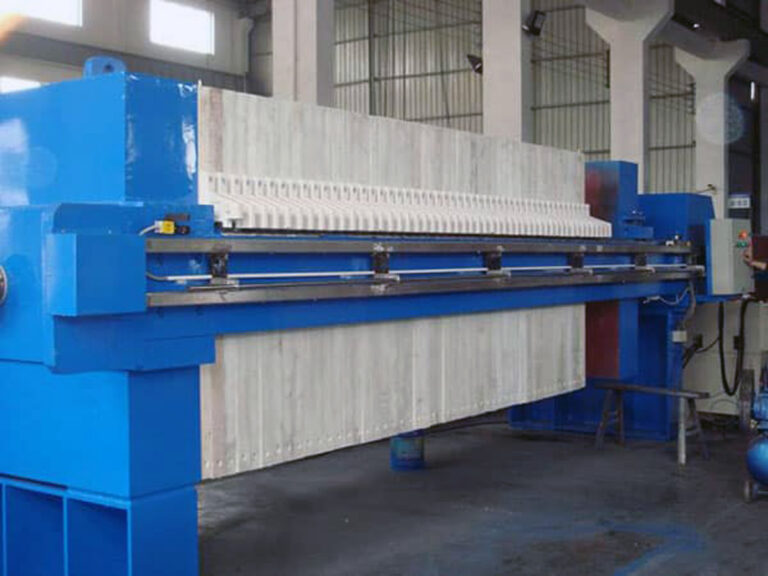
Both systems operate on a batch principle. High pressure clamps a series of plates covered in filter cloth, forming sealed chambers. Abrasive ceramic slurry is pumped into these chambers. Water passes through the cloth as filtrate, leaving a solid cake behind. This fundamental process is common to both technologies and is governed by the need to handle high solids content, often up to 75%, efficiently.
The Critical Differentiator: Mechanical Squeeze
The core divergence lies in the secondary dewatering phase. A recessed plate press relies solely on pump pressure to fill its fixed-volume chambers. Once full, dewatering efficiency drops sharply. In contrast, a membrane press introduces a configurable secondary step. After the initial filling phase, a medium like compressed air or water inflates an elastic membrane within each chamber, applying uniform mechanical pressure to squeeze the cake. This step is the key differentiator, designed to remove capillary water that hydraulic pressure alone cannot address.
Impact on Process Outcomes
This mechanical action isn’t just an add-on; it redefines performance parameters. The ability to control squeeze pressure and duration allows operators to target specific cake dryness, a flexibility absent in recessed plate systems. Furthermore, this principle enables more efficient cake washing cycles for product purification, as the membrane can re-compact the cake after wash water is introduced. In our analysis of system configurations, we found that some plants opt for a hybrid plate pack—mixing membrane and recessed plates—to balance cost and performance for specific slurry streams, showcasing the strategic application of this core principle.
Capital Cost vs Operating Cost: A Total Cost of Ownership Analysis
Understanding the Initial Investment
The capital expenditure for a membrane filter press is typically 20-40% higher than for a comparably sized recessed plate unit. This premium covers the more complex plate design, the secondary compression system (air compressor or water pump station), and the associated control valves. For plants with strict budget constraints, this upfront difference is the primary deterrent.
The Long-Term Operational Calculus
A true TCO analysis shifts the focus from purchase price to lifetime cost. The superior dewatering of a membrane press yields a significantly drier cake. This directly reduces the mass of water that must be evaporated in downstream drying ovens—a major operational cost center where energy consumption is non-linear. The savings here often outweigh the press’s own energy use. Additionally, strategic investments in automation accessories like plate shifters, while increasing upfront cost, deliver calculable reductions in labor expenses and increase overall equipment effectiveness by minimizing manual intervention.
Evaluating the Break-Even Point
The decision ultimately hinges on a financial model comparing the capital premium against the net present value of operational savings. Plants with high energy costs or those operating multiple shifts will see a faster payback. The table below outlines the key TCO drivers for each technology.
| Компонент затрат | Recessed Plate Press | Мембранный фильтр-пресс |
|---|---|---|
| Капитальные расходы | Низкие первоначальные инвестиции | Более высокая первоначальная стоимость |
| Primary Operational Cost | Higher thermal drying energy | Lower drying energy |
| Labor Cost Impact | Higher manual intervention | Reduced by automation |
| Long-term TCO Driver | Sustained energy expense | Energy & labor savings |
Источник: Техническая документация и отраслевые спецификации.
Which Filter Press Delivers Better Dewatering Performance?
Metrics That Matter: Dryness and Cycle Time
Performance is quantified by final cake solids content and the time required to achieve it. For abrasive tile slurry, these metrics determine downstream efficiency and overall plant throughput. The recessed plate press, dependent on pump pressure alone, typically achieves cake solids in the range of 70-75%. The membrane press, with its mechanical squeeze, consistently pushes solids content to 80-85% or higher. This 10-15% reduction in residual moisture translates directly to less thermal energy required for drying.
Throughput and Flexibility Advantages
Beyond dryness, cycle time is critical. The high-pressure squeeze phase in a membrane press achieves target dryness more rapidly than extended pumping, shortening the overall cycle. This allows for more cycles per day, meaning a smaller membrane press can often match or exceed the daily output of a larger recessed plate unit. The membrane system also offers enhanced process options. Efficient cake washing and air blowing cycles become more effective, allowing for value extraction through impurity removal or product recovery.
Comparative Performance Data
The following table summarizes the typical performance differential, which is crucial for capacity planning and energy budgeting.
| Метрика производительности | Recessed Plate Press | Мембранный фильтр-пресс |
|---|---|---|
| Типичные твердые частицы кека | ~70-75% | 80-85% or higher |
| Время цикла | Longer pumping phase | Shorter, faster cycles |
| Пропускная способность | Lower daily output | Higher daily throughput |
| Гибкость процесса | Основное обезвоживание | Efficient cake washing |
Источник: Техническая документация и отраслевые спецификации.
ROI Comparison: Energy Savings, Throughput, and Payback Period
Quantifying the Primary Driver: Energy
The most significant variable in the ROI model is downstream energy savings. Removing water mechanically with a membrane is far more efficient than removing it thermally. For every ton of tiles produced, the reduction in cake moisture can slash drying fuel consumption by a substantial margin. This saving must be calculated against local energy tariffs to establish a clear annual monetary value, which directly offsets the capital premium.
Secondary Gains: Capacity and Yield
Increased throughput from shorter cycle times provides a secondary financial benefit. It can defer capital investment in additional press capacity or enable production growth within the same footprint. Furthermore, more efficient washing cycles can improve material yield or reduce waste disposal costs by better recovering valuable materials from the slurry. These factors contribute to the ROI but are often plant-specific.
Building a Comprehensive Payback Model
A robust ROI analysis integrates all variables. Payback periods for membrane presses typically range from 1 to 3 years, heavily dependent on production volume and energy costs. High-volume plants magnify both the savings and the gains, strengthening the business case. The table below outlines the core factors influencing the return on investment.
| ROI Factor | Impact & Consideration | Основная выгода |
|---|---|---|
| Downstream Energy Savings | Outweighs press energy use | Major cost reduction |
| Throughput Gain | Shorter cycles, smaller footprint | Defers capacity investment |
| Payback Period Driver | Local energy costs, volume | Highly volume-dependent |
| Additional Value | Material yield improvement | Waste reduction |
Источник: Техническая документация и отраслевые спецификации.
Maintenance, Downtime, and Operational Complexity Compared
Component Complexity and Predictability
Recessed plate presses have a mechanical simplicity that can translate to less frequent maintenance on the press itself. Membrane presses introduce additional components: the elastomer membranes, associated piping, and control valves for the squeeze medium. However, these components have predictable lifecycles and failure modes. A disciplined preventive maintenance schedule for membrane and valve inspection can prevent unplanned downtime, making operational costs more stable and forecastable.
The High-Risk Cleaning Procedure
For both press types in tile applications, dealing with calcareous scale is a universal challenge. Acid cleaning with hydrochloric acid to dissolve deposits is a common but high-risk last resort. The procedure generates hydrogen gas, poses serious safety hazards, and accelerates corrosion on metal components and degradation of nylon filter cloths. Industry experts recommend proactive measures like automated high-pressure cloth washing systems to extend intervals between chemical cleanings, protecting both personnel and equipment longevity.
Managing Operational Workflow
Operational complexity is inherently higher for membrane systems due to the two-phase cycle and additional controls. However, this is frequently mitigated by integrating higher levels of automation. A well-programmed PLC that manages the sequence—filling, squeezing, air blow, and cake release—reduces the need for skilled operator intervention and minimizes human error. The operational burden then shifts from manual control to system monitoring and scheduled maintenance.
Optimizing for Tile Slurry: Abrasion Resistance and System Design
Selecting Critical Wear Components
The abrasive nature of ceramic slurry dictates material selection for key components. Filter plates are almost exclusively reinforced polypropylene for its combination of chemical resistance, low weight, and sufficient durability. The filter cloth, however, is the primary performance variable. Its material (e.g., polypropylene, nylon) and weave must be selected for the specific particle size and chemistry of the slurry. This consumable directly governs filtration rate, cake release, and cloth life, making it a critical operational cost and performance factor.
The Strategic Role of the Feed Pump
The feed pump is a strategic asset, not a commodity. It must handle abrasive, high-density slurry without excessive wear or pulsation that can damage filter cloths or lead to uneven cake formation. Diaphragm pumps or eccentric screw (Moyno-type) pumps are the standard choices, specifically designed to handle solids content up to 75% reliably. Investing in the correct pump technology protects the entire dewatering process integrity and reduces long-term maintenance costs.
Designing a Scalable System
Modern filter press design is modular. Plants can choose between side-beam or overhead-beam frames based on floor space and maintenance access. Plate counts are scalable from under 10 for pilot or low-volume applications to over 190 for large-scale production. This modularity, referenced in system design standards for industrial equipment, allows for precise sizing to current needs with built-in flexibility for future expansion. The table below details key specifications for an optimized system.
| Компонент системы | Key Specification/Requirement | Purpose/Rationale |
|---|---|---|
| Фильтровальные пластины | Reinforced polypropylene | Chemical & abrasion resistance |
| Тип питательного насоса | Diaphragm or eccentric screw | Handles up to 75% solids |
| Фильтровальная ткань | Slurry-specific selection | Critical for cycle time |
| Масштабируемость системы | 10 to 190+ plate counts | Matches production volume |
Источник: ISO 13006 Ceramic tiles — Definitions, classification, characteristics and marking. This standard provides the foundational technical definitions and product classification for ceramic tiles, informing the material and performance specifications required for system components handling abrasive tile slurry.
Key Decision Criteria: Selecting the Right Press for Your Plant
Defining Non-Negotiable Requirements
The selection process starts with fixed plant parameters. What is the absolute target for cake moisture to ensure downstream drying efficiency? What is the required daily throughput in tons of dry solids? What are the local costs for thermal energy (natural gas, electricity) and labor? These quantitative answers form the non-negotiable framework. Compliance with quality management systems like ISO 9001 provides a structured approach to defining and meeting these process requirements consistently.
Matching Technology to Priority
With requirements defined, technology matching becomes clear. A recessed plate filter press is a suitable choice where final moisture requirements are less stringent, cycle time is not a production bottleneck, and the primary objective is to minimize initial capital outlay. It represents a simpler, lower-risk entry point. A membrane filter press is justified when achieving the driest possible cake is critical to slash drying energy, or when higher throughput from a smaller equipment footprint is needed to meet growing demand.
The Configuration Compromise
The decision isn’t always binary. For plants processing multiple slurry types with different characteristics, a hybrid plate pack offers a strategic compromise. By mixing membrane and recessed plates in a single press, manufacturers can balance cost and performance, applying the more expensive membrane squeeze only where it provides the most value. This requires careful analysis of each slurry stream but can optimize the overall system ROI.
Implementation and Integration: Ensuring a Successful Installation
Treating the Press as a System Component
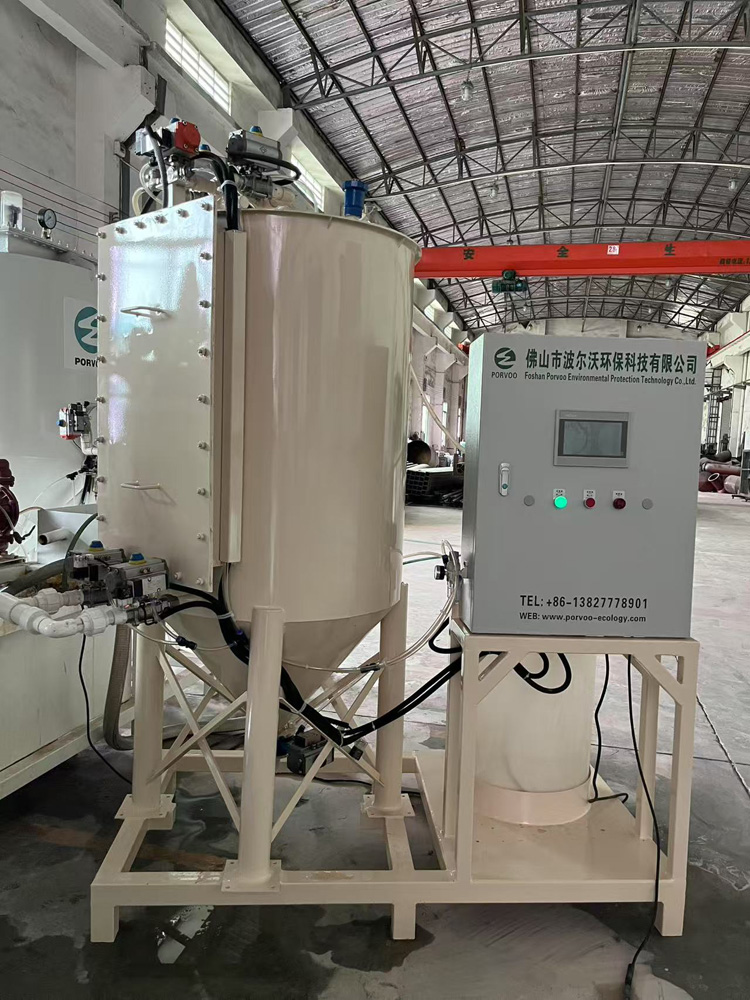
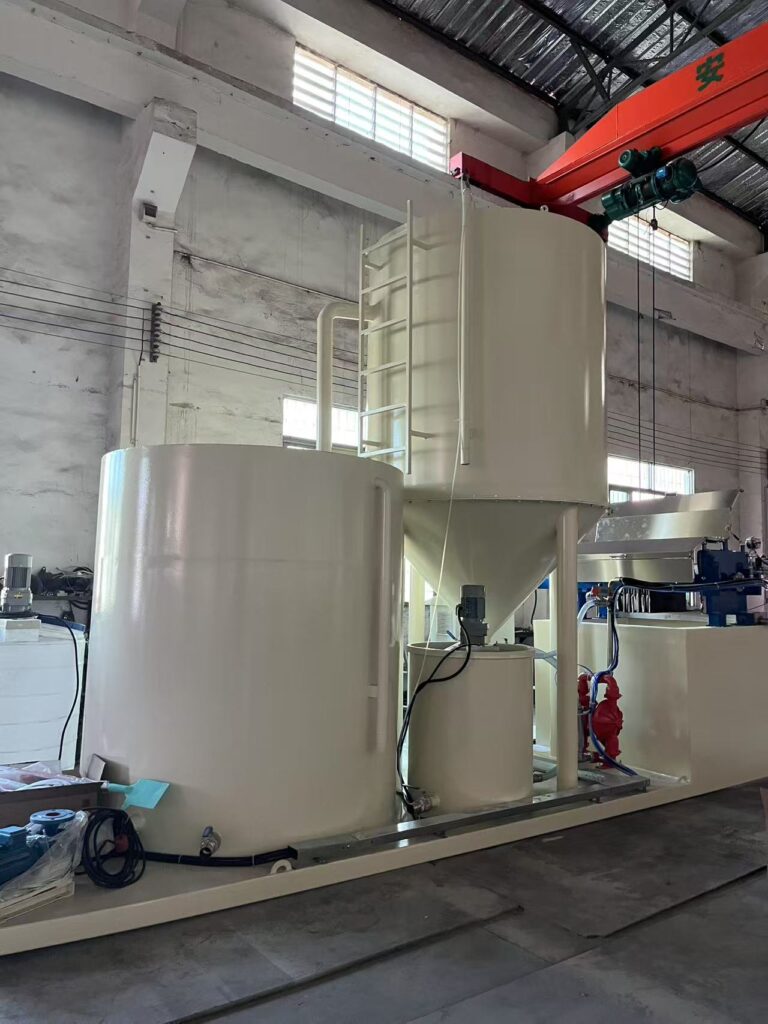
A successful installation hinges on viewing the filter press not as a standalone machine, but as the core of an integrated dewatering line. This includes proper ancillary equipment: cake conveyors or discharge systems, drip trays, closed filtrate collection tanks, and possibly slurry conditioning tanks. Neglecting this integration leads to operational bottlenecks, housekeeping issues, and reduced overall system effectiveness.
The Value of Vendor Expertise
Given the specialized ecosystem of pump, press, and cloth suppliers, vendor selection is critical. Prioritize a supplier who offers comprehensive system design support and takes ownership of the integration process. This single-point responsibility reduces performance risk and ensures all components are compatible. Their expertise in navigating the complexities of abrasive slurry handling is invaluable, turning a equipment purchase into a guaranteed process outcome.
Использование системного интеллекта для обеспечения предсказуемости
Современные системы управления превращают обезвоживание из ручной порционной операции в надежный автоматизированный процесс. ПЛК с интеллектуальным управлением циклами адаптируются к условиям подачи, а расходомеры и датчики давления предоставляют данные для прогнозируемого обслуживания. Возможности телепомощи позволяют проводить удаленную диагностику и оптимизацию. Эти интеллектуальные возможности делают совокупную стоимость владения более предсказуемой и управляемой, переводя операции от реактивного устранения неполадок к проактивному управлению процессом.
Решение о выборе между мембранной технологией и технологией с встраиваемыми плитами в конечном итоге сводится к балансу между первоначальным капиталом и долгосрочным операционным контролем. Отдайте предпочтение мембранному прессу, если в структуре затрат преобладает энергия для последующей сушки или если ограничения по площади требуют максимальной производительности. Утопленную плиту выбирайте для более простых применений, где влажность умеренная, а первоначальный бюджет является основным ограничением. В обоих случаях успех зависит от тщательной интеграции системы и приверженности проактивному обслуживанию, основанному на данных.
Нужны профессиональные рекомендации по проектированию системы обезвоживания, отвечающей вашим специфическим характеристикам плиточного шлама и финансовым целям? Команда инженеров из PORVOO специализируется на анализе потребностей предприятия, чтобы рекомендовать оптимальную конфигурацию фильтрационного оборудования для максимальной окупаемости инвестиций.
Часто задаваемые вопросы
Вопрос: Как принцип работы мембранного фильтр-пресса позволяет снизить энергозатраты при производстве плитки?
О: Мембранный пресс добавляет вторичную фазу механического отжима после первоначальной откачки суспензии, которая удаляет капиллярную воду, с которой не может справиться только давление насоса. В результате этого действия получается более сухой кек с содержанием твердых частиц 80-85% по сравнению с ~70-75%, получаемым при использовании пресса с утопленными плитами. Снижение влажности напрямую сокращает тепловую энергию, необходимую для последующих сушильных печей, что является одним из основных эксплуатационных расходов. Это означает, что предприятиям с крупносерийным производством и дорогими энергоресурсами следует отдать предпочтение мембранному прессу, чтобы добиться привлекательной совокупной стоимости владения.
Вопрос: Каковы основные проблемы технического обслуживания при использовании фильтр-пресса для абразивного плиточного шлама и как их можно решить?
О: Основная проблема заключается в борьбе с известковыми отложениями, что часто приводит к рискованной практике кислотной очистки с использованием соляной кислоты. При этой процедуре выделяется опасный водородный газ и ускоряется износ компонентов и нейлоновых тканей. Предпочтительной упреждающей стратегией является внедрение автоматизированных систем промывки тканей под высоким давлением для увеличения интервалов между химическими очистками. Для проектов с высокой абразивностью шлама необходимо предусмотреть надежное вспомогательное оборудование, например, специализированные питательные насосы, и учесть стоимость современных систем промывки тканей, чтобы защитить свои инвестиции.
Вопрос: Как выбрать фильтр-пресс с углубленной плитой или мембранный для моей установки?
О: При принятии решения следует взвесить целевую влажность кека, требуемую производительность и затраты на электроэнергию на последующем этапе в сравнении с имеющимся капиталом. Если требования к конечной влажности менее жесткие и минимизация первоначальных инвестиций имеет решающее значение, выбирайте пресс с утопленной плитой. Мембранный пресс оправдан, если достижение максимально сухого кека для снижения затрат на сушку имеет первостепенное значение, или если вам нужна большая производительность при меньшей занимаемой площади. Для предприятий с переменным количеством суспензии можно использовать гибридный пластинчатый пресс, сочетающий оба типа, что позволяет сбалансировать стоимость и производительность.
Вопрос: Какую роль играют международные стандарты в производстве и спецификации керамической плитки, полученной в процессе обезвоживания?
О: Соблюдение таких стандартов, как ISO 13006 содержит основополагающие определения, классификацию и требования к маркировке конечного продукта из плитки. Последовательная терминология, определенная в таких справочниках, как ASTM C242, обеспечивает четкую коммуникацию по всей цепочке поставок в отношении материалов и процессов. Это означает, что выбор фильтр-пресса и оптимизация процесса должны в конечном итоге поддерживать способность постоянно соответствовать характеристикам продукции и требованиям системы менеджмента качества, изложенным в этих стандартах.
Вопрос: Насколько важен выбор питательного насоса для линии обезвоживания плиточного шлама, и какой тип рекомендуется?
О: Из-за абразивного характера плиточного шлама с высоким содержанием твердых частиц питательный насос является стратегическим активом, а не товаром. Рекомендуется использовать мембранные или эксцентриковые винтовые насосы, рассчитанные на содержание твердых частиц до 75%, поскольку они обеспечивают стабильную подачу без пульсаций. Это защищает технологическую целостность фильтр-пресса и значительно снижает затраты на обслуживание, связанные с износом насоса. Если на вашем предприятии обрабатываются абразивные суспензии, необходимо инвестировать в специально разработанный насос для обеспечения надежности системы и повышения эффективности последующего обезвоживания.
Вопрос: Что мы должны искать в поставщике, чтобы обеспечить успешную интеграцию фильтр-пресса и долгосрочную работу?
О: Отдавайте предпочтение поставщику, предлагающему комплексную поддержку проектирования систем и опыт интеграции всей линии обезвоживания, включая вспомогательные устройства, такие как конвейеры и системы фильтрации. Учитывая наличие специализированной экосистемы для насосов, прессов и салфеток, поставщик с такими комплексными возможностями снижает риски, связанные с производительностью. Кроме того, ищите партнеров, внедряющих системный интеллект с ПЛК для интеллектуального управления циклами и телепомощи для прогнозируемого обслуживания. Это означает, что предприятия, стремящиеся к надежной, автоматизированной стадии процесса, должны оценивать поставщиков по их интеграционной поддержке, а не только по техническим характеристикам оборудования.