Selecting the right dewatering technology is a critical capital and operational decision with multi-year financial implications. The choice between a belt filter press, a plate and frame filter press, and a decanter centrifuge is often clouded by oversimplified comparisons that focus on a single metric like purchase price. This leads to costly mismatches where the installed system fails to meet dryness targets, struggles with the feedstock, or incurs unsustainable operating expenses.
In 2025, rising disposal costs, stringent environmental regulations, and the push for operational efficiency make this decision more consequential than ever. The optimal choice is not a universal “best” technology, but the system that aligns precisely with your specific slurry characteristics, financial model, and site constraints. This comparison moves beyond basic specifications to a total lifecycle and performance analysis, providing a framework for a defensible, long-term investment.
Belt Filter Press vs Filter Press vs Centrifuge: Core Differences
Operational Logic Defines Application Fit
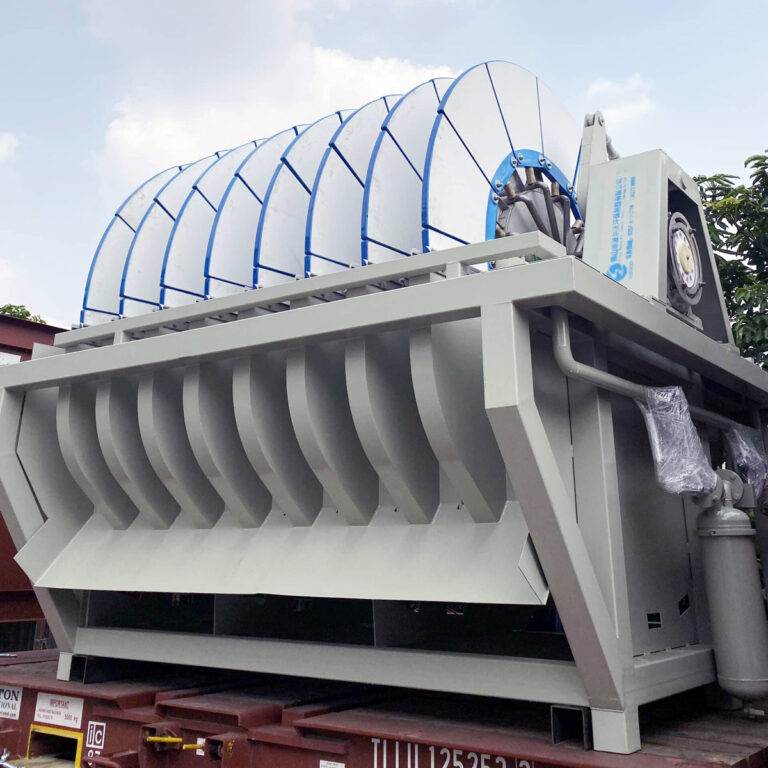
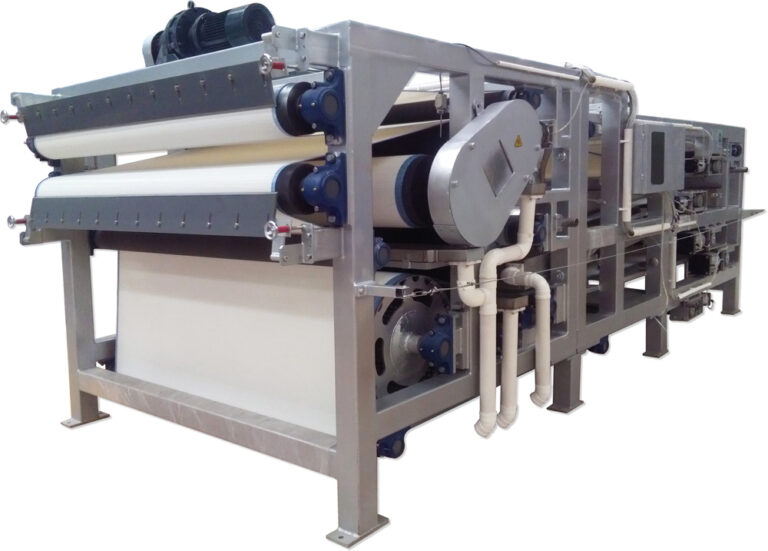
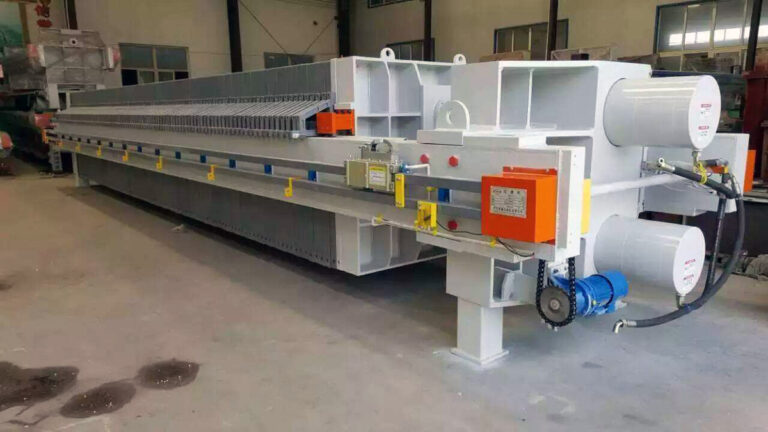
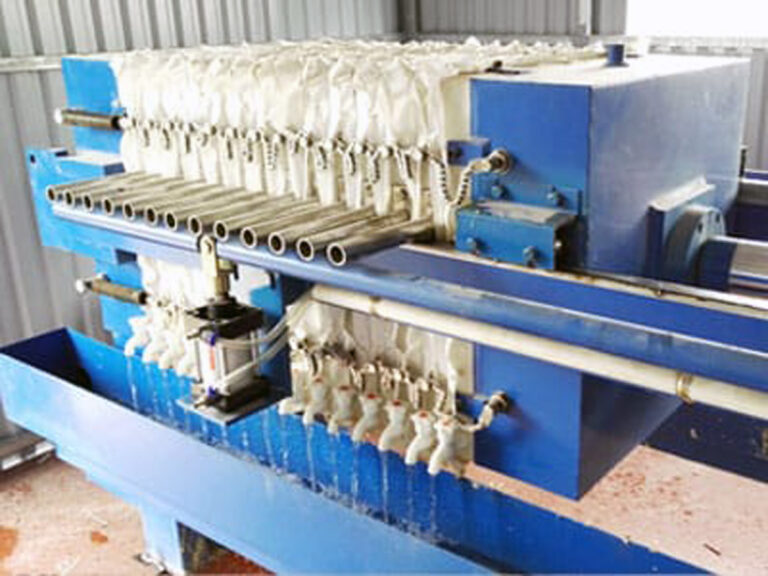
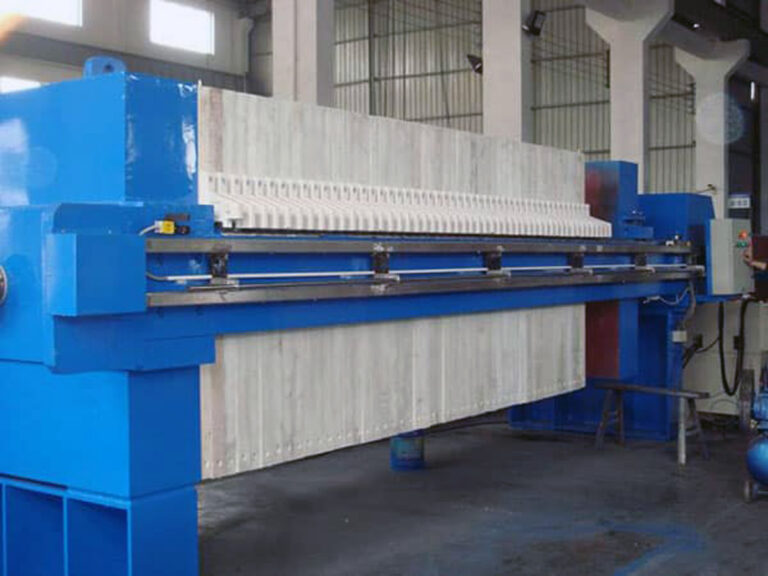
The fundamental separation mechanism of each technology creates a natural division for industrial applications. A belt filter press is a continuous system that applies mechanical pressure and shear through a series of rollers on moving filter belts. It relies on gravity drainage and progressively increasing pressure. In contrast, a plate and frame filter press operates in batch cycles, using high hydraulic pressure—often exceeding 225 psi—within sealed chambers to force liquid through filter cloths. A decanter centrifuge is a continuous, fully enclosed device that uses centrifugal force to settle solids against a rotating bowl wall, which are then conveyed out by an internal scroll.
The Continuous vs. Batch Paradigm
This core difference dictates process integration. Continuous systems like belt presses and centrifuges suit steady, high-volume flows where constant discharge is needed. Batch systems like filter presses are ideal for applications requiring precise control over each cycle or for processing variable feedstocks in discrete lots. The enclosed nature of the centrifuge and the filter press during its cycle also provides a critical differentiator for handling volatile or hazardous materials, whereas the belt press process is largely open to atmosphere.
Inherent Strengths and Limitations
From these operational principles, inherent strengths emerge. Belt presses excel with free-draining, flocculated sludges of moderate solids concentration. Filter presses are unmatched in achieving the highest cake dryness and handling high-solids or fine-particle slurries. Centrifuges offer a compact, enclosed solution for a wide range of materials but often at the highest energy and polymer cost. An incorrect match here, such as using a belt press for a fine-particle slurry, guarantees process failure and excessive operating cost.
Capital Cost vs Operating Cost: A 2025 TCO Comparison
Looking Beyond the Purchase Order
The competition is in total lifecycle cost, not initial capital outlay. While belt filter presses often have a lower capital cost and centrifuges typically the highest, this is a misleading starting point. Operating expenses for polymer, energy, maintenance, and disposal will dwarf the initial investment over a 5-10 year asset life. A comprehensive TCO model must account for the downstream cost cascade driven by final cake dryness—a 10% increase in solids content can reduce hauling costs by 30% or more.
Breaking Down the Operational Cost Drivers
Polymer consumption is a major recurring cost. Belt presses consume moderate to high polymer (e.g., 0.5 kg/ton) within the press itself. Filter presses often use less polymer (e.g., 0.2 kg/ton), primarily for pre-conditioning, but may have higher energy costs for high-pressure pumping. Centrifuges typically incur the highest unit costs for both energy and polymer. Maintenance profiles also differ significantly; the many moving parts of a belt press create a different cost structure than the specialized high-speed assembly of a centrifuge.
Концепция финансового моделирования
The following table provides a high-level comparison of key cost components to inform a detailed TCO analysis. Industry experts recommend building a 7-year model that includes labor, spare parts inventory, and potential production downtime for each technology type.
Capital Cost vs Operating Cost: A 2025 TCO Comparison
| Компонент затрат | Ленточный фильтр-пресс | Пластинчатый и рамный фильтр-пресс | Декантерная центрифуга |
|---|---|---|---|
| Капитальные затраты | От низкого до умеренного | Умеренный | Самый высокий |
| Polymer Cost | High (e.g., 0.5 kg/ton) | Low (e.g., 0.2 kg/ton) | Самый высокий |
| Стоимость энергии | Низкий | Умеренный | Самый высокий |
| Стоимость обслуживания | Moderate (Wear parts) | Moderate (Cloths, hydraulics) | High (Specialized) |
Источник: Техническая документация и отраслевые спецификации.
Performance Compared: Throughput, Cake Dryness & Energy Use
Cake Dryness: The Primary Financial Driver
Cake dryness is the most critical performance differentiator, directly impacting disposal costs. Plate and frame filter presses consistently produce the driest cake, often achieving 30-50%+ solids. This can be 5-15% higher than belt presses (15-35% solids) from the same feed material. Centrifuges typically fall in the 20-40% range. That superior dryness from a filter press translates directly into reduced mass, lower hauling fees, and minimized liability. In our analysis of municipal sludge applications, the hauling cost savings alone frequently justified the higher capital cost of a filter press within 18-24 months.
Throughput and Energy Trade-Offs
For throughput, continuous belt presses and centrifuges handle large, steady volumes. Automated filter presses achieve high capacity through rapid, sequential batch cycling. Energy consumption follows a clear hierarchy: belt presses are generally the lowest, filter presses moderate due to high-pressure pump requirements, and centrifuges are the highest due to the sustained power needed for high rotational speed. Polymer consumption often mirrors this, with centrifuges typically requiring the highest dosage.
Performance Compared: Throughput, Cake Dryness & Energy Use
| Метрика производительности | Ленточный фильтр-пресс | Пластинчатый и рамный фильтр-пресс | Декантерная центрифуга |
|---|---|---|---|
| Типичная сухость жмыха | 15-35% solids | 30-50%+ solids | 20-40% solids |
| Пропускная способность Природа | Непрерывный | Batch (Automated cycles) | Непрерывный |
| Потребление энергии | Самый низкий | Умеренный | Самый высокий |
| Потребление полимеров | От умеренного до высокого | Самый низкий | Typically Highest |
Источник: ASTM D8413-21 Standard Guide for Evaluation of Mechanical Dewatering Processes for Liquids/Solids Separation. This standard provides the framework for evaluating key performance parameters like cake solids concentration and polymer dosage, enabling a direct, standardized comparison of these technologies.
Which Technology Is Better for High-Solids or Fine Particle Slurries?
Feedstock Characteristics Are the Ultimate Arbiter
The physical and chemical properties of the feed slurry dictate the viable technology options. For high-solids slurries, the plate and frame filter press is typically superior. Its batch-based, high-pressure operation is explicitly engineered to handle thick feeds, efficiently packing solids into a dense cake. Belt presses can struggle and blind with high-solids content, while centrifuges may require feed dilution, increasing volume and downstream cost.
The Challenge of Fine Particles
Fine particle slurries present a similar story. Filter presses excel because high pressure forces liquid through the filter cloth, leaving fine particles behind in the cake. Belt presses perform poorly with fines; particles blind the belt fabric, reducing drainage and requiring excessive polymer. Centrifuges can struggle with extremely fine, low-density particles that do not settle readily under G-force, often needing significant chemical conditioning. The ANSI/AWWA B604-18 Standard for Plate and Frame Filter Presses outlines design requirements that make this technology inherently capable of handling such challenging separations.
Which Technology Is Better for High-Solids or Fine Particle Slurries?
| Feedstock Characteristic | Ленточный фильтр-пресс | Пластинчатый и рамный фильтр-пресс | Декантерная центрифуга |
|---|---|---|---|
| High-Solids Slurries | Struggles, can blind | Superior, designed for it | May require feed dilution |
| Суспензии с мелкими частицами | Poor, high polymer use | Excellent, high-pressure separation | Challenging, needs conditioning |
| Free-Draining Slurries | Excellent fit | Эффективный | Эффективный |
Источник: Техническая документация и отраслевые спецификации.
Maintenance, Space & Operational Complexity Compared
Divergent Maintenance Risk Profiles
Mechanical complexity defines the maintenance workload and required skill set. Belt filter presses contain the most moving parts—belts, rollers, trackers, spray nozzles—requiring continuous alignment and routine wear-part replacement. Filter presses have a simpler mechanical profile but require precise hydraulic system maintenance and periodic cloth/plate inspection. Centrifuges, with their high-speed rotating assemblies and wear-prone scroll conveyors, demand the most specialized skills for repair and balancing.
Footprint and Operational Attention
Physical footprint varies. Centrifuges and filter presses offer compact, three-dimensional footprints. Belt presses require a moderate but elongated floor plan. Operational attention also differs; modern centrifuges need careful monitoring of vibration and bearing temperatures, automated belt presses require less direct oversight, and filter press operations involve managing the cycle sequence, though full automation is common. The skill for most repairs on belt and filter presses is standard mechanical, whereas centrifuge work often requires OEM or highly specialized technicians.
Maintenance, Space & Operational Complexity Compared
| Операционный фактор | Ленточный фильтр-пресс | Пластинчатый и рамный фильтр-пресс | Декантерная центрифуга |
|---|---|---|---|
| Сложность обслуживания | High (Many moving parts) | Moderate (Cloths, hydraulics) | Highest (High-speed assembly) |
| Физический след | Moderate, elongated | Compact | Compact |
| Operational Attention | Low (Automated) | Moderate (Cycle management) | High (Careful monitoring) |
| Skill for Repair | Стандартные механические | Стандартные механические | Специализированный сайт |
Источник: ANSI/AWWA B604-18 Standard for Plate and Frame Filter Presses. This standard defines design, manufacturing, and performance requirements, which directly influence the maintenance profile and operational reliability of plate and frame filter press systems.
Key Selection Criteria for Hazardous or Odorous Waste Streams
Containment is Paramount
For hazardous, volatile, or odorous streams, minimizing vapor release and operator exposure is a non-negotiable priority. The fully enclosed, continuous processing of a decanter centrifuge offers a significant advantage here. Plate and frame filter presses are sealed during the high-pressure filtration cycle but open during the cake discharge phase, which may necessitate additional local ventilation or containment hoods. Belt filter presses offer the least inherent containment, as most of the dewatering process is open to the atmosphere.
Mitigation Strategies and Costs
Selecting a less-contained technology for a hazardous stream imposes added costs and complexity. Using a belt press would require housing the entire system within a negatively ventilated enclosure, adding capital expense and operational oversight. A filter press may require an automated cake discharge system with integrated containment. These mitigation factors often make the centrifuge or a fully automated, sealed filter press the more practical and safer choice for sectors like chemical manufacturing or remediation, where characterizing contaminants is guided by standards like ISO 15175:2019.
Key Selection Criteria for Hazardous or Odorous Waste Streams
| Технология | Уровень сдерживания | Key Consideration for Hazardous Streams |
|---|---|---|
| Ленточный фильтр-пресс | Low (Open process) | Requires full ventilated enclosure |
| Plate & Frame Filter Press | Moderate (Sealed cycle) | Open discharge needs local ventilation |
| Декантерная центрифуга | High (Fully enclosed) | Minimal vapor release, preferred choice |
Источник: Техническая документация и отраслевые спецификации.
Dewatering Technology Decision Framework for 2025
A Five-Step Holistic Analysis
A robust selection framework must extend beyond equipment brochures. First, conduct a definitive feedstock analysis, measuring solids concentration, particle size distribution, and chemistry. Second, define non-negotiable performance goals, with target cake dryness as the primary financial driver. Third, model total lifecycle costs over 7+ years, emphasizing polymer, energy, labor, and disposal. Fourth, assess site-specific constraints: available footprint, in-house maintenance capability, and automation requirements.
Защита инвестиций на будущее
Finally, consider future-proofing against industry trends. Rising landfill tariffs and transportation costs favor technologies that maximize dryness. Stricter environmental regulations increase the value of enclosed processing. Potential changes in feedstock composition demand system flexibility. This holistic analysis overrides any single-factor comparison and ensures the selected industrial dewatering equipment aligns with both immediate needs and long-term operational strategy.
Implementing Your Chosen System: Next Steps & Vendor Tips
Pilot Testing with Actual Slurry
Successful implementation begins with vendor selection. Prioritize suppliers with deep expertise in your specific industry and waste stream. Insist on pilot testing using actual site slurry to validate performance claims for cake dryness, throughput, and polymer consumption. Scrutinize the detailed total lifecycle cost breakdown, not just the capital quote. Discuss modular designs or hybrid system options that offer flexibility to adapt to future feedstock changes.
Securing Long-Term Operational Success
Secure clear commitments on training, spare parts availability, and service response times. Operational knowledge is critical for maintaining the distinct maintenance profile of your chosen technology. Ensure the vendor provides comprehensive operational data from similar installations. Negotiate performance guarantees based on the pilot test results, linking them to the TCO model. This due diligence phase is where a partnership-focused vendor demonstrates their value beyond equipment supply.
The decision hinges on three non-negotiable factors: your slurry’s physical characteristics, your total cost of ownership model over a 5-7 year horizon, and your site’s capacity for operational complexity. Filter presses deliver superior dryness and handle challenging feeds, belt presses offer lower-cost continuous processing for amenable materials, and centrifuges provide enclosed, compact solutions at a higher operating cost. The 2025 landscape demands a choice based on lifecycle performance, not initial price.
Need professional guidance to navigate this critical capital decision? The engineers at PORVOO specialize in matching dewatering technology to specific industrial applications, from pilot testing to full-scale implementation. Contact us to discuss your project parameters and develop a validated TCO analysis. You can also reach our technical team directly at Свяжитесь с нами for a preliminary assessment.
Часто задаваемые вопросы
Q: How do you accurately compare the total cost of ownership for different dewatering technologies?
A: You must model operational expenses over the asset’s life, as they far exceed the initial purchase price. Key factors include polymer dosage (e.g., 0.2 kg/ton for filter presses vs. 0.5 kg/ton for belt presses), energy for pumping or rotation, and maintenance labor. The final cake dryness, which varies by technology, is a major driver of downstream disposal costs. For projects where hauling fees are high, prioritize systems that achieve the driest cake to maximize long-term savings, even with a higher capital outlay.
Q: Which dewatering system is best for processing hazardous or odorous industrial sludge?
A: A decanter centrifuge provides the best containment due to its fully enclosed, continuous operation, minimizing vapor release and operator exposure. Plate and frame filter presses are sealed during the pressure cycle but open for cake discharge, potentially requiring secondary ventilation. Belt filter presses offer the least containment and are generally unsuitable unless housed in a dedicated, ventilated enclosure. This means facilities handling volatile or toxic streams should prioritize enclosed systems like centrifuges to meet safety and regulatory requirements.
Q: What is the most critical first step in selecting a dewatering technology for a new application?
A: Conduct a comprehensive analysis of your specific feedstock, including solids concentration, particle size distribution, and chemical composition. This data dictates the inherent suitability of each technology; for instance, high-solids or fine-particle slurries are best handled by a plate and frame filter press, while free-draining materials suit a belt press. A structured evaluation method for these parameters is outlined in guides like ASTM D8413-21. If your feed stream is variable, plan for pilot testing with site samples to prevent a costly process mismatch.
Q: How do maintenance demands differ between a belt filter press, a plate and frame filter press, and a centrifuge?
A: Belt presses require frequent attention to numerous moving parts like belts, rollers, and spray nozzles for alignment and wear. Filter presses involve simpler mechanics but need precise hydraulic control and periodic cloth replacement. Centrifuges, with high-speed rotating assemblies and scroll conveyors, demand the most specialized skills for repair and carry the highest complexity. This means your in-house maintenance capability should guide selection; operations without dedicated mechanical expertise should factor in higher service contract costs for centrifuges.
Q: Why is final cake dryness a more important selection metric than simple throughput capacity?
A: Cake dryness directly determines the mass and cost of material for off-site hauling and disposal. A filter press can produce cake with 30-50%+ solids, often 5-15% drier than a belt press from the same feed, leading to significant long-term savings. Throughput is manageable via batch cycling or unit sizing, but dryness is a fixed performance characteristic of the core technology. If your operation faces rising disposal fees or sustainability targets, you should prioritize technologies that maximize solids content, even if their upfront cost is higher.
Q: What should you look for when choosing a vendor for an industrial dewatering system?
A: Prioritize vendors with proven application expertise in your specific industry and waste stream. Insist on pilot testing using your actual site slurry to validate performance claims for dryness, polymer use, and throughput. Scrutinize their provided total lifecycle cost breakdown, not just the capital quote, and secure clear commitments on training, spare parts availability, and service response times. This means you should select a partner based on operational support and validated performance data, not just equipment specifications.
Q: Are there established standards for specifying and evaluating plate and frame filter press performance?
A: Yes, the ANSI/AWWA B604-18 standard provides minimum requirements for the design, materials, manufacture, and performance of these systems in water treatment. For a consistent methodology to evaluate key performance metrics like cake solids concentration and polymer dosage across different dewatering technologies, refer to ASTM D8413-21. This means your procurement and testing protocols should reference these standards to ensure equipment quality and enable fair, data-driven comparisons between technologies.