For stone processing facility managers and engineers, the decision to implement a wastewater treatment system is often driven by immediate compliance needs. This reactive approach leads to a critical mistake: sizing the system based on the number of machines rather than the actual hydraulic and solids loading of the wastewater stream. The result is chronic underperformance or excessive capital expenditure. A silo-based treatment system’s effectiveness is entirely dependent on precise engineering specifications that match your facility’s unique slurry characteristics.
Attention to this specification process is non-negotiable now. Regulatory scrutiny on water discharge and silica-laden sludge is intensifying globally. Simultaneously, the economic pressure to maximize water reuse and minimize disposal costs makes the right treatment system a strategic asset, not just overhead. An accurately designed system directly impacts production uptime, operational safety, and long-term financial viability.
Key Design Factors for Stone Processing Silo Systems
Defining the Influent Specification
The design process begins with accurate wastewater characterization. The two non-negotiable parameters are the maximum flow rate, which can range from 250 to over 4,000 liters per minute, and the suspended solids concentration. Industry experts recommend basing design on these measured fluid metrics, not machine counts, to prevent costly undersizing. A common oversight is failing to account for peak production periods or the simultaneous operation of all polishing lines, which leads to system overload and clarifier failure. According to principles outlined in standards like ISO 13341:2010, accurate flow calculation is foundational for sizing any slurry transfer and containment structure.
Selecting Silo Construction and Materials
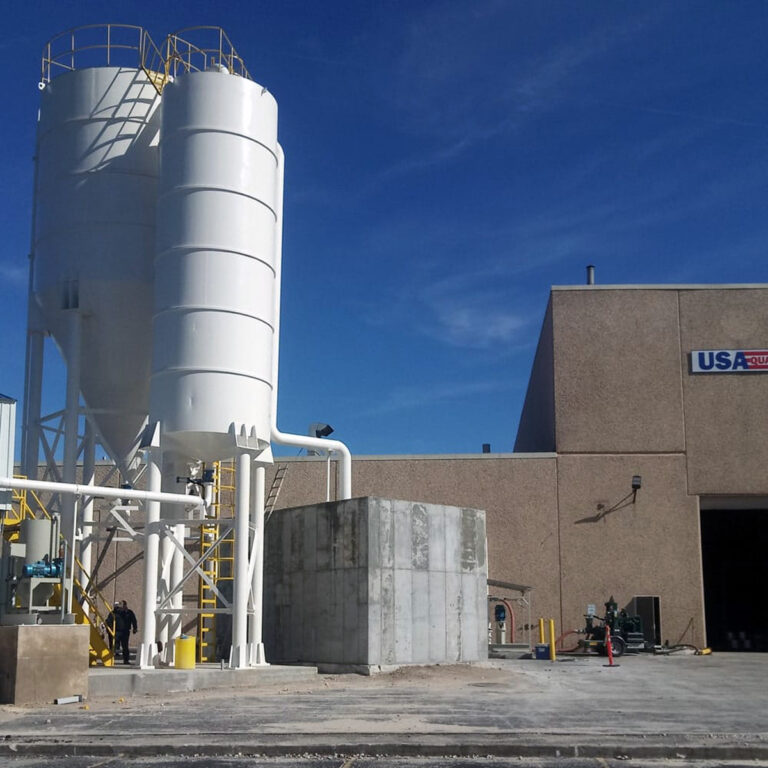
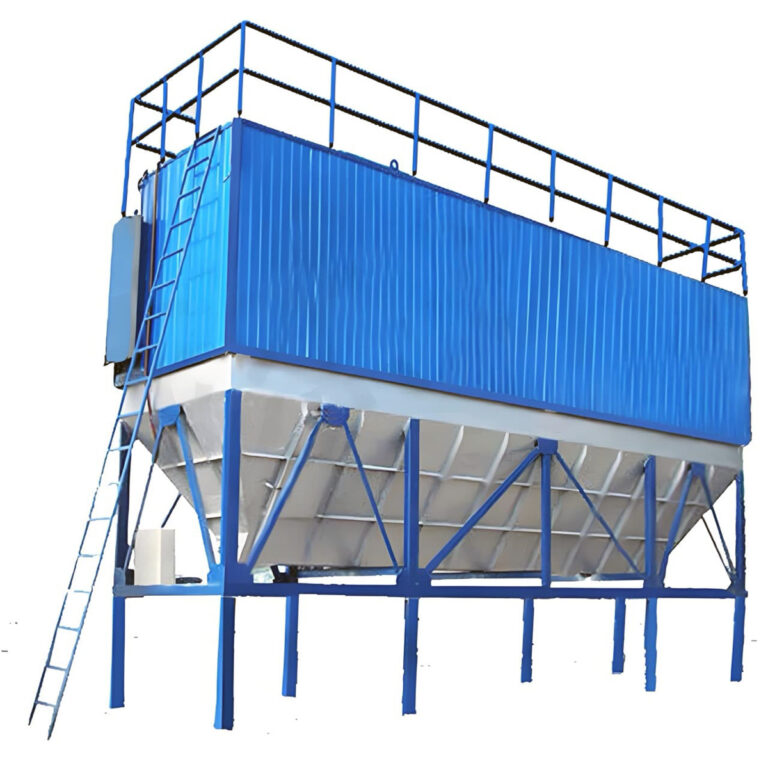
The choice between shop-welded and site-bolted silos presents a clear spatial and economic trade-off. Shop-welded units are limited by road transport dimensions, making them suitable for space-constrained sites but offering a higher cost per volume. Larger, site-bolted tanks provide a lower cost per cubic meter but demand a larger footprint and stronger load-bearing foundations. The selection of wetted-part materials is a primary determinant of lifecycle cost. While painted carbon steel offers a lower initial capital outlay, our experience shows that stainless steel components resist corrosion from abrasive slurries, extending system life beyond 20 years and yielding a lower total cost of ownership.
Core Clarification Technology
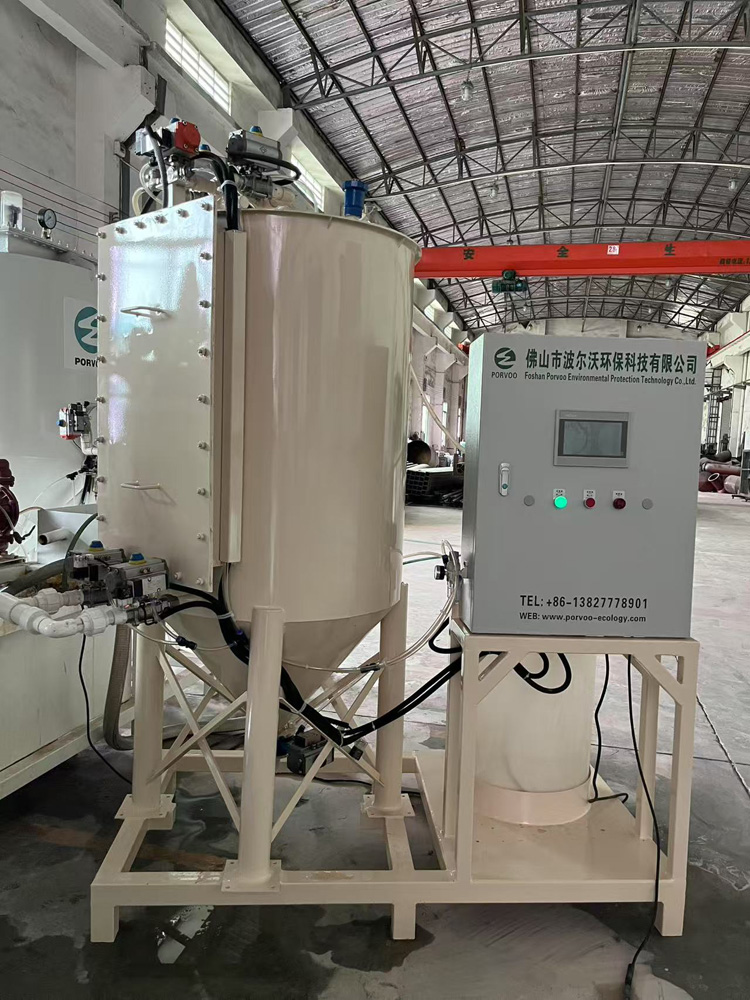
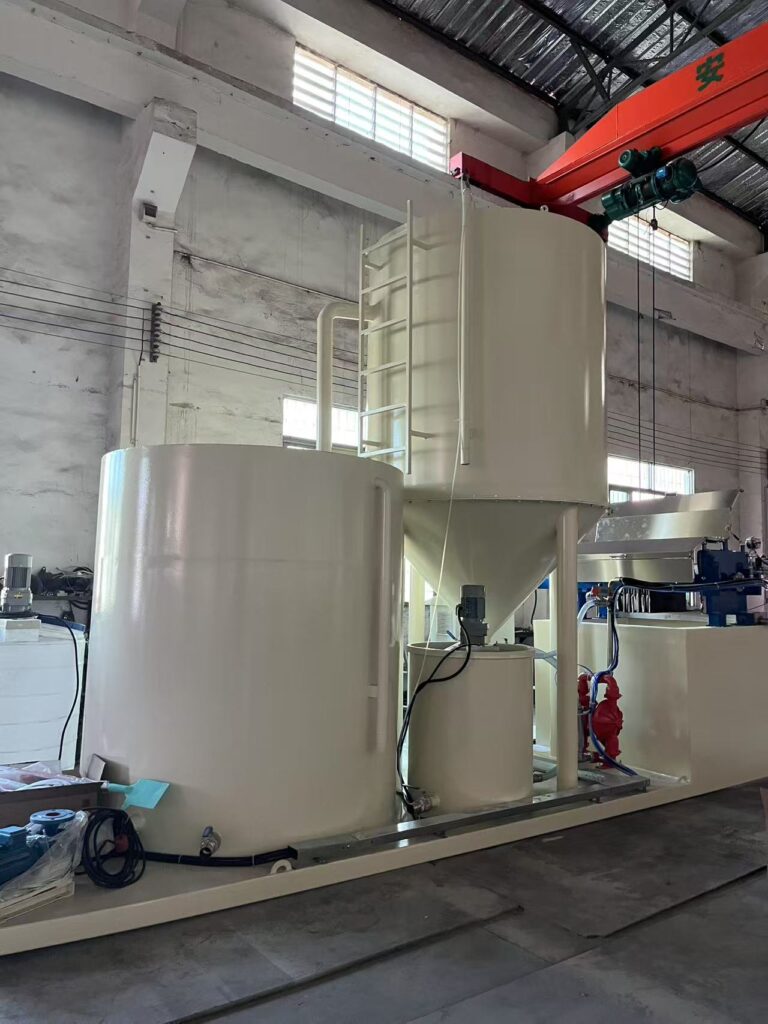
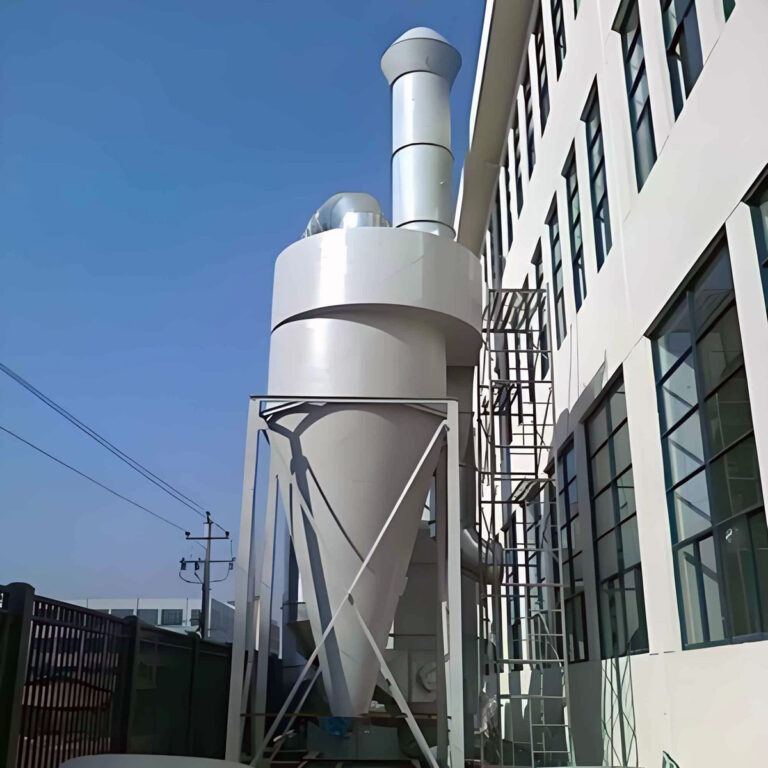
The sedimentation silo operates on the principle of gravity clarification. Wastewater enters the tank, where flow velocity drops, allowing suspended stone particles to settle to the bottom as sludge. The clarified water overflows for reuse or further filtration. This technology is favored for its high efficiency in handling large capacities typical of natural stone processing. The design must ensure sufficient retention time for effective settling, which is directly calculated from the accurately characterized flow rate and desired effluent quality.
| Design Factor | Key Parameter / Range | Primary Trade-off / Impact |
|---|---|---|
| Wastewater Flow Rate | 250 – 4,000+ l/min | Drives silo sizing accuracy |
| Silo Construction | Shop-welded vs. Site-bolted | Transport limits vs. cost/volume |
| Material (Wetted Parts) | Stainless Steel vs. Painted Carbon Steel | >20-year life vs. lower CAPEX |
| Core Technology | Sedimentation (Gravity Clarification) | High efficiency, large capacity |
Source: ISO 13341:2010 Petroleum and natural gas industries — Pipeline transportation systems — Installation of loading and unloading hoses. This standard informs the engineering principles for sizing slurry transfer systems and storage structures based on flow rate calculations and pressure management, directly relevant to silo system design for accurate influent handling.
Cost Analysis: Capital Investment vs. Operational Savings
The Automation Trade-off
The fundamental financial decision lies between semi-automatic and fully-automatic systems. Semi-automatic plants have lower upfront costs but require consistent operator intervention for tasks like sludge bag handling. This creates a direct, ongoing labor expense. Fully-automatic systems, integrating filter presses and programmable logic controller (PLC) panels, minimize labor but demand higher capital investment and more sophisticated maintenance. The breakpoint depends on production scale, local labor costs, and availability. Facilities must model this over a 5-10 year horizon.
Total Cost of Ownership Analysis
Evaluating only the purchase price is a critical error. A proper Total Cost of Ownership (TCO) analysis incorporates capital expenditure (CAPEX), operational expenditure (OPEX), and lifecycle costs. This includes energy consumption, chemical usage, maintenance parts, labor, and disposal costs. A system with a higher initial price but constructed from durable stainless steel often demonstrates a lower TCO by eliminating frequent replacement cycles and downtime associated with corrosion failure. The financial model must also account for the strategic value of automation as a hedge against rising labor costs and tightening regulations on worker exposure to respirable crystalline silica.
| System Type | Capital Investment (CAPEX) | Long-term Operational Cost (OPEX) |
|---|---|---|
| Semi-automatic | Lower upfront cost | Higher ongoing labor cost |
| Fully-automatic | Higher initial investment | Minimal labor, higher maintenance |
| Material Selection | Stainless Steel (Higher CAPEX) | Lower Total Cost of Ownership (TCO) |
| Key Financial Metric | Capital Budget | Total Cost of Ownership (TCO) |
Source: Technical documentation and industry specifications.
Comparing Sedimentation Silos to Alternative Treatment Methods
Clarifier Technology Options
Sedimentation silos are not the only clarification method. Lamella clarifier systems, for example, use obliquely-arranged plates to increase effective settling area within a smaller footprint. A key advantage is their potential for flocculant-free operation, trading ongoing chemical purchase and handling for a more complex physical separation unit. This represents a clear performance-complexity balance. The choice often hinges on the facility’s tolerance for chemical supply chain management versus accepting a higher degree of mechanical sophistication in the clarifier itself.
Establishing Performance Tiers
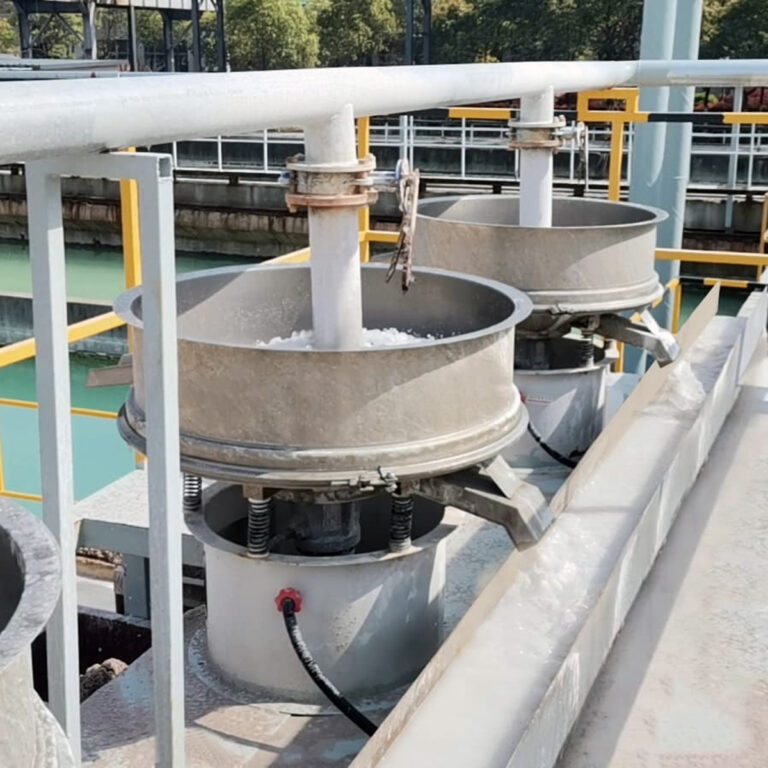
The required final water quality dictates the technology pathway. Basic clarification for coolant make-up water is one tier. The rise of high-precision CNC machining has created demand for a higher tier: advanced tertiary filtration. Systems like self-cleaning sand filters or ceramic membrane units polish clarified water to “mains-like” quality, protecting sensitive spindle bearings and tooling. This establishes a performance hierarchy. Investing in a comprehensive silo-based treatment system with future filtration upgrades in mind is often more cost-effective than retrofitting a basic system later.
| Treatment Method | Key Characteristic | Best For / Consideration |
|---|---|---|
| Sedimentation Silo | High efficiency, large capacity | Natural stone abrasive slurries |
| Lamella Clarifier | Flocculant-free operation | Simplifying chemical supply chain |
| Tertiary Filtration (e.g., Ceramic Membranes) | “Mains-like” water quality | High-precision CNC machining |
| Technology Choice Driver | Final water quality needs | Establishes performance tier |
Source: ISO 14001:2015 Environmental management systems — Requirements with guidance for use. This EMS framework drives the systematic selection of treatment technologies to minimize discharge and promote water reuse, influencing the comparison between clarification and advanced filtration methods based on environmental and operational goals.
Which System is Best for Granite, Marble, or Limestone?
Matching Technology to Sludge Type
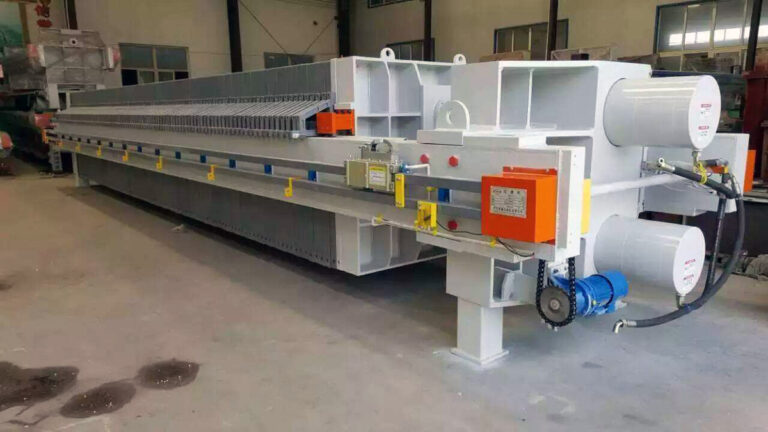
The optimal dewatering method is forced by the sludge’s physical composition. Abrasive, granular slurries from granite, marble, and limestone are ideal for automated filter presses, which apply high pressure to produce a dry, handleable filter cake. In contrast, the sticky, polymer-laden sludge from engineered stone (quartz composite) processing readily clogs filter plates. For this material, simpler bagging stations or decanter centrifuges often provide more reliable operation. Selecting a filter press for engineered stone based solely on its perceived efficiency for natural stone leads to persistent downtime and high maintenance.
The Integrated System Trend
Vendors are increasingly offering bundled solutions that combine water treatment with dust extraction and air purification. This integrated environmental package promises single-source accountability and optimized performance between systems. However, it creates significant vendor stickiness. Buyers must evaluate the long-term flexibility and cost of being locked into one supplier for multiple critical systems versus the potential integration challenges of a best-in-breed, multi-vendor approach. This strategic decision impacts operational resilience and future upgrade paths.
| Processed Material | Sludge Characteristic | Recommended Dewatering Method |
|---|---|---|
| Granite / Marble / Limestone | Abrasive natural stone slurry | Automated filter press |
| Engineered Stone | Sticky, polymer-laden sludge | Simpler bagging station |
| Vendor Strategy Trend | Integrated system bundles (water + air) | Creates single-source stickiness |
| Buyer Consideration | Long-term system flexibility | Modular vs. optimized package |
Source: ISO 18400-206:2018 Soil quality — Sampling — Part 206: Collection, handling and storage of soil under aerobic conditions for the assessment of microbiological processes, biomass and diversity in the laboratory. The principles for maintaining sample integrity during storage inform the design of sludge handling systems to prevent biological/chemical changes, which is critical when matching dewatering technology to specific sludge characteristics.
Integrating Chemical Dosing and Sludge Dewatering Options
Precision Chemical Conditioning
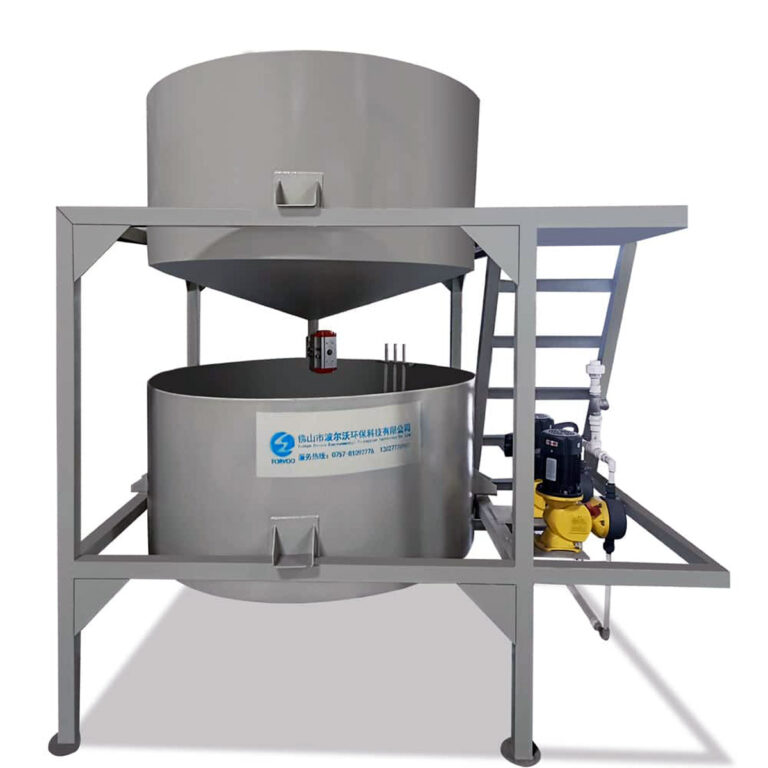
To accelerate settling in the silo, chemical conditioning with flocculants or coagulants is standard. Automated dosing stations are critical for precise injection, agglomerating fine particles into larger, faster-settling flocs. Inconsistent manual dosing leads to poor clarification efficiency and chemical waste. Modern systems use flow-proportional or turbidity-based feedback control to optimize chemical consumption, directly reducing OPEX. This precision is a key component of an effective Environmental Management System as defined by ISO 14001:2015, which requires controlled management of chemical inputs.
Dewatering Technology Selection
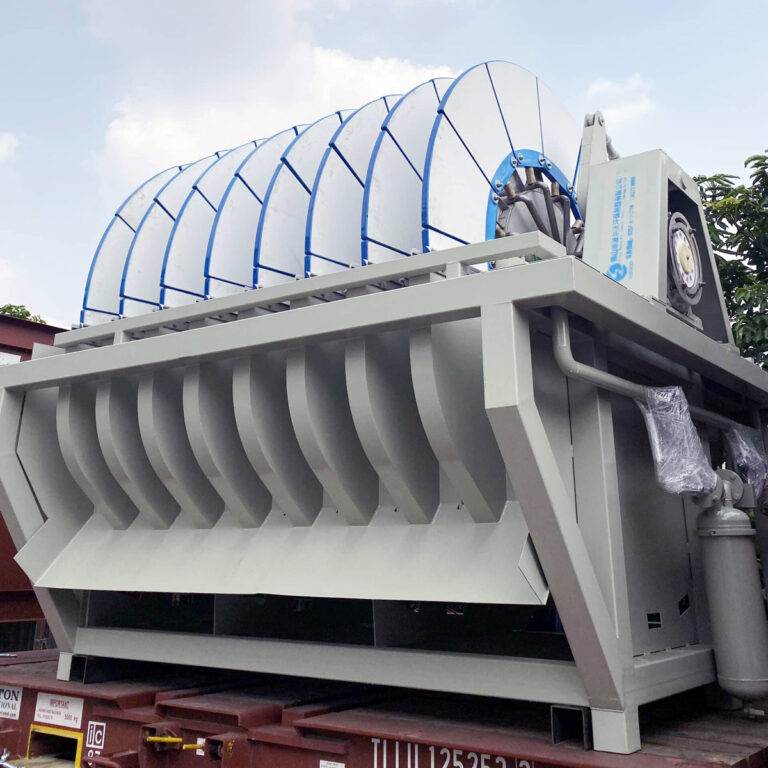
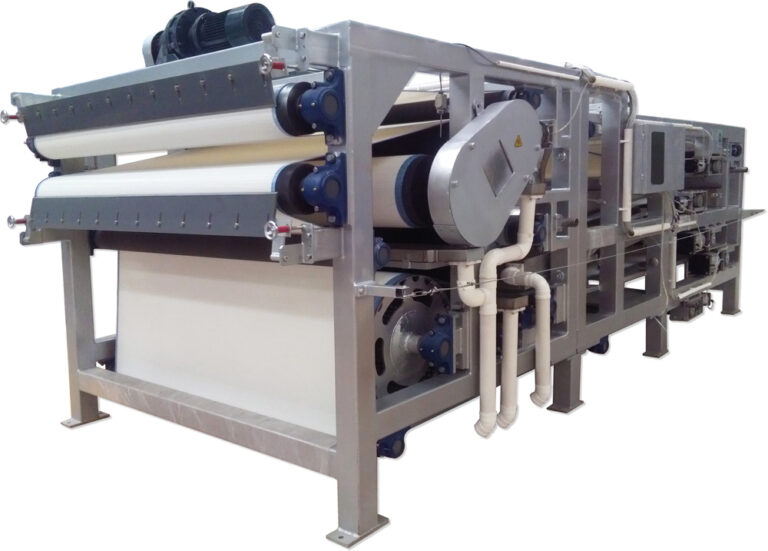
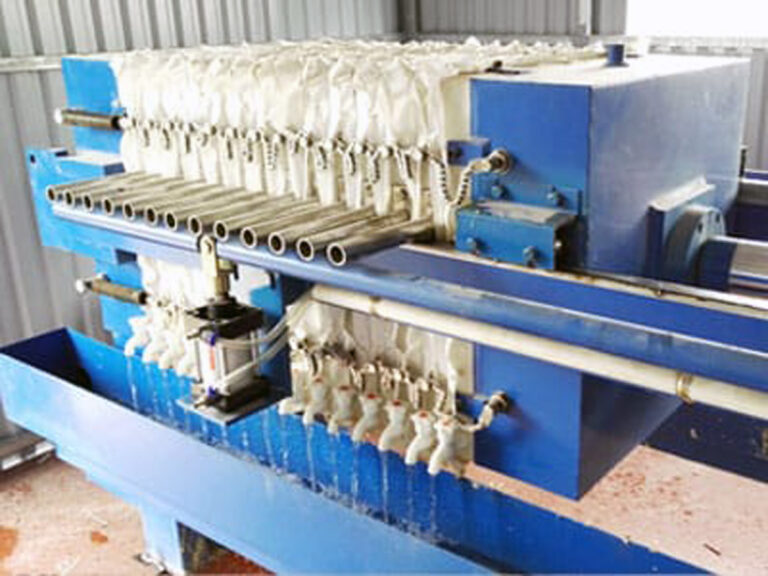
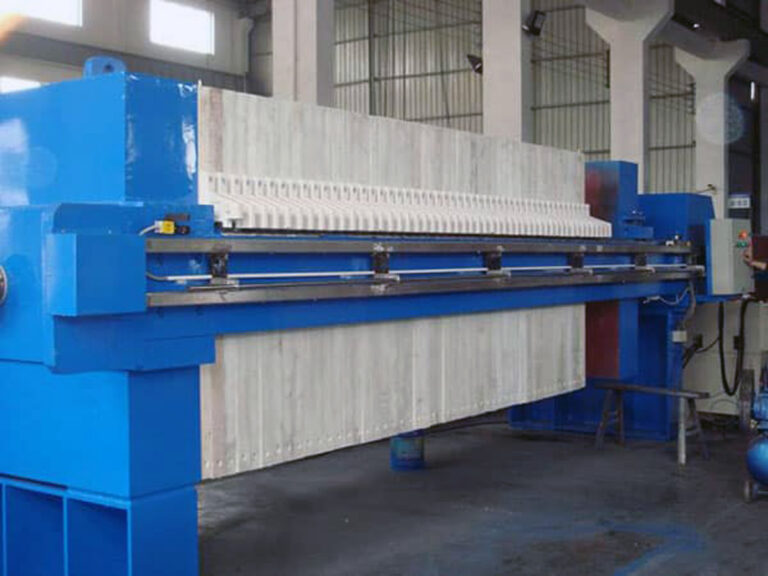
Downstream of the silo, the sludge handling method is a decisive choice. For high-volume natural stone facilities, automatic filter presses are the workhorse, producing a dry cake suitable for cost-effective disposal or potential reuse. For lower volumes or problematic sludges, semi-automatic bagging stations offer simplicity and reliability. The trend is toward full automation managed by PLCs, which not only reduces labor but also enables data collection on cycle times and cake dryness. This data integration is the foundation for predictive maintenance, scheduling filter cloth changes or press inspections before failure occurs.
| System Component | Function / Technology | Operational Trend |
|---|---|---|
| Chemical Dosing Station | Precise flocculant/coagulant injection | Automated, PLC-controlled |
| Sludge Handling (High Volume) | Automatic filter press | Produces dry “filter cake” |
| Sludge Handling (Problematic Sludge) | Bagging station | Simpler, semi-automatic process |
| System Management | PLC control & data integration | Enables predictive maintenance |
Source: Technical documentation and industry specifications.
Ensuring System Reliability with Redundancy and Automation
Engineering Redundancy
Reliability is designed into the system through component redundancy and isolation capability. Critical units, such as submersible pumps feeding the silo, should be installed with a standby pump. The piping and valving design must allow any single component—a pump, mixer, or even the filter press—to be isolated for maintenance without requiring a full system shutdown. This N+1 philosophy for mission-critical components is essential for maintaining continuous production in multi-shift stone processing facilities.
Automation as a Compliance Strategy
The level of automation defines operational resilience and safety. A fully automatic PLC-controlled system manages chemical dosing, sludge transfer, filter press cycling, and clean water recirculation with minimal operator input. This automation is increasingly a compliance strategy. Regulatory pressure on respirable crystalline silica (RCS) exposure is accelerating the adoption of fully-enclosed, automated systems that minimize human interaction with the sludge stream. Touchscreen interfaces with self-diagnostics shift maintenance from reactive to proactive and create the data foundation for integrating treatment performance with overall production efficiency analytics.
| Reliability Feature | Implementation Example | Strategic Benefit |
|---|---|---|
| Component Redundancy | Standby submersible feed pump | Enables maintenance without shutdown |
| System Automation Level | Fully-automatic PLC control | Minimizes labor, enables remote monitoring |
| Compliance Driver | Fully-enclosed automated systems | Reduces silica (RCS) exposure risk |
| Data Integration | Touchscreen interfaces, self-diagnostics | Foundation for production efficiency analytics |
Source: ISO 14001:2015 Environmental management systems — Requirements with guidance for use. Compliance with environmental management standards accelerates the adoption of automated, enclosed systems to systematically control and reduce risks associated with hazardous waste streams like silica-laden sludge.
Space Planning, Utility Needs, and Installation Logistics
Footprint and Structural Analysis
Physical implementation requires meticulous planning. The total footprint encompasses the sedimentation silo, filter press or bagging station, chemical preparation skids, and clean water storage tanks. Space-constrained facilities face a direct cost trade-off: large, cylindrical bolted silos offer the lowest cost per volume but require more floor area. Rectangular, shop-welded hoppers provide better footprint efficiency at a higher capital cost. The site assessment must verify adequate load-bearing capacity for the combined weight of a full silo and heavy equipment, especially for large, site-built units.
Utility Integration and Pipework
Adequate utilities are non-negotiable. This includes sufficient electrical power for pumps, mixers, and controls; water supply for chemical preparation; and access routes for sludge removal trucks. A frequently overlooked detail is the internal plant pipework. When upgrading to a high-recirculation system, the existing pipes returning clean water to the machines may be undersized. This often necessitates a switch to a single, variable-speed booster pump to maintain stable pressure across all polishing heads, ensuring the treatment system’s capacity is fully utilized.
| Planning Area | Key Requirement / Consideration | Cost vs. Space Trade-off |
|---|---|---|
| System Footprint | Silo, press, skids, tanks | Cylindrical bolted silos: larger area, lower cost |
| Site Structural Needs | Adequate load-bearing capacity | Critical for large, site-built silos |
| Critical Utility | Power for pumps and controls | Essential for automated operation |
| Internal Pipework | Sized to upgraded system capacity | Often requires single variable-speed pump |
Source: ISO 13341:2010 Petroleum and natural gas industries — Pipeline transportation systems — Installation of loading and unloading hoses. The standard’s focus on structural integrity and system installation logistics for containment structures is directly applicable to planning the space, utility, and load-bearing requirements for large-scale silo systems in industrial facilities.
Final Selection Criteria for Your Facility’s Specific Needs
Synthesizing the Specification
Final selection requires synthesizing all factors into a tailored specification document. Begin with accurate, measured data on flow rate and sludge load—this is the non-negotiable foundation. Explicitly match the dewatering technology to your primary stone type’s sludge characteristics. Evaluate the capital versus operational cost trade-off of automation against your labor model and production scale. Conduct a formal TCO analysis that factors in material selection based on your planned facility lifespan.
Proactive Future-Proofing
Factor in future operational needs at the design stage. If investing in high-precision CNC machinery is in the plan, budget and allocate space for advanced tertiary filtration upfront. View automation and full enclosure not just as a cost, but as a strategic hedge against inevitable tightening of silica exposure regulations. Finally, prioritize systems with open data architecture (OPC UA, Modbus TCP) over closed proprietary protocols. This ensures the treatment plant can integrate with future IoT platforms and production monitoring systems, transforming it from a cost center into a source of operational intelligence.
The core decision points are clear: accurate influent data dictates scale, sludge type dictates dewatering method, and production strategy dictates the level of automation. View the specification process as designing a production asset for water recovery, not just a compliance tool. This mindset shift is what separates systems that deliver long-term value from those that become a persistent operational burden.
Need a professional specification developed for your granite, marble, or limestone facility? The engineering team at PORVOO can translate your production data into a optimized system design.
For a detailed discussion of your project requirements, you can also Contact Us.
Frequently Asked Questions
Q: How do you accurately size a wastewater silo system for a stone processing facility?
A: You must base sizing on measured influent characteristics, specifically the maximum flow rate—which can range from 250 to over 4,000 liters per minute—and the sludge concentration. Relying on machine count alone leads to costly undersizing or inefficient over-engineering. This means facilities must invest in proper influent sampling and analysis, guided by standards like ISO 5667-10:2020, before finalizing any design specification.
Q: What are the key cost trade-offs between semi-automatic and fully-automatic sludge dewatering systems?
A: The primary trade-off is capital expenditure versus long-term operational labor. Semi-automatic systems with bagging stations have lower upfront costs but require continuous operator handling. Fully-automatic systems with filter presses and PLC controls demand higher initial investment but drastically reduce labor and help mitigate future regulatory risks related to silica exposure. For high-volume granite or marble facilities, the automated option typically offers a superior total cost of ownership over a 20-year lifespan.
Q: When should a facility choose a filter press over a bagging station for sludge handling?
A: This decision is forced by the physical composition of your sludge. Automated filter presses are optimal for high-volume, abrasive natural stone slurries from granite or marble, producing a dry filter cake. For lower volumes or sticky, polymer-laden sludge from engineered stone, simpler bagging stations are more reliable to prevent clogging. Selecting based solely on price for the wrong sludge type guarantees significant operational downtime and maintenance headaches.
Q: How does material selection for wetted parts impact the long-term cost of a treatment system?
A: Using stainless steel for components in contact with abrasive slurry resists corrosion and can extend system life beyond 20 years, despite a higher initial cost. Painted carbon steel offers a lower capital outlay but incurs substantially higher maintenance, repair, and potential replacement costs. This means a thorough total cost of ownership analysis, aligned with principles for managing long-term assets as in ISO 18400-206:2018, will often justify the premium for stainless steel.
Q: What are the space planning implications when choosing between shop-welded and site-bolted sedimentation silos?
A: Shop-welded silos are limited by transport dimensions but offer a rectangular, footprint-efficient shape. Larger, cylindrical site-bolted tanks provide a lower cost per volume but demand significantly more floor area. This creates a direct trade-off: space-constrained facilities face a cost penalty for the compact design, while sites with ample room can achieve greater treatment capacity at a lower capital cost by opting for bolted construction.
Q: Why is automation increasingly a compliance strategy in stone wastewater treatment?
A: Fully automated, PLC-controlled systems that manage dosing, sludge transfer, and dewatering minimize manual operator intervention. This enclosed design directly reduces worker exposure to respirable crystalline silica (RCS), a growing regulatory focus. Implementing such a system demonstrates proactive risk management, supporting broader environmental and safety compliance goals as part of an ISO 14001:2015 framework, while also providing data for operational optimization.
Q: How should we design the slurry transfer system to ensure reliable and safe operation?
A: Design for reliability requires installing critical feed pumps with a standby unit for redundancy and designing piping that allows component isolation without a full system shutdown. The transfer system must be sized to handle your maximum flow rate and pressure, applying engineering principles similar to those in ISO 13341:2010 for loading systems. This means your plant’s internal return pipework may need upsizing to match the new treatment system’s capacity, often necessitating a single, variable-speed booster pump.