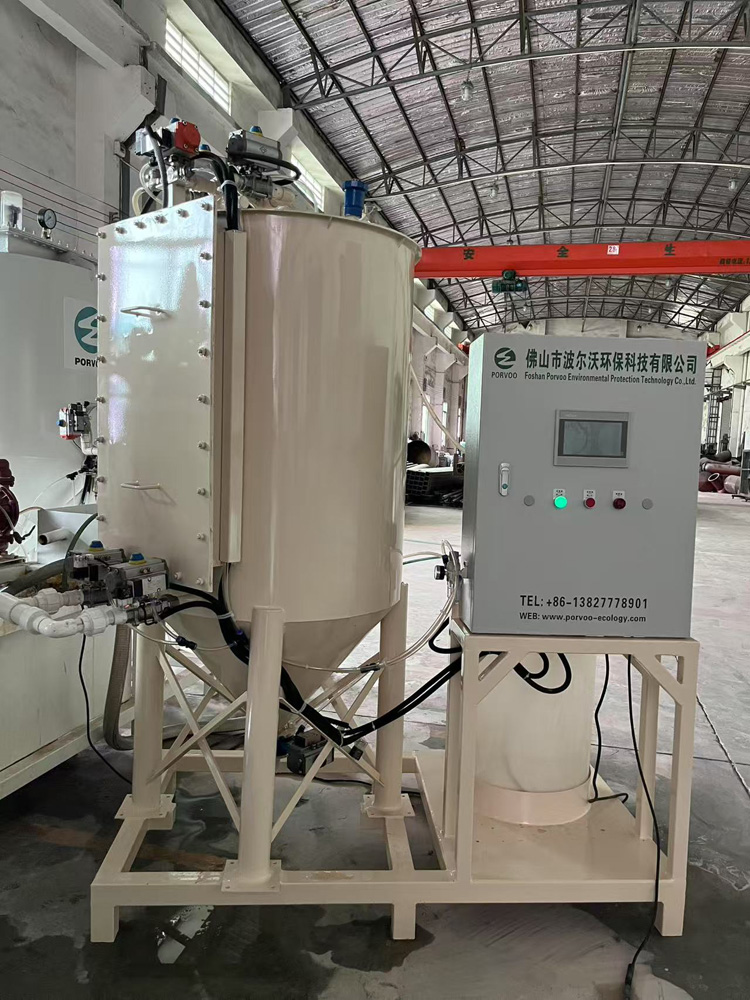
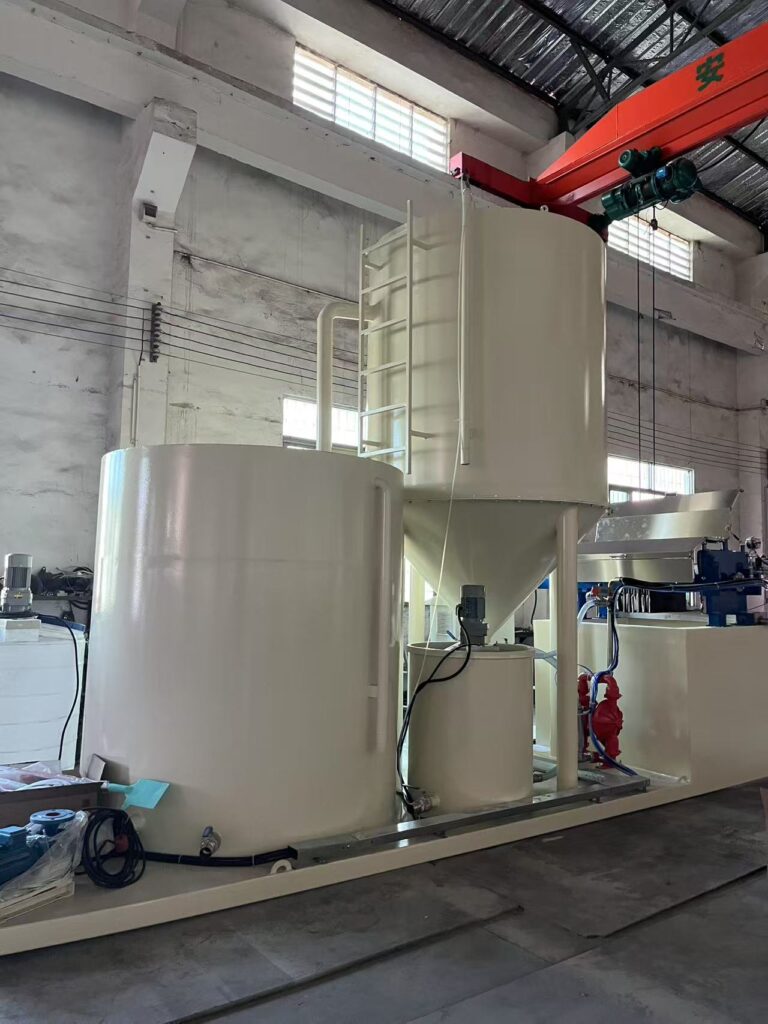
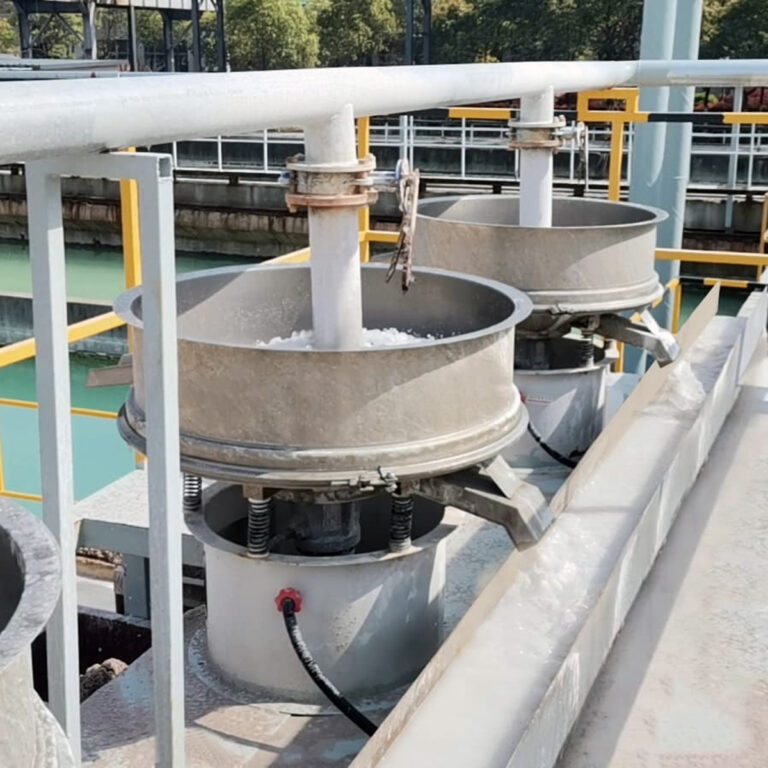
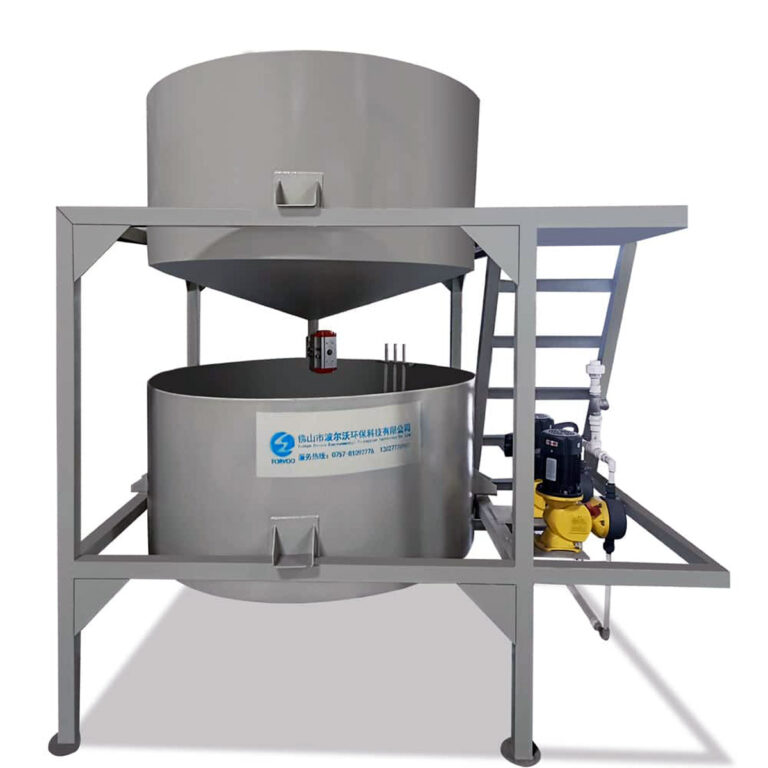
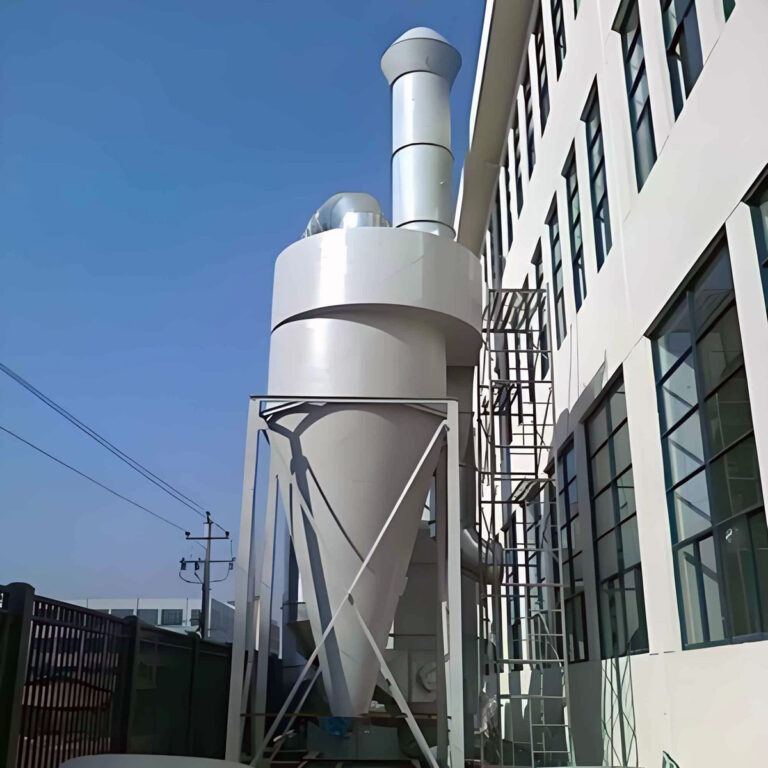
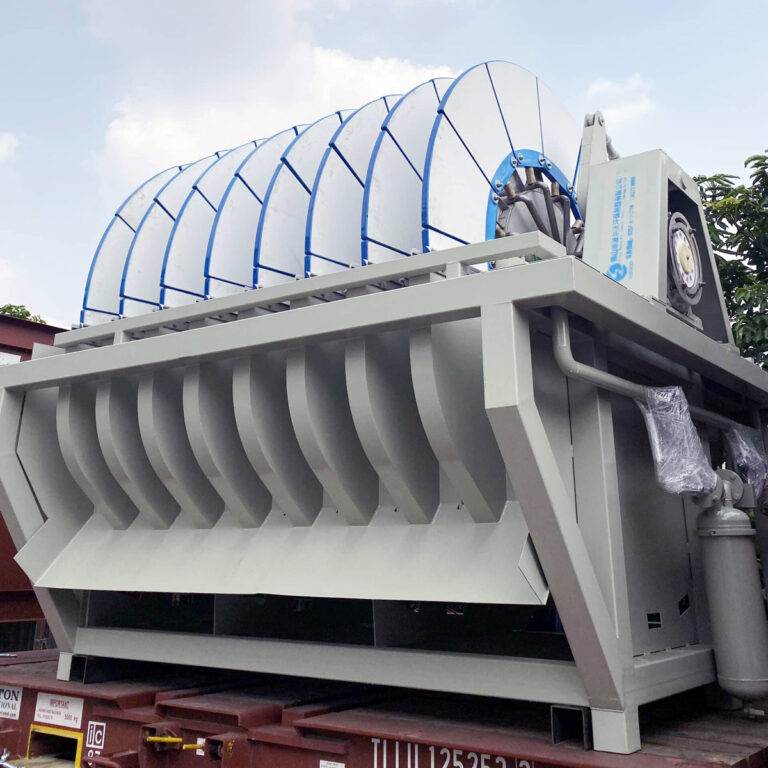
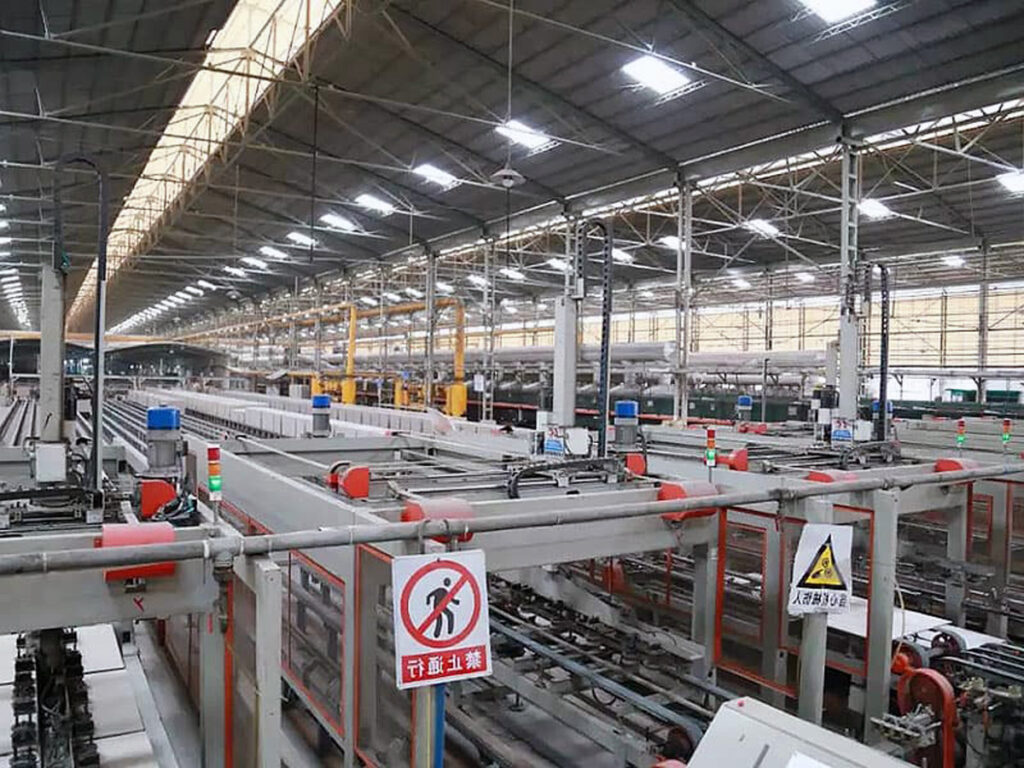
Grit removal system for industrial wastewater from ceramic/stone processing uses abrasion-resistant materials to separate 95% of 75 μm grit, preventing equipment wear.
Grit removal system for industrial wastewater from ceramic/stone processing handles abrasive particles ≥0.2 mm, with 98% efficiency, corrosion-resistant materials, and low organics content.
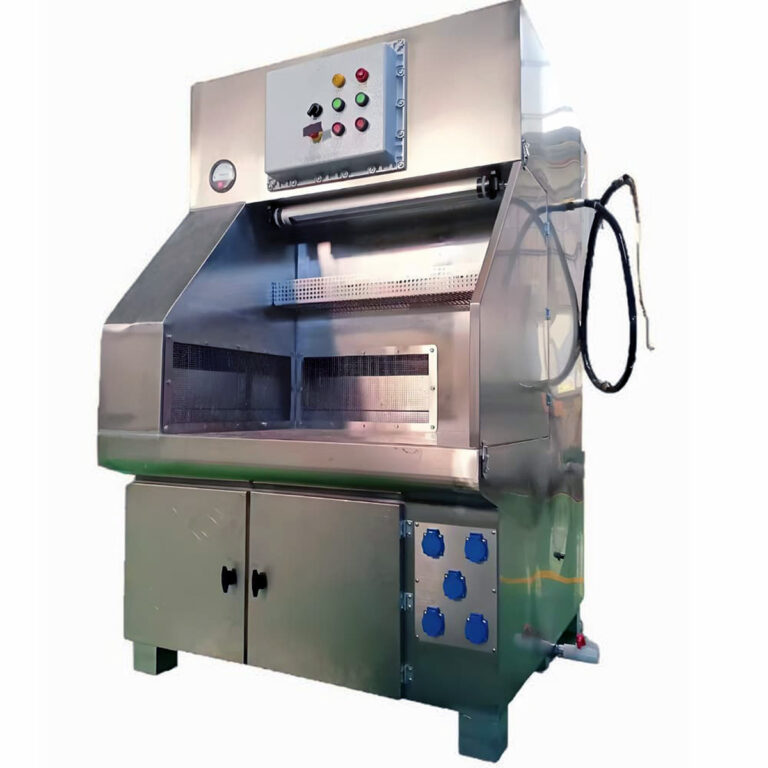
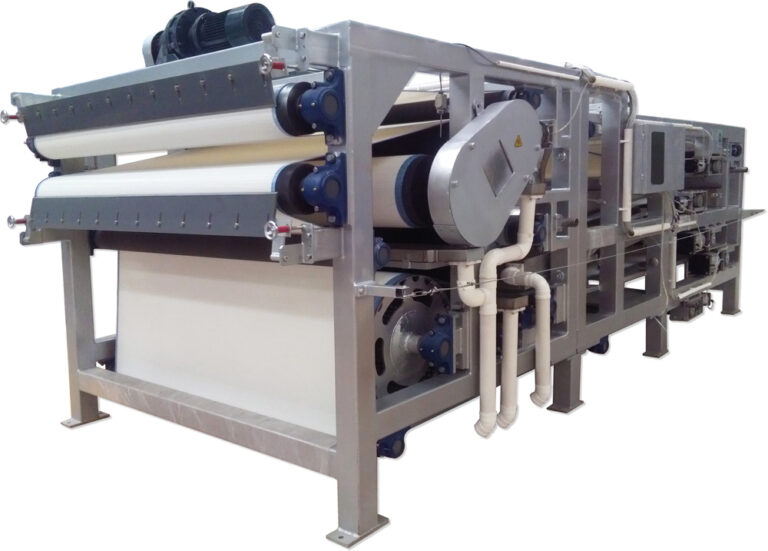
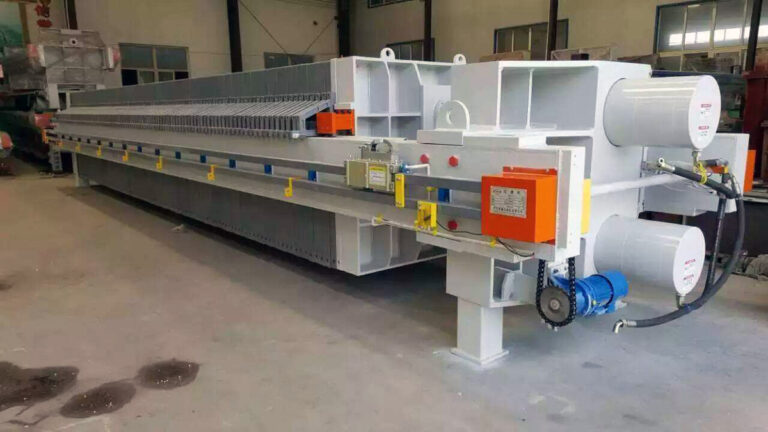
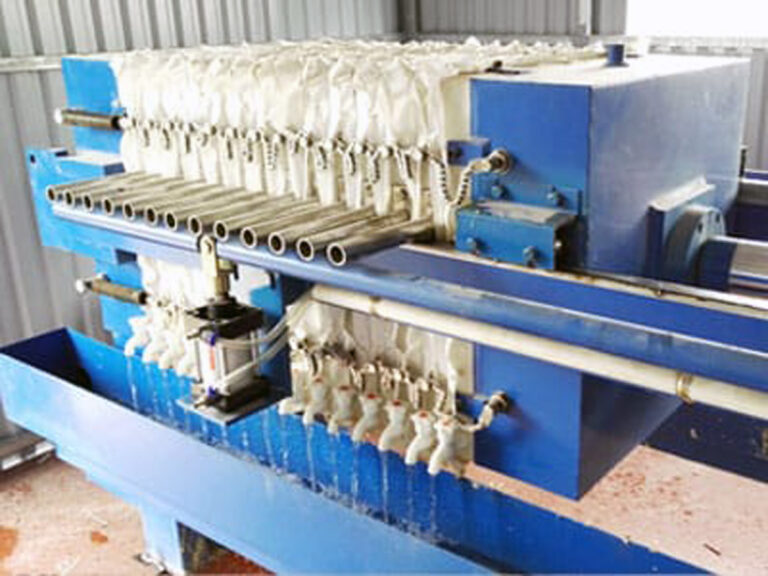
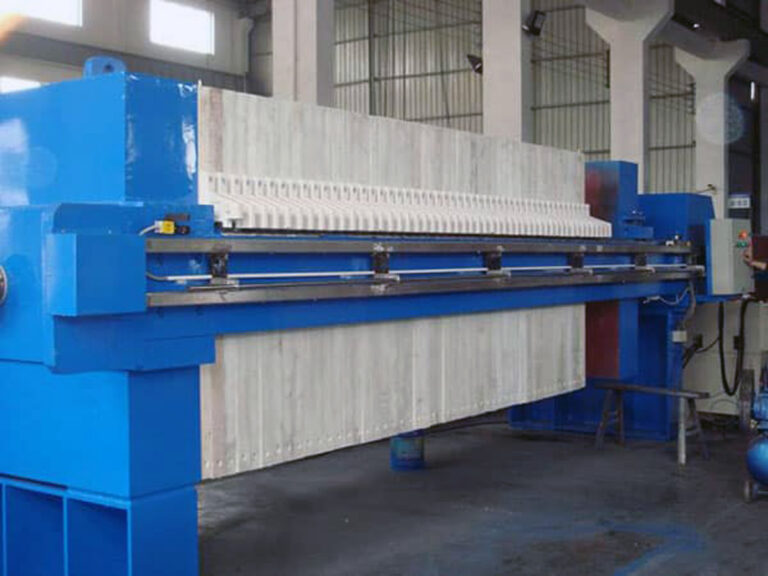
Automated wastewater treatment stone fabrication systems use filter presses and hydro-cyclones to treat up to 396 GPM, achieving water clarity below 10 microns for reuse and reduced labor costs[1][4][5].
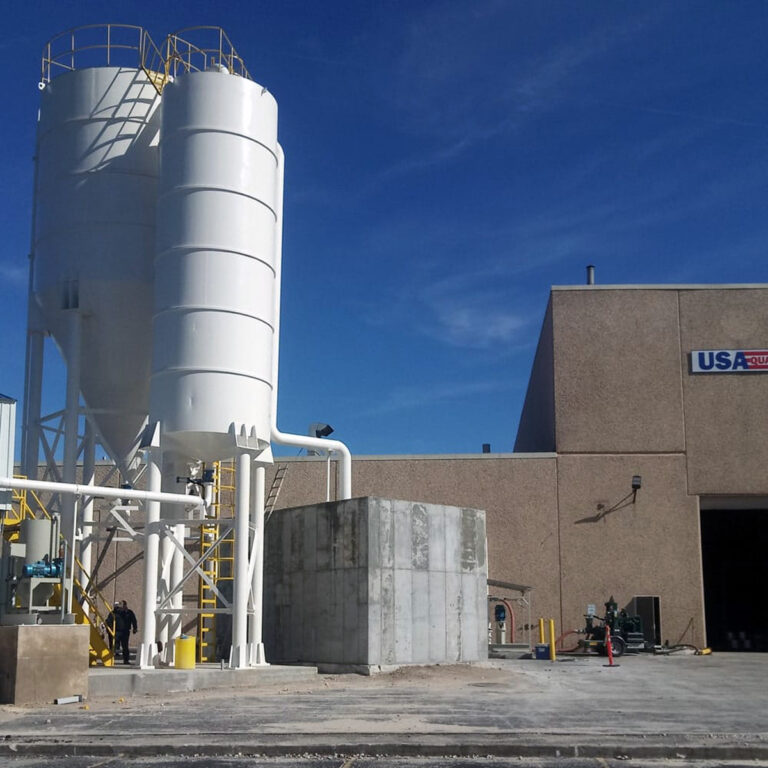
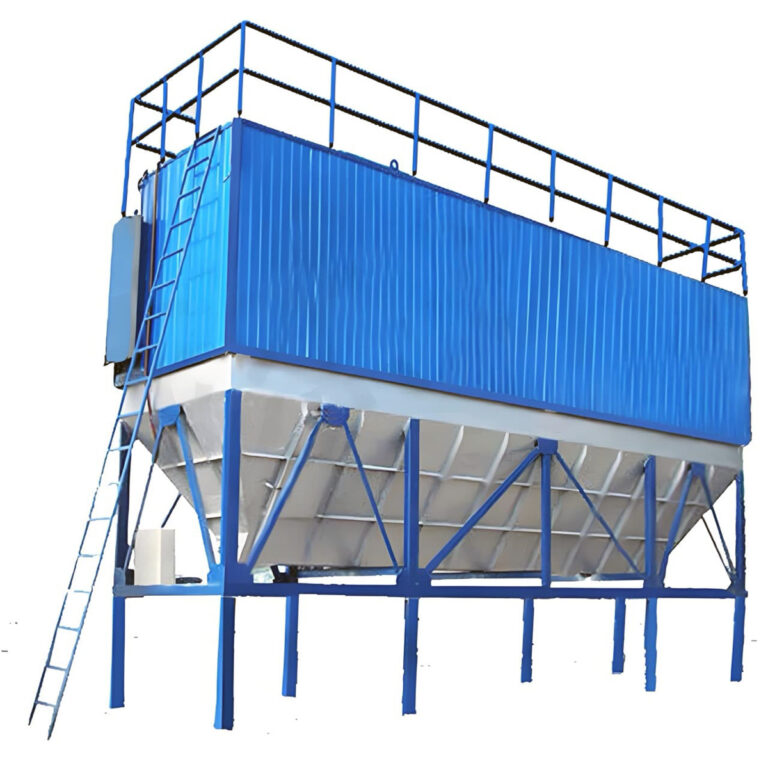
Compact silo systems provide high-efficiency solid-liquid separation with minimal footprint, while filter press wastewater treatment achieves higher cake dryness (up to 99% solids) and is ideal for applications needing maximum sludge volume reduction and consistent performance.
Ceramic wastewater filtration performance metrics include COD/BOD removal rates, membrane pore size (0.05–0.2 μm), flux (10–1000 L/h·m²·bar), and material stability under high temperature, pH, and chemical exposure.
Compact water recycling ceramic manufacturing uses sub-0.05 micron ceramic membranes for 85% water recovery, high chemical resistance, and suspended solids removal.
Silo type wastewater treatment systems for the stone industry integrate sedimentation and filtration, reducing costs and enhancing water recycling efficiency.