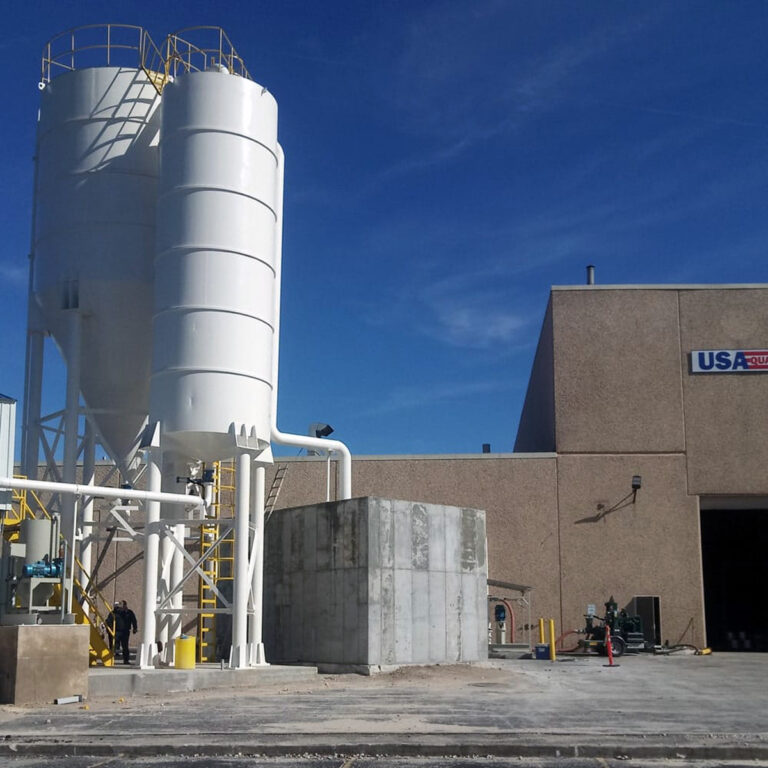
Industrial dust collection systems use advanced filtration to remove airborne particles, reducing equipment damage, OSHA fines over $50,000, and 15-20% efficiency loss.
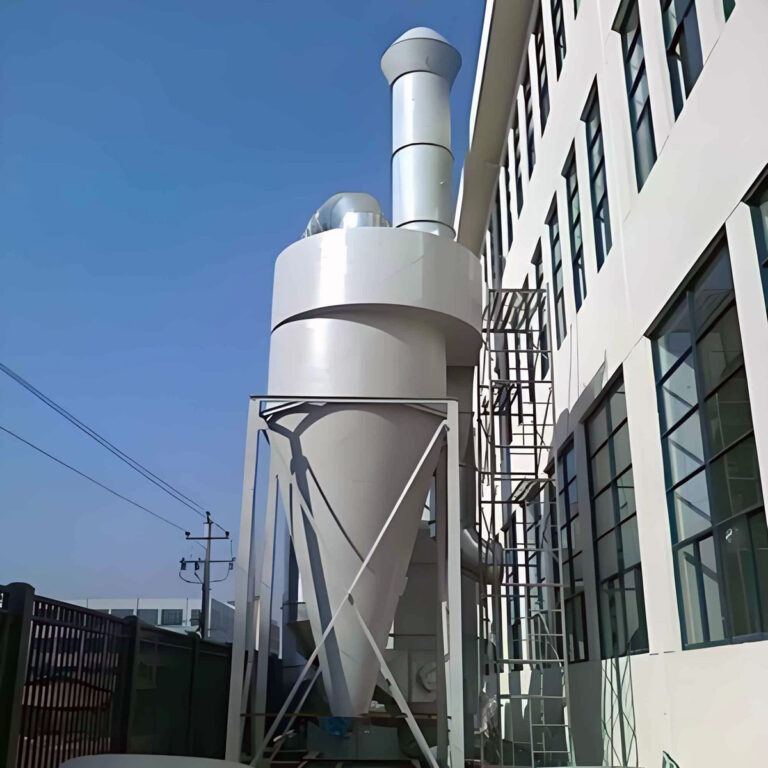
Industrial dust collectors like cyclone systems and pulse jet baghouses protect worker safety, meet OSHA standards, and achieve up to 99% particle collection efficiency.
Airborne particulate contamination in industrial workplaces risks worker health, equipment damage, product quality, and regulatory compliance due to dust exposure.
Addressing strict emission standards and waste costs, this guide details environmental protection systems, pollution control technologies, and operational impacts.
Industrial water treatment equipment selection impacts operational efficiency, with mismatch causing 30-40% higher costs, compliance failures, and energy waste.
Smart dust collection systems with IoT integration enable real-time monitoring, reduce downtime, optimize energy use, and help prevent regulatory violations in industrial facilities.
Industrial facilities discharge millions of gallons of untreated wastewater daily, risking EPA fines of $25,000–$37,500 per day for non-compliance with evolving discharge regulations.
Industrial dust collection safety standards define particle size thresholds, exposure limits, and equipment criteria to achieve up to 95% reduction in airborne hazards.
Industrial filtration equipment suppliers must offer advanced technology, material reliability, and regulatory compliance to prevent costly failures and ensure operational efficiency.
Tower sewage treatment technology enables industrial facilities to maximize land use efficiency, maintain compliance during fluctuating loads, and reduce remediation costs.